Feeds:
Posts
Comments

Archive for the ‘Management Lessons’ Category

Encounters with brighter minds invariably leave an author invigorated. When managers, whether the practising kind or the aspiring kind, ask searching questions based on what one has proposed in one’s books or blogs, the writer’s thought process also gets enriched. The more pungent the query, the more fulfilled one feels.

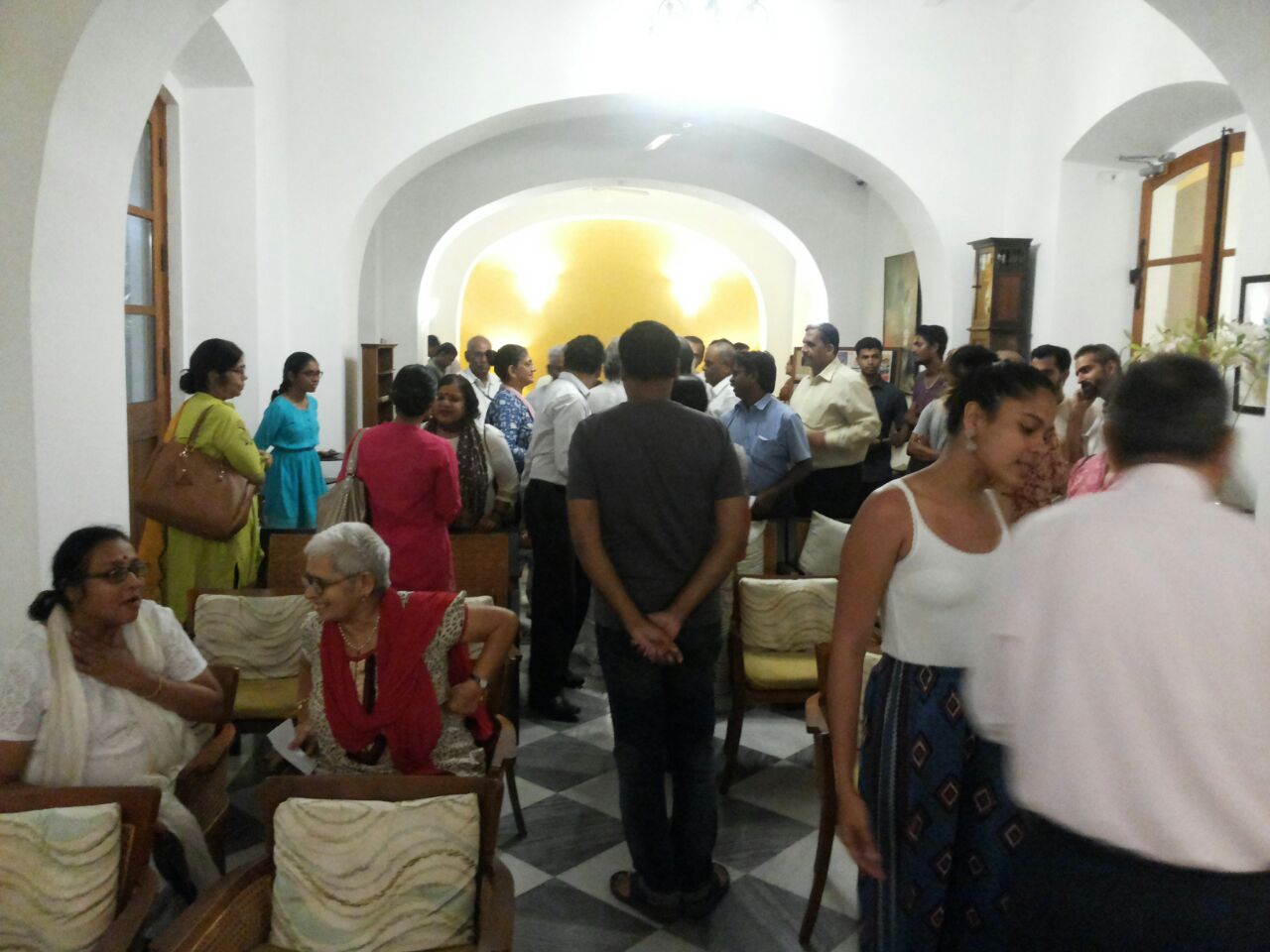
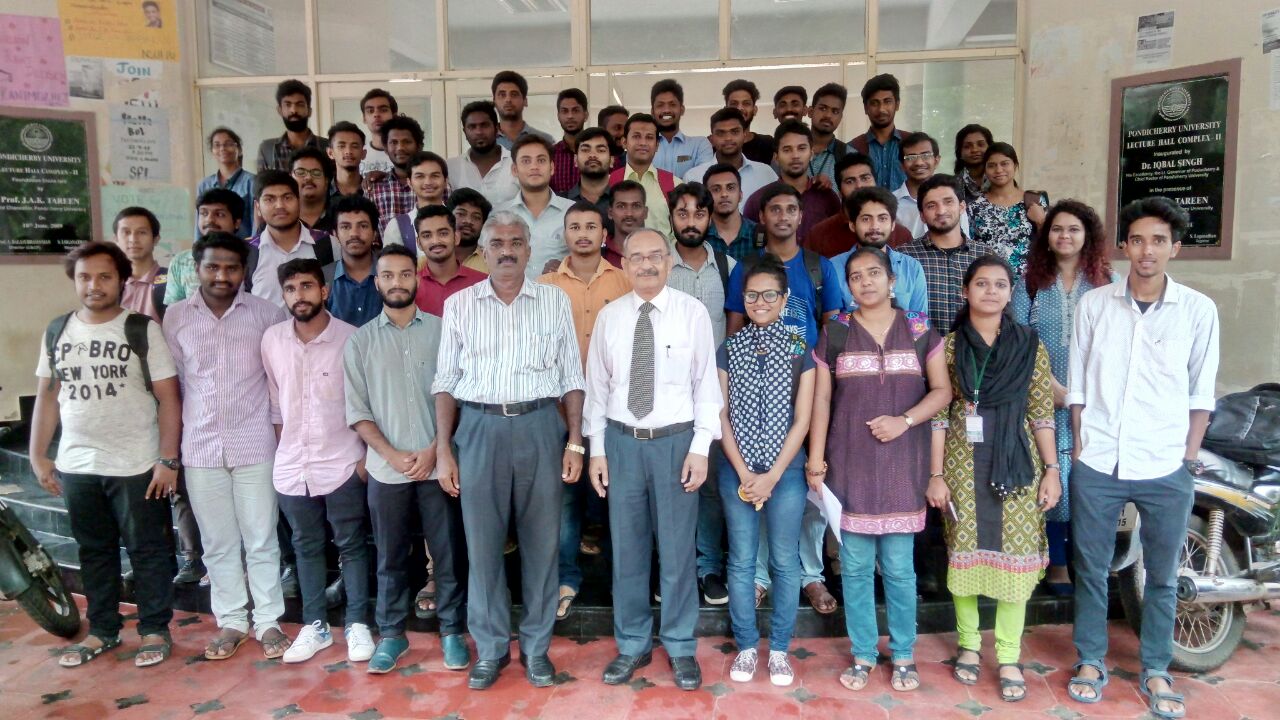
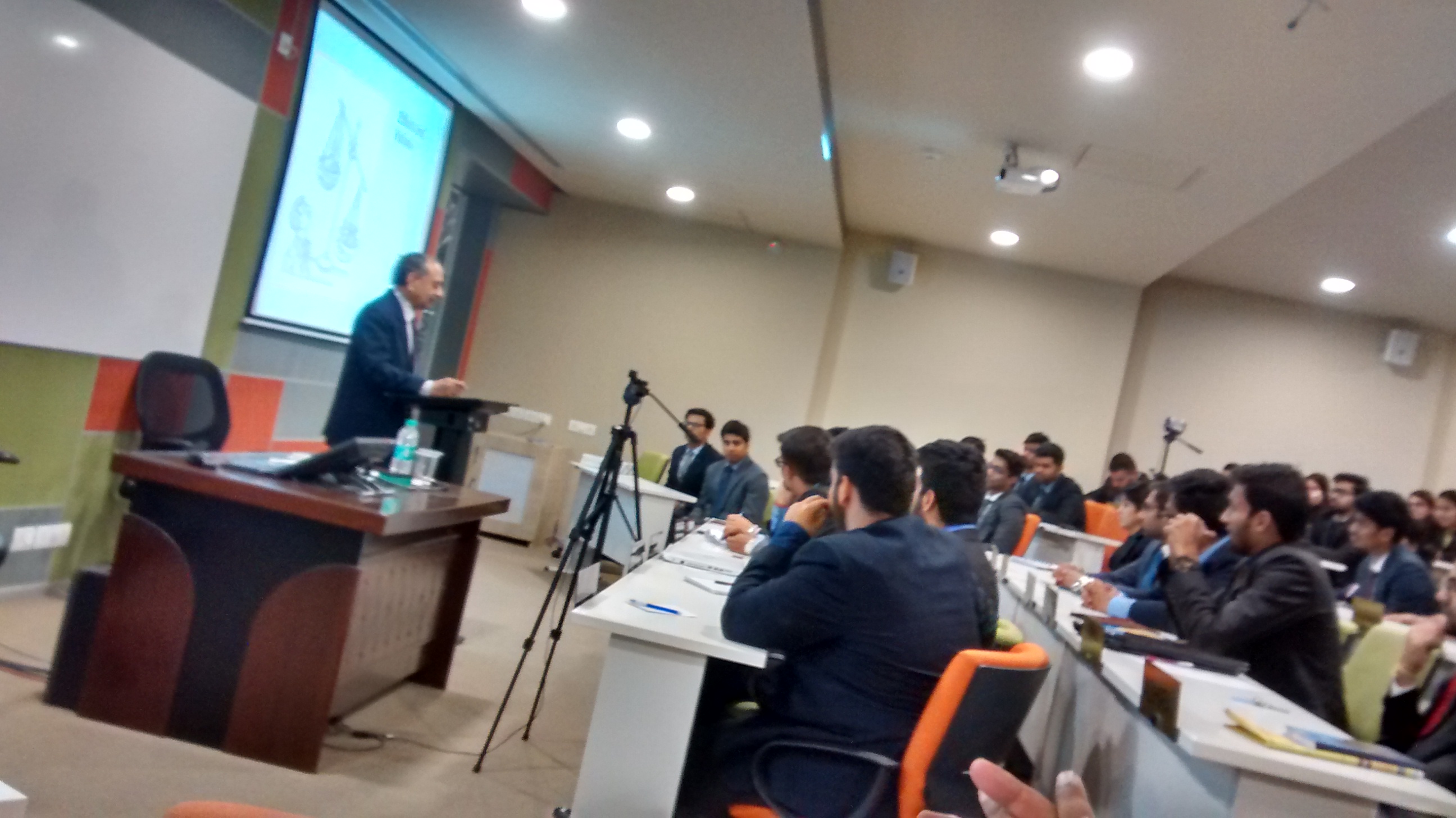
Over the past few years, yours truly has had several opportunities of interacting with youth who aspire to be future managers and entrepreneurs. The topics have been wide ranging, like Work Life Balance, Management Lessons from Movies, Management Lessons from India, Ethics and Values in Business, Managing Interpersonal Relationships, Four Pillars of Integral Management and Surviving in the Corporate Jungle.

Here are some of the outfits which have been kind enough to grant such opportunities:

  1. Catolica Porto Business School, Porto, Portugal.
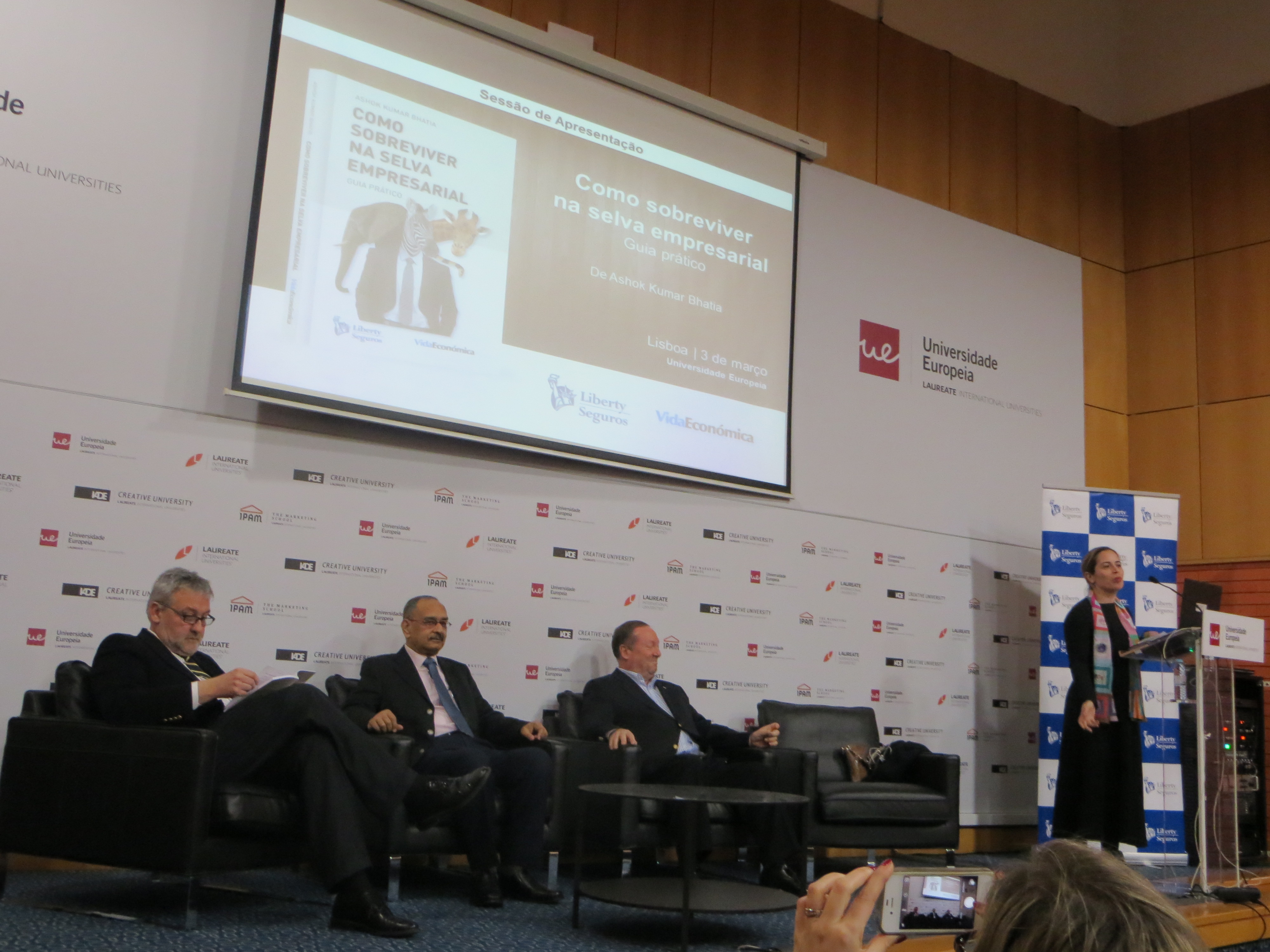
  2. Department of Management Studies, Universidade Europeia, Lisbon, Portugal.
  3. Madras Management Association, Pondicherry Chapter, India.
  4. Sri Aurobindo Center for Advanced Research, Pondicherry, India.
  5. C K College of Engineering and Technology, Cuddalore, India.
  6. Sri Manakula Vinayagar Engineering College, Pondicherry, India.
  7. Indian Institute of Management, Lucknow: NOIDA Campus, India.
  8. International Minds in Finland, Finland.
  9. Madras Management Association, Chennai, India.
  10. Department of Management Studies, Pondicherry University, India.
  11. Department of Management Studies, Indian Institute of Technology, Delhi, India.
  12. Great Lakes Institute of Management, Gurgaon, India.
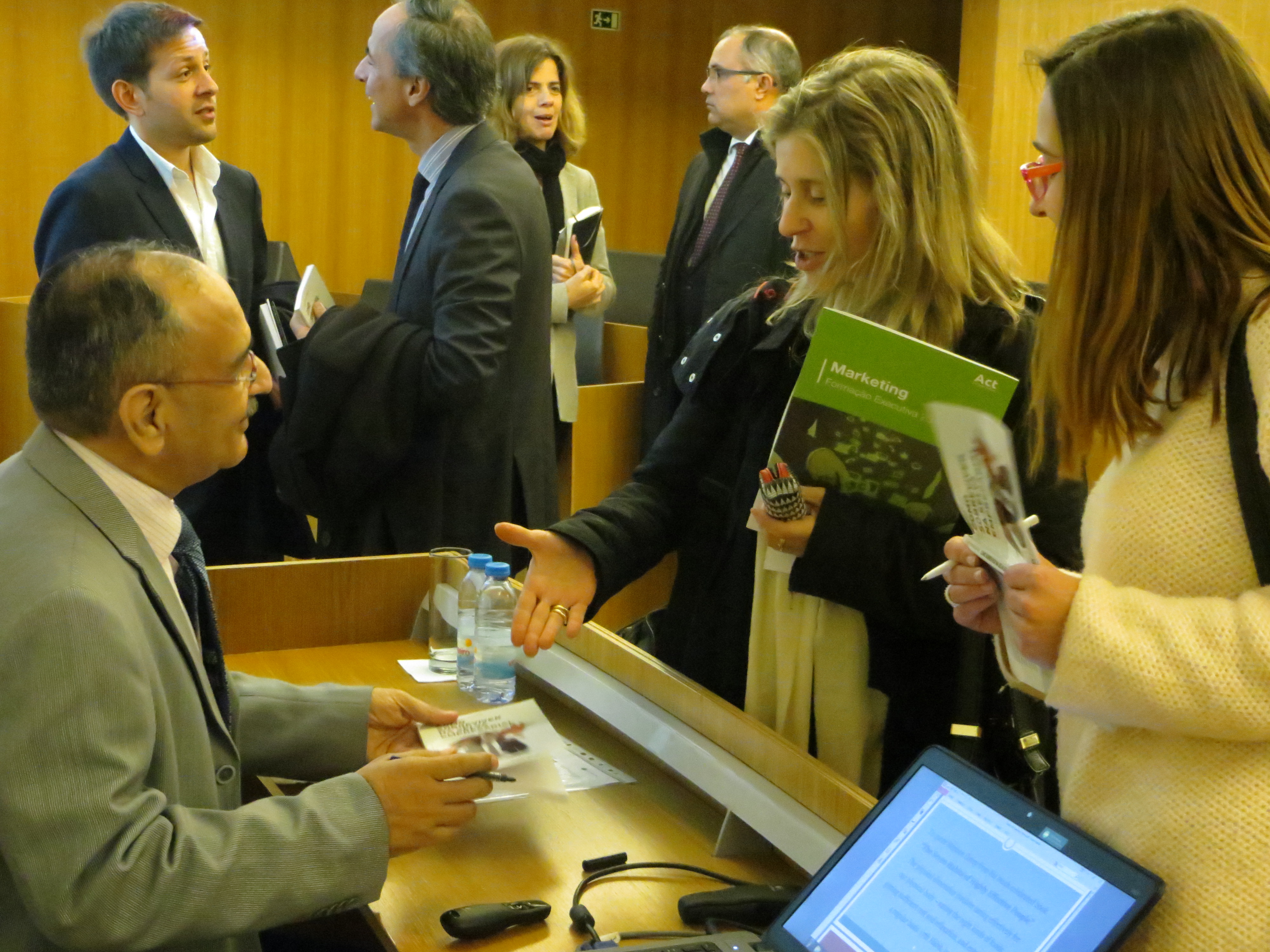
And mentioned below are some of the frequently asked questions yours truly has encountered in the recent past. Against each query, you will find a short summary of the response.

What precisely is Spiritual Quotient (SQ)? How does one develop it?

Those who have a high SQ have this uncanny ability to be creative and insightful in their approach to problem solving. They build up their level of self-awareness and there intuitive faculties. They realize that there is a realm of intelligence which is beyond the five senses that our physical bodies are endowed with.

SQ has several components: gratitude, self-esteem, self-awareness, consciousness, compassion, surrender, service and ego.

Meditation can help develop our Spiritual Quotient. So can heartfulness and mindfulness.
When you speak of the ‘Draupadi Syndrome’ in management parlance, you are speaking of managing multiple bosses. How does one handle such a situation?

Organizations are becoming flatter. Functional silos are breaking down. This means working in multi-disciplinary teams and reporting to multiple bosses at times.

Tact, patience and a better understanding of the psychology of each boss can help a manager to handle many bosses at the same time. Bad-mouthing one in front of the other would not help. Playing one against the other could also land one in a soup.
Due to parental pressure and financial insecurity, can one take up a job which is with a company which is marketing a dubious product?

It is not advisable to go in for a job where your value system does not match with that of the organization. You will not be able to put your heart into it. This may result into your being caught in a low-result and lower-rewards vicious cycle, undermining your self confidence.

If you are absolutely with your back to the wall, you may do so for a very short stint; be ready to change to the next one at the first possible opportunity.


You advise us to avoid being a Yes-man. How does one convey one’s difference of opinion to a senior? How does one say ‘no’ to one’s boss?

Politely. By marshalling your thoughts and sharing those with the senior at an appropriate time. Be open and respectful to his views. Registering dissent is a responsibility we all carry on our shoulders.

Please give examples of Eustress, the positive kind of stress you speak of.

When you are rushing for a meeting with your girl friend, or going to a movie, you feel a kind of stress which is positive in nature. When the end result is likely to be a pleasurable experience, you feel Eustress.

It follows that when we handle an assignment which connects us to a cause we happen to be passionate about, we experience positive stress. We enjoy doing it.  
 

According to you, interpersonal relationships have a half-life of their own, much like that of a radioactive substance. How can one increase the life span of a relationship?

I believe this can be done by avoiding anger, greed and a tendency to bad-mouth the party of the other part, especially when he/she is not present. Anticipating the needs of a person and assisting him/her in achieving a goal helps.


Ethics and Values in business: For an entity which is geared for generating a surplus for its equity holders and boasts of a great market valuation, just how practical is this concept?

Most businesses run on a quarter to quarter basis, with a focus on guideline values. But those which care about developing their brand equity operate based on a compass which is configured on a basic set of ethics and values.

In the Indian context, why do we respect Tatas? Because the group has a 150-year old tradition of good thoughts, good work and a basic sense of decency and honesty. They continue to do so much for the society, mostly in fields which have no direct connection to their diverse businesses.  
Any general career advice you would give to us?

Five years down the road, do you not see businesses becoming more dependent on technology? So, the writing on the wall is pretty clear. Be ready to embrace change. Learn digital skills and be ready to play a relevant role in the business, whether your own or that of someone else.

Do not be scared of bargaining for a better work-life balance. Remain connected to your inner self. Introspect, do a SWOT analysis, and create a USP for yourself. Invest in a good image on social media.

Build credibility. Observe company culture. Volunteer willingly. Build healthy relationships. Keep improving your skill-set.

Book cover English Front

Each interaction proves to be a good learning opportunity!

(Wish to look up my profile? You can find it here.

Related post: https://ashokbhatia.wordpress.com/2016/04/01/about-me)


Read Full Post »

ashokbhatia's avatarashokbhatia

One of the professional hazards CEOs face is that of giving in to relentless pressure and becoming Road Rollers. Quarterly targets have to be necessarily met. Stakeholders have to be kept happy. Auditors have to be kept in good humour. Regulatory agencies have to be held at an arm’s length. Star performers have to be kept excited.

Amidst all this razzmatazz, CEOs run the risk of caring about results alone. They would achieve targets by ruthlessly crushing anything that comes in their way. Concern for Production gets the top priority. Concern for People takes a back seat. Concern for Ethics gets dumped. In terms of the modified Blake Mouton Grid, they end up being slotted at 9,1,1.X Y Z upgraded

Such heartless hard task masters end up neglecting even the genuine needs of their team members. Employees have to be dealt with in a stern manner. Shorter working hours are held to be…

View original post 569 more words

Read Full Post »

A recent trip to New Delhi gave me an opportunity of calling upon His Excellency Joao da Camara, the Ambassador of Portugal in India. He was kind enough to spare some time for me to be able to present my book ‘Como Sobreviver Na Selva Empresarial’ to him.


It happened to be a day when the smog enveloping the capital city of India was at its worst. A brief meeting with an amiable person like His Excellency left one breathing easier. The brief encounter proved to be an uplifting experience. His grace, warmth and hospitality yet again reminded me of the genial and affable disposition of the people of Portugal.

The informal meeting took place in his tastefully done up office. The frankness with which he spoke and the warmth he exuded was typical of the people of character, resource and rich culture he represents.

He spoke warmly of the centuries old connection between Portugal and India. He mentioned families of Indian origin who have made Portugal their home for the past six generations and who make it a point to scout around for Indian brides who would eventually marry the sons in their families.

He mentioned the richness of India’s ancient culture and the diversity of its citizens. He turned out to be a close friend of Ms Clara Nunes dos Santos, a senior diplomat in the Portuguese Government, whom I was fortunate to have met in Oslo a few months back, when she was the Ambassador of Portugal in Norway.

Recapitulating the historic ties

It may be recalled that Bartolomeu Dias, a Portuguese explorer, was the first one to have crossed the ‘Cape of Good Hope’ in the year 1488, opening the sea route to India.

Vasco da Gama, another nobleman from the household of the King of Portugal, finally landed at the port of Calicut on the 27th of May, 1498, heralding an era of European dominance of India.

In 1510, the capital of Estado Portugues da India (Portuguese state of India) was transferred from Cochin to Goa. In the 17th century, Goa became the capital of the vast Portuguese empire which spread from Mozambique to Nagasaki, controlling the entire Indian Ocean trade.

When India gained independence from British rule in 1947, relations between the two countries turned a wee bit sour over Portugal’s refusal to surrender its enclaves of Goa, Daman, Diu, Dadra and Nagar Haveli. Indian military intervened, ending Portuguese rule over these areas in 1961. Eventually, with the signing of a treaty in New Delhi in 1974 with the new democratic Portuguese Government, amicable bilateral relations were restored.

Trade and commerce between the two countries has only looked up thereafter, even though much potential remains to be explored in the future. During the visit of Prime Minister of Portugal His Excellency Antonio da Costa to India during January 2017, as many as six agreements have been signed between the two countries. These also include an agreement on defence cooperation.

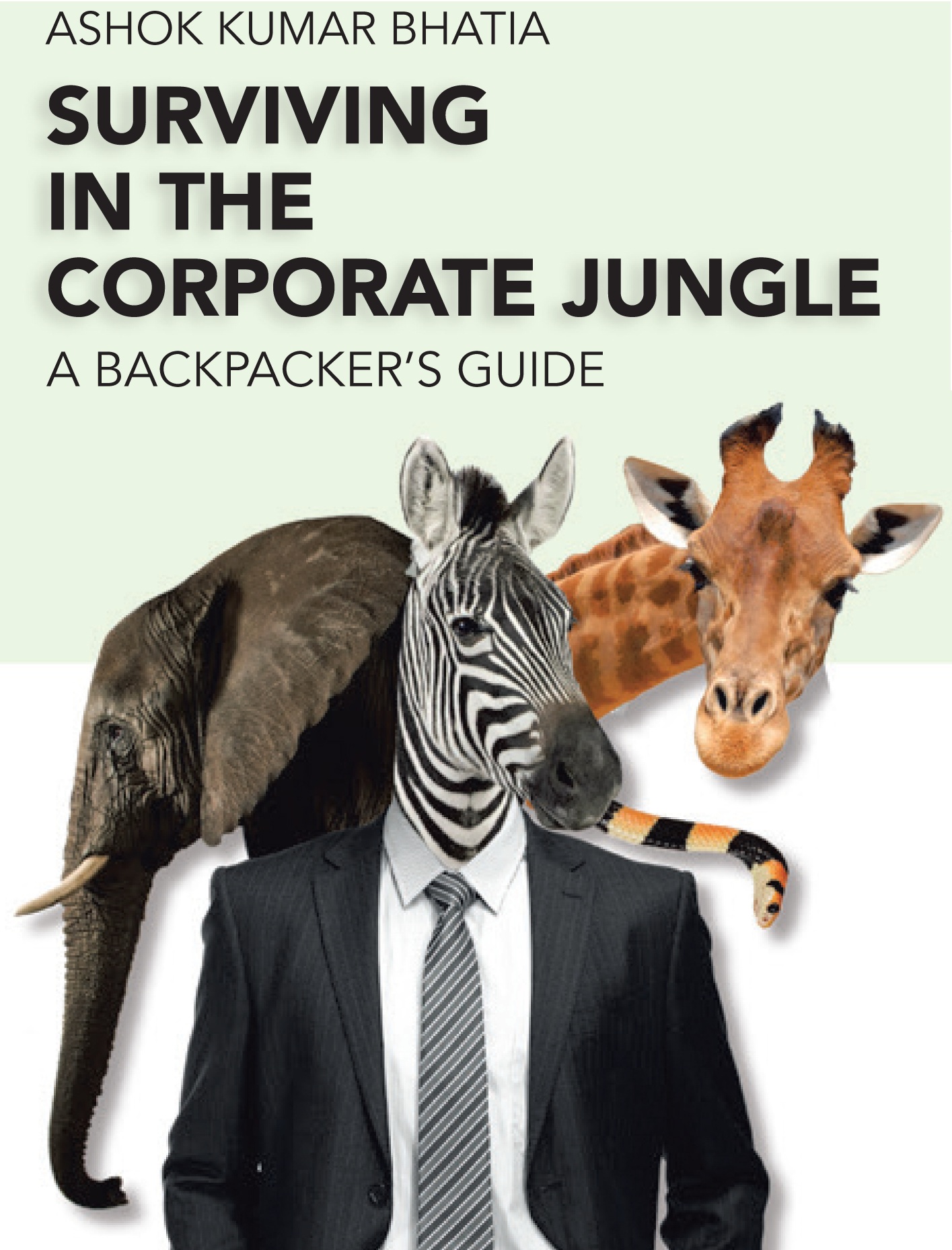
One feels happy to have made a very modest contribution towards an exchange of softer management ideas between Portugal and India. The book authored by me first got published in Portugal. The original English version, ‘Surviving in the Corporate Jungle’, followed thereafter.

(A Portuguese version of this article can be found at Book Portugal Ambassador India Vida Economica)

(Related Posts:

https://ashokbhatia.wordpress.com/2017/05/30/a-meeting-with-the-ambassador-of-portugal-in-norway

https://ashokbhatia.wordpress.com/2017/06/21/a-meeting-with-the-minister-counsellor-of-portugal-in-switzerland

https://ashokbhatia.wordpress.com/2017/10/14/surviving-in-the-corporate-jungle-a-video)

(Note:

This is how you can lay your hands on the Portuguese version of the book, launched in Portugal during March, 2016, courtesy Liberty Seguros and Vida Economica.)

(The English version of the book, entitled ‘Surviving in the Corporate Jungle’, was released recently.)


Read Full Post »

ashokbhatia's avatarashokbhatia

In an earlier post, we had looked at the various leadership styles which emerge from an upgraded Blake Mouton Grid which has three axes: Concern for Production, Concern for People and Concern for Ethics. One of the styles we came across was that of the Charmless Charlies.X Y Z upgraded

These are hapless souls who could not care less for getting results, or, for that matter, for the people who slog their butts out for them. Issues of ethics or improprieties involved in any decision-making do not appear to affect them.

They rank poorly on all the three dimensions – Concern for Production, Concern for People and Concern for Ethics. In terms of an upgraded Blake-Mouton Grid, they would earn a rating of 1,1,1. These are CEOs who, having reached their level of incompetence, exemplify the Peter Principle.

In large organizations, these could be very senior managers who carry a rich legacy of…

View original post 280 more words

Read Full Post »

ashokbhatia's avatarashokbhatia

What is the best Christmas present a CEO can give to her organization?

In keeping with the Yuletide spirit, the best gift could perhaps be a resolve to take decisions based not only on commercial considerations but also on sound ethics and values. Decisions which would serve the strategic interests of the organization and would never lead it to a situation of public disgrace and compromise.

An upgraded Blake Mouton Grid

If one were to take the liberty of modifying the Blake Mouton grid, the leadership style of such a CEO would qualify for either a 9,9,9 or a 5,5,5 classification.X Y Z upgraded

Here is a quick rundown on the various leadership styles which emerge from a grid of this nature:

1,1,1: Charmless Charlies

One can only wish their organizations the best of luck.

9,1,1: Road Rollers

They would achieve a target by ruthlessly crushing anything that comes in their way.

1,9,1:…

View original post 533 more words

Read Full Post »

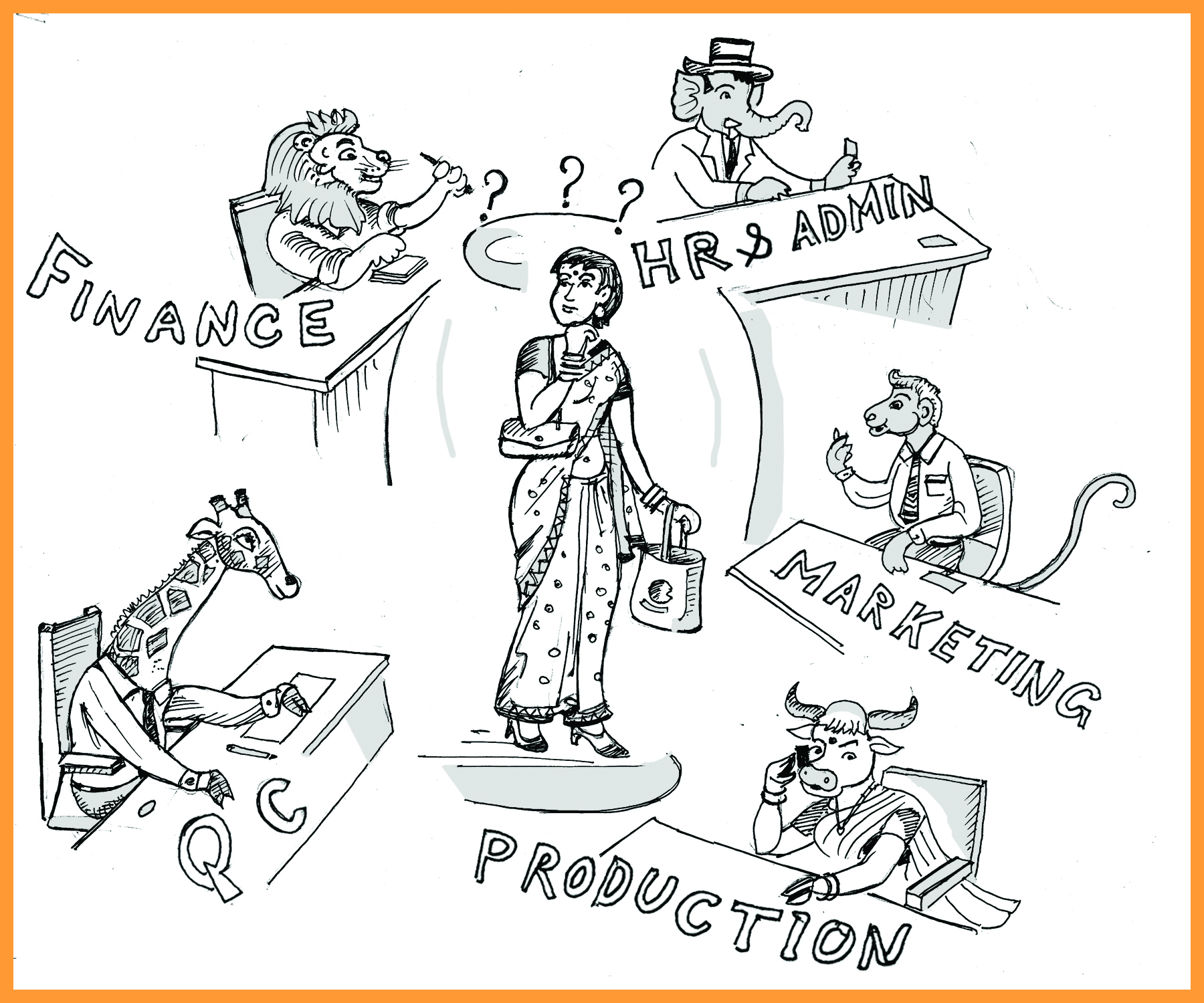
Organizations where the top management believes that any suggestion for improvement in a department emanating from another department amounts to interference and sacrilege tend to become like zoological parks. All subject experts get confined to their ‘cages’ or ‘enclosures’. Forays into another’s territory are frowned upon. This is a sure shot recipe for nipping creativity and innovation at the work place.

The biggest casualty of course is the hapless customer who has had the misfortune of buying a product which turns out to be defective. The incessant running from pillar to post a disgruntled customer is subjected to ends up creating a market ambassador the organization could surely do without.

(Excerpt from my book ‘Surviving in the Corporate Jungle’, the English version of which was released recently. Here is a video clip which captures the journey of the book so far:

https://ashokbhatia.wordpress.com/2017/10/14/surviving-in-the-corporate-jungle-a-video)

Read Full Post »

Saint Thiruvalluvar was a humble weaver and an enlightened soul who gave us the Thirukkural, one of the finest specimens of Indian spiritual literature. It carries within itself eternal values and wisdom which could guide a lay person as well as a professional in all spheres of life.

Thiruvalluvar

Thirukkural captures the three-fold direction of life – Aram, or virtue; Porul, or wealth; and Inbam, or love.

The sage says that the life of a householder is superior to that of someone who opts for renunciation. He goes on to describe the duties and responsibilities to be discharged by a householder in great detail.

While describing the duties of kings, Thiruvalluvar touches upon the art of management and governance in very clear terms. This aspect has already been captured in some detail here.

Thirukkural speaks of matters of the heart with great elan. It gives love as much importance as ethical behaviour and righteous conduct. Feminists can take heart from the fact that it highlights the need for respect of women in unequivocal terms.

Thirukkural is an enduring example of the eternity of values, ethics and a humane approach to problem solving.


(Related Posts: 

https://ashokbhatia.wordpress.com/2015/01/16/management-lessons-from-thirukkural

https://ashokbhatia.wordpress.com/2017/06/23/management-lessons-from-india)


Read Full Post »

A vast majority of professionals decide to be ‘passengers’ and not ‘drivers’ in their careers. They are happy to behave like headless chickens, strutting about sounding very busy but with meagre results to show. Typically, they outsource the thinking part to brainy birds around them and lead a mentally sedentary but self-contented lifestyle.

Call them file-pushers, clock-watchers, head clerks, or what you will – they do serve a useful purpose in keeping big bureaucracies running like well-oiled machines. They can also be groomed to become devoted followers for charismatic and dynamic leaders.

(Excerpt from my book ‘Surviving in the Corporate Jungle’, the English version of which was released recently. Here is a video clip which captures the journey of the book so far:

https://ashokbhatia.wordpress.com/2017/10/14/surviving-in-the-corporate-jungle-a-video)

Read Full Post »

Yes-men

They are to be found in all spheres of life. They have perfected the art of boosting the sagging morale and flaccid ego of their superiors, thereby securing better perks and intangible benefits for themselves. Due to close proximity to their bosses – whether perceived or real – they end up being king makers.

Smart bosses easily figure out how to remain at an arm’s length from them. The tricks they use to steer clear of yes-men: a discouraging body language, asking for hard evidence for all the charges being levied against someone who is absent and generally berating them on select occasions in public.

(Excerpt from my book ‘Surviving in the Corporate Jungle’, the English version of which was released recently. Here is a video clip which captures the journey of the book so far:

https://ashokbhatia.wordpress.com/2017/10/14/surviving-in-the-corporate-jungle-a-video)

Read Full Post »

The cultural ethos of an organization is essentially reflected in the way the top honchos conduct themselves. It also manifests in the manner in which the organization handles its relationships with diverse stakeholders.

Empathy is a critical component of the ethos of an organization. The trait of being able to put oneself in another person’s shoes and arriving at business goals and decisions by consensus helps the organization to be more efficient.

Understanding and empathizing with the perspective of the party of the other part also makes it easier to negotiate and successfully close tricky business deals. As an example, when one tries to finalize an order with a customer of Japanese origin, one discovers the value of empathy and mutual trust, because the latter is apt to ask for a detailed costing of the product on offer, a prospect often disliked by most businessmen hailing from a different culture.

Unfortunately, empathy and consensus do not always form a part of the arsenal of business owners and CEOs who are considered successful. Quite a few business leaders have brought to fore a leadership style which tolerates no dissent and abhors a natural impulse to seek consensus. Bill Gates, Steve Jobs and Jeff Bezos are some who have demonstrated that a leadership style which celebrates conflict, disruption and dominance is not only a virtue but possibly also an enabler of sustained creativity, technological evolution and advancement.

Of humility, consensus and culture

However, it appears that CEOs with a Western mind and an Eastern heart are configured somewhat differently. Microsoft CEO, Satya Nadella, sounds passionate about leadership and transformation, but the route he chooses is based on ethos, empathy, empowerment and democratization. In his book Hit Refresh, he concludes that ‘the choice of leading through consensus versus fiat is a false one.’

He goes on to propose that the ‘C’ in the CEO represents culture, thereby implying that culture building forms the core of his leadership style. In his leadership paradigm, hubris gives way to humility and envy to empathy. A CEO is as much responsible to the investors as he is accountable to the citizens.

A transformation in the offing?

Brand Microsoft has never been about empathy. Rather, its operating style has always been that of crushing the competition. But then, why would it allow Linux applications to run on Windows as well? Perhaps, rapid progress in the realm of technology is making friends out of foes, leveling off the field and making diversity and inclusion the critical components of a business strategy.

How this transformation plays out in future would depend on many factors. The way the market environment shapes up. The degree of freedom truly enjoyed by a senior person at the helm of affairs. The collective consciousness and value system of the core team which supports the CEO in steering the business, possibly based not only on a commercial compass but also on a spiritual one.

The argument one often comes across is that when satisfactory business results are coming in, what is the need for management to deploy such soft practices as empathy, humility and consensus in their operations?

In his book entitled “Be Unreasonable”, Paul Lemberg argues that when a top honcho believes in being reasonable, the business only gets buried deeper in conventional wisdom. He goes on to demonstrate how unreasonable strategies can bring one unconventional success.

This does seem like a workable proposition, especially when one is working in a highly competitive and disruptive environment. However, such a materialistic approach is open to challenge in some ways. One, the long term sustainability of business itself could come under a cloud. The success can then be fuelled only by a perennial outpouring of disruptive innovations, a feat which many businesses may find difficult to achieve. Two, the human capital of the business is likely to remain underserved and underexploited. It is almost certain that team members working under such conditions would not be happy souls who put in their best performance.

A feminine touch

In yet another noteworthy piece of work entitled Shakti Leadership, authors Nilima Bhat and Raj Sisodia argue that too many people have bought into a notion of leadership that exclusively emphasizes traditionally ‘masculine’ qualities: hierarchical, militaristic, win-at-all-costs. They propose that this approach has led to corruption, environmental degradation, social breakdown, stress, depression and a host of serious problems.

They show us a more balanced way, a leadership that is generative, cooperative, creative, inclusive and empathetic. These are traditionally regarded as ‘feminine’ qualities, but are worthy of emulation. In the Indian yogic tradition, these are symbolized by Shakti, the source that powers all life.

Indian scriptures speak of the concept of Ardha Naareeshwara, a form which is an eclectic mix of masculine and feminine features. This is what could turn out to be a better recipe for sustained success in the decades to come. A leadership style which is based on both masculine as well as feminine traits.

The technology explosion

Much like capital, technology in itself is soulless. However, American author Tracy Kidder has held that ‘technology is nothing more than the collective soul of those who build it.’ One would therefore not be wrong in surmising that even in the face of the technological explosion that we experience in our times, human beings – and as a logical corollary, human values – shall always play a definitive role in shaping the society along more just and humane lines.

The power of social media to shape public discourse and reform political decision making is already on display. Yes, there is always the danger of people getting manipulated by an overt use of the same social media. But surely these are short-time blips on the dimension we label as time and cannot last too long.

The future holds hope

Empathy appears to be kicking in. So-called feminine traits like creation and inclusion are taking centre stage. Competition is giving way to collaboration.

A noteworthy feature of organizations which believe in the virtue of empathy is the intention to give back to society some part of what the business gains from it. What follows is a keenness to offer products and services for the overall good. That is the kind of approach that Microsoft and many other enlightened businesses take.

(Related Post: https://ashokbhatia.wordpress.com/2016/04/04/super-leaders-the-near-perfect-ceos)


Read Full Post »

« Newer Posts - Older Posts »