Feeds:
Posts
Comments

Founder of subaltern studies Ranajit Guha’s death late April this year and maestro Satyajit Ray’s death anniversary had a series of excellent posts on the two men. I dug out a 2013 piece that connects the two tenuously with a bit of trivia, but hopefully it would be a nice primer on India’s various filmdoms.
About The Cut and The Thrust

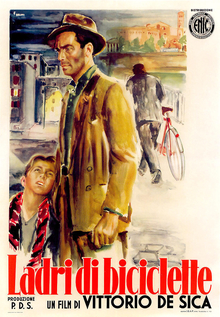
When the filming of Satyajit Ray’s path- breaking Pather Panchali began in 1952 it was the climaxing of a process immediately preceded by the 99 films the would-be auteur saw in London where his employer of the time had sent him on assignment as an advertising professional. Among the films that had the most profound effect on the master director was Vittorio De Sica’s Bicycle Thieves, and its influence is there for all to see in Pather Panchali.

However, Ray’s genius made his film original by adding to it a visual lyricism and poetry that was thoroughbred Bengali, in no small measure helped by the soft weeping, sighing, moaning, and soaring of Ravi Shankar’s sitar. The stories of the many agonies Ray suffered to create the masterpiece are now legion.

However, there is an alternative story parallel to Ray’s early struggles that is less known. A group of college-going teenagers in Kerala, also influenced by De Sica, went through more or less the same struggles to raise money and film a neo-realistic film, two years after Ray began filming. The Newspaper Boy, the Malayalam film, beat Pather Panchali to public release in May 1955.

Apu, or Appu in the Malayalam version, was the name of the protagonist in both the films and they were both a humane take on poverty in recently independent India, depicted as graphically as De Sica’s masterpiece did the poverty of the citizen in post WW II Italy in 1948. But by 2013, The Newspaper Boy has been relegated to trivia rounds of quizzes, despite the fairly high quotient of critical acclaim it garnered for its boldness and the heroic, awe-inspiring ambition, and tenacity of its young makers.

In May 2005 a social service club in Kochi, Kerala, toasted the surviving members of that pioneering team for their daring jab at film history. Nearly 60 years since, newly found prosperity, easier exposure to the world and the quickening of instinct that technology aids, has changed the nature of filmmaking and the pattern of how films are consumed by the Indian filmgoer. And yet, a lot of good work in various Indian native languages bypasses the cineaste despite great, concomitant advances in distribution of films.

So impermeable are the walls of the compartments that would be called Indian cinema that many nostalgic cineastes feel guilty for criticising the national television channel that showed regional language movies with subtitles through the ’80s when these movies won national prizes. It is another aspect of the nation-building process set in motion by earlier Indian statesmen that is ignored. However, in the more commercial and new media-led world a regulation college song in Tamil and English, “Kolaveri Di”, goes viral and becomes an instant hit.
Madras Meme

Mindless mass entertainers, oddly enough, cross over to wider audiences through remakes. Govind Nihalani, the acclaimed director of parallel cinema of the ’80s and ’90s, asked film scholar K Hariharan to explain this phenomenon that he said was called the “Madras Cut”. Nihalani was chairing a panel discussing changing narrative trends in Hindi cinema, at the Film Writers Association’s third Indian Screenwriters Conference in Mumbai this week.

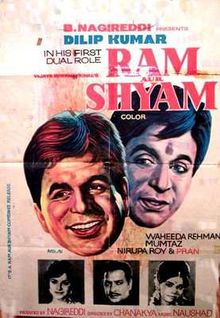
Hariharan, a film director and the dean of LV Prasad Film & TV Academy, answered it simply. He said Madras studios always made national films and the moment a film crossed 50 weeks in the theatres, Hindi producers had no qualms or questions to ask before they remade it in Hindi. Ram aur Shyam (1967) and Haathi Mere Saathi (1971) were such remakes that raked in the money for Hindi producers.

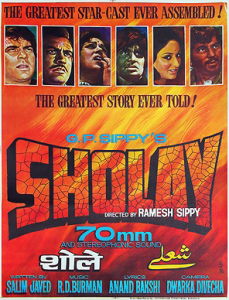
Incidentally, Haathi Mere Saathi was the first film from the celebrated writing duo of Salim Khan and Javed Akhtar, who would memorably use the Bundelkhandi word, “daari”, when they have the dacoit Gabbar Singh, in Sholay, leering at Hema Malini and saying, “Daari ke paaon toh dekho” in one of the prized rare bits of elemental detail Hindi films were not famous for, till then.

Gabbar’s speech pattern was a great distinction in creating the unforgettable character that the supremely talented Amjad Khan would forever be identified with. The fact was that Chennai, when it was Madras through the ’60s, ’70s and ’80s, was the home of the south Indian film industry for a long time. The Malayalam film industry, though it started originally in Trivandrum in the 1920s, eventually shifted to Madras before moving home in the late ’80s. The Telugu film industry’s biggest studios were incubated in Madras before moving to Hyderabad in the late ’90s.

The Kannada film industry looked north to Maharashtra, and flirted with Kolhapur, more than Bombay, in its nascent years. The Madras film industry of the time produced a lot of morality tales and Aesop’s fables-like simple-minded grand narratives for mass audiences. It deftly navigated the move from Hindu mythological tales to more contemporary stories.

Cultural Cauldron

About the same time, the Hindi film industry was a thriving marketplace blessed by unequalled talent from Bengal, in the form of directors and music composers, and from Punjab and Uttar Pradesh in the form of actors, producers and directors. They also benefited from the strong wave, perhaps once in the lifetime of a country, of out-of-work poets who wrote in Urdu from the entire northern region of the subcontinent.

After the partition of India, Urdu, that sublime language, was converted to ‘Islam’ in India’s popular consciousness. Gulzar reclaimed Urdu from its Islamic identity by transforming it into an irreligious, aesthetic adjective in 1998 with the line “Jiski zubaan Urdu ki tarah” in the Tamilian director Mani Ratnam’s Dil Se. But prior to that, Urdu’s best poets found a home in Bombay to write as they pleased and affect a vast majority of the country’s population. And they were the stars of the golden period of Hindi films.

Cross-fertilisation has always been a trend in filmdom. It is after all one of the four genuinely equal-opportunity spaces in India besides crime, spectator sports and politics. Ashis Nandy had identified these social segments in his panel discussion at the Jaipur Literary Festival that was overtaken by the controversy about his purportedly anti-dalit statement. Hindi films veered, I imagine because of brute strength, in terms of having a far larger market and spread than any other language films can ever have, to become the new English for Indians.

Its pan-Indian appeal has seen it muscling up on weaker language film industries of India, while the stronger, self-sustainable economies remain undaunted, much like the film industries of the south. And the rise of the Bhojpuri film industry in recent times is a wonderful reminder that Hindi too is not as monolithic as Bollywood films would have us believe.
Rules of Engagement

It is an unforgivable irony of India’s film history that MS Sathyu, a Kannadiga from Mysore, is the one who made the most defining film on partition. This, despite the fact that several well-known Bombay film families traced their individual stories directly to the partition of India. Partition also deprived Hindi film industry of the services of Sadat Hasan Manto, a film writer and the most original and daring literary cartographer of the partition. I heard very many speakers at the screenwriters’ conference moaning about the fact that Hindi films do not engage more urgently with the country’s contemporary reality.

One of the reasons was because it still was wondering if filmmakers should have any social responsibility. Frankly speaking, as sociologist Shiv Visvanathan reminded the screenwriters in his keynote address, social responsibility is not the screenwriter’s duty. Just recognising the current realities of his society and being informed about it, would do. One good way would be to recognise that a big swathe of those who watch Hindi films do not speak Hindi at home. At home they speak their mother tongues, which are as many and more than the states and regions of India. Similarly, a lot of good Tamil, Malayalam, Bengali, Kannada films are set in their local milieu.

Hindi films do not have to adapt them to resettle the story in Uttar Pradesh or Bihar. They can tell a Naga story set in Nagaland itself. It would be an excellent way to do justice to the diversity of the country for a national audience of Hindi films that is not from the Hindi heartland. Very often, local language films are also more integral to the milieu in terms of their deeper and organic connects with all aspects of the culture. MT Vasudevan, a Malayalam writer who is also a Jnanpith award winner, has won the highest number of National screenplay writing awards. A story he writes need not be excised from Kerala, his setting for most of his stories, just so that it can be made to “travel” to Hindi film viewers.

Spreading the Net

One great social responsibility the screenplay writers, directors and producers of Bollywood can undertake is scout for original stories in their natural locales. It would be an ambition that would be rewarding because it would tap into the cultural diversity of the Hindi filmgoers.

Besides, it will more directly address the question of social responsibility instead of ideological or moral pedantry that the term seems to mean to many. LV Prasad, the doyen of Telugu and eventually Hindi films, wrote his scripts in English as Hariharan told the capacity audience at the screenwriters’ conference.

The Los Angeles Times’ film blog headlined a story about the money raked in by a Telugu hit in a ticklishly amusing way in September 2011. “Dookudu, the biggest hit you’ve never heard of”. That would read horribly offensive in a Hindi paper. Looking farther afield, way beyond villages in the Hindi heartland and the metros of the country, will yield an embarrassment of riches in terms of stories and locations that would do greater justice to the multilingual army of fans of Hindi films.

For those who’d rather read it online: https://tinyurl.com/333yauup

The Author

Harish Nambiar is an editor with The Economic Times. Before that he was with Reuters and clutch of national mastheads. He has been a journalist since 1990.

In the mid-nineties he taught a semester as a lecturer to undergraduate students teaching the rise of the novel as a form and poetry appreciation in a Mumbai college.
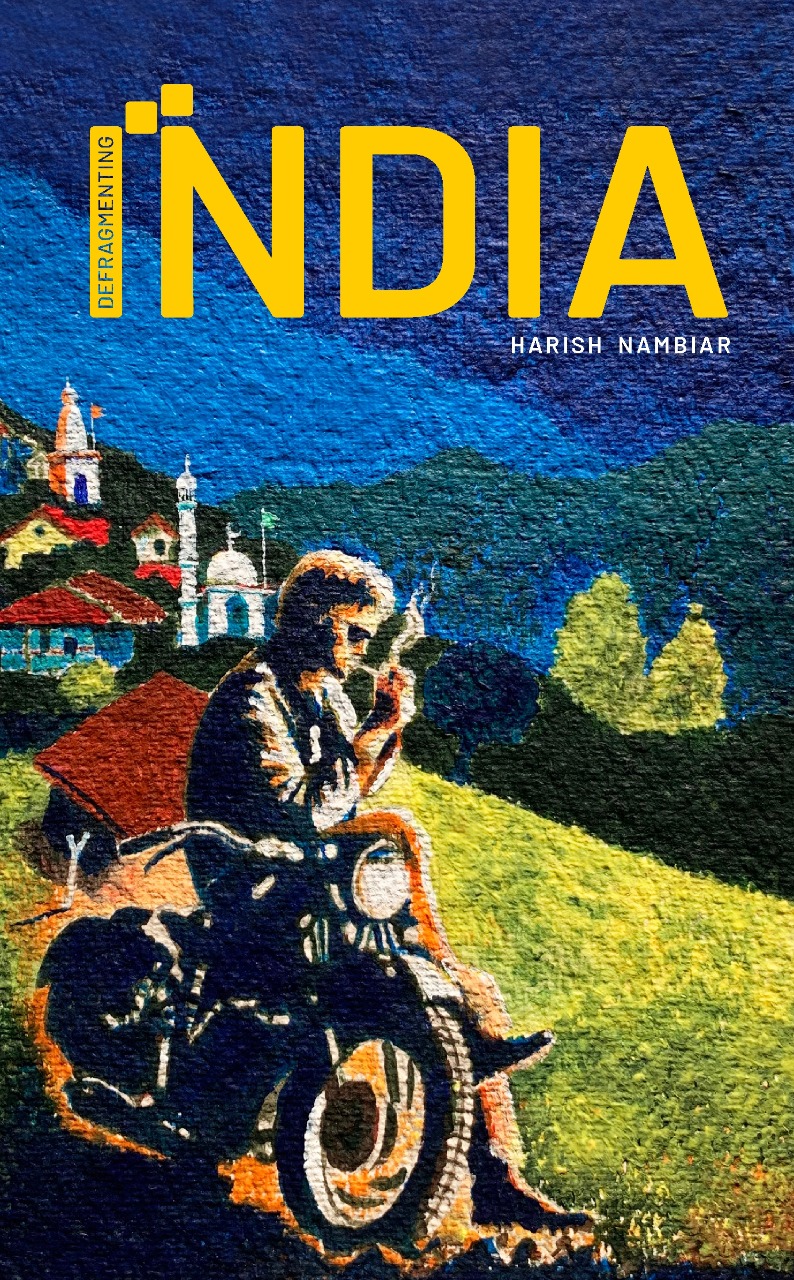
Sage Publications published his book of narrative non-fiction Defragmenting India: Riding a Bullet Through the Gathering Storm in 2012 that he plans to reissue on Amazon soon.

Related Posts:
kaykay46's avatarTalk the Walk

Abstract

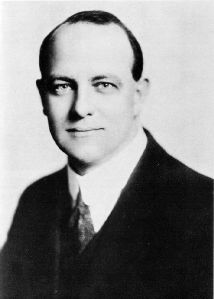
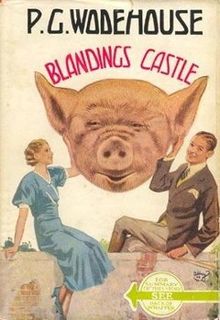
I re-read Something New by P G Wodehouse (PGW) for the umpteenth time recently. With a little digging, I found out that this novel had been first published in the USA on 3rd September 1915 and published in the UK as Something Fresh on 16th September 1915. Though there are some differences between the two, it is basically the same story. For the record, Lord Emsworth, Blandings Castle and its staff are introduced for the first time in this book. They would feature more prominently in PGW’s later novels and short stories.

Savouring Something New in its Kindle avatar last month, I was left in awe and admiration of PGW’s extraordinary ability to conjure up vivid word pictures of not just characters and situations but also locations and the processes at work. Secondly, PGW surprises you every now and then with his keen sense of observation and…

View original post 2,058 more words

The foundations of our civilization are quivering. Homo sapiens are faced with a mental health crisis of gigantic proportions. There is widespread concern about the pace at which the twin epidemics of Filmitis and Serialitis are spreading across countries and continents. Medical researchers of all hues are twiddling their thumbs, trying to figure out a cure for these afflictions which happen to be not only highly addictive but also pleasurable.

These afflictions affect all human beings, irrespective of their age, sex, cast, creed, or ethnicity. Post-2020, when a pandemic struck humanity, the spread of these virulent challenges has posed a serious challenge to humanity. These are said to be highly contagious. A word of mouth is all that is required to lead one to contract it. Even an inane post on a social media platform in a Facebook group like The Reviewer Collective could nudge one to start watching a movie or an OTT series and then get hooked to it. Often, a long period of bondage ensues. Frequent viewers of the delightfully diverse content on the OTT platforms gladden the hearts of many a producer-director duo. The shareholders of such platforms can be seen laughing all the way to their banks.

To put it simply, once the germs of Filimitis and Serialitis have managed to find a foothold in any neuro-system, one’s fate is sealed.

Most people suffer from Serialitis these days. The OTT platform throws an infectious suggestion. We decide to check it out. We get sucked in. The directors and the scriptwriters ensure we never get to leave the confines of their alt universe. We get stuck with it. At night, we shudder to think of what may happen next. ‘Filmitis’ is far more tolerable. Whatever happens, it gets wound up in around 120 minutes.

Often, we worry about kids spending too much time on their screens. When a kid starts believing that he/she has super-powers like those possessed by either Batman or Spiderman, our brows get furrowed. However, when it comes to addictions like Filmitis and Serialitis, we, the so-called adults, are no less.

The Symptoms

These ailments manifest themselves in many ways. A mood of apathy towards one’s near and dear ones sets in. Public interactions are often given a skip, unless mandated otherwise by an overbearing spouse. One develops a strong tendency to compare on-screen characters to those one comes across in real life. At work, haughty bosses get likened to such villains as Gabbar Singh (Sholay) and Mogambo (Mr. India).

A perpetual state of intoxication envelops one. Meticulous notes get made of the varied recommendations which keep pouring in from all sides. Lists showing the yet-to-be-watched offerings by our dream merchants get updated regularly. A pitiless analysis of the scintillating characters on the screen gets done. Wikipedia gets searched for more offerings featuring a favourite actor on the screen. Speculations get made as to what would have happened if they had responded to a situation differently.

Even lay viewers suddenly evolve into seasoned reviewers, offering insights into such aspects as acting proficiency, script writing, cinematography, music, lyrics, editing, and the like. I, for one, upon coming across an offering which sound exciting to me, would be in the transient grip of a ‘Eureka’ moment, rushing to share the information with aficionados who may devour it with much glee. Archimedes would surely be squirming in his grave.  

The most serious symptom happens to be the disinclination of all those suffering from Filmitis and Serialitis to seek a cure for these maladies. Once contracted, one is apt to remain happy and contented to continue in a state of perennial addiction. Medical fraternity is yet to find a solution to this unique kind of viral resistance.

Three Stages

There are three stages of these diseases which have been identified and catalogued so far.

Stage 1

In the first stage, one displays occasional signs of having any of the symptoms described above.

Stage 2

In the second stage, one shows grave signs of many of these symptoms, but is still considered treatable by a heavy dose of socializing. Quite a few in this category practice detachment and can leave a series mid-way, without any feelings of remorse or any desire to get back to it, ever. Lord Krishna, were He to come to know of such souls, would be pleased for them to have acquired this spiritual trait.

Stage 3

The third stage is the most critical one, with no cure in sight as of now. Medicos continue to be baffled. In this stage, one is obsessed with all facets of the production of the collages of moving images, much to the exclusion of every other kind of arts. In every situation of life, a streak of one of the narratives is invariably noticed.

All relatives, friends, seniors, colleagues, and juniors get identified with one or the other characters created on the screen. Lawyers sound like either Mickey Haller (The Lincoln Lawyer) or Woo Young-woo (Extraordinary Lawyer Woo). When visiting a hospital, female doctors get likened to Meredith Grey (Grey’s Anatomy). Nurses who go out of their way to assist us sound like Amy Loughren (The Good Nurse). When visiting a shopping mall, mumbling managers get likened to Glenn and smart salesgirls to Amy (Superstore) fame.   

A person suffering from the last stage of these disorders often complain of a stifling sensation. Nothing else in life appeals any longer. The allure of catching up on the latest on-screen fate of the characters often makes one lose sleep. Binge-watching becomes the norm. During days, when life really happens, one goes about the mundane affairs of life like a zombie with frayed nerves, bleary-eyed, and lost in one’s own thoughts.

Weaponizing these maladies

Do we need de-addiction centres to counter these viruses of Filmitis and Serialitis? Do we wish our medical research honchos to come up with a vaccine to keep the foundations of our civilization from quivering incessantly? Not necessarily. Instead, an innovative deployment of these viruses would help humanity in more ways than one.

The day is not far off when governments the world over may end up weaponizing these diseases.

Tackling obdurate enemies

Leaders as well as soldiers of armies wanting to attack a country could be easily lulled into a sense of complacency and inaction if facilitated by the border area networks offering free streaming of OTT content dished out by the country under attack. Wars would then be a thing of the past. Money being spent on arms of all kinds would eventually get deployed to eradicate poverty and illiteracy across all our continents.

Improving internal security

A similar treatment, if meted out to criminals, terrorist groups and internet warriors who keep spreading fake news, would ensure peace and harmony in the society. Crime rates would nosedive.

Providing joyful healthcare

Seriously ill patients awaiting a surgery while lying on a hospital bed, if fed with such stuff as Wagle Ki Duniya and Happy Family…Conditions Apply, would happily wait for their turn to come up, thereby improving the billings of private hospitals and nursing homes.

Building a chivalrous society

If such movies as Ghar, Chhoti Si Baat, and Veer Zara get promoted aggressively by our Movie Mughals, members of the so-called sterner sex would end up being more chivalrous, thereby minimizing misdemeanours directed at the delicately nurtured. Divorce rates would plummet. Loving husbands would be more likely to follow the example of Dr Anand (Silsila), ensuring that the doves of peace keep their wings flapping over their humble abodes. Parents who are brought up on a healthy diet of such movies as Gunjan Saxena and Babli Bouncer may give up their patriarchal mindsets and encourage their daughters to scale newer heights in their lives and careers.

Improving political discourse

Politicos in power might keep the opposition leaders similarly engaged, thereby reducing their propensity to keep making defamatory speeches or hurling choicest abuses upon them. Those cooling their heels in jail, if shown an offering like Dasvi, may even get motivated to improve upon their academic record. A general improvement in the quality of political discourse may thereby ensue. Better degree of sanity may prevail around election time.

Population control

Health ministers who are having sleepless nights worrying about their country’s galloping birth rates may consider targeting their denizens in the reproductive age group with such offerings as Basic Instinct, The Dirty Picture and Lady Chatterley’s Lover, thus keeping them distracted from their amorous impulses.

Cocking a snook at the First World countries  

When meeting the leaders of countries which keep showing their disdain towards an emerging economy, the premier of such a country merely needs to present his/her hosts with video recordings of such serials as Scandal, The Designated Survivor and The Diplomat.

By an innovative and clever deployment of these afflictions, the score of Gross National Happiness of all countries may improve drastically.

In other words, disorders like Filmitis and Serialitis need neither be contained nor cured. On the contrary, these need to be spread as quickly as may be possible. This would ensure that we continue devouring inane as well as cerebral stuff on our screens while slouching in our sofas, flowers are forever in bloom, God continues to be in heaven, and all remains well with the world.

Related Posts:

Music is the backbone of Hindi movies and OTT series, whether by way of songs and dances, or in the form of the background variety. However, there are very few offerings dished out by our Dream Merchants which are devoted to the subject of music itself, where the life of most of the characters revolves around the practice of music. Such human emotions as love, hatred, animosity, jealousy, pride, prejudices are all there, but music forms the central theme. The key characters get success after a great deal of practice. In the interim, they often taste heart-breaking failures. But spurred on by their immense talent, ardent passion, and sometimes by either a teacher or a muse, they persevere in their efforts and eventually achieve the recognition they deserve.

The idea here is not to recall and list movies which may be termed as musicals. Nor would I like to mention the ones which have provided uplifting music. In the list that follows, you will not find the ones where either music merely serves the purpose of entertainment or even where the main characters may be music teachers.

Thus, movies such as Dholak (1951), Phagun (1958), Jahan Ara and Chitralekha (1964), Heer Ranjha (1970), Pakeezah (1972), and Umrao Jaan (1981), do not appear here.

I have instead tried to focus here on the movies where music forms a core part of the script. Many of these depict the trials and tribulations of an artist who is enthusiastic about this form of fine arts. Many others capture the gravitational force exerted by music in making a relationship either blossom or wither.

Consider the following movies which are music-based offerings from our dream merchants.

Street Singer

(1938)

Direction: Phani Majumdar

Music: R. C. Boral

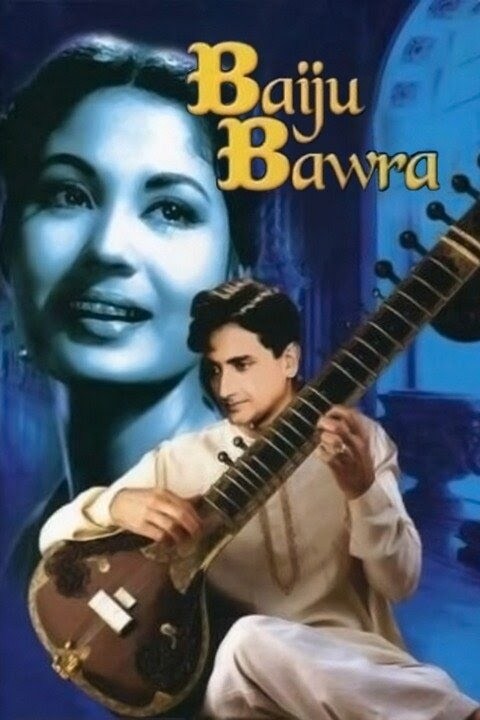
Baiju Bawra

(1952)

Direction: Vijay Bhatt

Music: Naushad

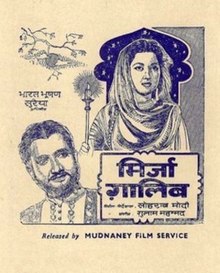
Mirza Ghalib

(1954)

Direction: Sohrab Modi   

Music: Ghulam Mohammed

Shabab

(1954)

Direction: M. Sadiq

Music: Naushad

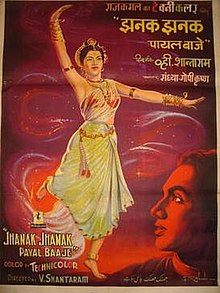
Jhanak Jhanak Payal Baje

(1955)

Direction: V. Shantaram

Music: Vasant Desai

Basant Bahar

(1956)

Direction: Raja Nawathe

Music: Shankar–Jaikishan

Phagun

(1958)

Direction: Bibhuti Mitra

Music: O. P. Nayyar

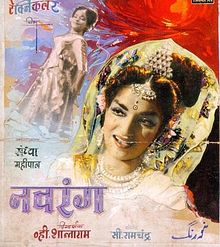
Navrang

(1959)

Direction: V. Shantaram

Music: C. Ramachandra

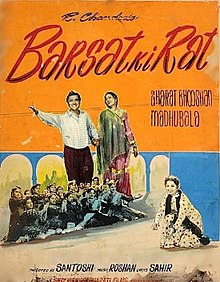
Barsaat ki Raat

(1960)

Direction: P. L. Santoshi

Music: Roshan

Sangeet Samrat Tansen

(1962)

Direction and Music: S. N. Tripathi

Meri Surat Teri Ankhen

(1963)

Direction: R. K. Rakhan

Music: S. D. Burman

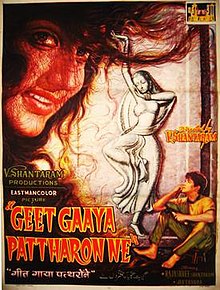
Geet Gaya Pattharon Ne

(1964)

Director: V. Shantaram

Music: Ramlal

Geet

(1970)

Direction: Ramanand Sagar

Music: Kalyanji–Anandji

Jal Bin Machhli Nritya Bin Bijli

(1971)

Direction: V. Shantaram

Music: Laxmikant–Pyarelal

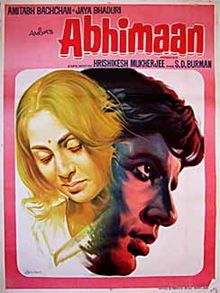
Abhimaan

(1973)

Direction: Hrishikesh Mukherjee

Music: S. D. Burman

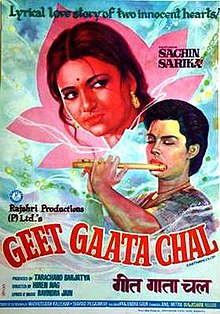
Geet Gata Chal

(1975)

Direction: Hiren Nag

Music: Ravindra Jain

Alaap

(1977)

Direction: Hrishikesh Mukherjee

Music: Jaidev

Sargam  

(1979)

Direction: K. Viswanath

Music: Laxmikant-Pyarelal

Kalaakaar

(1983)

Direction: P. Sambasiva Rao

Music: Kalyanji–Anandji

Sur Sangam

(1985)

Direction: K. Viswanath

Music: Laxmikant–Pyarelal

Naache Mayuri

(1986)

Direction: N. T. Rama Rao

Music: Laxmikant–Pyarelal

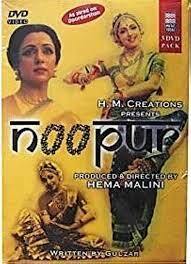
Noopur

(1990 TV series on Doordarshan)

Direction: Hema Malini

Sangeet

(1992)

Direction: K. Vishwanath

Music: Anand Milind

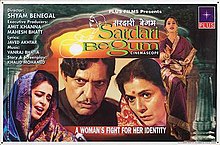
Sardari Begum

(1996)

Direction: Shyam Benegal

Music: Vanraj Bhatia

Taal

(1997)

Direction: Subhash Ghai

Music: A. R. Rahman

Dil To Pagal Hai

(1997)

Direction: Yash Chopra

Music: Uttam Singh

Saaz

(1998)   

Direction: Sai Paranjpye

Music: Yashwant Deo, Bhupen Hazarika, Zakir Hussain, Raj Kamal

Sur – The Melody of Life

(2002)

Direction: Tanuja Chandra

Music: M. M. Keeravani

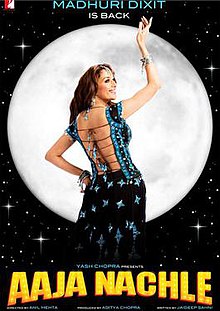
Aaja Nachle

(2007)

Direction: Anil Mehta

Music: Salim–Sulaiman

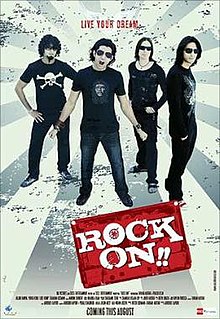
Rock on!

(2008)

Direction: Abhishek Kapoor

Music: Shankar–Ehsaan–Loy

Rockstar

(2011)

Direction: Imtiaz Ali

Music: A. R. Rahman

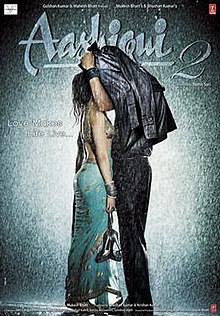
Aashiqui 2

(2013)

Direction: Mohit Suri

Songs: Jeet Gannguli, Mithoon, Ankit Tiwari

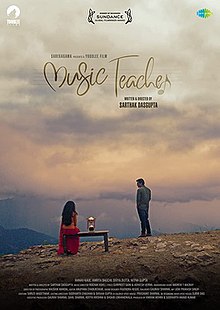
Music Teacher

(2019)

Direction: Sarthak Dasgupta

Music Original Composition: R.D. Burman

Music Re-created by: Rochak Kohli

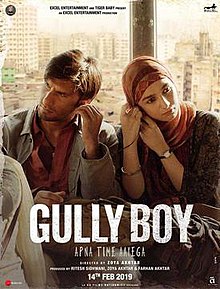
Gully Boy

(2019)

Direction: Zoya Akhtar

Music: The 18-song soundtrack, involving an estimated 54 contributors, was supervised by Ankur Tiwari

Bandish Bandits

(2020; Amazon Prime Video)

Direction: Anand Tiwari

Music: Shankar–Ehsaan–Loy,

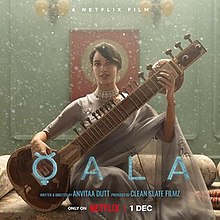
Qala

(2022)

Direction: Anvita Dutt

Music: Amit Trivedi

I am reasonably certain that there are many more which I might have missed out here. However, as the listing shows, over time, as Hindi cinema has moved away to modern settings, India’s rich cultural heritage is perhaps no longer getting the attention it deserves. That is how, a series like Bandish Bandits and a movie like Qala come like a whiff of fresh air in our turbulent times.

The price one pays for success

Some of these movies, like Saaz and Qala, depict the kind of competitive spirit which prevails in the field of music. A character even ends up jeopardizing the career of another, resulting in overpowering guilt. Such movies also capture the kind of cunning, guile and nerves of chilled steel needed to achieve success in a highly competitive world. Perhaps many of the famous artists we know of might have passed through quite a few such phases in their careers.

Like any other profession, the world of music is also replete with rivalry. It would be naïve to assume that success comes cheap. Often, the price it extracts from an artist’s inner being, especially in terms of a compromise on one’s ethics, beliefs, and values, is heavy.

For us, the audience, music is indeed an enriching food for the soul. However, the soul of an artist may carry a few scars, not known to us. But ignorance is bliss, as they say!

Note:

Inputs from Purva Agarwala, Dileep Raina, Madhulika Liddle, Avantika Nirupama, Sunil Jain, and a few others are gratefully acknowledged.

Related Posts:
Languages flourish depending on the need of people to fulfil their communication needs. It is said that necessity is the mother of invention. I tend not to deviate from this proverb by looking at the kind of imaginative uses of the ‘Anglo Saxon Language’ that I have experienced in my lifetime so far. In the world today, especially in social media, we experience a few words in English that are at times funny but would torment the soul of a linguistic purist.

Consider Shakespeare, the literary genius who not only captured myriad human emotions impeccably but also went on to enrich the language alluded to as the Queen’s Language in a unique manner, much more than those who have either preceded or succeeded him. If he were to be told of the various versions of English in vogue these days, he might be found squirming in his grave. Other than the UK-brand of the language, we have the one which is used across the Atlantic Ocean. The grammatic and punctuation approaches of these versions are as different as chalk and cheese, so are the spelling norms. Even within India, other than the British standard, we find ‘Hindish’ being used with much elan in areas where Hindi happens to be the dominant force. Then there are regional variants, adopted and held sacrosanct by those whose mother tongue is not Hindi. Consider ‘Bengish’ which is popular in Bengal and ‘Tamish’ which is prevalent in Tamil Nadu. Luckily, the regional variants are confined merely to the spoken version of the language.

Much Ado About Nothing

There are a few situations that at times make one wonder as to whether what is being articulated matches the intent of articulation. There are people who use words to try and stress the intent with extraneous words which tend to destroy the intent completely. For example, I have heard many people facing a chaotic situation, shouting to their heart’s content, ‘Let me rest in peace’; or sometime, there is an unnecessary usage of ‘s’ in a word – as in ‘everybody’s.’ In Julius Caesar, Shakespeare used the phrase, ‘most unkindest cut of all’ to, perhaps, make the intensity of the gore clear thereby prompting the audience to react appropriately to acknowledge the seriousness of the situation. Taking a cue from the Bard, in the place I belong to, often, I have heard people using the words ‘most best’ to convey how good or pleasurable a situation is! I tend to forgive such a mistake often thinking that it is ‘Shakesperean English.’

One of my friends tends to coin words with the bare minimum understanding of the knowledge, thus ‘law’ becomes ‘low’ (a debatable topic indeed – if we put the discussion in front of a relevant audience, you know what I mean), ‘maid’ becomes ‘made’ (well, if we focus on the activity performed by the person being referred to, I see a connection), ‘cough’ becomes ‘calf’ (God save the animal!), and even ‘laundry’ becomes ‘loundi’ (not sure if London District Stores have one of such things as a part of their services, or maybe, those who know Hindi, might find this as a bit of a sexist and derogatory comment, implying as it does that washing clothes is the job of those who belong to the tribe of the delicately nurtured!). God knows what more I am to hear from my friend in the future!

Sex and Its Side Effects

One of the many things that India gave to the world is Kamasutra, the famous treatise on the art and science of sex. However, the subject of sex is still a taboo for a vast majority of Indians. It continues to be the proverbial forbidden fruit. Some of you may recall the analogy that was drawn long back by the famous philosopher Bertrand Russel – the result that will be achieved if we wish to curtail a child’s interest in train by forbidding him/her from looking at it whenever he/she wishes to do so. The result of practicing a feigned ignorance of this kind is that we inadvertently tend to often drag sex into our conversations in an indirect manner, often leading to hilarious results.

Often, I have found pronunciations from my fellow Indians which are not only wrong but also funny. Many of us, including many celebrities, pronounce Shakespeare as ‘Sex-pyar’ or ‘Sex-pair’ while being clueless that though the words involved do not pronounce ‘The Bard of Avon’s’ name properly, but makes some sense since the latter pronunciation conforms to the fact that the act of intercourse is possible only when a ‘pair’ is involved. As to the former pronunciation, if I may use the Hindi language here, ‘pyar’ means love, hence the word fails to identify the great playwright; instead, it signifies that the act of having a physical union is a result of love. A fact which cannot be denied.

In Kolkata, the famed City of Joy, there is a place which is known as ‘Sector 5,’ which is pronounced by many as ‘Sexter 5.’ I can only assure you that the place alluded to here is not the red-light area of the city. Likewise, the poor musical instrument which goes by the name of a Saxophone always gives the jitters to many of those who are striving hard to learn it to pronounce it in public. Even expert players of the instrument feel shy and diffident to speak about their profession.

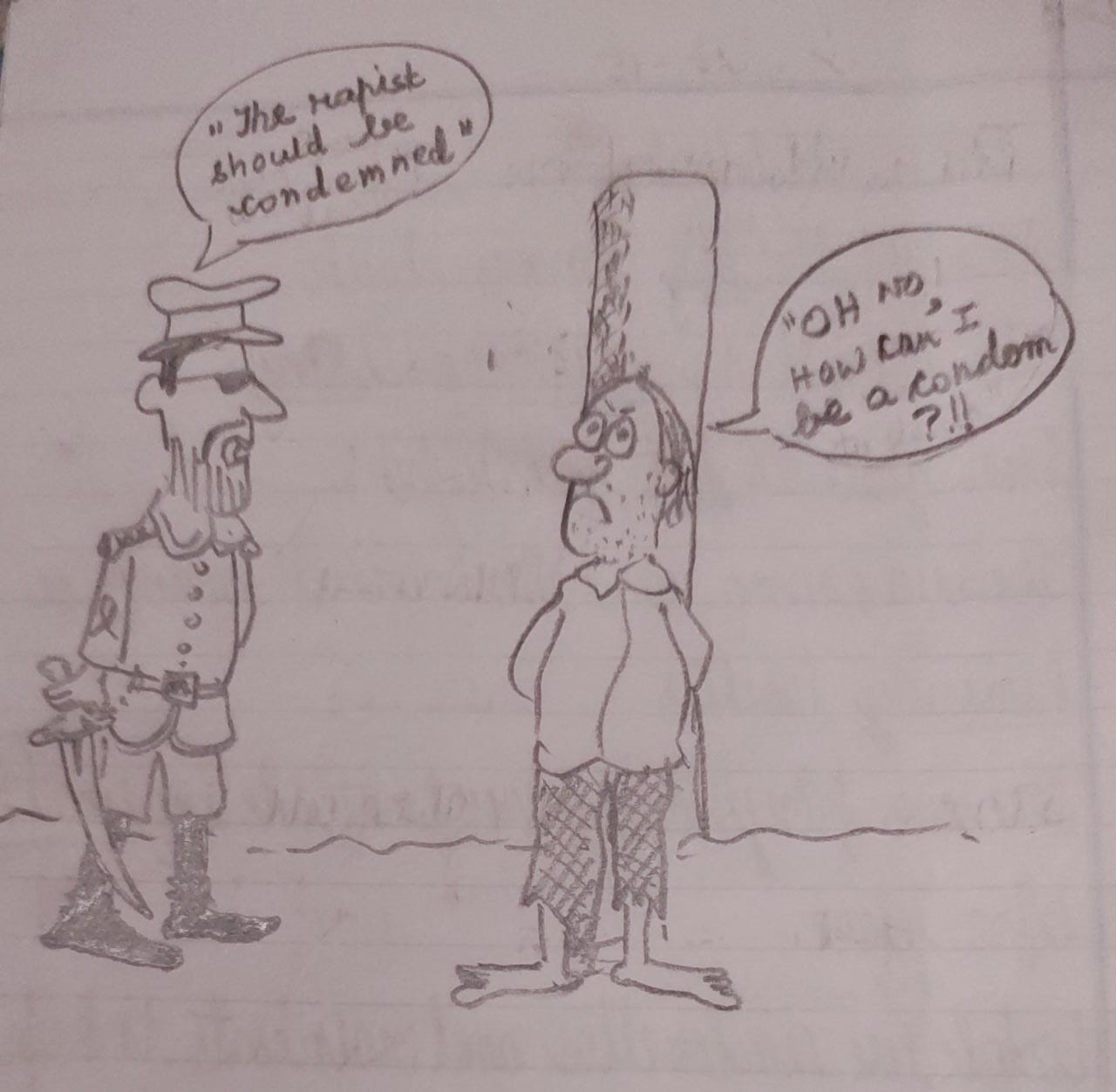
I may add a few more here. Like, people mixing up a ‘condom’ with ‘condemn’, thereby making light of the government’s ardent push to control the population of a country like India; or ‘beach’ with ‘bitch’, thereby adding a bit of spice to an otherwise serious conversation. A friend of mine has developed a habit of wishing couples ‘a happy conjugal life’ (irrespective of their ages) on their marriage anniversary! A harmless wish, of course, but perhaps my ‘puritan mind’ puts some reservations on the use of such statements.  

A Fault in Our Stars?

Lest others feel I am trying to criticize the community by thinking of myself being beyond criticism, I would like to draw the attention of the reader to my own world of ‘creativity’ as far as the English language is concerned.

As a kid, I do remember spelling Calcutta (now known as Kolkata) as ‘Callcutta’. I am not sure whether the extra ‘l’ signified my love for the city I hail from. On the contrary, there used to be a lack of ‘l’ in words like ‘hell’ (not sure whether I tried to make the place a bit weak), and hill (surely, it would have fallen on me due to its weakness for an ‘l’).

Pronunciation-wise, I had a great knack of dropping ‘r’s while uttering some common words. Thus ‘electric’ used to become ‘elecktic’ and ‘clerk’ used to sound like the word ‘clique’ (which would make eminent sense to all those who have had exposure to administrative matters in organizations!). To add to the miseries of English classic, I used to pronounce ‘Dracula’ as ‘The Cooler’ and contrary to my habit of dropping ‘r’s, I used to add an extra ‘r’ to the name of the author, thereby, making him sound like ‘Bram Stroker.’ I am sure, had he been alive, this extra ‘r’ would have given him a pain on the left side of his chest.

Coming to sentences, I was put in a school where the medium of communication was English. Unfortunately, I had no choice but to align with the principles of my institution – to speak in English in the school. In the 3rd standard, one of my batchmates (can’t remember his name) accidentally dropped one of his eyelids while looking at me. Now, at the time I am speaking of, winking was considered to be a crime! I tried hard to wrestle with my feelings. I was surely clueless as to how to complain as I did not know the English word for the one-eyelid-dropping-forbidden-stuff. Moreover, to risk demonstrating the act physically to the teacher would have been fraught with a peril of the highest order, inviting some juicy canes on the soft spots! However, a part of my mind which believed in doing the right thing wished that somehow, I should address the situation soon. My next act, I trust, will readily explain what eventually ensued. ‘Madam’ I stood up and bleated, ‘that guy is dropping his right eyelid keeping his left eyelid open!’ I will not go for the quality of the sentence dished out to me, though, but today, when I reflect, I realize, I was technically wrong, for the complaint I had made was from my perspective – when the offender was facing me!

Social Media and English

With the progress of science and technology, now we have evolved into ‘Social Media’ beings. We tend to socialize more on popular platforms like Facebook, Instagram, WhatsApp, Twitter etc. rather than attending parties and social gatherings. So now we have the social media version of English, loved by all netizens who believe that the whole world is confined to their smart gizmos.

We use ‘IMHO’ instead of ‘in my humble opinion’, ‘gud mrng’ for ‘good morning’, ‘lingo’ for ‘language’, ‘bro’, ‘sis’ for ‘brother’ and ‘sister’ respectively, ‘lol’, ‘rofl’ signifying various modes of laughing (as in laughing out louder or rolling on the floor laughing), AFAIK for ‘as far as I know’, ICYMI for ‘in case you missed it’, and many such terms which have expanded our vocabularies. I suspect that publishers of dictionaries would soon be unleashing upon us tomes demystifying this latest version of the Queen’s language.

Recently, I encountered a unique way of detestation articulated by one of my friends on social media wherein the person concerned goes ahead to inform the profile viewers that she hates ‘peoples’ with fake emotions and attitude! The thought that pops up in my mind is whether she really feels that the whole community belonging to the world is at large with fake emotions and attitudes.

Perhaps, the poor soul is yet to stumble across genuine love in her life? Or did she believe that she will certainly find true love on social media platforms?! I wonder what Vatsyayana, the author of Kamasutra, or St. Valentine, would have to say to this.   

Our Dream Merchants and Linguistic Puritanism

Very few of our dream merchants have found languages to be of some attraction when planning to dish out some movies.

Some of you may recall ‘My Fair Lady’ (1964; Dir: George Cukor), an American musical drama film adapted from the 1956 Lerner and Loewe stage musical based on George Bernard Shaw’s 1913 stage play Pygmalion. The movie depicted a poor Cockney flower-seller named Eliza Doolittle who overhears an arrogant phonetics professor, Henry Higgins, as he casually wagers that he could teach her to speak “proper” English, thereby making her presentable in the high society of Edwardian London.

In India, our yesteryear comedians often spoke in a funny accent and believed that slapstick comedy was best performed with a loud voice accompanied by wild gesticulation of arms and hands. But there is at least one Hindi movie which used subtle humour to cock a snook at linguistic puritanism.

I refer to ‘Chupke Chupke’ (1975, Dir: Hrishikesh Mukherjee) which was a remake of the Bengali film ‘Chhadmabeshi’. One of the characters, a brother-in-law of the heroine, is a linguistic purist who does not like the use of English words while conversing in Hindi. The heroine holds him in a very high regard and keeps praising him incessantly in the presence of her just-married hero. This gives the latter an inferiority complex, prompting him to prove to his wife that he is in no way a lesser mortal. When he speaks to the brother-in-law, he confuses him by using a highly pure version of Hindi, leaving the former baffled. The plot takes many hilarious turns before the hero succeeds in his mission and the brother-in-law learns a precious lesson in life.

Linguistic Hilarity

As long as Homo sapiens use the medium of a language to communicate with each other, there shall never be a dearth of instances of linguistic hilarity. Especially in a country like India, where some may still find an inner satisfaction in making fun of the British, their erstwhile rulers, it is quite likely that the unique and innovative use of the Queen’s Language, as brought about above, would continue unabated.

But to give credit where it is due, this does not happen consciously. I believe the phenomenon is better explained by the branch of science known as Chemistry. Two elements – English in its purer form and the local lingua franca – bond with each other and go on to form a compound which has its own unique properties. It is more like the amalgamation of two different civilizations, trying to live, love and respect each other in a very mundane way.

Purists may not be amused by the emergence of such ‘polluted’ versions of English, but perhaps the blessing in disguise is that the language continues to expand its reach, embracing diverse words, phrases and peoples originating from different parts of the world. The kind of additions being made every passing year by the producers of the Oxford Dictionary pundits would attest to this fact of life.

(Illustration courtesy Soumyojit Sinha.) 

Related Post 

It is in his unique use of English that Plum’s genius hits us most fiercely, albeit pleasurably. Whether he uses words to describe a character or a setting, or to narrate the goofy goings on, or to simply make us laugh and unstiffen our upper lips, he simply excels. It is not for nothing that many of us consider him to be the Master Wordsmith of our times. 

One of the devices he uses frequently is that of a Transferred Epithet. Consider this quote from Right Ho, Jeeves:

‘…twiddling a thoughtful steering wheel’

This is how Neil Midkiff of Madame Eulalie fame explains the concept of the transferred epithet in greater detail:

An excellent example of one of Wodehouse’s favourite literary devices, the transferred epithet, in which a descriptive word or phrase is moved from its expected grammatical position to another part of the sentence, and perhaps even converted to another part of speech. Here one would expect Bertie to twiddle the steering wheel thoughtfully (adverb); part of the charm of the usage is that he modestly appears to avoid attributing this quality to himself and instead applies it as an adjective to an inanimate object.

The formal name in Greek for this rhetorical device is hypallage, but most Wodehouse commentators follow Robert A. Hall Jr. (“The Transferred Epithet in P. G. Wodehouse,” Linguistic Inquiry v.4, no.1 [Winter 1973], 92–94) in using the English phrase. Bertie prongs a moody forkful of eggs and b. in “Jeeves and the Impending Doom” in Very Good, Jeeves. Several Wodehouse characters smoke meditative cigarettes; one of my favourite examples is the opening of Jeeves and the Feudal Spirit in which Bertie sits in the bathtub, “soaping a meditative foot.”

Raghunath Kandella, a fan of Plum’s, has gone to great lengths to compile a set of transferred epithets. He has been kind enough to permit me to share this unique collection of his here:

Blandings Castle and Elsewhere

  • …after a thoughtful sip of his hot Scotch and lemon
  • Lady Constance…threw a futile cushion
  • The authors had wielded a plausible pen

Summer Lightning

  • In the Billiard Room, Hugo was practicing pensive cannons
  • Beach raised a respectful eyebrow
  • Galahad raked the hall with a conspiratorial monocle
  • He was prodding the bunk with a dubious forefinger
  • He blew a reserved smoke ring
  • The Hon. Galahad turned to watch the procession with a surprised monocle
  • Waggling a reproachful gun at his late employee

Galahad at Blandings

  • Col. Wedge offered him a hospitable cucumber sandwich

Uncle Fred in Springtime

  • Pongo (Twistleton) lit a reverent cigarette
  • Lord Ickenham ate a thoughtful cheese straw

Full Moon

  • ….causing him to prod her in the small of her back with an austere umbrella
  • ….having followed his retreating form with a perplexed monocle

Heavy Weather

  • The butler’s message found Sir Gregory enjoying a restful cigarette
  • Monty waved a pacific hand

Sunset at Blandings

  • It was with a gloomy fork that he pronged the kippered herring on his plate

Leave it to Psmith

  • Psmith, enjoying a meditative cigarette…

Jeeves in the Offing

  • His eyes widened, and an astonished piece of toast fell from his grasp
  • She….ate a moody piece of crumpet

Very Good, Jeeves

  • He uncovered fragrant eggs and bacon, and I pronged a moody forkful

Much Obliged, Jeeves

  • I waved an impatient cigarette holder
  • He proceeded to prod Jeeves in the lower ribs with an uncouth forefinger

Carry on, Jeeves

  • After I sucked down a thoughtful cup of tea
  • I was leaning back in the chair smoking a peaceful cigarette

Stiff Upper Lip, Jeeves

  • ….blowing a despondent smoke ring
  • I took an astonished sip of coffee
  • I drained my glass and lit a depressed gasper

Jeeves and the Feudal Spirit

  • As I sat in the bathtub, soaping a meditative foot and singing….
  • I lit a nonchalant cigarette, calm and collected to the eyebrows
  • I was enjoying a reflective smoke
  • She took a reserved mouthful of kipper
  • He (Tom Travers) waved a concerned cigar
  • She accepted the rebuke with a moody nod
  • ….digging a bewildered fork into a sausage

Right Ho, Jeeves

  • Someone had opened a tentative window or two
  • She flushed again and took a rather strained forkful of sausage
  • I wandered out into the garden, smoking a tortured gasper

The Code of the Woosters

  • She massaged the dog’s spine with a pensive foot
  • I lighted a feverish cigarette

The Mating Season

  • I lit a thoughtful cigarette
  • I whooshed out a remorseful puff of smoke
  • ….splitting a sociable milk and biscuit
  • He (Jeeves) was having a meditative beer
  • I lit a rather pleased cigarette
  • I had provided him with a hospitable whiskey
  • I swallowed a sombre chunk toast and marmalade
  • I whooshed a remorseful puff of smoke
  • Splitting a sociable milk and biscuit at the interval

Joy in the Morning

  • ‘Right ho’, I said, and took a meditative departure
  • I balanced a thoughtful lump of sugar on the teaspoon

Young Men in Spats

  • Lighting a carefree cigarette, he embarked upon the narrative

The Girl in Blue

  • …. practising moody cannons

Mulliner Nights

  • He sipped a moody spoonful of soup

Big Money

  • Smoking a friendly cigarette with his next door neighbour
  • Up and down, smoking an agitated cigarette, paced Godfrey
  • He’s an actor and ….I hope….to fling a hearty egg at him

The Small Bachelor

  • How would it be if we…..thrashed the whole thing out quietly over a thoughtful steak or something
  • He sipped a moody spoonful or two of soup
  • ….smoking a thoughtful cigarette
  • …he set about the soup with a willing spoon

Money in the Bank

  • He threw a moody banana skin at the loudest of the sparrows

Uncle Dynamite

  • Smoking a sombre pipe

Ice in the Bedroom

  • Leila York blew a meditative smoke ring
  • She swallowed it with a moody gulp

Plum Pie

  • I started to pick at a dejected fried egg

Hot Water

  • Mr. George threw a resentful champagne cork at a passing couple

Piccadilly Jim

  • He placed a noiseless sovereign on the table

Spring Fever

  • He approached the safe and prodded it with an experimental forefinger

Clicking of Cuthbert

  • The sage cast a meditative eye upon the infant

Eggs, Beans and Crupmets

  • Bingo, chewing a thoughtful lip, stood pondering…
  • Ukridge had fifteen bob for lunch and general expenses, and a thoughtful ten bob to do bit of betting with

Quick Service

  • Chibnall blew an airy smoke ring
  • Seated himself after dishing out a moody portion of scrambled eggs

Service with a Smile

  • ….pointing a reverent finger…
  • he slipped a remorseful five-pound note into the other’s hand

It is well known that Plum deployed figures of speech extensively. He regaled us with not only similies (Bicky rocked, like a jelly in a high wind) and metaphors (Ice formed on the butler’s upper slopes), but also with Transferred Epithets.

Note:

I am grateful to Raghunath Kendella and R M Singha for their contribution towards this collection, and to Neil Midkiff (https://www.madameulalie.org/index.html) for his comments.

The Indian branch of PBC, the Plum Broadcasting Corporation, has now released the transcript of a recent interview by the new Prime Minister of India, who happens to be a great admirer of the works of Sir P. G. Wodehouse.

Q. Sir, congratulations for the thumping majority with which you and your party has won the last General Election. May we know how you are feeling?

A. Chuffed, honoured, and humbled, I say. The credit goes to people who have brought home the gravy, so to say. They have placed their trust in us, and we must reciprocate it by delivering satisfaction.

We take over the reins of our diverse country at a time when the foundations of our historic civilization have been quivering for some time. Our peaceful denizens have quietly suffered in the recent past owing to high inflation, rampant corruption, leap-frogging unemployment rates, increasing disparities in income, flawed economic policies, crony capitalism, raging pandemics, suppression of free speech, a biased media, persecution of minorities, and, above all, a weakening of the democratic, secular, and federal structure of our great nation. Under the command of a right-wing party, the nation appears to have put itself on a trajectory which is not envisaged by our constituion; we ride on a wave of pseudo-nationalism and majoritarianism. We have built physical roads but have also created mental roads across communities. Milk of human kindness often appears to have got evaporated.

All this is not to claim that no decent work has got done. In any case, it is not our intention to blame the previous regimes for the state of the nation today, but corrective steps do need to be taken promptly through proper channels to restore communal harmony and usher in an era where joy, light, peace, and sweetness prevail. We need to give up our obsession with notching up GDP numbers and instead start focusing on boosting our Gross National Happiness numbers.    

Q. These are big objectives. Just how do you plan to achieve all this?

A. To begin with, I have requested Lord Emsworth, the Hon’ble President, to play a more active role in protecting our great constitution. He has very graciously consented to take some time off from pottering about in the Mughal Gardens, standing up to Agnus McAllister, and closely monitoring the wellbeing of the Empress of Rashtrapati Bhavan. With the assistance of the ever-suspicious Rupert Baxter, several statutory bodies like the Election Commission, the Enforcement Directorate, the Central Bureau of Investigation, the Comptroller and Auditor General of India, and the office of the Lok Pal shall henceforth be guided by his office. He will henceforth also play a role in appointments to the higher judiciary. We have also brought back the Right to Information Act with more teeth, putting it under the President’s direct control.

Under him, a committee headed by Sir Watkyn Bassett, a prominent beak and the Chief Justice of India, is already working on steps to be taken to protect our constitution from being marginalized by the brute majority of a ruling dispensation in future. An appropriate amendment bill will thereafter by moved through the Parliament, so concerned citizens may breathe easy.

Q. But will this not make managing the day-to-day affairs of the country more challenging for your own government?

A. I believe that harsh slings and arrows of governance need to be faced with a stiff-upper-lip and a liberal dash of the milk of human kindness. As politicos, our first duty is to be accountable and responsible for our actions, open to constructive criticism from all quarters. This is what democracy is all about.

Q. So, you wish to usher in some political reforms?

A. Indeed. Gradually, we wish to launch an Indian Political Service, which would bring in more educated people into our legislative bodies, ruling out those from business houses and with criminal backgrounds from polluting the environs of the temples of our democracy. We have already announced that all political funding shall henceforth be transparent, so the quid-pro-quo between the government and its donors and contributors is in the public domain.

Q. You appear to have set a tough path for yourself. The results of such changes may come about in a decade’s time, though you will face an electoral challenge much earlier.

A. Comrade, if the people appreciate the work that we do, and if it is communicated appropriately, we are willing to take our chances. What we need for India is to have a clear strategic goal for the year 2047, when we shall be completing a century as an independent country. The kind of strategic challenges we face often leave many of us baffled, bewildered, bemused, boggled, perplexed, puzzled, nonplussed, and mystified, as Roget would put it.

Q. Could you kindly elaborate on this, please?

A. I allude to such concerns as global warming and the resultant displacement of our citizens who live in coastal areas, corruption in public places, converting the red-tape mentality of our civil servants to a green-tape one, and meeting the challenges of such technological advances as Artificial Intelligence and Machine Learning while ensuring their fair and impartial use. Besides, the present task of creating a harmonious social fabric which is conducive to economic advancement, innovation, and industrial growth. Then we have obnoxious neighbours who keep on playing Chinese Checkers with us. None of these happen to be low hanging fruits. But we cannot afford to get distracted by myopic considerations and remain focused only on winning elections, irrespective of the means deployed.

It is essentially to address such strategic concerns that we have decided to revive the Planning Commission which is headed by an eminent economist like Lavender Briggs (of Service with a Smile fame), a distinguished graduate of the London School of Economics, with an impeccable track record.

Q. What about the role of the Prime Minister’s Office (PMO)? And the fifty-eight ministries and the ninety-three departments that you have?

A. I strongly believe in empowering my team members to manage their respective portfolios with much aplomb. Hence, the PMO is already being downsized, if you know what I mean. Likewise, we plan to reduce the number of ministries and departments in the government by at least 25% by this year end. At present, an empowered inter-ministerial group is hammering out a detailed proposal in this regard, before it gets unleashed upon our denizens.

Q. Please tell us something about your team members, as you prefer to call them.

A. Reginald Jeeves now heads the Home Ministry. Using his vast knowledge, tact, and resource, he is resolving quite a few of the internal issues that we face. His priority is to ensure that inter-faith harmony is restored as well as maintained without further delay. He has advised courts to take suo moto cognizance of all hate speeches and nip the problem in the bud. Thus, hate speeches have already become a thing of the past. He is using his famous technique of studying the psychology of the individual to usher in major reforms, designed to improve the morale of the police force, and the effectiveness of our intelligence agencies. An image makeover for our rozzers is being rolled out, so lay citizens see them as facilitators and helpers-in-distress rather than being a source of fear and doubt.

Aunt Agatha, you know the one with a beaky nose, an eagle eye, and a lot of grey hair, now heads the Defence Ministry, ensuring that our irate neighbours keep their territorial ambitions under check. Two persons, Roderick Spode, and Roberta Wickham ably assist her.

Spode keeps crushing all attempts by terrorists and anti-nationals working at the behest of some neighbouring countries under his size eleven boots. As you know, he loves seeing the colour of their insides and jumping on the remains with his hob-nailed boots. Unbeknown to many, he has built his own brigade of red shorts who keep conducting tit-for-tat surgical strikes in the enemy’s territories, often with gratifying results. To ensure that his reputation remains blemish-free, he has sold off the Eulalie Soares brand to an international fashion brand of repute.

Roberta Wickham, who otherwise heads the Department of Goofy Technologies as well, deploys her own band of femme fatales who carry laser-guided and AI-enabled needles which they often use to puncture the hot water bottles of the global leaders and their obnoxious deputies who keep playing anti-India games and keep threatening the country with nuclear attacks.

Peter Patt (the financier of Piccadily Jim fame), now steers the Finance Ministry, keeping a strict check on our debt levels, budgetary deficits and is forever busy juggling the demands from diverse sources which keep coming his way for financial succour. Given the buoyancy in our direct and indirect tax revenues, the wizened old bean-counter ensures that dues to states are cleared swiftly. He may soon introduce a scheme to boost the quality of health care and education across the country. Unlike in the past, we do not wish to abdicate our responsibility to the citizens of India on these two crucial aspects of their lives and livelihoods. In his maiden budget, he has also announced liberal incentives for citizens in the 65+ year bracket, besides an upkeep allowance for all whose annual income falls below the poverty level.

John Bickersdyke (of Psmith in the City fame) now heads the Reserve Bank of India, keeping a keen eye on inflation, forex balances, non-performing assets, and senior level appointments at large public sector banks.

Aunt Dahlia has taken over the reins of the External Affairs Ministry, playing with fire and ice and performing the delicate dance of manners and protocol. Her humanity, sporting qualities, and general good-eggishness help her in this delicate assignment. When she gets into her Quorn and Pytchley mode and starts a conversation with either ‘Yoicks’ or ‘Tally Ho!,’ leaders and diplomats are apt to sit up and take notice. She is very busy calling on all the important world leaders and presenting them with copies of not only a few books of the Master Wordsmith of our times but also some copies of her quarterly journal which has interesting articles on topics of interest to the high and mighty, including one which speaks of ‘What the Well-dressed Global Leaders are Wearing’, written by Bertie Wooster, her famous nephew.

Ashe Marson (of Something Fresh fame), the Wellbeing Minister, and his team is focused not only on fighting the Covid pandemic but also the increasingly high incidence of such silent killers as diabetes, hypertension, and cardiac failures in the country, even amongst the younger lot. All the government clinics across the country are getting spruced up and flying squads have been formed to keep a tab on the operational condition of these. Trained experts in Larsen Exercises are being made available in a phased manner. Importance of brisk walks, cold baths, and strict diet control is being highlighted. Fast food chains, railways, train stations, bus stands and street food vendors at other public places are being incentivised to offer healthier eating options to the lay public, like fruit juices, millet-based non-fried snacks, and sugarless savouries.

Since the incidence of mental illnesses is rising rapidly and because reporting these generally carries a social stigma for Indians, Sir Roderick Glossop is assisting the minister in rolling out schemes to reduce the Looniness Quotient of the people, thereby enabling the citizens of the country to lead stress-free and happier lives.

As an Education Minister, Miss Tomlinson, who has this indefinable air of being reluctant to stand any nonsense, is burning the proverbial midnight oil to ensure that our coming generations lead lives full of joy and happiness, facing the myriad challenges of life with a jaunty sangfroid. Experts are revamping the education system to imbibe such values in the students as secularism, love for the other, civic sense, and the milk of human kindness. Books by P. G. Wodehouse have been made mandatory from the middle level school onwards, so the wards develop a sense of humour in their formative years. In many institutions, ‘Sonny Boy’ has become the morning prayer favourite. Teams of linguists have been tasked with translating Plum’s works in all the major languages of India. Teachers are being counselled to drastically reduce the tyranny of the classroom, slowly giving way to laughter and light-hearted banter in the classrooms. Things are perking up in general. Enrolment levels have improved. Children no longer cry or throw tantrums when being escorted to schools; rather, they insist on not missing their classes, making the working parents breathe easier. Engineering and management institutions are prompting their faculty members to develop academic literature and case studies based on his books and stories, thereby promoting the use of the Milk of Human Kindness in handling managerial challenges.

Our Commerce and Industries Minister, Joan Valentine, is a girl of action; a girl whom life has made both reckless and wary of friendly advances, reckless when there was a venture afoot. She is busy facilitating business houses to pour more money into the system, so additional employment opportunities may get created for the youth. She is deeply concerned about crony capitalism and the rise of oligopoly where select few businesses corner most of the market opportunities, often at the cost of MSMEs and SSI units, and to the obvious disadvantage of the customer. She is consciously encouraging relatively smaller businesses to start growing faster, so the market offers a level playing field and the end customer gets better value for money. Businesses which deal in such precious objects and collectibles as antique jewellery, precious stones and scarabs are her favourites. She is being supported by Gussie Fink-Nottle who is busy rolling out schemes to boost the employment prospects of youth by encouraging the newt-rearing industry.

The brainy and athletic Honoria Glossop, who has an assertive personality and a forceful voice, handles the Youth and Sports Ministry. She is busy devising schemes to motivate more of our youth to take up competitive sports, thereby improving upon our performance at international events. To assist women facing harassment of any kind, she has set up a direct hotline for registering complaints and gets the same objectively and empathically address the same promptly through proper channels.

Sally Nicholas, who heads the Ministry of Skill Development and Entrepreneurship, takes her role very seriously. Hers is a democratic soul who dislikes pomposity; instead, she believes in true merit. Given her diverse experience in New York, first as a taxi dancer and then as a promoter of theatre, makes her well equipped to guide unemployed youth in the country to realize their full potential.

We have rechristened the Ministry of Women Development as the Ministry of Chivalry instead. Bertie Wooster heads it. With the support of various members of the Drones Club, he has set up branches of the Institute of Chivalry in all higher education institutions in the country. Besides conducting self-defence classes for the members of the tribe of the delicately nurtured, these institutes have training programs designed to teach those belonging to the so-called sterner sex skills in managing such household work as socks mending, cooking, vacuuming, dish washing, and baby-sitting. Dr Sally Smith supports him in all health-related matters for women of all age brackets. Laura Pyke has already designed special diets comprising fat-soluble vitamins to address the challenge of malnutrition amongst kids and women.

Rupert Psmith heads the Ministry of Information & Broadcasting. Given his exposure to the field of journalism, he is keen on promoting media houses which can set higher standards of investigation and unbiased reporting from the field. He has already started a popular TV and radio show entitled Dil Ki Baat which tries to bring together youngsters who happen to like the narratives dished out by Plum. We believe that if some of them were to decide to walk the aisle together, the progeny is quite likely to inherit the pleasurable affliction of Wodehousitis. This would mean that the nurses, the baby-sitters, the child caretakers, the private-school masters, and the public-school heads who will take on the responsibility of looking after such rare specimen of humanity who represent a delectable blend of the genes of their parents, would be relieved.

Hon. Galahad Threepwood oversees the Ministry of Happiness, whereas Pauline Stoker takes care of the Sports Ministry. Ministry of Tourism is headed by Angela Travers who is developing dolphin-watching sites and shark-sighting cruises through the 7,500 kms long coastline of the country. Captain Cuthbert Gervase ‘Bwana’ Brabazon-Biggar takes care of the Ministry of Forests and Wildlife.

Department of Science, Technology and Innovation is headed by Wilfred Mulliner, the famous inventor of such products as Mulliner’s Buck-U-Uppo, Raven Gypsy Face Cream, and Reduc-O.

Florence Craye is steering Literature and Fine Arts. George Bevan takes care of Culture and Theatre.

Q. What is your opinion about the Bretton Woods Institutions like the World Bank and the United Nations?

A. I strongly believe that their approach to international affairs needs to be recalibrated. You will agree that the present model of capitalism has merely resulted in a steep rise in the income disparities between the haves and the have-nots across the world. An institution like the World Bank could be coming up with proposals for a new model of developmental economics which would address this issue. Likewise, the UN can consider declaring a Charter of Global Happiness and take initiatives designed to spread cheer and happiness amongst all the citizens of our planet. Ideally, what we need now is an International League of Happiness instead, where aggressors do not end up controlling the future of militarily weaker countries. Global Peace Keeping Forces can be trained in Wodehousean skills and redeployed to monitor and promote laughter and mirth in strife torn areas.

Q. In your maiden speech from the ramparts of the Red Fort today, you mentioned introducing some new civilian awards. Would you care to elaborate, please?

A. We wish to promote Plum’s philosophy of living a happier life in a big way. To this end, we have framed several proposals to institute awards for those who follow the values espoused by him through his books and stories. But we are still receiving feedback from different stakeholders. I shall soon come back to you with further details.

Q. Thank you for your precious time. Allow me to say that there are indeed times when you sound like a specific dream-rabbit.

A. Thank you. My team and I do intend to give satisfaction to the citizens of this great country of ours. The basic idea is to turn India into a jolly good place full of vim and vigour, where all are free to pursue their dreams and have a jolly good time doing it and where people can gaze at the future with a chin-up attitude!

To put it simply, to endeavour to realize the sentiments expressed by Gurudev Rabindranath Tagore so very eloquently in his composition ‘Where the mind is without fear….’  

Notes:

  1. Inputs from Chakravarti Madhusudana and Suryamouli Datta are gratefully acknowledged. Caricature of Plum courtesy Suvarna Sanyal. PBC logo courtesy Shalini Bhatia.
  2. This is a work of pure fiction, merely meant to spread some cheer, light and sweetness amongst those who take a jaundiced view of the situation in India. It has been written without any malice towards anyone. Any resemblance to either a living/dead person or any situation is purely imaginary and false.
  3. No animals, trees, or forests were harmed during the writing of his piece, if piece is indeed the word the author wants.

Related Posts:  

ashokbhatia's avatarashokbhatia

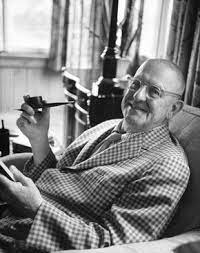
In most biographies and essays in papers P. G. Wodehouse is regarded as naïve. He is politically ignorant and not interested. This fact in some way explains the great mistake of his life when speaking in the German radio 1941 to his readers in USA, which Goebbels later retransmitted to Britain. He has been compared with Lord Emsworth as he himself described him in Something Fresh 1915:

“Other people worried about all sorts of things – strikes, wars, suffragettes, diminishing birth rates, the growing materialism of the age, and a score of similar objects. Worrying indeed, seemed to be the twentieth century´s speciality. Lord Emsworth never worried.”

This comparison is very unfair. Already in the above number of problems Wodehouse is mentioning you notice his awareness of actual problems. My aim with the following analysis is to show how Wodehouse kept himself well informed politically if you read his stories…

View original post 3,452 more words

Never have I had the privilege of being invited to a panel of judges which decides which movies an award goes to. But there are several which leave me, a lay viewer, a bit fogged. Consider the following:  

In the year of The Lunchbox, The Good Road represented India at the Oscars.

In the year of Dharm, Eklavya represented India at the Oscars.

In the year of All the President’s Men, Rocky won the best picture award.

In the year of Citizen Kane, How Green Was My Valley won the best picture.

In the year of Saving Private Ryan, Shakespeare in Love won the best picture.

It’s A Wonderful Life flopped when it was released and did not even garner much critical acclaim. And that is how it lay – till a copyright clerical error gave the world a right to screen it freely, making it an annual Christmas staple, and it grew and grew on the masses and the classes and the critics – so much so that today it is considered Frank Capra’s masterpiece.

Shawshank Redemption did not wow the public or the critics much during its original theatrical release. Then came its TV premiere, and then DVD, and finally OTT – where it found phenomenal traction and the world finally fell in love with it.

Sholay received a very lukewarm response upon the week of its release, and in desperation Ramesh Sippy was about to the reshoot the end and keep Amitabh alive. The cast and crew had one final meeting, and it was decided they should wait out the weekend at least. And lo and behold – during the weekend all hell broke loose, and Indian cinema witnessed its biggest phenomenon – the birth of the blockbuster.

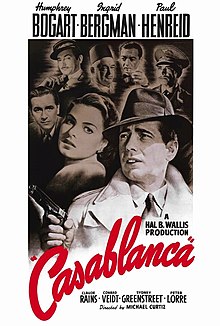
Casablanca was a pretty last-minute effort, with Warner Bros trying to cash in on the war situation, and the resultant fervour of patriotism that was spreading across the English-speaking world. An unpublished play, Everybody Comes to Rick’s, was adapted for the movie and Bogart’s agent liked it. But neither Bogart nor Ingrid Bergman was keen on doing it because they did not think it would really turn out to be good. They thought the dialogue was ridiculous and the situations were unbelievable. They were constantly trying to think of ways to get out of the movie. Bergman was then focused on For Whom the Bells Toll which she thought would be a big movie. And Bogart was not enjoying the fact that Bergman at 5’10 was two inches taller than him, and that he was made to stand on top of wooden blocks or sit on extra cushions by director Michael Curtiz because of it. And to top it all, neither the director nor the scriptwriters (the Epstein brothers) knew how the movie will end even while they were shooting it. In fact, Ingrid Bergman did not know how much love she should exhibit for Bogart’s character because she did not know whether they were in love or not (though that ambiguity ultimately gave the performance more stature). And to know now that the movie won multiple Oscars and is on all ‘Best Movies of All Tmies’ lists and is the movie with the maximum all time favourite quotes (7)!

About the Author

Shouquot Hussain is an educator and has been raising the intellect level of young students in India, as also in Kenya and Indonesia, since quite some time. He loves to read books. He dabbles in writing poetry, making the literary critics keep a keen eye on his progress. He is also a keen observer of movies; new OTT platforms keep licking their lips in anticipation of his valuable subscriptions. His son, like the proverbial fruit which does not fall far from its tree, is currently pursuing a BSc in Film Making. He is a self-proclaimed foodie. Like him, his spouse is also in the field of education. The couple infest the environs of Jakarta these days. 

Related Posts:

ashokbhatia's avatarashokbhatia

While etching out some of the feline and canine characters, P G Wodehouse never fails to amuse, entertain and educate. Many of you may agree that even when he decides to capture the spirit of a hearty brawl among different members of these species, he excels himself.

Consider these fight scenes captured by him.

‘The unpleasantness opened with a low gurgling sound, answered by another a shade louder and possibly more querulous. A momentary silence was followed by a long-drawn note, like rising wind, cut off abruptly and succeeded by a grumbling mutter. The response to this was a couple of sharp howls. Both parties to the contest then indulged in a discontented whining, growing louder and louder until the air was full of electric menace. And then, after another sharp silence, came war, noisy and overwhelming.

Standing at Master Waffles’ side, you could follow almost every movement of that…

View original post 707 more words