Feeds:
Posts
Comments

Posts Tagged ‘Book’

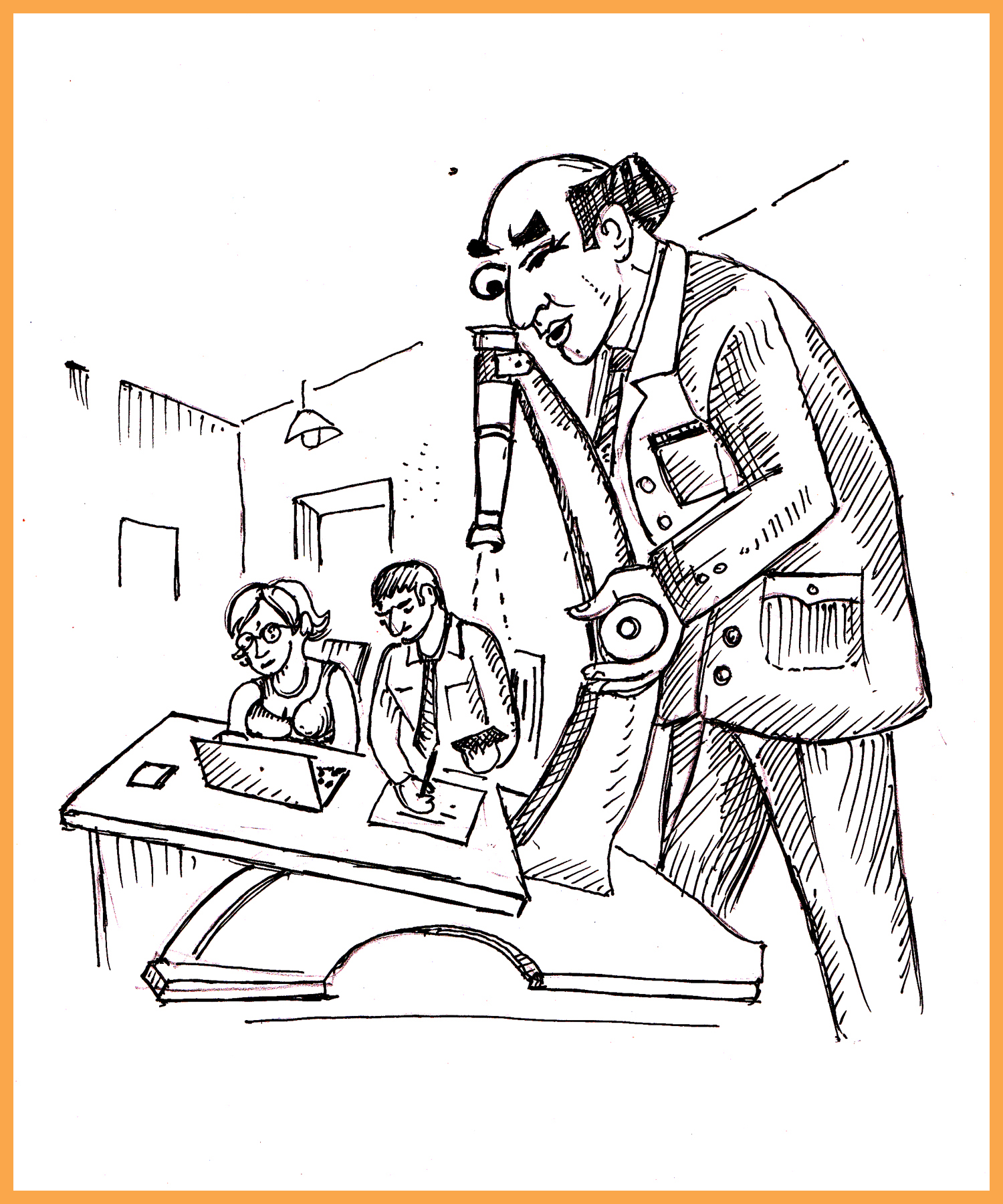
A sure way of becoming a liability for your team and also for your employers is to micromanage – getting into the nitty-gritty of each and every aspect of the task at hand.

Learn to delegate and allow your team members to make mistakes.

Demand results, but develop your people in the long run.

If you happen to report to a boss who believes in getting things done by breathing down your neck, try the following to keep your sanity in check:

  1. Make it a habit to meet him half-way through.
  2. Empathize with the poor soul. Try to reduce his blood pressure. That is what you get paid for.
  3. Be clear about your deliverables.
  4. Sincerity helps. Following due processes and protocol helps.
  5. Have a positive attitude. At an opportune time, let him know that you are not too comfortable being micromanaged.

(Excerpt from my book ‘Surviving in the Corporate Jungle’, the English version of which was released recently. The Portuguese version of the excerpt follows.)

MICROGESTÃO

A maneira mais certa de se tornar um peso para a sua equipa e também para seus empregadores é a microgestão –meter-se em todas as tarefas até ao mais ínfimo pormenor.

Aprenda a delegar e a permitir que os seus colaboradores cometam erros.

Exija resultados, mas desenvolva as competências dos seus colaboradores no longo prazo.

(This is how you can lay your hands on the Portuguese version of the book, launched in Portugal during March, 2016.)

Read Full Post »
An ever-changing discipline, though surely not the only one. When conceived and described by Philip Kotler, it consisted of the famous four Ps – Product, Price, Place, and Promotion. With due respects to the great man, one may safely add one more P – Password (used for viral marketing).

Till the 1970s, Indians had to wait for years to get to ride their own ‘Hamara Bajaj’. On the car front, there were just three manufacturers in the fray then. Now, the automobile market has global brands wooing the customer and competing cheek and jowl for a slice of the great Indian market pie.

With the advent of the Internet has come a virtual democracy in information. Changes in technology have brought in a new way the customers and brands interact. Marketing has undergone a sea change and will continue to do so in future as well, what with social re-engineering leading to a greater degree of inclusion in the economy and with hordes of new customers from a so-far underprivileged social milieu joining the market.

Brick and mortar retailers are increasingly competing with e-retailers for the customers’ attention. Tech-savvy customers now routinely research brands before making a decision. They are increasingly welcoming fresh content rather than repetitive ads.

The role of a Chief Marketing Officer continues to evolve in sync with the increasing complexities of brand-building and marketing. Ensuring that the customer’s voice is heard within the confines of the board room has already become one of his key roles.

The customer has now become a more empowered king!

(Excerpt from my book ‘Surviving in the Corporate Jungle’, the English version of which was released recently. The Portuguese version of the excerpt follows.)


Uma disciplina em constante mudança, embora certamente não a única. Quando o conceito foi elaborado e descrito por Philip Kotler, consistia nos famosos 4 Ps – Produto, Preço, Ponto-de-venda e Promoção. Com o devido respeito ao grande homem, pode-se perfeitamente acrescentar mais um P – Password (‘Senha’, que se refere ao marketing viral).

Até à década de 1970, os indianos tinha esperar anos para poderem conduzir o seu próprio “Hamara Bajaj”. Em matéria de automóveis, havia apenas três fabricantes em liça Como Sobreviver na Selva Empresarial na altura. Agora, o mercado automóvel tem marcas globais que cortejam os clientes e competem acerrimamente por uma fatia do grande bolo que é mercado indiano.

Com o advento da Internet, chegou a democracia virtual da informação. As mudanças tecnológicas trouxeram uma nova forma de interação entre os clientes e as marcas. O marketing sofreu uma mudança radical e vai continuar a mudar no futuro, com a reengenharia social a conseguir um maior nível de inclusão na economia e com hordas de novos clientes, oriundos de meios sociais até à data desfavorecidos, a entrarem no mercado.

Os vendedores de tijolos e de argamassa estão cada vez mais a concorrer com lojas online na disputa por clientes. Hoje em dia, os clientes que dominam a tecnologia, costumam fazer uma pesquisa de marcas antes de tomarem uma decisão. Estão cada vez mais recetivos a conteúdos novos, em vez de anúncios repetitivos.

O papel de um Diretor de Marketing continua a evoluir de acordo com as crescentes complexidades de desenvolvimento de marcas e do marketing. A garantia de que a voz do cliente é ouvida na sala de reuniões da Direção já se tornou um dos seus papéis principais.

O cliente passou a ser um rei com mais poderes!

(This is how you can lay your hands on the Portuguese version of the book, launched in Portugal during March, 2016.)


Read Full Post »

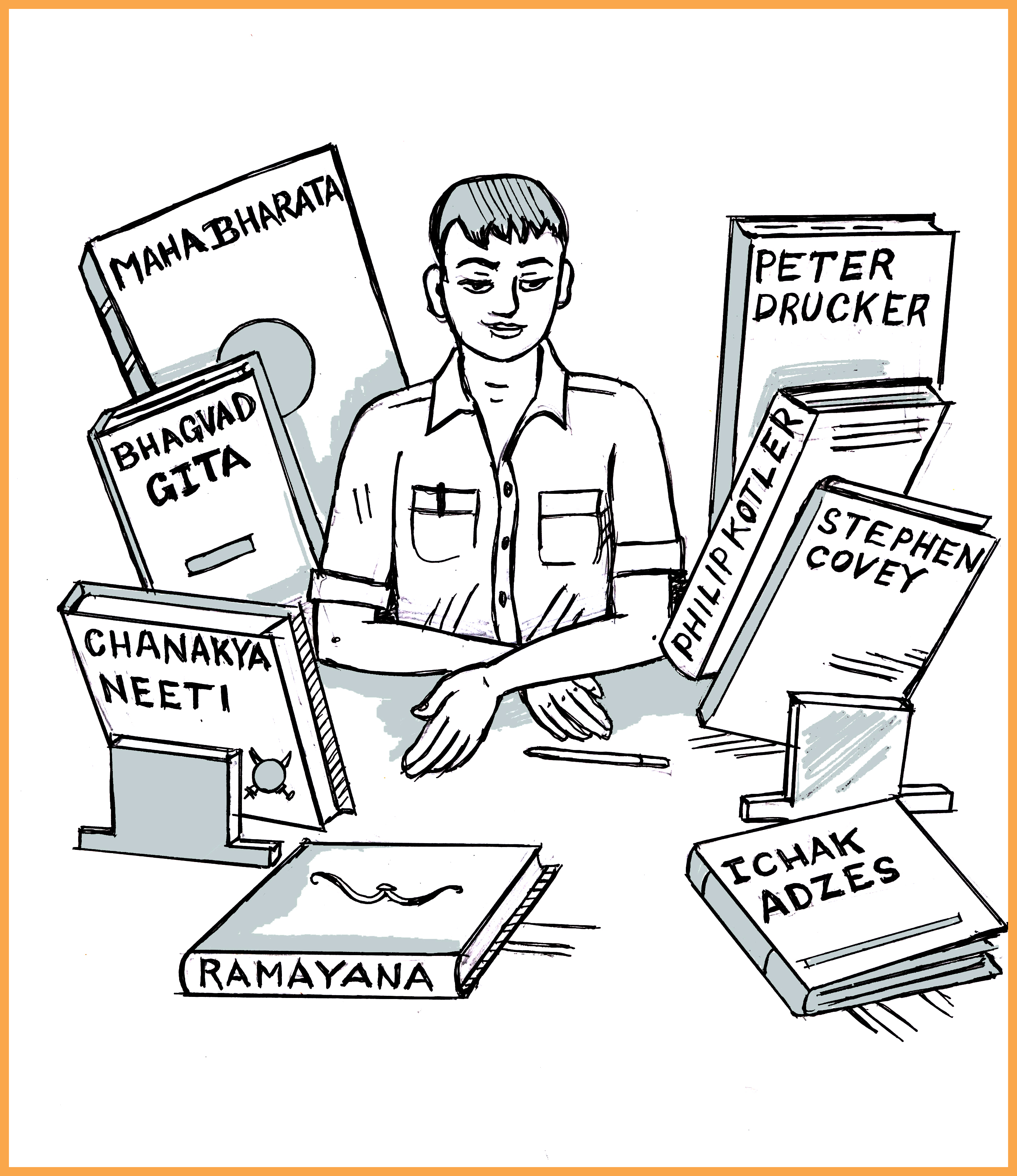
After the 2008 economic meltdown, the management world has discovered that CEOs need to follow not only the Business Compass but also a Moral Compass to steer the enterprises they happen to run. Improving one’s Spiritual Quotient is now a sheer business necessity, and shall be more so in the decades to come.

It is here that Indian scriptures and sages provide a ready template for managers of all sizes and shapes.

The bookSurviving in the Corporate Jungle’ covers some lessons from the following:

-Ramayana

-Mahabharata

-Bhagavad-Gita

-Thirukkural

-Chanakya Neeti

-Sri Aurobindo

Managers with a Western Mind and an Eastern Heart

The success of the likes of Satya Nadella (currently the CEO of Microsoft) and Sundar Pichai (currently the CEO of Google Inc) goes on to show the growing importance of managers who are not only exposed to the Western models of management but also steeped in Eastern wisdom in the realm of management.


Read Full Post »

Recently, while on a trip to Switzerland, yours truly had the opportunity of calling upon Mr. José Manuel Castro Santiago, Minister – Counsellor at the Embassy of Portugal in Bern.

Despite his busy schedule, he was kind enough to grant an audience to yours truly, who wished to present to him a copy of his book ‘Como Sobreviver Na Selva Empresarial’.

It happened to be a day when the soaring day temperature had left denizens of Berne gasping for breath and scurrying for cover. To match the heat outside, the Embassy of Portugal in Switzerland offered a degree of bonhomie and warmth, much like the genial and affable disposition of the people of Portugal.

An informal meeting took place in his tastefully done up office. He was genial, graceful and dignified. The frankness with which he spoke and the warmth he exuded was typical of the people of character, resource and rich culture he represents.

It transpired that he had also had a stint in India. He spoke warmly of his positive feel about the country. He touched upon its rich ancient culture and the diversity of its citizens. Yet another emerging economy he had been posted to in the past was that of Brazil.

He mentioned that he has himself authored and published a book which captures his experiences in a long and successful career. Yours truly expressed a wish that some kindly publisher might bring it out in English as well, so the wisdom contained therein may get shared more widely.

He was happy to know that yours truly had been associated with the Tata group for close to a decade, that too in the field of leather footwear and components. The courtesy extended to an ordinary soul from an emerging economy like India was impeccable.

Diplomats represent all that their land is and aspires to be. Much like Ms. Clara Nunes dos Santos, the Ambassador of Portugal to Norway (whom yours truly had the opportunity to meet recently), Mr. José Manuel Castro Santiago is also no exception. One has no doubt that both of them handle managerial challenges coming their way with characteristic aplomb.

One wishes them and their country a great innings in the days to come.

(Notes:

This is how you can lay your hands on the Portuguese version of the book, launched in Portugal during March, 2016, courtesy Liberty Seguros and Vida Economica.

The English version of the book, entitled ‘Surviving in the Corporate Jungle’, was released recently.

Related Post: https://ashokbhatia.wordpress.com/2017/05/30/a-meeting-with-the-ambassador-of-portugal-in-norway)


Read Full Post »

Leaders

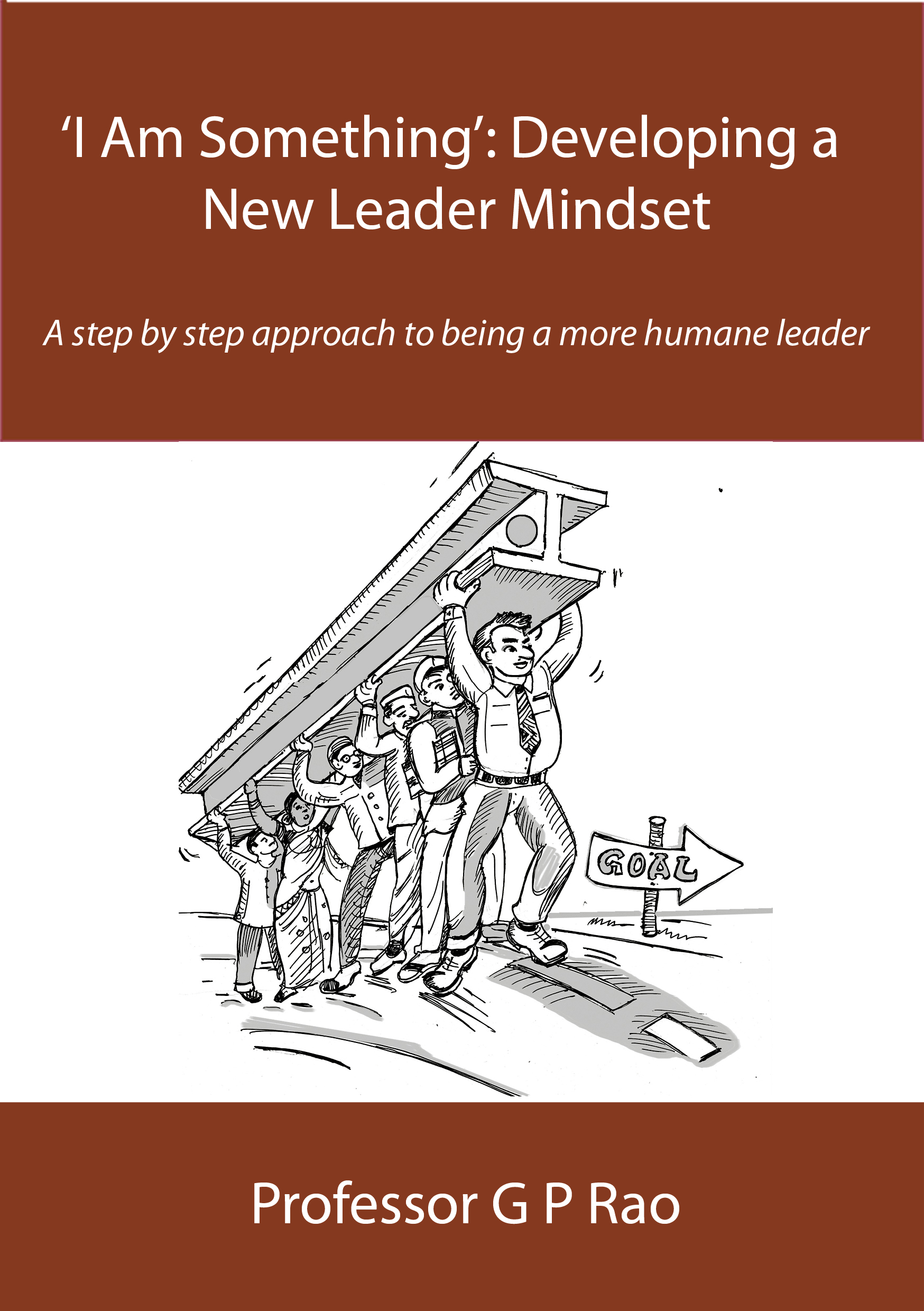
Management can be learnt; leadership is inborn. The good news is that in most cases, leadership styles trickle down the organization and get copied. This spawns leaders in the same genre and also improves behavioural consistency across the entire set up.

Successful leaders have several outstanding traits. Their intuitive faculties are well developed. They do not say one thing and do another. They handle tough tasks themselves. They take responsibility for their failures, often shielding their team mates. They do not have henchmen to execute their dirty plans so their own hands look clean. They put everyone on the same pedestal. They never encourage yes-men. They always encourage no-men to speak up.

CEOs who rank high not only on their Intelligence Quotient and Emotional Quotient but also on their Spiritual Quotient go on to make super leaders. Their concern for business ethics is as high as their concern for business results.

Lao-Tzu, a Chinese philosopher, said ‘To lead the people, walk behind them’.

(Excerpt from my book ‘Surviving in the Corporate Jungle’, the English version of which was released recently. The Portuguese version of the excerpt follows.)

LÍDERES

A gestão pode ser aprendida; a liderança é inata. A boa notícia é que, na maioria dos casos, os estilos de liderança encontram-
se espalhados pela organização e são replicados, o que produz líderes do mesmo tipo, melhorando ao mesmo tempo a consistência comportamental ao longo da cadeia hierárquica.

Os líderes de sucesso têm em comum vários traços que se destacam. As suas faculdades intuitivas estão bem desenvolvi as. Não dizem uma coisa e fazem outra. Enfrentam eles próprios as tarefas difíceis. Assumem a responsabilidade pelos seus fracassos, muitas vezes, protegendo os seus colaboradores.

Não recorrem a capangas para executar os seus planos sujos e parecer, assim, que têm as mãos limpas. Põem todos no mesmo pedestal. Nunca incentivam os “lambe-botas”. Incentivam sempre os “discordantes” a falarem.

Lao-Tzu, um filósofo chinês, disse: “Para liderar as pessoas, ande atrás delas”.

(This is how you can lay your hands on the Portuguese version of the book, launched in Portugal during March, 2016.)

Read Full Post »


Managements are well known for their propensity to give priority to business targets, and to hell with all the systems, controls, and procedures! So, go in for systems which are simple and can be operated by idiots. The acid test to be applied to check most systems would be KISS (Keep It Simple, Stupid).

Auditors will keep coming up with new Standard Operating Procedures. Before rolling those out, a manager would do well to first go in for a pilot run, debug the process, and only then formalize it. This would eliminate the chances of a smart aleck junior coming up with innovative shortcuts to brow beat the system!

(Excerpt from my book ‘Surviving in the Corporate Jungle’, the English version of which was released recently. The Portuguese version of the excerpt follows.)


BEIJE COM FREQUÊNCIA

Os executivos são conhecidos pela sua propensão para dar prioridade aos objetivos do negócio, e que se lixem os sistemas, os controlos e os procedimentos! Por isso, opte por sistemas que sejam simples e possam ser seguidos por idiotas. O ‘teste do algodão’ a aplicar à maioria dos sistemas é o KISS (beijo, em inglês, de “Keep It Simple, Stupid” – Simplifica, Palerma).

Os auditores irão propor sempre novas normas de procedimentos operacionais. Antes de as implementar, o melhor que um executivo tem a fazer é começar por fazer um teste-piloto, depurar o processo e só então formalizálas, eliminando, assim, as possibilidades de um qualquer subordinado espertinho inventar formas sub-reptícias de dar a volta ao sistema!

(This is how you can lay your hands on the Portuguese version of the book, launched in Portugal during March, 2016.)

Read Full Post »

Those who happen to know me personally are often deceived by my polite manners. They often wonder as to why I never opted for a diplomatic career.

Allow me to set the record straight. P G Wodehouse played some role in indicating that my Guardian Angels had planned my life much unlike that of Eustace Mulliner, who was a part of the British Embassy in Switzerland.

Jeeves’ psychology-of-an-individual factor has also led me to believe that the diplomatic corps on this planet are better off without me.

My limited intuitive faculties also tell me that life as a career diplomat could not be as glamorous and hunky dory as it might appear to be from the outside of an embassy building.

The Eustace Mulliner saga

Wodehouse fans might recall that the splendid idea of Eustace Mulliner joining the British Embassy in Switzerland was dangled before him by his godfather, Lord Knubble of Knopp. Eustace had stoutly refused to avail himself of the offer.

However, things turned out differently when he was caught misbehaving with Francis, a feline creature which was a favourite of his Aunt Georgiana. At the time, two more characters had popped up, taking a jaundiced view of the proceedings. His obduracy evaporated. He decided that Switzerland was a safer country to be in.

Unlike Eustace Mulliner, my Guardian Angels had planned my life along different lines.

One, I never fancied maintaining a ‘Open House’ for pets of all kinds.

Two, Fate never bestowed upon me a girl friend, that too someone like Marcella Tyrrwhitt, who would take the risk of entrusting her favourite Peke and her canary to me while going off to Paris on a brief sojourn.

Three, I have never had the privilege of having a wealthy aunt who might have taken offence at my throwing cucumber sandwiches at her cat.

Four, never have I come across an ardent animal lover like Orlando Wotherspoon, the perennial Vice President of the Dumb Chums’ League, who would threaten to thrash me within an inch of my life.

Nor have I had the privilege of coming across a girl friend who had Spanish blood in her; someone who would have liked to whack me with the heaviest parasol she could lay her hands on, the provocation being her discovery that a favourite Peke of hers had been gifted by me to one Beatrice Watterson.Those who have followed the ruminations of Mr Mulliner (Mulliner Nights, Open House) would recall that Eustace, upon joining the British Embassy in Switzerland, had stuck to his duties with unremitting energy.

‘So much so that, he had been awarded the Order of the Crimson Edelweiss, Third Class, with crossed cuckoo-clocks, carrying with it the right to yodel in the presence of the Vice-President.’

One might miss the rights to yodel in the presence of the high and mighty, but life has been kind to me in so many other ways.

The psychology of the individual

Jeeves would have surely approved of my keeping away from a diplomatic career. I am certain that several diplomatic disasters and gaffes have thus been avoided, saving our planet from a more uncertain future. August bodies such as the United Nations surely breathe easier.

The simpleton that I am, a career in diplomacy would have tested my reserves of patience to the hilt. Putting on a plastic smile, when necessary, would have tried my nerves no end. A Bollywood producer, had he cast me as a lead actor for one of his inane movies, would have cried all the way to his bank. Having to make inane conversations with perfect strangers on topics which are alien to the restricted domain of my knowledge would have left my soul in perennial torment.

To a lay person, the life of a career diplomat might sound flashy and exciting. Rubbing shoulders with world leaders. Travelling to exotic locales. Devouring Anatole-ish spreads. Attending conferences and banquets. Making clever speeches which get received with a thunderous applause and, possibly, even a standing ovation.

But it is not too difficult to surmise the harsh realities of a diplomatic life. These pose many challenges of a managerial kind.

Of diplomats and their career blues

Maintaining cordial international relations in our turbulent times would be no mean task. The dignity and the image of the home country needs to be upheld. Culture, heritage and values need to be showcased. Cultural nuances of the land where they happen to be posted need to be understood and rigorously followed.

Besides negotiating and facilitating treaties, opportunities for trade promotion and closer collaboration have to be exploited to the hilt. An eye has to be kept open for business opportunities between the two countries. Unique strengths of the home country have to be showcased. Stakeholders of diverse hues, shapes, sizes and temperaments have to be kept in a positive frame of mind. Political masters have to be kept in good humour. Business barons snapping at their heels have to be kept at bay.

Meetings, conferences and banquets have to be attended. Impeccable sartorial standards have to be maintained, showcasing their home country while keeping the local sensibilities in mind. Consular services have to be dished out with courtesy, transparency and efficiency.

Morale of the staff has to be upheld at all times. Resistance to change needs to be overcome. Maslow’s hierarchy of needs has to be understood and applied in all cases. Career priorities invariably take precedence over personal matters.

The harsh slings and arrows of fate do not stop with such mighty challenges. Once in a blue moon, some odd requests have to be granted. Interviews by a bunch of giggly communication students may need to be granted. Inquisitive media journalists desperately searching for some exciting sound bites may have to be tolerated.

Lay citizens of a distant country could pop up, wanting to present a book authored by them on a subject which sounds like Latin and Greek, simply because the book was launched back home, in the home language.

The last mentioned was the fate suffered recently by two senior members of the international diplomatic corps, when I popped up in flesh and blood to present to them a copy of my book ‘Como Sobreviver Na Selva Empresarial’.

It was kind of them to have granted me an audience. Like many a harsh slings and arrows of Fate coming their way, they took it very sportingly, thereby shoring up the image of their country in the feeble mind of a lesser mortal from one of the emerging economies of the world.

Bertie Wooster would have heartily approved of their chin up attitude. So would have Eustace Mulliner.

As to my not having gravitated towards a diplomatic career myself, Jeeves would have surely approved.

Thank you, Plum!

(Related Posts:

https://ashokbhatia.wordpress.com/2017/05/30/a-meeting-with-the-ambassador-of-portugal-in-norway

https://ashokbhatia.wordpress.com/2017/06/21/a-meeting-with-the-minister-counsellor-of-portugal-in-switzerland)

Read Full Post »

Tired of time-worn designations? Try these:

·         Chief Worrying Officer: Normally, the Chief Financial Officer who is worried sick about legal compliance in all areas of business.

·         Chief Listening Officer: A Vice President – Human Resources who is always ready with a bucket and a towel to help employees facing emotional distress.

·         Chief Results Officer: The Chief Executive Officer who believes that ends justify all means.

·         Chief Dreams Officer: The Research & Development head who keeps dreaming of new products and businesses.

·         Chief Conscience Keeper: Keeps a strict eye on fraudulent behaviour anywhere in the organization.

Here are some job labels which appear to be on the horizon:

·         Chief Risk Officer: Ensures corporate governance criteria are met and regulatory frameworks respected.

·         Chief Counselling Officer: A legal eagle who can vet agreements of all sizes and shapes and counsel on a legally safe route to take.

·         Chief Data Crunchers: With big data coming up in a big way, the day is not far off when specialists in data management would be seen occupying corner suites in offices.

·       Chief Merchandising Officers: With organized retail picking up, professionals with a feel of the customers’ pulse move up the organizational hierarchy.

(Excerpt from my book ‘Surviving in the Corporate Jungle’, the English version of which was released recently. The Portuguese version of the excerpt follows.)

TÍTULOS DE CARGOS

Cansado dos títulos muito batidos? Experimente estes:

Diretor de Preocupações: normalmente, o Diretor Financeiro, que está preocupado com a conformidade legal em todas as áreas de negócio.

Diretor Ombro Amigo: um Vice-Presidente de Recursos Humanos sempre pronto com um balde e uma toalha para ajudar os funcionários em sofrimento emocional.

• Diretor-Geral que acredita: que os fins justificam todos os meios.

Diretor de Sonhos: um Responsável por Investigação & Desenvolvimento que está sempre a sonhar com novos produtos e negócios.

Guardião da Consciência: está sempre de olho nos comportamentos fraudulentos onde quer que possam ocorrer na organização.

E eis alguns novos cargos que parecem estar no horizonte:

Diretor de Riscos: assegura que os critérios de gestão são cumpridos e os quadros regulamentares são respeitados.

Diretor de Aconselhamento Jurídico: um ás em direito com poderes para vetar todo o tipo de acordos e dar conselhos sobre os caminhos a seguir que sejam juridicamente seguros.

Diretor de Tratamento de Dados: com cada vez mais dados à disposição das empresas, não estará longe o dia em que os especialistas em tratamento de dados irão ocupar os melhores gabinetes do escritório.

Diretores de Merchandising: à medida que a distribuição organizada ganha terreno, os profissionais capazes de sentir o pulso dos consumidores vão subindo na hierarquia das empresas.

(This is how you can lay your hands on the Portuguese version of the book, launched in Portugal during March, 2016.)

Read Full Post »

Recently, while on a trip to Norway, yours truly had the opportunity of calling upon Ms. Clara Nunes dos Santos, the Ambassador of Portugal in Norway.

Despite her busy schedule, she was kind enough to grant an audience to yours truly, who wished to present to her a copy of his book ‘Como Sobreviver Na Selva Empresarial’.

On a day when the skies were a characteristic Norwegian grey, the Embassy of Portugal in Oslo stood out in its dignified glory. Much like the genial and warm people of Portugal, the welcoming interior left one with an inner glow of joy, much akin to a homecoming of sorts.

An informal meeting took place in her exquisitely done up office. She was charm, grace and dignity personified. The frankness with which she spoke and the warmth she exuded was typical of the people of character, resource and rich culture she represents.

She was kind enough to leaf through the book and found that it demystified the art and science of management in a lucid manner. The Portuguese translation came in for some praise. The courtesy extended to an ordinary soul from an emerging economy like India was impeccable.

Ambassadors represent all that their land is and aspires to be. Ms Clara Nunes dos Santos is no exception. Given her keen intelligence, sharp eye, wit and humour, one has no doubt that she handles managerial challenges coming her way with characteristic aplomb.

One wishes her and her country a great innings in the days to come.

(Note:

This is how you can lay your hands on the Portuguese version of the book, launched in Portugal during March, 2016, courtesy Liberty Seguros and Vida Economica.)

(The English version of the book, entitled ‘Surviving in the Corporate Jungle’, was released recently.)

(Related Post:

https://ashokbhatia.wordpress.com/2017/03/04/the-book-como-sobreviver-na-selva-empresarial-guia-pratico-1-0)

Read Full Post »

It makes sense to follow the golden rule, ‘the boss is always right’, even when he is absolutely wrong and is a perfect fool. However, sycophancy has its long-term limitations. Once in a while, if you do not agree with the boss, find the courage and the right time to register your disagreement. This way, you end up becoming a more effective and a healthier manager.

Beware of juniors who are ‘yes men’. They could be pretty dangerous to your career progression in the long run.

(Excerpt from my book ‘Surviving in the Corporate Jungle’, the English version of which was released recently.)

(This is how you can lay your hands on the Portuguese version of the book, launched in Portugal during March, 2016.)

Read Full Post »

« Newer Posts - Older Posts »