Feeds:
Posts
Comments

Posts Tagged ‘Corporate Dharma’

Negativity is unnatural. Look at any other life form on our planet. It is not easy for one to come across an unhappy flower or a stressed oak tree. A depressed dolphin is pretty nigh impossible to locate. So are reindeer which have a problem with their self-esteem, elephants that cannot relax, or a peacock that carries hatred and resentment. These creatures, with brains far simpler than ours, teach us a vital lesson: to accept what is and live fully in the present moment. Their primal instinct for survival shows us the power of authenticity and being connected to our true selves.

Watch swans on a lake, peacefully floating and splashing, fully at ease in the Now. If a conflict with another swan comes about, it is brief and forgotten almost instantly—no anger, no grudges, no desire for revenge. They simply move on, embodying a natural grace and inner peace that many despondent CEOs could learn from.

Such are the perils Homo sapiens face for having an evolved mind!
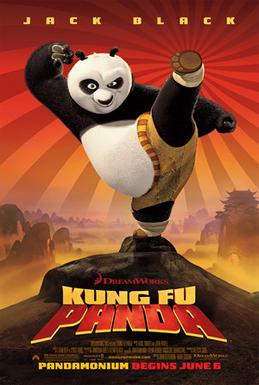
In the movie Kung Fu Panda (2008, Directors: John Stevenson and Mark Osborne), Grand Master Oogway, an old Galapagos tortoise, motivates a demoralised Po Ping, the giant panda, as follows:

“You are too concerned with what was and what will be. There is a saying: yesterday is history, tomorrow is a mystery, but today is a gift. That is why it is called the present.”

Po’s morale gets boosted, and he goes on to achieve the goal he has set for himself.

(Excerpts from the book: ‘Bhagavad Gita’s Guide to Corporate Dharma: Timeless Strategies to Navigate the Corporate Jungle’)

The Bhagavad Gita recommends living in the present moment. It also speaks highly of the virtues of handling conflicts with equanimity, giving up anger, and forgiving not only others but even ourselves!

Related Posts

Read Full Post »

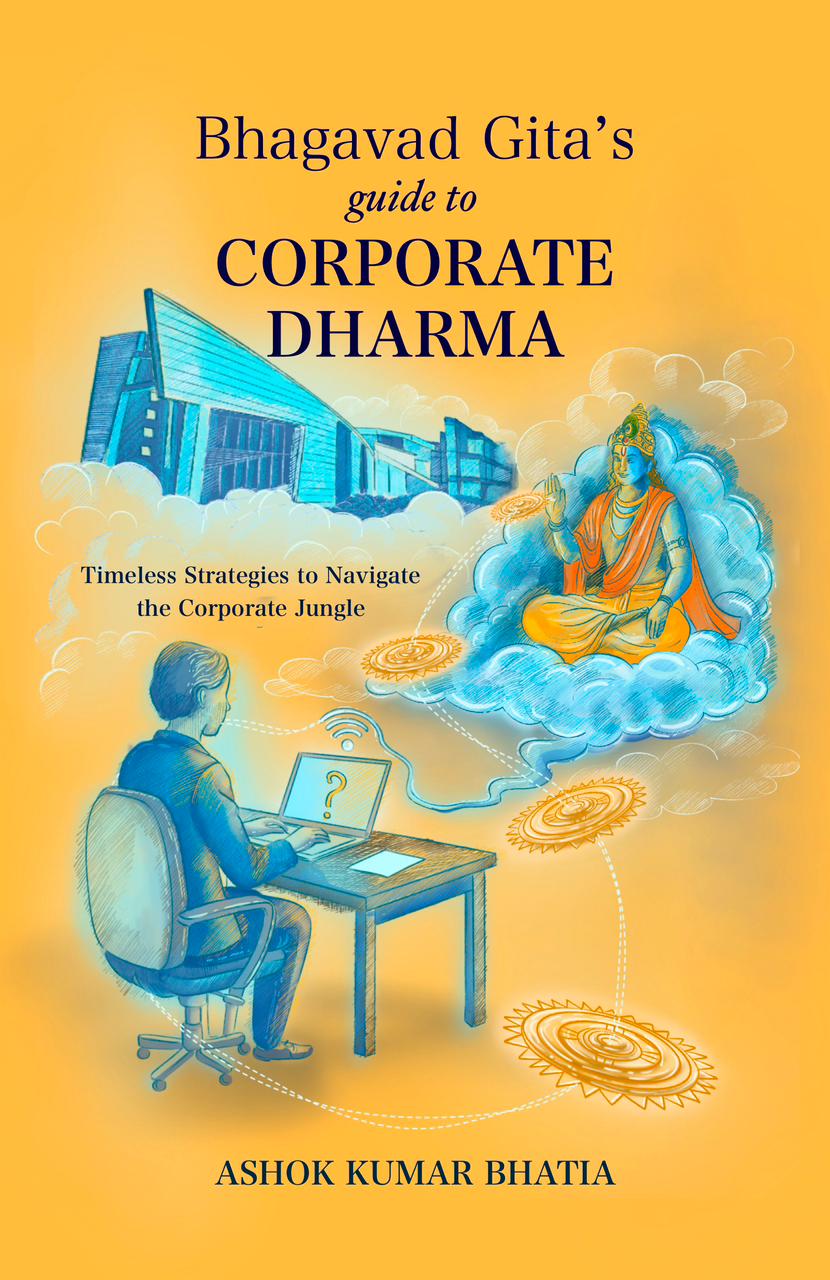
In today’s volatile corporate jungle, business leaders face relentless pressure to build value-driven organisations.

Across generations and geographies, managers have relied on the timeless principles of the Bhagavad Gita to make sound decisions in the workplace. Whether bogged down by ethical or moral predicaments, the ancient spiritual treatise offers clarity that corporate leaders find incredibly beneficial, helping them to lead with both head and heart.

Bhagavad Gita’s Guide to Corporate Dharma distils the scripture’s profound teachings by drawing vivid parallels between today’s boardroom conflicts and Arjuna’s dilemmas on the battlefield. It reimagines Lord Krishna’s timeless counsel to Arjuna for the digital-age corporate warrior. Its framework offers a rare compass for contemporary management practitioners—burdened with ethical decision-making in the age of AI—to lead with clarity without being enslaved by outcomes.

Replete with captivating examples from India and abroad—whether it is the Tata Group’s value-driven legacy or Kodak’s resistance to change—this book shows corporate denizens how to navigate through chaos and arrive at clarity.

Borrowing from Krishna’s teachings on compassion, the book urges managers to also lead with empathy, citing relatable examples—from Vijaypat Singhania’s feud with his son to the Dassler brothers’ rift that created Adidas and Puma.

Whether you are a CEO, mid-level manager, student or entrepreneur, the upcoming book is a thought-provoking management guide that shows, through Krishna’s teachings, how corporate Dharma can be practised in the modern workplace.

Related Post:

Read Full Post »

Now, what could be common between a 5,500-year-old scripture and the art and science of management as we practice it today? After all, while on the battlefield at the beginning of the Great War, Arjuna was facing a dilemma – to fight or not to fight. Surely, the poor fellow could not have then opened his smartphone and ask AI or ChatGPT as to what to do. He could not have expected a blockchain app to come up with a strategy to defeat the 11 divisions of the Kaurava army while using only the 7 divisions of the Pandava army.

Luckily, he had Lord Krishna acting as a friend, philosopher, and guide to assist him in the matter. The Lord patiently removes all his doubts, much like a friendly mathematics teacher would. Towards the end of the 18th chapter, he does not say what Arjuna should do in that situation. Rather, having motivated him to do his duty, He leaves the choice to Arjuna, who decides to fight the war.

Humanity is thus gifted with what I would refer to as the ultimate Manual of Motivation. It provides us with a template of inner transformation. It tells us how to live our lives to be more contented, joyful, and happy.

I confess that Gita is not easy to understand. Most of us believe that it is something a reading of which should be deferred to our post-retirement days, in our sunset years on this planet.

Far from it. The earlier one starts grasping the philosophical thoughts of Gita in life, the better it would be.

When looked at from the jaundiced glasses of either a CEO or a management executive, it offers rich lessons in navigating the corporate jungle. It provides a moral and ethical compass which we can use to handle real-life situations.

It does not provide a band-aid kind of two-minute solutions to the daily challenges we face. Instead, it does a root cause analysis and offers a long-term perspective on life and the googlies it throws at us from time to time.

Could we, ordinary people like us, even aspire to become an Arjuna? He had the capability to fight. He was facing a dilemma. Above all, he had options.

In a business situation, a brand could have been going downhill. Could it be reaching the end of its product life cycle? If so, would you recommend to the management to scrap it altogether and consider newer product options? Consider what Gita says:

तस्मादसक्त: सततं कार्यं कर्म समाचर |
असक्तो ह्याचरन्कर्म परमाप्नोति पूरुष: || 3.19||

Therefore, remaining unattached, go on doing action worthy of performance. Engaging in action, truly unattached, man attains the supreme.

Lord Krishna suggests that we detach ourselves from one of our favourite brands and try to look at it objectively. We could then see the writing on the wall and sense that it may soon be taken over by another product based on advanced technology. He expects us to focus on preparing the plans for designing such a product, test-market it without delay, and then proceed to launch it.

Likewise, there are many situations in our careers where Gita can help.

The soon-to-be-released book Bhagavad Gita’s Guide to Corporate Dharma may help one to grasp the nuances of this unique scripture.  

Once a week, I shall endeavour to keep you posted.         

Read Full Post »