
As a fan of the world-famous detective Sherlock Homes, what is the first thing one does once one has landed in London? Elementary, is it not? Well, one heads to 221b, Baker Street, right?!
The Sherlock Holmes Museum located at the above-mentioned address had opened its doors to the public on the 27th of March 1990. A belated honour, but surely a befitting one, to the world-famous detective, created by one of the greatest wordsmiths of our times – Sir Arthur Conan Doyle.
Visitors get permitted to the hallowed premises only in batches of twenty. Moreover, before they climb up the narrow staircase, they no longer run into an inquisitive Mrs. Hudson. Instead, they get greeted by a staff member who is dressed like a ‘Bobby’ and checks their online booking confirmation before allowing them to trudge up the stairs.
The famous study which Holmes and his friend Doctor Watson shared for almost twenty-five years (circa 1881-1904) is on the first floor overlooking Baker Street.
As described by Doctor Watson, the siting room boasts of two broad windows and turns out to be disappointingly small. The detective’s chair is there, and so is the tool kit he used to untangle the mysteries presented to him. The back side of the first floor displays several other things of interest to a fan, though it is said to have been the bedroom of the detective.

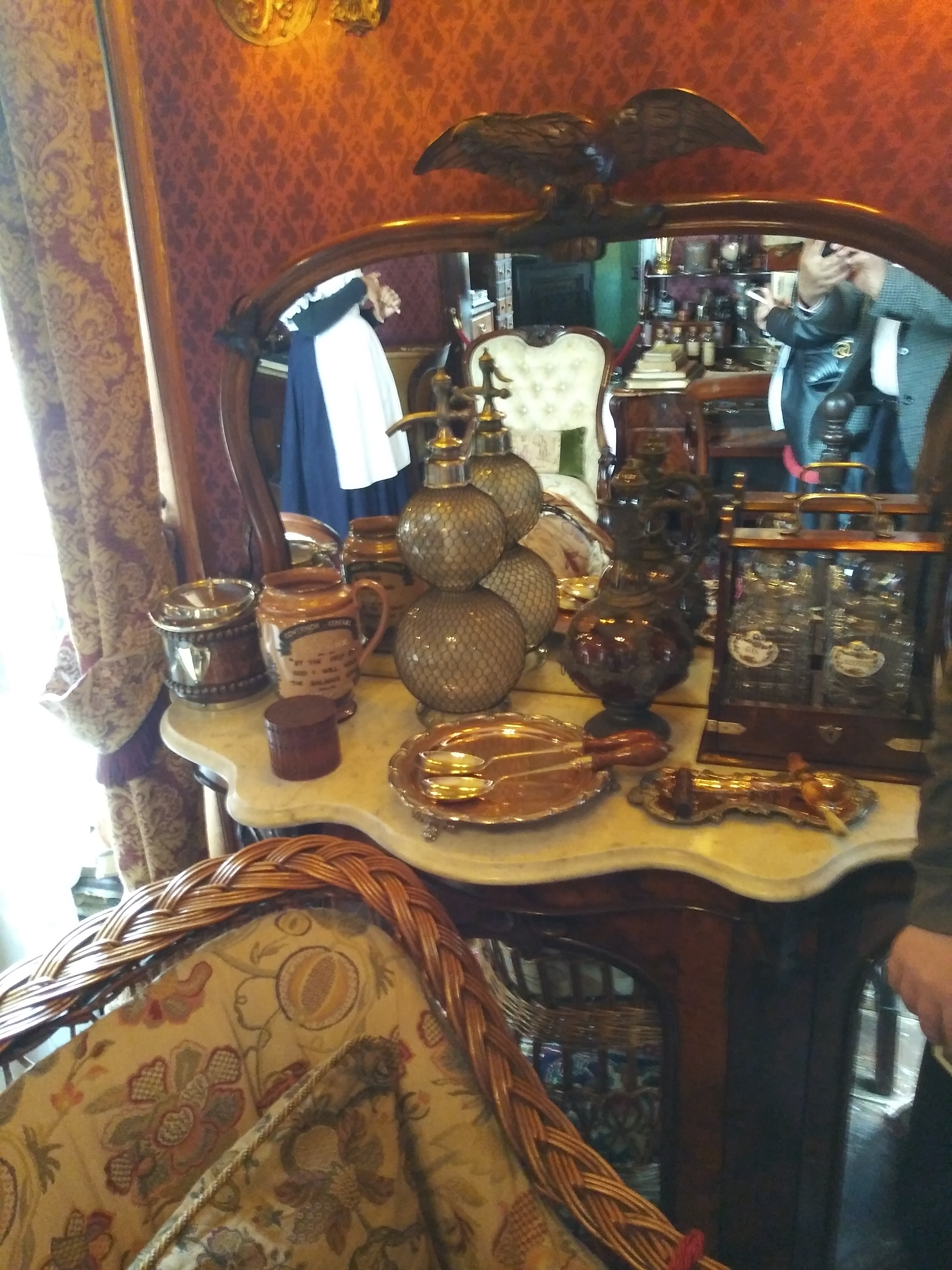
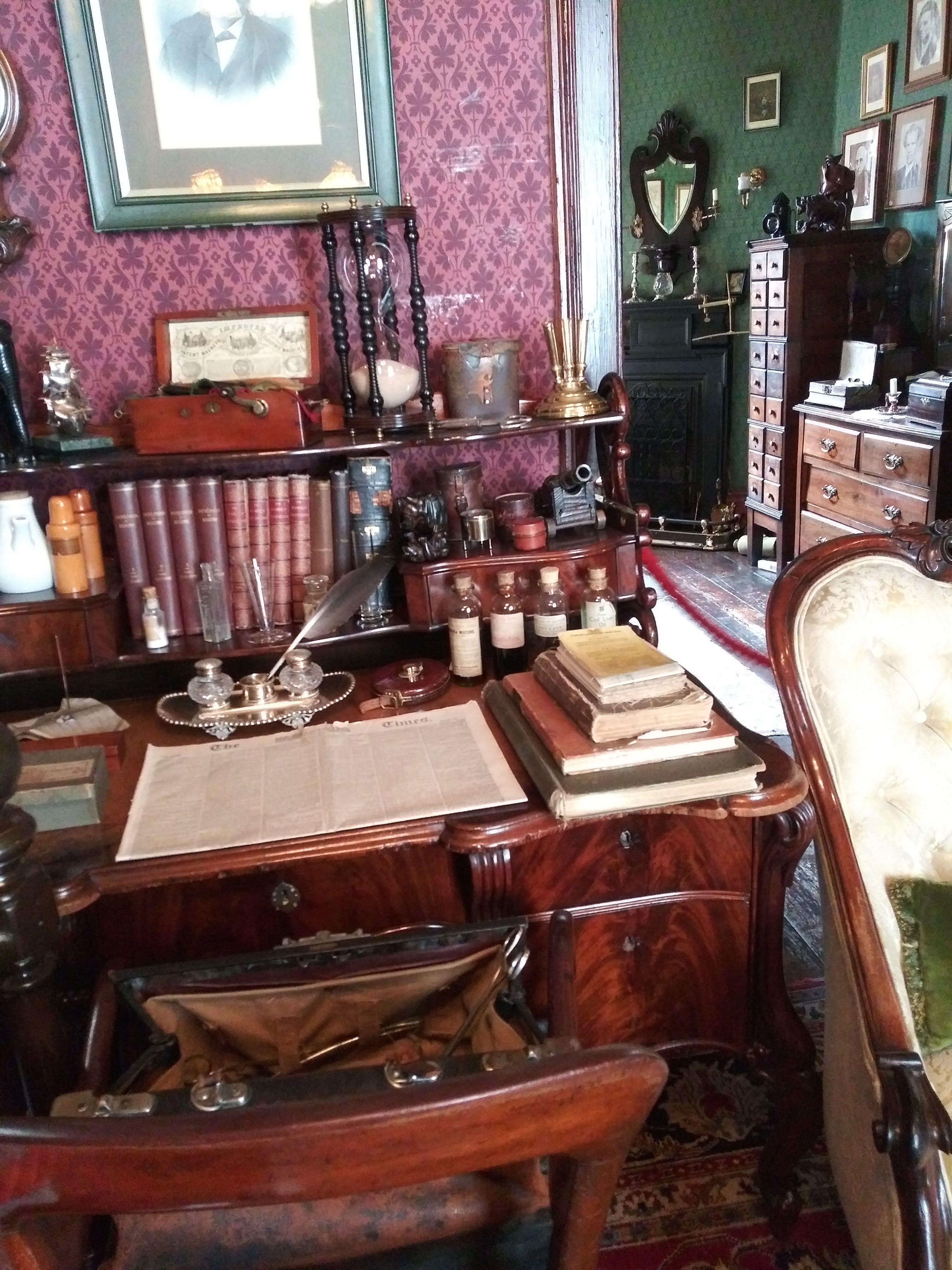
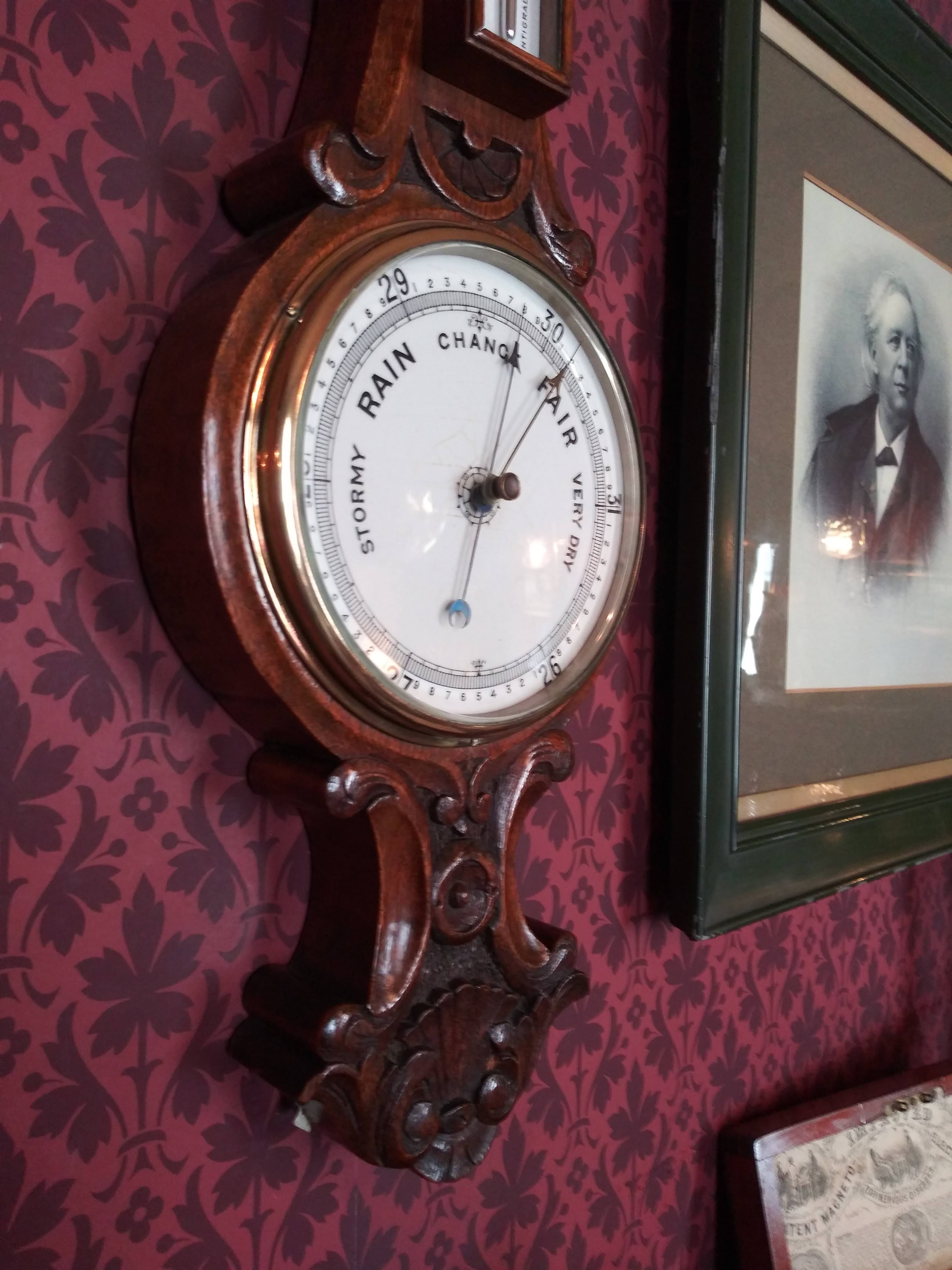

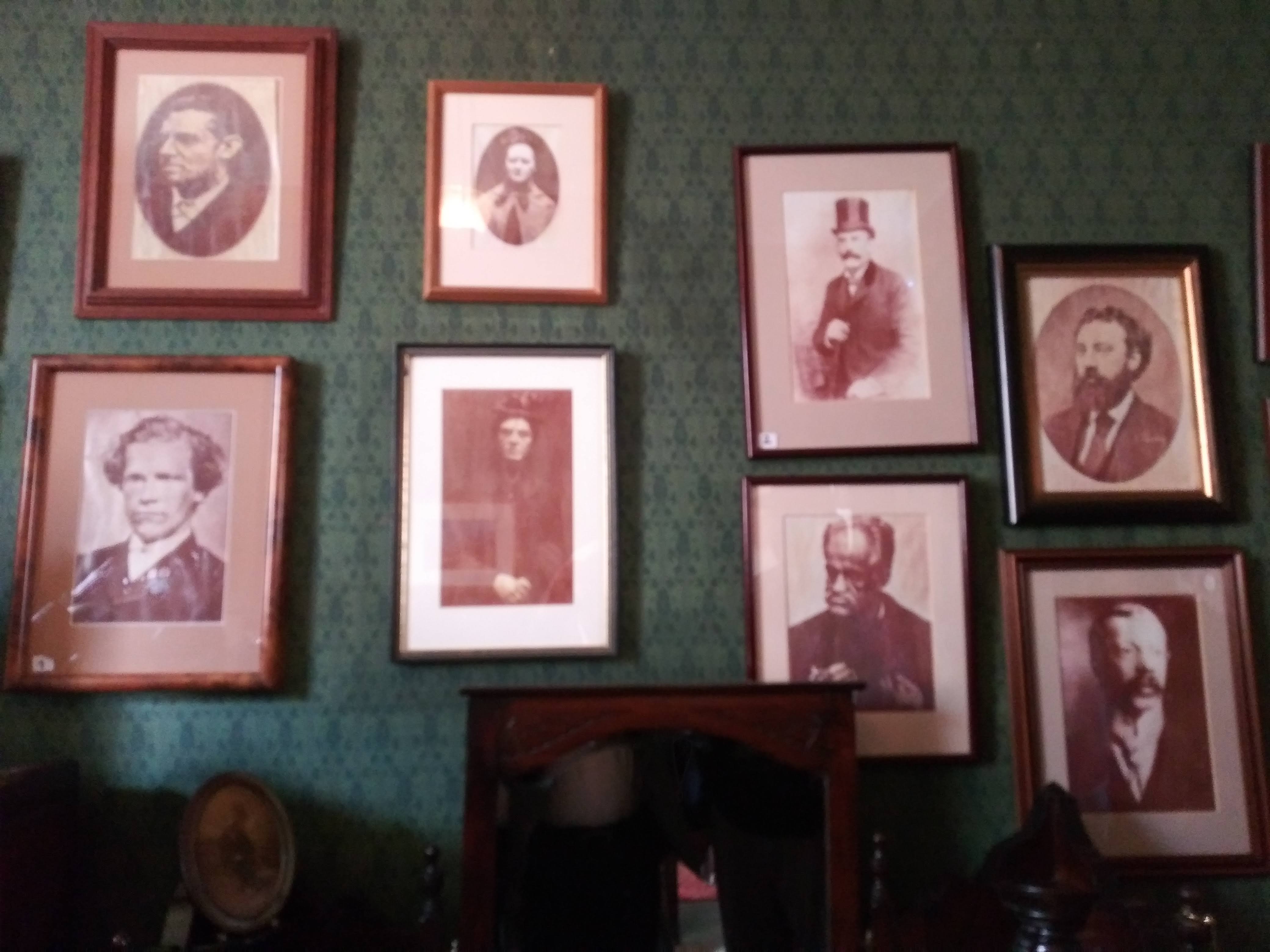
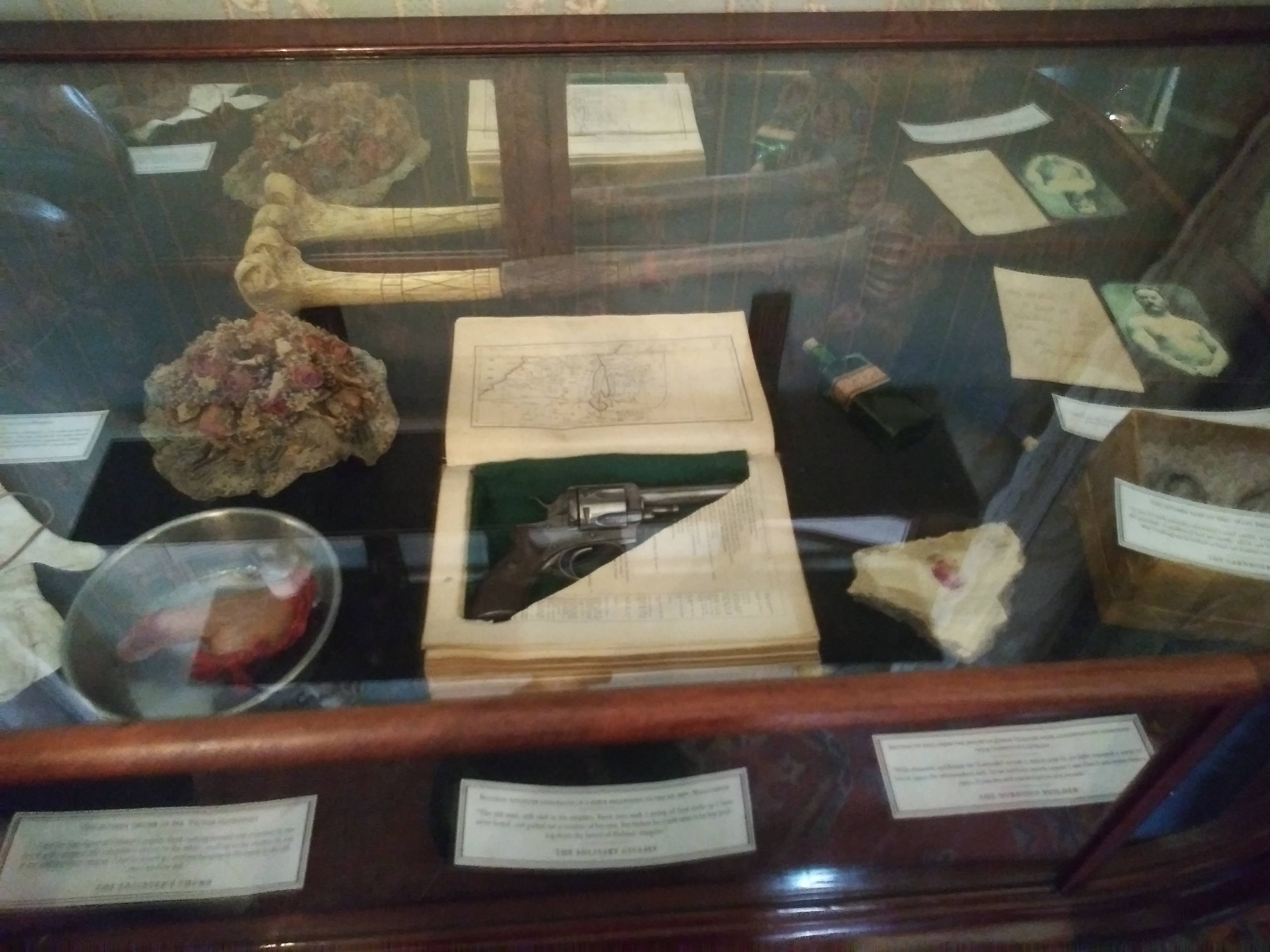


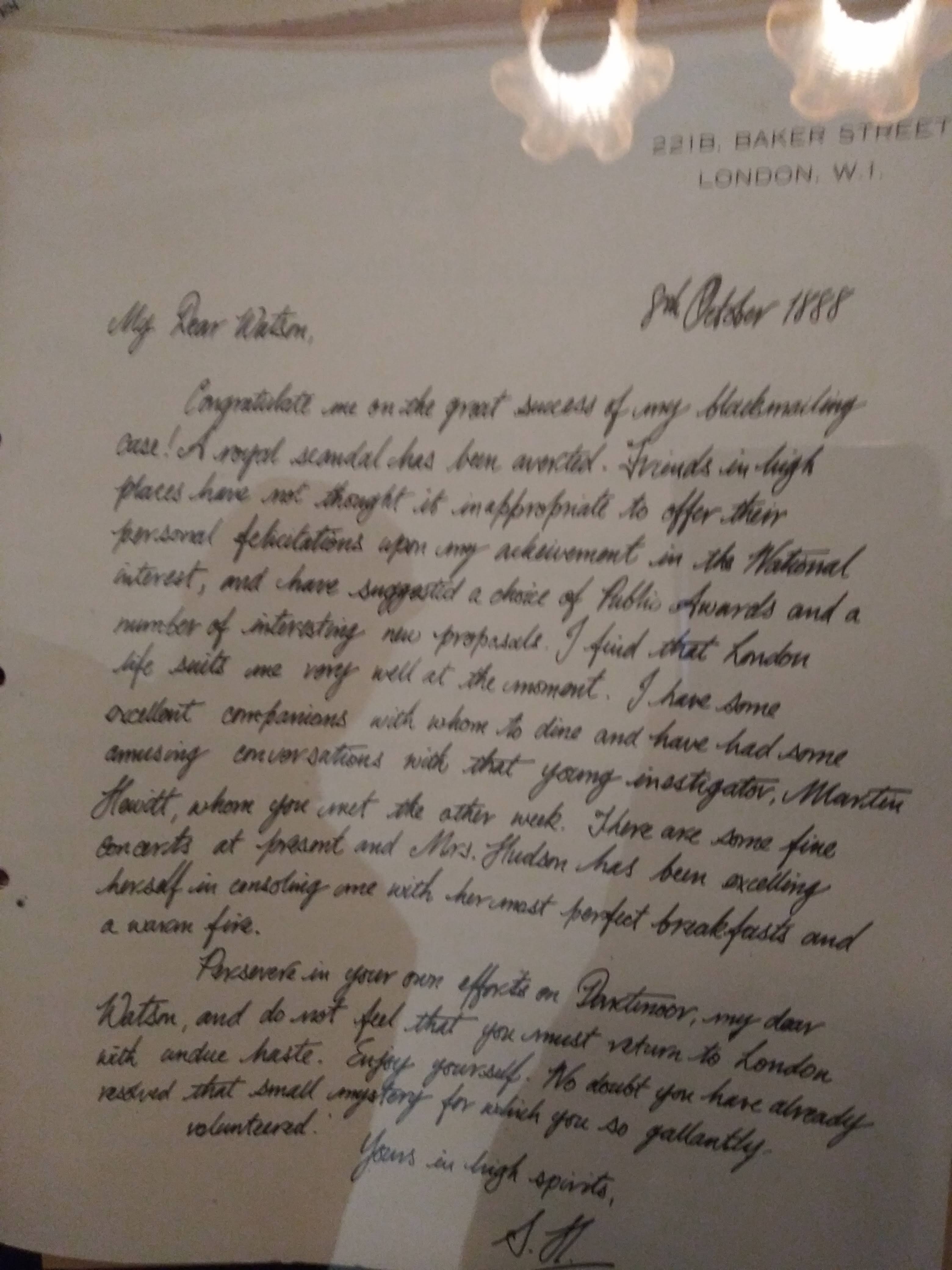
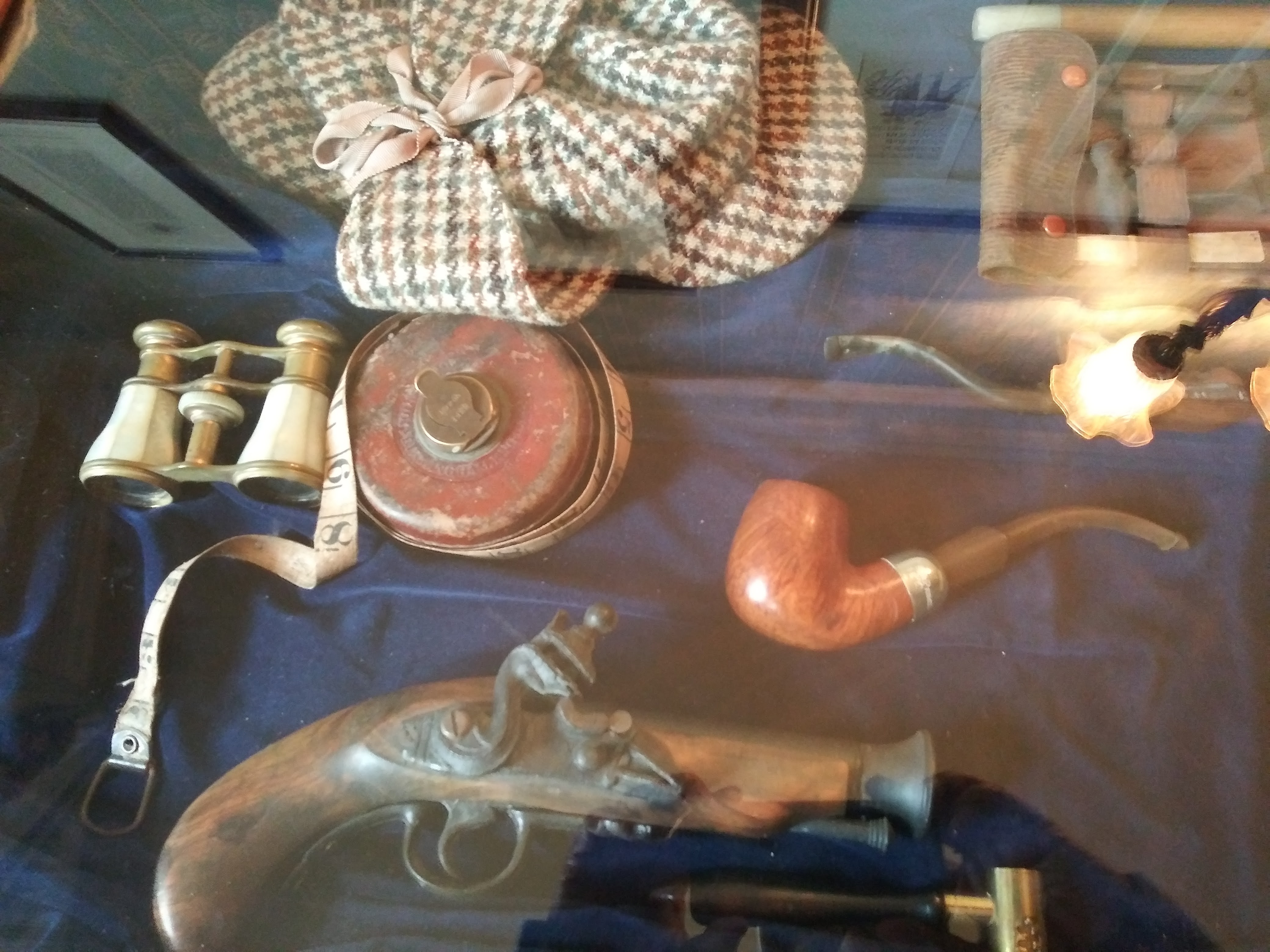
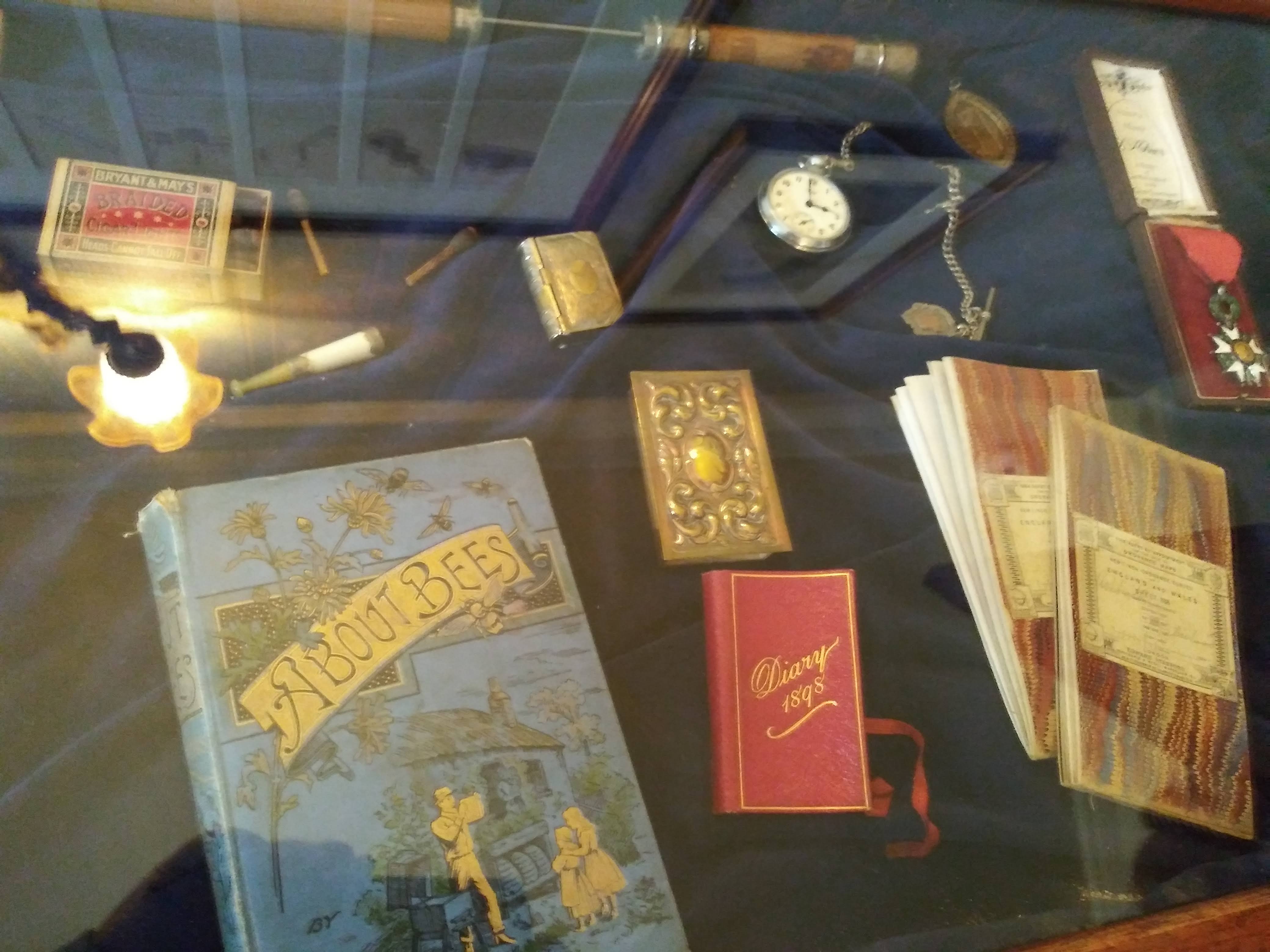
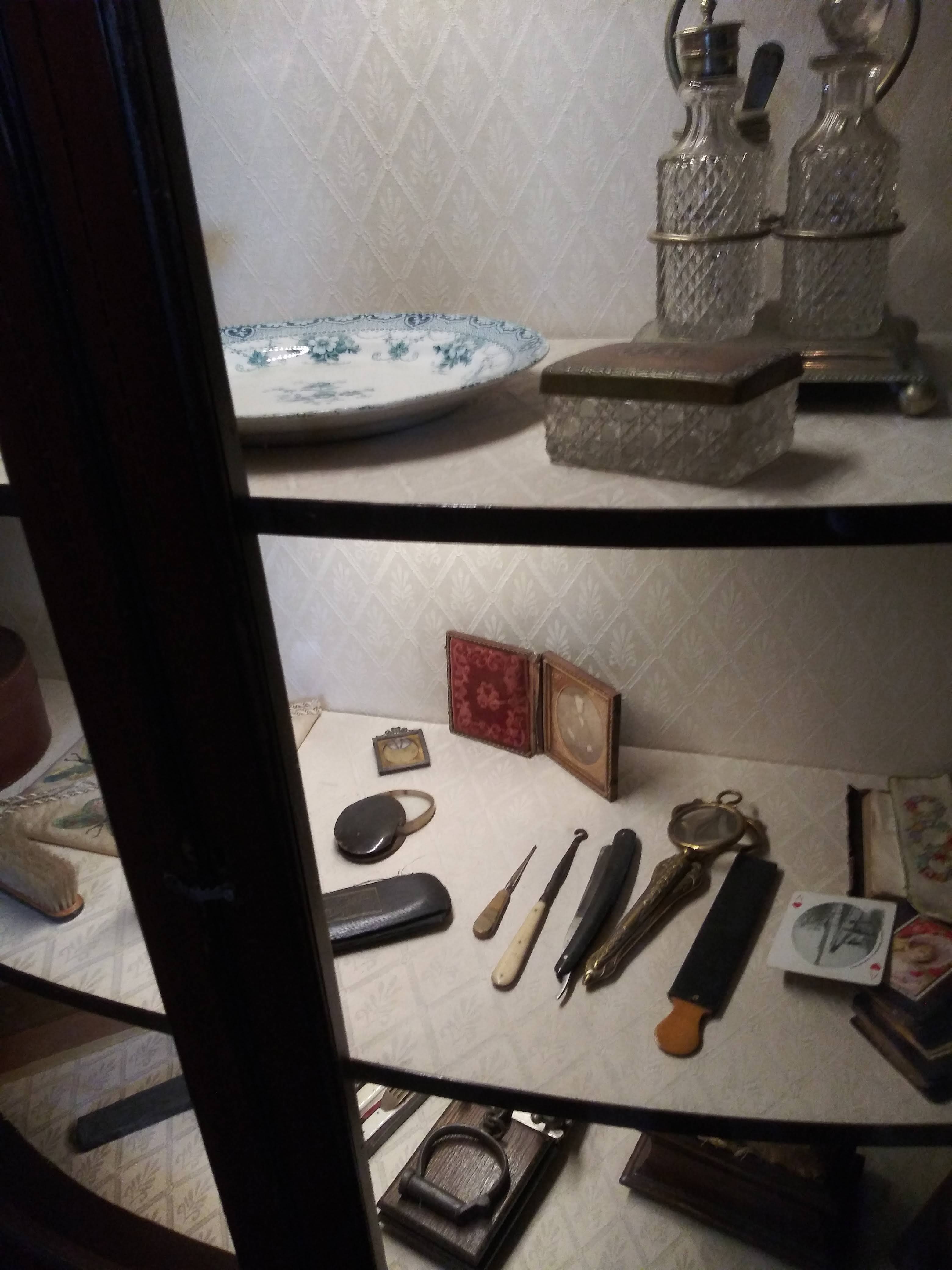
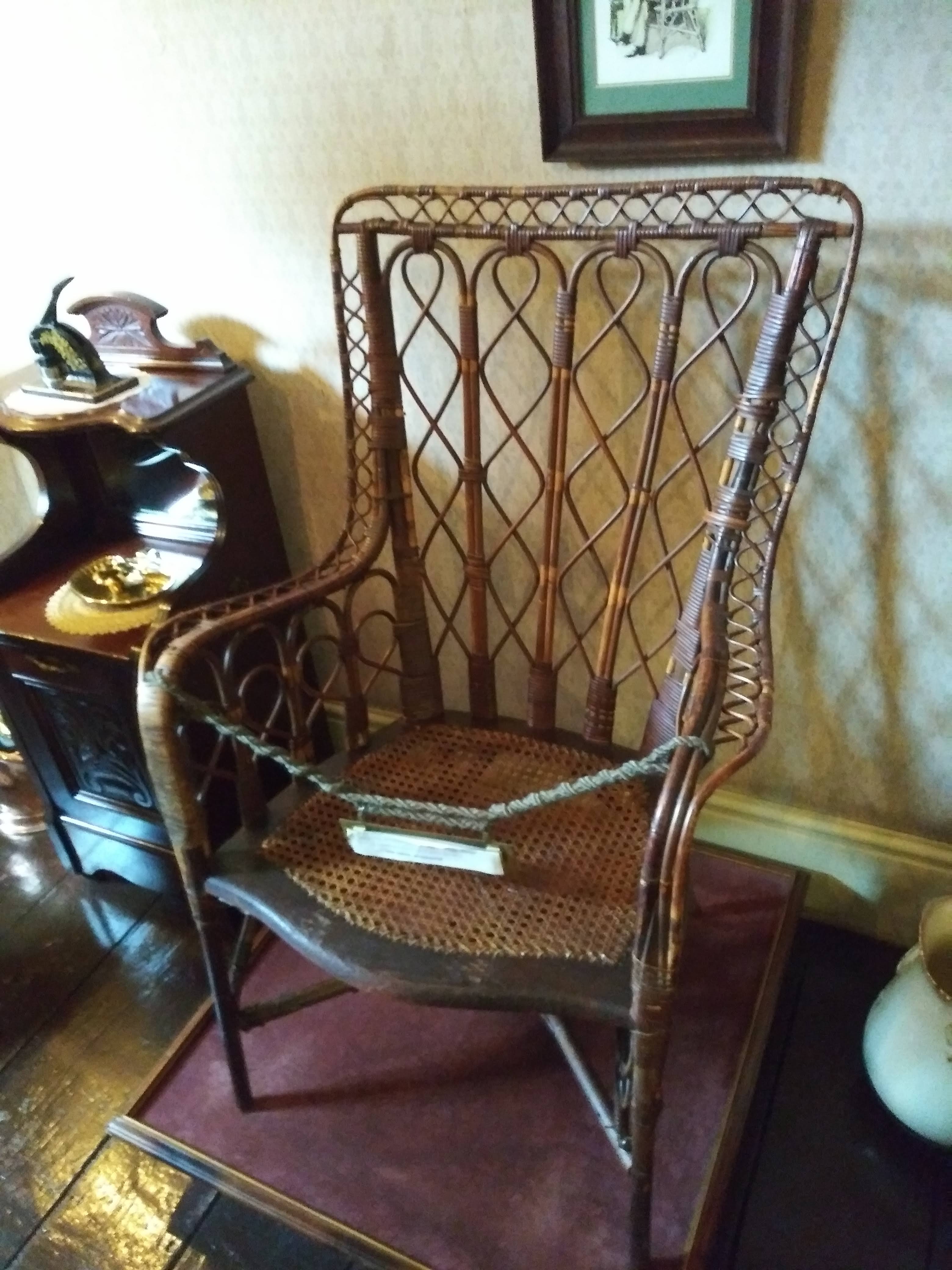
While going through the well-curated museum, visitors get readily transported to the Victorian era, immersing themselves in the gas-lit world of London’s iconic detective. The small and intimate setting of 221b is filled with authentic Victorian furniture and curiosities, and is a treasure trove of items belonging to Sherlock, his friends, and adversaries. Scores of familiar objects and paraphernalia mentioned in different stories are on display. Quite a few characters from his innumerable stories are also featured.
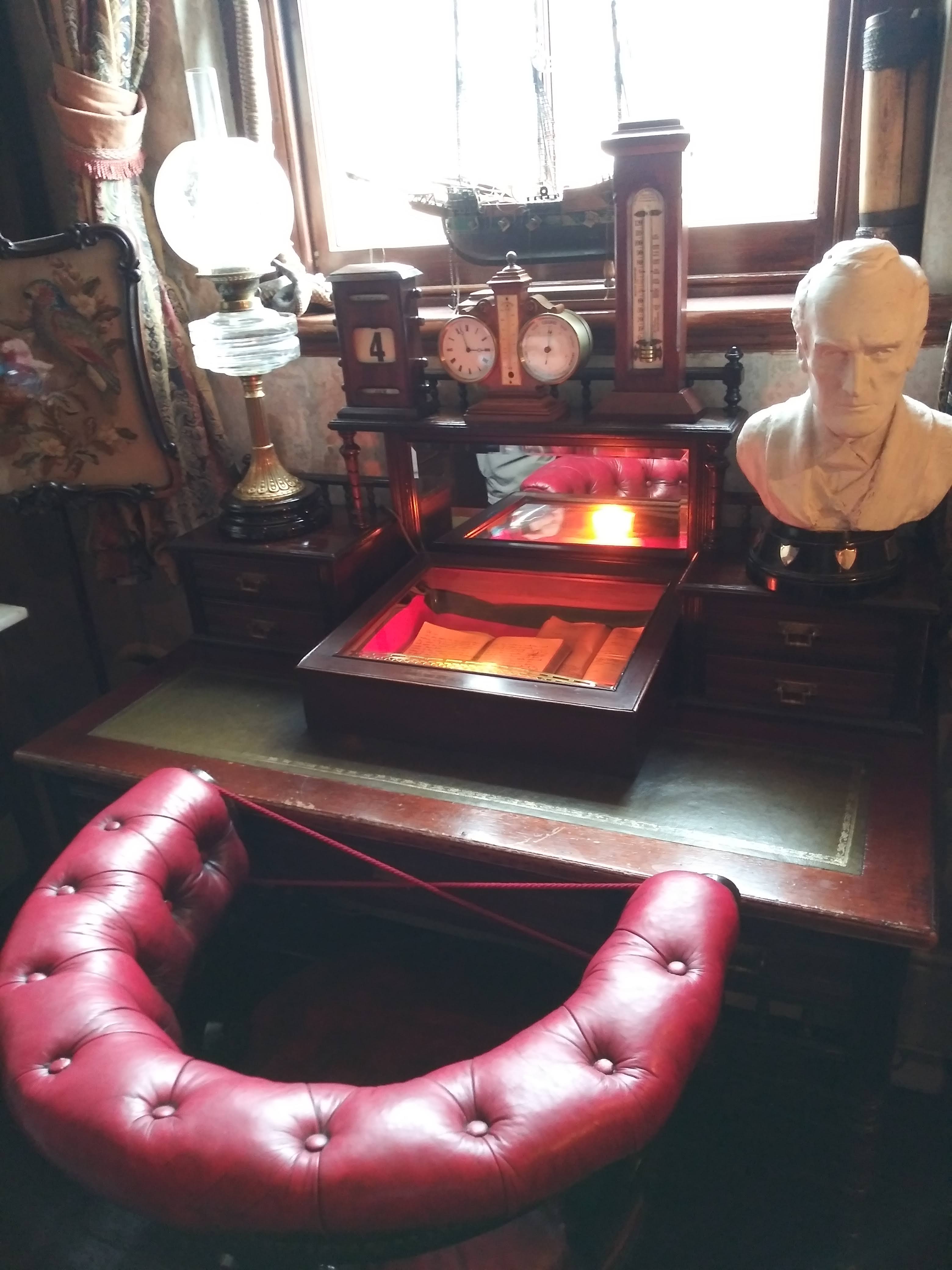
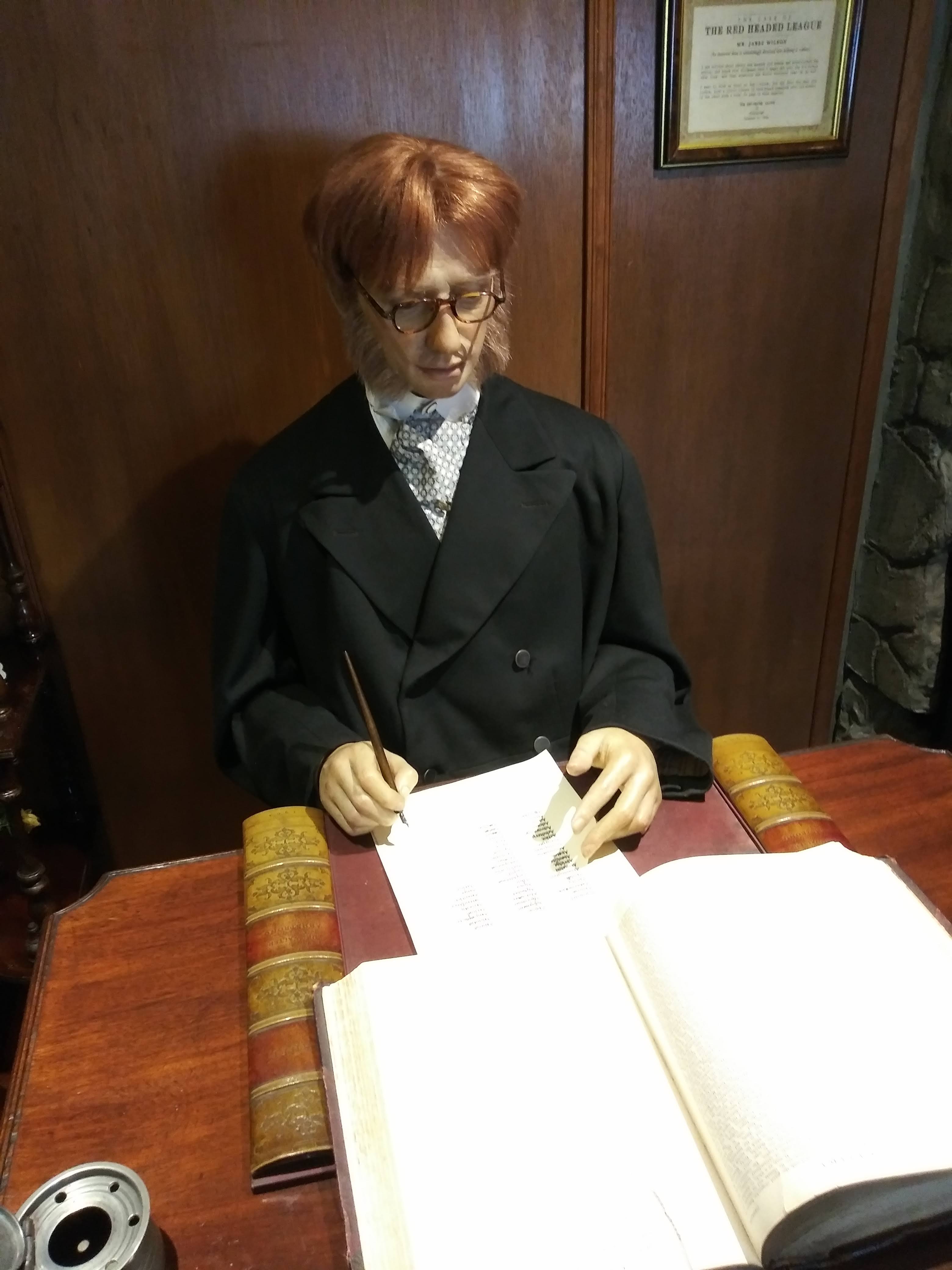

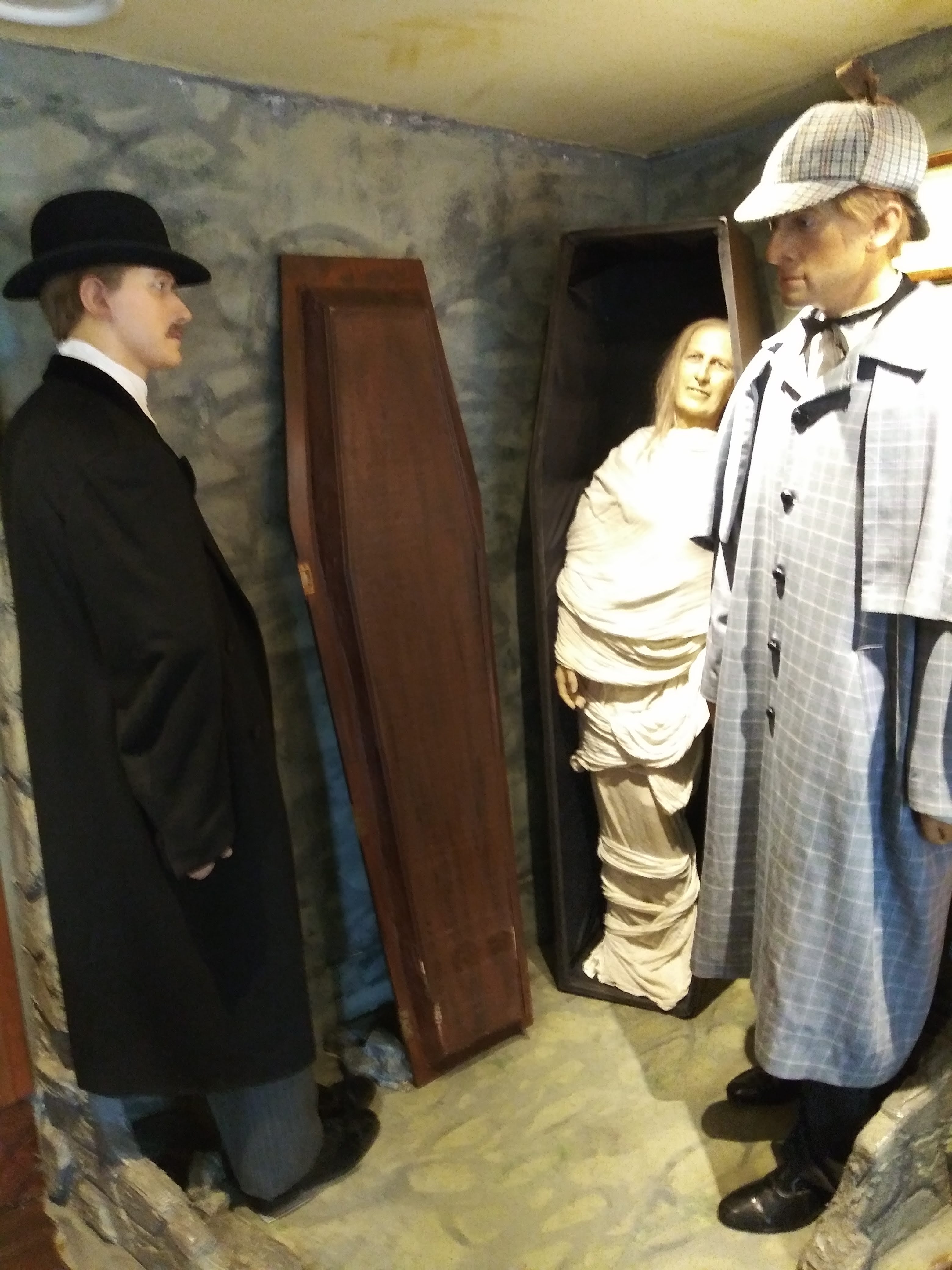

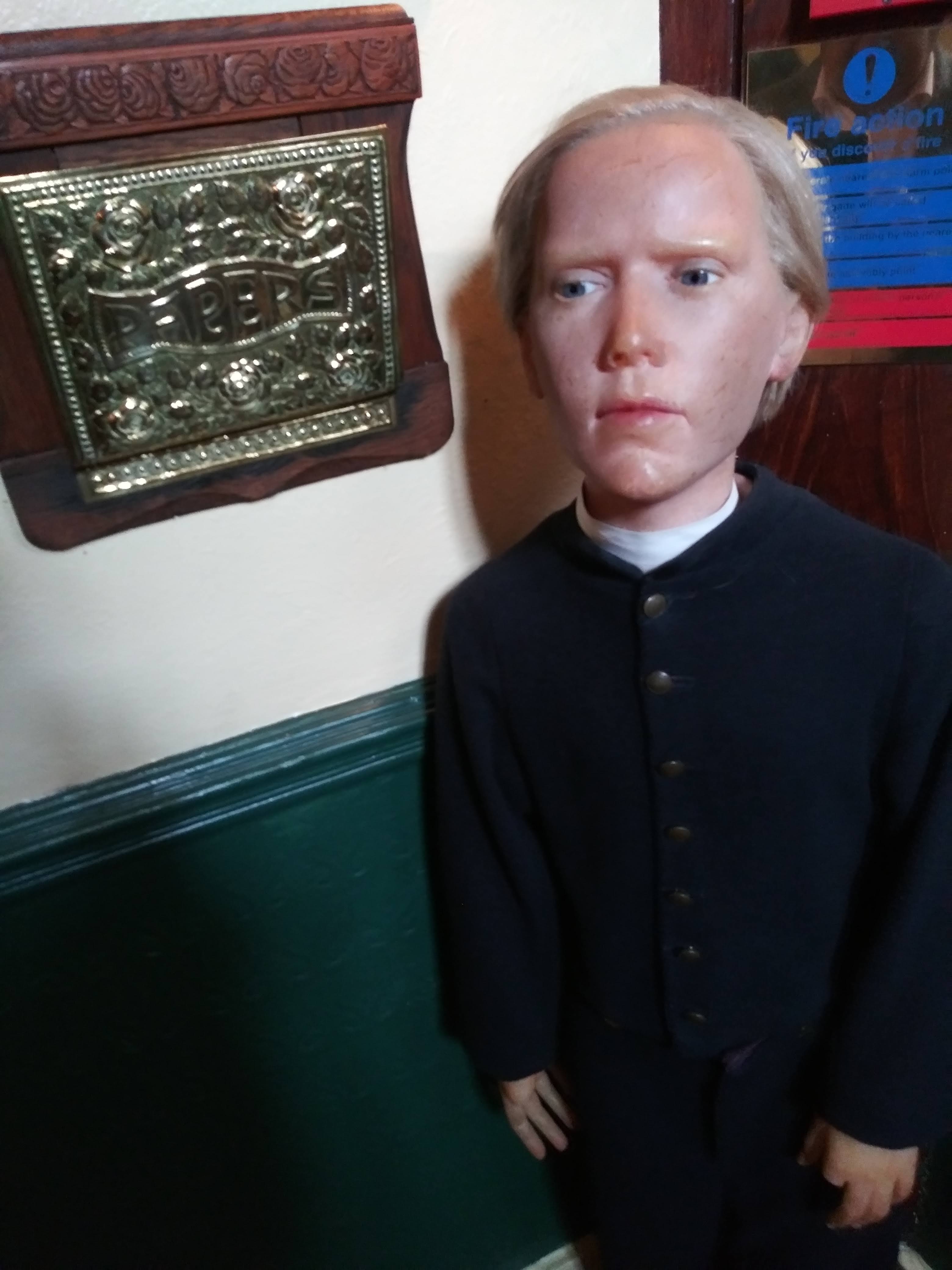


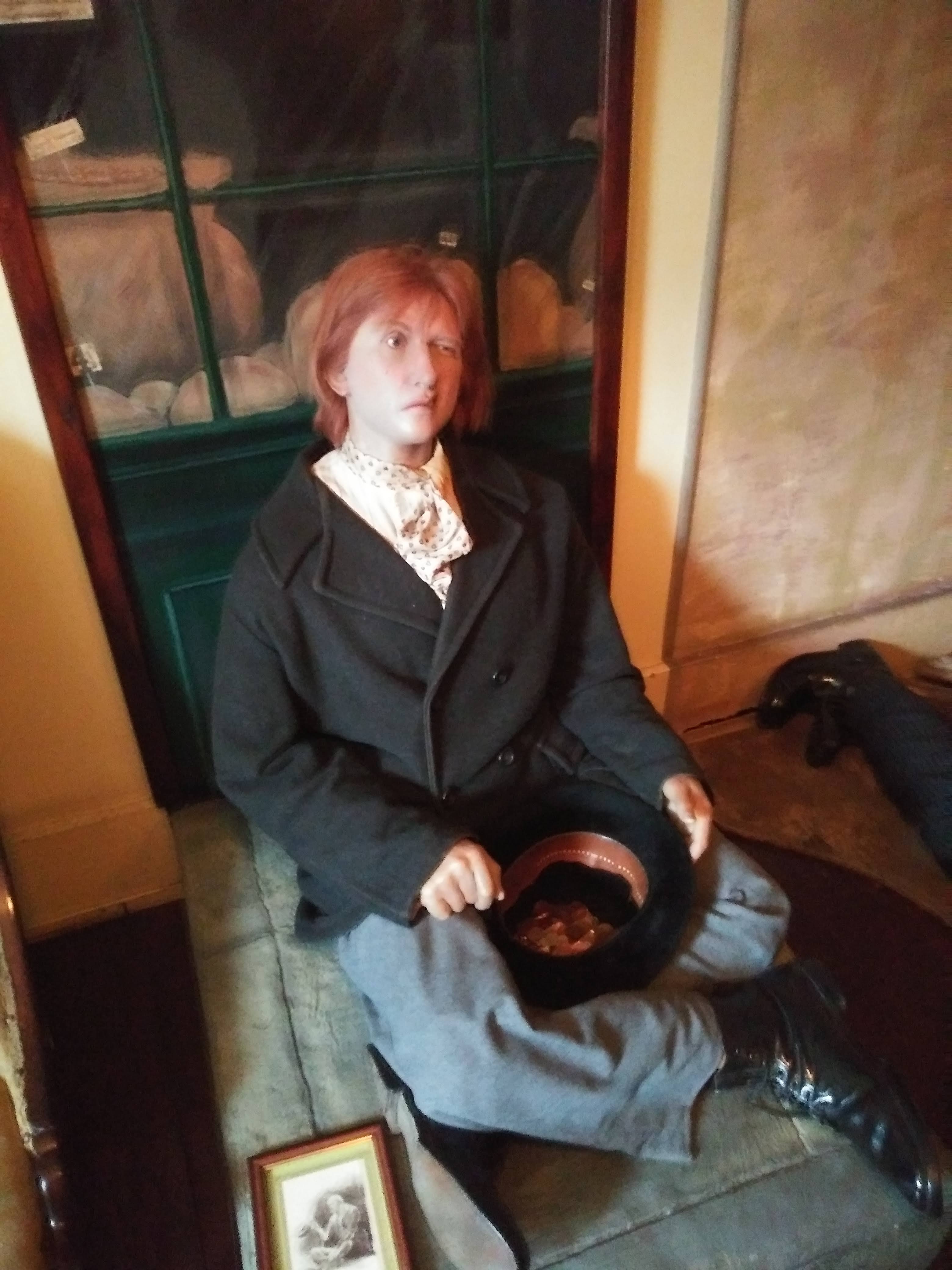
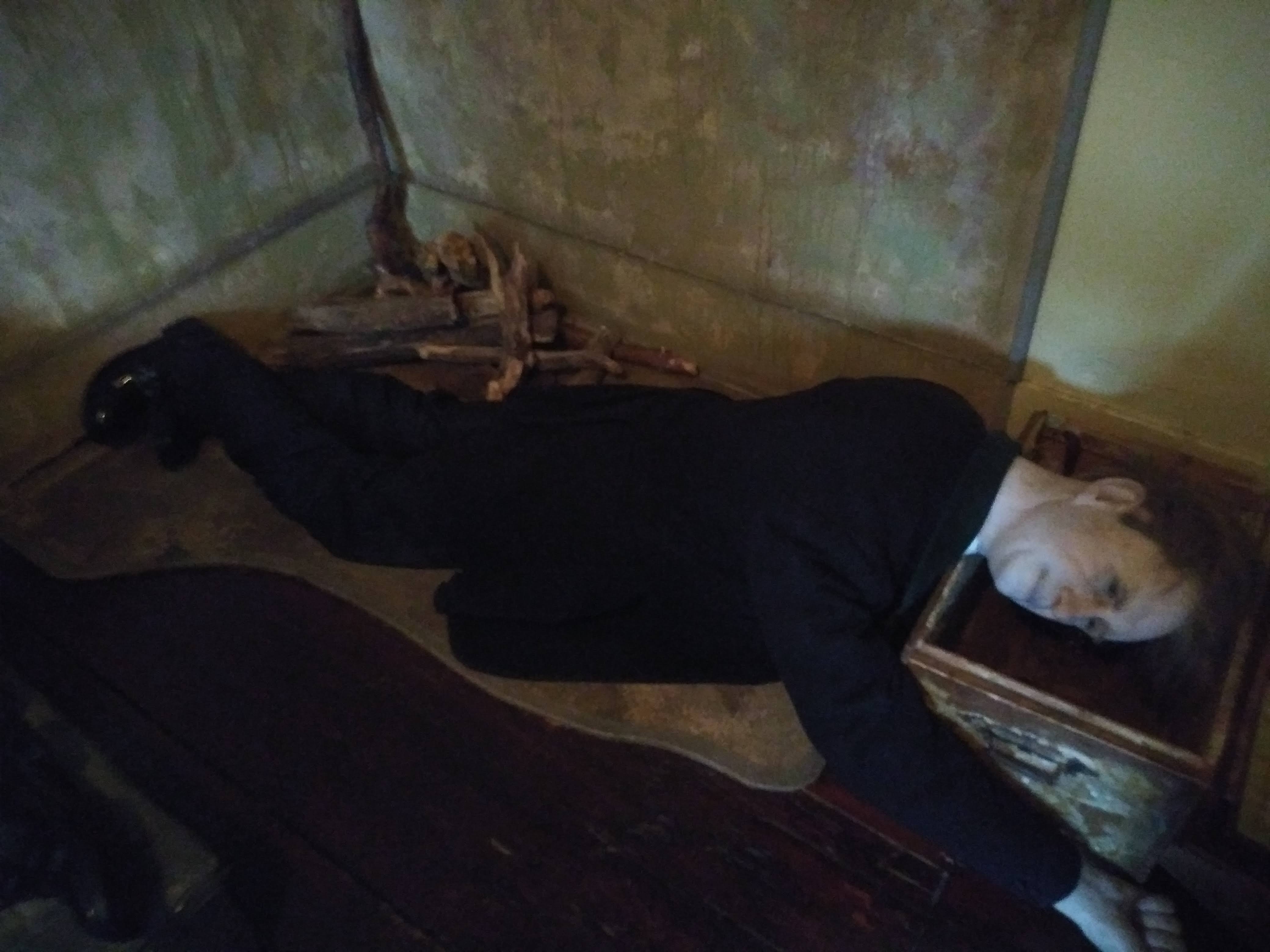
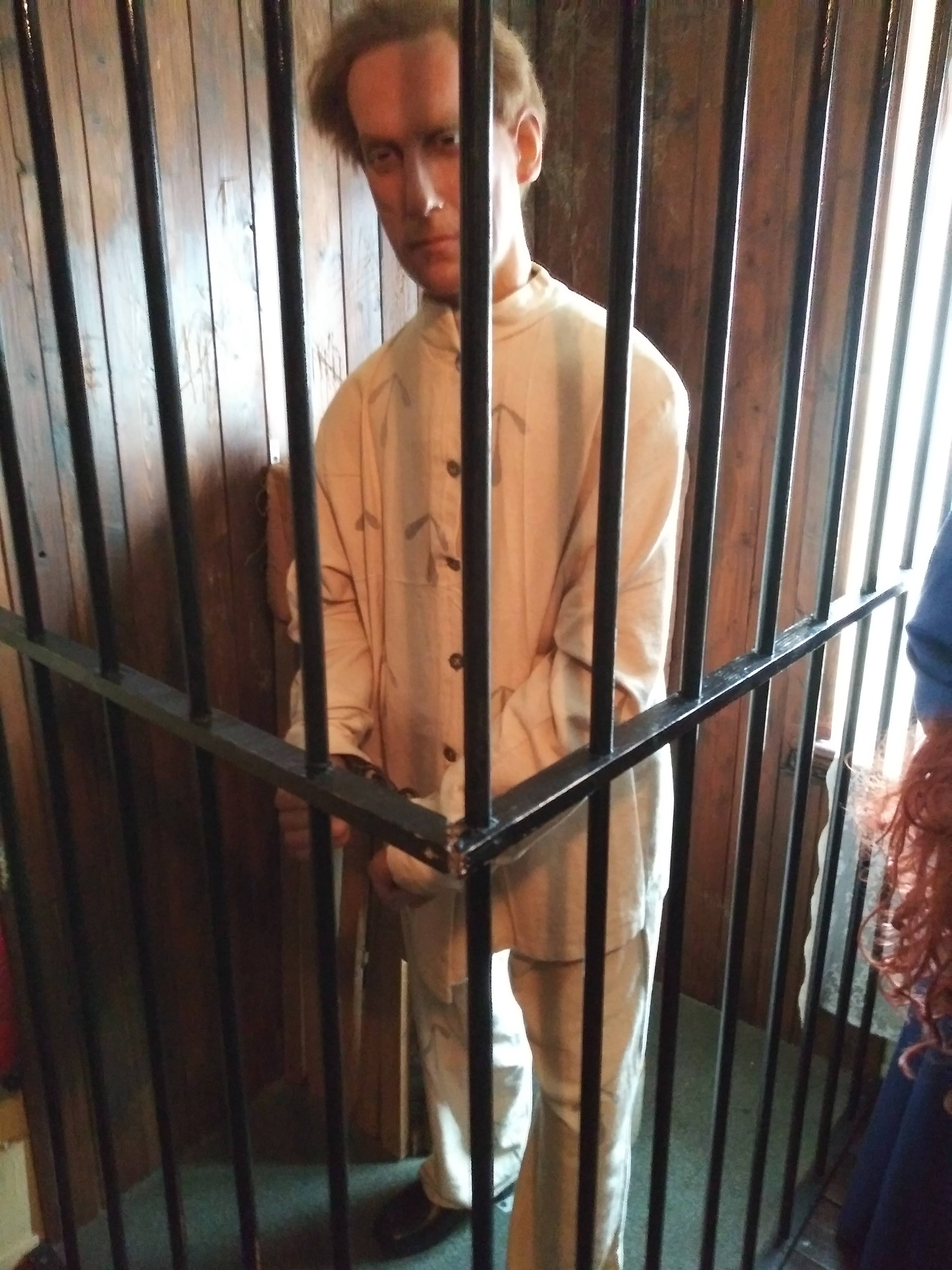
Doctor Watson’s bedroom is said to have been on the second floor, next to Mrs. Hudson’s room, both of which are used now as exhibit rooms. Professor Moriarty, arch enemy of Holmes, peers down menacingly at one from one of the corners.
The pilgrimage soon gets over. As one leaves the museum, one finds oneself wishing that one could simply hail a horse-driven hansom cab to take one to any joint which serves a wide range of tissue restoratives.
The Swiss Connection
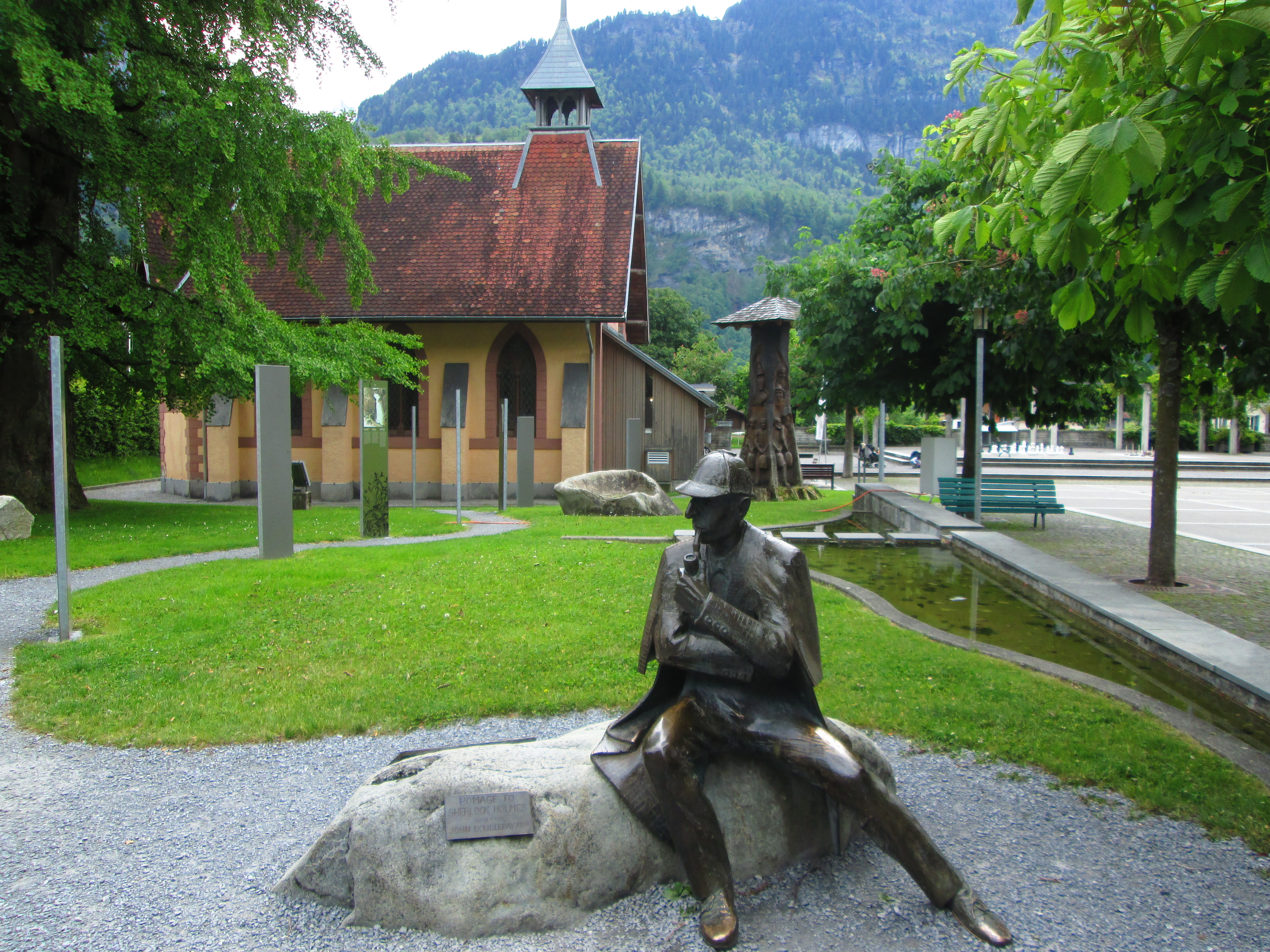
A few years back, I could visit the smaller museum dedicated to the world-famous detective at Meiringen in Switzerland. One marvels at the fact that Sherlock Holmes happens to be an honorary citizen of the township.
Included in the itinerary then was also a visit to the famous Reichenbach falls. That is where Sherlock Holmes was supposed to have met his end while fighting the criminal mastermind Professor James Moriarty. The Final Problem, a short story set in 1891, suggested the death of the detective. However, popular demand made the author eventually bring him back to life!
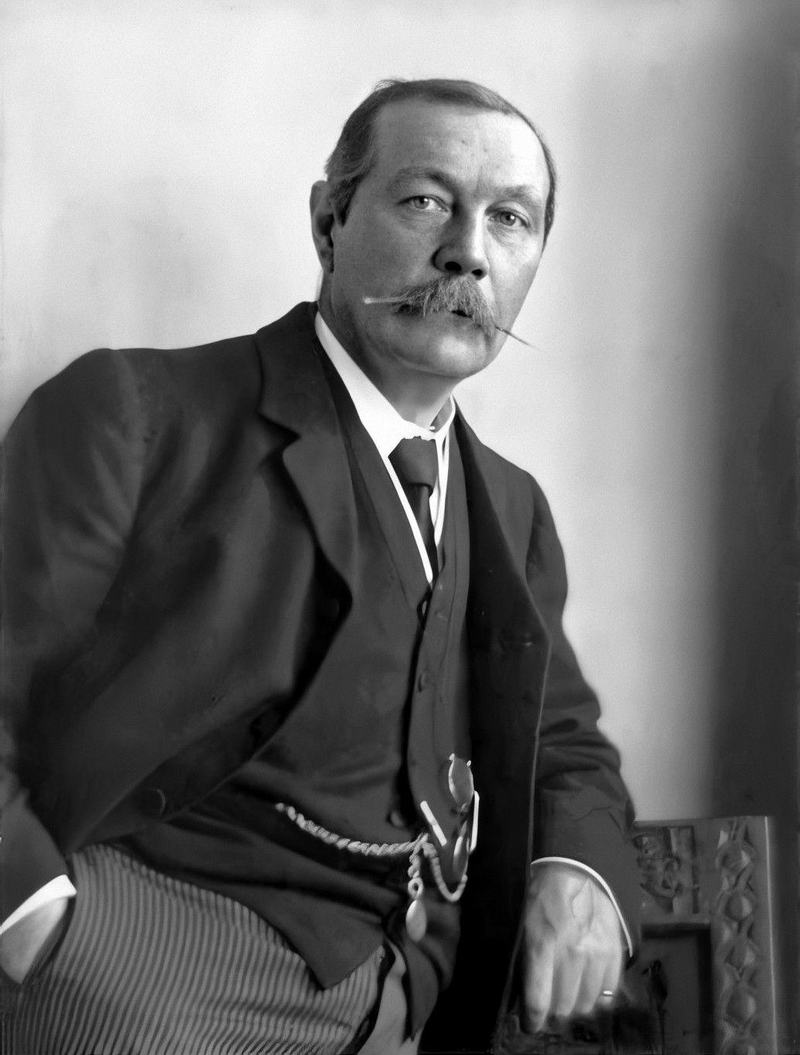
Can a fictional character assume a life and will power of its own? Can he scale heights of popularity and importance greater than those of his author and creator? That is precisely what appears to have happened in the case of Sherlock Holmes whose myth lives on. One marvels at the mental capabilities of a person like Sir Arthur Conan Doyle who created a detective who is more real to most of us than any real person we might have ever met.
In a way, Professor Moriarty still lives on even today. He manifests himself in various forms. Political manipulations, criminal deeds, injustice, disparity in opportunities and incomes, and corruption, just to name a few. However, one can derive satisfaction from the fact that characters like Holmes and Watson also continue to live on amongst us, represented by benign forces opposed to the likes of him.
(The picture of the London museum from outside and the one of Sir Arthur Conan Doyle are both courtesy Wikipedia. Most other pictures are courtesy Dominique Conterno. His contribution towards making the London visit happen is gratefully acknowledged).
Related Posts:


 ashokbhatia