Feeds:
Posts
Comments

Posts Tagged ‘Europe’

Based on the 1949 memoir The Story of the Trapp Family Singers by Maria Augusta von Trapp, the film is about a young Austrian woman studying to become a nun in Salzburg in 1938 who is sent to the villa of a retired naval officer and widower to assume charge as a governess to his seven children. She brings love, spontaneity, and music into the lives of the family members through kindness and patience.

The heroine, though plagued by self-doubt, shows ample pluck and resource to win over a bunch of defiant children and their disciplinarian father. The characters of all the kids are well etched out and enchant us.

The governess ends up marrying the officer. Together with the children, they find a way to survive the loss of their homeland through courage and faith.

Underlying the whole narrative is the value of family togetherness, delicate love interwoven with the need for discipline and loyalty towards each other.

The musical scores stand out for their richness and the way in which they advance the plot of the movie. Even after sixty long years, the movie does not fail to cast a spell.

In Hollywood, everything is not only glamourised but also presented on a larger-than-life canvas, thereby leaving the audience mesmerised. Thus, it was interesting to recently visit some of the real locations where the movie was shot in Salzburg, Austria, in 1964.

How the movie came to be
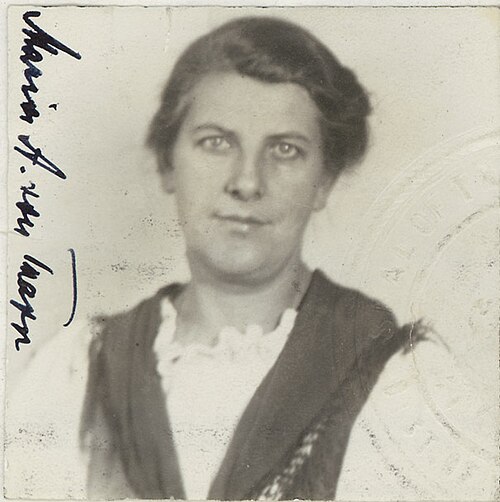
Maria_Von_Trapp.tif

Maria Augusta von Trapp’s memoir was first brought to the silver screen in West Germany: Die Trapp-Familie (1956) and Die Trapp-Familie in Amerika (1958). Wolfgang Liebeneiner directed both.

Rodgers & Hammerstein’s Broadway musical opened at the Lunt-Fontanne Theatre on 16 November 1959. It ran for 1,443 performances and tied for the 1960 Tony Award for Best Musical with Fiorello!

Then came Robert Wise’s screen version for Twentieth Century-Fox. Released in 1965, it became a landmark musical, winning many accolades. The outdoor shooting in and around Salzburg took place in 1964. The planning was to wrap up the shoot within six weeks. However, due to disruptions caused by frequent rains, the crew had to camp there for around eight weeks, worrying the producers no end.

Salzburg: Places where key songs/scenes were filmed

The Opening

The opening sequence of Maria on the mountain was filmed at Mehlweg mountain near the town of Marktshcellenberg in Bavaria. The meadow itself is private property and, regrettably, is no longer accessible to the public. I was told that on a particular day, Julie Andrews and the entire crew had to wait for close to five hours for the rains to stop, so shooting could take place.

Solving a problem like Maria

For many of its scenes in the song, the film uses the authentic exterior of the Nonnberg Abbey, which is the real-life Benedictine convent where Maria was a novice. It sits on a hill above Salzburg and is still home to nuns. However, the interior “contemplation” scene was a set built in Hollywood to represent the abbey’s inner workings. 

I have confidence

Maria’s walk into town includes the Residenzplatz Square, which is a significant landmark in the old part of the city. It is a historical fountain which uses a horse head as a spout. Before the scene at the fountain, there is a segment that was filmed in the pedestrian underpass named Domgang, a few meters away from the fountain, near the Cathedral entrance. The scene towards the end, where she is seen approaching the von Trapp estate, was possibly filmed in an alley next to Mondsee Lake.

The von Trapp villa

The original house the Captain lived in was found to be rather modest. Whereas they lived at Villa Trapp – an estate in Aigen, not far from the city of Salzburg, the movie makers decided to combine two different Salzburg sites:

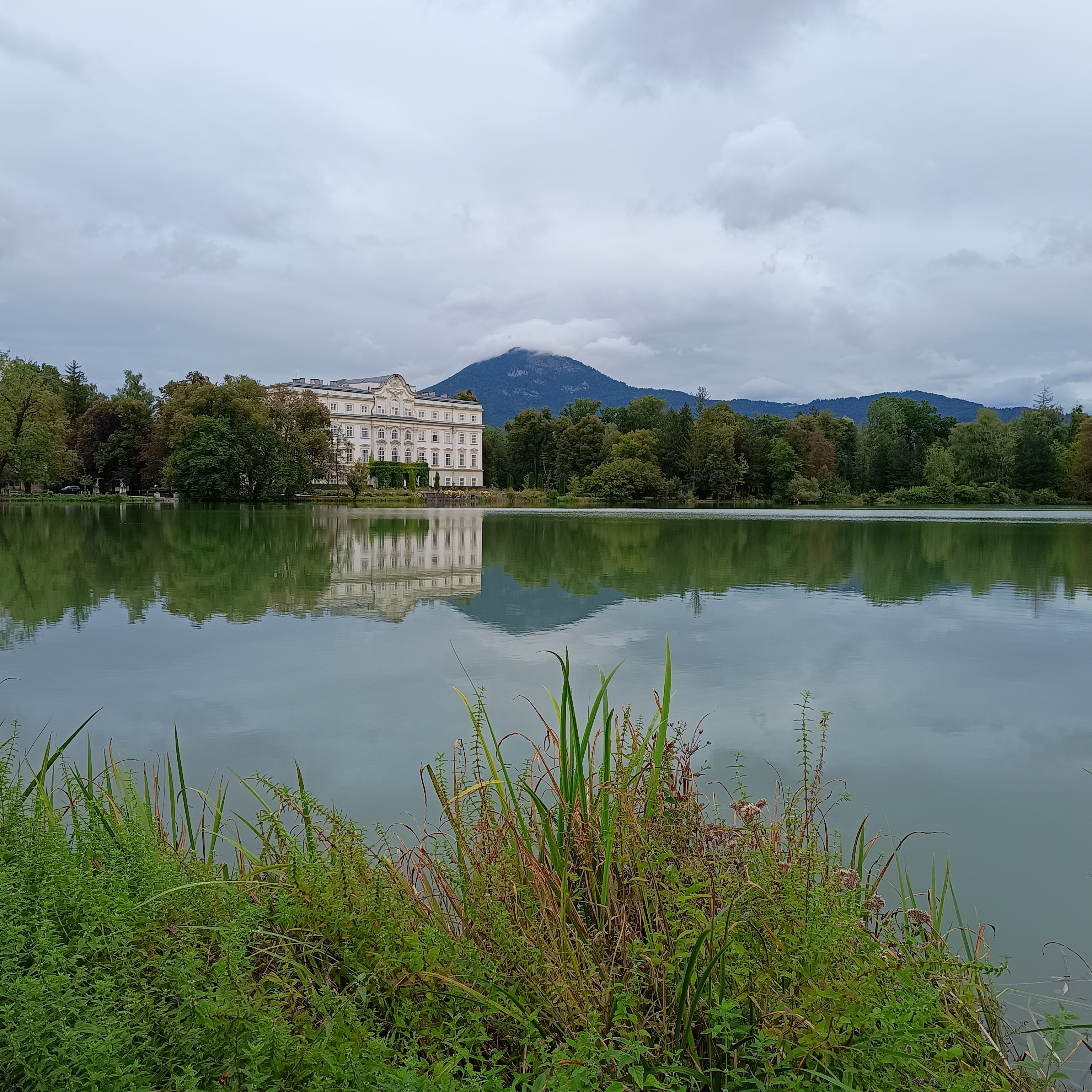
Schloss Frohnburg (front gates/drive) and Schloss Leopoldskron (lakeside terrace and gardens). Leopoldskron’s Venetian Salon inspired the ballroom set.

Do-Re-Mi

Some meadow shots were filmed near Werfen, where stunning rocky mountains form an enchanting backdrop. That is where the picnic scene was filmed, with Julie Andrews, playing everyone’s favourite nun Maria, strumming her guitar through these fields to teach the curtain-clad von Trapp kids to sing Do-Re-Mi.
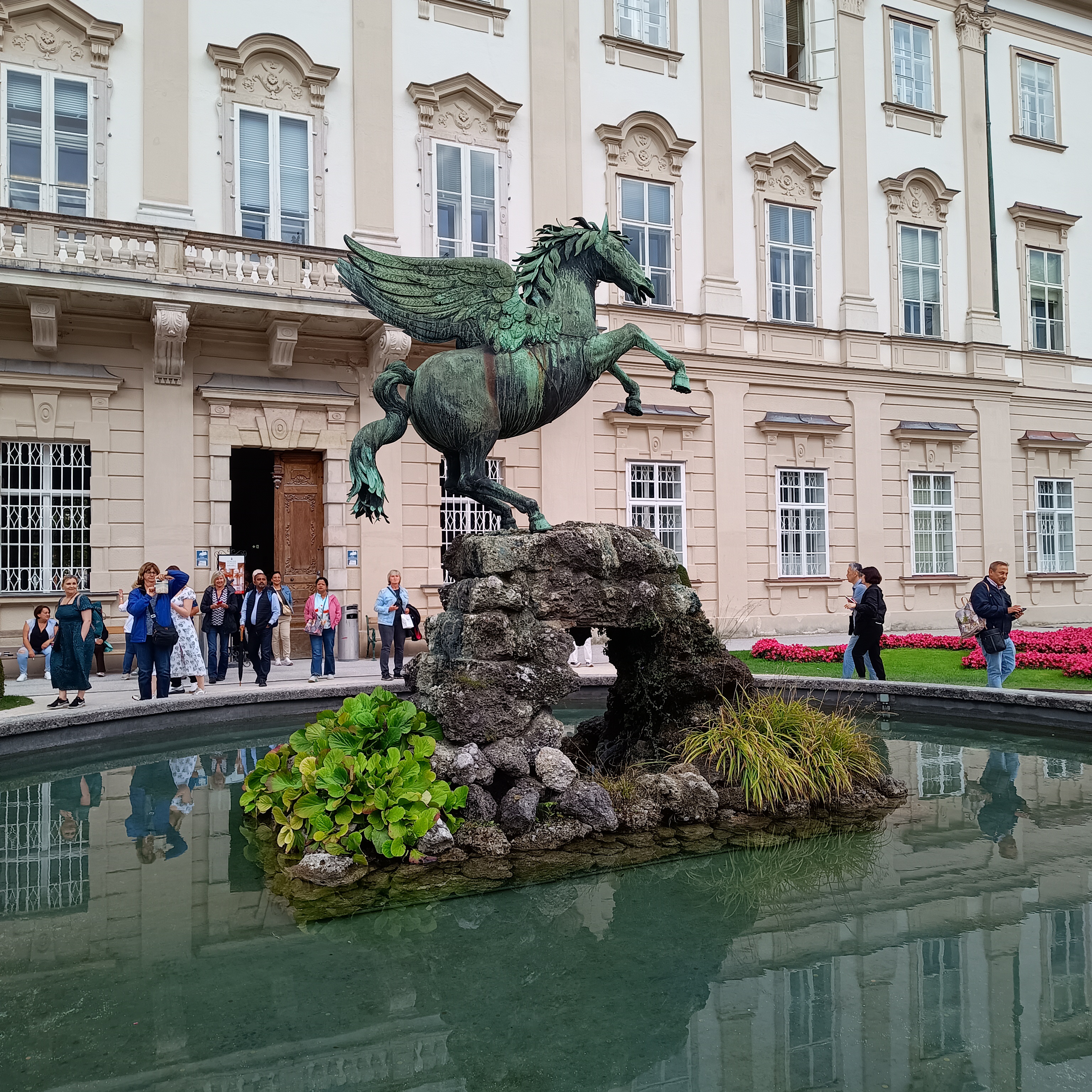
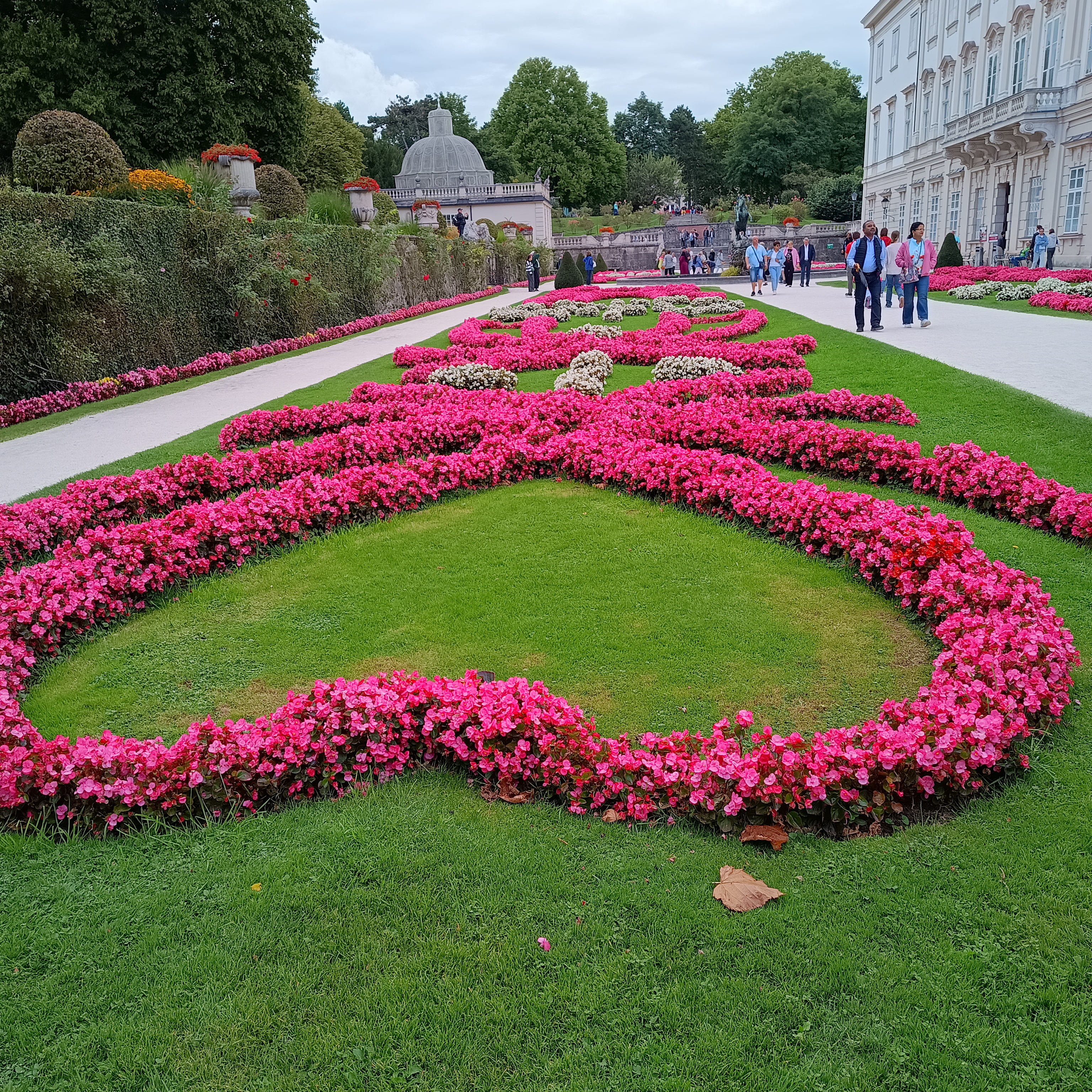
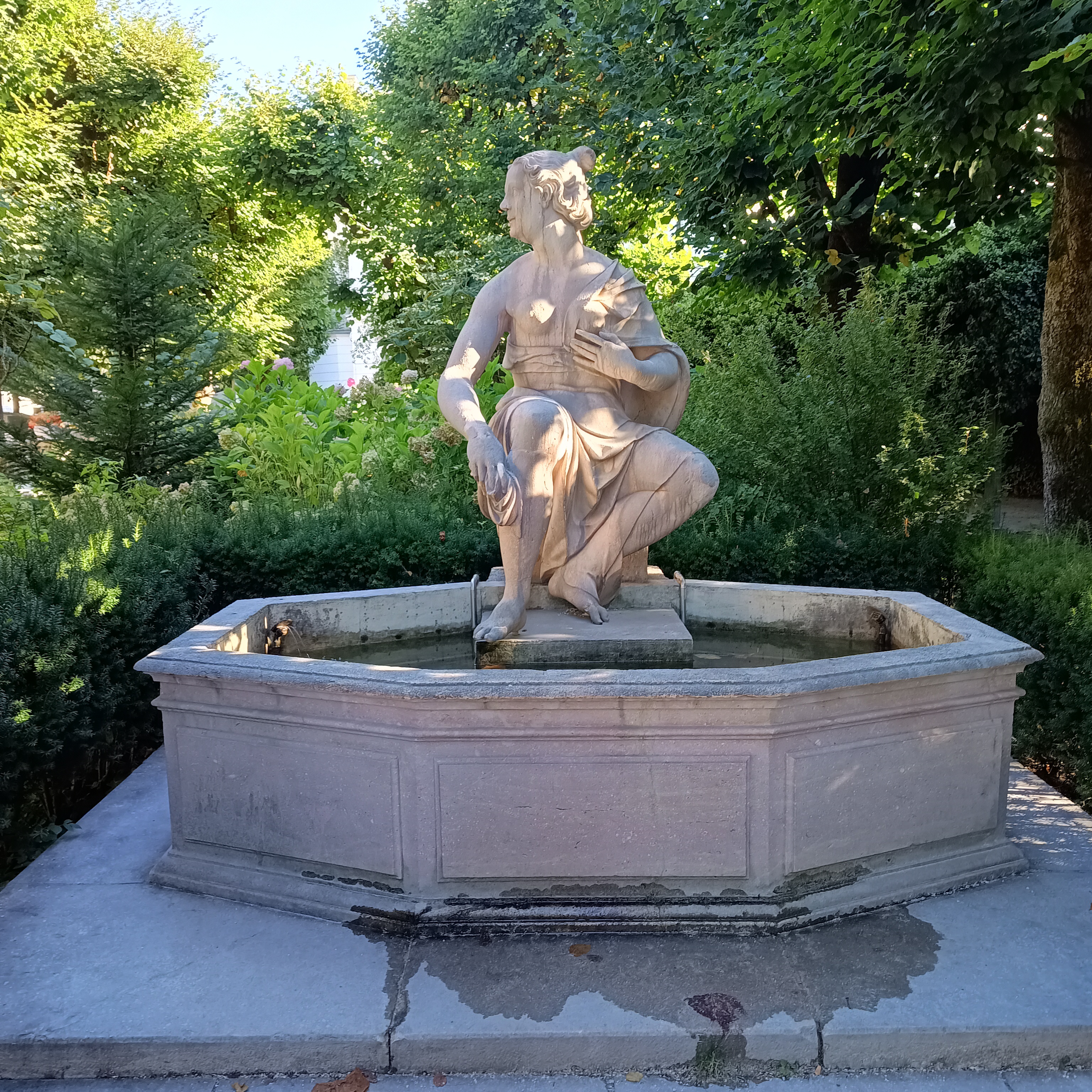
The famous montage uses Mirabell Gardens (Pegasus Fountain and “Do-Re-Mi” steps) and a few other places in Salzburg. (Regrettably, I could not capture the steps, owing to overcrowding at the place.)

Edelweiss

The locals told me that the flower is a delicate one. It is a mountain flower belonging to the daisy or sunflower family. The plant prefers rocky limestone areas at altitudes of about 1,800–3,400 metres. It is a non-toxic plant. It is a scarce, short-lived flower found in remote mountain areas and has been used as a symbol for alpinism, for rugged beauty and purity. It is a national symbol of several countries, like Austria, Bulgaria, Slovenia, Switzerland, and Italy.

It is a protected flower. If you spot one, you are permitted to photograph it. However, picking up one is considered an offence.

Reverend Mother’s Office

Scenes of Reverend Mother’s Office were shot at St. Margarethen Chapel and Dürer Studios.

Sixteen Going on Seventeen/Something Good

The iconic gazebo used for filming these songs was originally located at Schloss Leopoldskron. However, owing to frequent trespassers, it was moved and reconstructed in the gardens of Schloss Hellbrunn. The structure is small and has only four stone slabs within its circular structure. The film used the structure only for exterior shots; a large studio replica was used for the interiors.
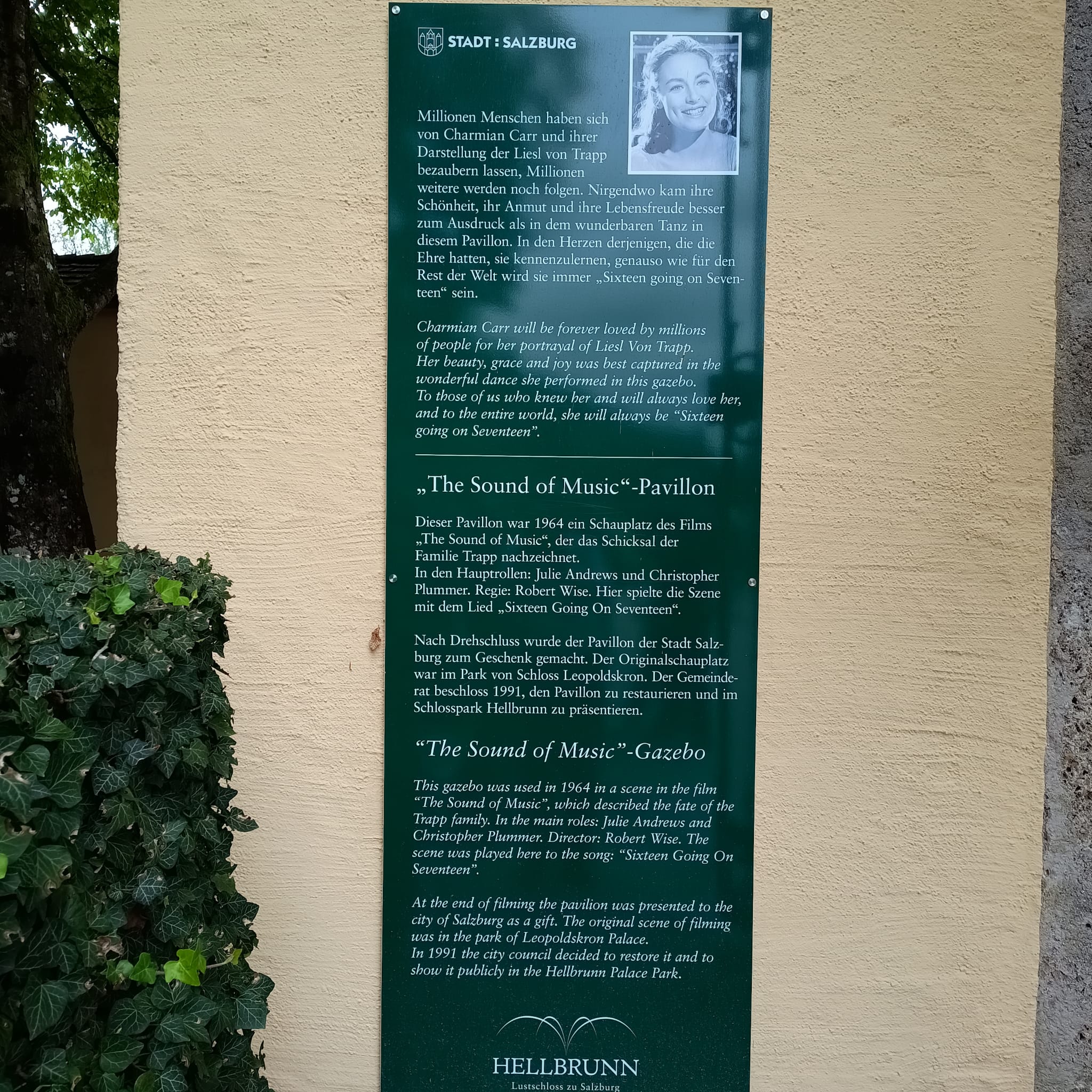
Just next to the Gazebo is a plaque featuring Charmine Carr who played Liesl in the movie.

The wedding

The interior wedding sequence was filmed at St Michael’s Basilica, Mondsee, which is about 30 km from Salzburg. The church is smaller than it appears on a large screen. However, the interiors are as captivating as shown in the movie.

The concert/finale

On the 12th of March 1938, Nazi Germany annexed the Federal State of Austria. The new rulers were keen on the captain joining the German navy, which had superior naval technology at its command. However, owing to ideological differences, the captain and his family decided to escape. The climactic festival performance used Salzburg’s Felsenreitschule (Rock Riding School), a real venue carved into the rock. This is where the escape plans were made.

Cemetery hideout

The tense hiding sequence was staged on a Hollywood set modelled on St Peter’s Cemetery in Salzburg.

The concluding scene

The final scene of the von Trapp family escaping over the mountains was filmed on the Obersalzberg in the Bavarian Alps.

The Making of a Classic  

Principal photography began on March 26, 1964, at 20th Century-Fox studios in Los Angeles, where scenes were filmed from Maria’s bedroom and the abbey cloister and graveyard. 

The company then flew to Salzburg, where filming resumed on April 23 at Mondsee Abbey for the wedding scenes. From April 25 through May 22, scenes were filmed at the Felsenreitschule, Nonnberg Abbey, Mirabell Palace Gardens, Residence Fountain, and various street locations throughout the old town area of the city.

From May 23 to June 7, the company worked at Schloss Leopoldskron and an adjacent property called Bertelsmann for scenes representing the lakeside terrace and gardens of the Trapp villa. 

From June 9 to 19, scenes were shot at Frohnburg Palace, which represented the front and back façades of the villa.

The Do-Re-Mi picnic scene in the mountains was filmed above the town of Werfen in the Salzach River valley on June 25 and 27. 

The opening sequence was filmed atop the mountain from June 28 to July 2, 1964.

The cast and crew flew back to Los Angeles and resumed filming at Fox Studios on July 6 for all remaining scenes, including those in the villa dining room, ballroom, terrace, living room, and gazebo. Following the last two scenes shot in the gazebo—for the songs Something Good and Sixteen Going on Seventeen—principal photography concluded on September 1, 1964.

A total of eighty-three scenes were filmed in just over five months.

Post-production work began on August 25 with three weeks of dialogue dubbing to correct lines that were ruined by various street noises and rain.

In October, veteran Disney playback singer Bill Lee dubbed Christopher Plummer’s singing voice. Christopher himself was a proficient singer and pianist and was not too pleased about this change.

Awards and accolades

  • Academy Awards (38th, 1966). The Sound of Music won five Oscars, including Best Picture and Best Director (Robert Wise).
  • Golden Globes (23rd, 1966). Won Best Motion Picture – Musical/Comedy and Best Actress – Musical/Comedy (Julie Andrews).
  • AFI honours. Ranked #4 on AFI’s list of Greatest Movie Musicals; the AFI also places the film across several “100 Years…” lists.
  • U.S. National Film Registry. Selected by the Library of Congress in 2001 as “culturally, historically, or aesthetically significant.”

Captain Georg von Trapp: life before Maria and career highlights

  • Family life. Georg von Trapp (born 1880, Zara—now Zadar) married Agathe Whitehead (granddaughter of torpedo inventor Robert Whitehead) in 1912; they had seven children. Agathe died of scarlet fever in 1922.
  • Naval career. An Austro-Hungarian Navy submarine commander in World War I, von Trapp commanded SM U-5, sinking the French armoured cruiser Léon Gambetta in April 1915, and later U-14; he became a decorated national figure.
  • Before Maria arrived. After Agathe’s death, von Trapp raised his seven children at their Salzburg estate. In 1926, Maria Kutschera was sent from Nonnberg Abbey as a tutor for his convalescent daughter (also named Maria), not as a governess to all the children. Georg and Maria married in 1927.

Where the film diverges from reality (key examples)

How they left Austria

The film depicts a dramatic Alpine hike to Switzerland. In fact, the family left by train for Italy, first travelling to London, before sailing to the United States for their first concert tour. Georg’s place of birth meant the family held Italian citizenship after World War I border changes.

Timing of the marriage

The movie places the wedding on the eve of the 1938 takeover by Nazi Germany; in reality, they married in 1927.

Maria’s initial role

She tutored one child recovering from scarlet fever, not all seven, as a household governess.

Georg’s temperament

The real Captain was warm and musical, not the stern, whistle-wielding disciplinarian portrayed on screen.

The music director

The group’s long-time musical director was Father Franz Wasner, not a fictional impresario.

Children’s identities

The film changed the names, ages and even sexes of the children (for example, “Liesl” is fictional; the eldest was Agathe).

Edelweiss: the song

Often mistaken for an Austrian folk song, Edelweiss was newly written for the musical by Rodgers & Hammerstein.

Sixty years on, and still counting…

Even after six decades of its release, the echoes of the songs of “The Sound of Music” keep us enchanted. Often, when we are plagued by self-doubt while leaving our comfort zone, the words of the song ‘I have confidence…’ give us solace. Whenever the harsh slings and arrows of fate lower our spirits, the lyrics of ‘Climb every mountain…’ keep us focused on our goals. As and when we feel extremely grateful to someone or something, the phrase ‘Somewhere in my youth or childhood, I must have done something good…’ comes up in our minds.

Richard Rodgers and Oscar Hammerstein deserve all the credit for creating such lilting and instructive compositions.
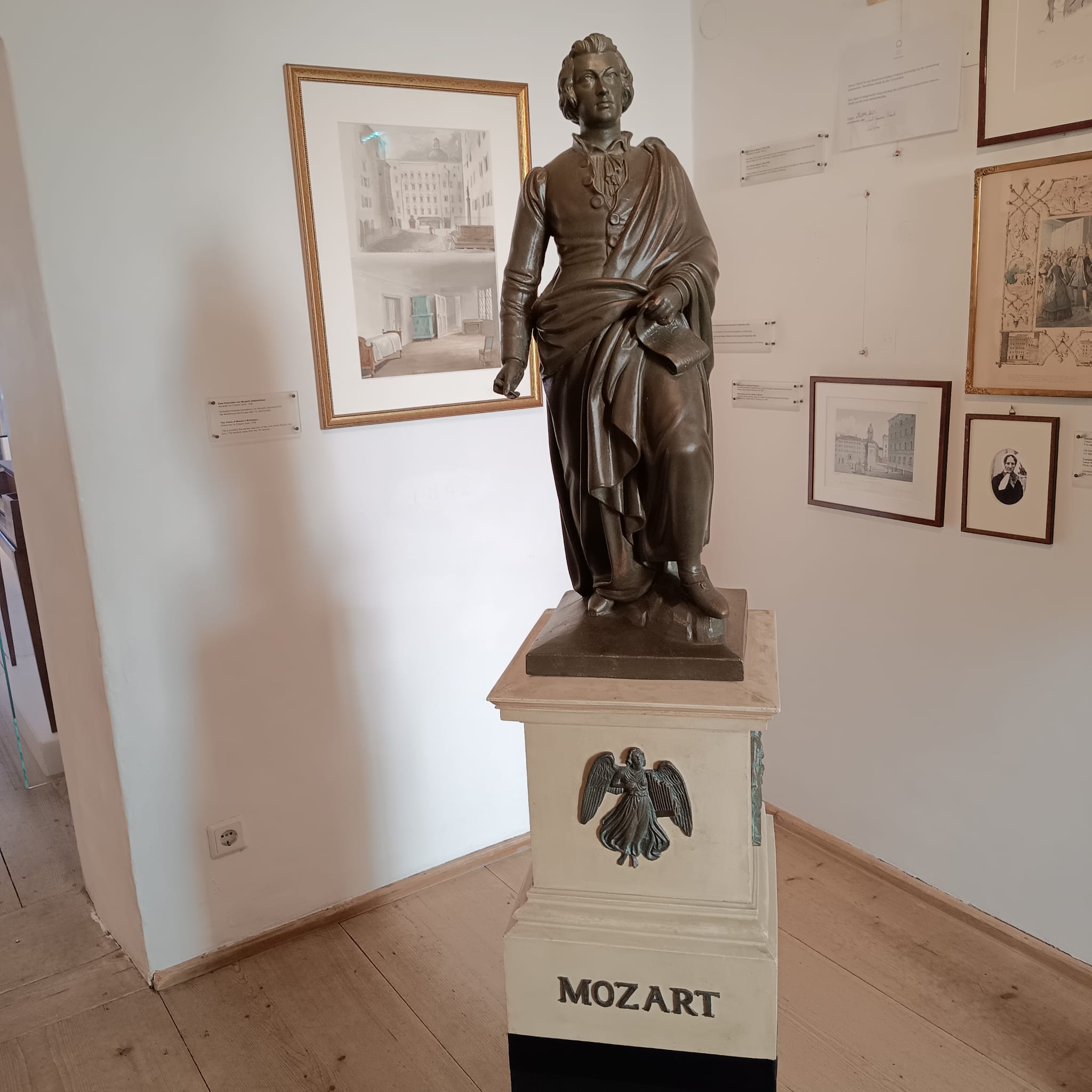
Hats off to the studio team, which whipped up a unique offering of this nature! It should come as no surprise that it originated in a city which is also famous for blessing humanity with a highly talented composer: Wolfgang Amadeus Mozart.

Notes:

  1. Sometime during 2026, just next to the present location of the gazebo, the gardens of Schloss Hellbrunn will also have an exclusive pavilion dedicated to the iconic movie.
  2. The photographs were either taken by me or subsequently downloaded from the internet.

References:  

Related Posts:
Read Full Post »

ashokbhatia's avatarashokbhatia

A friend suggested visiting the National Gallery in Oslo. Having had the opportunity of admiring the works of Leonardo da Vinci, Michelangelo, Pablo Picasso and others in the last few years, I was naturally curious as to what Norwegian artists had come up with in the past. The visit turned out to be a truly instructive one. I realized the depth and range of work done by painters as well as sculptors and marvelled at the passion and artistic fervour of the artists concerned.IMG_1716

Founded in 1837, the National Gallery houses Norway’s largest public collection of paintings, drawings and sculptures. In its permanent and temporary exhibitions, the museum presents older art, with principal emphasis on art from Norway.IMG_1652

Highlights from the collection are shown in the permanent exhibition “The Dance of Life – The Collection from Antiquity to 1945”.IMG_1664

The exhibition presents a chronological overview of more than 300 Norwegian…

View original post 515 more words

Read Full Post »

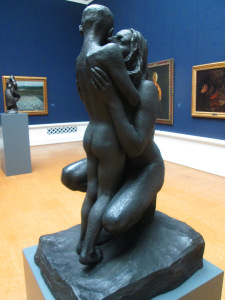
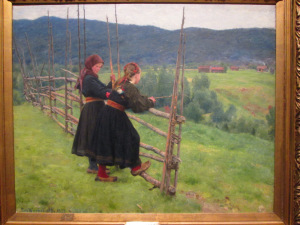
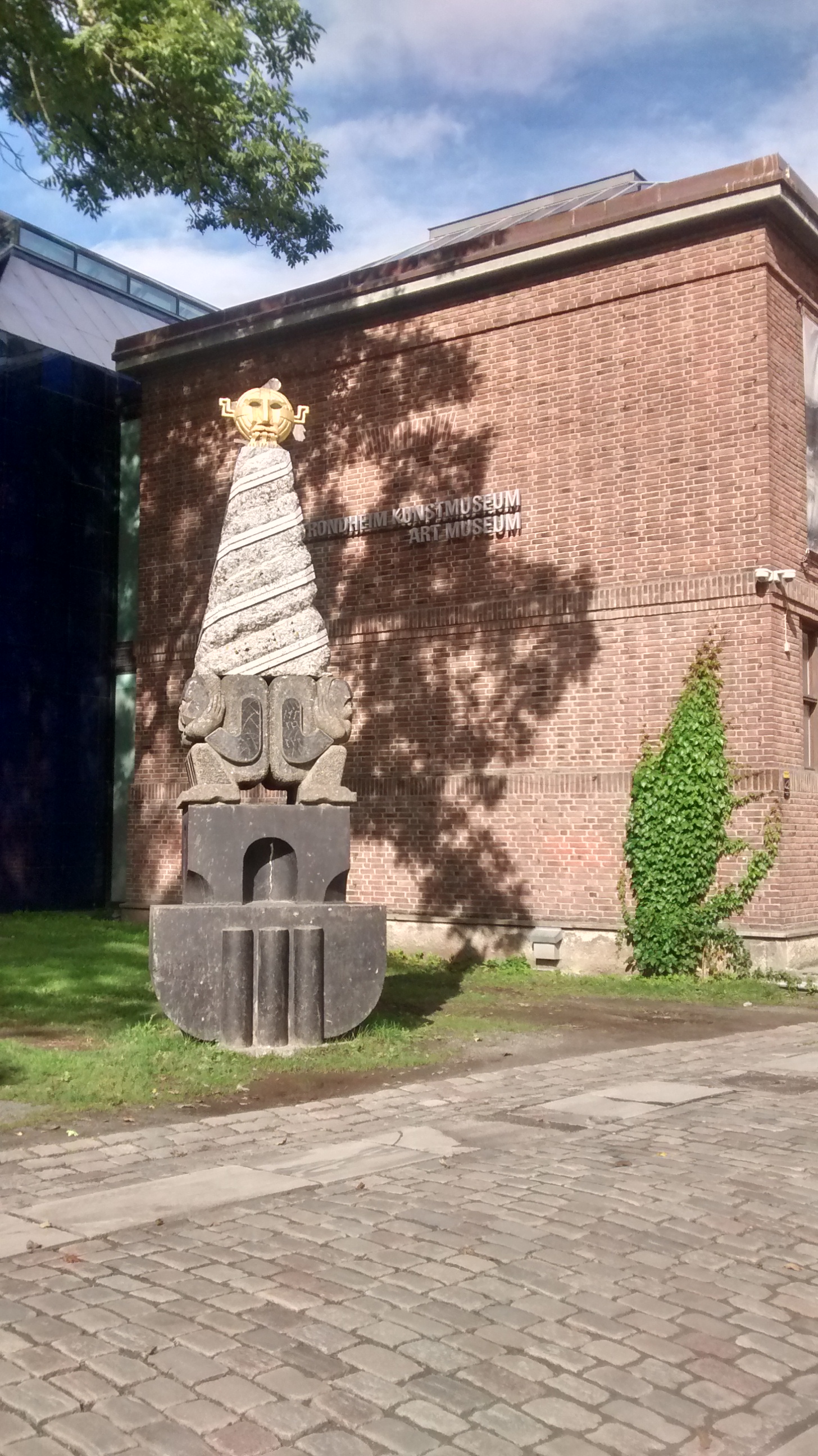
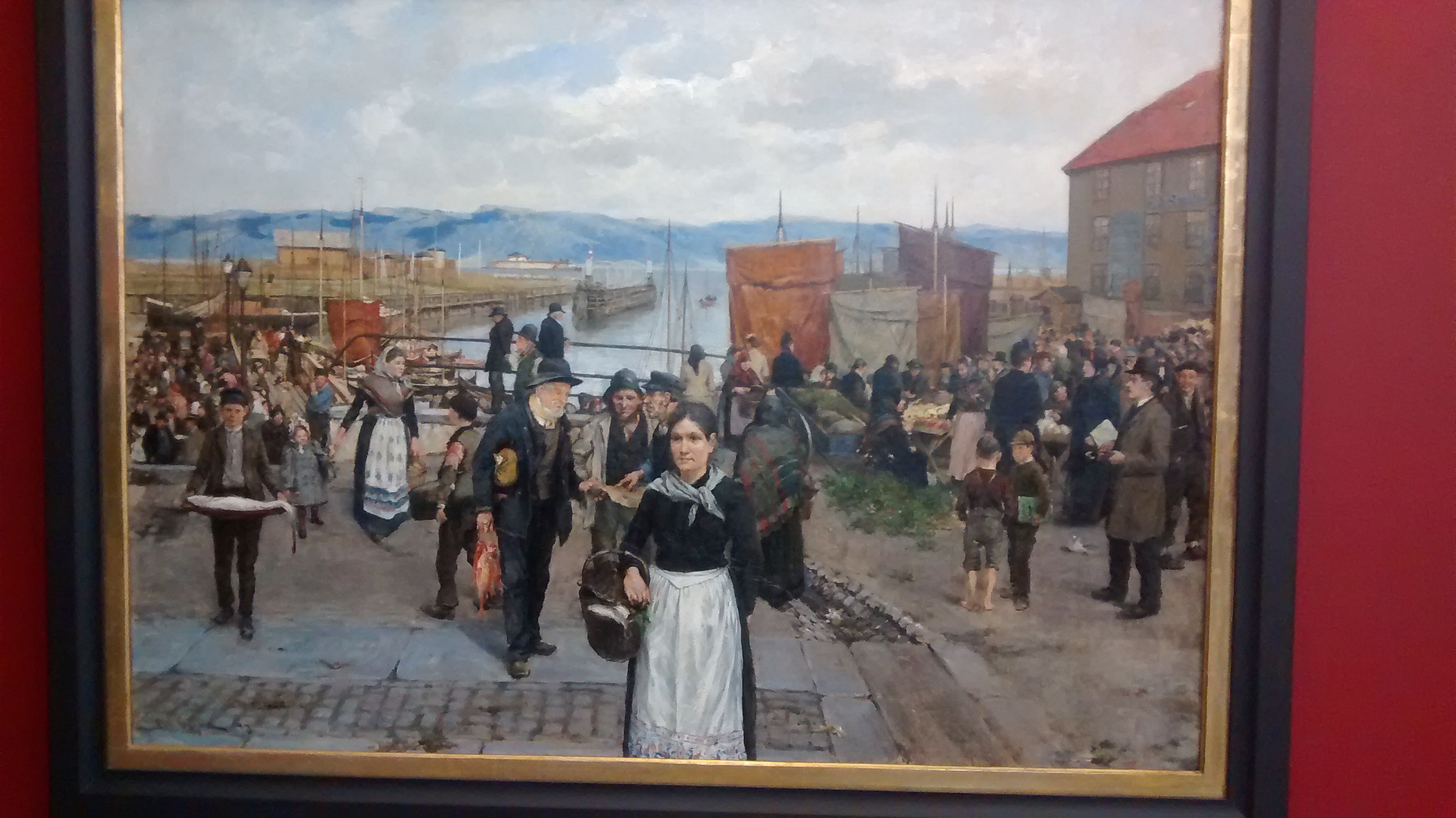
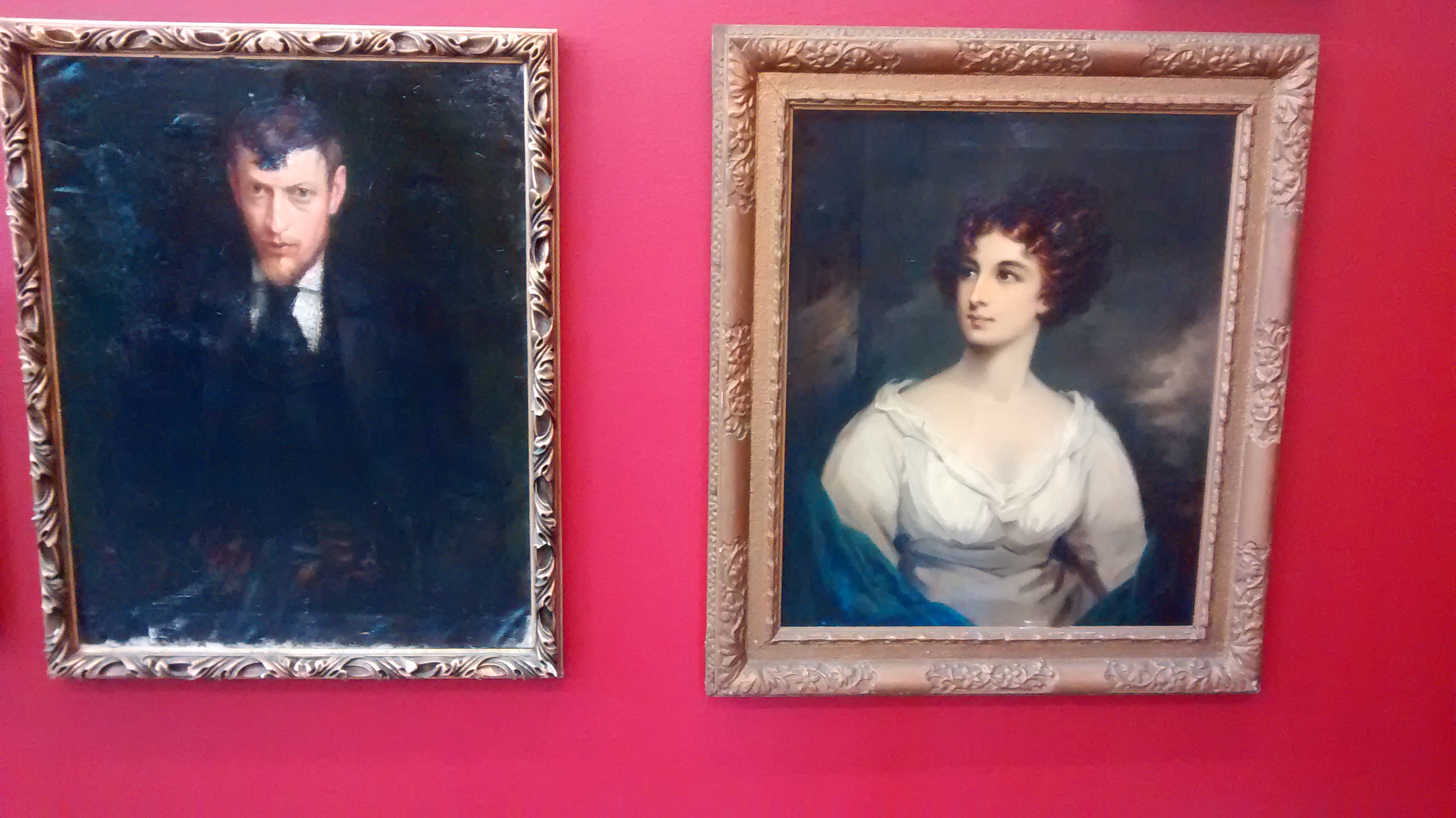
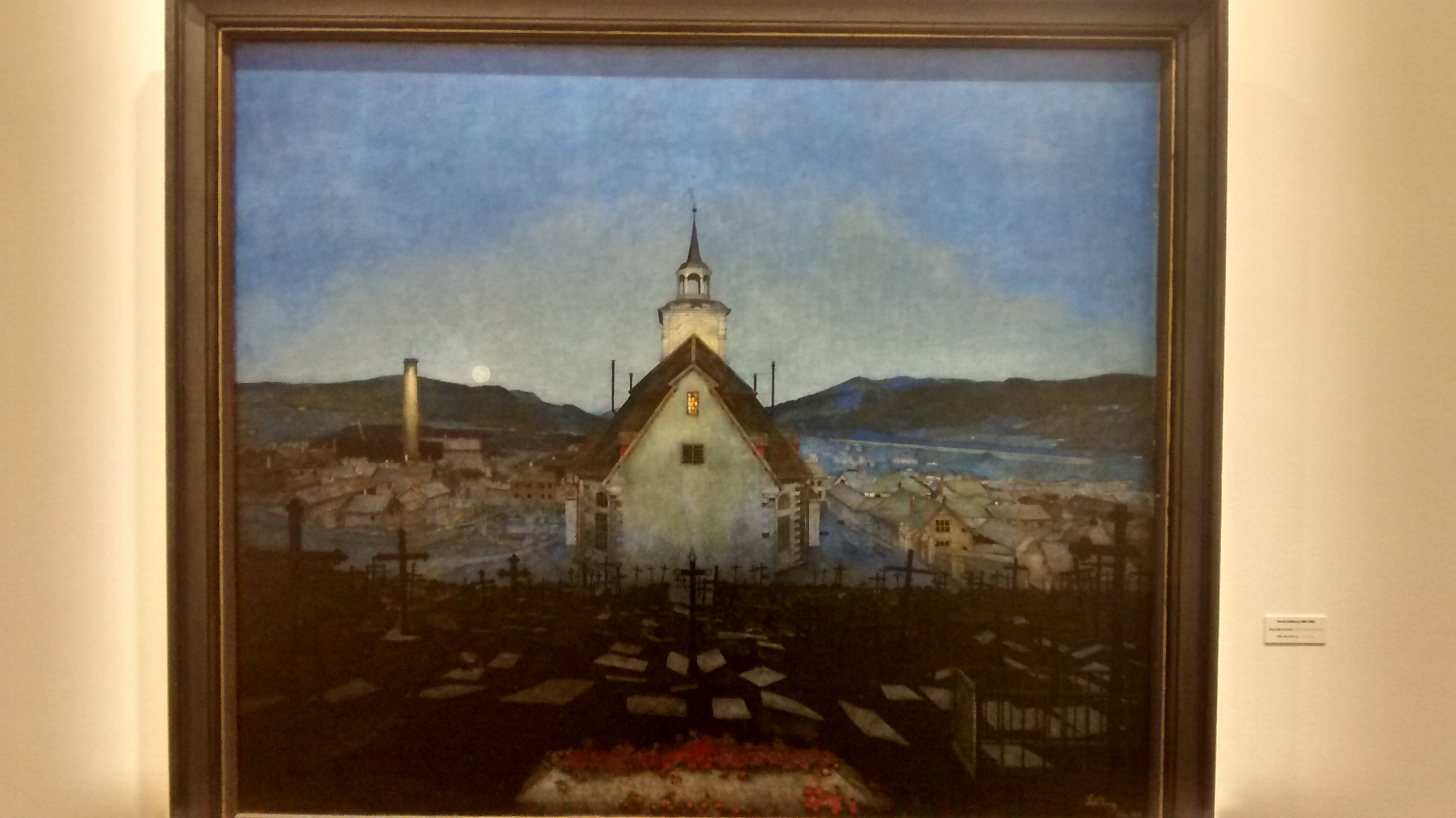
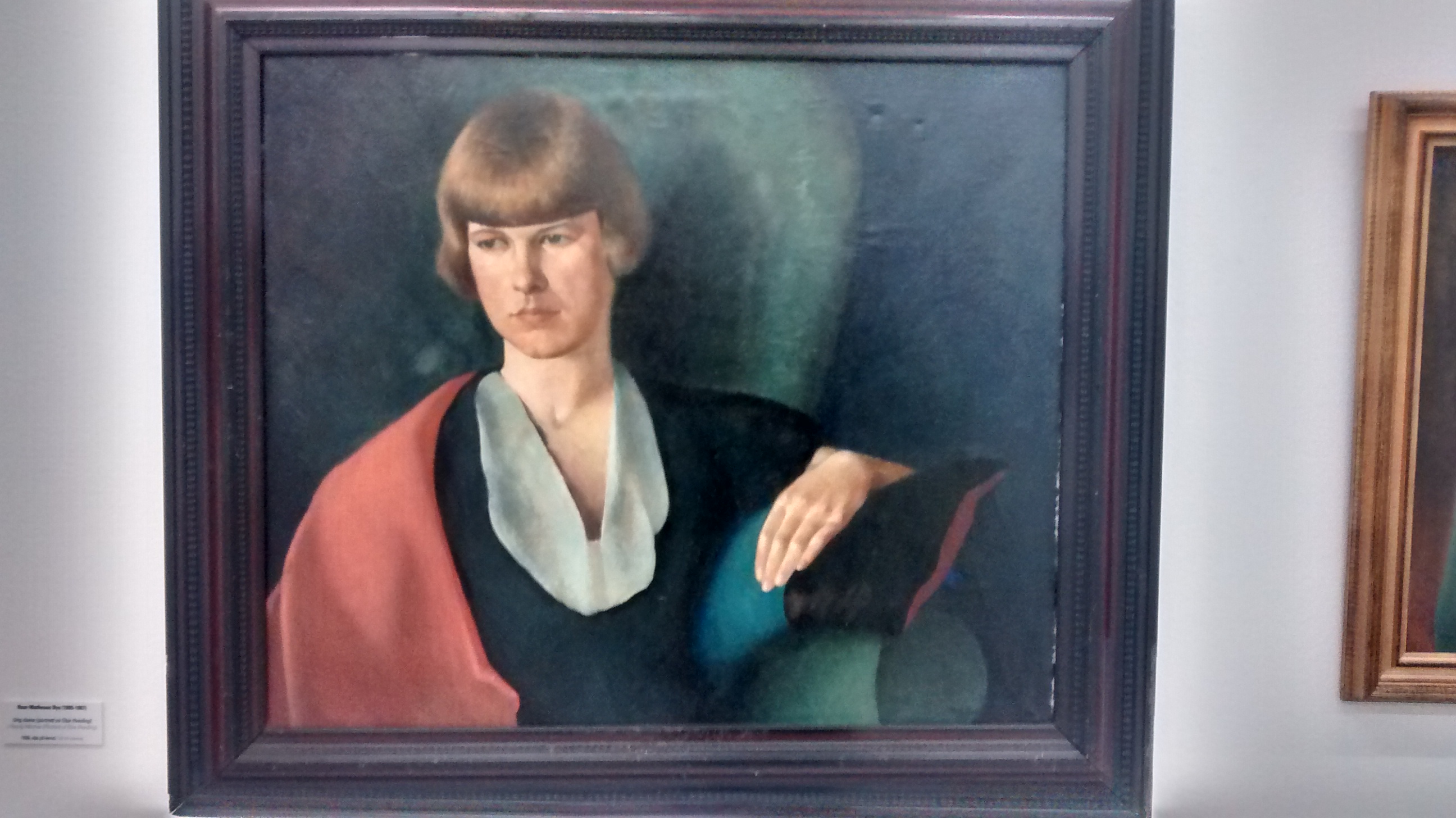
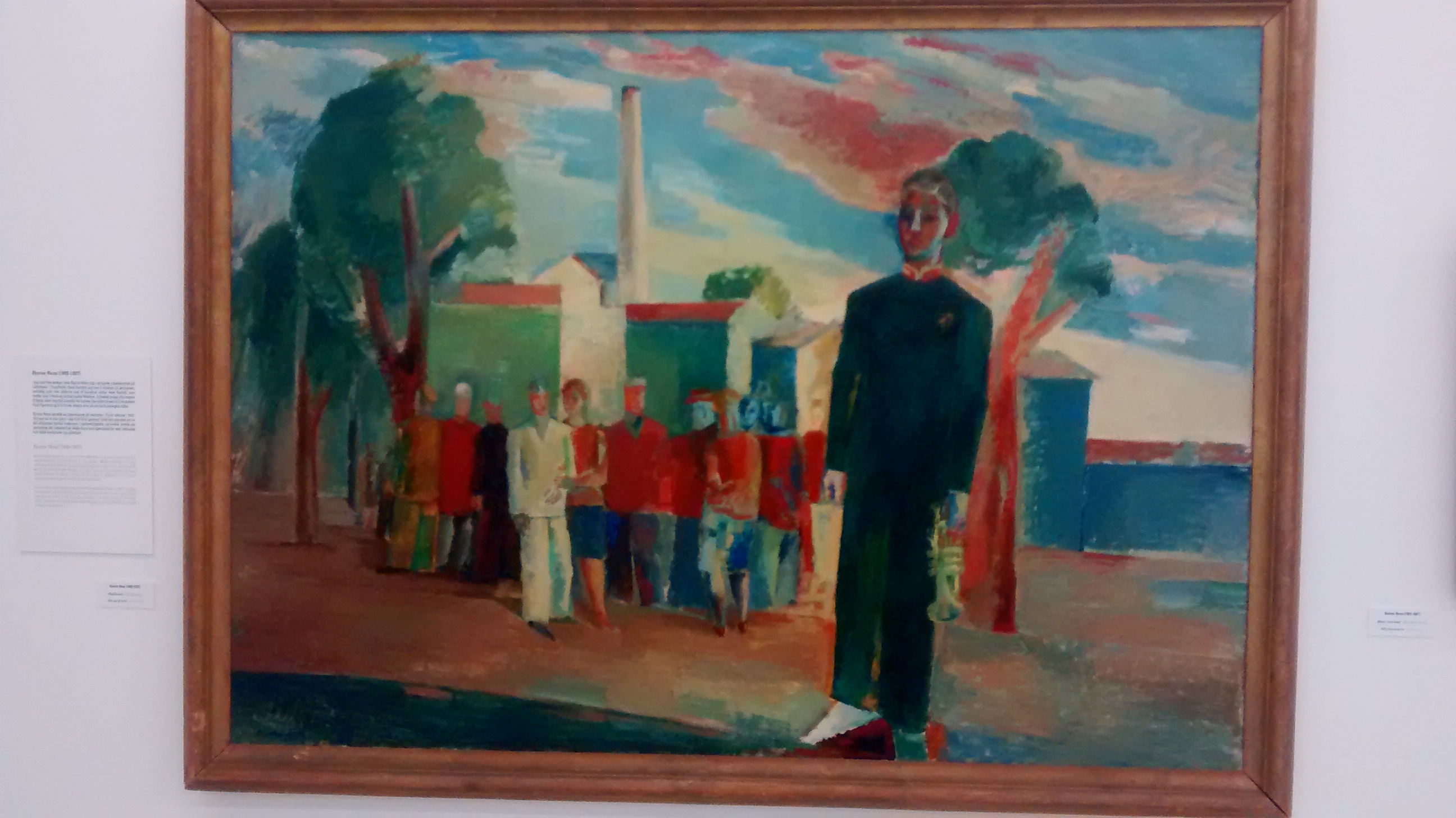
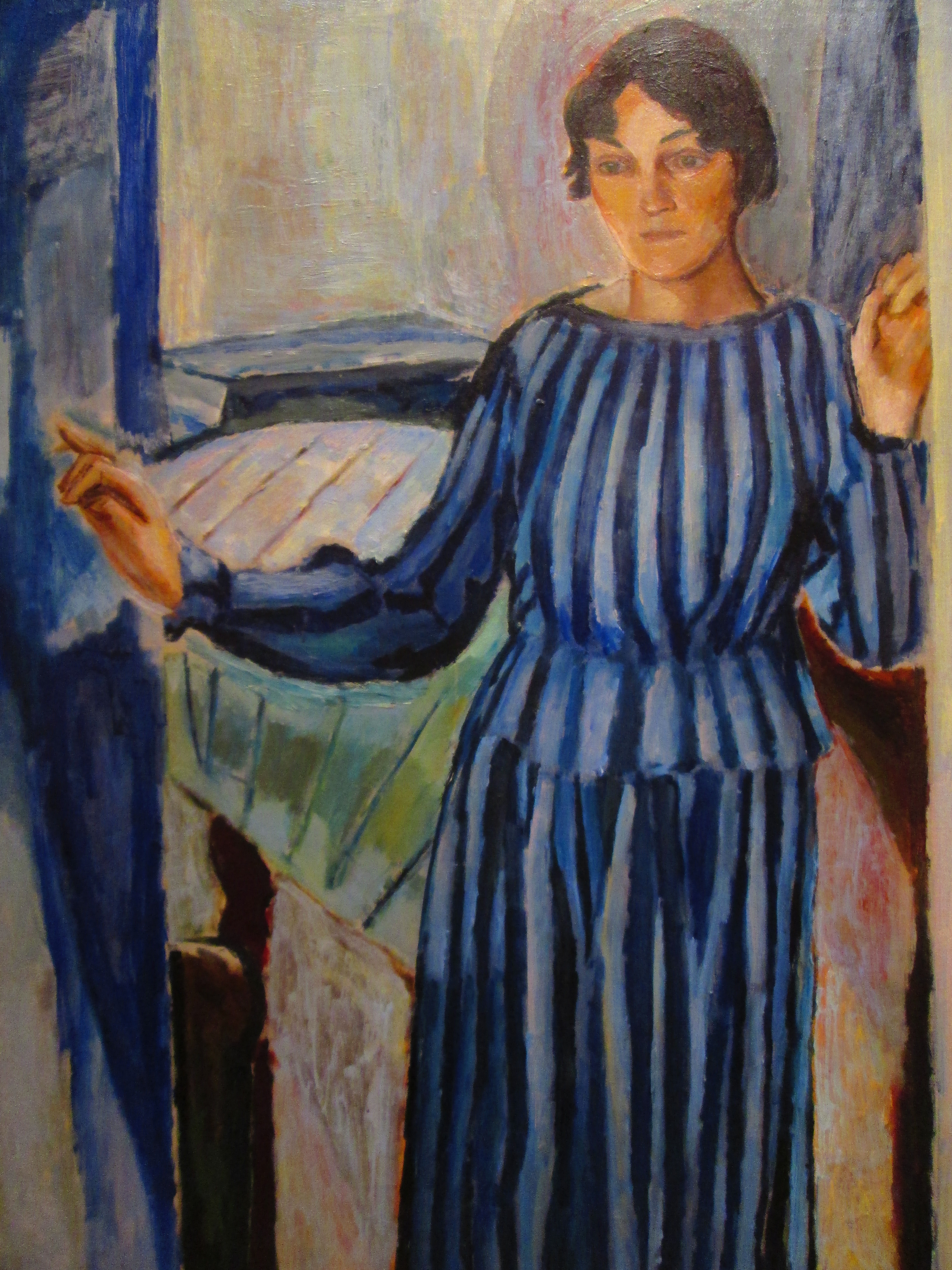
The Art Gallery at Trondheim has a large collection of Norwegian art from around 1850 up to the present. It also has an impressive collection of Danish art and a significant representation of other renowned international artists.

Savour some of these at leisure:


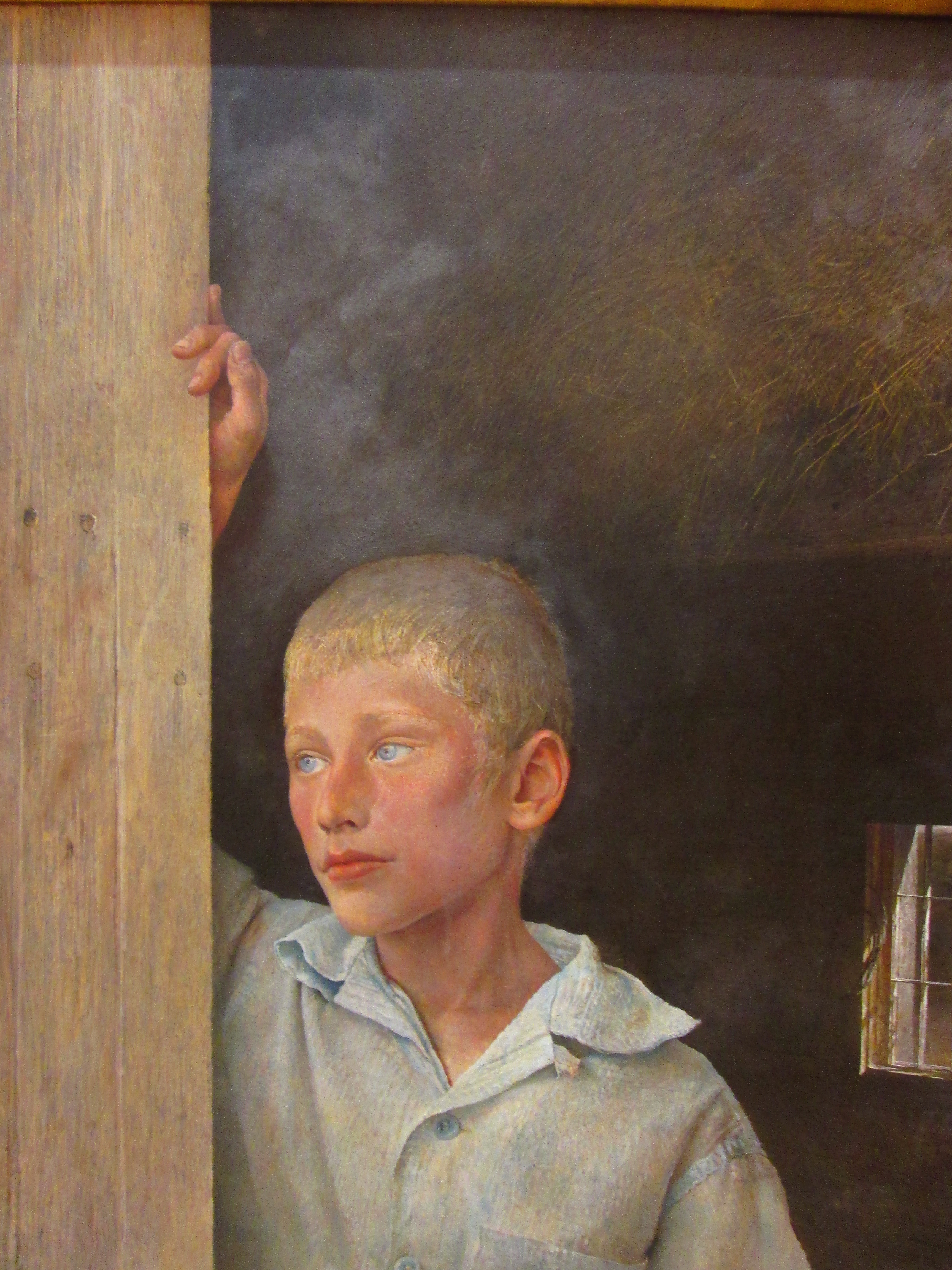
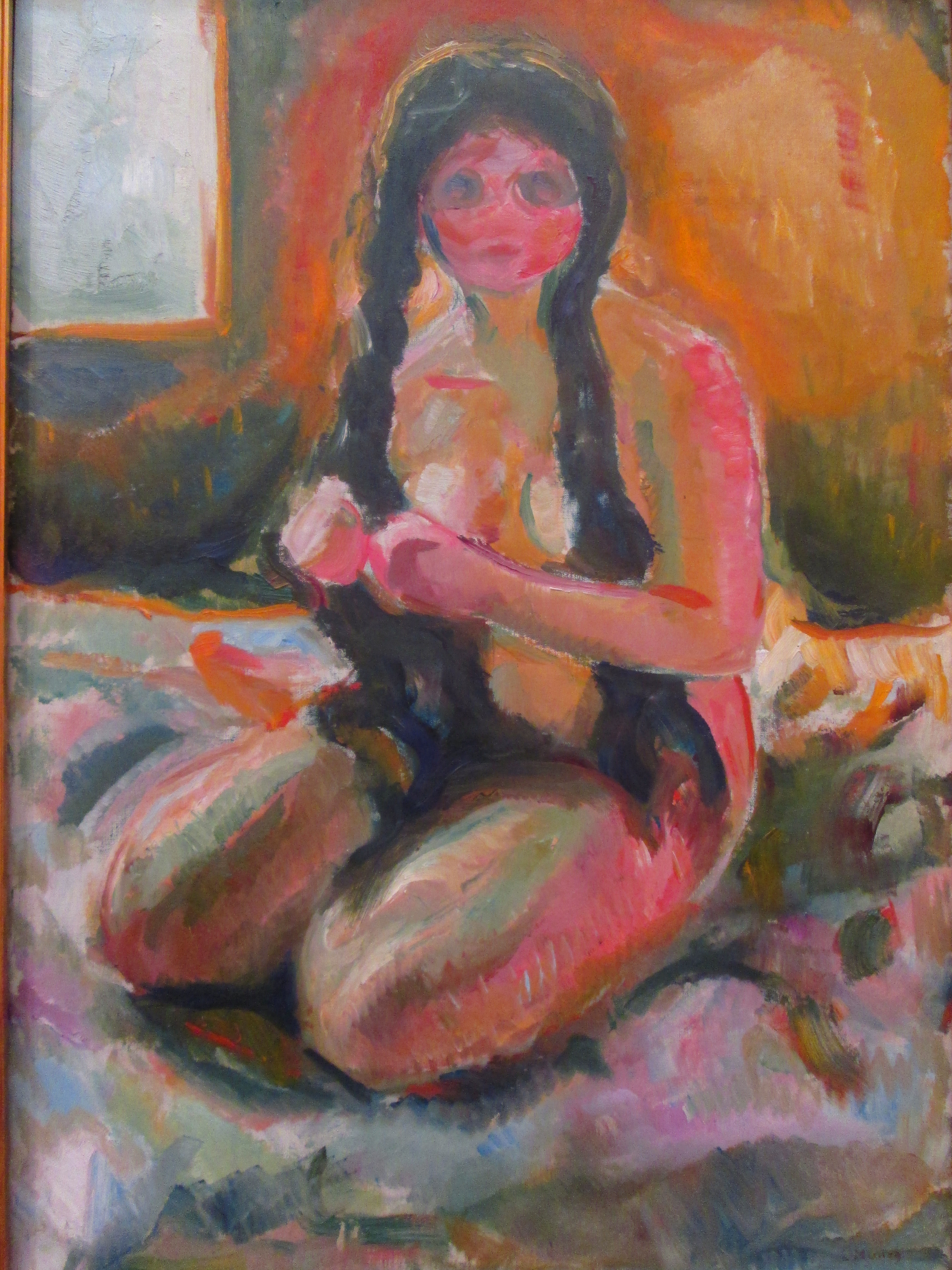
To see artworks of a different culture is quite instructive. The kind of natural forces the people deal with. The kind of life they led. Such mundane happenings as calling a physician, visiting the town square, listening to a street musician or even depicting the means of livelihood of people – all these get captured in exquisite detail. Portraits of some persons – famous or otherwise – invariably form an integral part of the art collection. Even abstract art conveys the inner state of the artist at the time the work was getting done, possibly with a benevolent muse by his side!

(Related Post: https://ashokbhatia.wordpress.com/2018/09/01/a-walk-around-the-city-of-trondheim-in-norway-part-1-of-2)


Read Full Post »

Just like human beings who boast of a life cycle, many of our cities also undergo cyclical changes. These gain importance over a period of time and then end up losing it at times, based on their economic and political fortunes at a given point in time.

But a ready supply of natural resources and the indomitable spirit of those who inhabit our cities ensure that these continue to thrive and do well. Over time, their character might change from that of a major trading centre to a well-known hub of education and scientific research.

Some may suffer repeatedly at the hands of Logi, the Nordic Fire God, and experience devastating fires, only to rise again from the ashes, much like a Phoenix would. Others may witness riots because of a proposal to change the name of the city, leaving The Bard squirming in his grave. Through all these challenges, the city continues to thrive. The resilience of the human spirit reigns supreme.

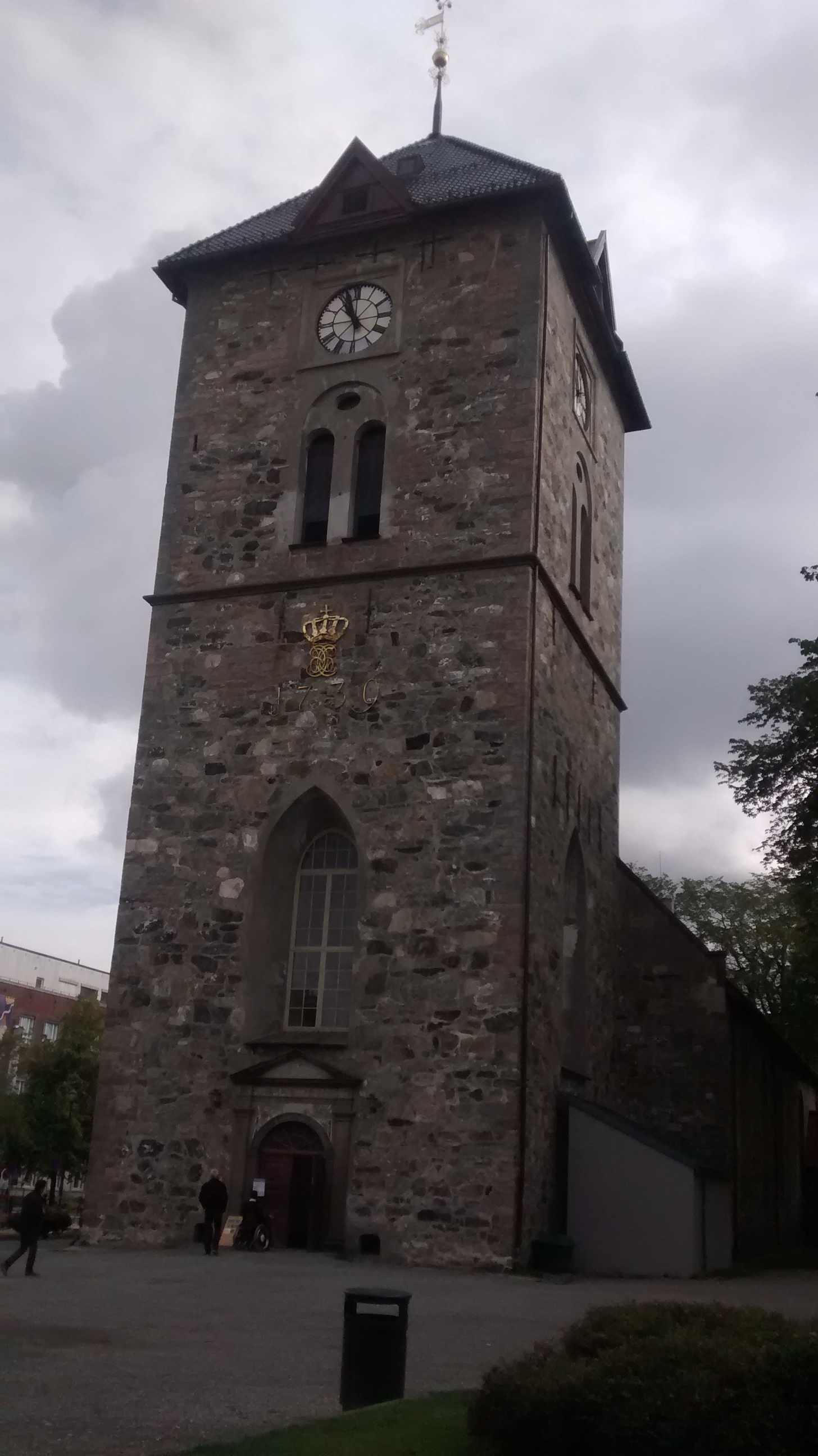
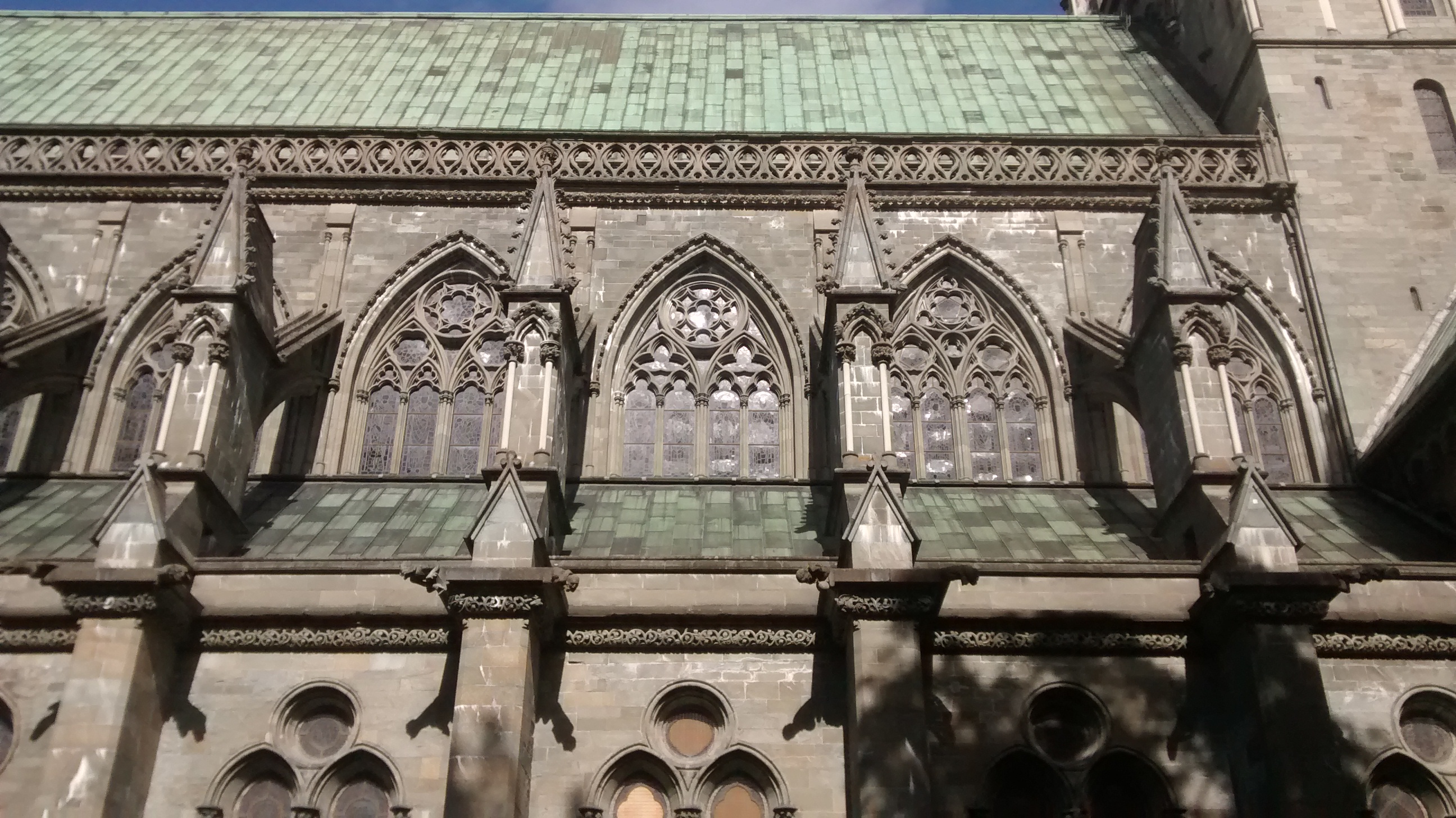
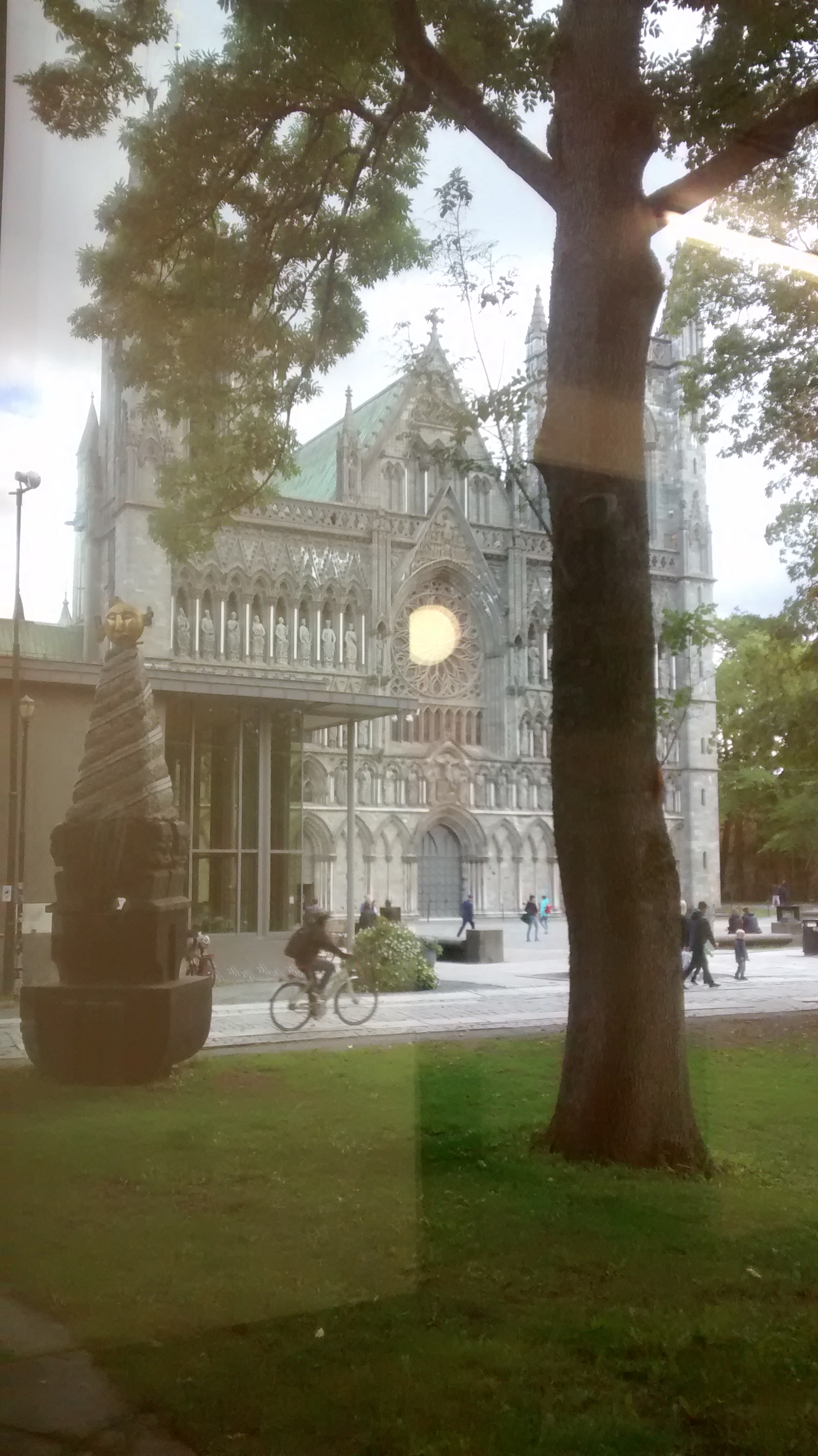
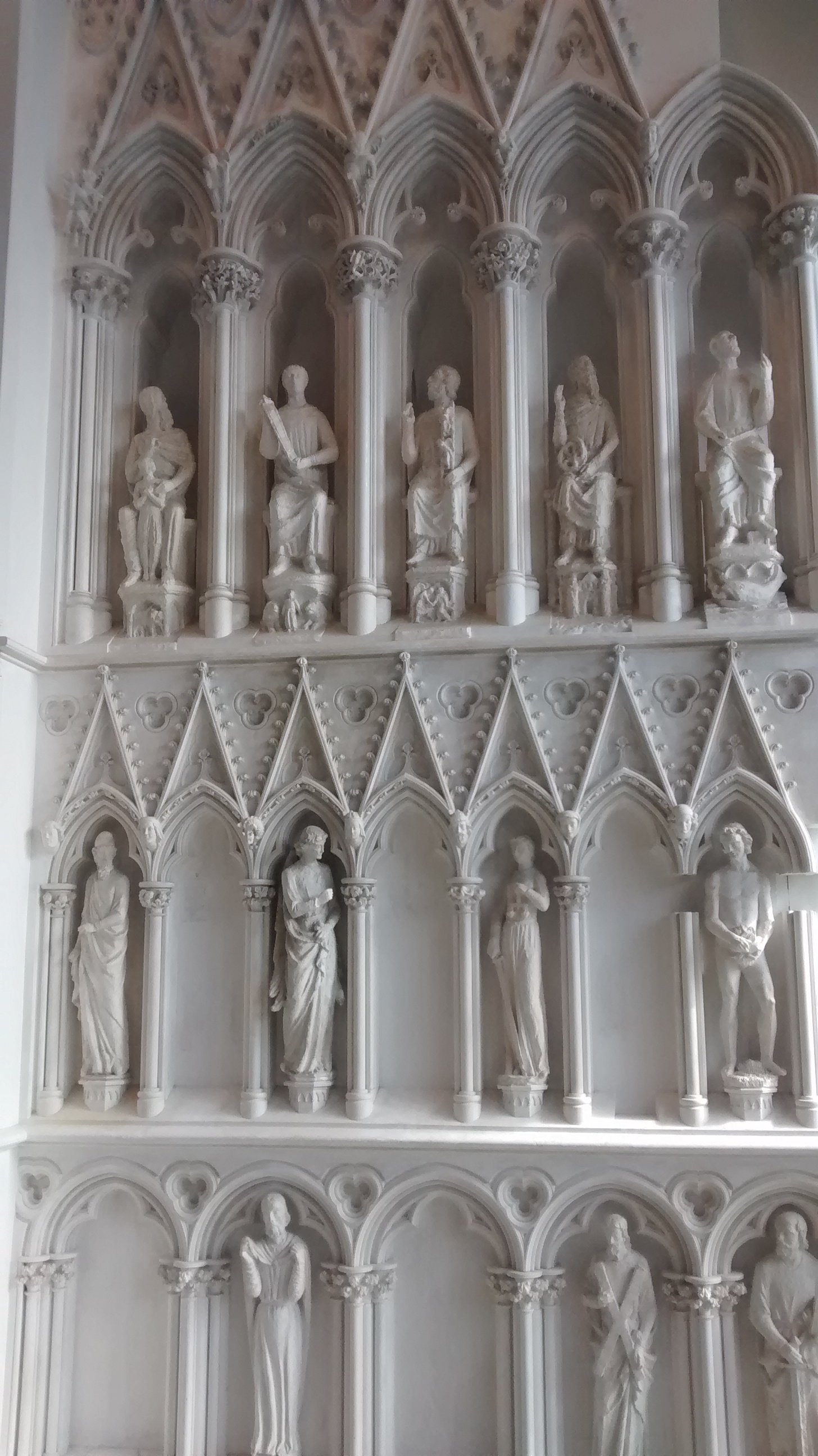
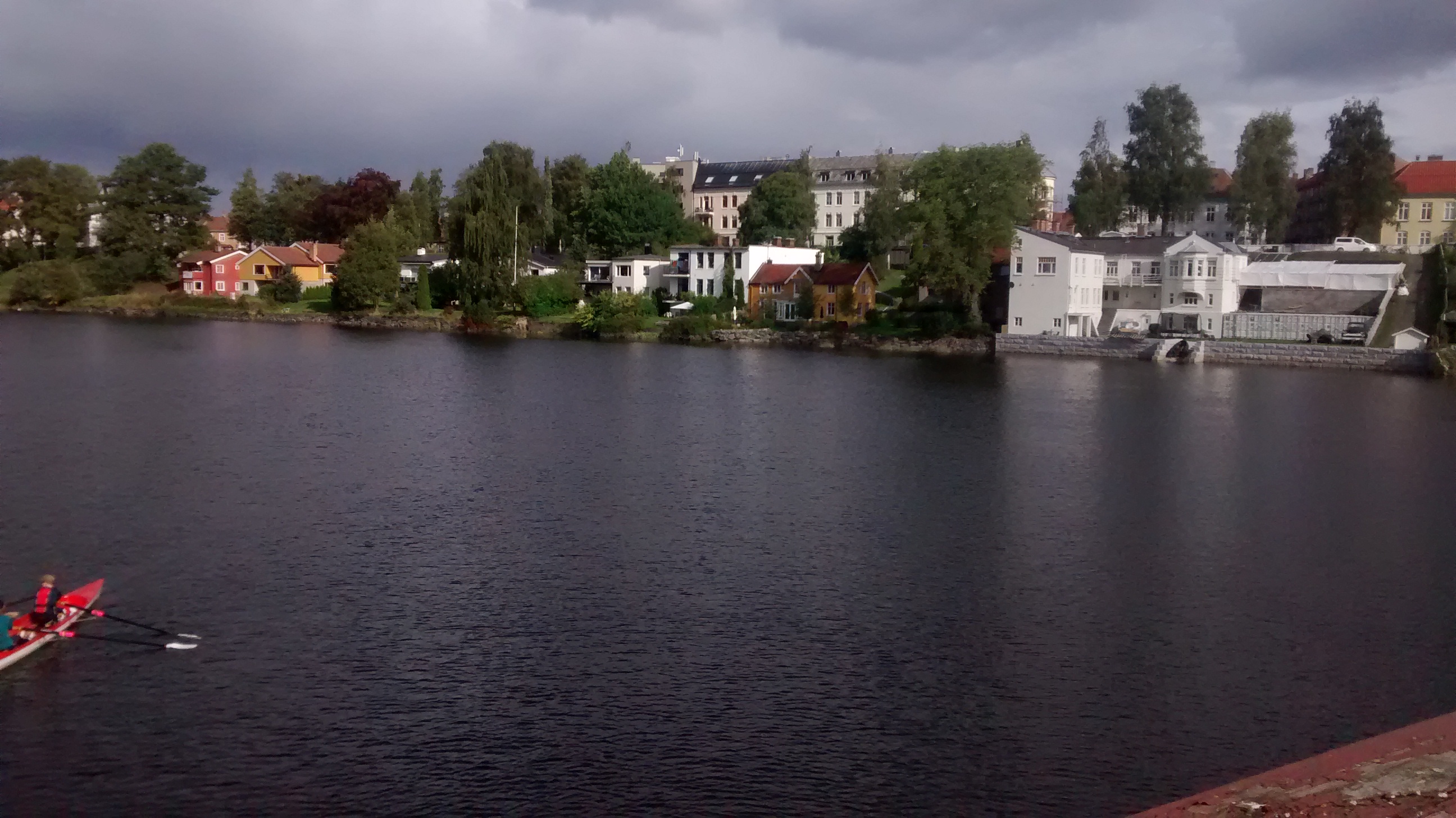
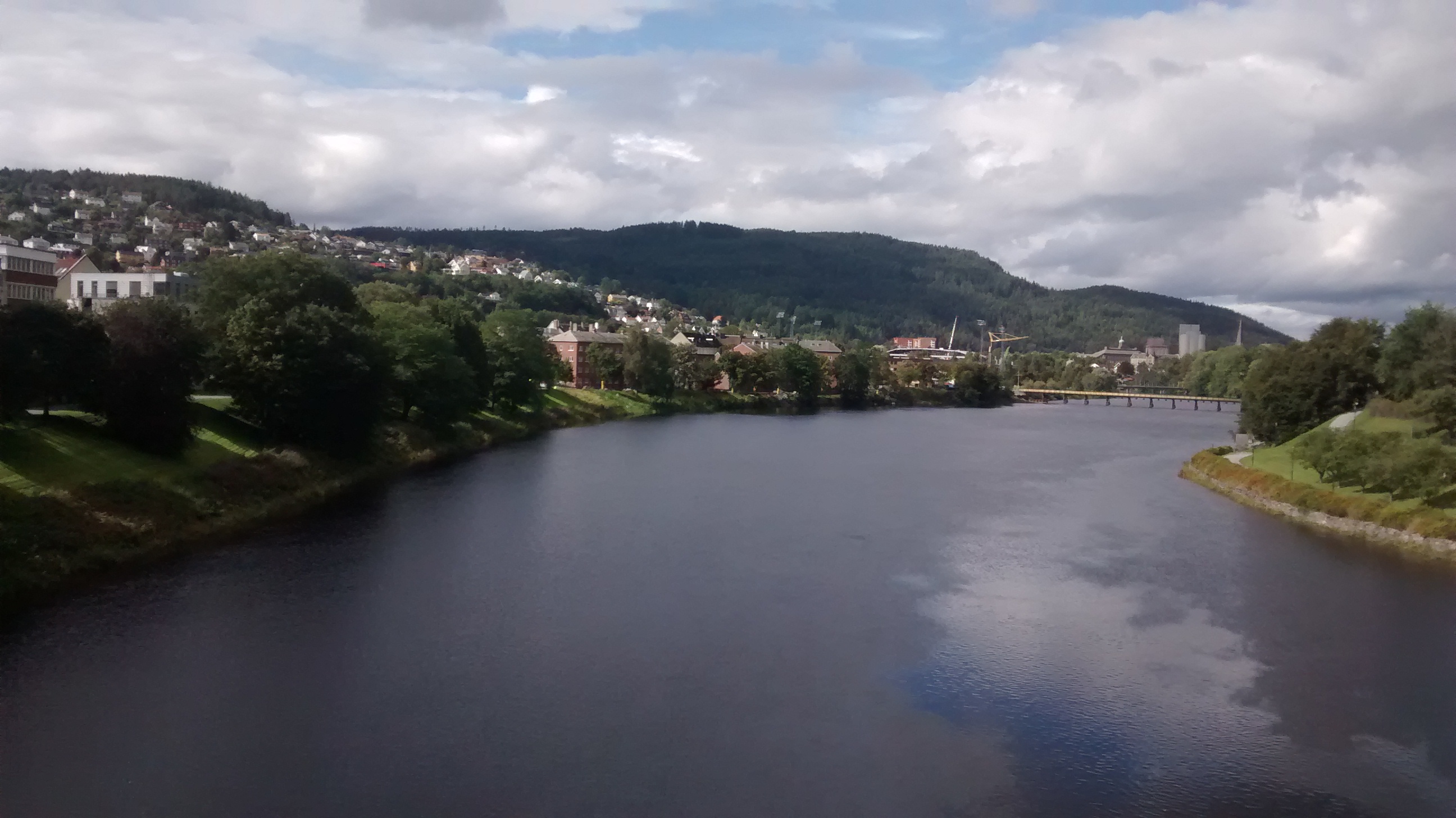
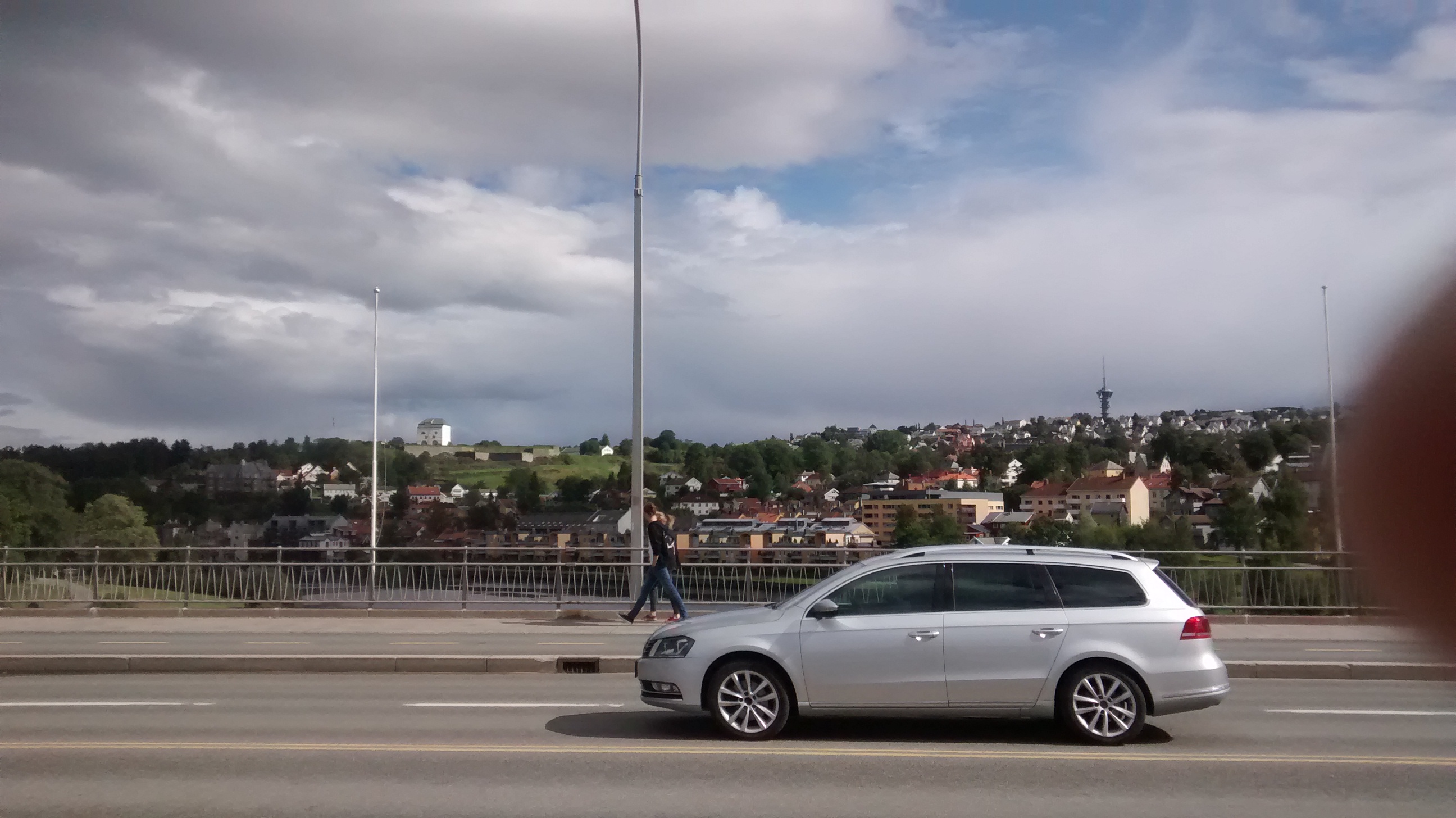
Recently, yours truly had the opportunity of a leisurely stroll or two through the streets of Trondheim in Norway. One can trace its origins back to the Viking Age circa 997 AD. It served as the capital of Norway until 1217. In the olden days, it appears to have handled the kind of challenges described above with much aplomb.

Here are some visuals which might appeal to some of you.

The Nidelva River


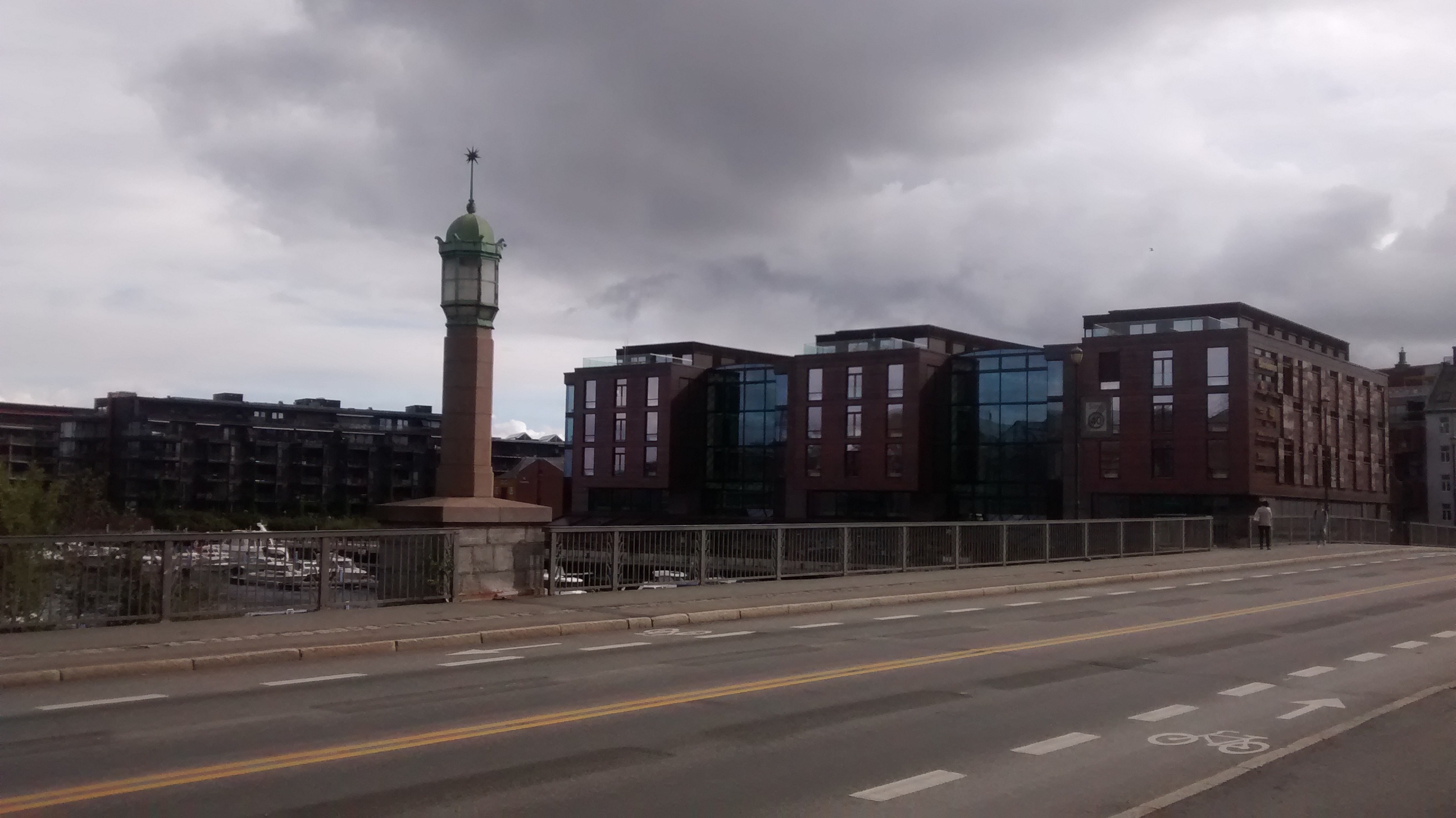
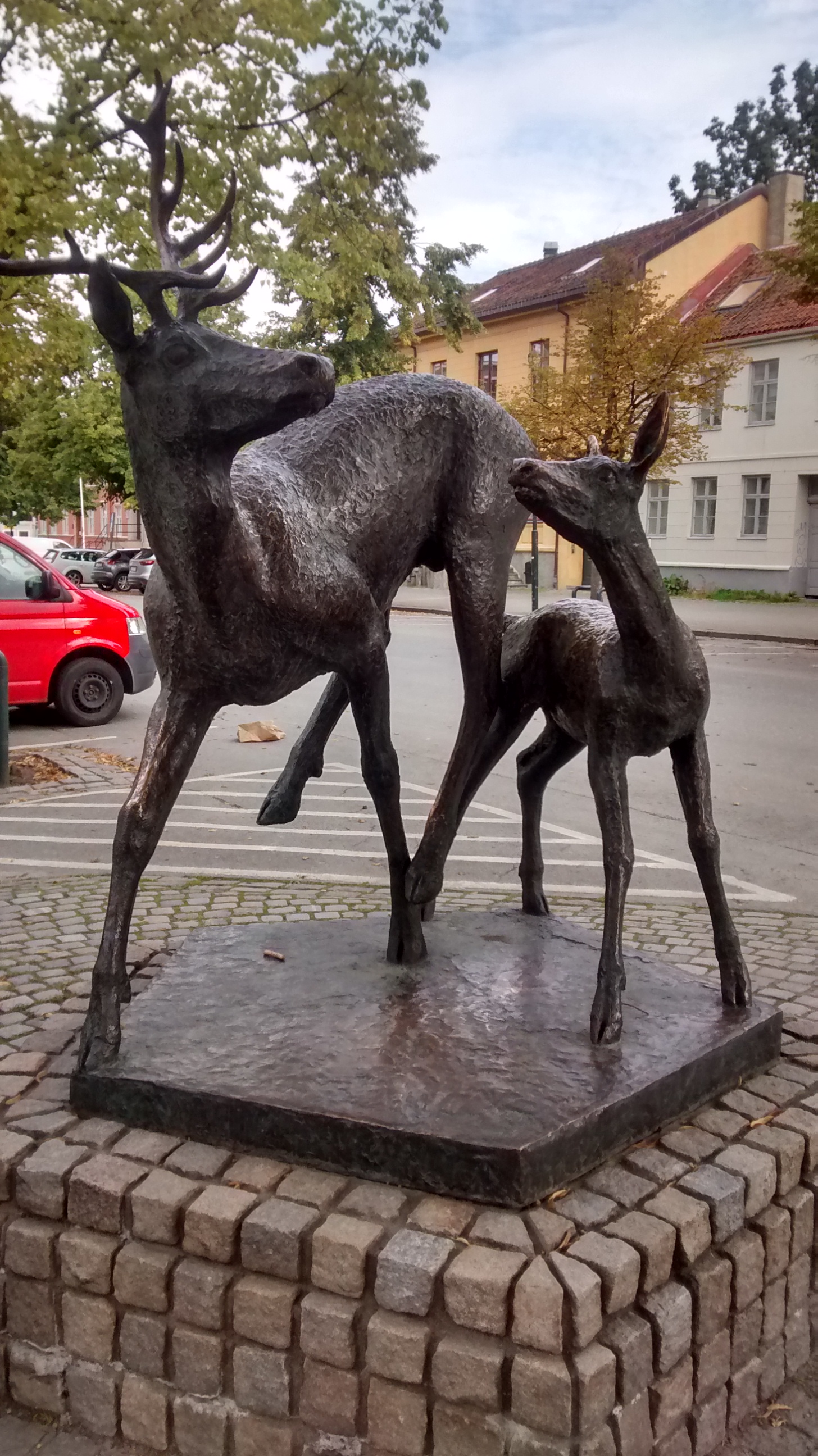
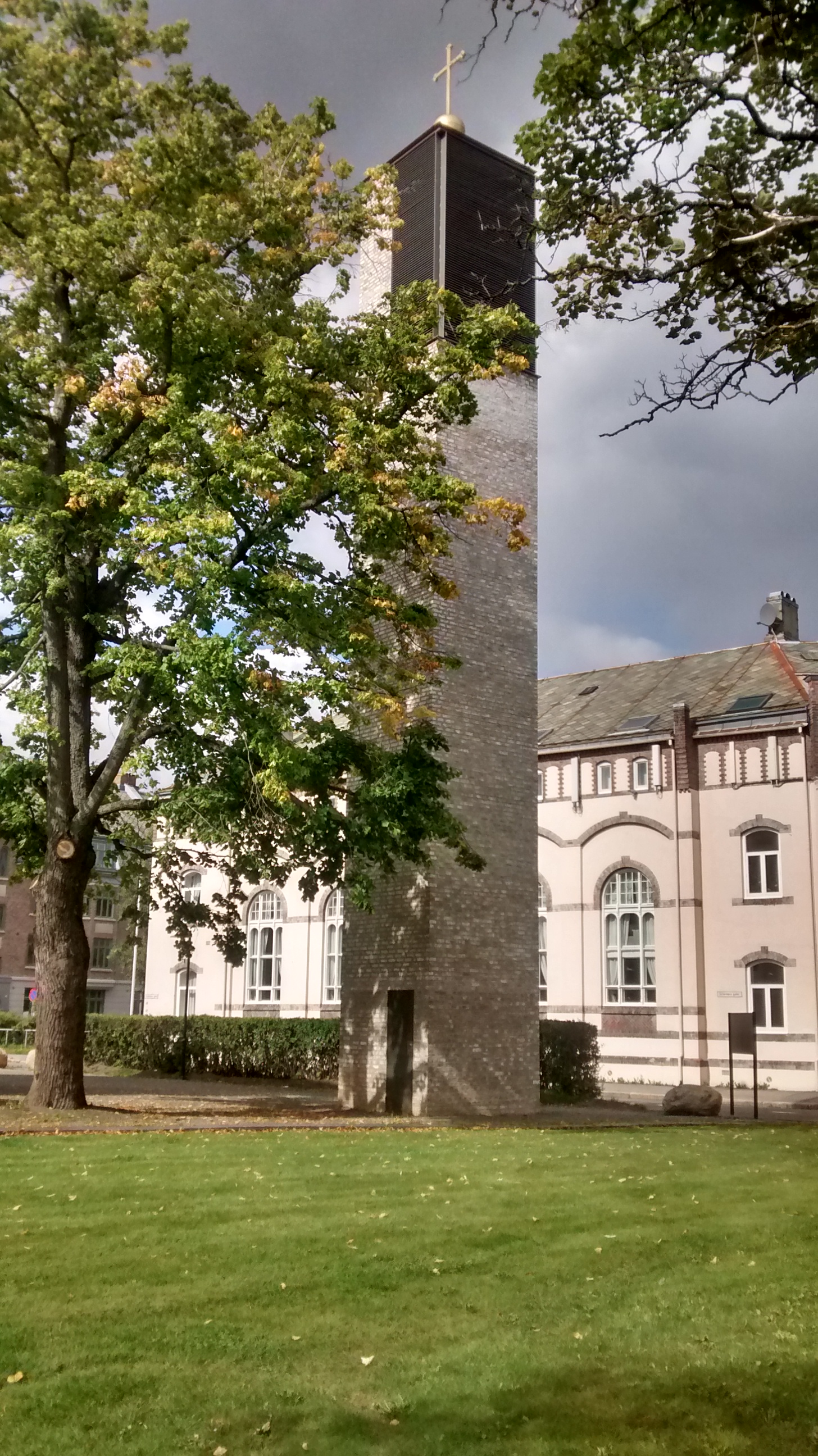
Street Art and Buildings


Nidaros Cathedral


The last one, located within the premises of the Cathedral, is a monument commemorating those who lost their lives during the World War II.

Night view from the Egon revolving restaurant


As with most historic cities of the day, Trondheim also appears to be striking a fine balance between preserving its heritage and absorbing contemporary building designs. One merely hopes that forces of crass commercialism are kept on a tight leash by those who matter.

Stay tuned for a saunter down the Trondheim Museum of Arts!

Read Full Post »

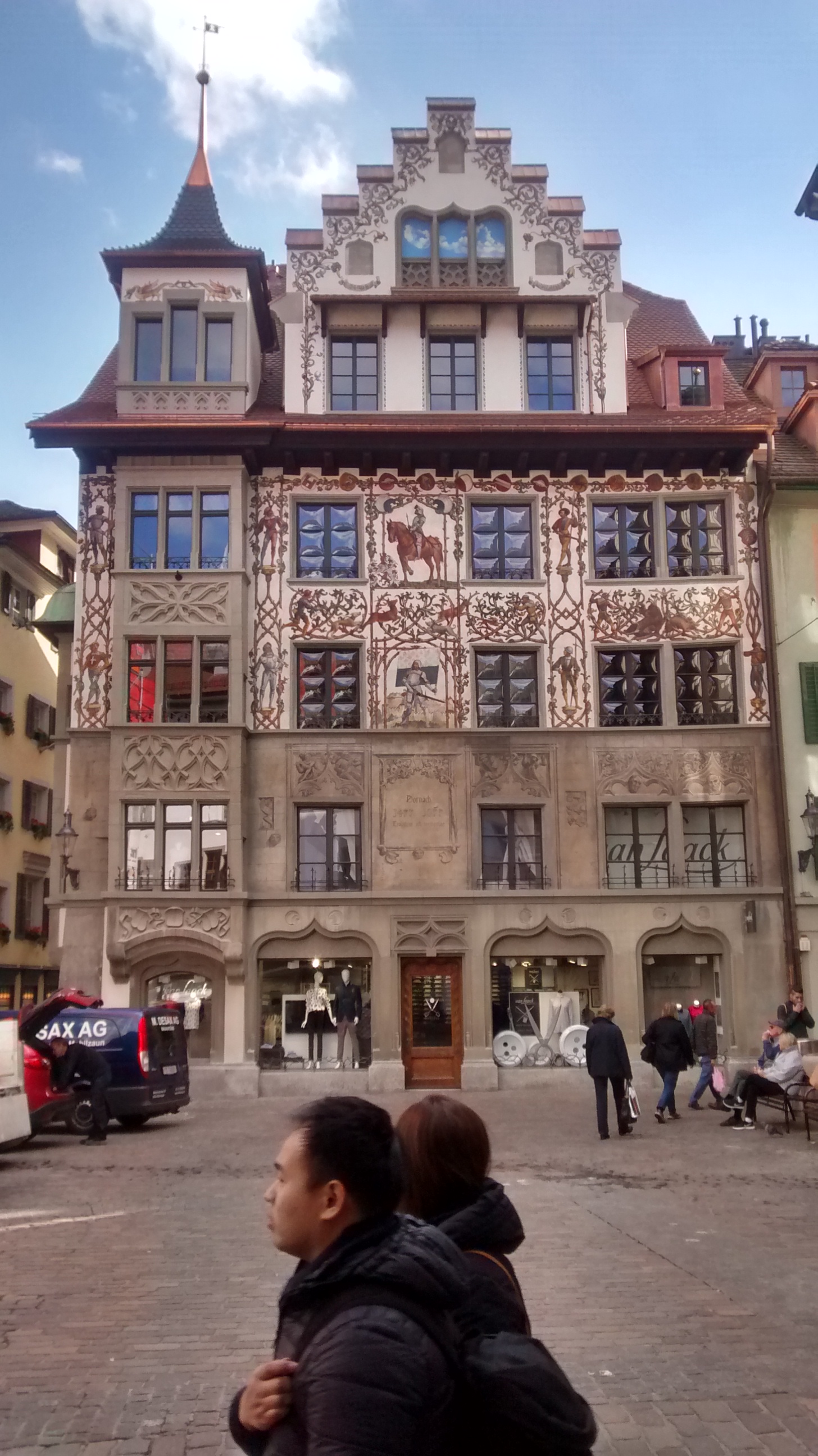
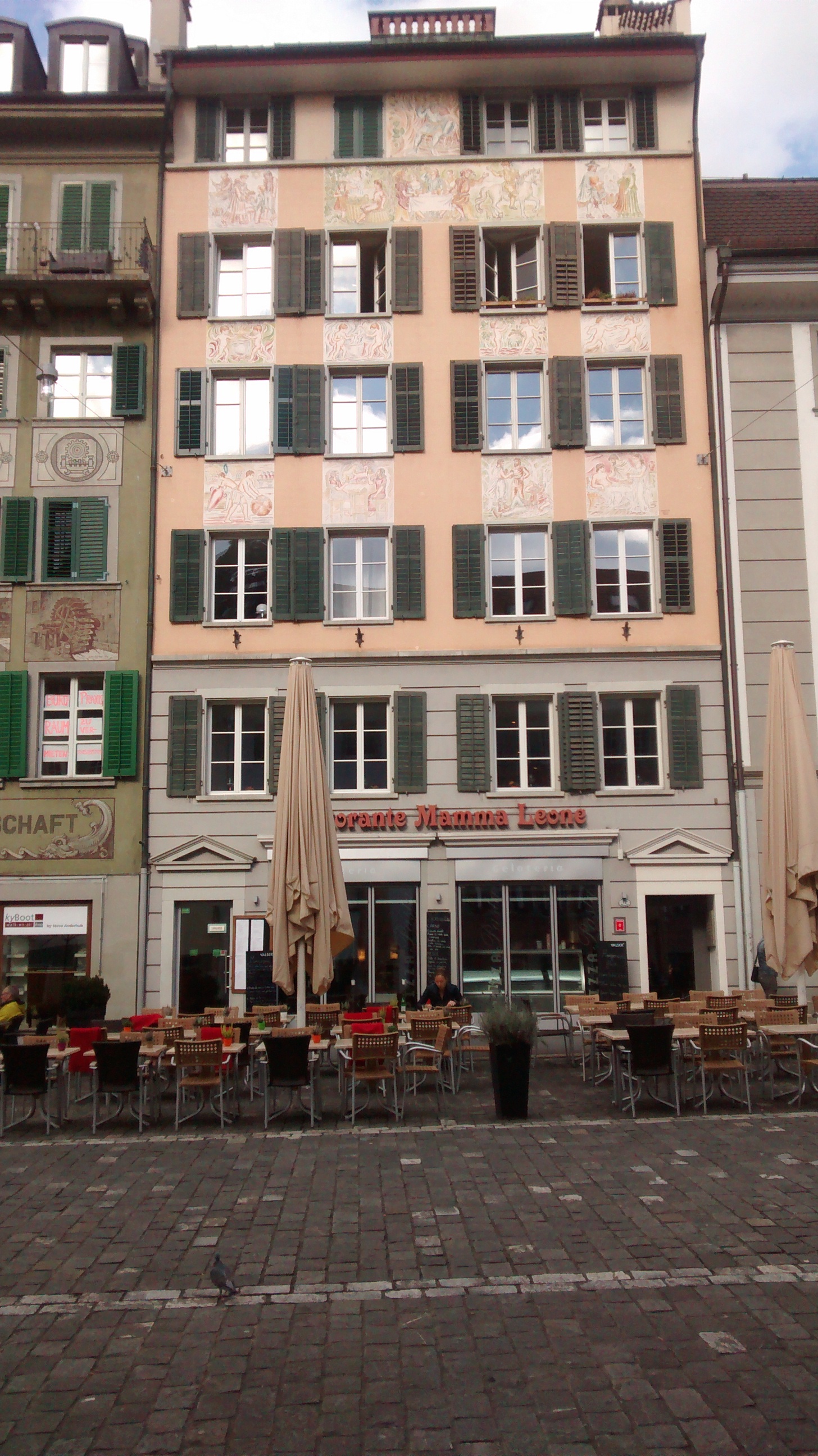
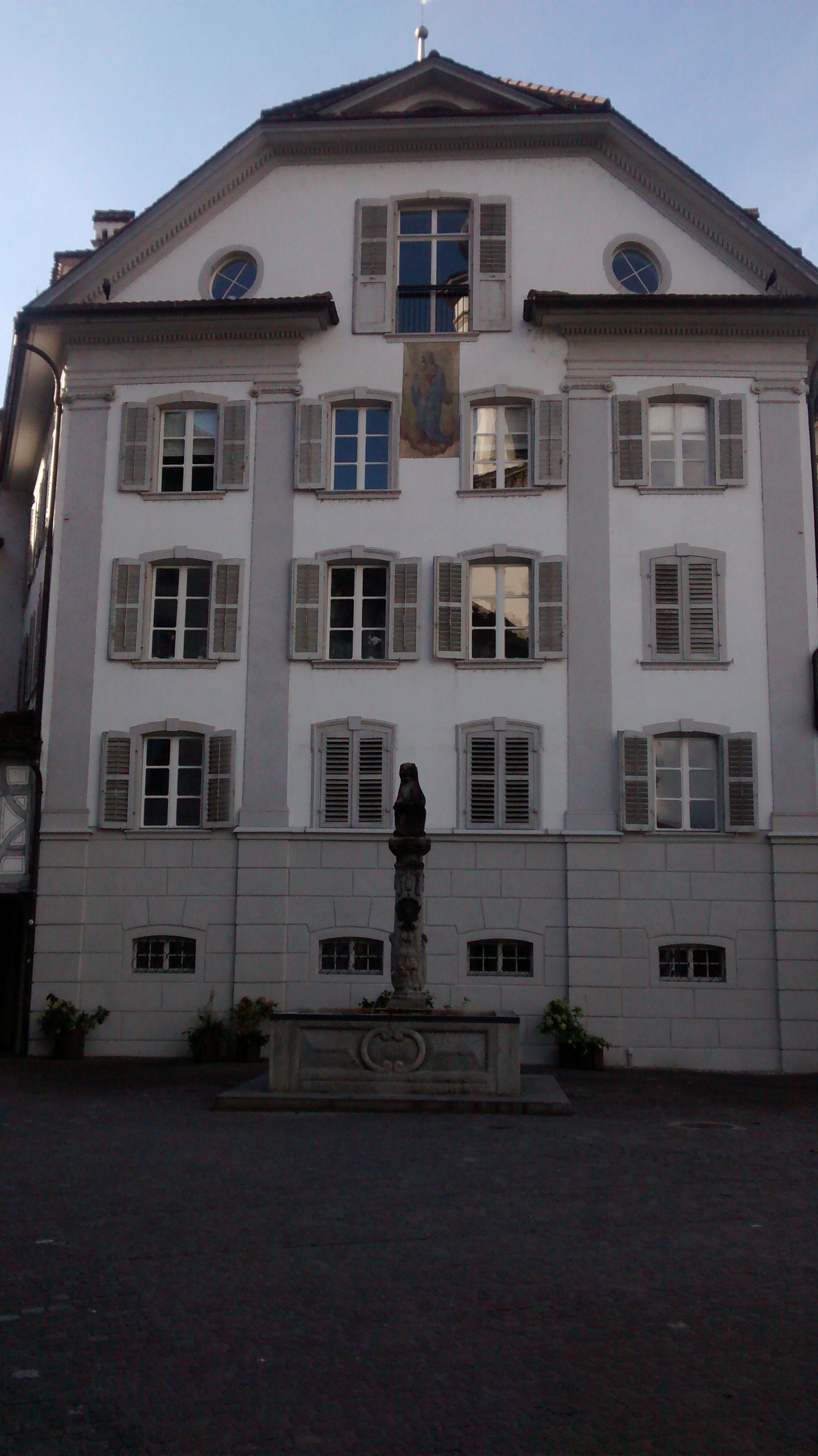
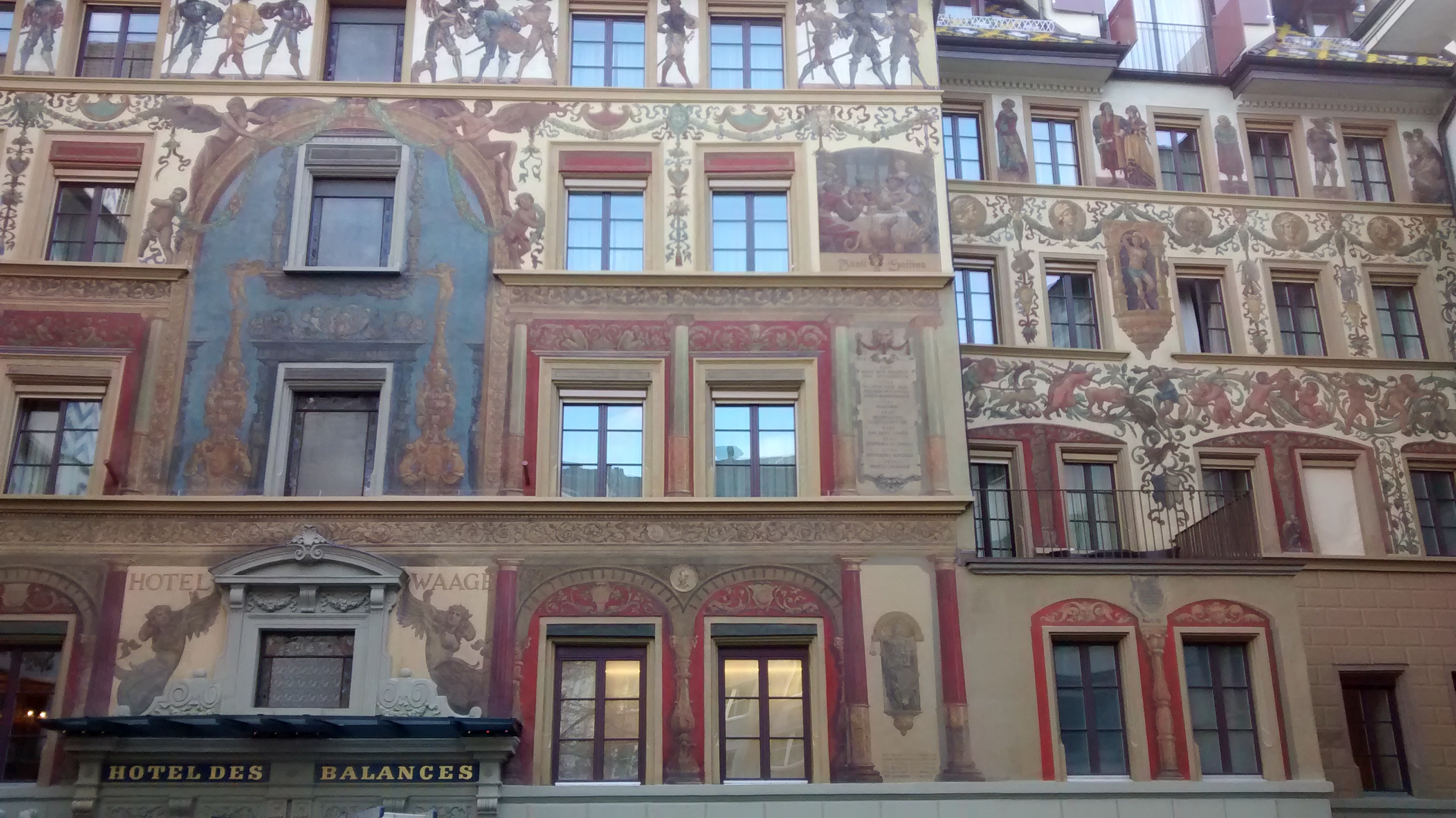
Centrally located in Switzerland, Lucerne is a great place to spend some time in. A leisurely stroll through its streets enables one to relish the kind of buildings which dot its streets and also appreciate the art which adorns their outer walls.

Lucerne 01

Lucerne 02

Lucerne 03

Lucerne 06

Lucerne 07

Lucerne 08

Lucerne 09

Lucerne 10

Lucerne 11

Since the city straddles the Reuss where it drains the lake, it has a number of bridges. For a globe trotter, here are some of the tourist attractions on offer in Lucerne.

The Chapel Bridge

Lucerne Chapel Bridge

lucerne-chapel-bridge

The most famous is the Chapel Bridge (Kapellbrücke), a 204 m long wooden covered bridge originally built in 1333. It is said to be the oldest covered bridge in Europe, although much of it had to be replaced after a fire on 18 August 1993, allegedly caused by a discarded cigarette. Part way across, the bridge runs by the octagonal Water Tower (Wasserturm), a fortification from the 13th century. Inside the bridge are a series of paintings from the 17th century depicting events from Lucerne’s history. The Bridge with its Tower is the city’s most famous landmark.

The Jesuit Church

Lucerne Jesuit Church

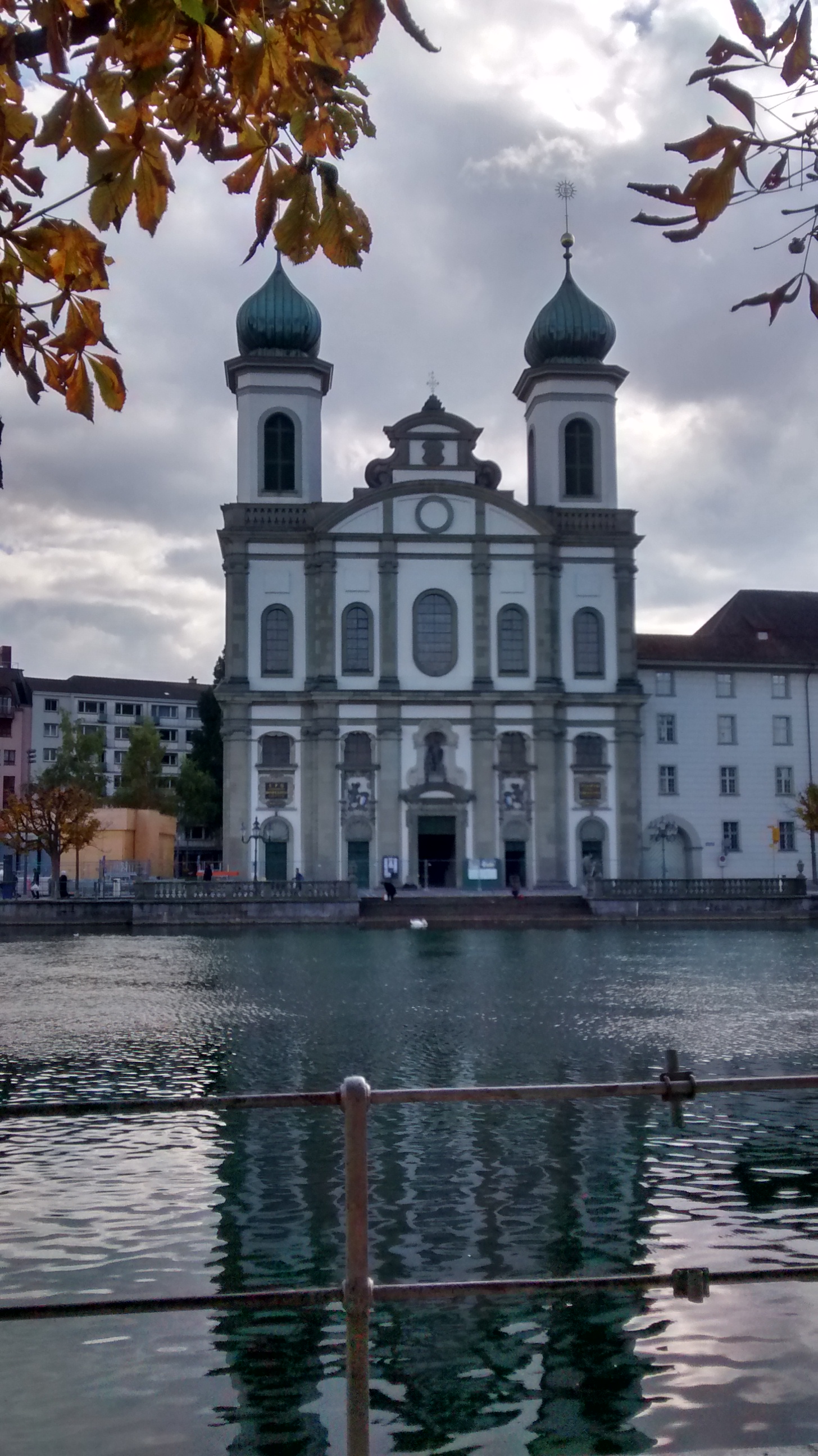
Lucerne’s Jesuit Church is the first large baroque church built in Switzerland north of the Alps.

Bollywood buffs would be delighted to recall the appearance of both the above in a song from the movie ‘Laga Chunari Mein Daag’.

The Spreuer Bridge

Lucerne 12

Down the river, between the Kasernenplatz and the Mühlenplatz, the Spreuer Bridge zigzags across the Reuss. Constructed in 1408, it features a series of medieval-style 17th century plague paintings by Kaspar Meglinger titled ‘Dance of Death’. The bridge has a small chapel in the middle that was added in 1568.

Lucerne 05

The Lion Monument

luzern-lion-monument

Bertel Thorvaldsen’s famous carving of a dying lion (the Lion Monument, or Löwendenkmal) is found in a small park just off the Löwenplatz. The carving commemorates the hundreds of Swiss Guards who were massacred in 1792 during the French Revolution, when an armed mob stormed the Tuileries Palace in Paris.

Glacier Garden Museum

lucerne-mirror-maze

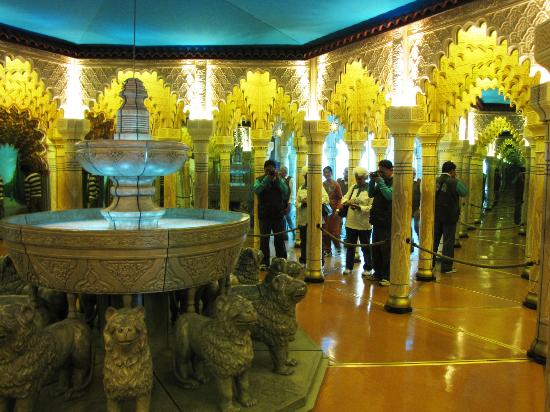
Great informative museum about the nature, earth science and Lucerne history. It is amazing to know that centuries back, this area was on the sea coast!

The mirror maze is a must see, beautiful and real fun. Good view-point at the top. One down side is that it does not have all the descriptions in English.

The Transport Museum

lucerne-transport-museum

A visit to the Transport Museum is highly enlightening. It has a large and comprehensive museum exhibiting all forms of transport, including locomotives, automobiles, ships, and aircraft.

There is a separate section devoted to the history and the execution of the Gotthard Base Tunnel, which is a railway base tunnel through the Alps in Switzerland, which opened on the 1st of June 2016, with full service to begin in December 2016. With a route length of 57.09 km it is the world’s longest and deepest traffic tunnel and the first flat, low-level route through the Alps.

The Natural History Museum

lucerne-natural-history-museum

A permanent biological exhibition shows flora and fauna from Central Switzerland, and a variety of live animals can be seen in aquariums and terrariums. Rotating panels show butterflies and insects from all over the world.

The ground floor has interesting displays which keep changing from time to time. Kids have real fun learning about diverse animals.Lucerne 13

Lucerne 14

The Culture and Convention Center

lucerne-kkl

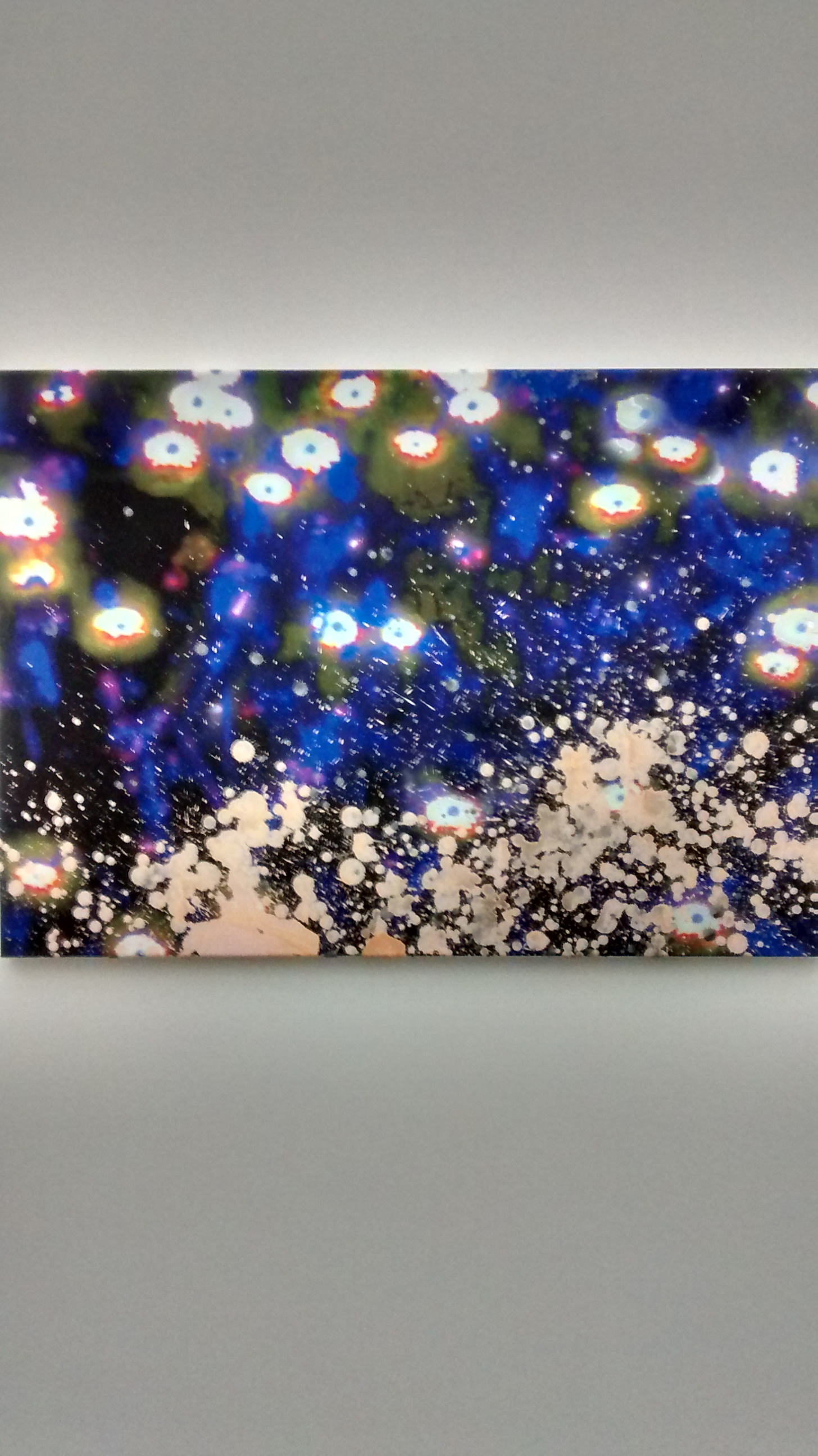
The Culture and Convention Center (KKL) beside the lake in the center of the city was designed by Jean Nouvel. The center has one of the world’s leading concert halls, with acoustics by Russell Johnson. Here are some snippets from a recent art exhibition at the KKL Gallery.Lucerne 16

Lucerne 17

Lucerne 18

Lucerne 19

Lucerne 20

A cruise in the lake is invigorating, to say the least.

Lucerne 15

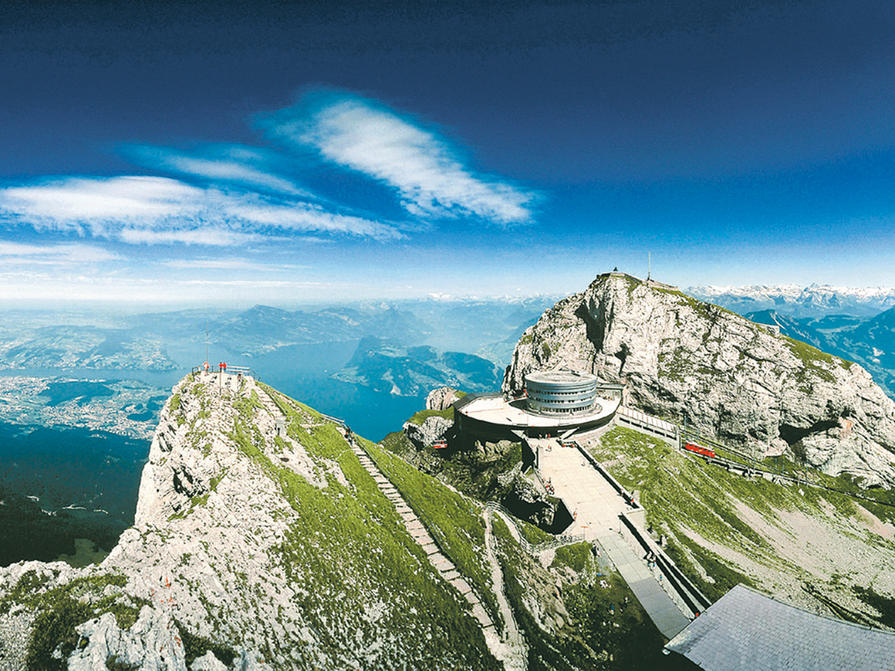
Pilatus nearby beckons

lucerne pilatus

At 2,132 meters above sea level, Pilatus is the ideal adventure mountain for the whole family.

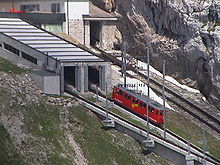
lucerne-pilatus-cogwheel-train

A visit to the Pilatus using the cog-wheel funicular, the world’s steepest at a maximum gradient of 48%, is exhilarating.

The Rosengart Museum has a delectable collection the works of Pablo Picasso and many others. More about this later.

Each city has a unique characteristic of its own. Lucerne in Switzerland is no exception.

(Note: Some of the photographs have been taken from Wikipedia)

(Related Posts:
https://ashokbhatia.wordpress.com/2016/11/04/a-saunter-down-the-rietberg-museum-at-zurich-in-switzerland-part-1-of-3

https://ashokbhatia.wordpress.com/2013/10/25/a-brand-called-switzerland

https://ashokbhatia.wordpress.com/2015/08/09/flying-over-the-swiss-alps

https://ashokbhatia.wordpress.com/2014/05/28/sherlock-holmes-the-honorary-citizen-of-meiringen-switzerland)

Read Full Post »

When members of the next generation of a family, born in First World countries like Norway and Switzerland, visit their roots in a Third World country like India, the poor souls are left clueless at times. Often, much hilarity ensues, as they try to cope with the realities of day-to-day life in such a delightful country as ours.

The best countries to be born in

Some time back, The Economic Intelligence Unit had compiled an index onEU Flag image the best places to be born in 2013. As many as 80 countries had been ranked on a scale of 0 to 10, with 10 standing for ideal living conditions. The rank took into account 11 indicators, like crime, trust in public institutions, health infrastructure, family life, besides fixed factors such as geography.

As per this reckoning, Switzerland was at the top, scoring 8.22. Norway was ranked number 3, scoring 8.09. Amongst the top 10 were not only Sweden (rank 4, score 8.02), Denmark (rank 5, score 8.01) and Netherlands (rank 8, score 7.94), but also Australia (rank 2, score 8.12), Singapore (rank 6, score 8.00), New Zealand (rank 7, score 7.95), Canada (rank 9, score 7.81) and Hong Kong (rank 10, score 7.80). Incidentally, India was then ranked 66, with a score of 5.67.

Hard core patriots in India may derive some comfort from the fact that Russia was ranked at 72 (score 5.54), Pakistan at 75 (score 5.17) and Bangladesh at 77 (score 5.07).

The side effects of a visit to India

What do such kids discover when they visit their roots in India?

First off, there are objects which invite wonderment.

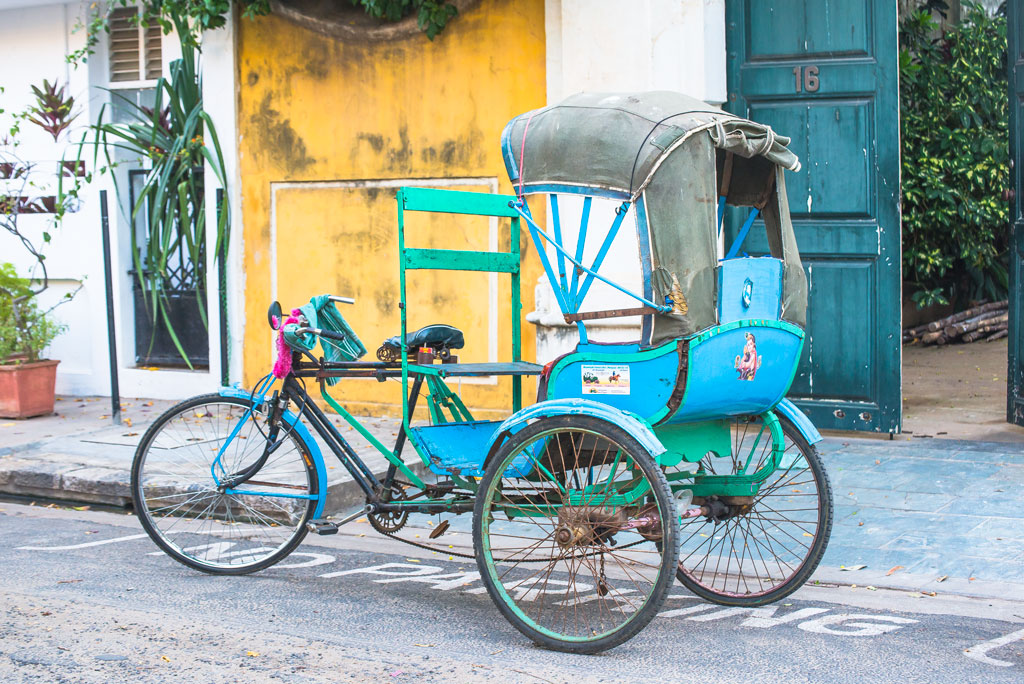
A ceiling fan sounds like an alien object. A manually driven rickshaw is looked The horse carriages I saw in the museum were larger, grander version of this cycle rickshaw.at with unmasked curiosity. An auto rickshaw evokes a sense of novelty. A horse-driven Tonga comes in for ardent admiration. A bullock-cart gets viewed with wide-eyed wonder.

Insects and reptiles like cockroaches, lizards, ants, spiders, snails and worms of all sizes and shapes come in for close scrutiny. So do creatures of all kinds, whether bovine or porcine, especially when found exercising their democratic rights on Indian roads. Flying objects – whether unidentifiable or otherwise – get looked up to with a sense of awe and respect. Squirrels and chameleons generate much merriment.

A splash in the tropical rains uplifts the tender souls. Jumps into puddles on

Lakshmi

Lakshmi

the streets generate much excitement. The seagulls flapping about their sonorous wings leave them mesmerized. The wavering reflection of a pale yellow uprising moon on the pristine waters of the Bay of Bengal makes them attain a heavenly bliss.

Kolams outside homes arouse their curiosity. A classical dance performance leaves them spell-bound. Depending upon their own areas of interest, a keen desire to learn some form of fine art or a cultural activity gets enshrined.

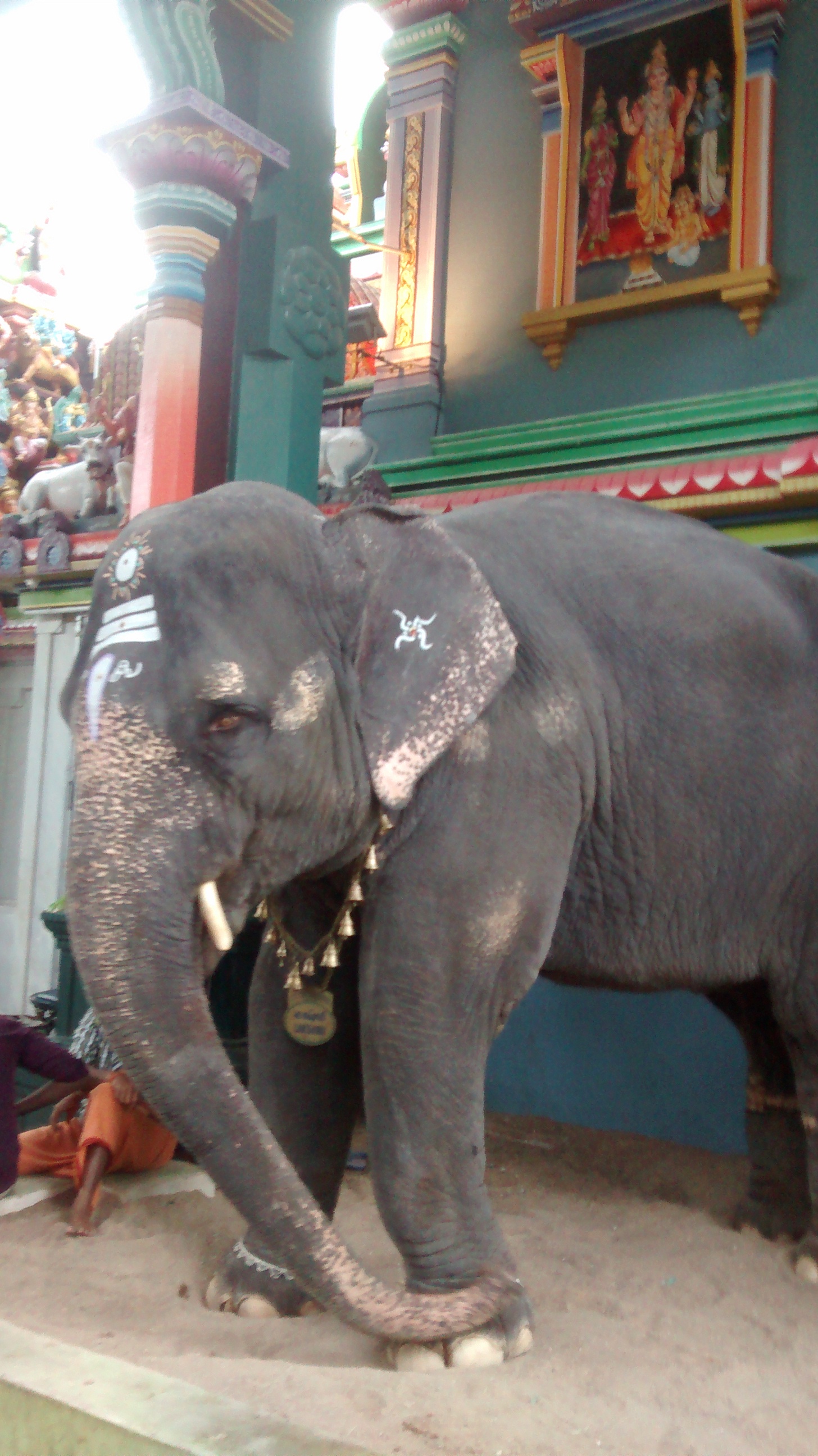
An encounter with Lakshmi, the famous temple elephant of Pondicherry, invigorates them no end. A dip in the sea comes about as a blissful experience. A visit to the Planetarium and the Science Centre proves to be highly instructive.

The Incredible India

Then there are things which invoke ridicule and pity.

A power cut which disrupts a Tom and Jerry show on TV invites a stridentPGW Tom and Jerry protest and needs to be explained. When a beggar gets sighted, or when the vehicle passes a hut by the road side, the parents get called upon to explain the rationale of peaceful co-existence of the ‘haves’ and the ‘have-nots’ of Indian society.

The absence of dustbins ready to receive the wrapper of a chocolate arouses curiosity. The garbage, as well as the generally poor civic sense, invites an adverse comment. Smelly trains and railway stations get negative rankings.

The absence of courtesy and discipline on the roads and the density of vehiclesKrishna_Arjuna_Gita on our roads, all come in for sharp criticism. To ensure parking space near a favourite ice cream joint, divine intervention is prayed for.

Crossing a road is a trying experience. Use of public toilets, if any are available, leaves their souls in torment. A rat feasting on a dead bird lying on the road side comes across as a traumatic sight, explained with great difficulty by an accompanying adult by invoking the teachings of Lord Krishna in the Bhagavad Gita.

Within the confines of a home, unquestioned obedience on part of the juniors in the family causes some surprise and amusement. The rights of the younger ones – to decide which flavour of ice cream to have for dinner – can simply not get curtailed. This is an experience which is quite alien to their value system.

Expansion of the family nucleus

Other than feasting on Indian delicacies, the pampering by all seniors theyRamayana 1 come in contact with leaves them assured and self-confident. A sense of belongingness comes about. Stories from scriptures fascinate them. Narrations of the lives of great men and women of the country leave them awestruck.

They also end up imbibing some values of a joint family system. Sharing, caring, a sense of responsibility towards juniors and a healthy regard for the elderly gets implanted in their thought processes.

The twin advantage

This generation has a unique twin advantage – that of having a Western mind and an Eastern heart. Their analytical abilities are getting nurtured in a more scientific environment, while their hearts carry the seeds of compassion, empathy and love. From their working parent, they imbibe a sense of professionalism in whatever they do. Through their folks back home, they understand the importance of togetherness and team work.

A truly balanced human being they are apt to make. Unknown to them, they take humanity further on its path of evolution.

(Photograph of cycle rickshaw courtesy http://www.shabnamphoto.wordpress.com; link: http://shabnamphoto.com/2014/10/28/pondicherry-a-certain-sense-of-gallic-glory-gone-by)

Read Full Post »

Oh, to be in the land of cheese and chocolates!

Ronco sopra Ascona

Ronco sopra Ascona

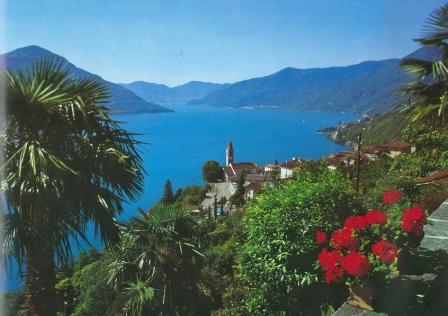
Here is the Quay of Locarno at the Lago Maggiore. Located at its upper end is Locarno, which bustles with life all through the year. Those in search of enchanting botany are sure to find solace here.

Lake of Lucerne and Bristenstock

Lake of Lucerne and Bristenstock

Centrally located, Lucerne is a great place to spend some time in. Enjoy a stroll on the Kappell Bridge with its octagonal water tower. A visit to the Transport Museum is highly enlightening. A cruise in the lake is invigorating, to say the least. A visit to the Pilatus using the funicular, the world’s steepest at an incline of 48%, is exhilarating.

Brunnen and Lake of Uri

Brunnen and Lake of Uri

From the Lake of Lucerne, take the winding road towards enchanting Fluelen and to Brunnen, a renowned resort and spa.

Monsatery church and Sihi Lake

Monastery church and Sihi Lake

The village of Einsiedeln with its Benedictine abbey and the monumental monastery would make you marvel at the architectural splendour on offer.

Matterhorn

Matterhorn

Think of Swiss mountains and the name of Matterhorn is bound to come up on the very top. If you decide to go on an adventurous trek, ensure that a woolly creature known as the St. Bernard dog is close at hand.

Lausanne

Lausanne

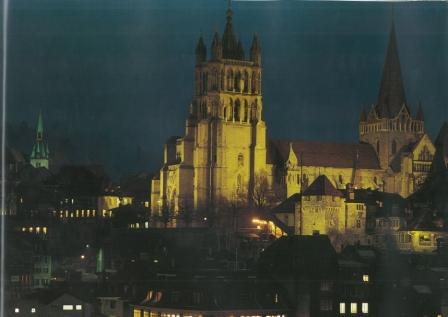
Lausanne is a metropolis dedicated to science and art as well as to commerce and industry. The Federal Supreme Court is stationed here.

Geneva

Geneva

An internationally renowned city with a distinctive French touch. The UN is here. The Red Cross is here. CERN is here. Above all, the warm hospitality of the residents could leave you wonder-struck.

Of course, there is much more to this land of precision engineering and watches. A single visit is sure to whet your appetite, and make you want to come back for more sight-seeing!

(Photographs used here are from a book gifted to me by a close friend)

(Related Posts:
https://ashokbhatia.wordpress.com/2015/09/25/flying-over-the-swiss-alps-part-2

https://ashokbhatia.wordpress.com/2013/10/25/a-brand-called-switzerland)

Read Full Post »

We came and courted you for a brief time,

Keen to explore your many charms we were told you possess;

Your physical assets we could see we found irresistible,

Qualities of your kindly soul your helpful denizens made us assess.IMG_1194

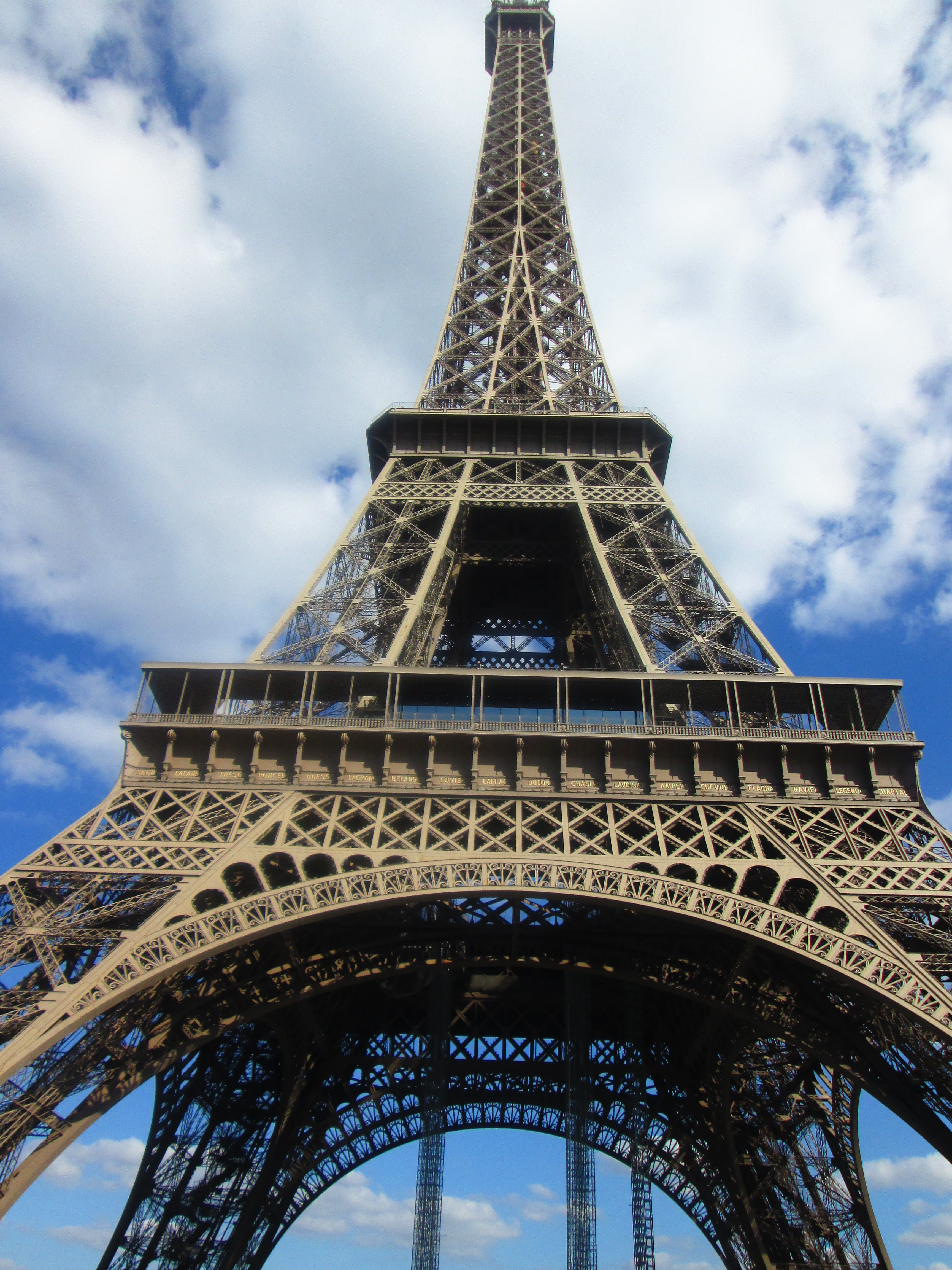
The Eiffel Tower proved to be as magnificent as its pictures had made us believe,

We learned of its role in advancement of science and visited the underground bunkers vast;

We marvelled at its elaborate elevator mechanisms and the general attention to detail,

Enjoyed the view from the top, shivering in the strong chilled breeze blowing past. Paris Obélisque_de_la_Concorde

The hunchback at the Notre Dame de Paris we could not locate,

The inner precincts were sombre, the performers outside nimble and smart;

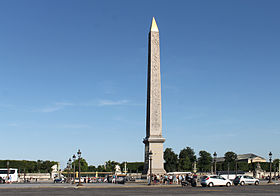
The Luxor Obelisk took us back in time by a couple of millennia,

La Madeline and other structures held us spellbound, their architectural grandeur playing an important part.

IMG_1243

The Louvre had us in enthrall as we waltzed through its corridors rich in cultural heritage,

Mona Lisa, Venus and a multitude of others conspired to keep us riveted, not to part;

The Egyptian Gallery left us simply awe-struck, the beauty of sculptures cast a spell,

Grateful to those who have had the vision to preserve such magnificent works of art.

 IMG_1190

The Arc de Triomphe reminded us of your brush with history,

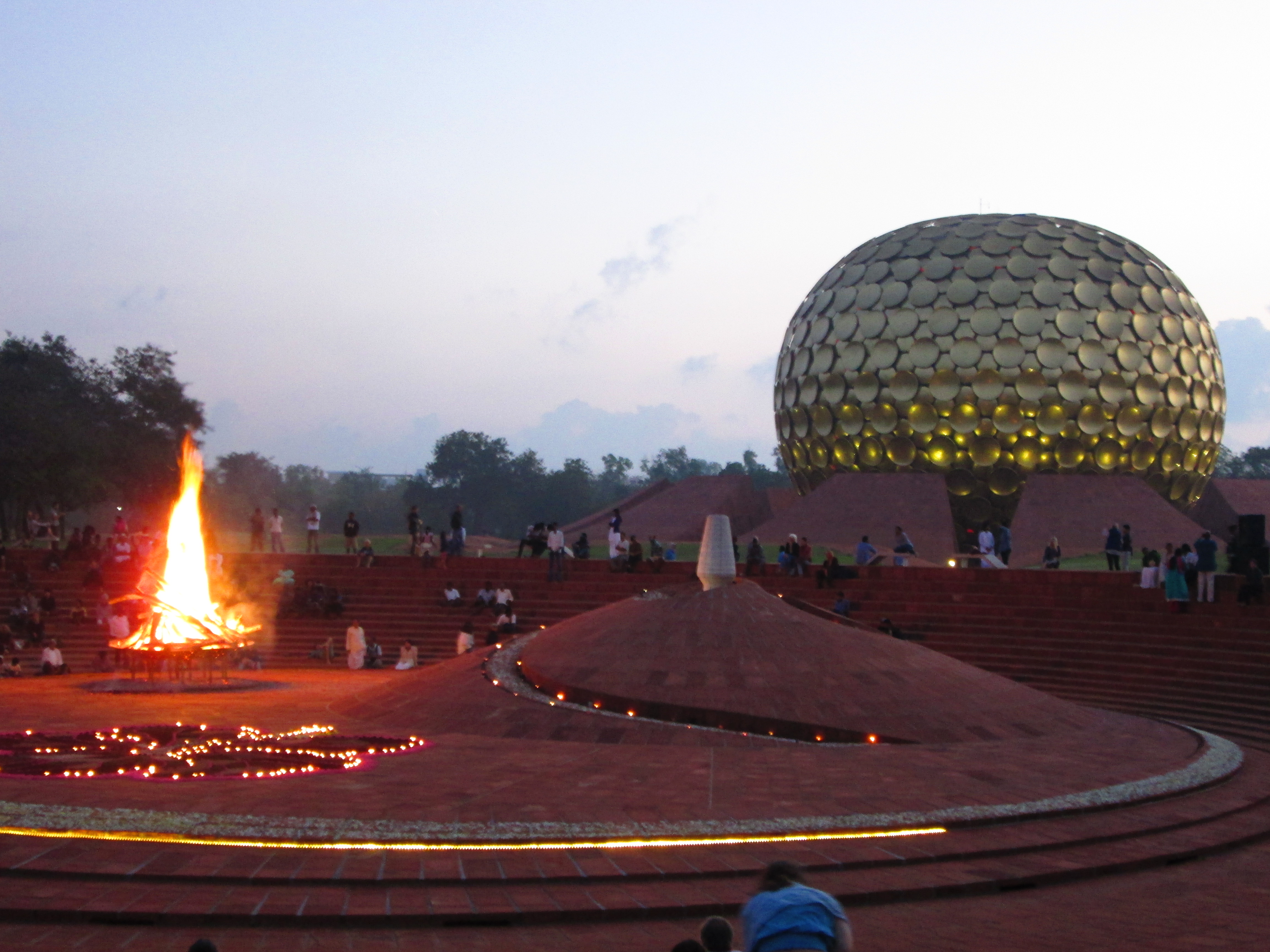
Reminding us of India Gate in New Delhi and the modest Aayi Mandapam at Pondicherry;

The Champs-Elysees showcased the best that you have on offer,

International brands, famous buildings, wide-eyed tourists not in a hurry.

 IMG_1142

The tree-lined avenues were charming, so was a cruise down the Seine,

Public conveniences we found in good shape, the multi-modal transport system we enjoyed too;

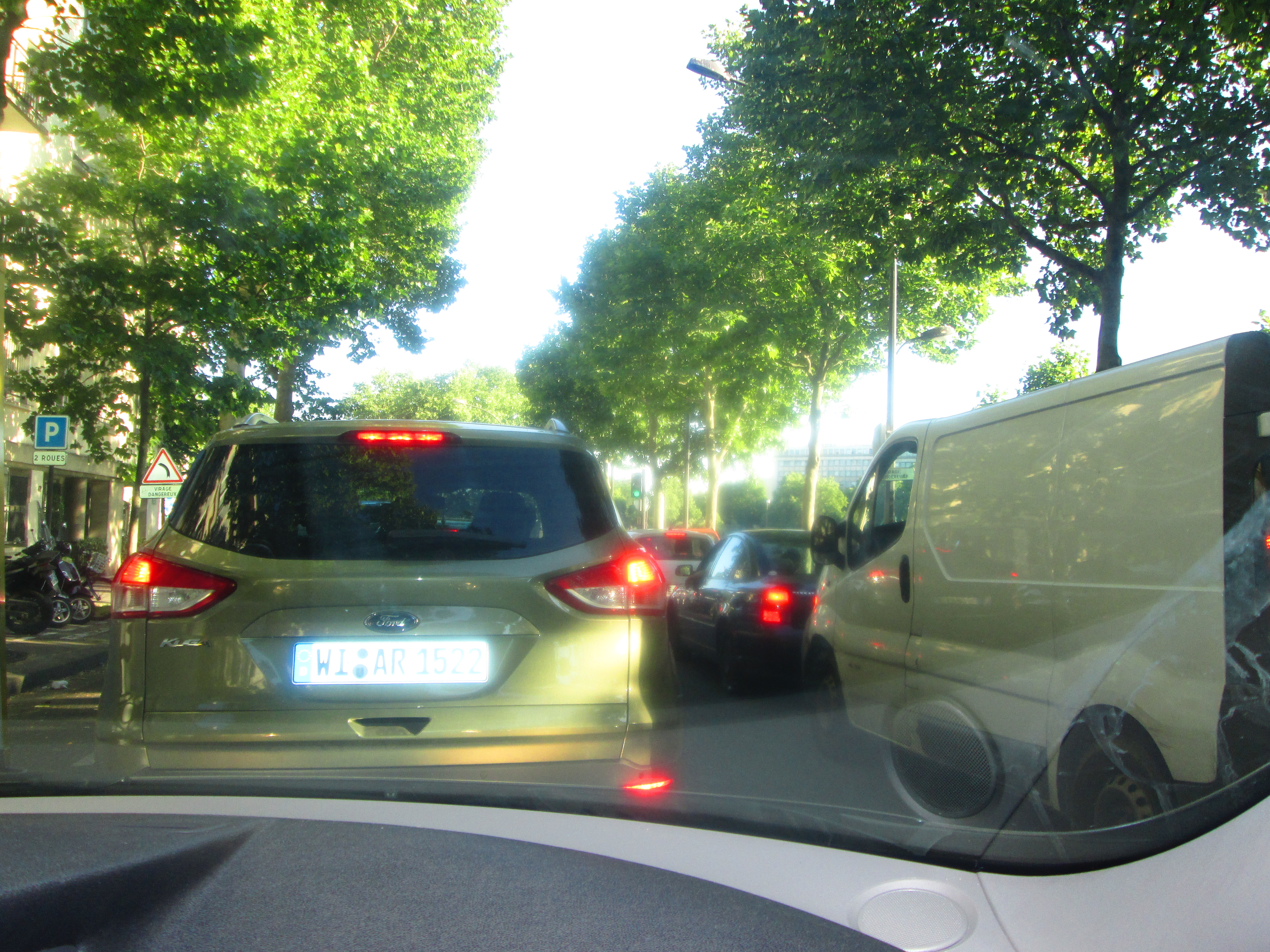
Our hearts went out to the much hassled drivers crawling through your congested roads,

Those in Pondicherry who practice the art of aggressive driving could perhaps teach them a trick or two.

IMG_0446

Visiting you only whetted our appetite to explore so many of your other attractions,

We wish you and your denizens a balanced and peaceful life, we do not grudge your modernity;

Even though you continue to revel in a materialistic life full of chutzpah and glamour,

You gifted Mother to us, spreading the message of universal brotherhood and spirituality.

Read Full Post »

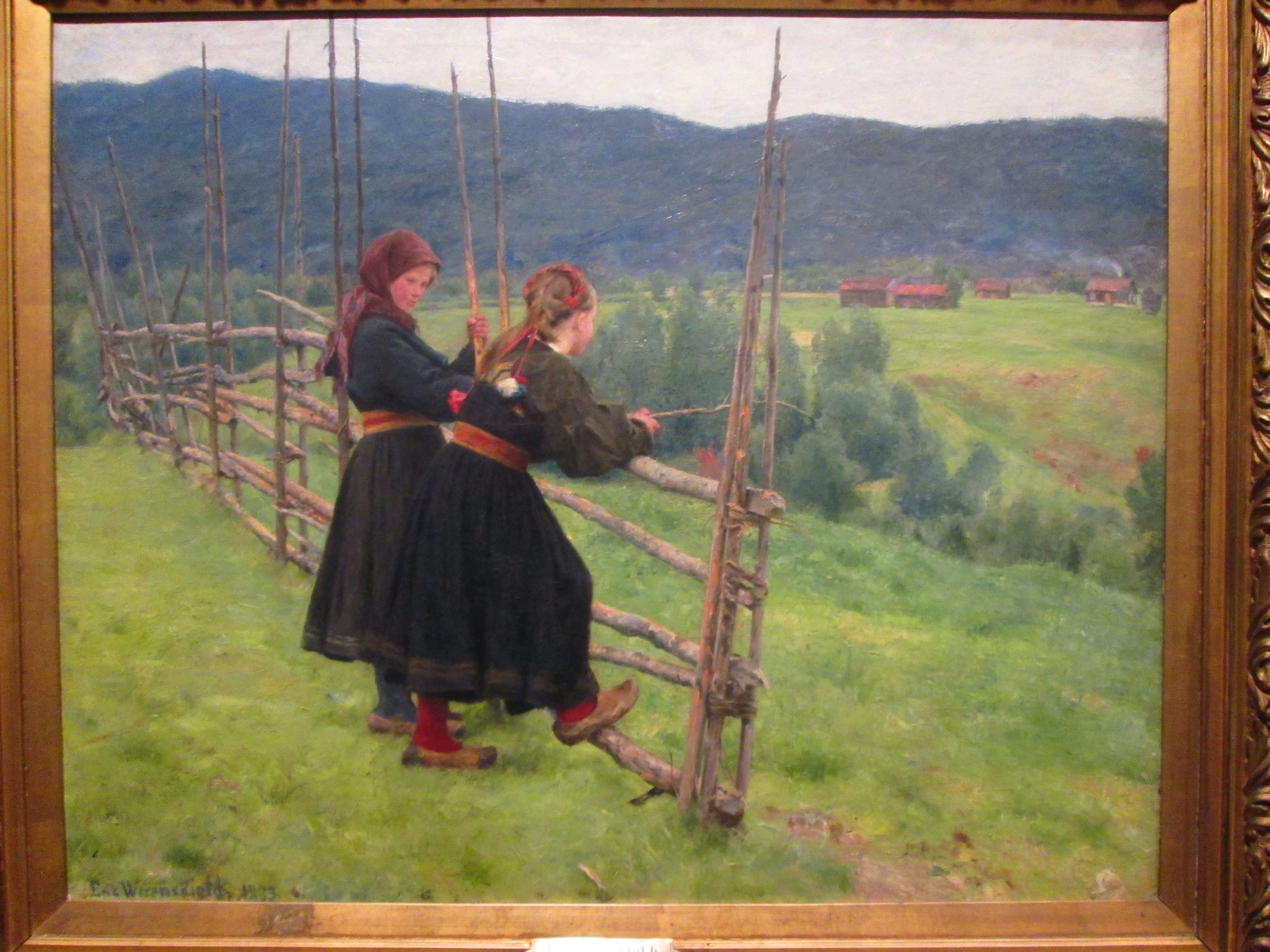
A friend suggested visiting the National Gallery in Oslo. Having had the opportunity of admiring the works of Leonardo da Vinci, Michelangelo, Pablo Picasso and others in the last few years, I was naturally curious as to what Norwegian artists had come up with in the past. The visit turned out to be a truly instructive one. I realized the depth and range of work done by painters as well as sculptors and marvelled at the passion and artistic fervour of the artists concerned.IMG_1716

Founded in 1837, the National Gallery houses Norway’s largest public collection of paintings, drawings and sculptures. In its permanent and temporary exhibitions, the museum presents older art, with principal emphasis on art from Norway.IMG_1652

Highlights from the collection are shown in the permanent exhibition “The Dance of Life – The Collection from Antiquity to 1945”.IMG_1664

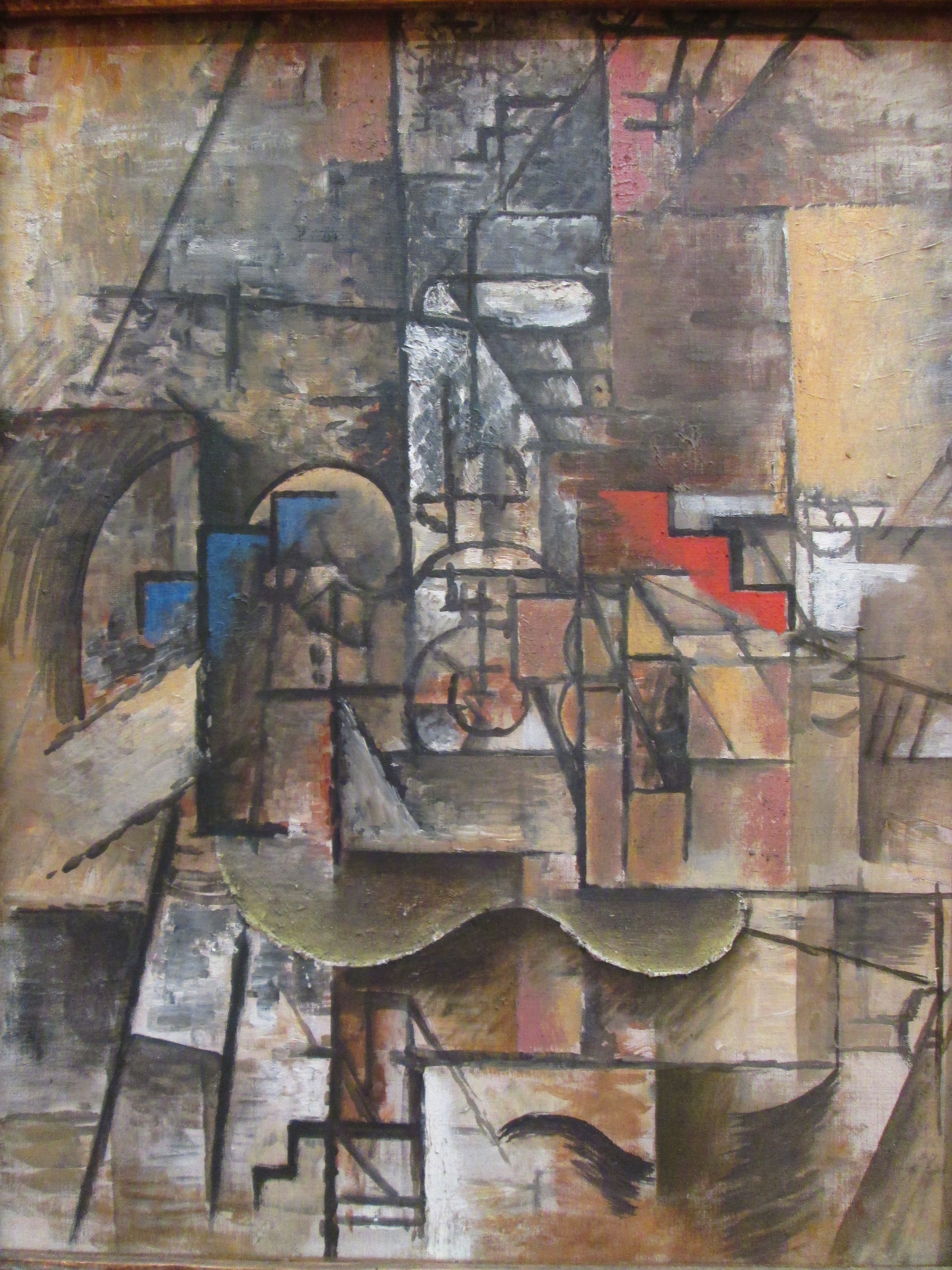
The exhibition presents a chronological overview of more than 300 Norwegian and international masterpieces from the Renaissance, the Baroque period, Romanticism, Realism, Impressionism, Symbolism, Cubism and modern abstract art. IMG_1658

Special attention is devoted to paintings by J.C. Dahl and Romanticism, Christian Krohg and Realism, Edvard Munch’s renowned works, as well as Norwegian evocative painting from the turn of the last century.The_Scream

Central attractions include Edvard Munch’s The Scream and Madonna and paintings by Cézanne and Monet.IMG_1672

Paintings by Picasso and several other artists are also on display.IMG_1683

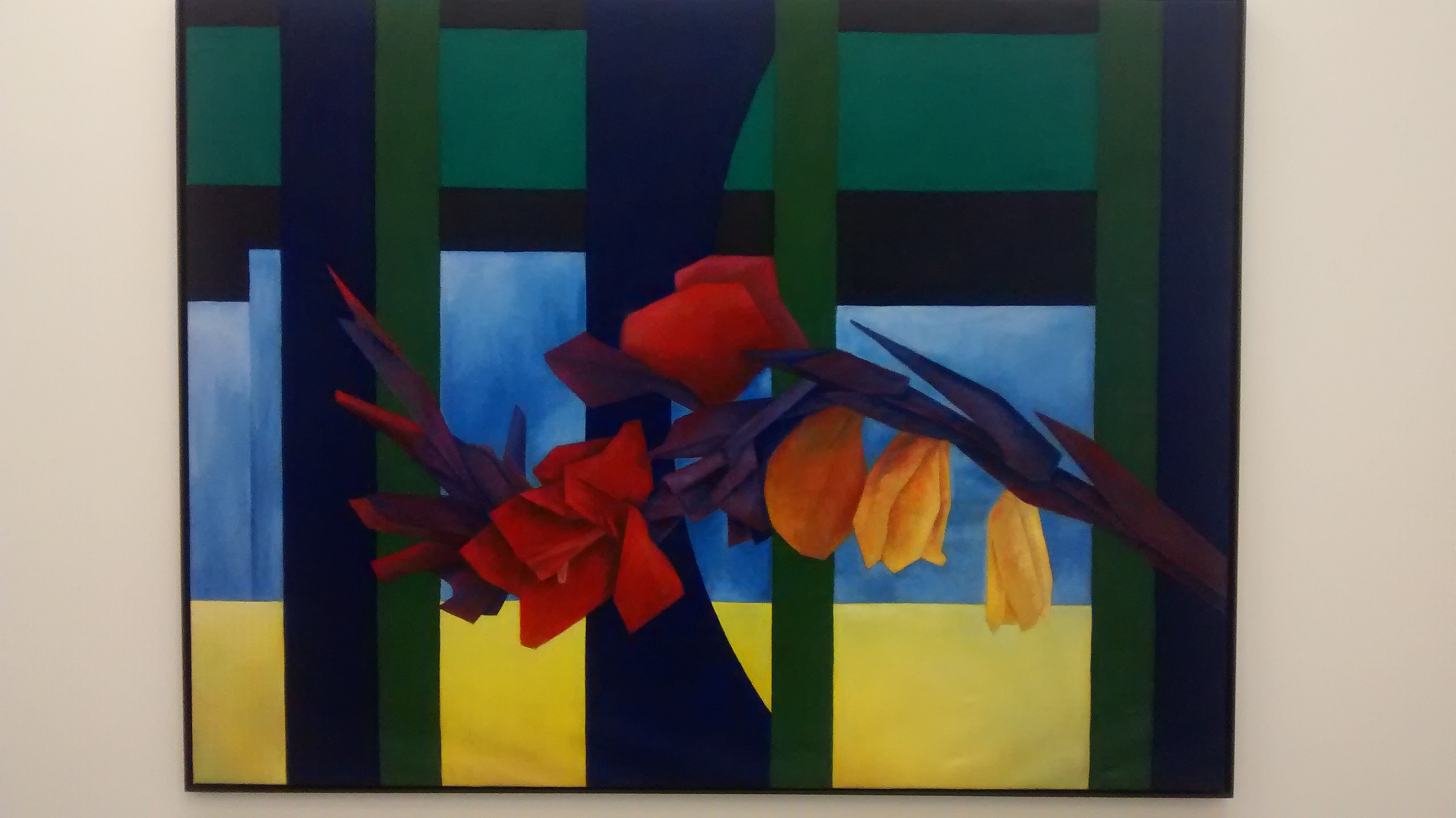
In the exhibition on abstract art, one could see some striking works. A particular one I found of great interest was entitled ‘The Universal Flag.’IMG_1638

With more than 4,000 paintings, 1,000 sculptures and nearly 50,000 works on paper, the National Gallery’s art collection is the most comprehensive and wide ranging in Norway, and one of the largest of its kind in Northern Europe.IMG_1692

Michelangelo is said to have taken four years to adorn the ceiling of the Sistine Chapel. Leonardo da Vinci is said to have taken three years to finish ‘The Last Supper.’ Dahl is said to have taken six years to paint ‘Stalheim’; remarkably, he did it while he was nowhere near a fjord in Norway!Dahl-Stalheim

All these eminent artists worked in an age devoid of photography, computers, internet, trains, aeroplanes and mobile phones. They suffered innumerable hardships while creating their works. Since they simply loved what they were doing at the time, they would have surely derived immense joy and satisfaction while pursuing their creative goals.IMG_1678

Leads one to wonder how creativity originates. We may know the external circumstances and the trials and tribulations they faced. We may marvel at the outstanding works of art they have produced. We may surmise as to the motivation and the feeling behind each work. But would we ever know the precise moment when the germ of an idea really hit them? How long did it simmer within them before taking a tangible shape? Unless they have left behind an autobiographical account, or someone else has covered their life and times in some detail, we might never be able to identify the real point of origin of their creative outburst.IMG_1689

Surely, all great artists have a streak of divinity in them. Besides, they have passion for their form of art. Patience and perseverance would be only two of their several sterling qualities. They would also have been lucky to get mentors who spotted and nurtured their talents. Some blossomed in adversity, enabled perhaps only by their innermost conviction.IMG_1702

We may not know the exact point of conception. We may be unaware of the technical details or the process of eventual delivery. But we shall be forever grateful that they have left behind a rich tapestry of the dance of life, capturing its precious moments for posterity. It is a legacy which continues to attract, entice and inspire artists and laymen alike all over the world.

Note: ‘Scream’ and ‘Stalheim’ reproductions are courtesy Wikipedia. Others are a result of my photographic skills, which are severely limited. Please bear with me for deficiencies – if you notice any – in these.  

Read Full Post »

Having settled back in the shadow of the Alps yet again, I am filled with a sense of exhilaration and awe. The heat of India has got replaced by the chill of melting snow. TheSwiss Zermatt dust has given way to fresh air which is invigorating. In the cobbled streets, litter is missing. The greenery and the snow-capped mountains are a relief for the eyes. The ears are just about getting used to the soothing silence which has replaced the relentless honking on Indian roads. Courtesy in public spaces is once again leaving me dumbstruck.

But the stark contrasts do not end at the physical level. There are differences in the mental make up. The value systems which govern our behavior appear to be differently configured. The forces of nature and nurture which have shaped our personalities are quite different.

East and West can both learn quite a few things from each other.

What Indians can learn from the West

  • Respecting the Public Good

In the West, we find better respect for the public good. For instance, public spaces are cleaner and drivers on roads are courteous. On the contrary, in India, we keep our houses values cartoon corruptionclean and water our gardens everyday – but, when we go to the beach front, we litter the place with gay abandon.

In an office setting, a friendly colleague could get chastised for being careless on a project. In India, a criticism would either not be made – so it may not hurt the feelings of a friend – or taken personally by the recipient.

Corruption is another manifestation of the same lack of concern for the common good. Society is relatively corruption free in the West. In India, corruption, tax evasion, cheating and bribery have become a part of daily routine.

Apathy towards solving problems which affect the ordinary citizen is another dimension. In the West, people form groups to solve common problems in a proactive manner. In India, we see serious problems around us but do not try to solve them. We either believe that the problems do not impact us directly, or it is for someone else to resolve the issues.

  • Openness to Learning

If we have to progress, we have to change this attitude, listen to people who have performed better than us, learn from them and perform better than them. In India, we appear to have perfected the art of rationalizing our failures and explaining them off by misquoting our scriptures. We are good at finding excuses to justify our incompetence, corruption, and apathy. This attitude will not do.

  • Accountability based on the RoleAccessibility

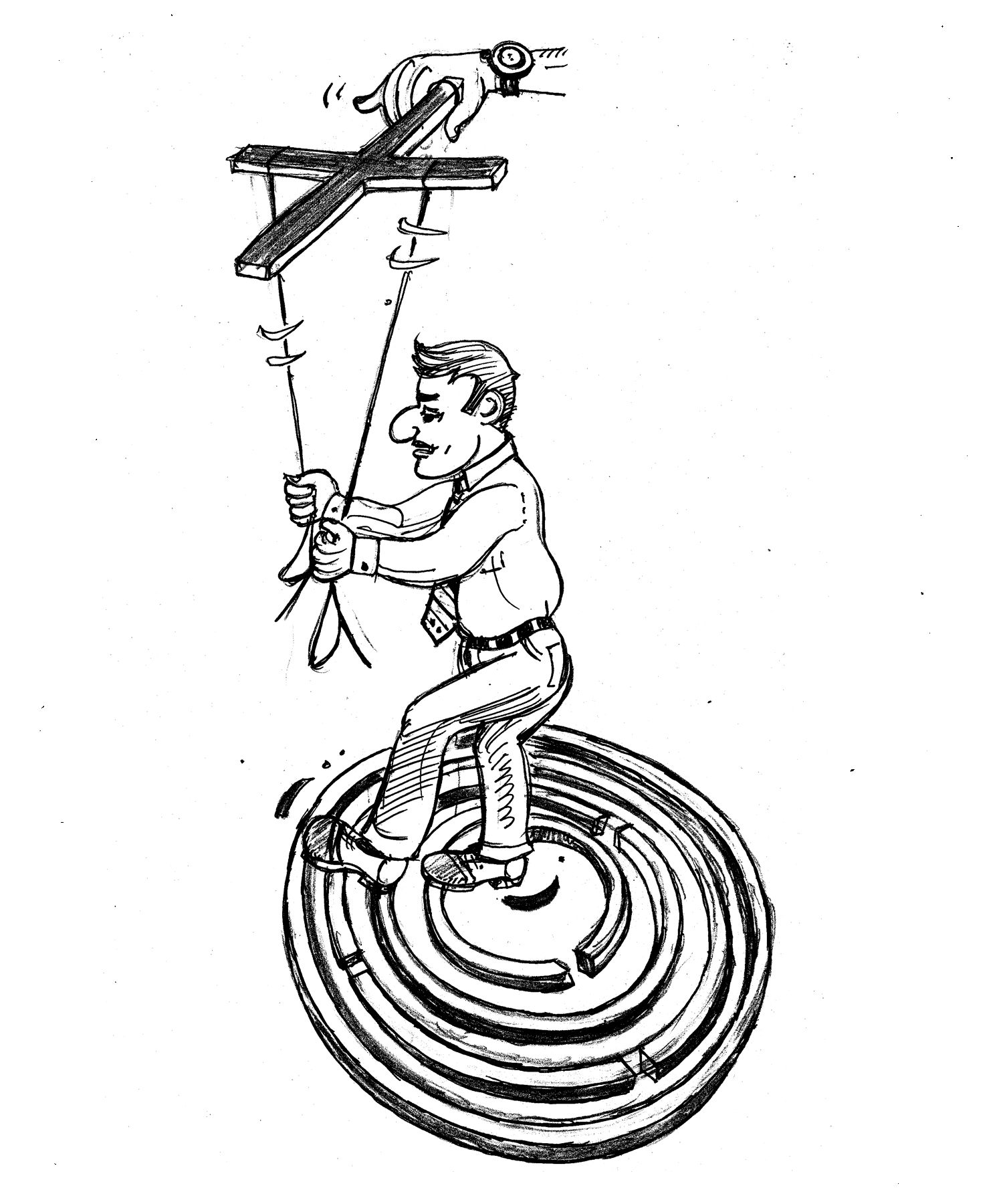
Another interesting attribute that we Indians need to learn from the West is that of accountability. Irrespective of your position, in the West, you are held accountable for what you do. However, in India, the more ‘important’ you are, the less answerable you are.

Organizations whose top honchos indulge in illicit relations with their team members need to be pulled up and acted against as firmly as a junior cashier who siphons off money from the till.

  • Dignity of Labor

Dignity of labor is an integral part of the Western value system. In the West, each person is proud about his or her labor that raises honest sweat. On the other hand, in India, we have a mindset that respects only supposedly intellectual work.

A peon deserves as much respect as a Head of the Department. CEOs whose fragile egos are shaken by someone else parking his/her car in the normal slot needs to do some introspection.

  • Discriminating between Intimacy and Friendliness

Indians tend to become intimate even without being friendly. They ask favors of strangers without any hesitation. Rudyard Kipling once said: A westerner can be friendly without being intimate while an easterner tends to be intimate without being friendly.

Those who have worked as expatriates in another cultural setting would readily attest to this.

  • A Professional ApproachWORK-LIFE BALANCE

In India, more than 70% of the time of senior managers is spent on follow-ups; just ensuring that what is committed is indeed delivered. Delays are easily explained, and so are cost over-runs. Keeping a person unduly waiting is a sure sign of seniority in an Indian organization.

Here is yet another lesson to be learnt from the West – that of professionalism in dealings. Managements in the West ensure better work-life balance for their employees.

What the West can learn from India

  • Loyalty towards FamilyZOMBIES

Indians are part of a culture which has deep-rooted family values. We have tremendous loyalty to the family. For instance, parents make enormous sacrifices for their children. They support them until they can stand on their own feet. On the other side, children consider it their duty to take care of aged parents.

In organizations, we often find executives who are competent as well as extremely loyal. Also, respect for seniors is deeply ingrained in the system. There are times when juniors find it tough to take independent decisions. Very few are adept at registering a dissent with their seniors. Successful organizations have a culture which is designed to overcome such handicaps.

  • Family: A Critical Support Mechanism

One of the key strengths of Indian values is the presence of so much love and affection in the family life. In India, families act as a critical support mechanism for employees. Thus, resilience is better.

In the West, it is common to have break-ups when the career prospects of a manager nosedive. This adds to the stress experienced by a manager. Mental disorders present a much greater challenge. Predominantly, life has a materialistic approach, leading to a vacuum within.

  • Managing Chaos

Indians have improved upon the art of managing chaos and disorder. Even in high entropy situations, Indians tend to keep their nerve. Perhaps, this leads to better levels of perseverance as well.

Successful management of a human congregation like the Kumbh Mela is but one example of this trait.

  • Facing Adversity with EquanimityFeatured Image -- 1211

Upbringing steeped in religion and spirituality enables an average Indian to face adversity and failures with equanimity.

Learning from Different Value Systems

Values are like mountains. They have survived for centuries and shall continue to do so much after we have kicked the bucket. Universal common denominator is that of, say, love and affection. Over and above that, value systems differ across continents and cultures. When it comes to values, every culture has its own Unique Selling Proposition.

In this age of globalization and connectivity, mingling of diverse cultures is bound to happen. Learning from other value systems and adapting their good features is the only way to enable humanity to realize its full potential faster and better.

Read Full Post »