Posts Tagged ‘Hindi’
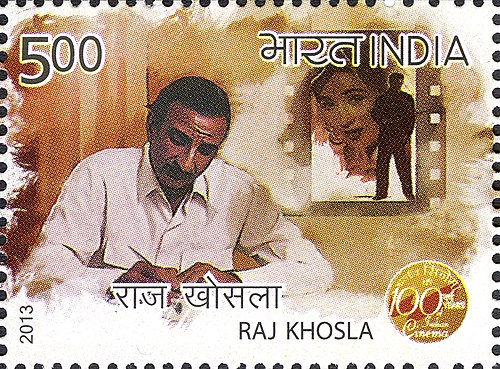
A Tribute to Raj Khosla by Dustedoff
Posted in The Magic of Movies!, tagged Bollywood, Hindi, Kaala Paani, Movies, Raj Khosla, Suspense on June 9, 2025| Leave a Comment »
Remembering The Timeless Voice of Ameen Sayani: Guest Post by Anupam Ganguli
Posted in The Magic of Movies!, tagged Ameen Sayani, Binaca Geet Mala, Bollywood, Cibaca Geet Mala, Entertainment, Hindi, Movies, Radio Ceylon, Songs on December 23, 2024| Leave a Comment »

A voice that once resonated in the hearts of millions, Ameen Sayani’s journey through the golden age of radio is quite like a poetic legacy.
RJ-ing may be deemed modern and cool, but decades ago, Sayani redefined the art of storytelling, transforming radio waves into a mesmerising canvas of music, humour and heartfelt connection.
Through Binaca Geet Mala, later Cibaca Geet Mala, he brought alive songs in the minds of his listeners, making every home a stage and every heart a participant.
Sayani’s style was a symphony of modesty and charm.
Unlike the exuberant style of today’s RJs, he spoke softly, weaving nuggets of trivia, artiste anecdotes and public sentiments into a magical fabric.
His humour was gentle yet infectious, his knowledge vast yet accessible.
Listeners adored him for this balance, often valuing his voice over the songs he introduced.
The anticipation surrounding Binaca Geet Mala was unequalled.
Each week, families would assemble around the radio, waiting with bated breath to hear which song had claimed the coveted number one spot.
Behind the scenes, Sayani and his team meticulously curated rankings, with decisions accepted unquestioningly, a nod to his credibility.
Songs retired after 25 runs were saluted with dignity and a bugle, a ritual that amplified the programme’s charm.
In an era when radios were scarce, Sayani’s voice unified neighbourhoods, families, and even nations.
Broadcasting via Radio Ceylon, Binaca Geet Mala held sway for an extraordinary 42 years, a record that remains unbeaten.
His catchphrase greeting Bhaiyon aur behnon became a cultural phenomenon, as did the thousands of letters he received monthly from devoted fans.
Artistes revered him.
For musicians, singers, and composers, landing on Sayani’s charts was akin to earning a badge of honour.
The industry hung on his words, their hearts racing at his every announcement.
Such was his influence that Binaca Geet Mala turned chart-topping songs into timeless classics.
Beyond his flagship show, Sayani helmed iconic programmes like S. Kumar’s Filmi Mukadma and the Bournvita Quiz Contest.
His staggering repertoire, over 54,000 radio programmes and 19,000 jingles, stands as a monumental feat in broadcasting history.
Fluent in multiple languages, he reached a diverse audience, his voice bridging cultural and linguistic divides with ease.
Born in Bombay on 21st December, 1931, Sayani’s journey began at Scindia School and St. Xavier’s College, but it was his golden voice that would etch his name into history.
Honoured with the Padma Shri in 2009, he also made cameo appearances in a few films like Bhoot Bangla and Teen Deviyaan.
On 21st February, 2024, at the age of 91, Ameen Sayani’s voice fell silent.
Yet, his echo lingers, a melodic reminder of an era when radio was king, and one man’s voice united a nation.
Note
- Collage visual courtesy the world wide web.
- This article had first appeared in The Reviewer Collective group on Facebook.
Related Posts
अभी तुमने क्या देखा है? (हर्षिता वाजपेयी द्वारा रचित एक कविता)
Posted in A Vibrant Life!, tagged Hindi, Poetry on December 17, 2024| Leave a Comment »
BOLLY TEA – The Chai Culture in Bollywood Films: Guest Post by Anupam Ganguli
Posted in The Magic of Movies!, tagged Bollywood, Chai, Hindi, Indian, Movies, Tea on November 1, 2024| 2 Comments »

Ah, chai! That comforting, fragrant, and beloved Indian beverage that transcends being just a drink. In Indian cinema, chai holds a special place, often serving as a backdrop for pivotal moments, whether it is humour, romance, or heartfelt connections. Let us take a fun look at how tea has made its way into some of Bollywood’s most iconic moments and why it remains a cultural symbol in films.
The Chaiwala: More than just a vendor
The chaiwala is a character almost as quintessential to Bollywood as the heroes and heroines. Often found on the streets, busy markets, and humble villages, the chaiwalas offer more than just a cup of tea; they provide a setting for conversations, friendships, and life-changing decisions.
Remember the iconic song Pyar Hua Iqrar Hua from Shri 420 (1955)? As Raj Kapoor and Nargis share an umbrella in the rain, they exchange tender glances, unaware of the chaiwala nearby, savouring his own cup of tea and watching the romance unfold.
In Raanjhanaa (2013), for example, Kundan (Dhanush) spends countless hours at the tea stall, not just drinking chai but plotting his next steps. The tea stall is where friendships blossom, secrets are spilled, and life, quite simply, unfolds.
Tea moments that make a mark
An unforgettable scene that brings tea into the spotlight is from the vintage film Kundan (1955). As the characters gather at a lively roadside hotel, a friendly server chimes in with unmatched enthusiasm, Aao hamare hotel mein chai piyo jee garam. Biscuit kha lo naram naram! The scene unfolds playfully as his cheerful call sets the backdrop, making tea and comfort food the quiet heroes of this charming moment that invites everyone to relax and feel at home.
Likewise, in Chennai Express (2013), Rahul (Shah Rukh Khan) stepping off a train for a quick chai leads to an entire adventure. What starts as a simple cup of tea triggers a series of hilarious and chaotic events, reminding us that in Bollywood, even a cup of chai can change everything.
Tea: A symbol of comfort and connection
Tea in Bollywood is not just a prop; it is a symbol of connection and comfort.
In Kabhi Khushi Kabhi Gham (2001), a simple scene where Amitabh Bachchan’s character Yash shares a quiet moment with Nandini (Jaya Bhaduri) over tea exemplifies how chai fosters a warm connection between family members.
Another such instance is from English Vinglish (2012), where Shashi (Sridevi) finds solace in brewing and serving tea. Her love for tea helps her bond with those around her, becoming a tool for her to regain confidence and independence.
Iconic movie scenes featuring chai
Bollywood has immortalised chai in numerous scenes, reflecting its role in everyday life. Here are ten standout moments where chai took centre stage:
Ram aur Shyam (1967): A nervous Ram (Dilip Kumar) fumbles with trembling hands as he serves tea to Anjana (Waheeda Rehman), the moment filled with unspoken emotions and anticipation.
Bawarchi (1972): Rajesh Khanna’s character Raghu gathers a dysfunctional family around cups of chai, uniting them in a ritual that symbolises peace and harmony.
Gol Maal (1979): Bhavani Shankar (Utpal Dutt) unexpectedly visits Ram Prasad (Amol Palekar) to uncover the truth about Kamala Srivastav (Dina Pathak) as his mother. While enjoying a cup of tea, the deception of the twin brother, Lakshman Prasad (also Amol Palekar), continues under the guise of warmth.
Baazigar (1993): The character Babulal’s (Johny Lever) declaration, Khaas maukon par khaas chai (Special tea for special occasions), underscores how chai can make or break important moments, even a marriage proposal.
Andaz Apna Apna (1994): Amar’s (Aamir Khan) landmark line, Do dost ek pyale mein chai piyenge, isse dosti badti hai (Two friends sharing a cup of tea strengthens friendship), is the perfect example of how tea fosters relationships in Bollywood.
Parineeta (2005): Tea serves as a bridge for important conversations, as a simple chai scene between Shekhar (Saif Ali Khan) and his mother Rajeshwari Roy (Surinder Kaur) shows how chai facilitates pivotal discussions.
Sarkar (2005): Subhash Nagre (Amitabh Bachchan) sipping tea while holding a saucer, backed by the intense Govinda Govinda soundtrack, shows the power and confidence associated with something as simple as tea.
Wake Up Sid (2009): Ranbir Kapoor’s character Sid takes Konkona Sen Sharma’s character Aisha to Marine Drive, where they share chai by the sea, building an intimate bond over the beverage.
Barfi (2012): A reunion over chai between Murphy (Ranbir Kapoor) and Shruti (Ileana D’Cruz) beautifully highlights how even unresolved love can find rekindling over a cup of tea.
Khoobsurat (2014): The simplicity of chai in a roadside stall helps break down the royal façade of a prince, Yuvraj Vikram (Fawad Khan), allowing a deep connection with a commoner, Mili (Sonam Kapoor).
Chai, a symbol of everyday life in Indian cinema
From budding romances to familial reconciliations, tea has long played a role in some of Bollywood’s most cherished moments. Here, chai isn’t just a drink. It is a symbol of warmth, love, and bonding.
The next time you sip your cup of chai, remember, you are part of a cultural phenomenon that has graced the silver screen for decades, bringing characters together in ways only Bollywood can.
About the author
With decades in the mad, mad world of advertising, Anupam Ganguli is synonymous with creativity, strategy, and storytelling. A true adman, author, and design buff, he’s the wizard behind landmark campaigns and 360-degree solutions that have shaped and birthed countless Indian brands. His flair does not stop at ads, though. He has named iconic structures across Gurugram, Faridabad, Kaushambi, and Noida, leaving his mark on more than just billboards. When it comes to storytelling and design, Anupam brings brands to life, setting the benchmarks for advertising excellence, often with wit and style.
Notes
- The collage used here has only been made for representational purposes. All the images therein are owned by their respective copyright holders.
- A version of this article had first been posted by Anupam Ganguly in The Reviewer Collective group on Facebook. His permission to publish it here is gratefully acknowledged.
Mirza Ghalib, the Timeless Voice of Urdu Poetry, and The Moonlit Square!
Posted in A Vibrant Life!, tagged Ballimaran, Bollywood, British Rule, Chandni Chowk, Chitra Singh, Gulzar, Hindi, Jagjit Singh, Mahatma Gandhi, Mirza Ghalib, Mughal Dynasty, Naseeruddin Shah, Poetry, Shayari, Urdu on September 26, 2024| 9 Comments »
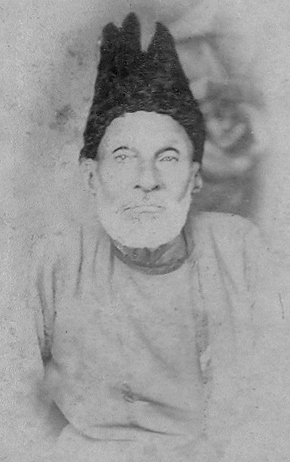
Mirza Asadullah Baig Khan, known popularly as Mirza Ghalib, was not just a poet but a literary phenomenon whose works have transcended time and space. He lived during the turbulent period from 1797 to 1869. He ended up being a chronicler of the chaotic times faced by the country during the 1857 revolt when many of the markets and localities in Delhi vanished. The mansions of his friends were razed to the ground. He wrote that Delhi had become a desert. Water was scarce. The city had turned into “a military camp”. It was the end of the feudal elite to which Ghalib had belonged. He wrote:
है मौजज़न इक क़ुल्ज़ुम-ए-ख़ूँ काश यही हो
आता है अभी देखिए क्या क्या मिरे आगे
An ocean of blood churns around me – Alas! Was this all?
The future will show what more remains for me to see.
Having settled down in the Chandni Chowk area of Delhi, he experienced first-hand the demise of the Mughal dynasty and the rise of the British Empire in India. Within a few months of his death in 1869, Mahatma Gandhi, who eventually led India to its independence in 1947, was born, though far away in Gujarat.
Why Chandni Chowk? I guess it would have been a posh area of the walled city known as Shahajahanabad then. Proximity to the Mughal court might have also weighed on his mind. The ease of shopping might have been another consideration.
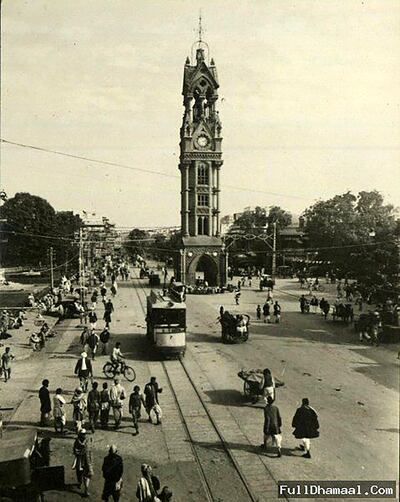
The Moonlit Square in Delhi
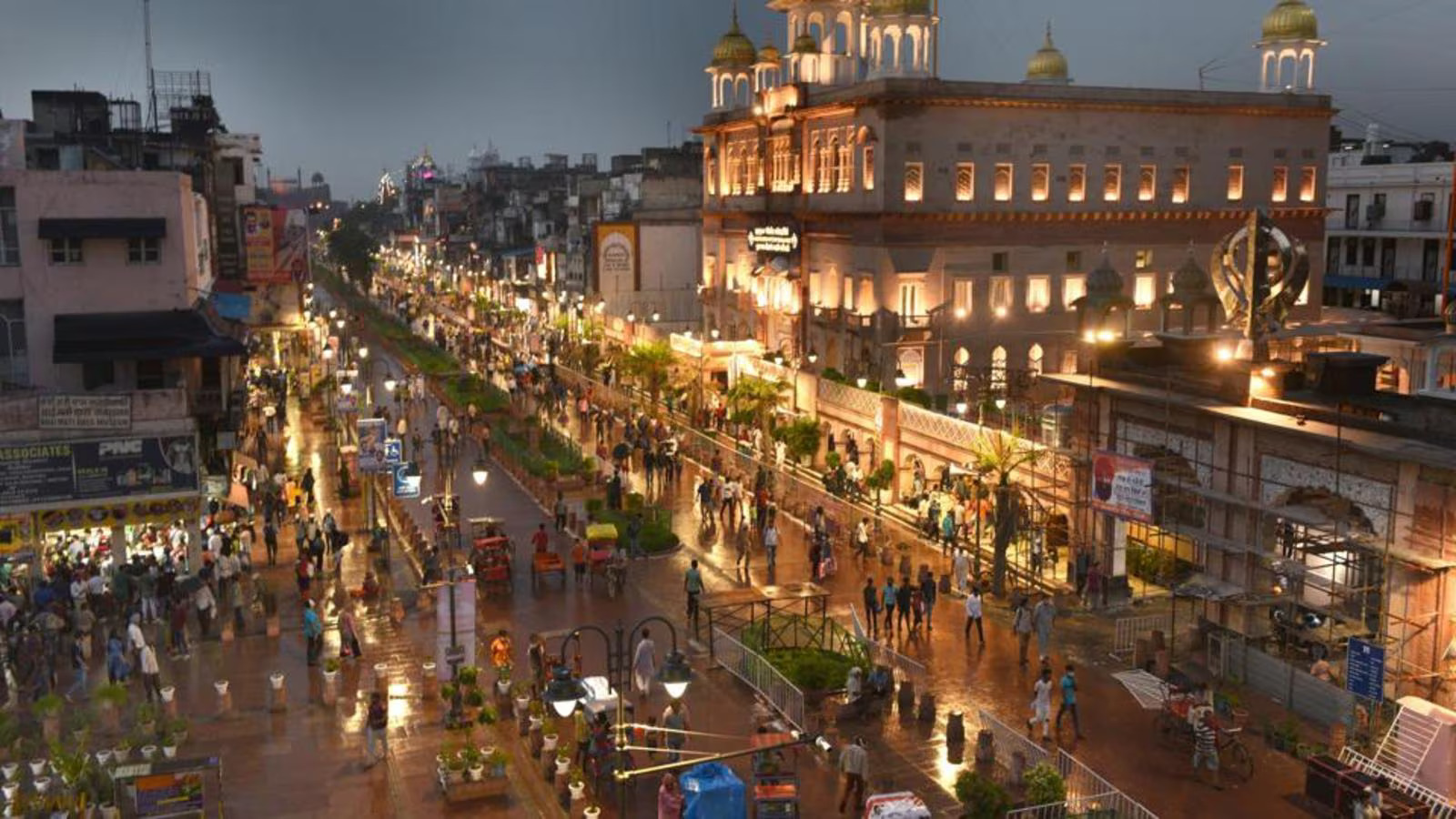
History buffs may recall that Chandni Chowk was built in 1650 by the Mughal Emperor Shah Jahan, and designed by his daughter, Jahanara. The market was once divided by a shallow water channel (now closed) fed by water from the river Yamuna. It would reflect moonlight. Hence its name.
There were roads and shops on either side of the channel. Ladies from the royal family are said to have ventured out of the Red Fort to shop for jewellery, clothes, and accessories. The place continues to be a shoppers’ paradise and has also become the biggest wholesale market in North India.
Shakeel Badayuni, the poet and lyricist, beautifully captures the image of this shoppers’ paradise thus in one of his nazms, ‘Tasaadum’:
वो बाज़ार की ख़ुशनुमा जगमगाहट
वो गोश–आश्ना चलने फिरने की आहट
वो हर तरफ़ बिजलियों की बहारें
दुकानात की थी दुरबिया कतारें
That blissful glow of the market
That hustle-bustle of wide-eyed shoppers
A veritable spring of well-lit places
The endless rows of jewellery shops.
The range of products available is truly mind-boggling. Electrical goods, lamps and light fixtures, medical essentials and related products, silver and gold jewellery, trophies, shields, mementoes, and related items, metallic and wooden statues, sculptures, bells, handicrafts, stationery, books, paper and decorative materials, greeting and wedding cards, plumbing and sanitary ware, hardware and hotel kitchen equipment, all kinds of spices, dried fruits, nuts, herbs, grains, lentils, pickles and preserves/murabbas, industrial chemicals, home furnishing fabrics, including ready-made items as well as design services.
As to the mouth-watering sweets, savouries, and street food available in Chandni Chowk, right from the crispy jalebies of Dariba Kalan to the spicy chhole-chawal of Gol Hatti at Fatehpuri, full-length books alone may suffice.
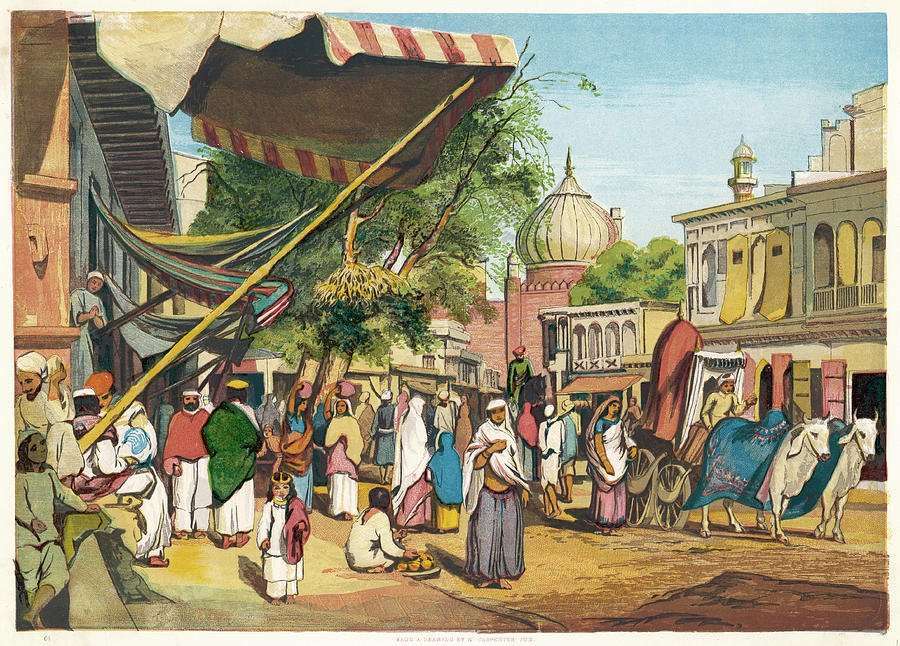
Kuchas, katras, and havelis
The road now called Chandni Chowk has several streets running off it which are called kuchas(streets/wings). Each kucha usually had several katras (cul de sac or guild houses), which, in turn, had several havelis.
Typically, a kucha would have houses whose owners shared some common attributes, usually their occupation. Hence the names Kucha Maaliwara (the gardeners’ street) and Kucha Ballimaran (the oarsmen’s street).
All this is not to say that there are no aspects of Chandni Chowk which one does not despise. One loathes its jostling crowds, its smells, its noises, its congested lanes, the mind-boggling variety of vehicles on its roads, its endless traffic snarls, its highly polluted air, its beggars trying to persuade perfect strangers to bear the burden of their maintenance with an optimistic vim, and its crowded pavements with aggressive sellers pouncing upon one to peddle their stuff. But if one has nerves of chilled steel and can manage all these with a chin-up attitude, one could eventually find one’s way to Ghalib ki Haveli, located in Gali Qasim Jan of Kucha Ballimaran.
As to Ghalib’s choice to live in Kucha Ballimaran, an area where oarsmen used to reside, one may merely surmise that as a creative genius of the literary world, he believed himself to be an oarsman, guiding his catamaran through the choppy waters of life!
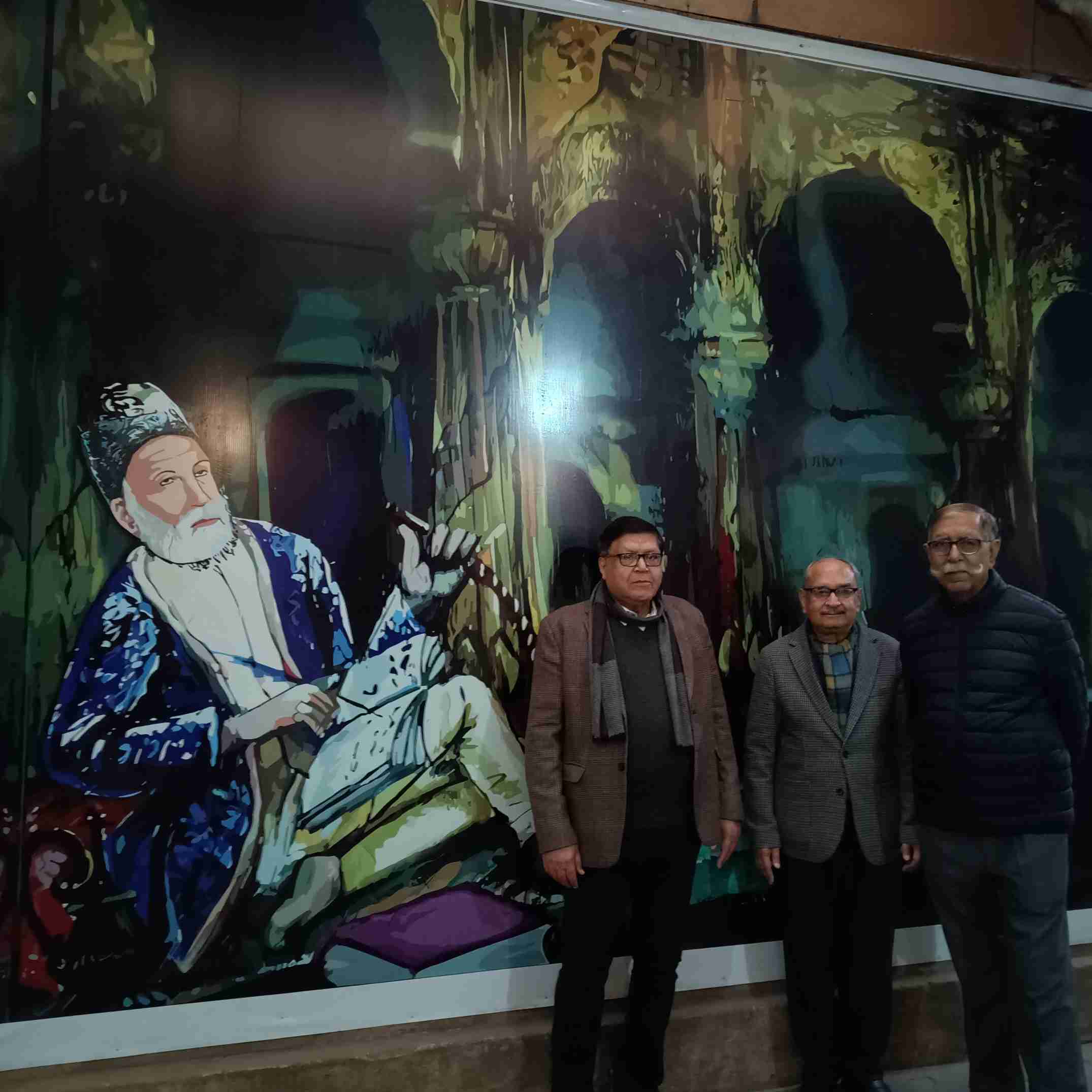
This place, where he lived from 1860 to 1869, till the time he breathed his last, has now been converted into a small museum of sorts. The main bust of Ghalib’s on display here has been gifted by Gulzar.
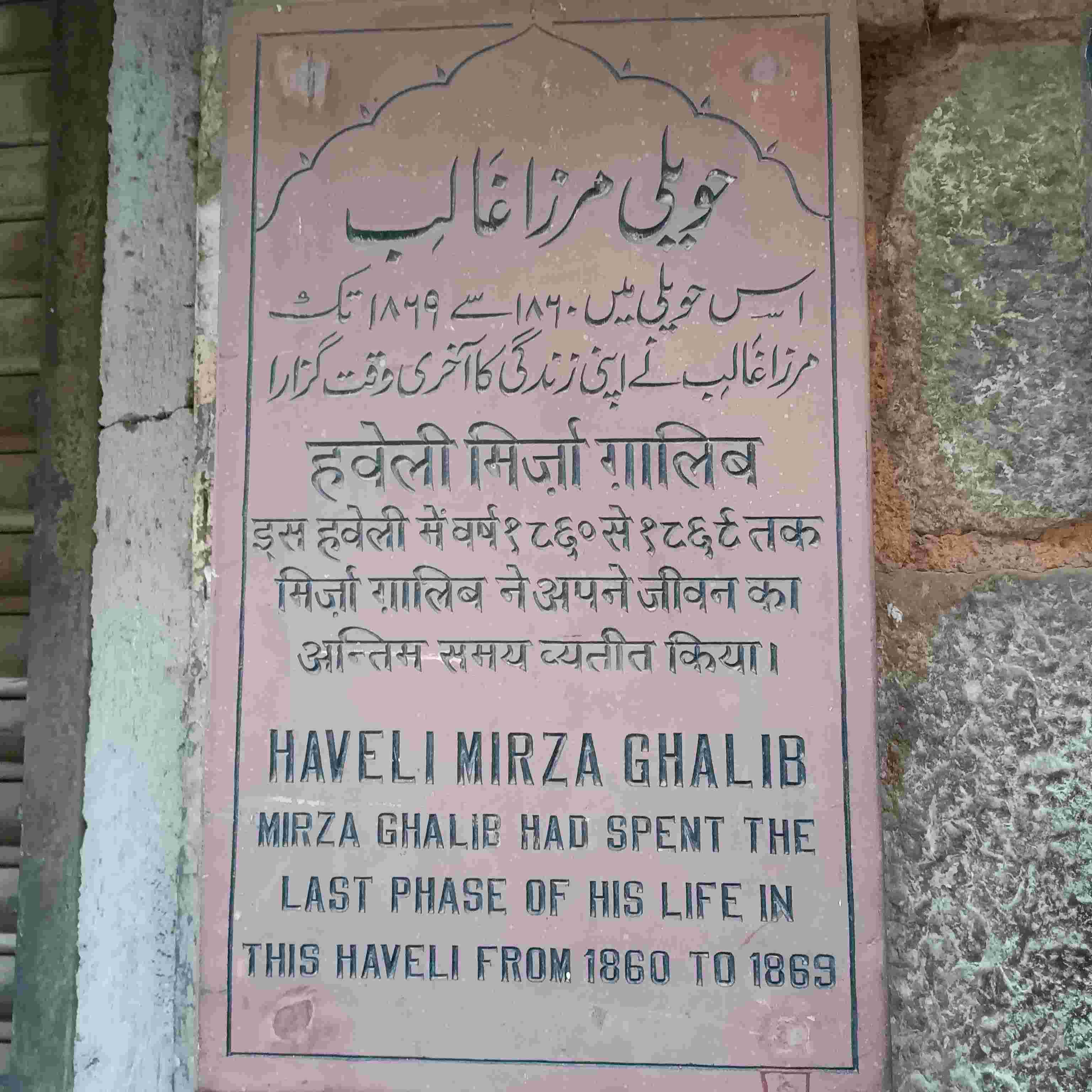
Mirza Ghalib
Born on December 27, 1797, in Agra, India, Ghalib’s life was marked by personal tragedies, political upheavals, and cultural transitions, all of which deeply influenced his poetic expression. Today, more than a century after his death, Ghalib remains one of the most celebrated poets in the Urdu and Persian literary traditions. His verses, rich with layers of meaning, continue to resonate with readers and scholars alike, offering insights into the human condition, love, pain, and the complexities of life.
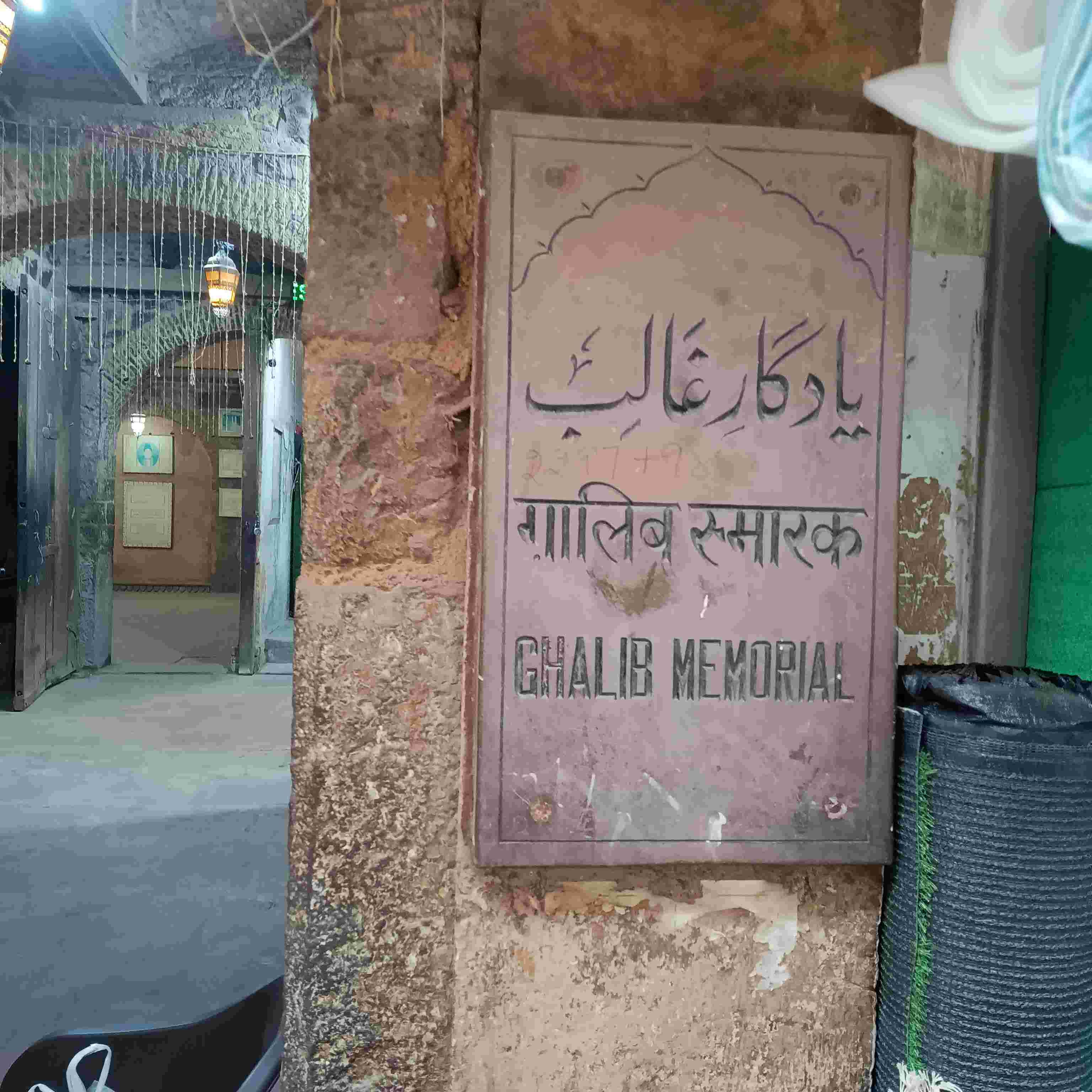
Early Life and Personal Struggles
Ghalib was born into a family of Turkish aristocrats who had settled in India during the Mughal era. His father, Abdullah Beg Khan, was an officer in the army, but he died when Ghalib was just five years old. This left young Ghalib under the care of his uncle, Nasrullah Beg Khan, who also passed away a few years later. The early loss of his parents had a profound impact on Ghalib, and themes of loss, loneliness, and existential inquiry are recurrent in his poetry.
At the age of thirteen, Ghalib was married to Umrao Begum, a match arranged by his family. However, the marriage did not bring him the solace one might expect. Ghalib’s domestic life was fraught with tensions, and he found little happiness in it. None of his seven children survived beyond infancy. His financial struggles added to his woes, as he never held a stable job and relied on royal patronage, which was inconsistent at best.
The idea that life is one continuous painful struggle that can end only when life itself ends, is a recurring theme in his poetry. Consider this:
जब ज़िंदगी की क़ैद और ग़म का बन्धन एक ही है तो…
मरने से पहले आदमी ग़म से निजात पाए क्यूँ ?
The prison of life and the bondage of sorrow are the same,
Why should man be free of sorrow before dying?

Ghalib’s Literary Genius
Despite his personal hardships, Ghalib’s intellectual and poetic prowess blossomed. He was a polyglot, proficient in Urdu, Persian, and Turkish, and his poetry is a testament to his erudition. Ghalib’s work in Persian is extensive, but it is his Urdu poetry that has earned him eternal fame.
Ghalib’s ghazals are celebrated for their depth and complexity. A ghazal is a poetic form consisting of rhyming couplets and a refrain, with each line sharing the same meter. Ghalib mastered this form, infusing his verses with profound philosophical reflections, emotional intensity, and linguistic ingenuity. His poetry often grapples with the paradoxes of existence, the transience of life, and the elusive nature of love.
In keeping with the conventions of the classical ghazal, in most of Ghalib’s verses, the identity and the gender of the beloved are indeterminate. The critic/poet/writer Shamsur Rahman Faruqui explains that the convention of having the “idea” of a lover or beloved instead of an actual lover/beloved freed the poet-protagonist-lover from the demands of realism.
In one of my personal favourites on the tender emotion of love, he says:
उनके देखे से जो आ जाती है मुहं पर रौनक,
वो समझते हैं की बीमार का हाल अच्छा है.
My face is flushed with joy upon seeing my beloved,
Beloved mistakes my sickness to be a sign of good health.
One of the most remarkable aspects of Ghalib’s poetry is his exploration of the self. He delves into the intricacies of human identity, the soul’s relationship with the divine, and the quest for meaning in an indifferent world. For instance, in one of his famous couplets, Ghalib writes:
हज़ारों ख्वाहिशें ऐसी के हर ख्वाहिश पर दम निकले,
बहुत निकले मेरे अरमान फिर भी कम निकले
Thousands of desires, each worth dying for,
Many of them I have realised… yet I yearn for more.
This couplet reflects the insatiable nature of human desires, a theme that recurs throughout Ghalib’s poetry. His verses often portray a deep sense of melancholy, rooted in the understanding that the fulfilment of worldly desires is fleeting, and the ultimate truth lies beyond the material realm.
In many ways, the core of Ghalib’s poetry is not too far off from what Indian scriptures speak of.

The Philosophical Depth of Ghalib’s Poetry
Beyond his commentary on the socio-political changes of his time, Ghalib’s poetry delves into the philosophical. He was influenced by Sufism, a mystical Islamic belief system that emphasises the inward search for God and the personal experience of the divine. Sufi themes of love, union with the divine, and the eternal quest for truth permeate his poetry. However, Ghalib’s relationship with Sufism was complex. While he was drawn to its ideals, he also maintained a rational scepticism, often questioning established religious norms and dogmas. In one of his compositions, he mocks the hypocrisy of the preachers of Islam thus:
कहाँ मय-ख़ाने का दरवाज़ा ‘ग़ालिब’ और कहाँ वाइ’ज़
पर इतना जानते हैं कल वो जाता था कि हम निकले
What is the relation between the Preacher and the door of the tavern,
But believe me, Ghalib, I am sure I saw him slip in as I departed.
Ghalib’s poetry is also notable for its exploration of existential themes. He frequently contemplates the nature of reality, the impermanence of life, and the mysteries of the cosmos. His verses suggest a deep awareness of human knowledge’s limitations and the unknown’s vastness. In this sense, Ghalib can be seen as a precursor to modern existentialist thinkers, who similarly grappled with existence’s uncertainties.
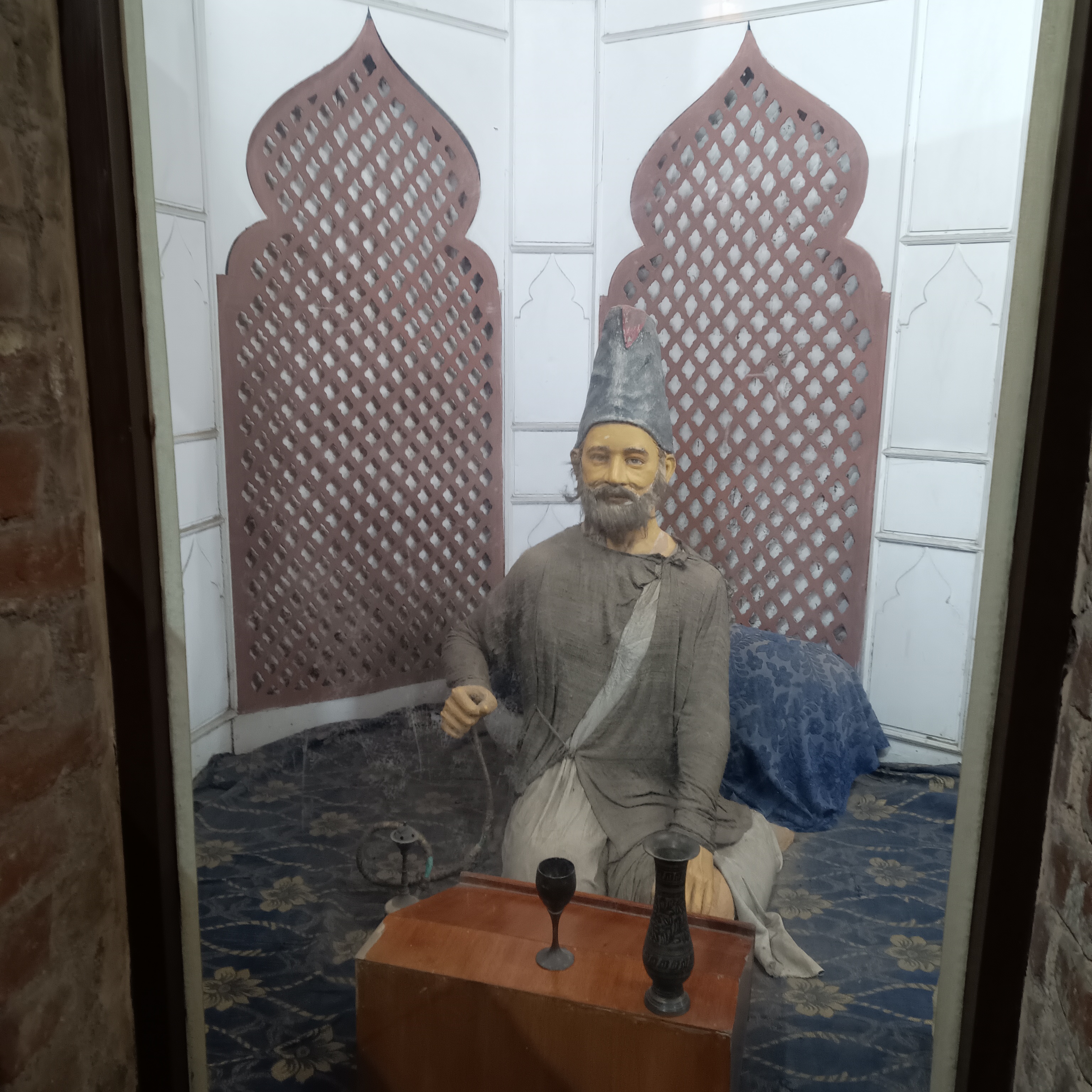
Legacy and Influence
Ghalib passed away on February 15, 1869, in Delhi, but his legacy has only grown stronger with time. His poetry has been translated into numerous languages and continues to be studied, recited, and cherished by people across the world. Ghalib’s influence extends beyond literature; he has inspired musicians, filmmakers, and artists who have drawn upon his work to create new forms of artistic expression.
In India, Pakistan and elsewhere, Ghalib is not just a literary figure but a cultural icon. His ghazals are an integral part of the classical music tradition, and his life has been the subject of numerous plays, films, and television series.

Way back in 1954, Sohrab Modi gave us the movie Mirza Ghalib. Likewise, in 1961, Ataullah Hashmi of Pakistan gave us a movie on him.

In 1988, Gulzar came up with his television series which featured ghazals sung and composed by Jagjit Singh and Chitra Singh.
Various ghazal maestros like Mehdi Hassan, Iqbal Bano, Abida Parveen, Farida Khanum, Tina Sani, Noor Jehan, Suraiya, K L Saigal, Mohammed Rafi, Asha Bhosle, Begum Akhtar, Ghulam Ali, Lata Mangeshkar, Nusrat Fateh Ali Khan, and Rahat Fateh Ali Khan have sung his ghazals.
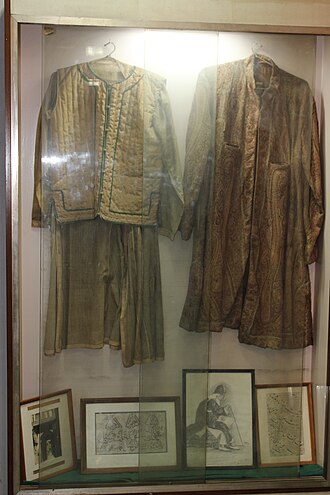
Low on The Richter Scale of Comprehension
Modern-day communication thrives on simplicity. Complex ideas are conveyed in a language that the masses understand. In other words, verses which would rate extremely high on the Richter Scale of Comprehension. However, it appears that most of our famous poets and literary figures perfected the art which is just the opposite. Simple ideas couched in high-profile and complex language, which only those at the top of the Language Proficiency Pyramid might fathom. Perhaps such literary geniuses wish to differentiate themselves from the hoi polloi.
When it comes to this particular trait, Ghalib has good company. In Urdu poetry, he is not always easy to understand. The poems dished out by him are often tough to understand, enriched as they happen to be with words drawn from the Persian language. In Hindi, the poetry of Jai Shankar Prasad comes to my mind. In Sanskrit, Kalidasa often keeps a lay reader guessing. In English, Shakespeare always leaves me baffled.
Quite some time back, I had luckily invested in a book of his poems which has not only the Urdu versions but also the corresponding translations in English and Hindi. As and when the ambience is right, I would play one of the renderings of Jagjit Singh, but only after having spotted the poem in the book. With lights dimmed, and one’s favourite tissue restorative perched on the table nearby, I get to feel the intensity of his words and end up experiencing a bliss which cannot be described in words!
Mirza Ghalib’s poetry is a treasure trove of wisdom, beauty, and emotional depth. His verses transcend the boundaries of time, language, and culture, speaking to the universal human experience. Ghalib’s ability to articulate the complexities of life with such eloquence and grace makes him a timeless poet, one whose work will continue to inspire generations to come. His legacy, like his poetry, is eternal—a shining beacon in the vast ocean of literary history.
For all lovers of Urdu poetry, visiting Ghalib’s haveli is a pilgrimage of sorts.
Notes:
- Vignettes of Chandni Chowk and movie/series posters courtesy of the World Wide Web.
- Museum snaps taken by yours truly during a recent visit to the place.
- Inputs received from Colonel Vivek Prakash Singh (Retired), a renowned poet in Urdu and Hindi, are gratefully acknowledged.
- Thanks are due to Sanjay Bhatia and Ashok Kalra who enabled this visit!
Related Posts:
तसादुम (दुर्घटना): (शक़ील बदायूंनी)
Posted in A Vibrant Life!, tagged Chandni Chowk, Hindi, Nazm, Shakeel Badayuni, Shayari, Tasaadum, Urdu on September 11, 2024| Leave a Comment »
वो सद-रश्क जन्नत वो गुलज़ार देहली
वो देहली जो फ़िरदौसे–हिंदोस्ताँ है
वो मजमुआ-ए-हुस्नो अनवार देहली
वो देहली के जिसकी ज़मीं आस्माँ है
वही जिसने देखे हैं लाखों ज़माने
सुने हैं बहुत इन्क़लाबी फ़साने
जहाँ दफ़्न हैं सैकड़ों ताज वाले
दो–रोज़ा हुकूमत के मैराज़ वाले
वहाँ शम्मा जलती है धीमी–सी लौ की
जहाँ जल्वारेज़ी है तहजीबे–नौ की
वहीं की ये दिल दोज़ रूदाद सुनिये
जहाने–अलम–ज़िक्रे बेदाद सुनिये
शफ़क से पहर के ठिकाने लगी थी
सियाही फ़िज़ाओं पे छाने लगी थी
फ़लक पर सितारे चमकने लगे थे
मुहब्बत के मारे बहकने लगे थे
वो बाज़ार की ख़ुशनुमा जगमगाहट
वो गोश–आश्ना चलने फिरने की आहट
वो हर तरफ़ बिजलियों की बहारें
दुकानात की थी दुरबिया कतारें
ये मंज़र भी था किस कदर कैफ़–सामाँ
ख़ुदा की ख़ुदाई थी जन्नत बदामाँ
सड़क पर कोई रह–रू–ए कुए जाना
चला जा रहा था ख़रामा ख़रामा
इधर राह पर नौजवाँ जा रहा था
उधर कोई मोटर चला आ रहा था
ये गाड़ी न थी जो चली आ रही थी
हक़ीक़त में जन्नत खिंची आ रही थी
कोई क्या बताये कि जन्नत में क्या था
वही था जो अब तक न देखा हुआ था
वो हुस्ने–मुक़म्मिल वो बर्के–मुजस्सिम
वो जिसके तसव्वुर से भी दूर हो ग़म
वो इक पैकरे–सादगी अल्लाह–अल्लाह
वो नाज़ुक लबों पर हँसी अल्लाह–अल्लाह
सरापा मुहब्बत सरापा जवानी
सितम उसपे साड़ी का रंग आस्मानी
वो रह रह के आँचल उठाने का आलम
वो हँस–हँस के मोटर चलाने का आलम
ये आलम बज़ाहिर फ़रेबे नज़र था
कि बस एक लम्हे में रंगे–दिगर था
न बश्शाश चेहरा न लब पे तबस्सुम
सुकून आश्ना था अदाये तकल्लुम
गिरा बारियाँ दिल को शर्मा गई थीं
निगाहों पे तारीकियाँ छा गई थीं
हुये सनफे नाज़ुक के होशो ख़िरद गुम
ज़ुबाँ ने पुकारा ‘तसादुम–तसादुम‘
ये मंज़र भी था किस कदर वहशत अफ़्जा
कि मोटर सरे राह ठहरा हुआ था
दिगर गूँ थी हालत तमाशाईयों की
ख़बर थी उन्हें दिल की गहराईयों की
इधर नौजवाँ खूँ बदामा पड़ा था
उधर एक मासूम क़ातिल खड़ा था
इधर रूह अज़्मे–सफ़र कर चुकी थी
उधर दिल पे वहशत असर कर चुकी थी
इधर मौत ख़ुद ज़िन्दगी अस्ल में थी
उधर ज़िन्दगी मौत की शक़्ल में थी
गरज़ खुल गई असलियत हादसे की
हुई मरने वाले की जामा तलाशी
पसे जेब क़ातिल की तस्वीर निकली
इलावा अज़ीं एक तहरीर निकली
तसल्ली हुई जान में जान आई
जो पर्चे पे लिखी इबारत ये पाई
“जफ़ाए–मुसल्सल से घबरा गया था
मैं ख़ुद आके मोटर से टकरा गया था“

टिप्पणियाँ:
- मेरे दिवंगत पिताजी मुझे बचपन में बताते थे की यह नज़्म चांदनी चौक दिल्ली में बहुत साल पहले हुई एक असली दुर्घटना पर आधारित है
- तस्वीर हिंदुस्तान टाइम्स के सौजन्य से
- विवेक प्रकाश सिंह का विशेष आभार
Hindi film characters with books: Guest Post by Dustedoff
Posted in The Magic of Movies!, tagged Bollywood, Books, Characters, Hindi, Movies on June 1, 2024| Leave a Comment »
ये पचास साल का साथ हमारा
Posted in A Vibrant Life!, tagged 50th, Ancestors, Culture, Family Values, Heritage, Hindi, Marriage Anniversary, Poem on May 20, 2024| 4 Comments »

जीवन के इस स्वर्णिम पल का लें हम निर्मल आनंद,
हाथ में हाथ लेकर चल पड़े थे हम कभी जीवन की राहों पर;
समय एक मखमल के दुपट्टे जैसा फिसला है हाथों से,
जा बैठा है यादों के वृक्ष की एक ऊंची टहनी पर.
इस वृक्ष पर लटकी हैं ढेर सारी खट्टी मीठी यादें,
कहीं कुछ मुस्कुराहटें हैं, तो हैं कुछ आंसू भी;
टेढ़ी मेढ़ी टहनियां बताती हैं उन रास्तों की कहानियां,
जिनको पकड़ कर जीवन के हर मोड़ को हमने है जिया.
बरगद सरीखे इस पेड़ की जड़ें हैं बहुत गहरी,
पूर्वजों के आशीर्वाद से है इनकी उत्पत्ति;
अपने प्यार और अथक परिश्रम से सींचा है इनको,
प्यार और परस्पर विश्वास की खाद से पोषित किया है इनको.
इसकी जड़ें हैं संचित पारिवारिक मूल्यों की धरती से ही,
संस्कारों, शुद्ध विचारों, और सुकर्मों से भी;
अगली पीढ़ियों के पंछी कलरव करते इसकी विशाल टहनियों पर,
उनके चहचहाने और कूकने की आवाज़ें गूंजती आँगन भर.
परिवार के ये पंछी उन्मुक्त इस विशाल गगन में ऊँचे उड़ें,
नए क्षितिजों को ढूंढें, नव कीर्तिमान स्थापित करें;
जब भी किसी घने जंगल में अपने को एक दोराहे पर पाएं,
हमारे पारिवारिक मूल्यों की कंपास के साथ आगे बढ़ें.
बरसों बीते संग रहते, कुछ कहते, कुछ सुनते,
गृहस्थी की गाडी के दो पहियों को आगे बढ़ाते;
चन्दन पानी सा साथ है यह हम दोनों का,
अब शायद समय है एक दूसरे का ज्यादा ख्याल रखने का.
बहुत कुछ सोचा, बहुत कुछ किया, बहुत कुछ मिला है इस जीवन में,
बच्चों का मिल रहा है अथाह प्यार जिसके लिए ईश्वर के आभारी हैं;
खेद नहीं है कोई, न है कोई दुर्भाव अथवा पश्चात्ताप ही,
बस एक आतंरिक शांति अवश्य है, और संतुष्टि का आभास भी.
(एक युगल दंपत्ति की ५०वीं शादी की सालगिरह के अवसर पर रचित)
(सुनील जैन की प्रेरणा के लिए आभार)
Some Hindi Movies Which Celebrate Friendship
Posted in The Magic of Movies!, tagged Bollywood, Female, Freindship, Hindi, Male, Movies, Women Empowerment on June 12, 2023| 7 Comments »
Friendship is one of the main condiments which spices up our lives. It helps us to face the harsh slings and arrows of life. Whether formed during our student days, or while pursuing our career goals and even during the sunset years of our lives, we develop relationships based on matching personality traits, common interests, mutual trust and quite a few other factors. Often, the bonds which get forged turn out to be strong and resilient. Bonds which are like underground cable connections – dormant, but in place, ready to be reactivated as and when necessary.
Friendship is a theme which is regularly harvested by our dream merchants to enrich their offerings and evoke emotions amongst their audience. If scenes of goofing around with pals make us happy, misunderstandings act like villains, making us sad.
In the post here, I have attempted to mention some movies which, I believe, have friendship as one of the main planks of their theme. Love and revenge are almost always around, but often occupy a back seat in the overall scheme of things.
However, I have avoided movies where the relationship between friends ends up becoming a love triangle of sorts. So, you may find such movies as Sangam (1964), Muqaddar Ka Sikandar (1978), Saajan (1991), Mujhse Dosti Karoge (2002), Kal Ho Na Ho (2003), and many others missing from the list below. Likewise, I have given a miss to the ones wherein friendships fall in the LGBTQ category, of which there is no dearth these days. Thus, series like Anokhi Daastaans (Episode: Geeli Pucchi: 2021), Modern Love, Mumbai (Episode: Baai: 2022) and movies like Maja Ma (2022) have been given a skip.
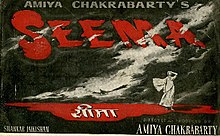
Seema (1955)
Director: Amiya Chakrabarty
The chemistry between Nutan and Shubha Khote in the surroundings of an orphanage stood out. Some of you may remember the long cycle ride undertaken by the latter towards the climax of the movie.

Dosti (1964)
Director: Satyen Bose
Circumstances and love for music brings together a blind person and a handicapped one. Trust Rajshri Productions to keep regaling us with family-oriented themes which tug at our heart strings.

Anand (1971)
Director: Hrishikesh Mukherjee
An unusual bond develops between an idealistic doctor and a terminal cancer patient who comes to stay with him during the last few months of his life. The frustration of a doctor at not being able to alleviate the suffering of his new-found friend was etched out so very poignantly.

Victoria No. 203 (1972)
Director: Brij
Two old golden-hearted crooks get released from jail and wish to spend the rest of their lives as good, respected men. The plan is short lived when they willy-nilly find themselves on the trail of some stolen diamonds.
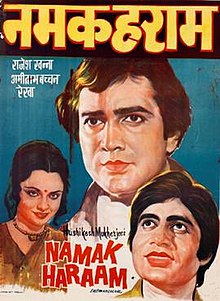
Director: Hrishikesh Mukherjee
An industrialist who does not care much about maintaining harmonious relations with his labour force ends up being confronted by a close friend who empathizes with the travails of the workers and evolves into a trade union leader of sorts.
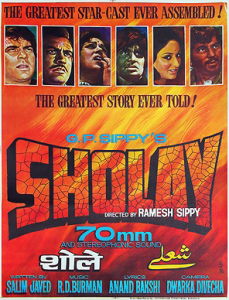
Sholay (1975)
Director: Ramesh Sippy
Even though the main theme was all about revenge with romantic sub-plots thrown in, the friendship between Jai and Veeru went on to become the stuff of cinematic legends.

Hera Pheri (1976)
Director: Prakash Mehra
Two small-time crooks loot other rich ‘respected’ but criminal-minded people for a living. Misunderstandings arise between them, but eventually get cleared up and the friendship between them gets reestablished.

Chashme Baddoor (1981)
Director: Sai Paranjape
Three friends who live together run into a young lady from the neighbourhood. The studious one ends up winning her heart. Out of jealousy, the other two try to complicate the relationship between the couple. A grandmother ends up clearing the mists, reuniting the couple.
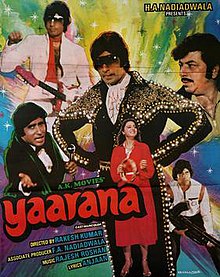
Yaarana (1981)
Director: Raakesh Kumar
If one friend goes out of his way to promote the singing career of a childhood friend, the other, upon becoming famous and rich, reciprocates the gesture by donating the proceeds of his earnings and consequent record deals in order to rid his friend of his many mortgages and to reunite his family. When one gets admitted into a lunatic asylum, the other one manages to sneak in and restore his sanity.

Andaaz Apna Apna (1994)
Director: Rajkumar Santoshi
Two daydreamers come up with a get-rich-quick scheme by pursuing a millionaire’s daughter. Once they meet each other, they form a competitive bond and land up at the daughter’s place under some false pretexts. Diamonds, mafia dons and jealous uncles play a role. Eventually, they play saviours to the daughter, her secretary, and the family, thereby achieving their goals.

Dil Chahta Hai (2001)
Director: Farhan Akhtar
Three close friends pursue a different career path after passing out of college. Love blossoms for each one, though differently. They go on a road trip together. Misunderstandings between them get cleared in the end.
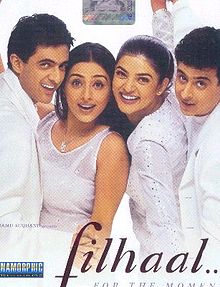
Filhaal (2002)
Director: Meghna Gulzar
One of the rare movies which portrayed a strong bond of friendship between two inseparable friends. During a fencing session, a freak accident leaves one of the friends injured, rendering her unable to conceive later in life. The other one offers to be a surrogate mother for the couple. Complications arise in the relationship, though the story eventually ends up on a positive note.

Rang de Basanti (2006)
Director: Rakeysh Omprakash Mehra
When a British student decides to make a film on pre-independence freedom fighters from India, contemporary reality meets history, forcing the viewers to introspect as to where we are headed as a country. The bond between the friends stood out for its empathic and realistic portrayal.
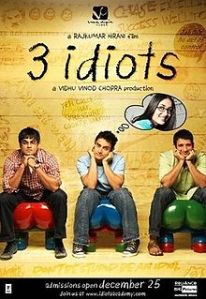
3 Idiots (2009)
Director: Rajkumar Hirani
The friendship between three classmates withstands the test of time. Ten years down the road, their common antagonist also joins in when they decide to search for one of the missing friends. The central message of the movie was to decide one’s career moves based not on parental or popular expectations but on one’s inner passion.

Zindagi Na Milegi Dobara (2011)
Director: Zoya Akhtar
Three friends undertake a joint trip so as to experience different facets of life. Their plan is that during the road trip each of them will pick a surprise adventure sport in which they all have to participate together. They complete the event successfully, bonding better with each other and gaining a renewed sense of purpose in life.

Kai Po Che (2013)
Director: Abhishek Kapoor
Three friends spot a talented boy who is good at cricket and decide to groom him. A love affair leads to misunderstandings arising between them. The 2001 earthquake in Gujarat and the riots of 2002 also pose many challenges to their bond of friendship.

Dedh Ishquia (2014)
Director: Abhishek Chaubey
Two partners in crime run into a pair of scheming ladies who have ideas of their own. The latter end up cocking a snook at the former by selling a necklace stolen by them, buying a property from the proceeds, and settling down there to start a dance school for young girls – a scheme the two friends had hatched between themselves.

Parched (2015)
Director: Leena Yadav
Four women in a desert village of Gujarat, India, forge a strong bond of friendship between themselves while facing social evils, age-old traditions and practices of patriarchy, child marriage, dowry, marital rapes, and physical and mental abuse.

Double XL (2022)
Director: Satramm Ramani
A common challenge of being overweight results into a bond of friendship developing between two young ladies. They decide to work together and demonstrate the perks of obesity to the world, ridiculing the current craze for Size Zero and unrealistic norms of beauty peddled by fashionistas and the media.

Hush Hush (2022, Series)
Director: Tanuja Chandra
A taut thriller where one of the four close friends dies in mysteriously circumstances. The other three ladies eventually uncover the real reason for the death of their friend, while battling the challenges in their own lives.

Uunchai (2022)
Director: Sooraj Barjatya
When a close friend suddenly dies, three friends decide to honour his last wish – that of visiting the Himalayas. Despite health challenges, they undertake a hiking trip to the Everest base camp. They manage to scatter the ashes of their departed friend there. The perilous journey makes them realize that each one of them has heights within which are waiting to be scaled, bringing home the key message of striving to realize our fullest potential in life.
Why Are Women Short-changed?
There may be many more friendship-based movies which I would have missed out here. However, one thing that strikes is that of a serious shortage of movies on friendships between women. Is it that those hailing from the tribe of the delicately nurtured do not have friends?
The underlying cause could perhaps be that a major chunk of our society thrives on a patriarchal mindset; while males enjoy their friendships for a very long time, females often get a raw deal on this front because family commitments reign supreme, often to the exclusion of all else. With hardly any personal space and a minimal availability of ‘Me Time’, the bonds of female friendship, if any, do not enjoy the kind of continuity that male friendship does.
We need to encourage and empower the women in our lives to keep their own embers of friendship aglow, alive and kicking!
Related Posts:
Some Music-themed Hindi Movies
Posted in The Magic of Movies!, tagged Bollywood, Dance, Hindi, Movies, Music, Rivalry, Success on April 28, 2023| Leave a Comment »
Music is the backbone of Hindi movies and OTT series, whether by way of songs and dances, or in the form of the background variety. However, there are very few offerings dished out by our Dream Merchants which are devoted to the subject of music itself, where the life of most of the characters revolves around the practice of music. Such human emotions as love, hatred, animosity, jealousy, pride, prejudices are all there, but music forms the central theme. The key characters get success after a great deal of practice. In the interim, they often taste heart-breaking failures. But spurred on by their immense talent, ardent passion, and sometimes by either a teacher or a muse, they persevere in their efforts and eventually achieve the recognition they deserve.
The idea here is not to recall and list movies which may be termed as musicals. Nor would I like to mention the ones which have provided uplifting music. In the list that follows, you will not find the ones where either music merely serves the purpose of entertainment or even where the main characters may be music teachers.
Thus, movies such as Dholak (1951), Phagun (1958), Jahan Ara and Chitralekha (1964), Heer Ranjha (1970), Pakeezah (1972), and Umrao Jaan (1981), do not appear here.
I have instead tried to focus here on the movies where music forms a core part of the script. Many of these depict the trials and tribulations of an artist who is enthusiastic about this form of fine arts. Many others capture the gravitational force exerted by music in making a relationship either blossom or wither.
Consider the following movies which are music-based offerings from our dream merchants.
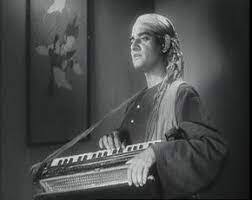
Street Singer
(1938)
Direction: Phani Majumdar
Music: R. C. Boral
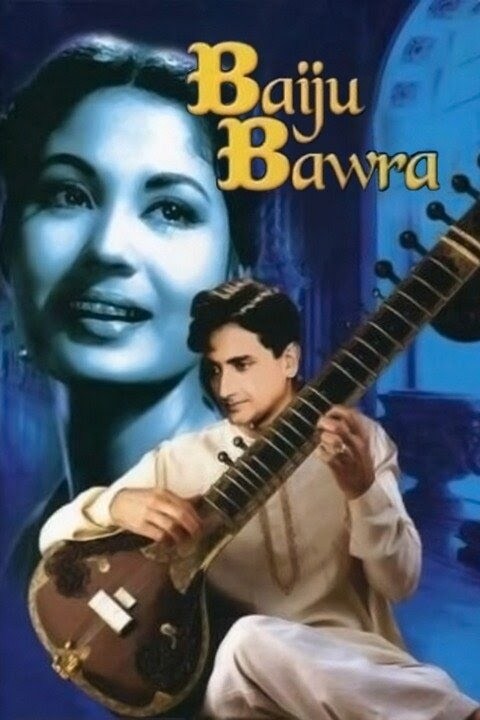
Baiju Bawra
(1952)
Direction: Vijay Bhatt
Music: Naushad
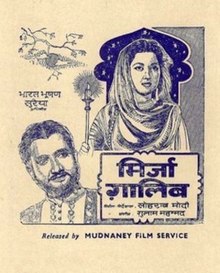
Mirza Ghalib
(1954)
Direction: Sohrab Modi
Music: Ghulam Mohammed

Shabab
(1954)
Direction: M. Sadiq
Music: Naushad
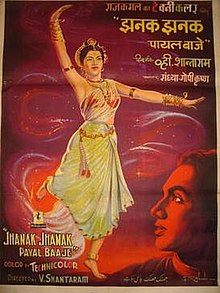
Jhanak Jhanak Payal Baje
(1955)
Direction: V. Shantaram
Music: Vasant Desai

Basant Bahar
(1956)
Direction: Raja Nawathe
Music: Shankar–Jaikishan

Phagun
(1958)
Direction: Bibhuti Mitra
Music: O. P. Nayyar
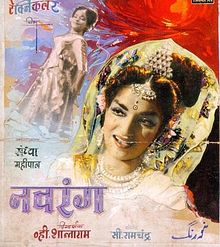
Navrang
(1959)
Direction: V. Shantaram
Music: C. Ramachandra
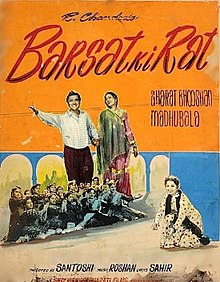
Barsaat ki Raat
(1960)
Direction: P. L. Santoshi
Music: Roshan

Sangeet Samrat Tansen
(1962)
Direction and Music: S. N. Tripathi

Meri Surat Teri Ankhen
(1963)
Direction: R. K. Rakhan
Music: S. D. Burman
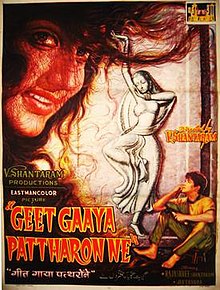
Geet Gaya Pattharon Ne
(1964)
Director: V. Shantaram
Music: Ramlal

Geet
(1970)
Direction: Ramanand Sagar
Music: Kalyanji–Anandji

Jal Bin Machhli Nritya Bin Bijli
(1971)
Direction: V. Shantaram
Music: Laxmikant–Pyarelal
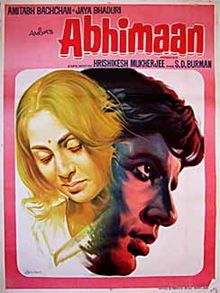
Abhimaan
(1973)
Direction: Hrishikesh Mukherjee
Music: S. D. Burman
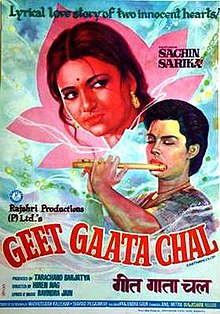
Geet Gata Chal
(1975)
Direction: Hiren Nag
Music: Ravindra Jain

Alaap
(1977)
Direction: Hrishikesh Mukherjee
Music: Jaidev
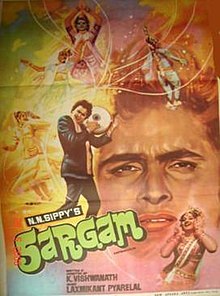
Sargam
(1979)
Direction: K. Viswanath
Music: Laxmikant-Pyarelal

Kalaakaar
(1983)
Direction: P. Sambasiva Rao
Music: Kalyanji–Anandji

Sur Sangam
(1985)
Direction: K. Viswanath
Music: Laxmikant–Pyarelal

Naache Mayuri
(1986)
Direction: N. T. Rama Rao
Music: Laxmikant–Pyarelal
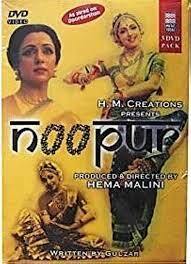
Noopur
(1990 TV series on Doordarshan)
Direction: Hema Malini

Sangeet
(1992)
Direction: K. Vishwanath
Music: Anand Milind
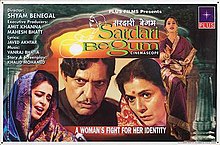
Sardari Begum
(1996)
Direction: Shyam Benegal
Music: Vanraj Bhatia

Taal
(1997)
Direction: Subhash Ghai
Music: A. R. Rahman

Dil To Pagal Hai
(1997)
Direction: Yash Chopra
Music: Uttam Singh

Saaz
(1998)
Direction: Sai Paranjpye
Music: Yashwant Deo, Bhupen Hazarika, Zakir Hussain, Raj Kamal

Sur – The Melody of Life
(2002)
Direction: Tanuja Chandra
Music: M. M. Keeravani
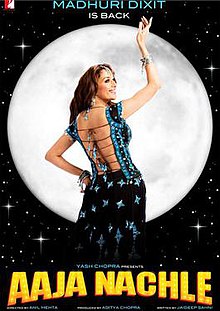
Aaja Nachle
(2007)
Direction: Anil Mehta
Music: Salim–Sulaiman
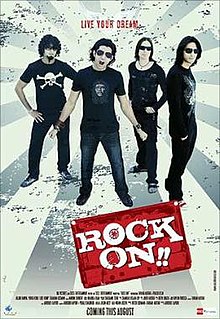
Rock on!
(2008)
Direction: Abhishek Kapoor
Music: Shankar–Ehsaan–Loy

Rockstar
(2011)
Direction: Imtiaz Ali
Music: A. R. Rahman
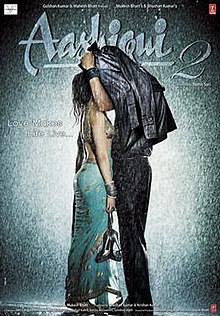
Aashiqui 2
(2013)
Direction: Mohit Suri
Songs: Jeet Gannguli, Mithoon, Ankit Tiwari
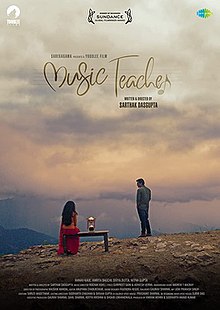
Music Teacher
(2019)
Direction: Sarthak Dasgupta
Music Original Composition: R.D. Burman
Music Re-created by: Rochak Kohli
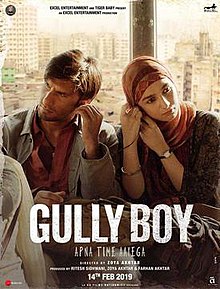
Gully Boy
(2019)
Direction: Zoya Akhtar
Music: The 18-song soundtrack, involving an estimated 54 contributors, was supervised by Ankur Tiwari

Bandish Bandits
(2020; Amazon Prime Video)
Direction: Anand Tiwari
Music: Shankar–Ehsaan–Loy,
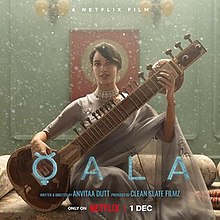
Qala
(2022)
Direction: Anvita Dutt
Music: Amit Trivedi
I am reasonably certain that there are many more which I might have missed out here. However, as the listing shows, over time, as Hindi cinema has moved away to modern settings, India’s rich cultural heritage is perhaps no longer getting the attention it deserves. That is how, a series like Bandish Bandits and a movie like Qala come like a whiff of fresh air in our turbulent times.
The price one pays for success
Some of these movies, like Saaz and Qala, depict the kind of competitive spirit which prevails in the field of music. A character even ends up jeopardizing the career of another, resulting in overpowering guilt. Such movies also capture the kind of cunning, guile and nerves of chilled steel needed to achieve success in a highly competitive world. Perhaps many of the famous artists we know of might have passed through quite a few such phases in their careers.
Like any other profession, the world of music is also replete with rivalry. It would be naïve to assume that success comes cheap. Often, the price it extracts from an artist’s inner being, especially in terms of a compromise on one’s ethics, beliefs, and values, is heavy.
For us, the audience, music is indeed an enriching food for the soul. However, the soul of an artist may carry a few scars, not known to us. But ignorance is bliss, as they say!
Note:
Inputs from Purva Agarwala, Dileep Raina, Madhulika Liddle, Avantika Nirupama, Sunil Jain, and a few others are gratefully acknowledged.
Related Posts:
-
Recent Posts
Buy the Book

buy the book
Categories
-
cc
Tags
Art Bertie Wooster Bhagavad Gita Bingo Little Birthday Blake Mouton Grid Blogging Bollywood Book Campus Life CEO Chivalry Consciousness Coronavirus Corruption Edwin Empress of Blandings English Ethics Feminism Happiness Health Hindi Hollywood Human Values Humour India Jeeves Kalidasa KIds Leadership linkedin Literature Lord Emsworth Love Lyrics Mahabharata Mahatma Gandhi Management Movies Music Norway Paintings Panjab University People P G Wodehouse Politics Pondicherry Portugal Psmith Puducherry Rabindranath Tagore Ramayana Ritusamhara R K Laxman Romance Rosie M Banks Rupert Psmith Seasons Shakespeare Social Media Something Fresh Songs SPANDAN Spirituality SQ Sri Aurobindo Stephen Covey Switzerland Tatas Thos UBS Values Wodehousitis WomenArchives
- March 2026 (1)
- February 2026 (5)
- January 2026 (2)
- December 2025 (1)
- November 2025 (2)
- October 2025 (2)
- September 2025 (3)
- August 2025 (3)
- July 2025 (2)
- June 2025 (2)
- May 2025 (4)
- April 2025 (5)
- March 2025 (5)
- February 2025 (4)
- January 2025 (4)
- December 2024 (6)
- November 2024 (6)
- October 2024 (6)
- September 2024 (5)
- August 2024 (5)
- July 2024 (4)
- June 2024 (4)
- May 2024 (5)
- April 2024 (5)
- March 2024 (3)
- February 2024 (1)
- January 2024 (4)
- December 2023 (2)
- November 2023 (3)
- October 2023 (3)
- September 2023 (3)
- August 2023 (5)
- July 2023 (5)
- June 2023 (7)
- May 2023 (6)
- April 2023 (6)
- March 2023 (8)
- February 2023 (8)
- January 2023 (7)
- December 2022 (6)
- November 2022 (5)
- October 2022 (8)
- September 2022 (5)
- August 2022 (6)
- July 2022 (6)
- June 2022 (8)
- May 2022 (7)
- April 2022 (8)
- March 2022 (7)
- February 2022 (3)
- January 2022 (7)
- December 2021 (4)
- November 2021 (8)
- October 2021 (7)
- September 2021 (6)
- August 2021 (7)
- July 2021 (7)
- June 2021 (9)
- May 2021 (8)
- April 2021 (9)
- March 2021 (10)
- February 2021 (8)
- January 2021 (8)
- December 2020 (7)
- November 2020 (6)
- October 2020 (5)
- September 2020 (9)
- August 2020 (9)
- July 2020 (8)
- June 2020 (8)
- May 2020 (6)
- April 2020 (5)
- March 2020 (7)
- February 2020 (4)
- January 2020 (7)
- December 2019 (12)
- November 2019 (10)
- October 2019 (5)
- September 2019 (9)
- August 2019 (10)
- July 2019 (9)
- June 2019 (14)
- May 2019 (13)
- April 2019 (14)
- March 2019 (11)
- February 2019 (11)
- January 2019 (14)
- December 2018 (12)
- November 2018 (12)
- October 2018 (14)
- September 2018 (9)
- August 2018 (10)
- July 2018 (10)
- June 2018 (8)
- May 2018 (11)
- April 2018 (11)
- March 2018 (6)
- February 2018 (9)
- January 2018 (10)
- December 2017 (10)
- November 2017 (9)
- October 2017 (8)
- September 2017 (11)
- August 2017 (10)
- July 2017 (10)
- June 2017 (11)
- May 2017 (9)
- April 2017 (7)
- March 2017 (7)
- February 2017 (8)
- January 2017 (10)
- December 2016 (9)
- November 2016 (11)
- October 2016 (10)
- September 2016 (10)
- August 2016 (9)
- July 2016 (6)
- June 2016 (10)
- May 2016 (10)
- April 2016 (10)
- March 2016 (10)
- February 2016 (12)
- January 2016 (10)
- December 2015 (11)
- November 2015 (11)
- October 2015 (10)
- September 2015 (10)
- August 2015 (10)
- July 2015 (10)
- June 2015 (10)
- May 2015 (10)
- April 2015 (10)
- March 2015 (9)
- February 2015 (10)
- January 2015 (8)
- December 2014 (9)
- November 2014 (8)
- October 2014 (8)
- September 2014 (7)
- August 2014 (7)
- July 2014 (7)
- June 2014 (7)
- May 2014 (7)
- April 2014 (7)
- March 2014 (7)
- February 2014 (6)
- January 2014 (7)
- December 2013 (6)
- November 2013 (6)
- October 2013 (6)
- September 2013 (6)
- August 2013 (6)
- July 2013 (6)
- June 2013 (6)
- May 2013 (6)
- April 2013 (6)
- March 2013 (6)
- February 2013 (6)
- January 2013 (6)
- December 2012 (4)
- November 2012 (4)
- October 2012 (3)
- September 2012 (2)
- August 2012 (4)
- July 2012 (2)
- June 2012 (2)
- May 2012 (2)
- April 2012 (2)
- March 2012 (2)
- February 2012 (3)
- December 2011 (3)
- November 2011 (1)
- October 2011 (2)
- September 2011 (2)
- August 2011 (2)
- July 2011 (2)
- June 2011 (3)

 ashokbhatia