Feeds:
Posts
Comments

Posts Tagged ‘Nature’

One of the compensations for leaving behind the phase of adolescence is a wholesome optimism that envelopes us in our youth. Yes, it does take the fine edge off the series of infatuations and whatever semi-romantic triumphs of a transient nature may have come our way in our formative years. But it has the admirable effect of making us believe that our Guardian Angels are working overtime to ensure that our cup is overflowing with hopes for a brighter future, whether professionally or personally. We are in an exuberant state of mind where the sun will always keep shining, the grass will always be green, flowers will forever be in bloom, and God will continue to be in heaven.

Our dream merchants have often showcased this state of affairs. Our heroes and heroines can be found admiring nature while belting out a melodious song, duly backed by a well-equipped orchestra amid the wilderness. In some cases, they are shown to realise that life is nothing but a journey, comprising ups and downs and twists and turns. A few are introspective, exemplifying the bliss of solitude, whereas some dream of a great career ahead.

Given the penchant of Bollywood to keep spinning romantic yarns, most of such solos showcase the inner yearning to run into a potential soul mate. One waits for a Cupid’s arrow to strike one sooner rather than later. A sinister restlessness creeps in and the unfulfilled desire for heartfelt companionship governs one’s behaviour. The latent wish to identify The Chosen One who will soon be swaying us off our feet gets expressed with gay abandon. A romantic spring is in the offing. Of interest here are songs wherein the party of the first part has dreams in his/her eyes and is seeking love, wandering around as a sole atom. The party of the second part is yet to appear on the horizon.

Here is a random sample of some such songs from Hindi movies.

A Communion with Mother Nature

Against a captivating landscape, our heroes and heroines cannot be blamed for feeling overawed and expressing their love for lush green mountains, sparkling lakes, roaring waterfalls, and the gentle rustle of water in a rivulet nearby.

Suhana safar aur ye mausam haseen

Movie: Madhumati (1958)

Music: Salil Chowdhury

Lyrics: Shailendra

Singer: Mukesh

Ye kaun chitrakar hai

Movie: Boond Jo Ban Gayi Moti (1967)

Music: Satish Bhatia

Lyrics: Bharat Vyas

Singer: Mukesh

Dil ye chota sa

Movie: Roja (1992)

Music: A.R. Rahman

Lyrics: P. K. Mishra

Singer: Minmini

Barso re

Movie: Guru (2007)

Music: A.R. Rahman

Lyrics: Gulzar

Singer: Shreya Ghoshal

Music: Food for the Soul

Occasionally, we get gently reminded of the unique power of music. The main protagonist finds music in whatever is happening in the environment. Mundane occurrences generate mellifluous notes which act like a balm for our frayed nerves.

Aawara bhanwre

Sapney (1997)

Music: A R Rahman

Lyricist: Javed Akhtar

Singer: Hema Sardesai

Sunne wale sun lete hain

Movie: Saaz (1998)

Music: Zakir Hussain, Bhupen Hazarika, Raj Kamal, Yashwant Dev

Lyricist: Javed Akhtar

Singers: Suresh Wadkar, Shraddha Pandit, Shweta Pandit

The Bliss of Solitude

Whether steering a vehicle on a busy road, relishing an introspective saunter in wooded hills, or riding a horse-driven carriage through a rural setting, reflecting on the purpose of life, these songs tug at our heartstrings.

Le chala jidhar ye dil nikal padey

Movie: Miss Bombay (1957)

Music: Hansraj Behl

Lyrics: Prem Dhawan

Singer: Mohd. Rafi

Kuchch dil ne kaha

Movie: Anupama (1966)

Music: Hemant Kumar

Lyrics: Kaifi Azmi

Singer: Lata Mangeshkar

Musafir hoon yaaron

Movie: Parichay (1972)

Music: R D Burman

Lyrics: Gulzar

Singer: Kishore Kumar

Jhooti mooti mitwa

Movie: Rudaali (1993)

Singer: Lata Mangeshkar

Lyrics: Gulzar

Music: Bhupen Hazarika

Celebrating freedom

Oh, the sheer joy of having freed oneself from the shackles of life and dreaming of soaring high in the sky!

Panchi banoon udti chaloon

Movie: Chori Chori (1956)

Music: Shankar – Jaikishan

Lyrics: Hasrat Jaipuri

Singer: Lata Mangeshkar

Dil mera ek aas ka panchi

Movie: Aas Ka Panchi (1961)

Music: Shankar – Jaikishan

Lyrics: Hasrat Jaipuri

Singer: Subir Sen

Udke pawan ke sang chaloongi

Movie: Shagird (1967)

Music: Laxmikant – Pyarelal

Lyrics: Majrooh Sultanpuri

Singer: Lata Mangeshkar

Dil chahta hai

Movie: Dil Chahta Hai (2001)

Music: Shankar – Ehsaan – Loy

Lyrics: Javed Akhtar

Singer: Shankar Mahadevan

Dil dhadakne do

Movie: Zindagi Na Milegi Dobara (2011)

Music: Shankar – Ehsaan – Loy

Lyrics: Javed Akhtar

Singers: Suraj Jagan, Joi Barua, Shankar Mahadevan

Jugni

Movie: Queen (2014)

Music: Amit Trivedi

Lyrics: Anvita Dutt

Singer: Amit Trivedi

Love you, zindagi

Movie: Dear Zindagi (2016)

Music: Amit Trivedi

Lyrics: Kausar Munir

Singer: Jasleen Royal

The Lonely Wanderers

Most of the time, we come across characters who wander hither and thither. They are keenly looking forward to an intense phase of courtship and, hopefully, an eventual walk down the aisle. The search for The Chosen One has begun in right earnest.

Hum hain rahi pyar ke

Movie: Nau Do Gyarah (1957)

Music: S.D. Burman

Lyrics: Majrooh Sultanpuri

Singer: Kishore Kumar

Ban ke panchi

Movie: Anari (1959)

Music: Shankar – Jaikishan

Lyrics: Hasrat Jaipuri

Singer: Lata Mangeshkar

Lakhon hain nigah mein

Movie: Phir Wohi Dil Laya Hoon (1963)

Music: O. P. Nayyar

Lyrics: Majrooh Sultanpuri

Singer: Mohd. Rafi

Kahin na kahin dil lagana padega

Movie: Kashmir Ki Kali (1964)

Music: O. P. Nayyar

Lyrics: S. H. Bihari

Singer: Mohd. Rafi

Pukarta chala hoon main

Movie: Mere Sanam (1965)

Music: O. P. Nayyar

Lyricist: Majrooh Sultanpuri

Singer: Mohd. Rafi

Ye samaan, samaan hai ye pyar ka

Movie: Jab Jab Phool Khile (1965)

Music: Kalyanji Anandji

Lyrics: Anand Bakshi

Singer: Lata Mangeshkar

Ye dil na hota bechara

Movie: Jewel Thief (1967)

Music: S. D. Burman

Lyrics: Majrooh Sultanpuri

Singer: Kishore Kumar

Bhai battoor

Movie: Padosan (1968)

Music: R.D. Burman

Lyrics: Rajendra Krishan

Singer: Lata Mangeshkar

Mere sapnon ki rani

Movie: Aradhana (1969)

Music: S. D. Burman

Lyrics: Anand Bakshi

Singer: Kishore Kumar

O ghata saanwari

Movie: Abhinetri (1970)

Music: Laxmikant Pyarelal

Lyrics: Majrooh Sultanpuri

Singer: Lata Mangeshkar

Aaj unse pehli mulaquat hogi

Movie: Paraya Dhan (1971)

Music: R. D. Burman

Lyrics: Anand Bakshi

Singer: Kishore Kumar

Mausam hai ashiquana

Movie: Pakeezah (1971)

Music: Ghulam Mohammed

Lyrics: Kamal Amrohi

Singer: Lata Mangeshkar

Meet na mila re man ka

Movie: Abhimaan (1973)

Music: S. D. Burman

Lyrics: Majrooh Sultanpuri

Singer: Kishore Kumar

Ek raasta hai zindagi

Movie: Kaala Patthar (1979)

Music: Rajesh Roshan

Lyrics: Sahir Ludhianvi

Singers: Kishore Kumar, Lata Mangeshkar

Papa kehte hain

Movie: Qayamat se Qayamat Tak (1988)

Music: Anand Milind

Lyrics: Majrooh Sultanpuri

Singer: Udit Narayan

Mere khwabon mein jo aaye

Movie: Dilwale Dulhaniya Le Jayenge (1995)

Music: Jatin – Lalit

Lyrics: Anand Bakshi

Singer: Lata Mangeshkar

Bholi si surat

Movie: Dil To Pagal Hai (1997)

Music: Uttam Singh

Lyrics: Anand Bakshi

Singers: Lata Mangeshkar, Udit Narayan

Kyon Hawa

Movie: Veer-Zara (2004)

Music: Late Madan Mohan

Music Recreated by: Sanjeev Kohli

Lyrics: Javed Akhtar

Voices: Yash Chopra, Lata Mangeshkar, Sonu Nigam

Challa

Movie: Jab Tak Hai Jaan (2012)

Music: A. R. Rahman

Lyrics: Gulzar

Singer: Rabbi Shergill

It is not that Bollywood does not believe in gender parity. Whether it is admiring the innate beauty of nature, realising the link between nature and music, soaring high like Jonathan Livingston Seagull and enjoying freedom, relishing the bliss of solitude, or looking out for The Chosen One, Bollywood does not discriminate between genders, ethnicity, caste, and religion.

As to the dashers who are like lonely wanderers, they often express their desire to be hit by an arrow of Cupid’s without any hesitation. Once a soul mate has been identified, a hectic phase of wooing dawns, wherein both parties can be seen cooing to each other like turtle doves. Love blossoms. Parental opposition is overcome. Nasty interference by a villain gets neutralised — eventually, love triumphs. Just before The End sign rolls up, the couple can be spotted rushing off to a honeymoon in a garishly decorated limousine, with the legend Just Married prominently adorning its boot.

The audience breathes easy, grateful that the movie has finally ended. However, they are blissfully unaware if the sheen of perfection that had enveloped the party of the other part so far might have a limited shelf life. Sometime after the couple walks down the aisle, scales could fall from their eyes, eventually mummifying the corpse of love.

Related Posts:

Read Full Post »

Read Full Post »

ashokbhatia's avatarashokbhatia

Lord Emsworth

Much like all masters perched on the literary high table, P G Wodehouse also used Nature as a colluding partner in his narratives. When all is well with the world, roses are in bloom, bees and birds go about doing what they are ordained to do, and the sun goes about spreading cheer with due benevolence. But when giant egos clash or a disaster looms large, Nature stops in its tracks, birds stop chirping noisily, breeze ceases to blow and even flowers stand still.

In other words, Nature is depicted as having a sensitive soul, cheered up when the proceedings are going as per plans, but looking askance when the reverse happens. In the hands of proficient wordsmiths, it assumes a character of its own and provides mute support to the goings on in the narrative.

By way of an example, consider the story ‘Lord Emsworth and the Girl…

View original post 742 more words

Read Full Post »


Lord Emsworth went to the window and looked out. The sun was shining brightly, the birds were chirping along merrily, the hollyhocks, carnations and Canterbury bells were swaying in a gentle breeze and bees, ants and butterflies were going about their business with vigour and vim. In short, God appeared to be in heaven.

But Lord Emsworth was in one of his melancholic moods. What weighed on his conscience was not the loss of his glasses, which were perched firmly on his nose and he could see all things clearly. Baxter, the world’s most efficient secretary, had just parted company with him owing to a difference of opinion in respect of the former hurling flower pots at the window of the latter. He suspected he will have a tough time finding another secretary as capable as Baxter.

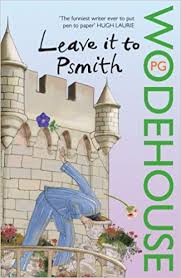
However, this melancholy was short-lived. Psmith had just joined him and had successfully managed to secure for himself the vacancy that had arisen. Even though Psmith had confessed to having no prior experience of being a secretary, what went in his favour was the self-confidence with which he proposed his candidature, the fact that he was a member of the Senior Conservative Club and that he was the son of Smith, the owner of the Corfby Hall, who had won a prize for tulips at the Shrewsbury Flower Show the year Lord Emsworth had won the prize for roses.

Psmith announced that he was about to be married to Ms Eve Halliday, probably the finest library-cataloguist in the United Kingdom.

‘She is a nice girl,’ said Lord Emsworth.

‘I quite agree with you.’

‘Congratulations are in order, my dear fellow, to both of you.’

‘I am extremely obliged,’ said Psmith. ‘But we are planning to go in for a slimmer, trimmer and smarter marriage, unlike one of those bigger and fatter marriages which take place elsewhere, like in Greece or India.’

‘Eh?’ said his lordship. ‘Is there anything which is causing any problem?’

Psmith patted the shoulder of his employer reassuringly. ‘Yes,’ he said. ‘You might have heard of the Corona Virus which is catching up like wild fire across our planet these days.’

‘Cyrus….do you refer to George Cyrill Wellbeloved?’, enquired his lordship, shaking like an aspen. A dark cloud appeared to be casting a shadow on his visage.

‘No. I allude to a deadly virus which kicked off its journey in China and has rapidly spread across very many countries,’ responded Psmith. ‘It causes fever, cough and breathing difficulties. Human contact must be kept to a minimum to avoid its further spread.’

‘Do you think the Empress could contract this as well,’ cried his lordship, starting like a war horse at the sound of the bugle.

‘I would not venture a guess. Perhaps we need to consult a vet immediately.’

‘Let us do this right away,’ responded his lordship, peering sharply through his glasses. ‘The next Shropshire Show is not too far off, and we need to provide her all the protection she deserves.’

‘Absolutely’, said Psmith. ‘But allow me first to update you on the marriage plans without further delay.’

‘Marriage, eh? But who is marrying whom?’, queried his lordship.

‘Eve and I have plans of walking down the aisle pretty soon.’

‘Oh, yes, yes….quite, quite. Capital. Capital.’

‘As I said, we plan this to be a slimmer, trimmer and smarter affair. If you permit me, I wish to share some details with you.’

‘My dear fellow, you may do so quickly and then rush to arrange my meeting with an eminent vet.’

‘Obliged. We are working on a short video invite which would get delivered on the smart phones of our relatives and close friends. The invitation will request them to be available on their phones at the prescribed time. The marriage will take place only in the presence of our parents. The ceremony will be shown live to all invitees on their phones, thereby minimizing the chances of the virus becoming a contagion of sorts.’

Lord Emsworth drew himself up. But beneath the solemn friendliness of Psmith’s gaze hauteur was not easy to sustain. He sagged again, resigning to the situation.

‘So no wedding cake for all those invited?’ he commented dryly.

‘Far from it. To all those who are virtually present, we plan to send them return gifts comprising yoga manuals, some delectable chocolate figurines showing a marked likeness to the bride and the groom striking a Charleston pose and, of course,  hand sanitizer tissues with which they might wipe all the contents before touching the same. If the epidemic is already under control by then, we would send them gift coupons from famous restaurants located in their city of residence. This way, the carbon footprint of our marriage would be minimal and we shall make a modest contribution towards protecting our near and dear ones from the kind of exotic viruses which Nature keeps unleashing upon us at frequent intervals. Nature is calling upon humanity to change its polluting lifestyles and we need to heed the same. When Nature starts healing itself, all of us shall benefit. Roses, hollyhocks and others of their ilk would be happier. Birds would chirp more merrily. Bees and butterflies would go about doing whatever they do with renewed enthusiasm. Blandings Castle would thus be a happier place.’

Lord Emsworth perked up. ‘A novel idea, my dear fellow,’ he said.

‘We do believe so. It would be a win-win situation because all would get a bird’s eye view of the ceremony, avoiding travel, free of security bottlenecks due to VVIP attendees, no fat charges for hiring large venues, minimizing catering and other incidental costs.’

‘But the warmth of personal contact would be missing, don’t you think?’ commented his lordship.

‘Yes. Many of us would be missing the back-slapping, bonhomie and networking which entails at a traditional wedding. But social distancing is the key idea these days. One has to make tough choices in tougher times.’

Eve passed by on the terrace below. Psmith waved at her. She waved back at both of them and continued with her stroll.

Psmith continued with his tirade.

‘There are many other benefits of a smarter marriage of this kind. One, parents are spared the trauma of plastic smiles they have to put on so they may appear to be fair and polite to all those who land up in flesh and blood. Two, one does not need to hire detectives so as to ensure that all valuables remain safe. Three, with lesser number of those who keep firing instructions at the bride and the groom, both breathe easy and enjoy the proceedings better. Four, elaborate arrangements invariably make our income tax sleuths sit up and take notice. Such obnoxious occurrences are best avoided.’

‘Income tax!’ cried Lord Emsworth. Income tax and pigs were the only two subjects which really stirred him. ‘Let me tell you that the more you speak of a marriage of this kind, better sense you appear to make. Do please go ahead with your commendable plans. I hope you have drawn these up in consultation with Ms Halliday!’

‘Yes, indeed. Many of these happen to be her ideas,’ said Psmith graciously.

‘God bless you both.’

‘Permit me also to point out that under such circumstances when close encounters with others are best avoided, you could even exercise the option of cancelling the August Bank Holiday this year.’

‘Oh, that would be nice, indeed. The invaders would then not be able to trample over my flower beds, and I do not have to wear stiff collars and make infernal speeches!’

‘I thought you might like the idea,’ said Psmith.

‘Er, now about that vet…..’

‘Yes. I am just rushing off to enable a meeting of the kind desired by you. Meanwhile, may I suggest that you persuade Ms Monica Simmons to keep a strict watch on the Empress’ diet? Any large deviation therein could indicate her indisposition. If you consider it proper, you may even spread a rumour about her having attracted a contagious disease. This would keep pig-stealers of all hues, sizes and shapes under check for some time.’

‘Splendid. I shall attend to it right away’, said his lordship.

With a slight bow, Psmith withdrew.

(With due apologies to Plum; Inspired by https://ashokbhatia.wordpress.com/2020/03/20/jeeves-deals-with-croronavirus-guest-post-by-eduardo-garcia)

Read Full Post »

One often wonders as to why nature has stopped playing an important role in Bollywood songs. Perhaps, themes have come to represent the urban lot, and are no longer village-centred. Moon no longer gets compared to the face of the beloved as frequently as it did in the past. The gentle rustling of soothing wind has all but vanished from our soundtracks. Shimmering waters of a sea or a lake no longer excite our lyricists. Snow-covered mountains make a rare appearance. The soothing sounds of nature have got replaced by metro screeches, car honkings and trains trudging along.

Not to fret, though. Here is a brilliant post from Dusted Off, which takes us back in time, right into the warm embrace of nature.

dustedoff's avatarDustedoff

Several years back, poet, friend and fellow Sahir Ludhianvi fan Karthika Nair and I were discussing Sahir’s poetry. After a while, we arrived at the conclusion that, while everybody acknowledges the brilliance of Sahir’s more revolutionary poetry—of the Yeh duniya agar mil bhi jaaye or Chini-o-Arab hamaara—and some of his more angsty and emotional lyrics (Chalo ek baar phir se, anyone?), many people tend to overlook the fact that Sahir was also one of those poets who could describe nature brilliantly.

When I mentioned having studied Pighla hai sona in school (it was in our school textbook), Karthika remarked that, in that song, “nature became an active agent, not a landscape.” That reminded me of a theme I’d been toying with for a long time, for a song post. Songs that celebrate nature, songs that appreciate the beauty of nature. Nature or an aspect…

View original post 1,465 more words

Read Full Post »

Lord Emsworth

Much like all masters perched on the literary high table, P G Wodehouse also used Nature as a colluding partner in his narratives. When all is well with the world, roses are in bloom, bees and birds go about doing what they are ordained to do, and the sun goes about spreading cheer with due benevolence. But when giant egos clash or a disaster looms large, Nature stops in its tracks, birds stop chirping noisily, breeze ceases to blow and even flowers stand still.

In other words, Nature is depicted as having a sensitive soul, cheered up when the proceedings are going as per plans, but looking askance when the reverse happens. In the hands of proficient wordsmiths, it assumes a character of its own and provides mute support to the goings on in the narrative.

By way of an example, consider the story ‘Lord Emsworth and the Girl Friend.’

Angus McAllister, the head gardener at Blandings Castle, has an anti-moss spirit. Lord Emsworth often wonders why Providence had not taken note of his sterling qualities and made him a first class mule. He recalls the time when, after having sacked him, McAllister, he, Lord Emsworth, had to plead with him to come back. This alone had resulted in his favorurite pumpkin winning the Agricultural Show.

It was a supreme sacrifice at the altar of an employer’s ego, paving the way for a subsequent loss of the iron hand to have an effective control over his own property, comprising not only the castle and its grounds but also the exquisite flora and fauna hosted therein. Lord Emsworth had thus ended up becoming the ground under the number twelve heel of the Glaswegian head-gardener.

He believed that he had thus evolved into a spineless and unspeakably unworthy descendant of his ancestors who had perfected the art of handling employees, even if it involved dividing an obdurate employee into four employees by using a battle-axe without any eyebrows getting raised.

Till the time Gladys popped up in the scheme of things, McAllister’s control over ‘flarze’ in the Blandings Castle gardens was absolute. Anyone desirous of acquiring some of these had to wait till the time he was in an amiable state of mind, steer the conversation around to the subject of interior decoration, and then took a pot shot at one’s desire.

If one’s Guardian Angels were in a benevolent mood, and if McAllister chose to show you around the gardens with a dash of Scottish pride, one could see the following species in full bloom:

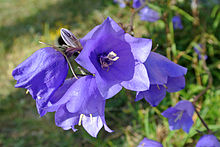
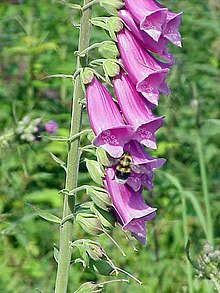
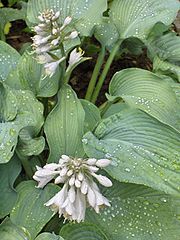
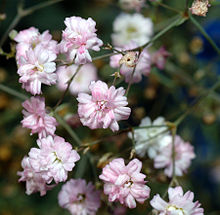
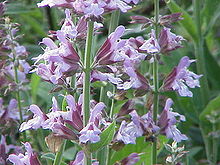
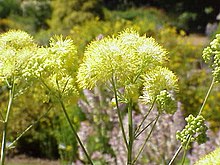
Achillea


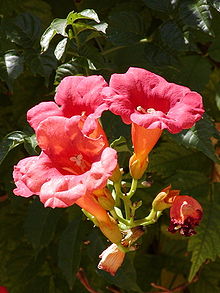
Bignonia Radicans


Campanula


Digitalis


Euphorbia


Funkia


Gypsophila


Helianthus


Iris


Liatris


Monarda


Phlox Drummondi


Salvia


Thalictrum


Vinca


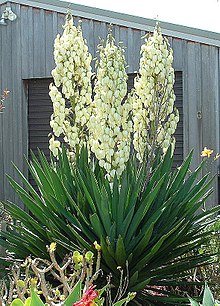
Yucca

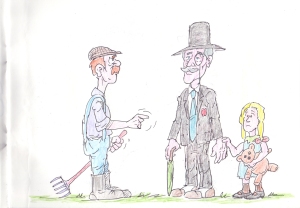
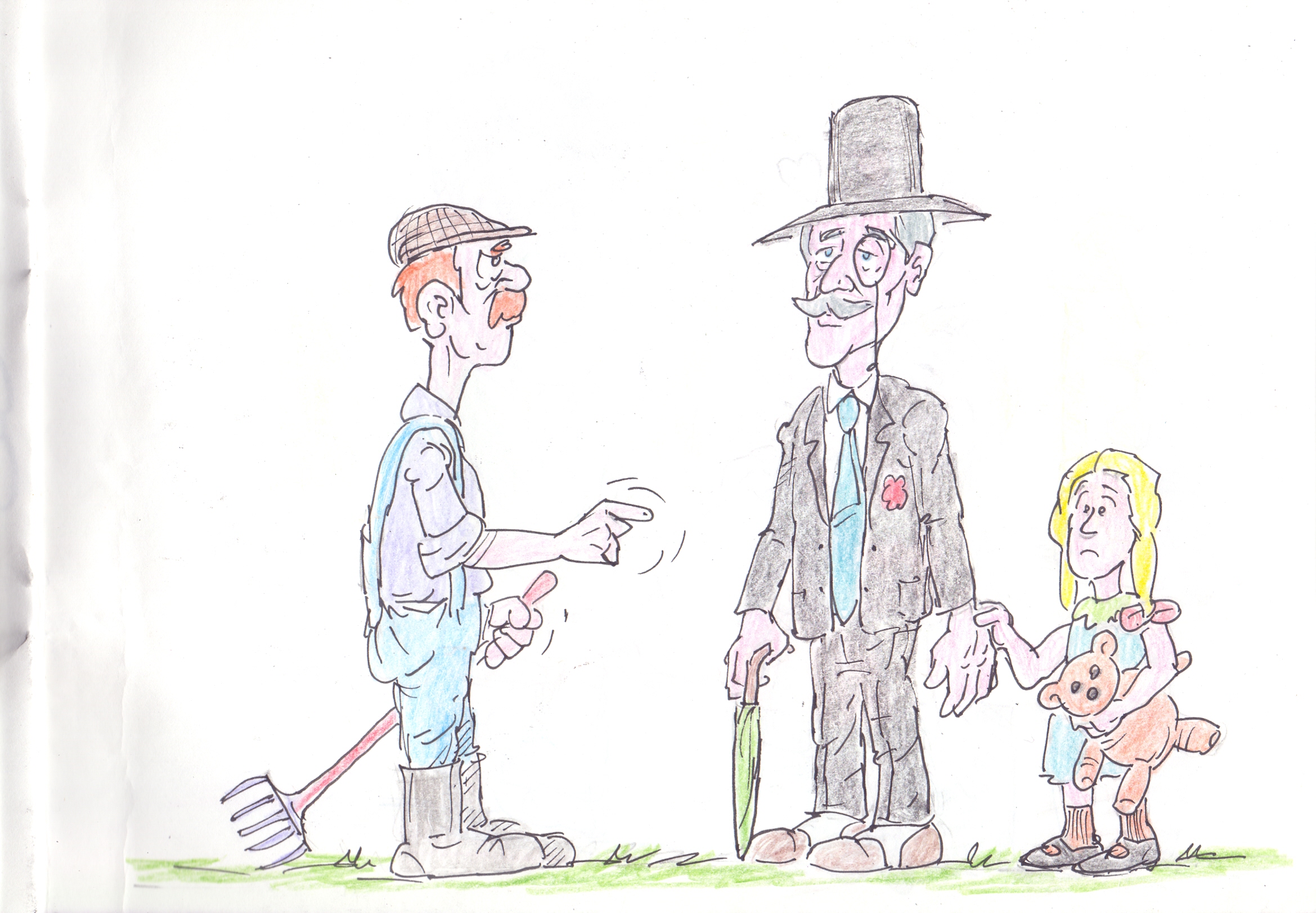
And when a small girl in a velveteen frock is seen flitting about his sacred gardens and picking his sacred flowers – that too, a girl who had copped him on the shin with a stone just the other day, he rushes out of his den at forty-five miles per hour.

Lord Emsworth’s soul quivers at the spectacle of the man charging down on him with gleaming eyes and bristling whiskers. But with the soft hand of Gladys in his hands, his spine sheds all the cottage cheese it had accumulated over time and gets converted into one made up of chilled steel.

‘This young lady,’ said Lord Emsworth, ‘has my full permission to pick all the flowers she wants, McAllister. If you do not see eye to eye with me in this matter, McAllister, say so and we will discuss what you are going to do about it, McAllister. These gardens, McAllister, belong to me, and if you do not – er – appreciate that fact you will, no doubt, be able to find another employer – ah – more in tune with your views. I value your services highly, McAllister, but I will not be dictated to in my own garden, McAllister. Er – dash it,’ added his lordship, spoiling the whole effect.

The sudden transformation in the character of the main protagonist leaves Nature baffled and astounded. All is still for some time. The Achillea, the Bignonia Radicans, the Ampanula, the Digitalis, the Euphorbia, the Funkia, the Gypsophila, the Helianthus, the Iris, the Liatris, the Monarda, the Phlox Drummondi, the Salvia, the Thalictrum, the Vinca and the Yucca – all are still.

Angus McAllister is perplexed. He decides it is better to cease to be a Napoleon than to be a Napoleon in exile. ‘Mphm,’ he says.

Nature resumes its breathing. The breeze begins to blow again. And all over the gardens the birds resume their musical notes. And the Achillea, the Bignonia Radicans, the Ampanula, the Digitalis, the Euphorbia, the Funkia, the Gypsophila, the Helianthus, the Iris, the Liatris, the Monarda, the Phlox Drummondi, the Salvia, the Thalictrum, the Vinca and the Yucca, much relieved, start swaying in the gentle wind yet again.

The repertoire of such literary giants as Shakespeare, William Wordsworth, Charles Dickens, Thomas Hardy and Kalidasa are littered with natural allusions. Same is true of P G Wodehouse.

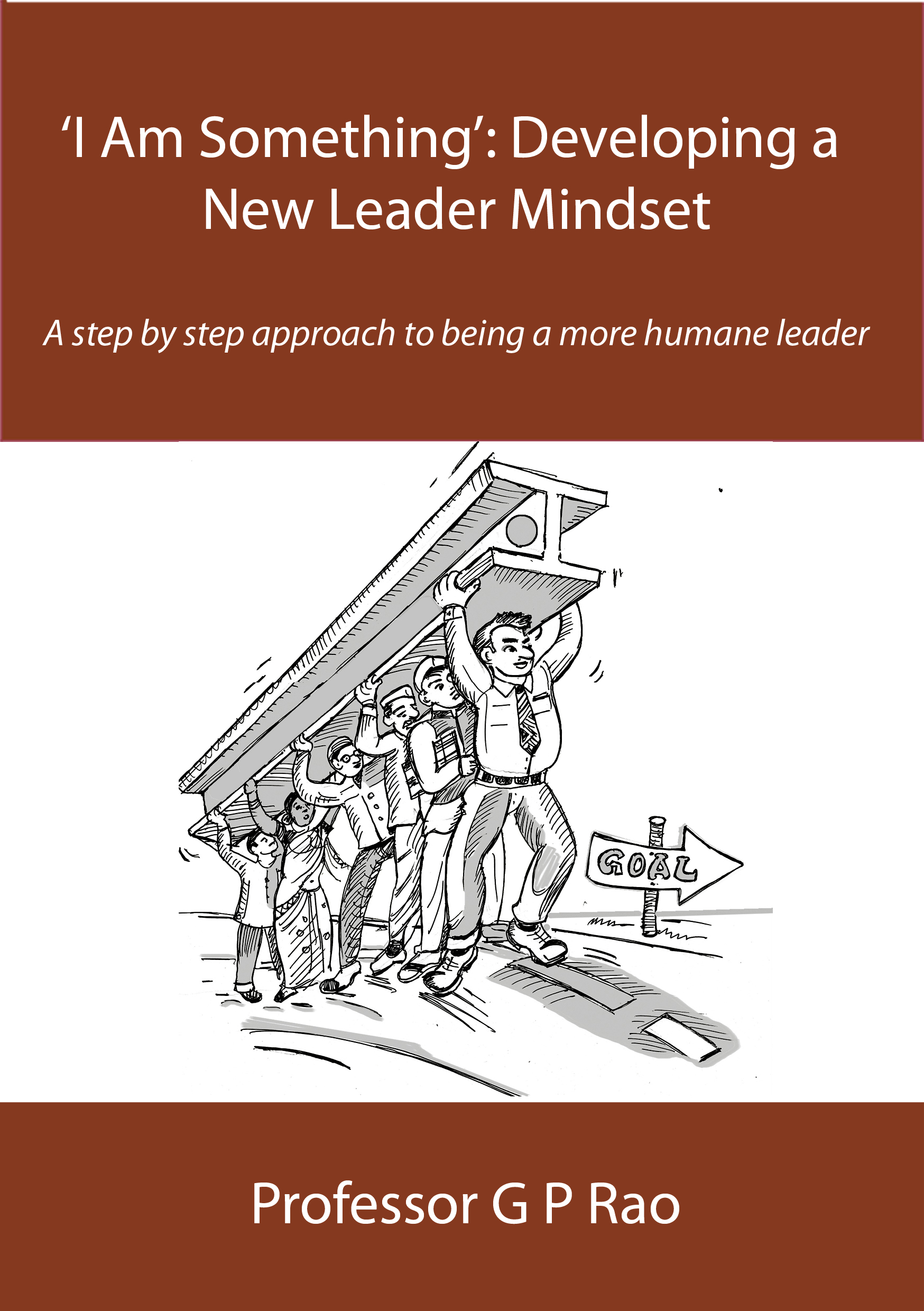
(Illustration courtesy Suvarna Sanyal, a retired banker who has an eye and an ear for all there is to see, listen to and laugh at in this world.

Representations of flowers courtesy Wikipedia. Given the non-floricultural background of yours truly, errors and omissions in these may kindly be excused.)

(Related Posts:

https://ashokbhatia.wordpress.com/2019/05/09/lord-emsworth-and-the-girlfriend-a-viewpoint

https://honoriaplum.wordpress.com/2014/01/16/great-wodehouse-romances-lord-emsworth-and-the-girl-friend-by-ken-clevenger)

Read Full Post »

We continue our exploration of the National Gallery of Norway in Oslo.

In the previous post, we looked at the manner in which different elements of Nature have got captured in some of the paintings on display.

In this post, and in the next one, we admire the life-like depiction of human beings and their interactions with each other. Some are mythical, some are real and some are a product of the artist’s creative genius.

Woman Suckling an Infant (Ferdinand Bol)


Mary Magdalene penitent (Artisia Gentileschi)


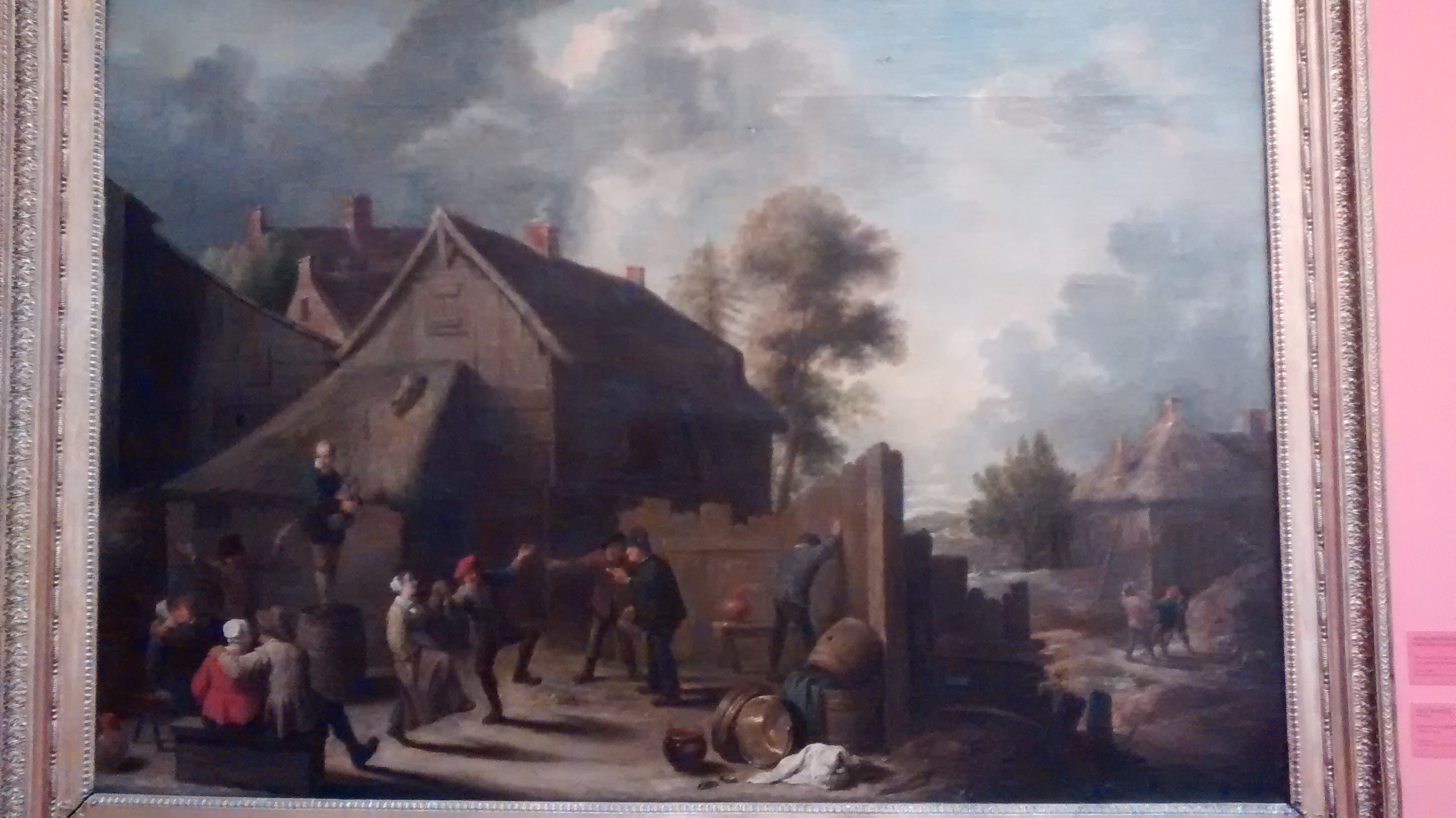
A rustic party (David Teniers)


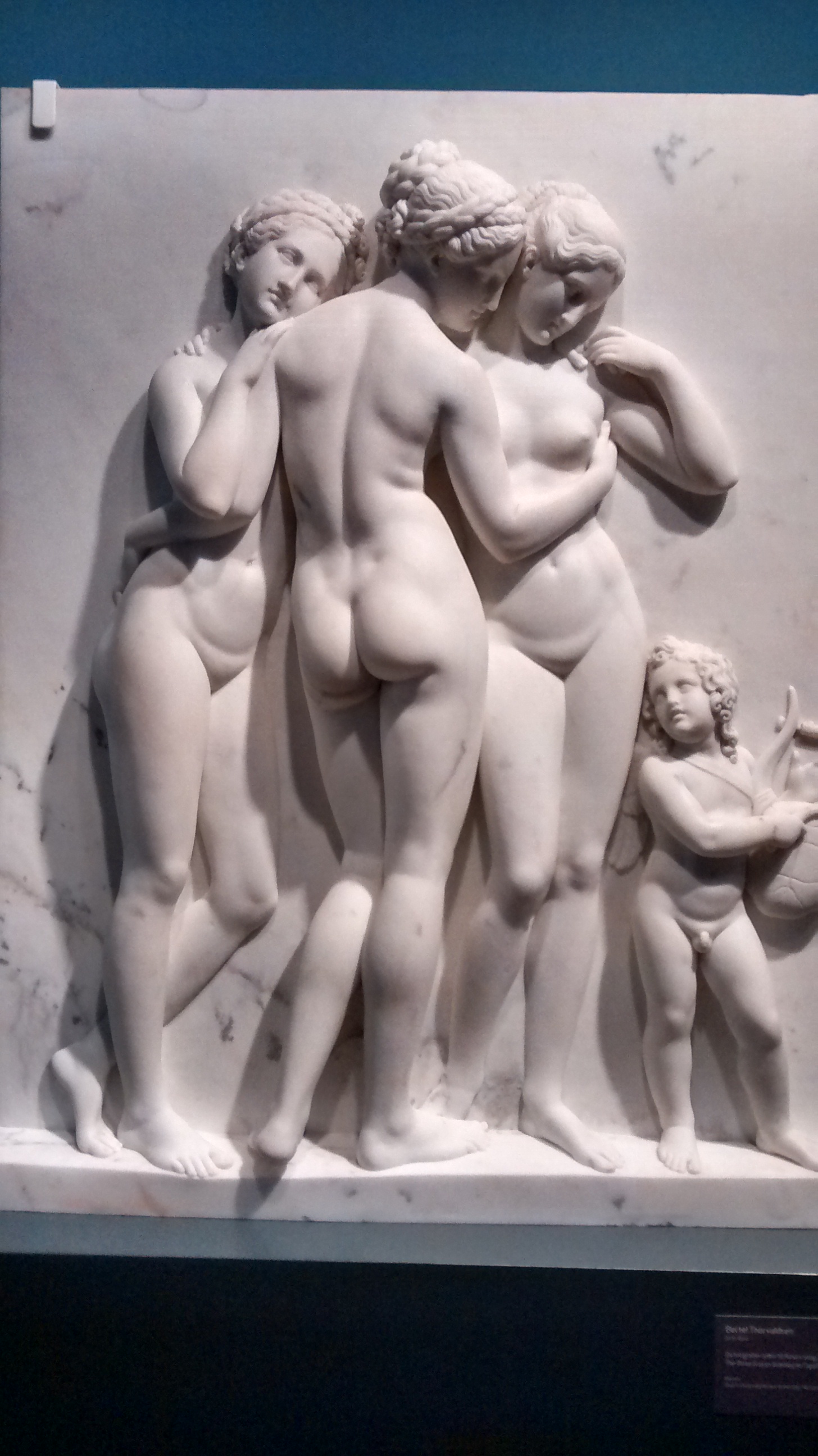
The Three Graces listening to Cupid’s song (Bertel Thorvaldsen)


The Farewell (Harriet Backer)


The Return of the Bear Hunter (Adolph Tidemand)


The Thinker (Auguste Rodin)


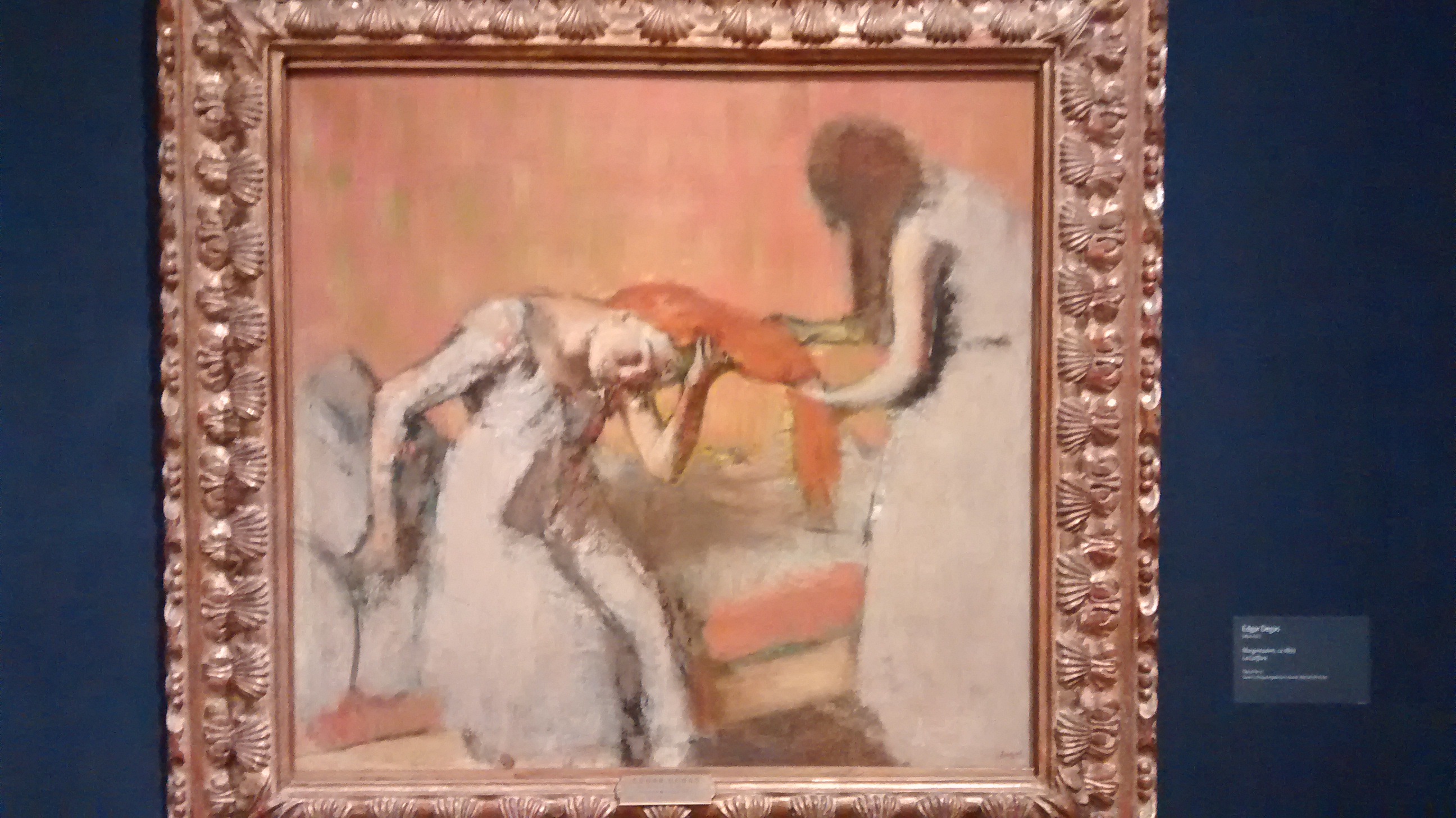
La Coiffure (Edgar Degas)


The Dreamer (Halfdan Egedius)


Portrait of Gerda (Richard Bergh)


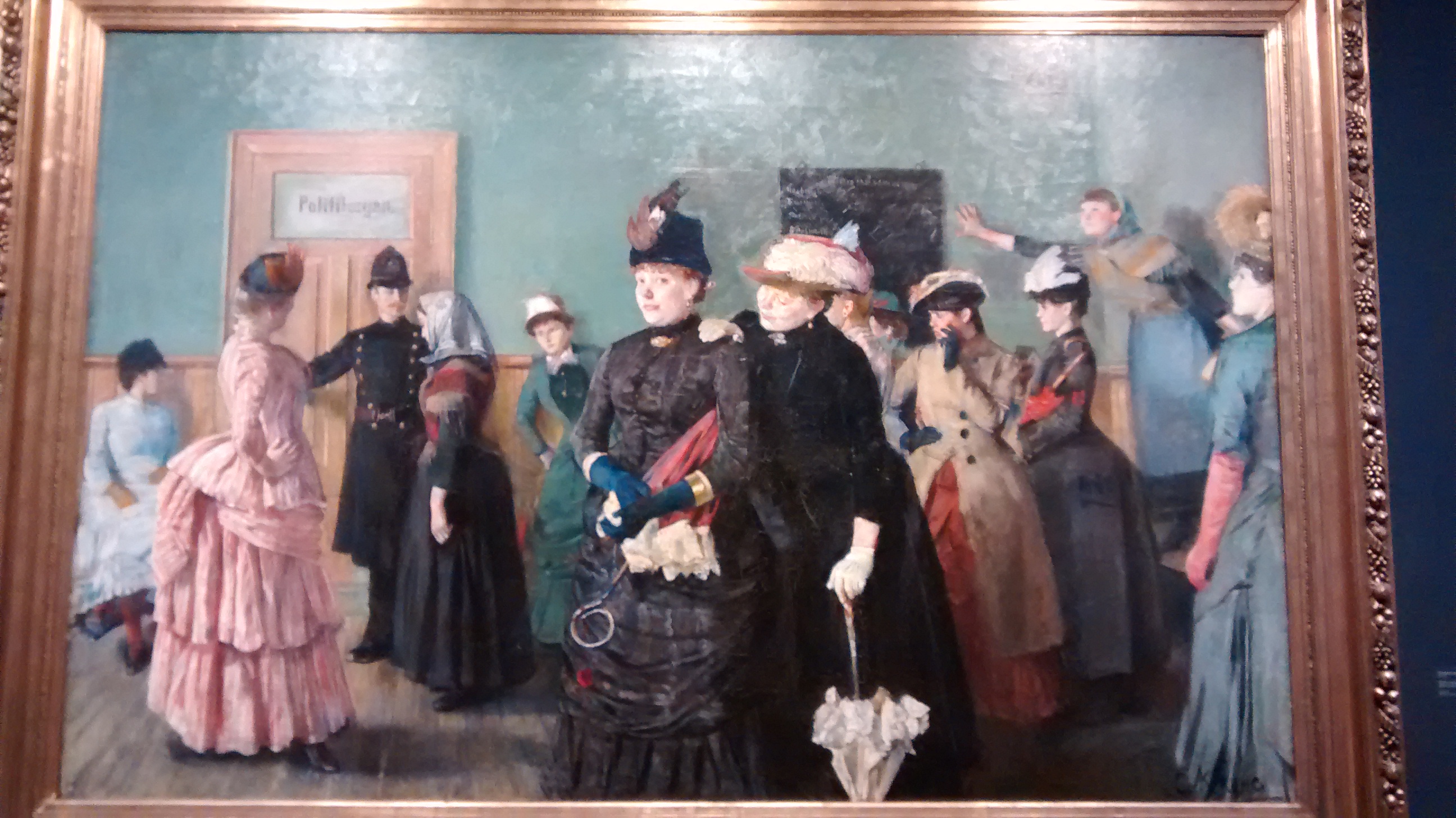
Albertine to See the Police Surgeon (Christian Krohg)


Mother and Daughter (Edvard Munch)


The Girls on the Bridge (Edvard Munch)

‘Nature is not only all that is visible to the eye… it also includes the inner pictures of the soul.’

This is what Munch had to say. How very insightful!

(Continued…..)

(Related Post: https://ashokbhatia.wordpress.com/2018/04/16/revisiting-the-national-gallery-of-norway-nature)


Read Full Post »

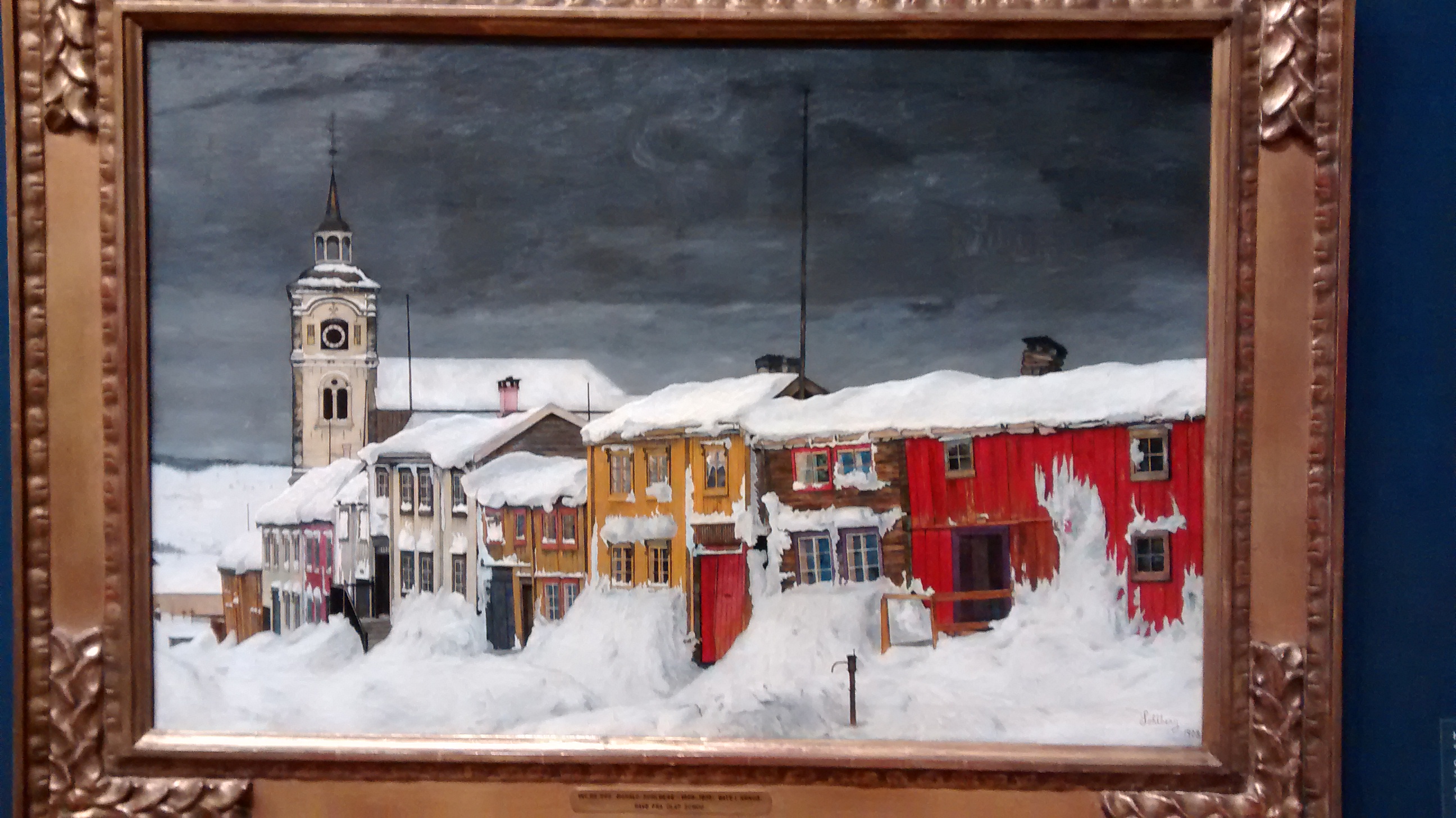
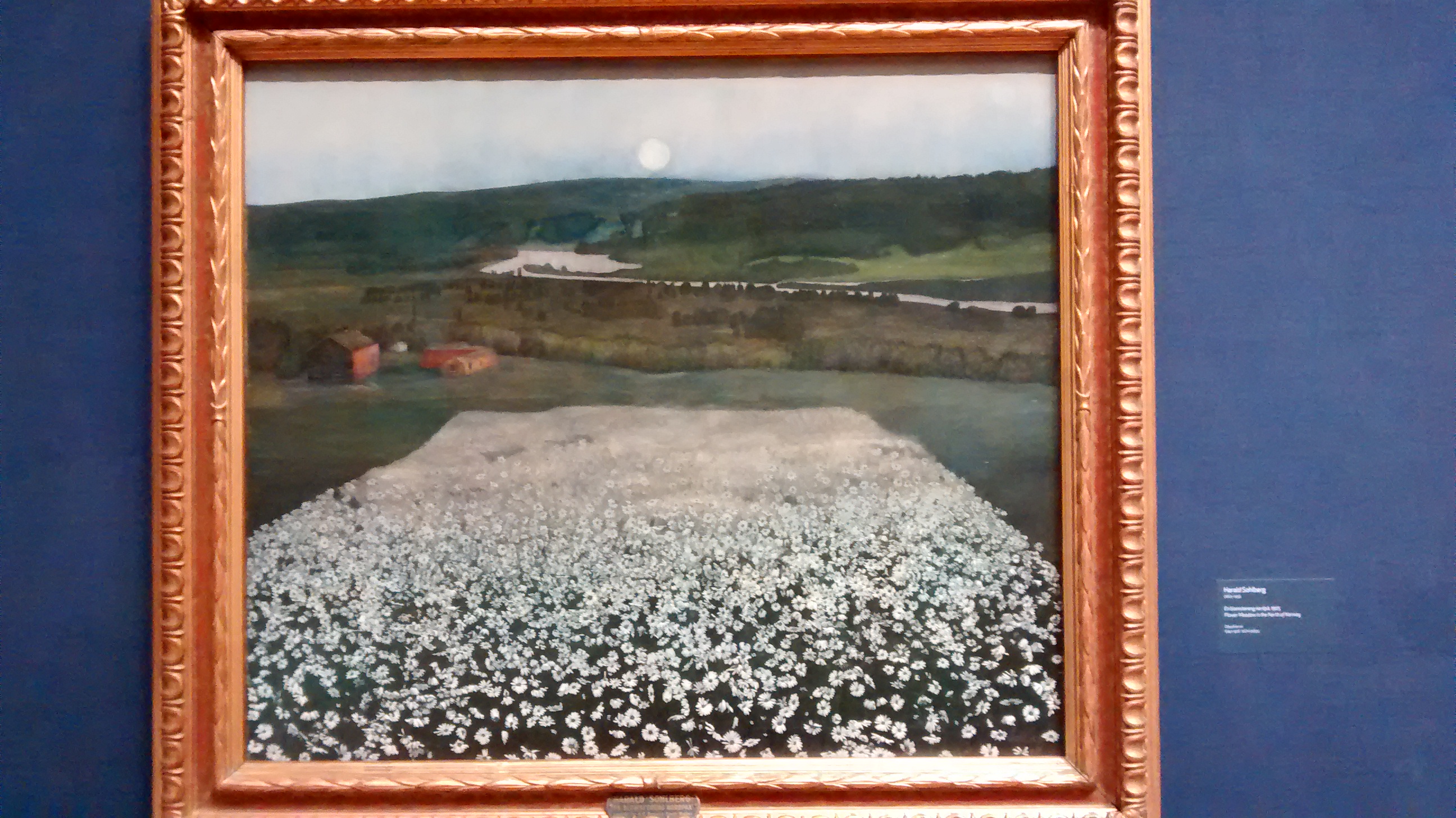
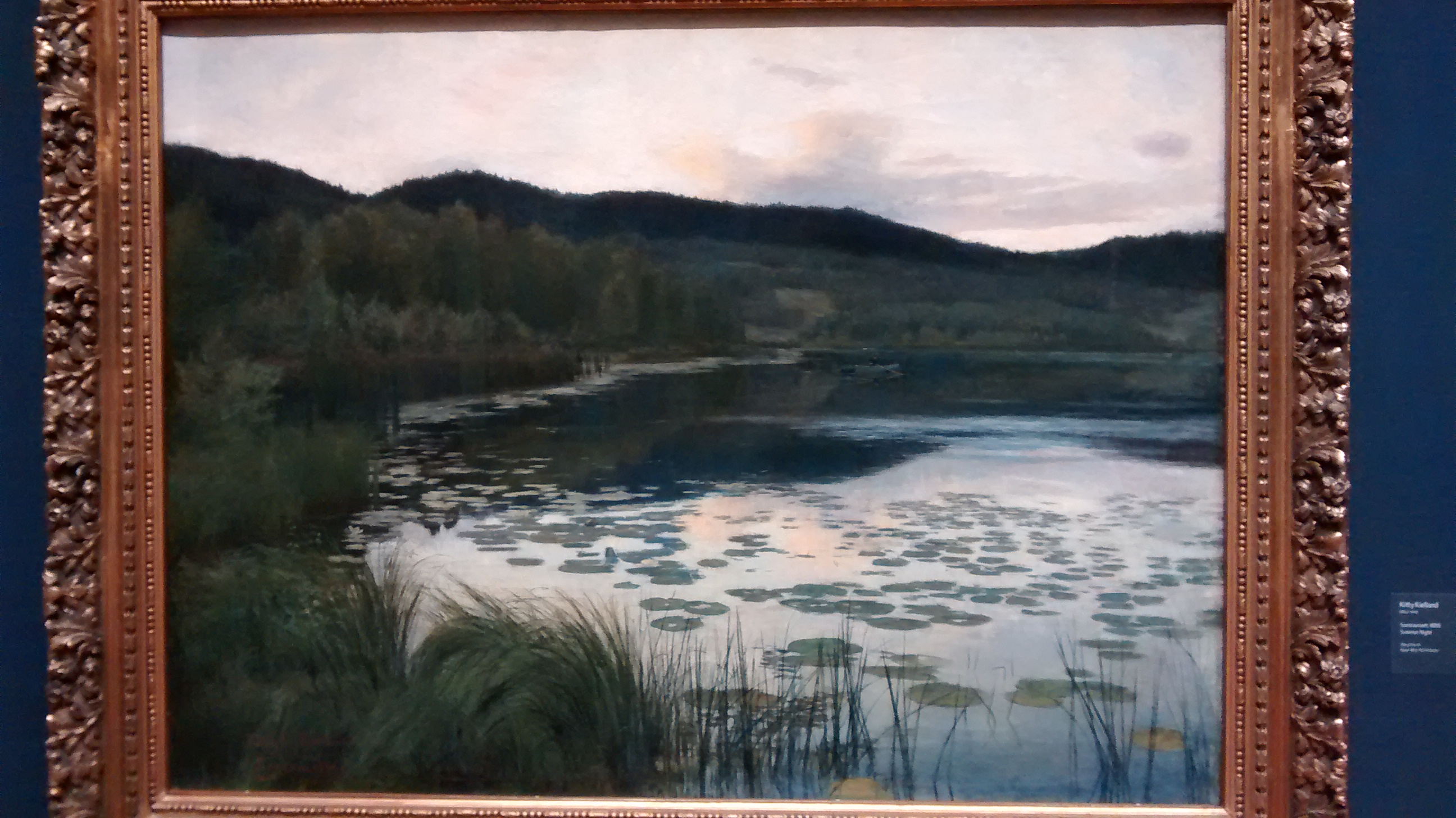
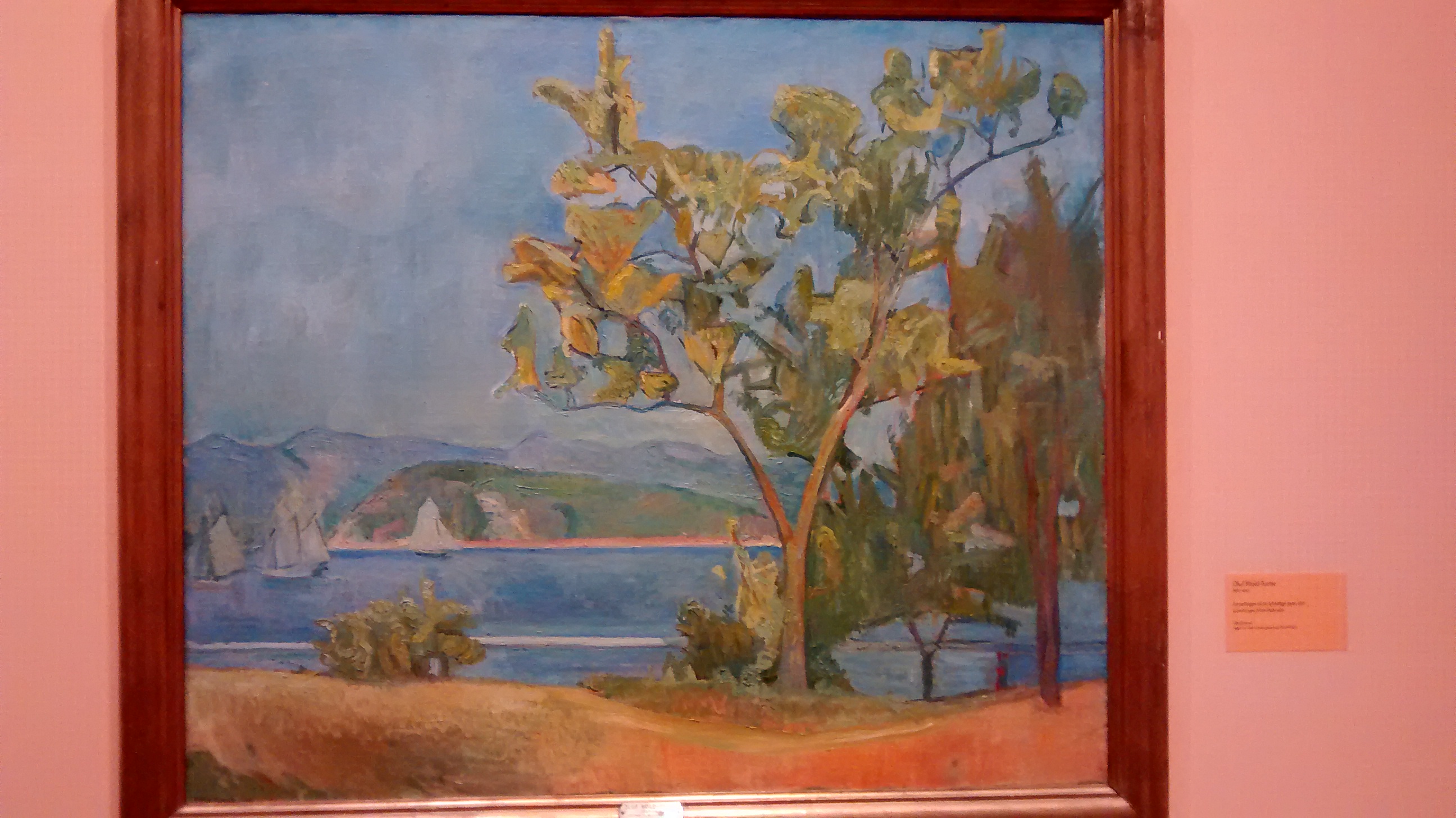
An opportunity arose recently for yours truly to be able to revisit the National Gallery of Norway in Oslo. Time spent in its serene ambience, soaking in the artistic brilliance in each of its works on display, was time well spent, indeed.

This post captures some of the paintings which depict the beauty of nature in all its glory.

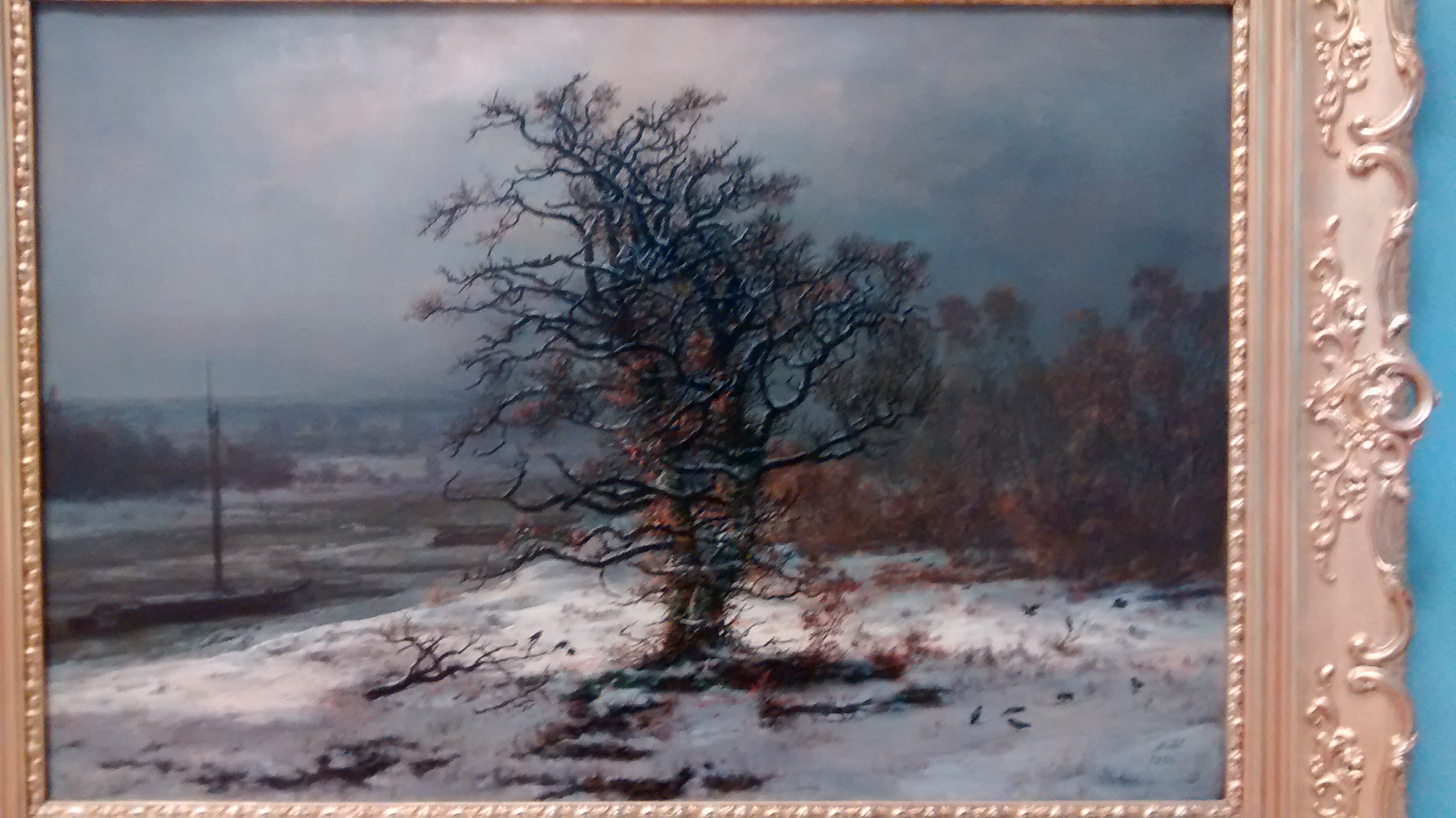
Oak Tree by the Elbe in Winter (Johan Christian Dahl)


The Labro Falls at Kongsberg (Thomas Fearnley)


The Grindelwaldgletscher (Thomas Fearnley)


Winter at the River Simoa (Frits Thaulow)


Storm, Evening (Eugene Jansson)


Street in Roros in Winter (Harald Sohlberg)


Flower Meadow in the North of Norway (Harald Sohlberg)


Summer Night (Kitty Kielland)


Moonlight (Edvard Munch)


Landscape from Holmsbu (Oluf Wold-Torne)


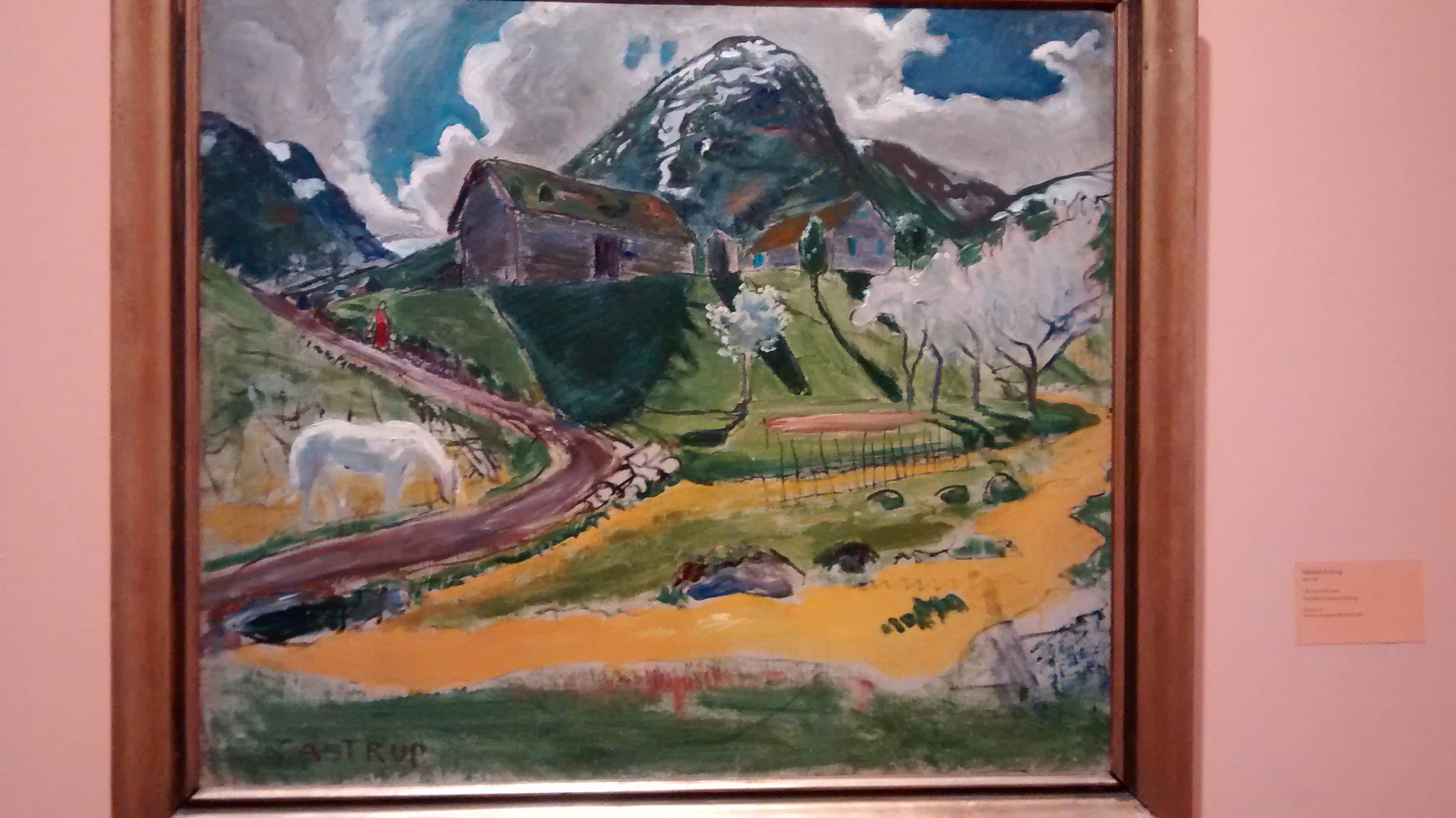
The White Horse in Spring (Nikolai Astrup)


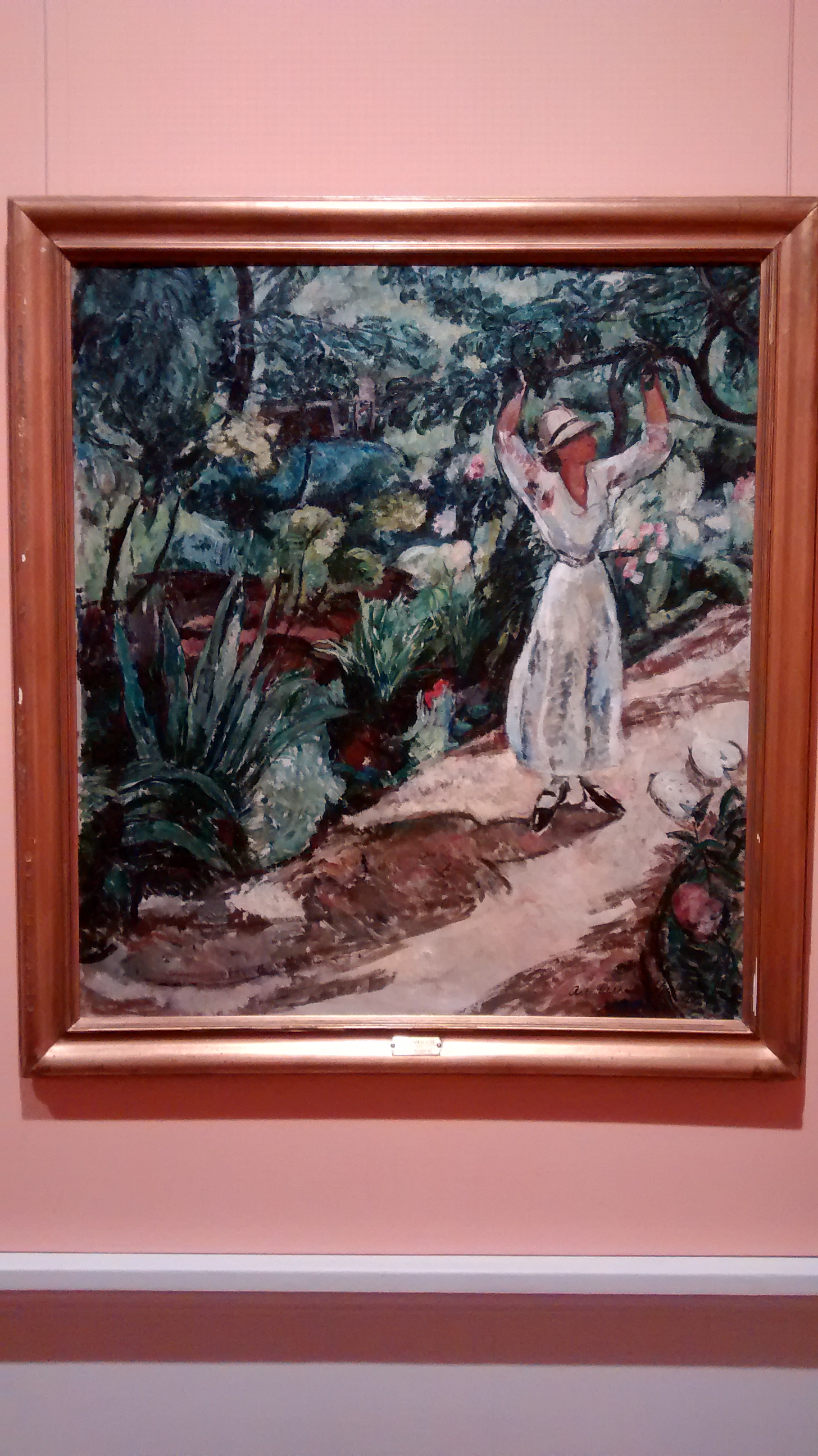
In the Garden (Astri Welhaven Heiberg)


Each painting is unique, and captures a different mood of Mother Nature in a very effective manner.

(Related Post: https://ashokbhatia.wordpress.com/2014/07/24/the-dance-of-life-at-the-national-gallery-of-norway)


Read Full Post »

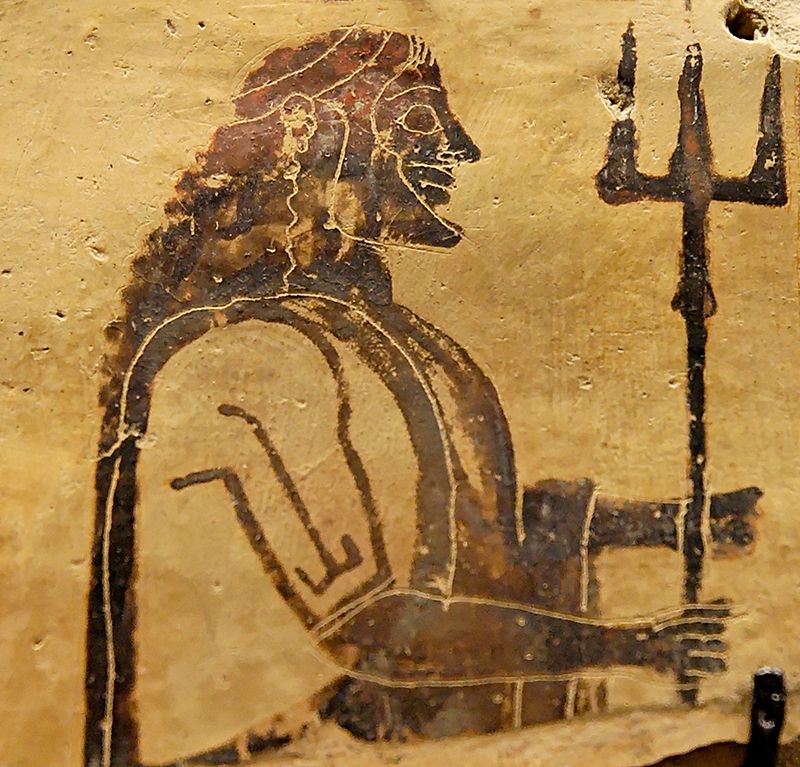
Poseidon_Louvre_CA452Homo Sapiens continue to misbehave with you, Water,

Exploiting you with all their ingenuity and might,

What they do not realize is the power of your mightier force,

Which could easily turn a sunny day into a dark night.


To meet our insatiable needs, we keep drawing you from deep down under,

Inviting salinity and making the tables to fall more steeply than ever,

Large corporates do manage to grow and flourish based on your input,

Alas, the poor and the downtrodden are neither that resourceful nor clever.


They look for you with parched throats and unseeing eyes,

Victims of circumstances beyond their control, your partiality they do mind,

Those who produce food and grains look up to you for succour,

Facing blizzards, tsunamis, cyclones, droughts, floods and deluges of all kind.  


The Water Nymphs whose modesty we continue to outrage,

Get back to humanity, their retribution instructive and a class apart,

Your commodification they protest, your disrespect they do not like,

To live in harmony with nature is the lesson they try to impart.


Elements of Mother Nature are here to help us to evolve and grow,

Not to be abused, exploited and confronted with any artificial constraint,

They come to sustain us, free, in a mode of selfless service,

And deserve to be respected, revered and used with adequate restraint.


Note: On December 26, 2004, the East Coast of India was struck by a tsunami.

Read Full Post »