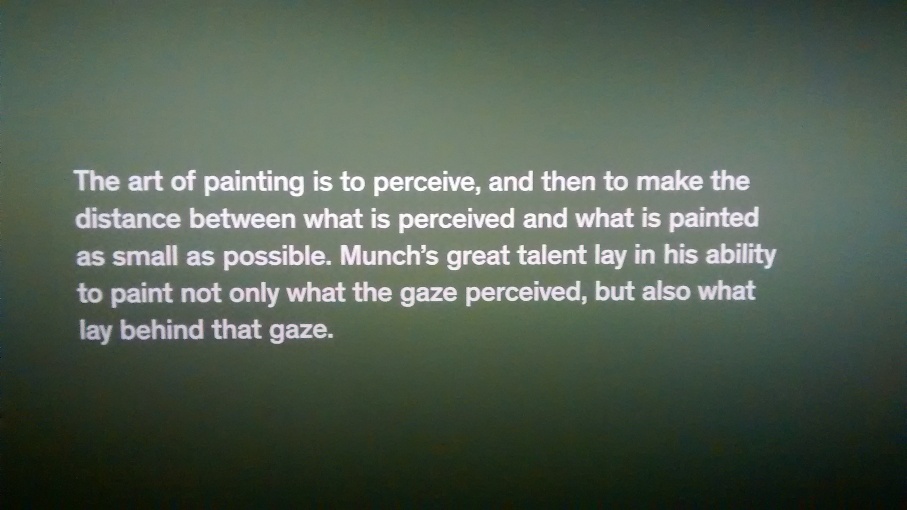
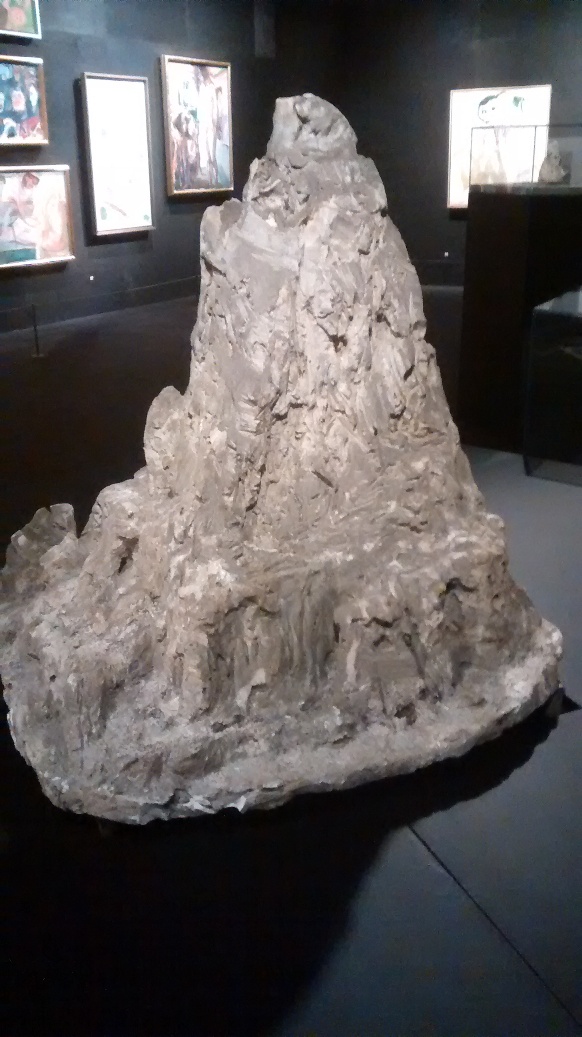
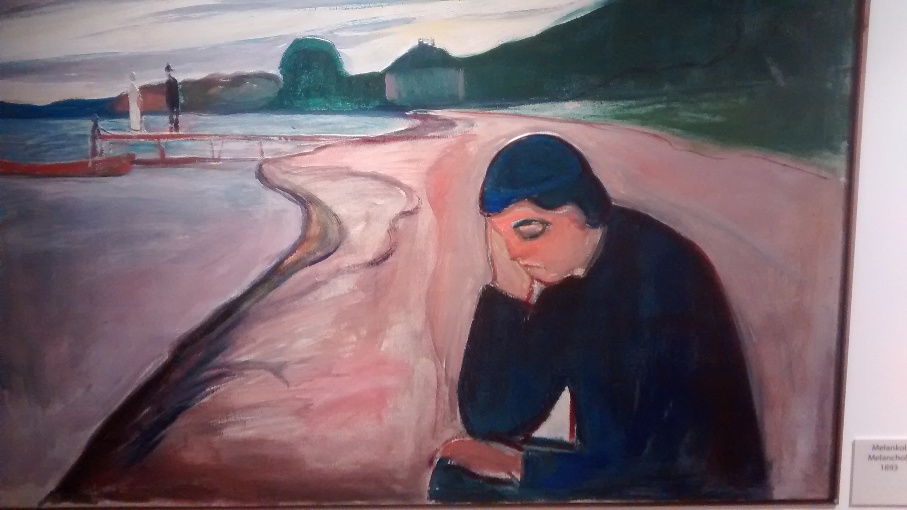
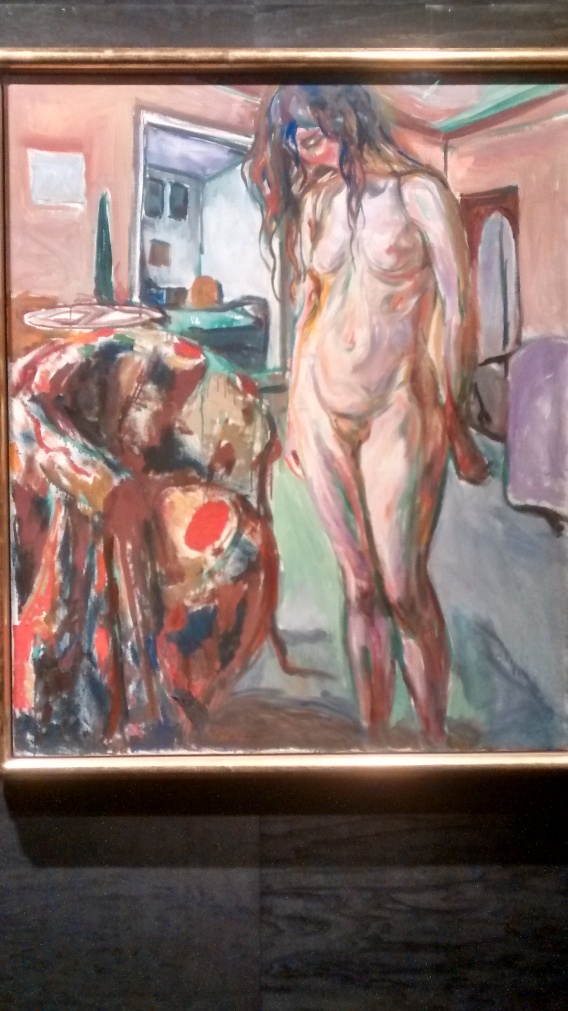
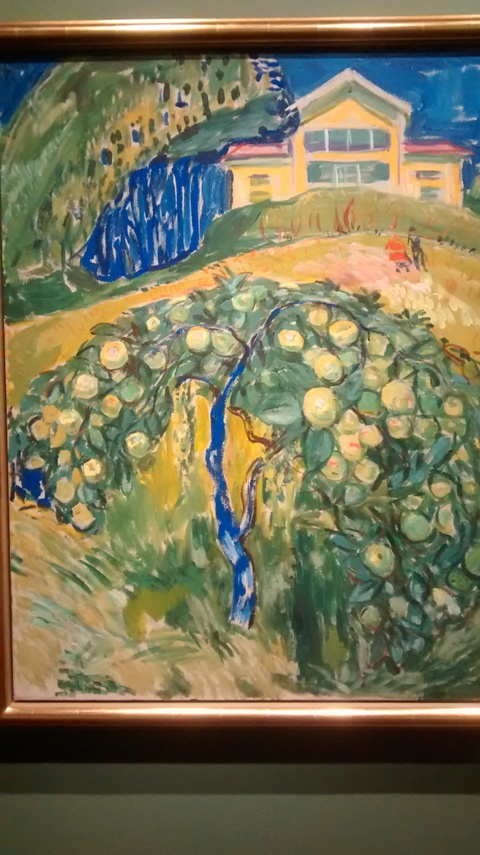
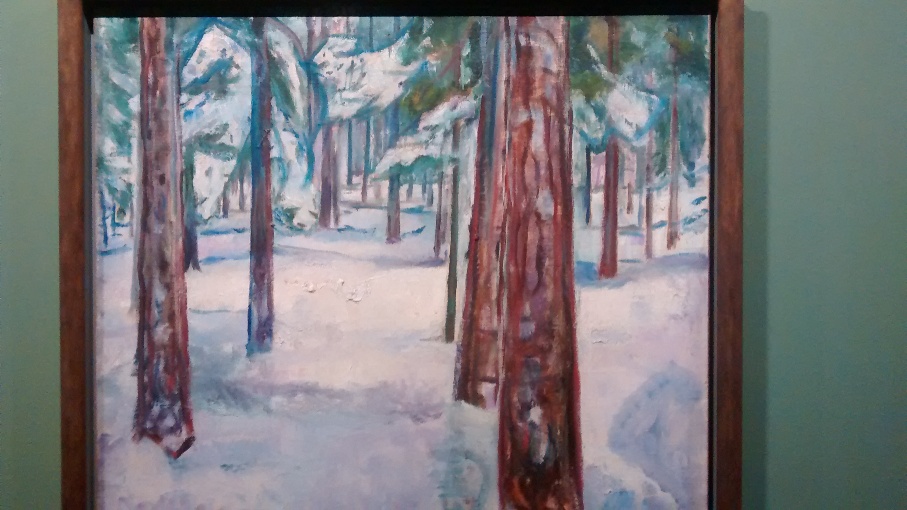
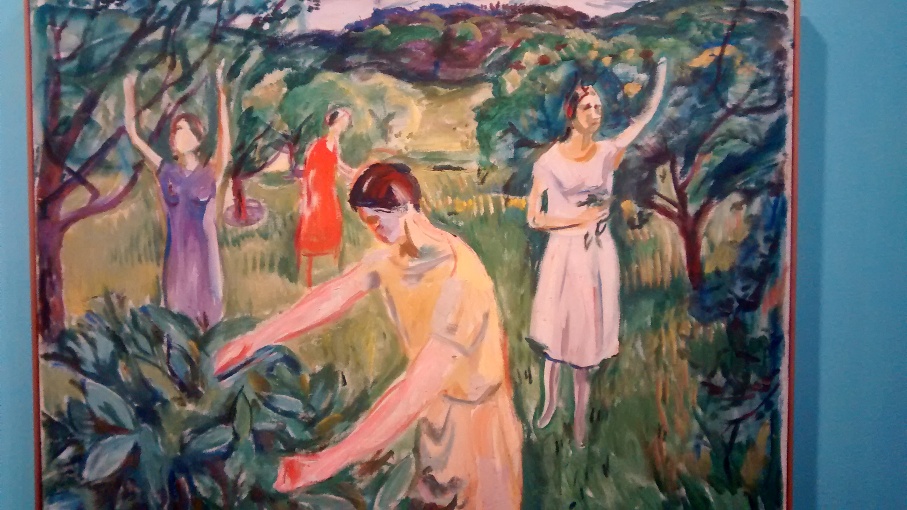
(Note: The poor quality of reproduction of these paintings is surely not a reflection on the original work of the artist. These merely expose the limited photography and photo-editing skills of yours truly.)
Continued……
(Related Post:
Posted in The European Diaries, tagged Art, Edvard Munch, Munch Museum, Norway, Oslo, Paintings on April 6, 2018| Leave a Comment »
(Note: The poor quality of reproduction of these paintings is surely not a reflection on the original work of the artist. These merely expose the limited photography and photo-editing skills of yours truly.)
Continued……
(Related Post:
Posted in The European Diaries, tagged Art, Edvard Munch, Munch Museum, Norway, Oslo, Paintings on April 3, 2018| Leave a Comment »
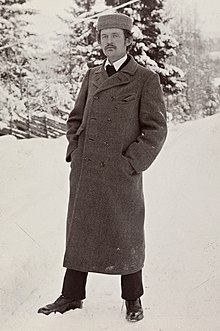
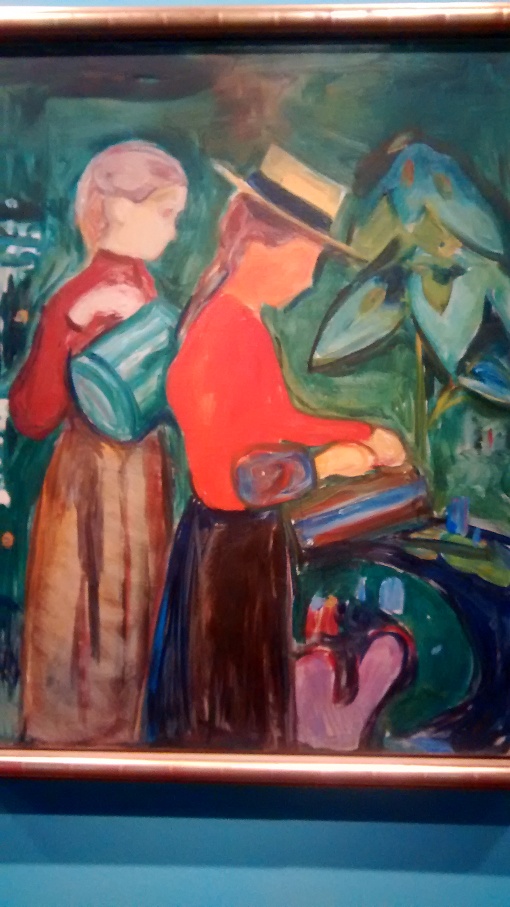
Edvard Munch (1863-1944) is well known for many of his paintings, like The Scream, Madonna and The Sick Child.
A possibility to visit the Munch Museum in Oslo some time back gave yours truly an opportunity to look up several of his other works.
Continued……
(Note: The poor quality of reproduction of these paintings is surely not a reflection on the original work of the artist. These merely expose the limited photography and photo-editing skills of yours truly.)
(Related Posts:
Posted in The European Diaries, tagged Art, Bonnard, Braque, Cezanne, Chagall, Leger, Lucerne, Matisse, Miro, Monet, Pablo Picasso, Paintings, Paul Klee, Rosengart Collection, Switzerland, Vuillard on December 2, 2016| 2 Comments »
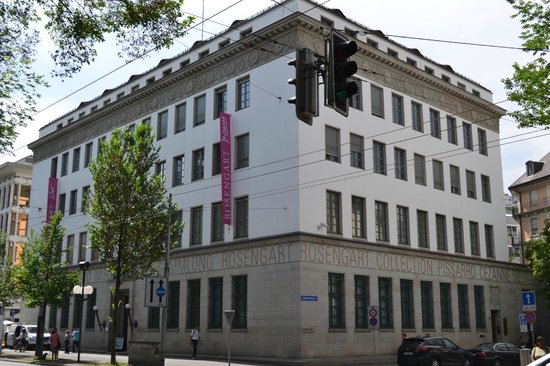
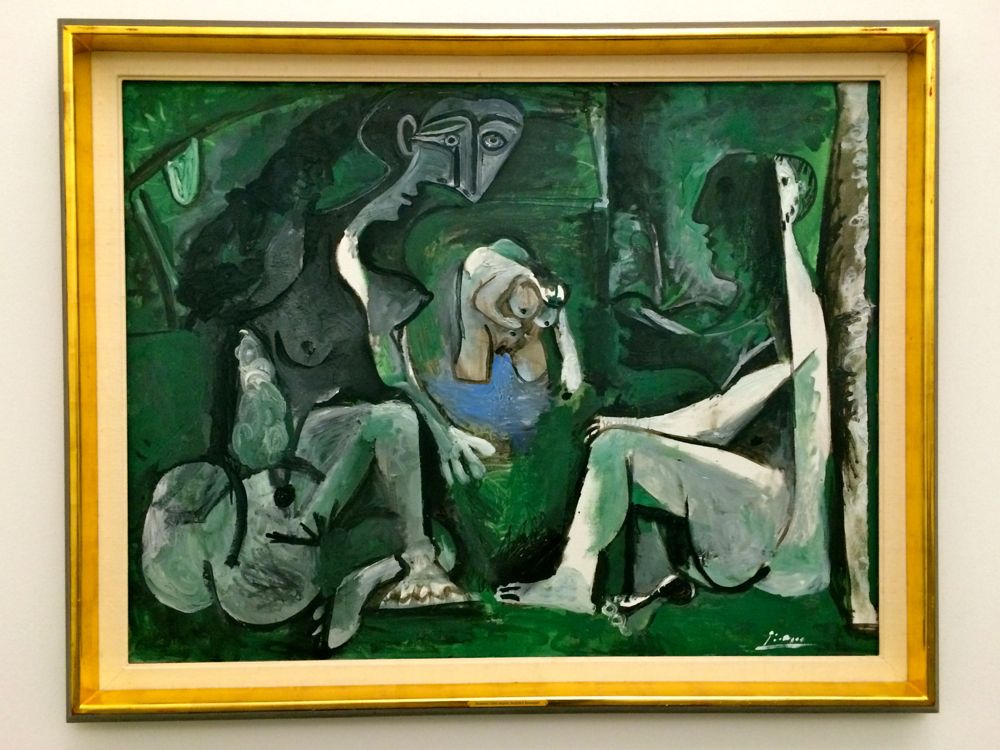
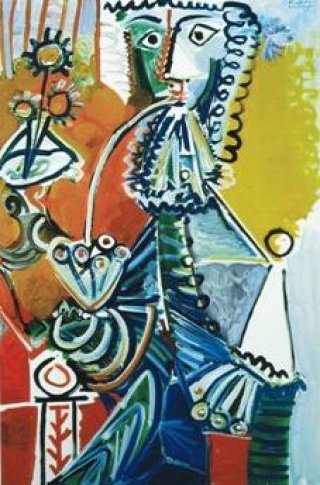
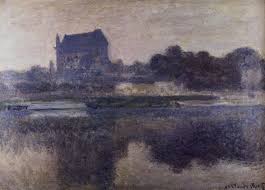
The Rosengart Collection at Lucerne in Switzerland, puts a clear emphasis on Classic Modernism, featuring the works of several artists.
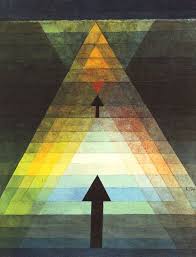
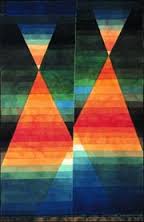
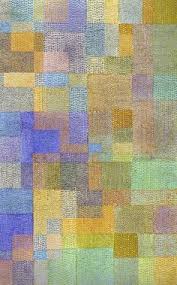
A major part of the gallery is devoted to Pablo Picasso and Paul Klee.
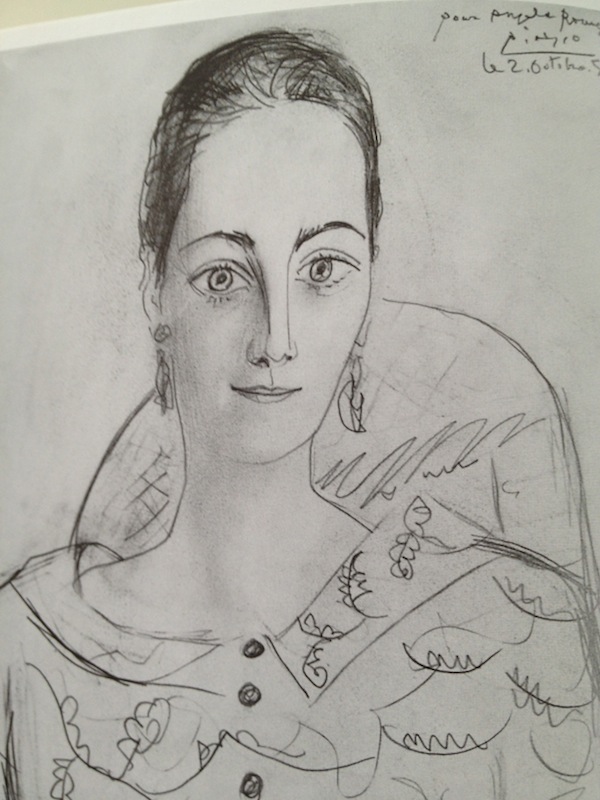
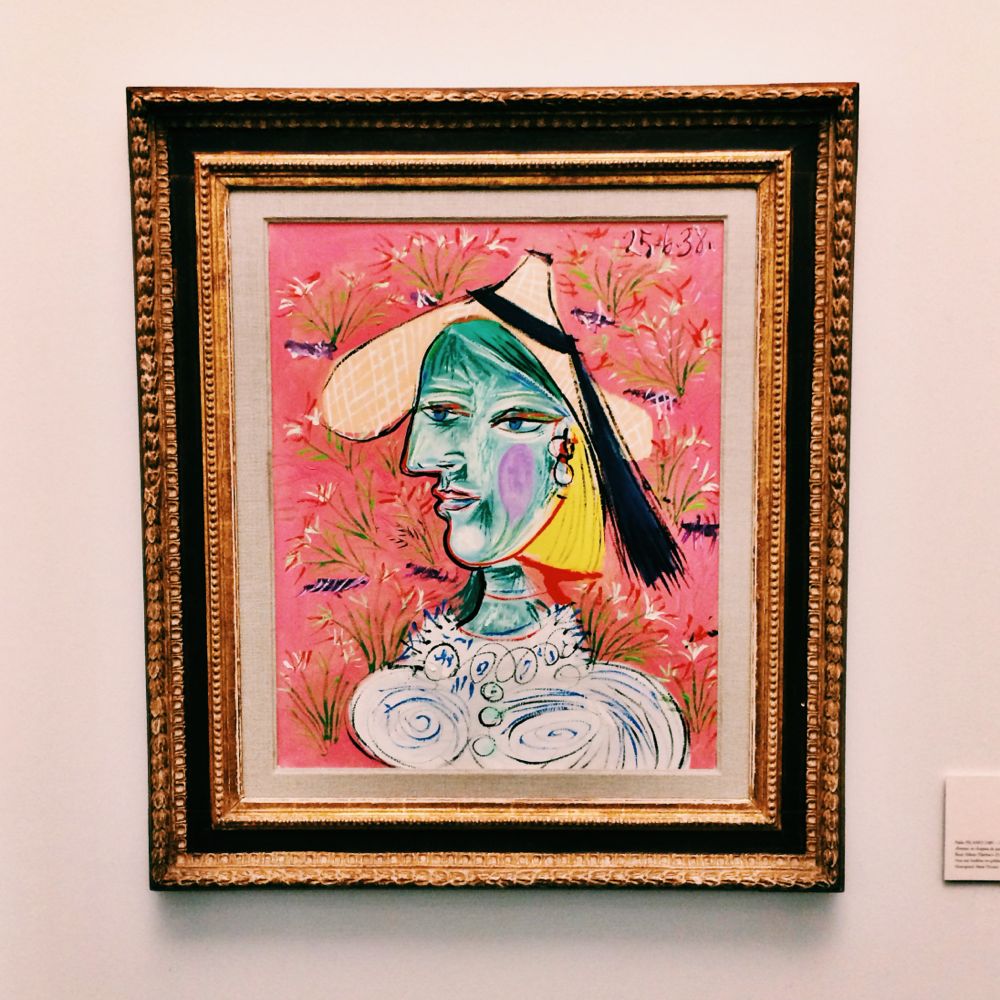
There are 32 paintings and some 100 drawings, water colours and numerous graphic and sculptural works of Pablo Picasso. Combined, all these reflect the genius and the creative vitality of the renowned artist.
Around 125 wonderfully resonant watercolours of Paul Klee form the second focus of the collection. The works are chronologically arranged, duly numbered, and embody the inexhaustible visual and narrative wealth of his works.
The gallery also showcases the genius of 21 other artists. These include Monet, Cezanne, Vuillard, Bonnard, Matisse, Braque, Leger, Miro and Chagall.
Each artist has his or her own unique imprint. Over time, as artists evolve, so do their works. We shall seldom come to know the source of their inspiration at any given point in time. But the legacy they leave behind is for all of us to cherish.
Their works represent a collage of nature and human emotions which happen to be universal in nature. In that sense, their works belong to humanity in general.
(Note: The Rosengart Gallery does not permit photography. Images here of some of the paintings seen at the gallery are courtesy the world wide web.)
(Related Posts:
https://ashokbhatia.wordpress.com/2016/11/26/a-leisurely-stroll-through-lucerne-in-switzerland
Posted in The European Diaries, tagged Art, India, Paintings, Rietberg Museum, Sculptures, Switzerland, Zurich on November 9, 2016| 2 Comments »
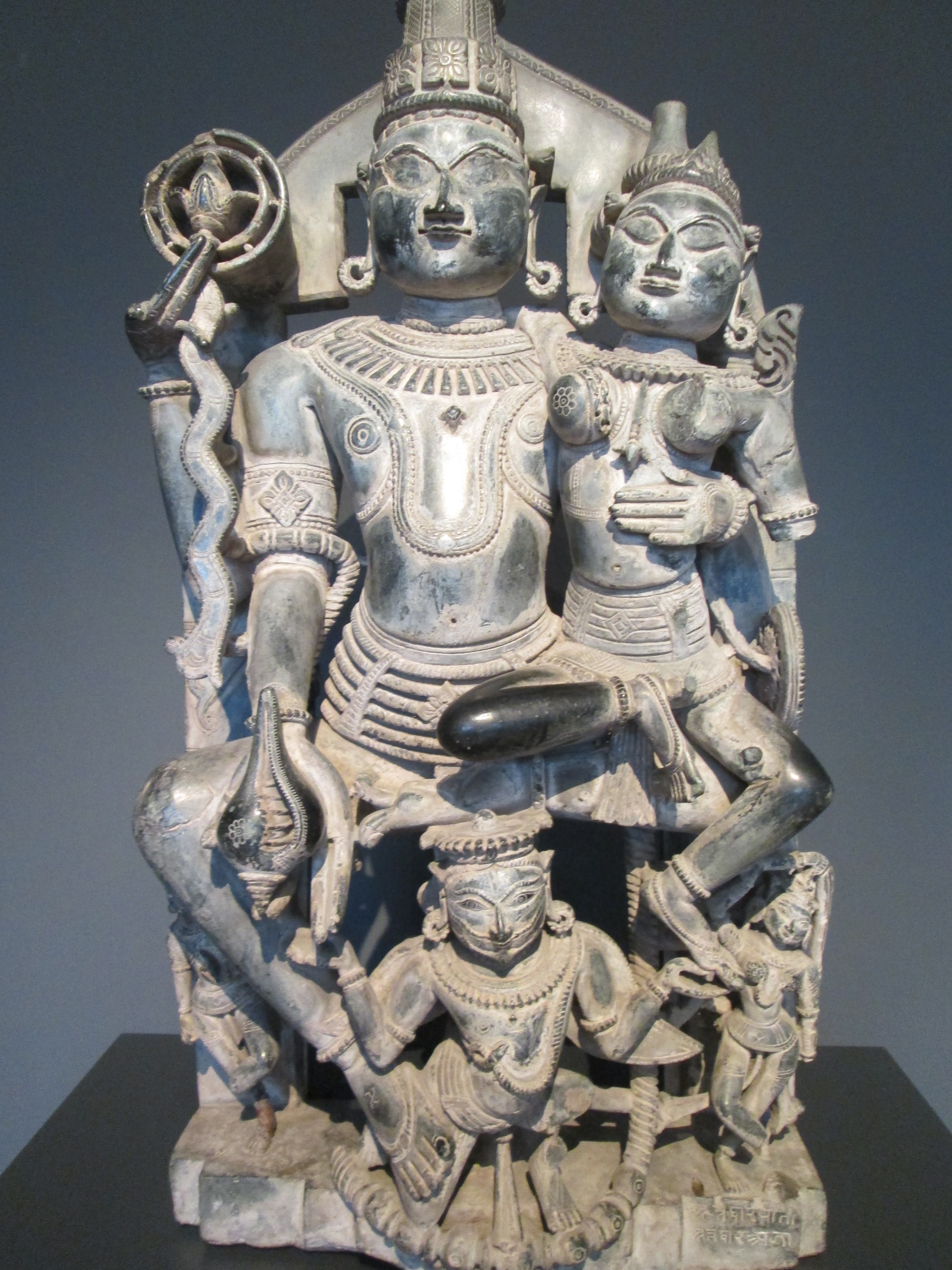
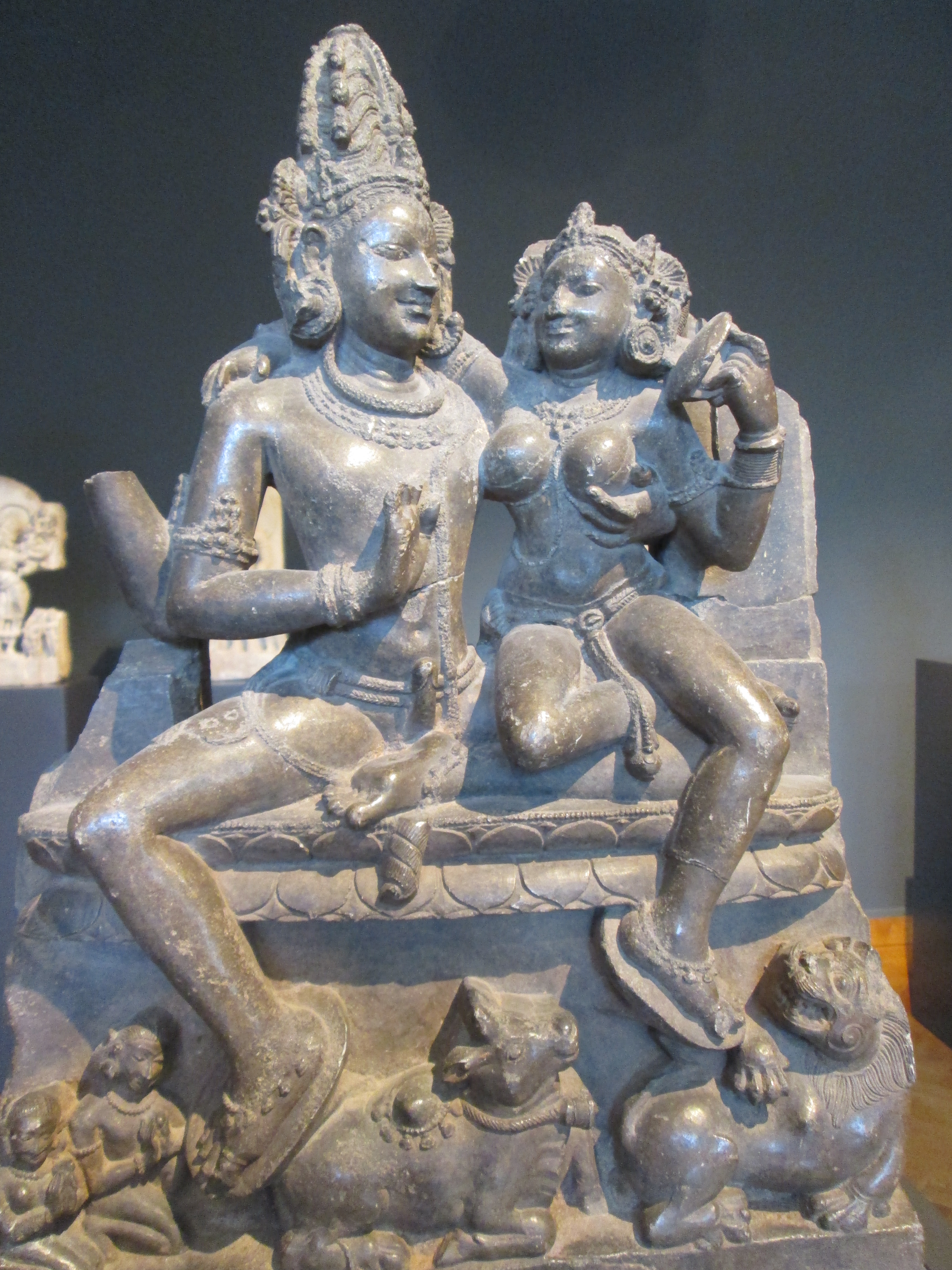
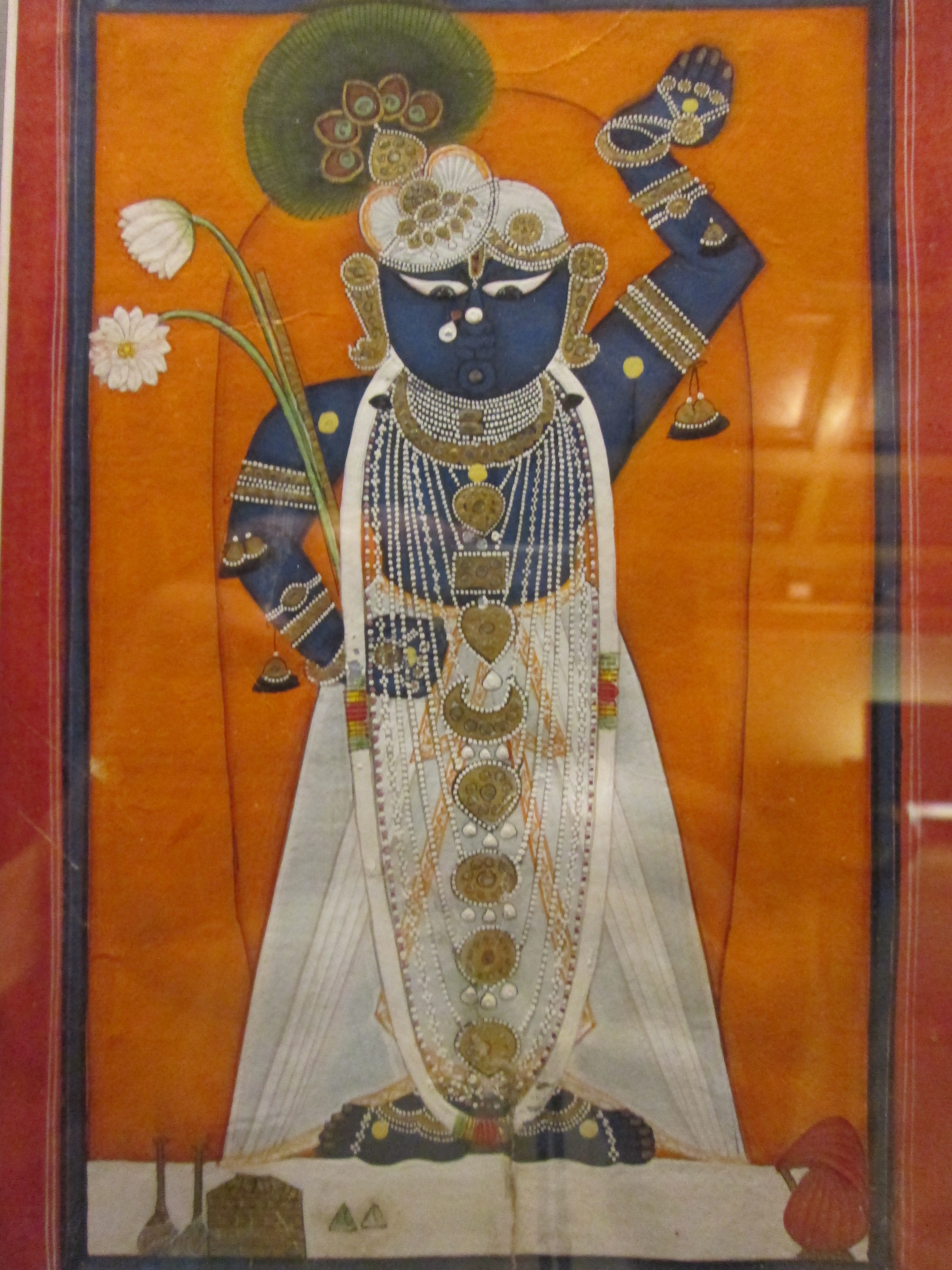
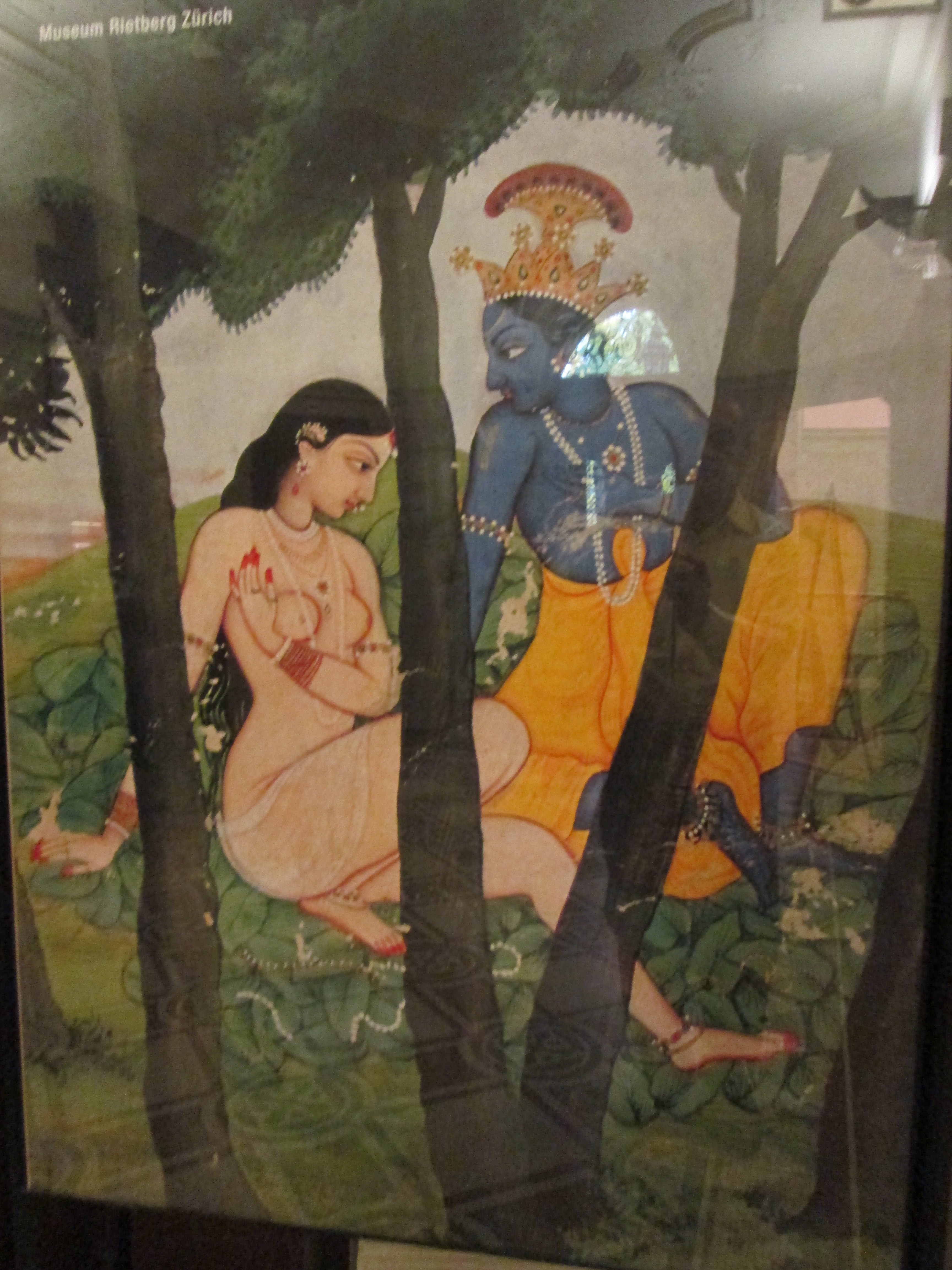
Indian art is much revered and valued in all major countries. So, the priceless collection of sculptures and paintings at Museum Rietburg in Zurich comes as no surprise.
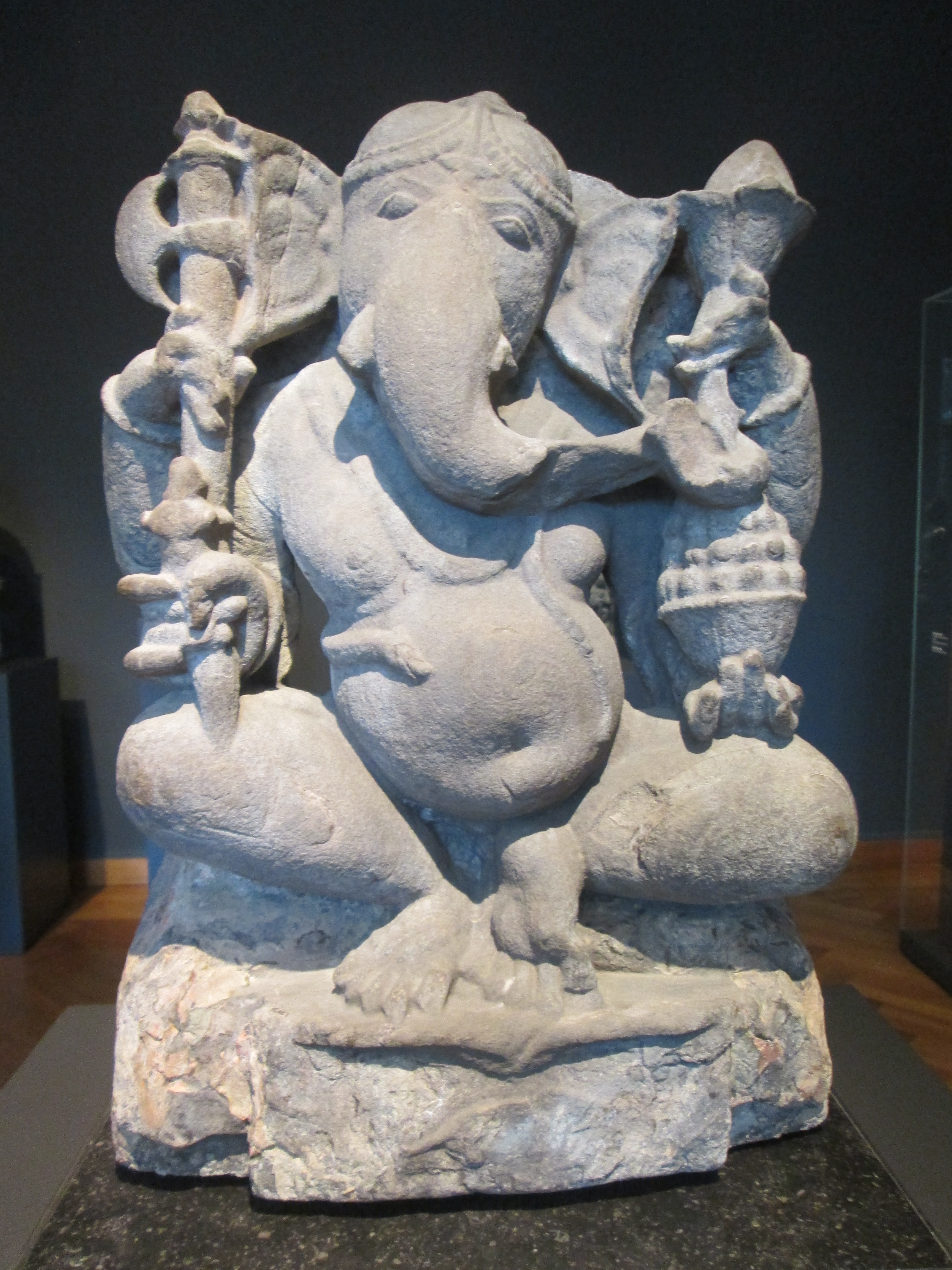
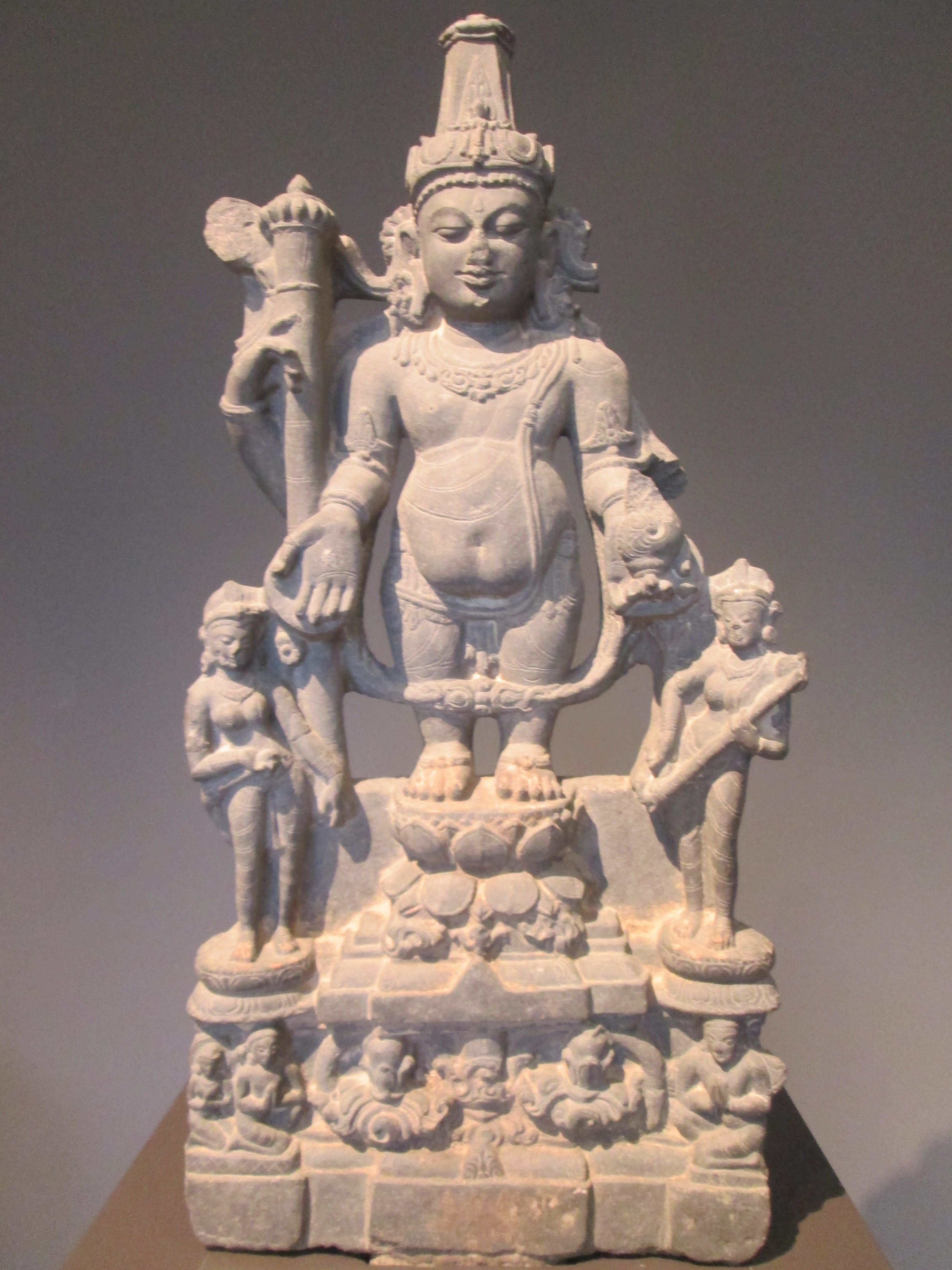
Here are some of the artefacts one discovers while taking a saunter down the museum. These make one realize the immense potential of the soft power of India.
Art of any kind perhaps gets appreciated because it connects us with our own inner sense of aesthetics, beauty, love and harmony. The attempt to preserve and showcase the artworks of distant cultures and continents is praiseworthy indeed. It is a good example for other countries to emulate.
(Related Posts:
https://ashokbhatia.wordpress.com/2014/12/12/a-saunter-down-the-louvre-part-1
https://ashokbhatia.wordpress.com/2014/07/24/the-dance-of-life-at-the-national-gallery-of-norway)
Posted in The European Diaries, tagged Art, Paintings, Rietberg Museum, Sculptures, Switzerland, Zurich on November 4, 2016| 5 Comments »
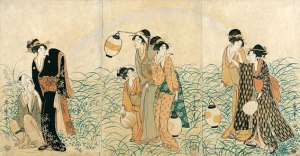
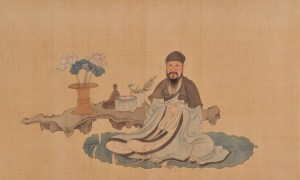
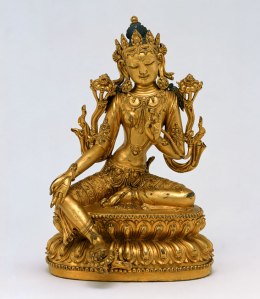
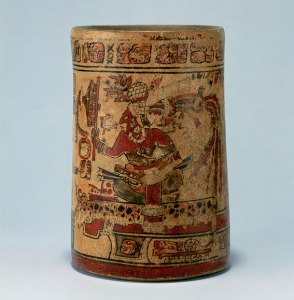
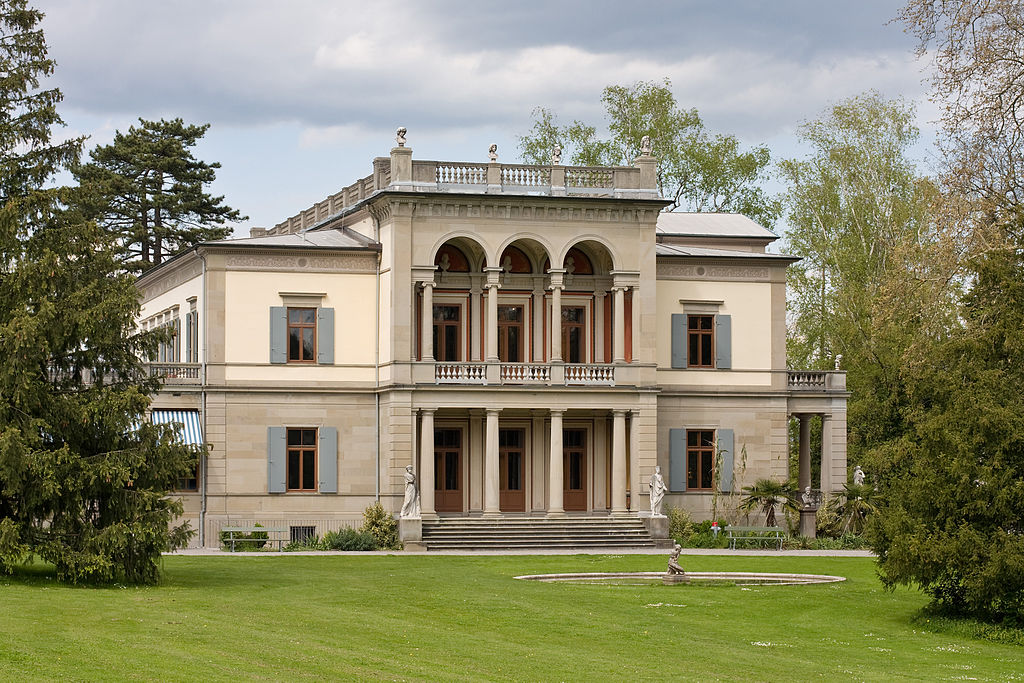
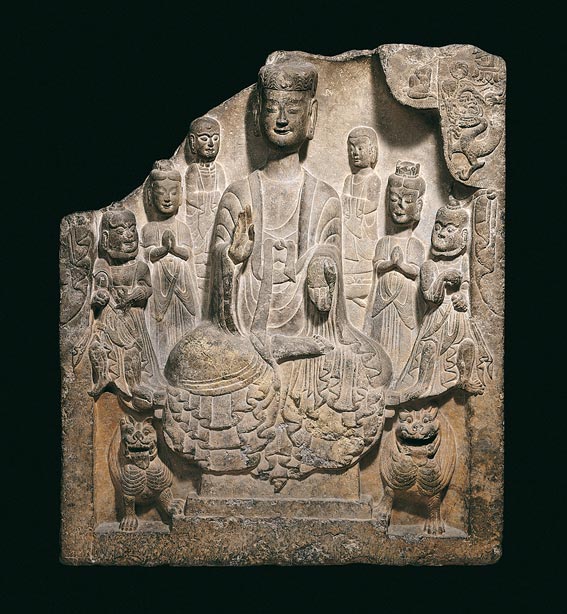
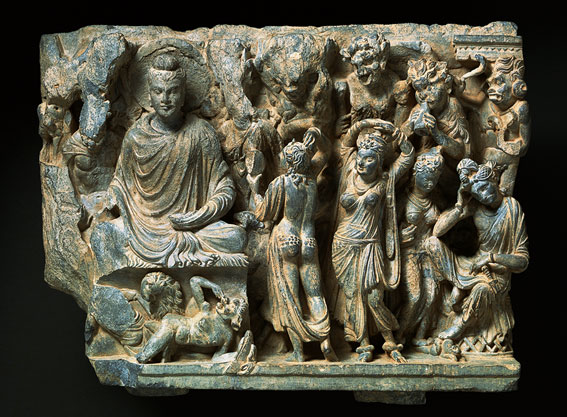
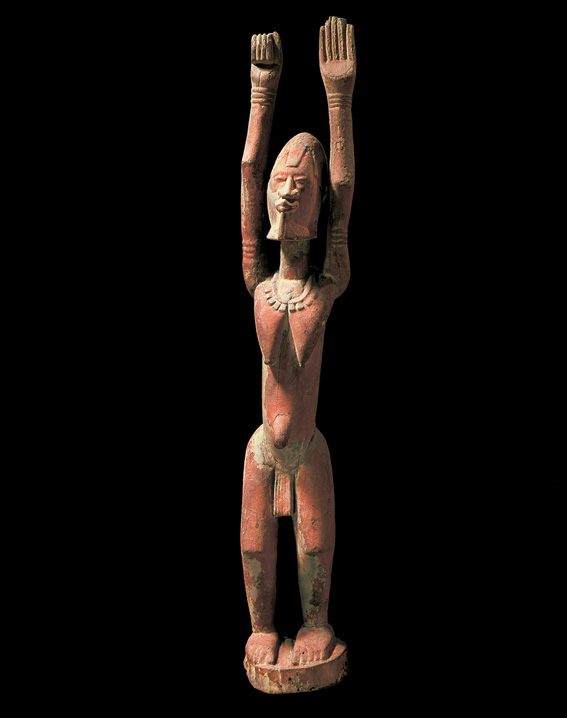
The Museum Rietberg Zurich is the only art museum for non-European cultures in Switzerland, exhibiting an internationally renowned collection of art from Asia, Africa and Ancient America.
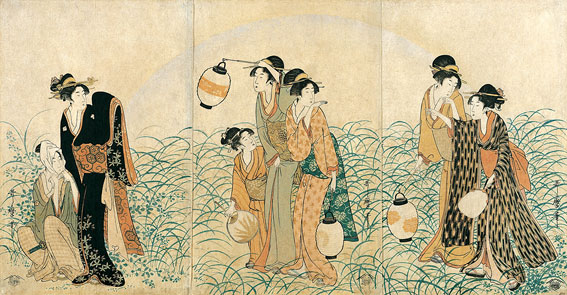
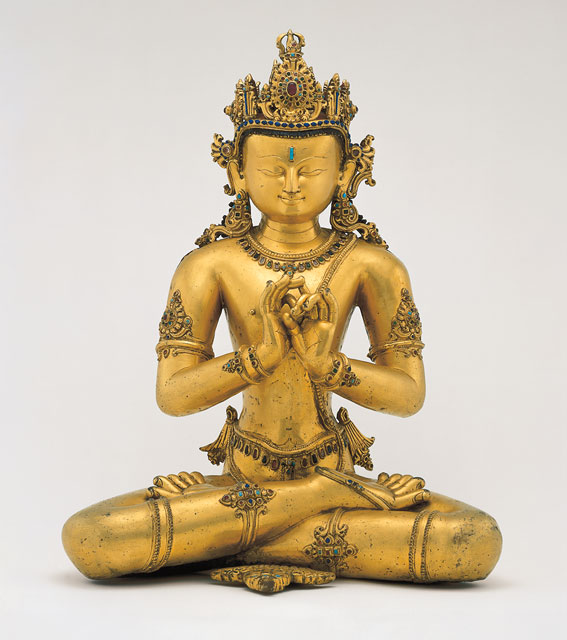
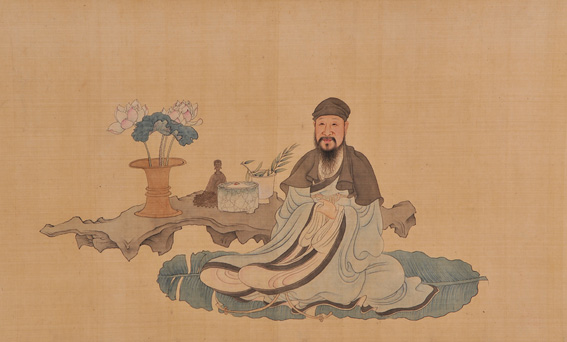
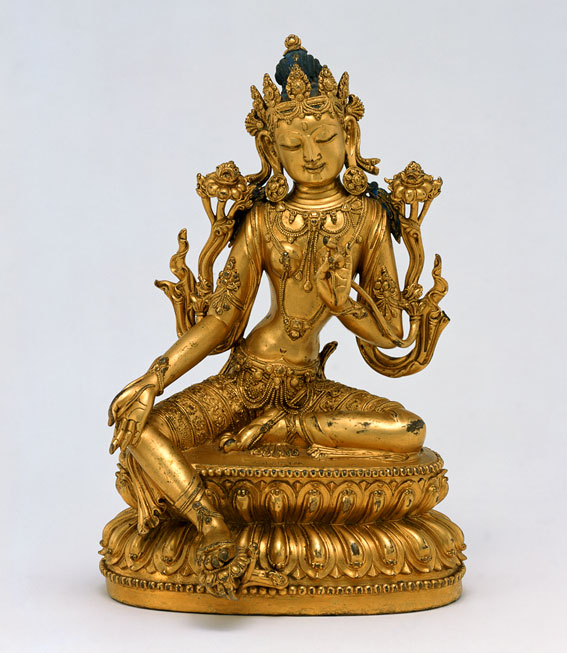
Artworks from India jostle for space along with those from Africa, China, Japan, Tibet, Ancient America, Oceania and Southeast Asia. A veritable collection of old Swiss carnival masks brings in the local flavour.
Here are some of the artefacts one discovers while taking a leisurely walk through the corridors of the museum.
(Cameroon, 19th century)
(China, 536 AD)
(Cambodia, late 7th century)
Mara’s daughters tempting Prince Siddhartha
(Pakistan, 2nd-3rd century)
(Mali, 13th/14th century)
(Japan, circa 1796)
(Tibet, 14th century)
(El Salvador, 300 BC-250 AD)
(China, 1649)
(China, circa 1405)
(South America, 600-900 AD)
Kokuzo – the Buddha to sharpen the intellect
(Japan, late 12th century)
(Egypt, 7th century)
This unique collection is designed to heighten the understanding and appreciation of non-European art and cultures. The crowds which pour over minute details of many of the artworks on display bear a testimony to the fact that the love for art is universal, not confined to barriers of any kind – natural or man-made.
(Related Posts:
Posted in A Vibrant Life!, tagged Art, Paintings on July 8, 2015| 6 Comments »
Here is a lovely blog which showcases a facet of fine arts in a unique manner. Each painting is captivating, to say the least.
Enjoy!
Posted in The European Diaries, tagged Art, Louvre, Paintings, Paris, Sculptures on December 28, 2014| 2 Comments »
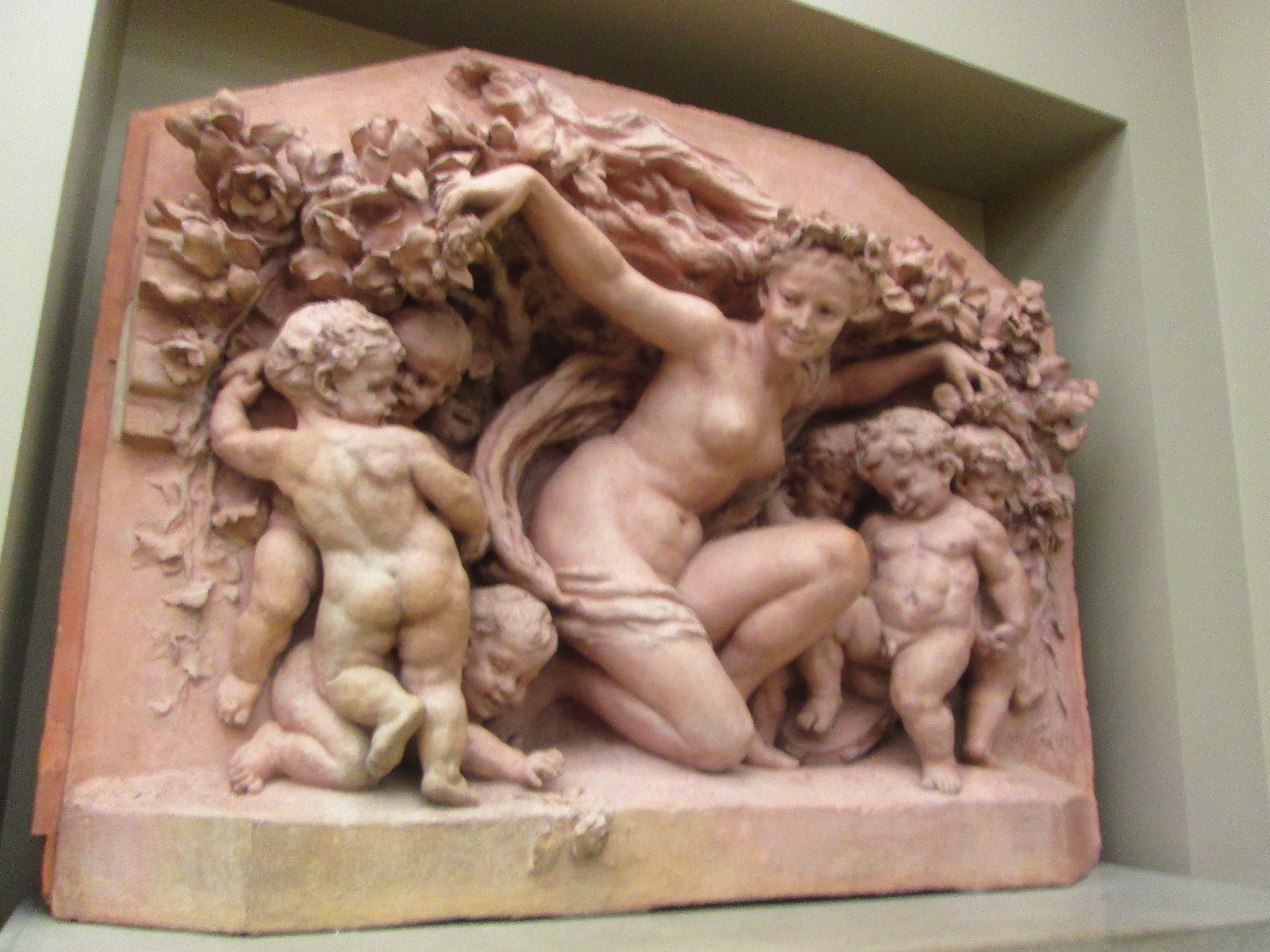
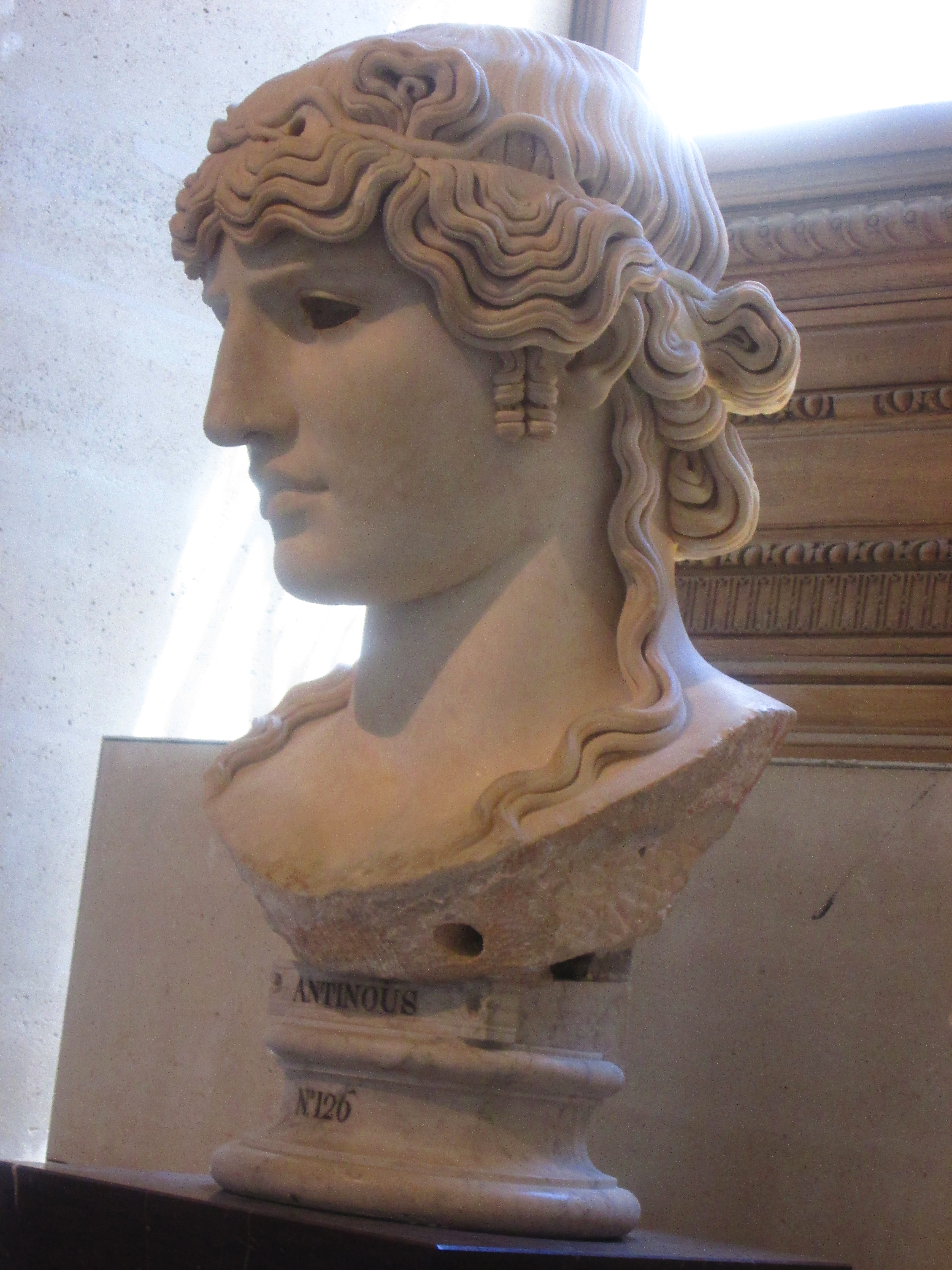
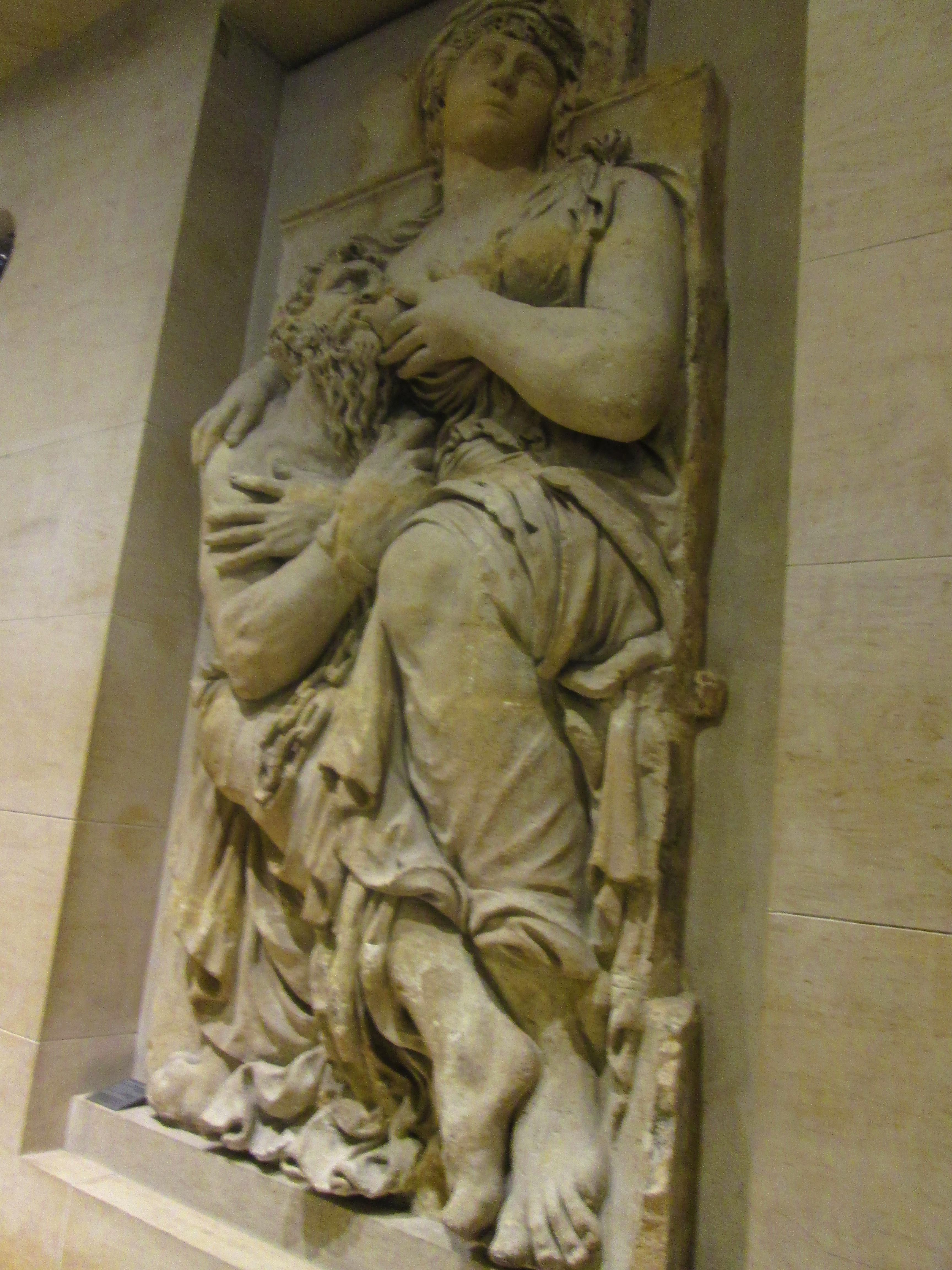
To conclude the series on The Louvre, here is another collection which might be liked by the connoisseurs of art amongst you.
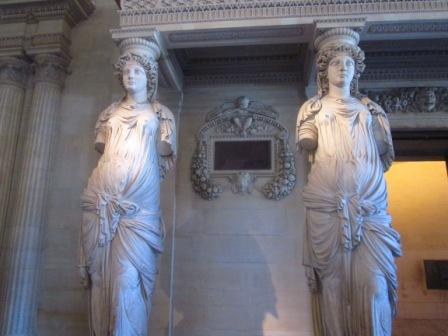
The fact that such delicate features could be carved out of stone leaves one wondering about the source of creativity of the artists concerned.
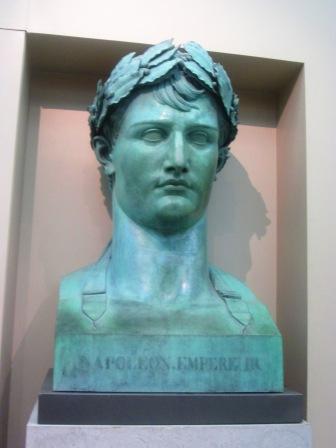
Napoleon makes a prominent appearance in one of the galleries at The Louvre.
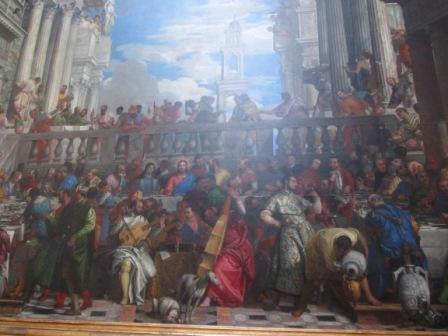
When a party is in progress, much revelry is bound to follow!
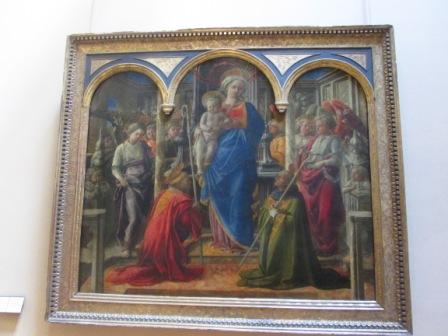
Time to remember one of the greatest events of Christianity.
When creativity and aesthetic sense blend with hard work and perseverance, the result is invariably outstanding.
Each piece of art is exquisite, to say the least. One is virtually mesmerized. One always comes back yearning for more time in life, so as to be able to revisit the rich cultural heritage preserved at The Louvre. The exhibits have a universal appeal. These may be confined to a specific museum, but belong to the entire humanity.
[Related Posts:
https://ashokbhatia.wordpress.com/2014/12/12/a-saunter-down-the-louvre-part-1
https://ashokbhatia.wordpress.com/2014/12/15/a-saunter-down-the-louvre-part-2
https://ashokbhatia.wordpress.com/2014/12/22/a-saunter-down-the-louvre-part-3
https://ashokbhatia.wordpress.com/2014/07/29/dear-lady-paris%5D