Feeds:
Posts
Comments

Posts Tagged ‘Sherlock Holmes’

I. The Specimen at Breakfast

It is a truth universally whispered, if not acknowledged, that a man excessively fond of his mother is a developmental hiccup waiting to happen. He may be able to earn a salary, navigate traffic, even discuss the stock market — but the moment he mentions calling his mother, he is mentally filed away under Incomplete Specimen of Homo sapiens. This is especially so if the party of the other part happens to be either his spouse, or a live-in partner, or even a steady girlfriend.

Observe one in his natural habitat: spooning sugar into his morning tea with the precision of a laboratory technician, eyes flicking toward his phone — not for stock alerts or fantasy league scores, but to text “Good morning, Ma.” Evolution, one suspects, took a wrong turn somewhere between the Y chromosome and the apron string.

Society, ever alert to genetic inefficiency, has decided that this man must be mocked into extinction. He represents emotional dependency in an age that prizes self-sufficiency — the last candle in a world that prefers LED.

II. The Crime of Devotion

The modern “Mumma’s Boy” is a walking paradox: sentimental in public, decisive in none of the approved ways. He is not loud enough to be “alpha,” nor cool enough to be “detached.” He apologizes too quickly, remembers anniversaries unprompted, and believes emotions are meant to be acted upon, not merely analysed in therapy. In short, he is guilty of unedited humanity.

The crime, of course, is not affection itself — it is the refusal to outgrow it. Civilization applauds the man who rises above his upbringing, not the one who keeps it alive. The market rewards efficiency, not continuity. Our man, poor fellow, confuses tenderness with duty. He texts his mother daily because he has once lived through the silence that followed a missed call. He obeys her warnings about rain because he still remembers pneumonia from childhood. His obedience, mocked as immaturity, is often just trauma in polite clothes.

III. Society’s Favourite Punchbags

It is not that women despise such fussed-over persons — they simply find him inconvenient. For, how do you compete with someone’s story of origin? The Mumma’s Boy threatens the fragile ecosystem of modern romance: he already belongs to a woman who expects nothing, manipulates rarely, and forgives instinctively. It is not rivalry so much as redundancy.

Men, meanwhile, offer no solidarity. They, too, laugh — loudly — at the one who has not mastered emotional detachment. It is the laughter of the insecure, the sound of men terrified that affection might be contagious. Among themselves, they repeat that chilling corporate proverb of our age: Never mix feelings with efficiency.

And so, the mockery becomes ritual — a collective reassurance that we have evolved past dependence. What we really mean is: We have forgotten how to love without negotiation.
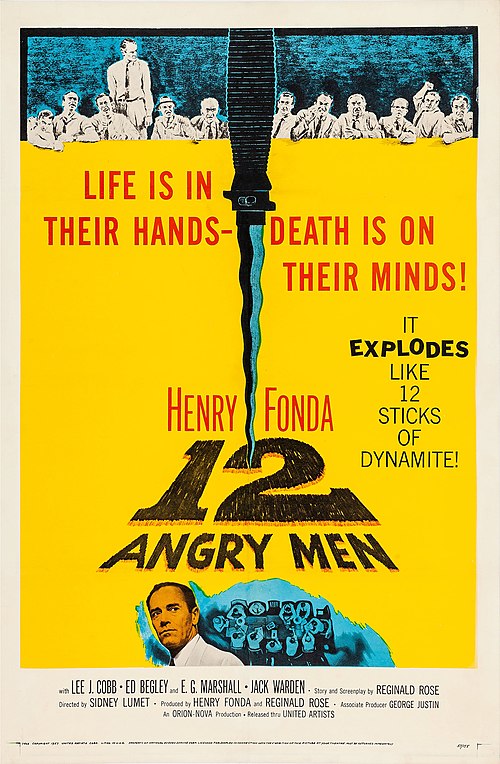
Sometimes it feels like that great trial on screen — twelve angry voices debating one man’s tenderness. The accused sits quietly, guilty of calling his mother, of speaking softly, while the jurors of modern life argue his fate. They call him dependent, unfinished, obsolete. And then Juror Eight raises his head, the lone dissenting conscience, asking what no one wants to: what if gentleness is not weakness but evidence of endurance? The others look away, impatient for a verdict. Empathy, as always, wins no medals — only the comfort of being right too early.

IV. The Concept of Extended Motherhood
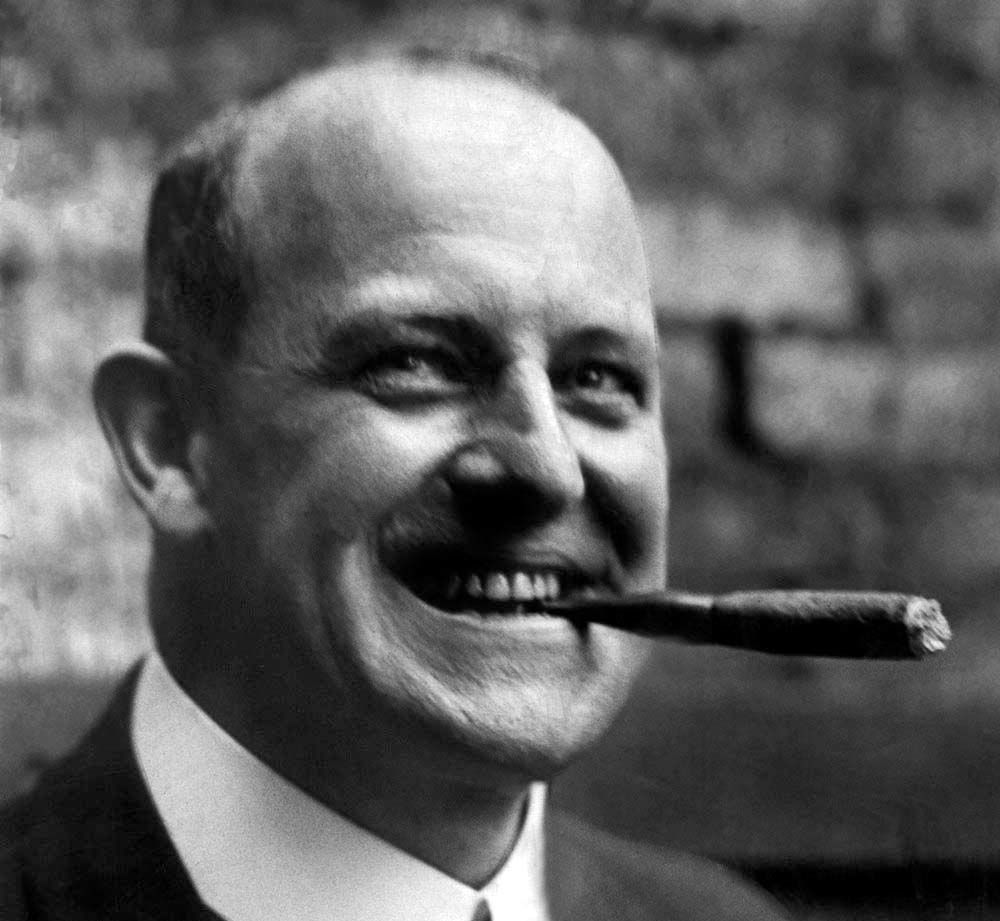
The role of the mother does not always remain confined to one’s genetic parent. Motherliness is a sentiment which many other parties could end up showering upon the hapless male in question. It could extend its scope to include obdurate aunts, assorted females, and even valets and butlers who fuss over the object of their affections or masters in a way that could turn their biological mothers green with envy.

Consider Aunt Agatha who is forever keen to see Bertie Wooster getting married and keeping the Wooster dynasty alive and kicking. We also find Emerald Stoker who is one of those soothing, sympathetic girls you can take your troubles to, confident of having your hand held and your head patted. There is a sort of motherliness about her which you find restful. Not to forget the likes of Florence Craye and Vanessa Cook, who wish to raise the level of Bertie’s intellect. Elsewhere, at Deverill Hall, we get introduced to Esmond Haddock, who lives with his five overcritical aunts. They disapprove of his relationship with Corky Potter-Pirbright, because she is an actor.

Social status is no barrier to such strains of motherhood. Lord Marshmoreton must muster all his courage to stand up to his sister, Lady Caroline Byng, and declare a matrimonial alliance with his newly appointed secretary. In Blandings, Lord Emsworth finds it challenging to ignore the instructions of Lady Constance Keeble.

V. The Wodehouse Paradox

If literature had a patron saint for this tribe, it would surely be Bertie Wooster — the eternally well-meaning man who requires Jeeves not to outthink him but to save him from his own kindness. The Wodehouse universe never punishes the sentimental fool; it merely chuckles at him. And yet, who among us would rather live in Jeeves’s world — all logic, all restraint — than Bertie’s, where affection and absurdity coexist like bread and butter?

Jeeves’ is another shining example in the genre of extended motherhood. Just like one’s mother would decide what to wear on a certain occasion, his sartorial choices often conflict with those of his master. Whether it is about a white mess jacket with brass buttons or a pair of socks, the valet’s wish eventually prevails.

Our modern world has no use for Woosters. We have replaced them with algorithmic men — rational, optimized, and barely human. We speak of “emotional intelligence” but what we really mean is emotional management. In a quiet act of rebellion, the Mumma’s Boy continues to feel un-strategically. He loves inconveniently. His sentimentality, far from being regressive, is the only authentic protest left.

Somewhere in his subconscious, he still believes love should precede purpose — a belief that makes him unemployable in the economy of the heart.

VI. A Matter of Chromosomes and Consequences

If one were to approach this anthropologically, one might say the X and Y chromosomes never quite recovered from the moral confusion of modernity. Men were trained to conquer, but not to comfort; to provide, but not to preserve. Our subject — this peculiar holdover from an earlier blueprint — runs on an emotional operating system last updated when people still said ‘touch base’ unironically. Once, during an office migration, he was the only one who refused to upgrade to the new HR portal because his old login still worked—and he trusted that more than promises of “a better interface.” That, in essence, is his problem and his virtue: he sticks to what once kept him safe, even when everyone else has moved to cloud-based feelings. He still believes that obedience to his parent can be a form of strength — a legacy code he sees no reason to rewrite.

He is loyal to the first woman who ever loved him unconditionally, and that loyalty leaks inconveniently into other relationships. But instead of being admired for gratitude, he is censured, condemned, criticised, denounced, lambasted, lampooned, and pilloried for having a regressive outlook.  A culture that venerates mothers in myth, after all, cannot quite stand sons who take the mythology literally. We worship the Mother Goddess with cymbals and incense, but flinch when a man lives by her word. The hymns say, “Matru Devo Bhava,” yet a son who truly believes it — who lets his mother’s advice outweigh his wife’s or boss’s — is dismissed as weak, regressive, or unmanly. In our stories, divine mothers bless their children’s wars and ambitions; in real life, they’re expected to stay politely out of them. The contradiction is cultural theatre — we deify motherhood, but only in the abstract. The moment reverence becomes obedience, the devotee metamorphoses into a punchbag. You see it everywhere — we stage plays about mothers’ sacrifices, post emotional tributes on Mother’s Day, and light lamps to divine matriarchs, yet flinch at the real-world consequences of such devotion. A son who quotes his mother is infantilized; one who disobeys her is applauded for “growing up.” It’s as if society prefers motherhood embalmed in marble, not breathing at the breakfast table. The worship is safe precisely because it’s distant. Up close, it demands humility — a virtue now branded as weakness.

And if that sounds too tragic, literature has always offered more consoling alternatives.

Even Bram Stoker, that cartographer of nightmares, gave the world a family of obedient sons. The Children of the Night in Dracula rise only when summoned, hunt only what their master decrees, and retreat at a single gesture. Strip away the gothic trappings, and they are curiously domestic creatures — well-mannered predators who would never dream of disobeying their guardian. Theirs is not rebellion but perfect filial discipline: a household of nocturnal Mumma’s Boys, loyal to a fault, beautifully house-trained in terror. The feudal spirit prevails.
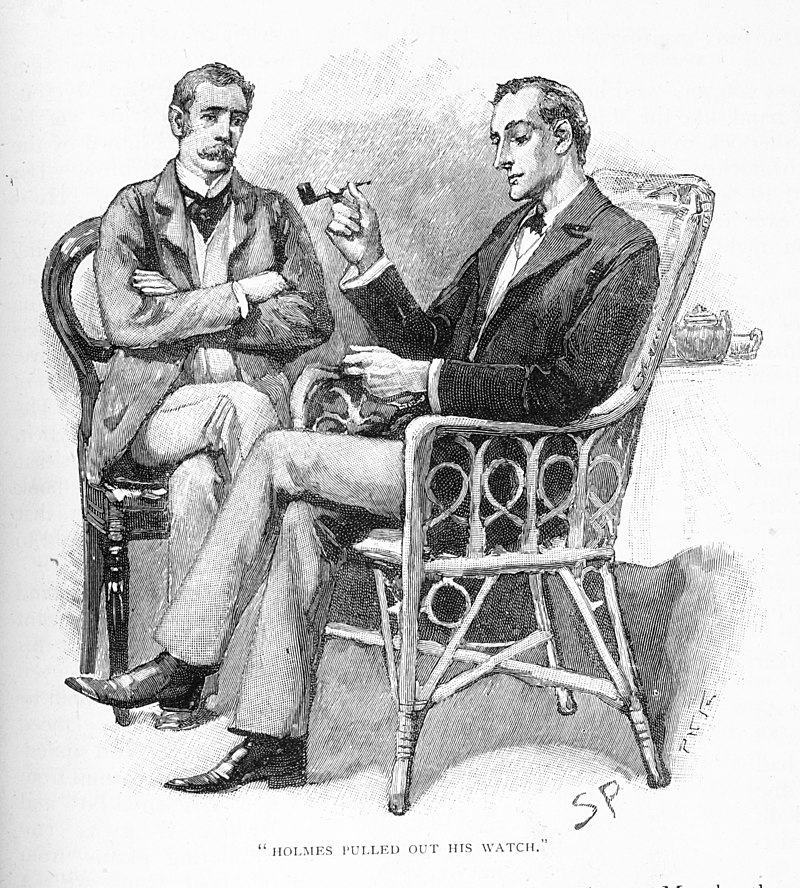
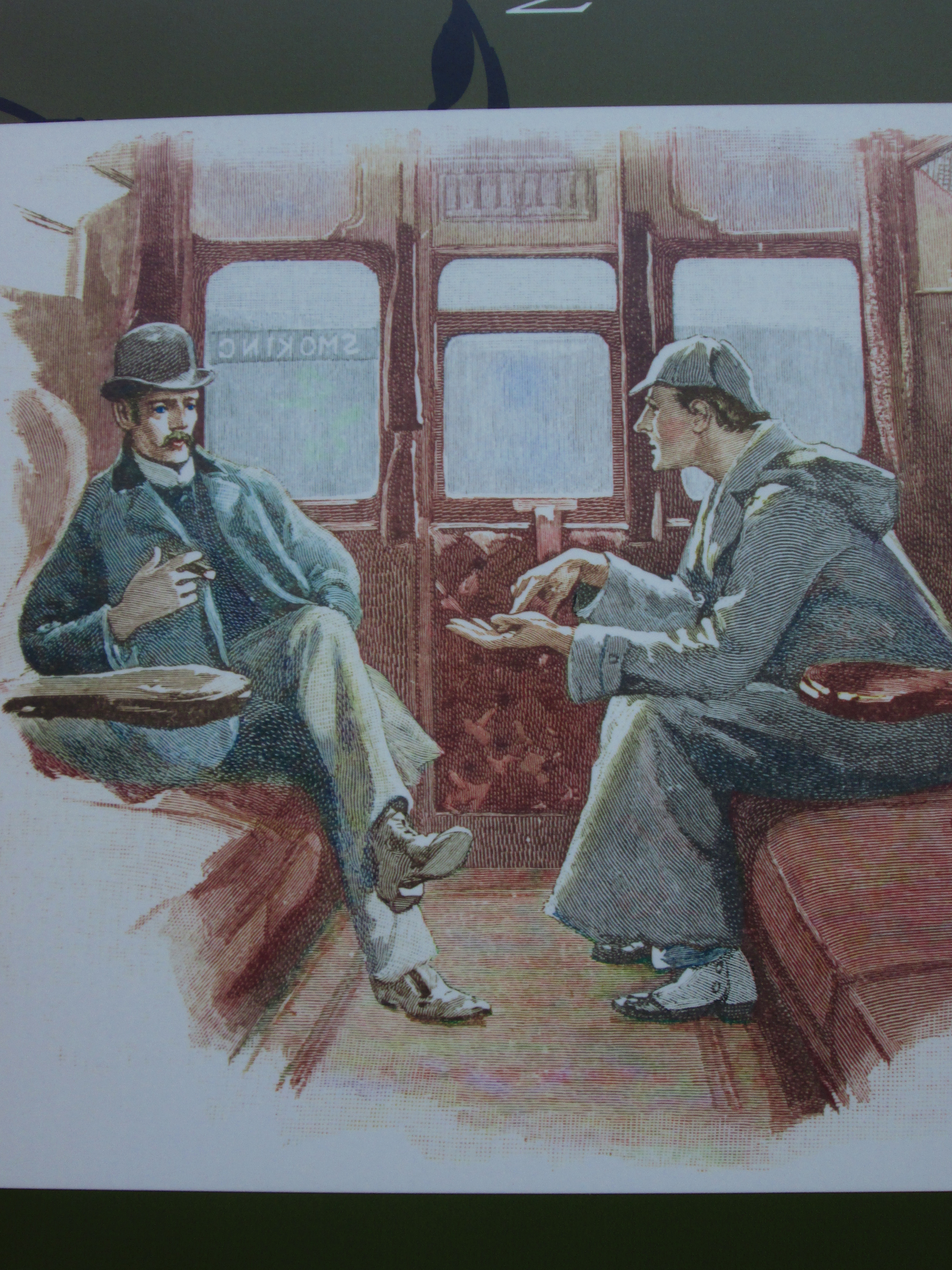
And then, on a very different plane, comes Arthur Conan Doyle’s The Adventure of the Three Garridebs. When Dr Watson takes a bullet meant for another, Sherlock Holmes — that priest of logic, that marble statue of reason — forgets deduction altogether.

“You’re not hurt, Watson? For God’s sake, say that you are not hurt!”, he cries, tearing open the wound like an anxious mother examining a scraped knee. For one mortifying instant, the cold machine of intellect becomes the warm machinery of care. The great detective, so often accused of heartlessness, turns out to have been hiding a maternal core under his waistcoat. Even Doyle, perhaps without meaning to, admits that the purest love left to civilisation may no longer be romantic or heroic, but quietly maternal in spirit.

VII. The Inconvenient Truth

Here is the inconvenient truth: the Mumma’s Boy is not a moral failure. He is, in fact, society’s unwanted conscience. His instincts are outdated only because ours have calcified. While we train ourselves to love efficiently — in 300-character texts, in time slots between meetings — he still believes affection does not need an agenda. He may never lead revolutions or scale startups, but he will never ghost you either.

His so-called immaturity is often merely a refusal to evolve into emotional automation. After all, unlike in the digital logic-driven world that he inhabits, emotions are challenging to predict based on an algorithm or a mathematical equation. Mock him all you want, but he carries the faint, embarrassing reminder that tenderness used to be fashionable. Those who like him love him enough to let him enjoy the extra space for himself – the segment of his heart which has been lovingly occupied by someone from his childhood days.

So, to borrow from Rocky Todd, let him be!

“Be!
Be!
      The past is dead.
      To-morrow is not born.
  Be to-day!
To-day!
      Be with every nerve,
      With every muscle,
      With every drop of your red blood!
Be!”

VIII. The Last Gentleman

And so, the poor “Mumma’s Boy” trudges on — neither rebel nor saint, just an outdated model of emotional software running in a world obsessed with constant updates. He will continue to be the butt of jokes at brunches, kitty parties, and on social media panels about “modern masculinity.” But here is the twist: when the Wi-Fi of human connection inevitably goes down, it is usually this man — with his unglamorous emotional wiring — who still knows how to reconnect without instruction.

He will still call home, still remember birthdays, still believe that love does not need a disclaimer. Society may keep rewarding the loud and detached, but somewhere, between a performance review and a reminder to buy detergent, he’s the one holding civilisation together with nothing more than a well-intentioned affection and a decent phone plan.

Note:

  1. Inputs from Prodosh Bhattacharya are gratefully acknowledged.
  2. Illustrations courtesy the World Wide Web.

Read Full Post »

As a fan of the world-famous detective Sherlock Homes, what is the first thing one does once one has landed in London? Elementary, is it not? Well, one heads to 221b, Baker Street, right?!

The Sherlock Holmes Museum located at the above-mentioned address had opened its doors to the public on the 27th of March 1990. A belated honour, but surely a befitting one, to the world-famous detective, created by one of the greatest wordsmiths of our times – Sir Arthur Conan Doyle.

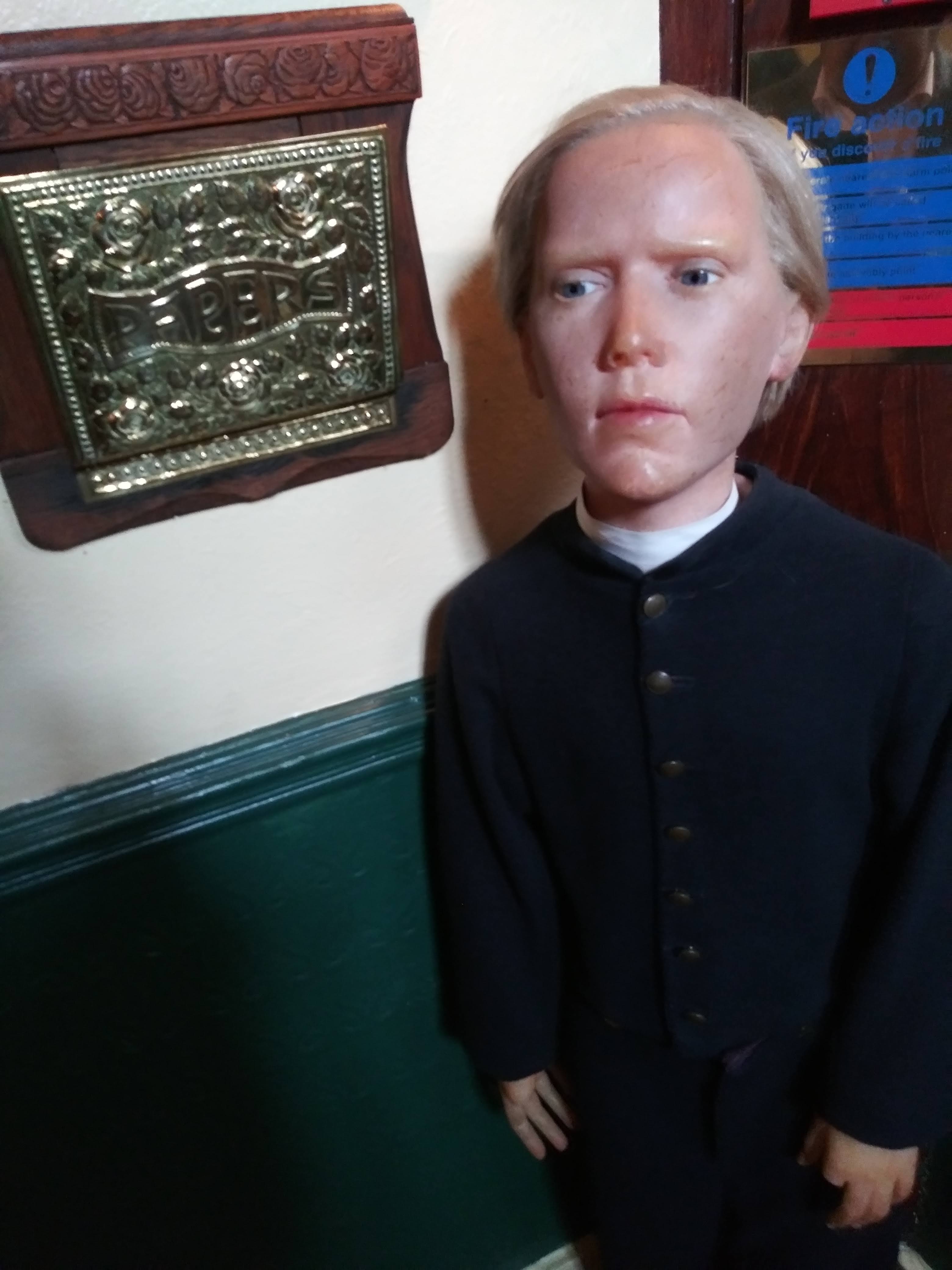
Visitors get permitted to the hallowed premises only in batches of twenty. Moreover, before they climb up the narrow staircase, they no longer run into an inquisitive Mrs. Hudson. Instead, they get greeted by a staff member who is dressed like a ‘Bobby’ and checks their online booking confirmation before allowing them to trudge up the stairs.

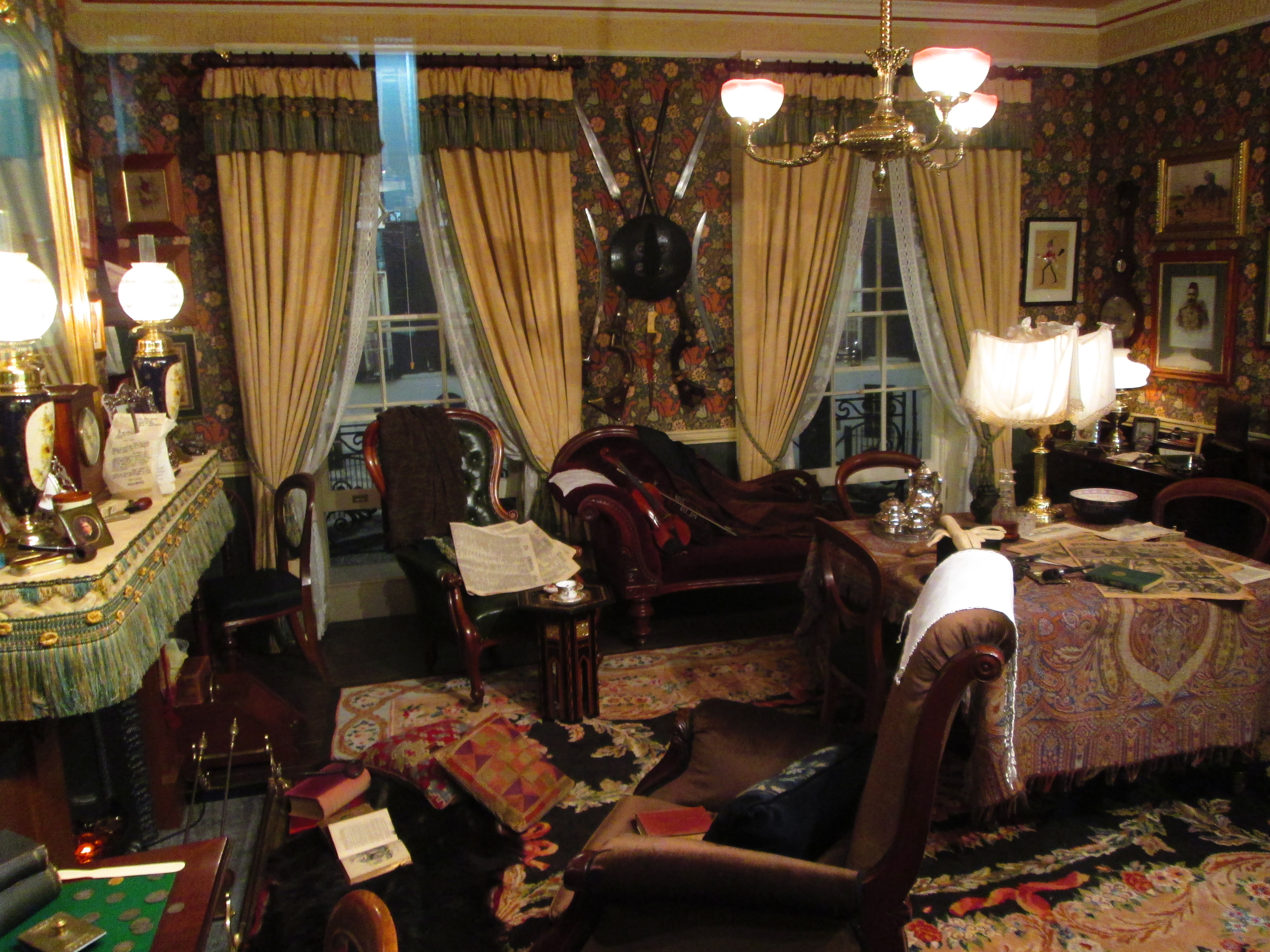
The famous study which Holmes and his friend Doctor Watson shared for almost twenty-five years (circa 1881-1904) is on the first floor overlooking Baker Street.

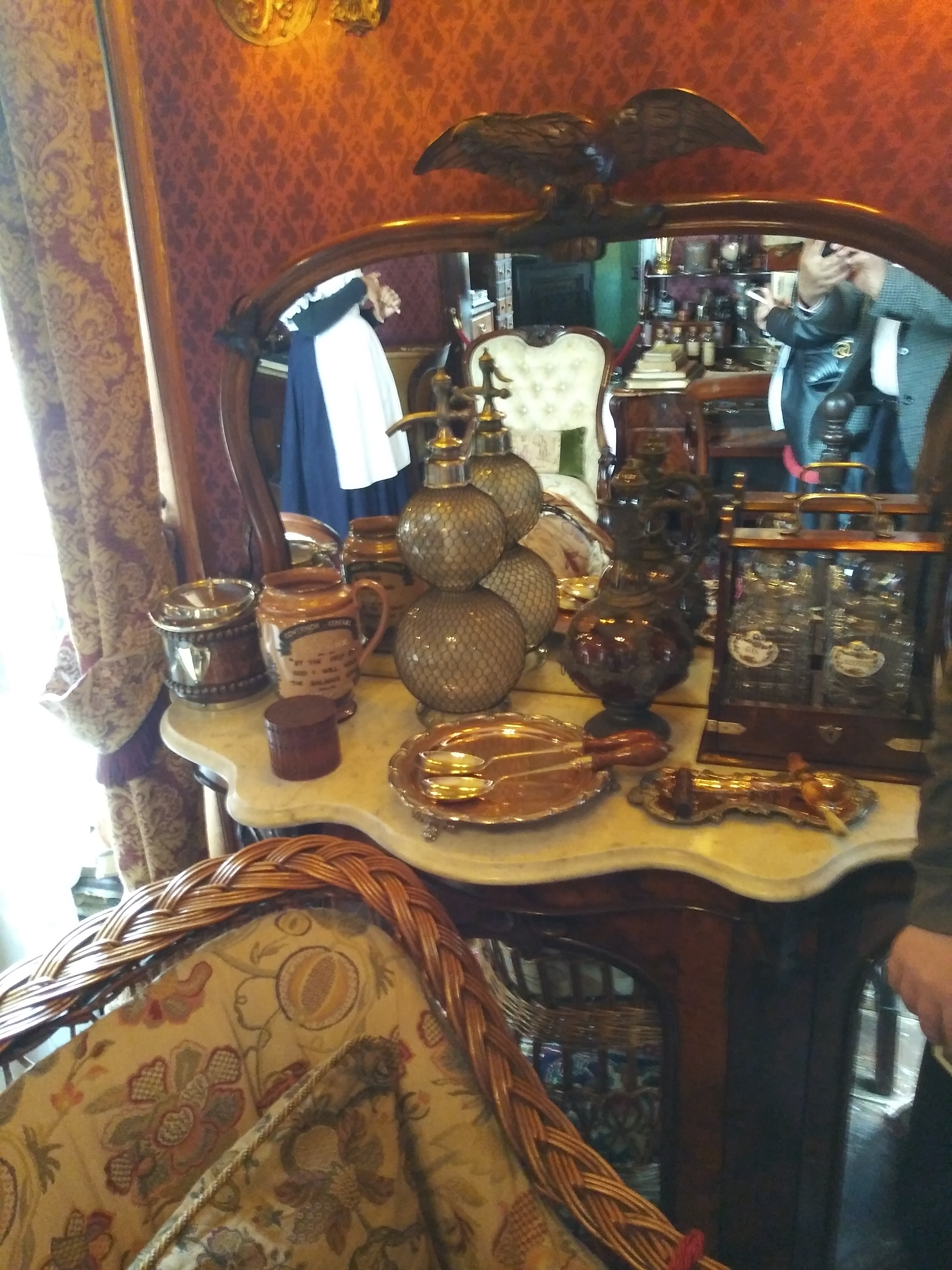
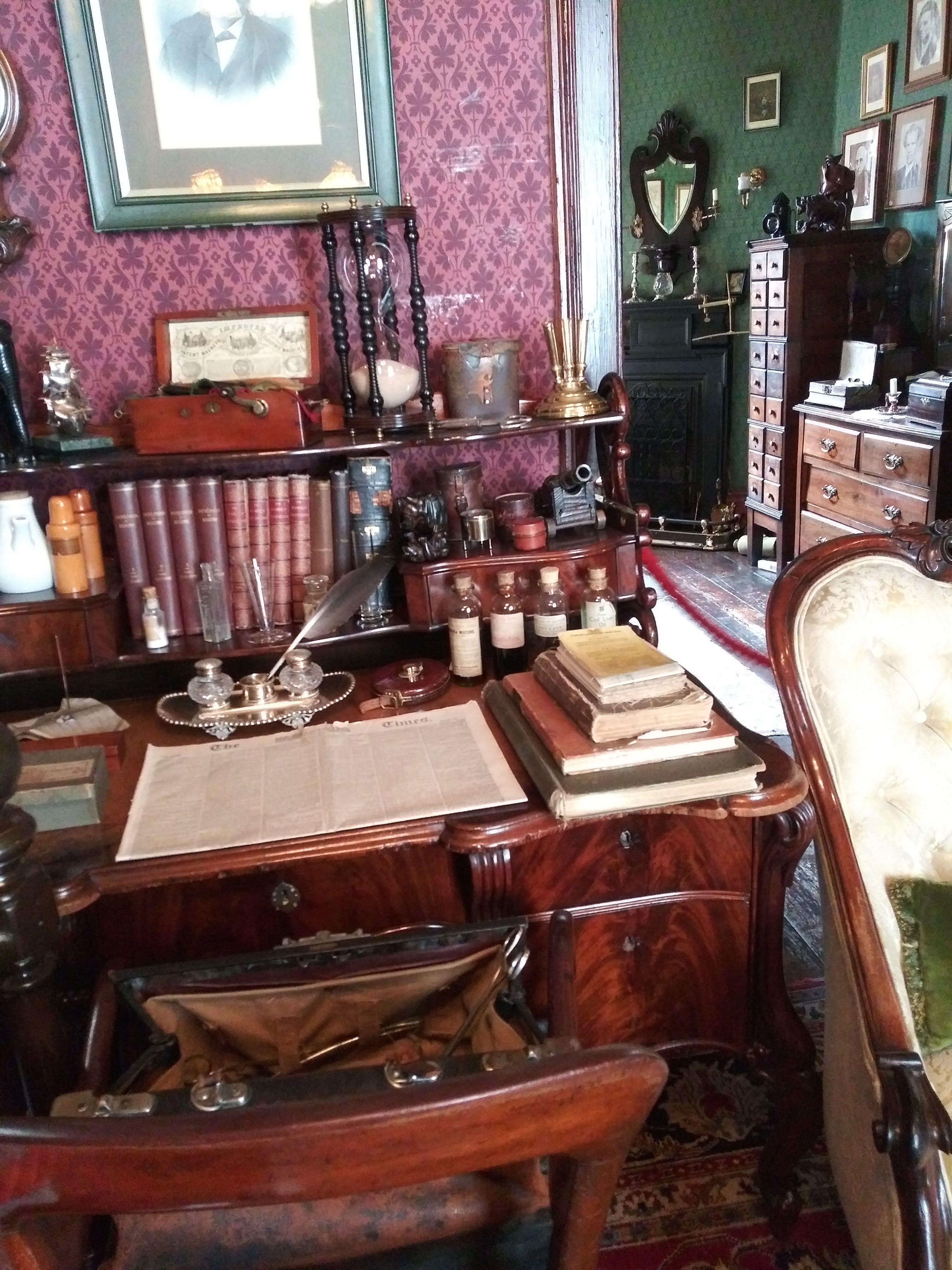
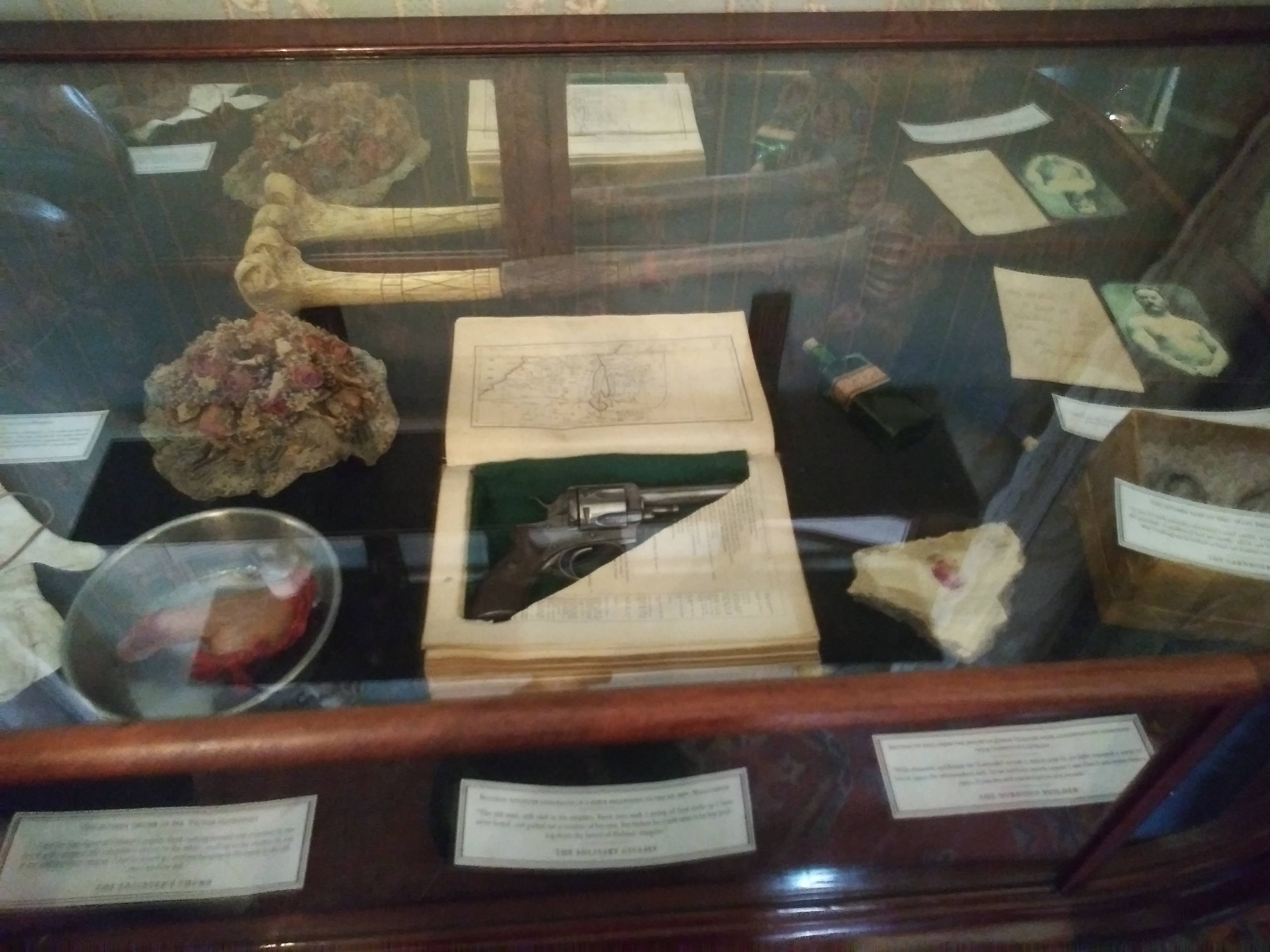
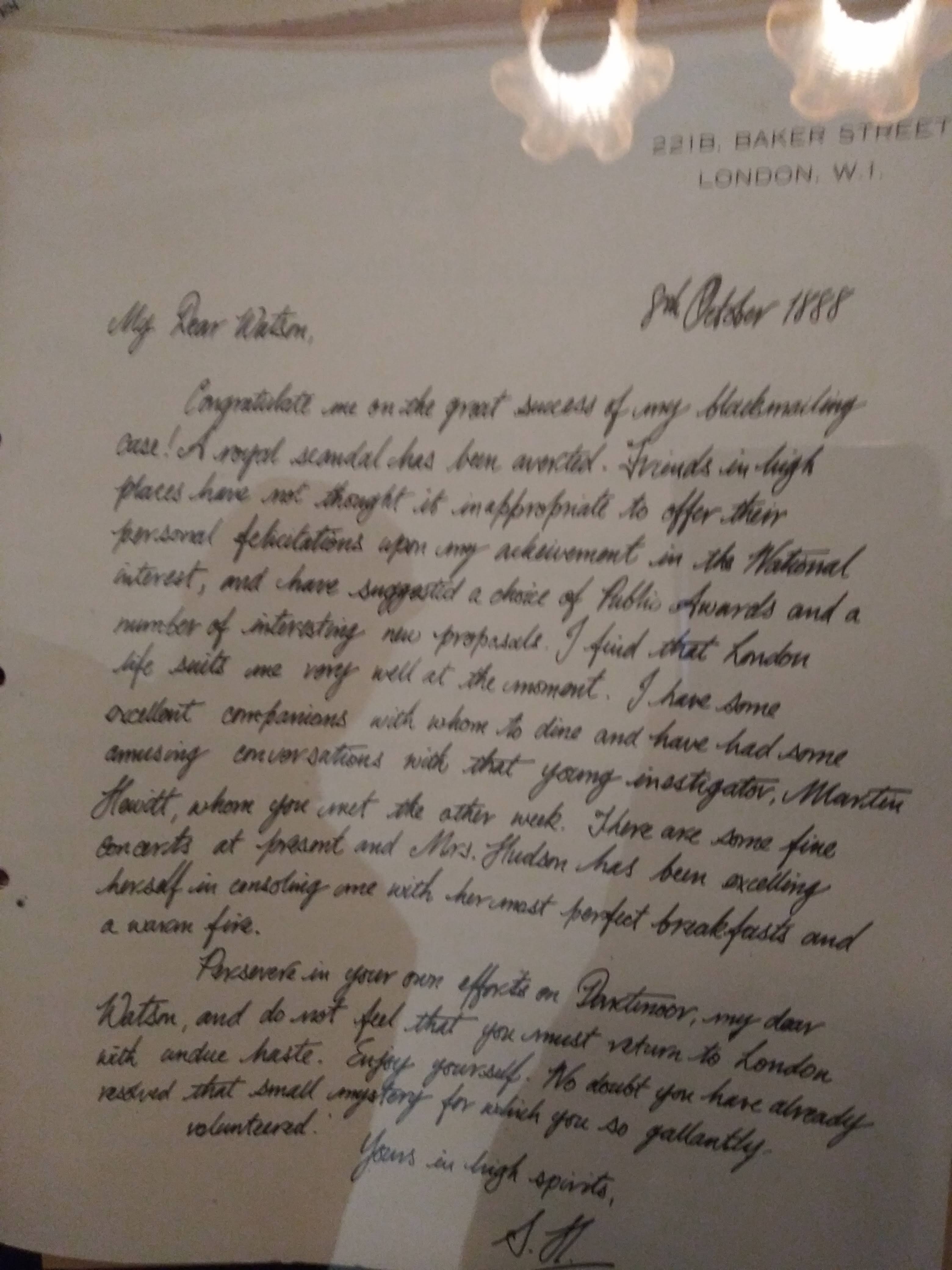
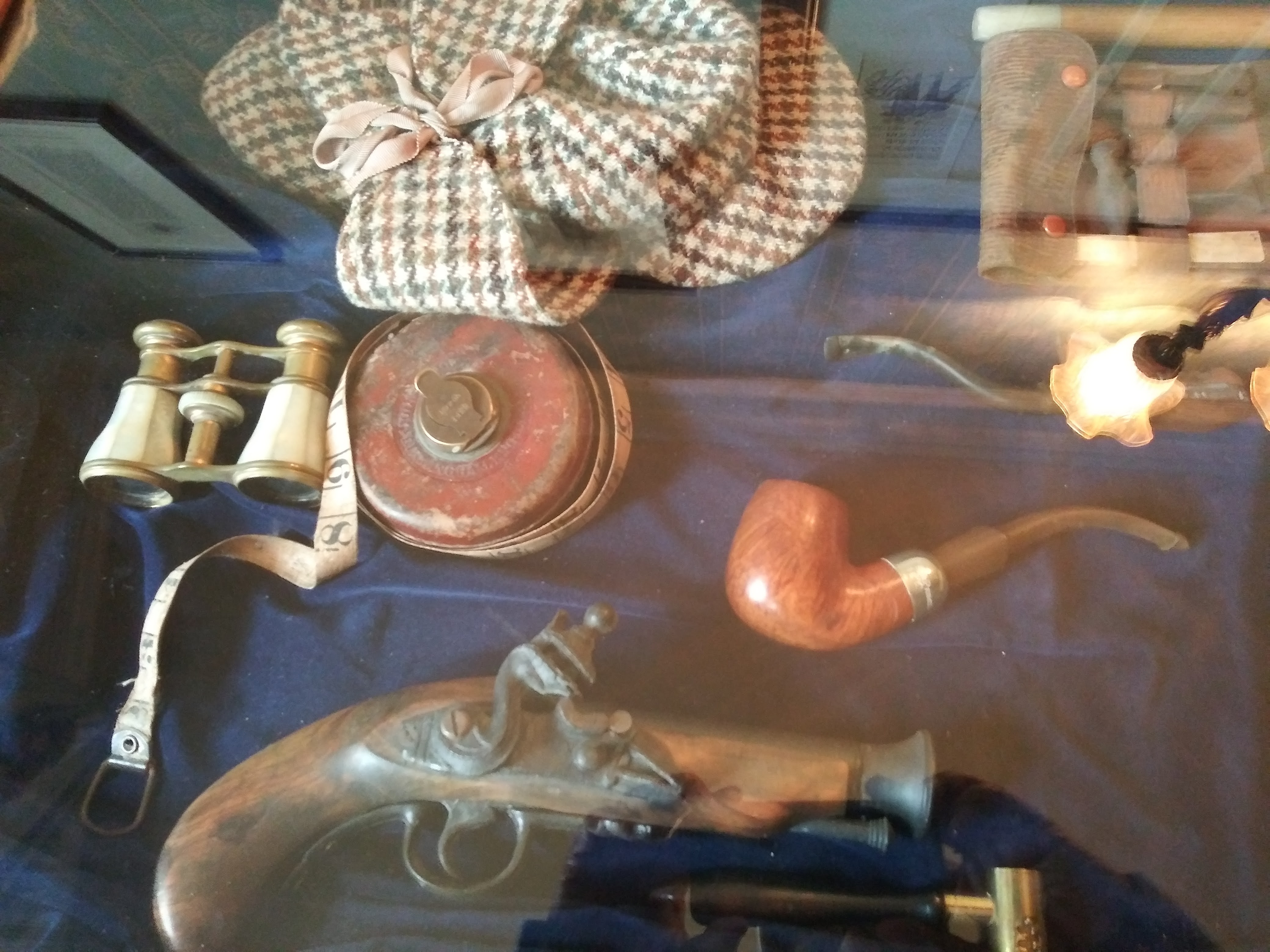
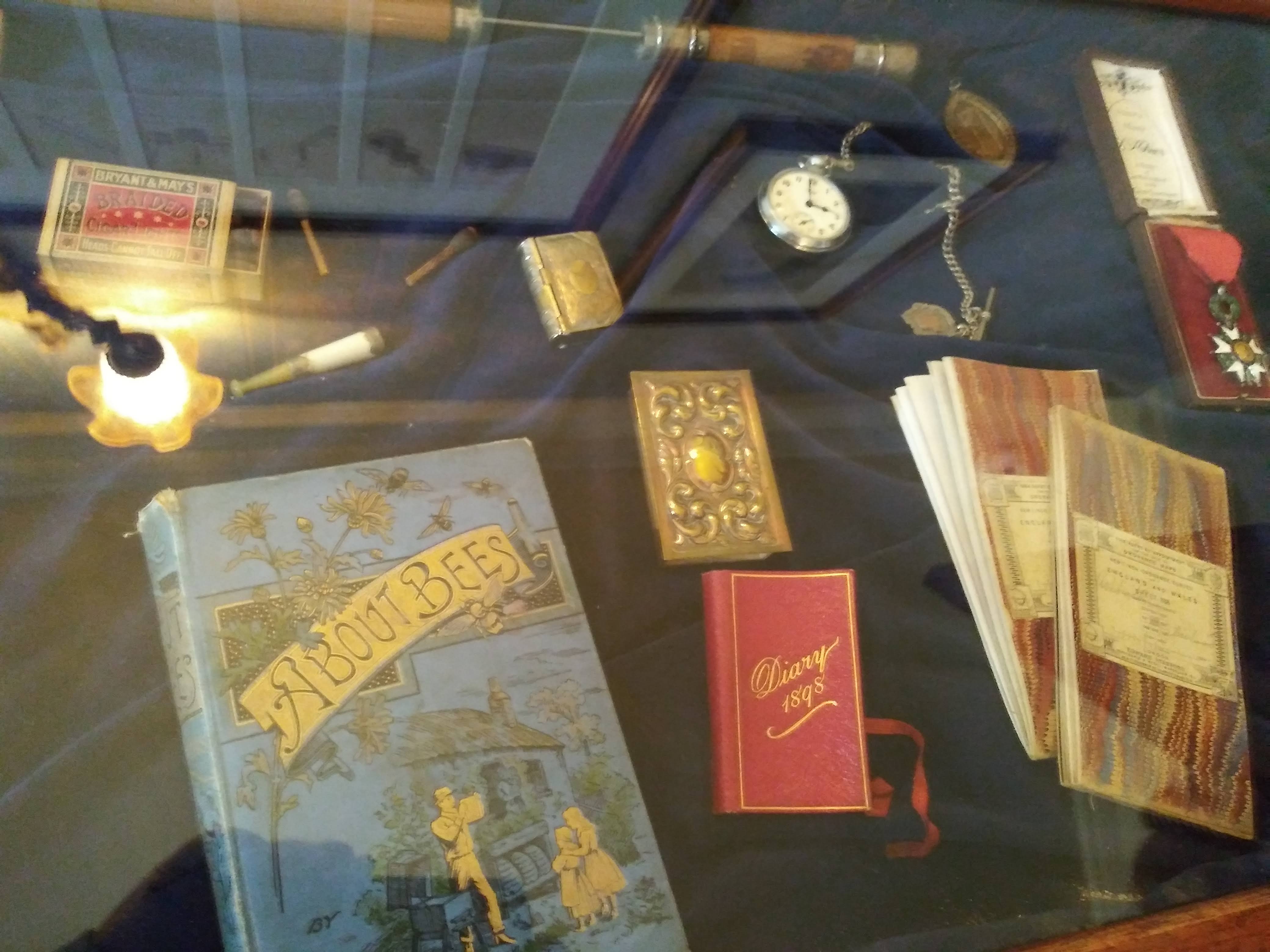
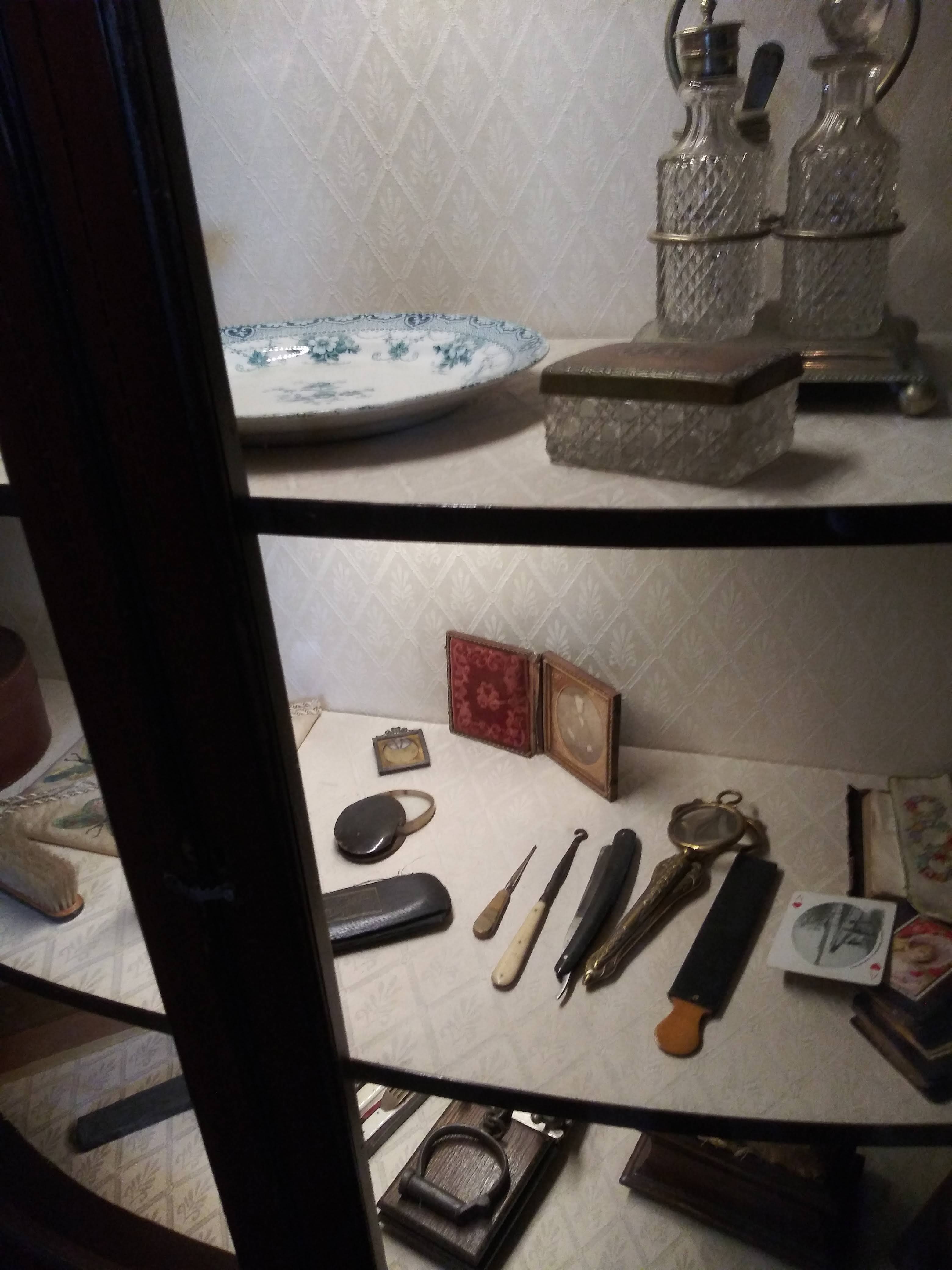
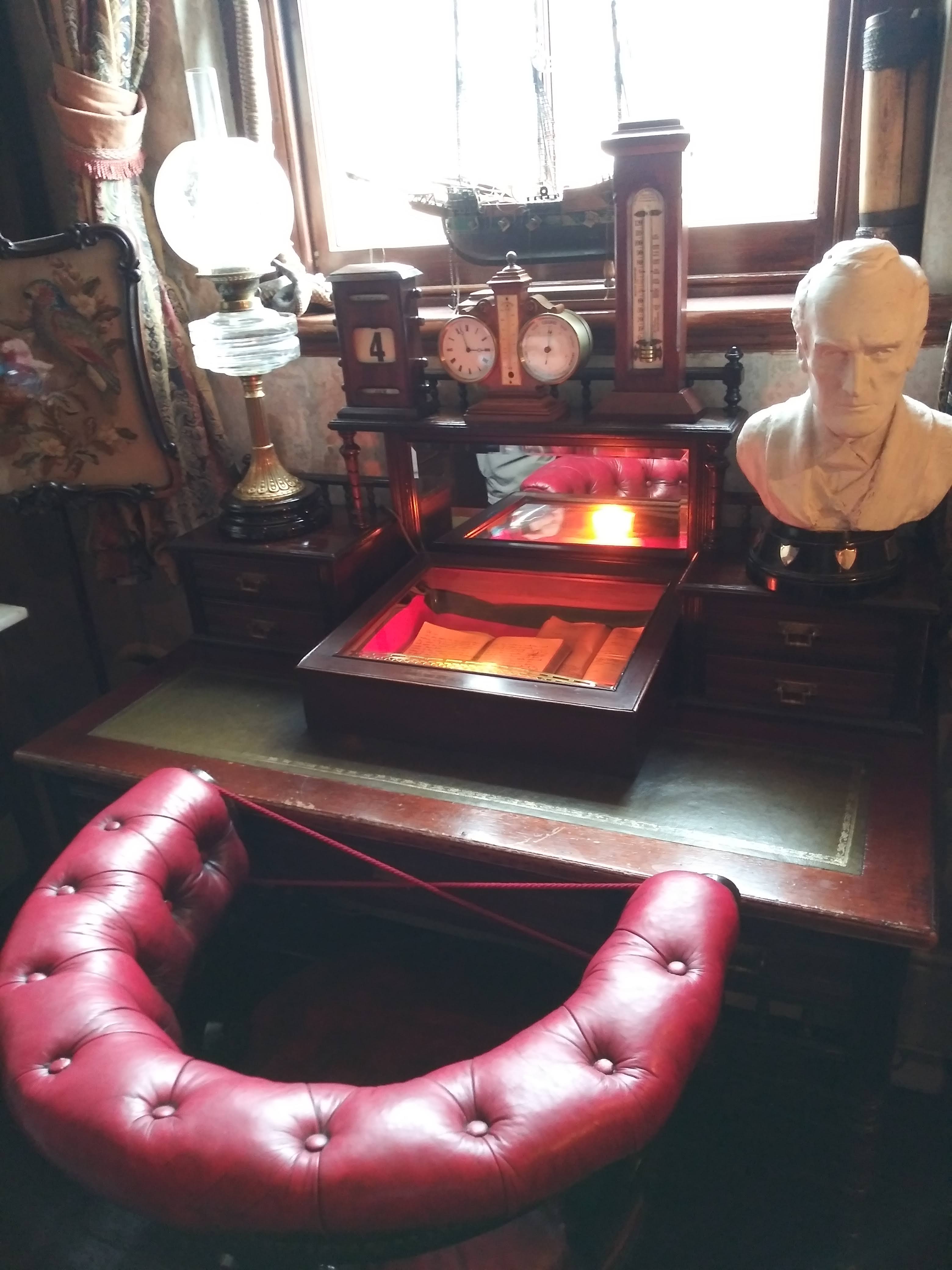
As described by Doctor Watson, the siting room boasts of two broad windows and turns out to be disappointingly small. The detective’s chair is there, and so is the tool kit he used to untangle the mysteries presented to him. The back side of the first floor displays several other things of interest to a fan, though it is said to have been the bedroom of the detective.  

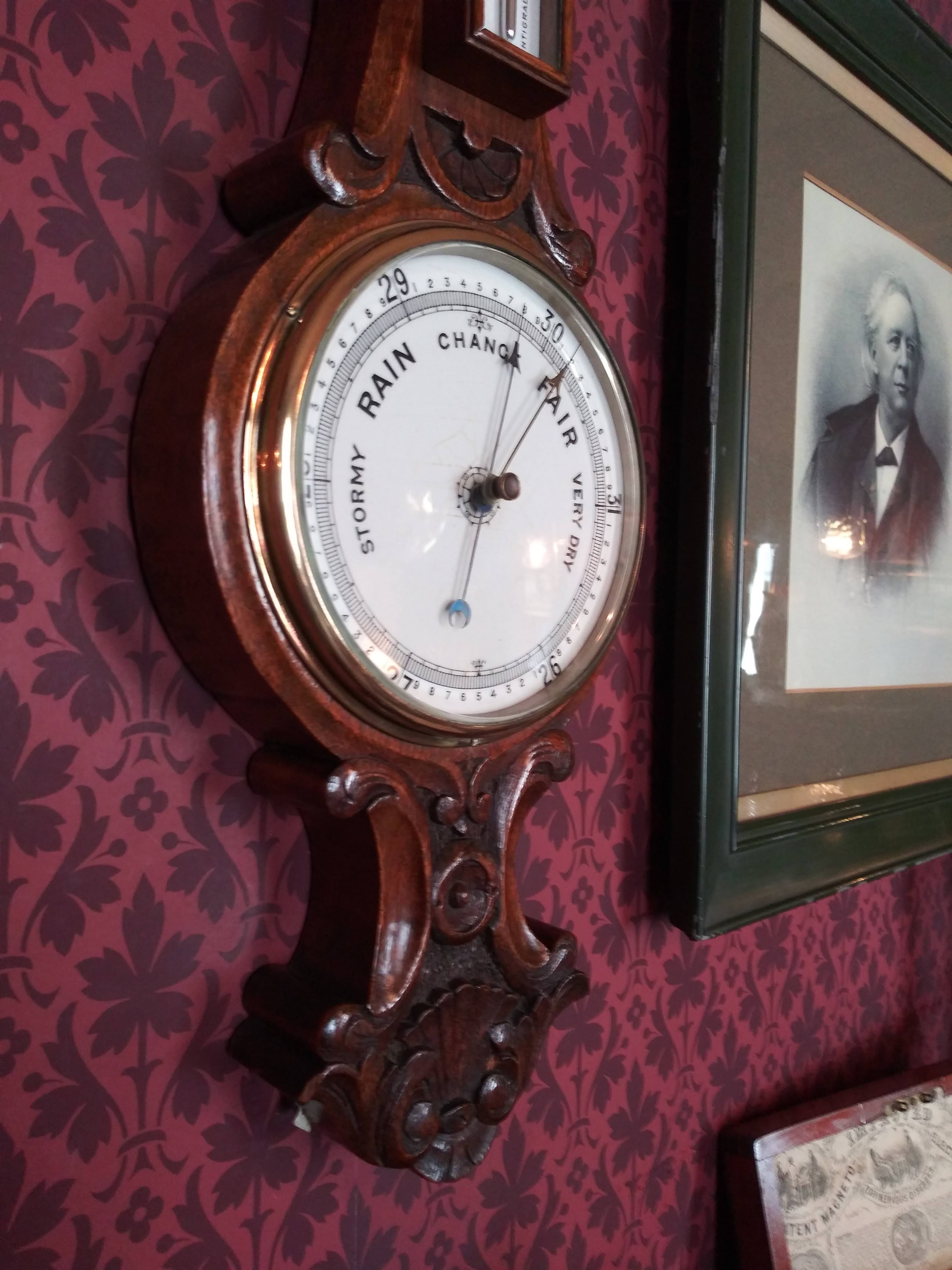
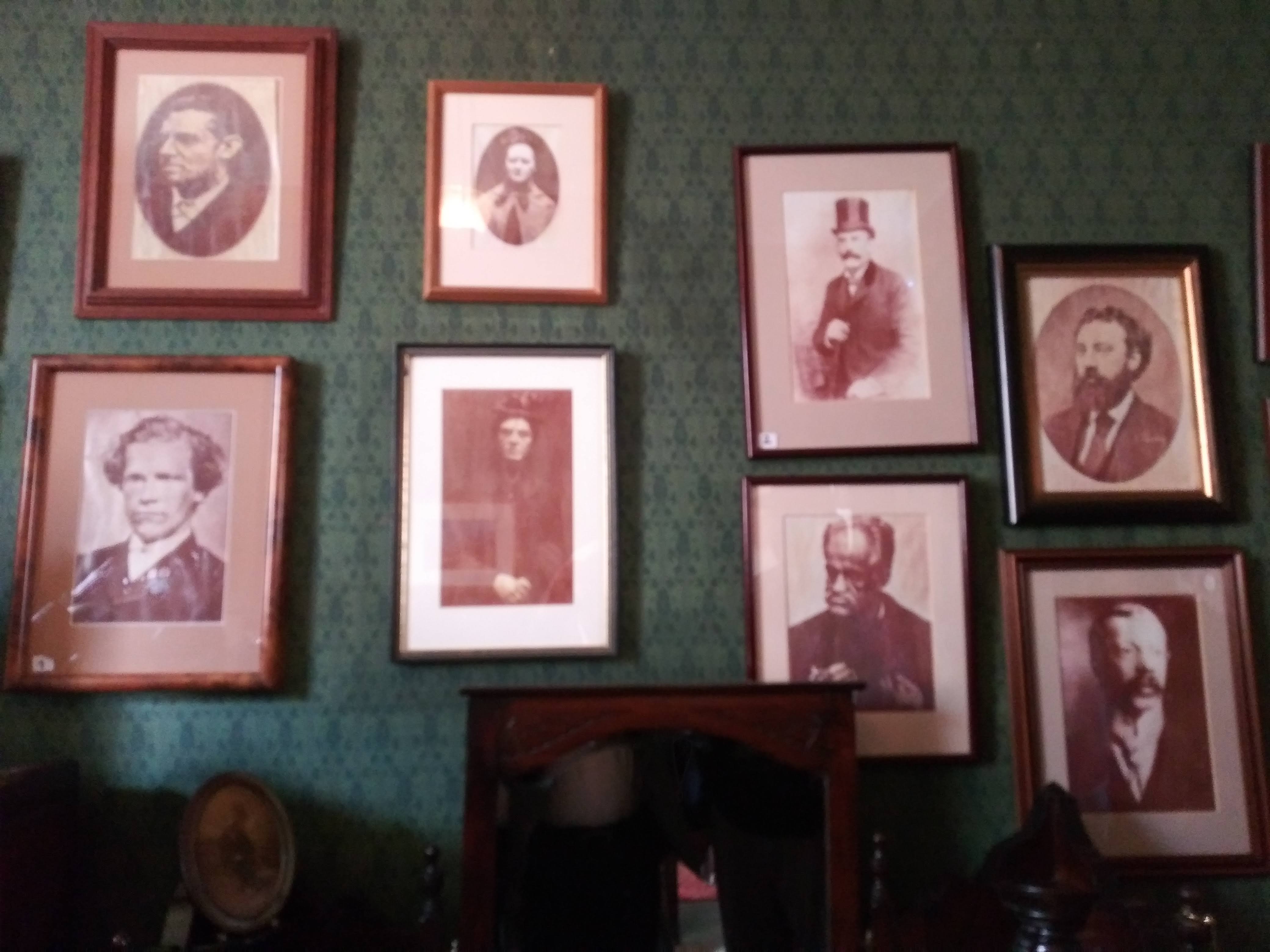
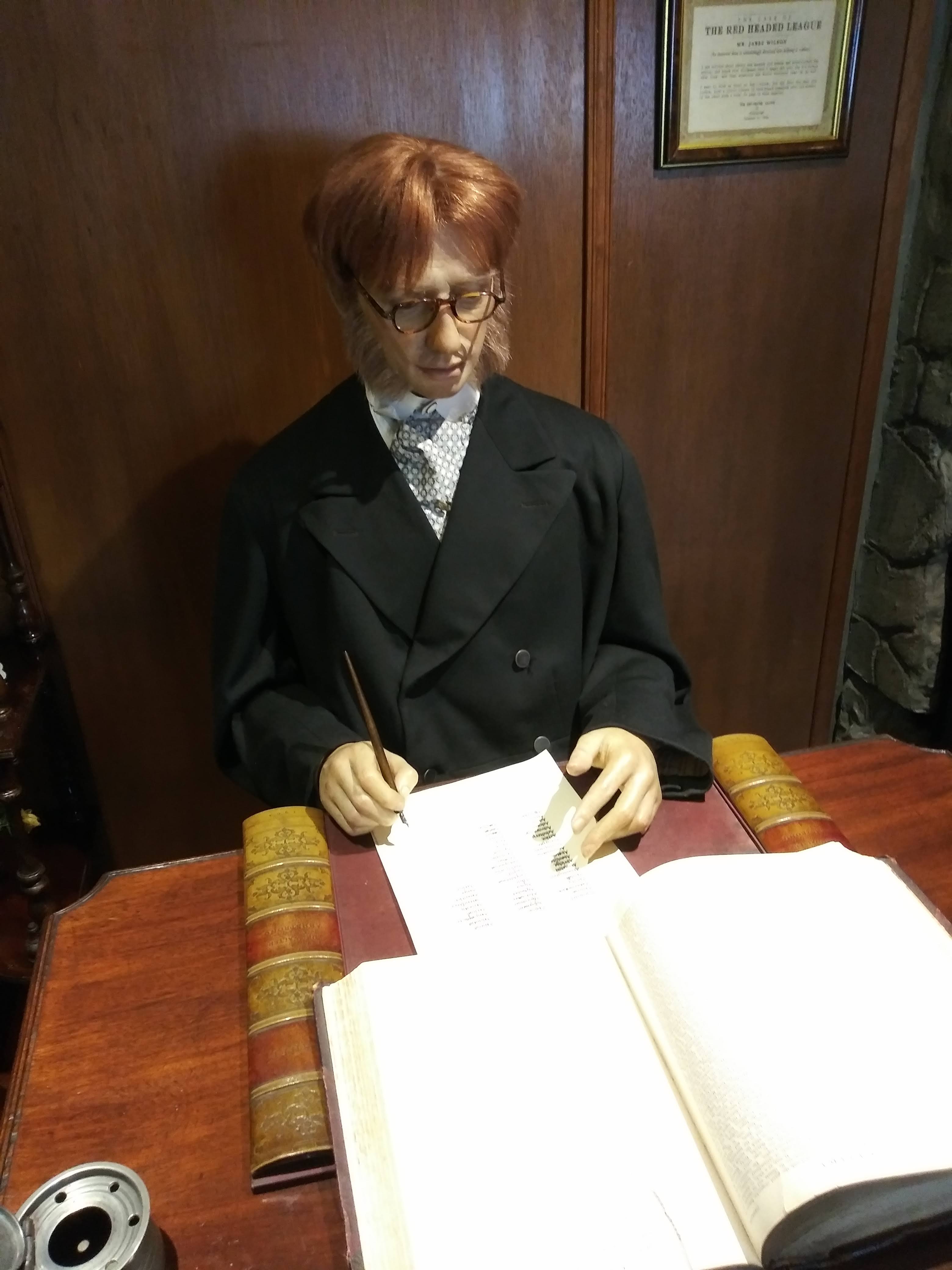
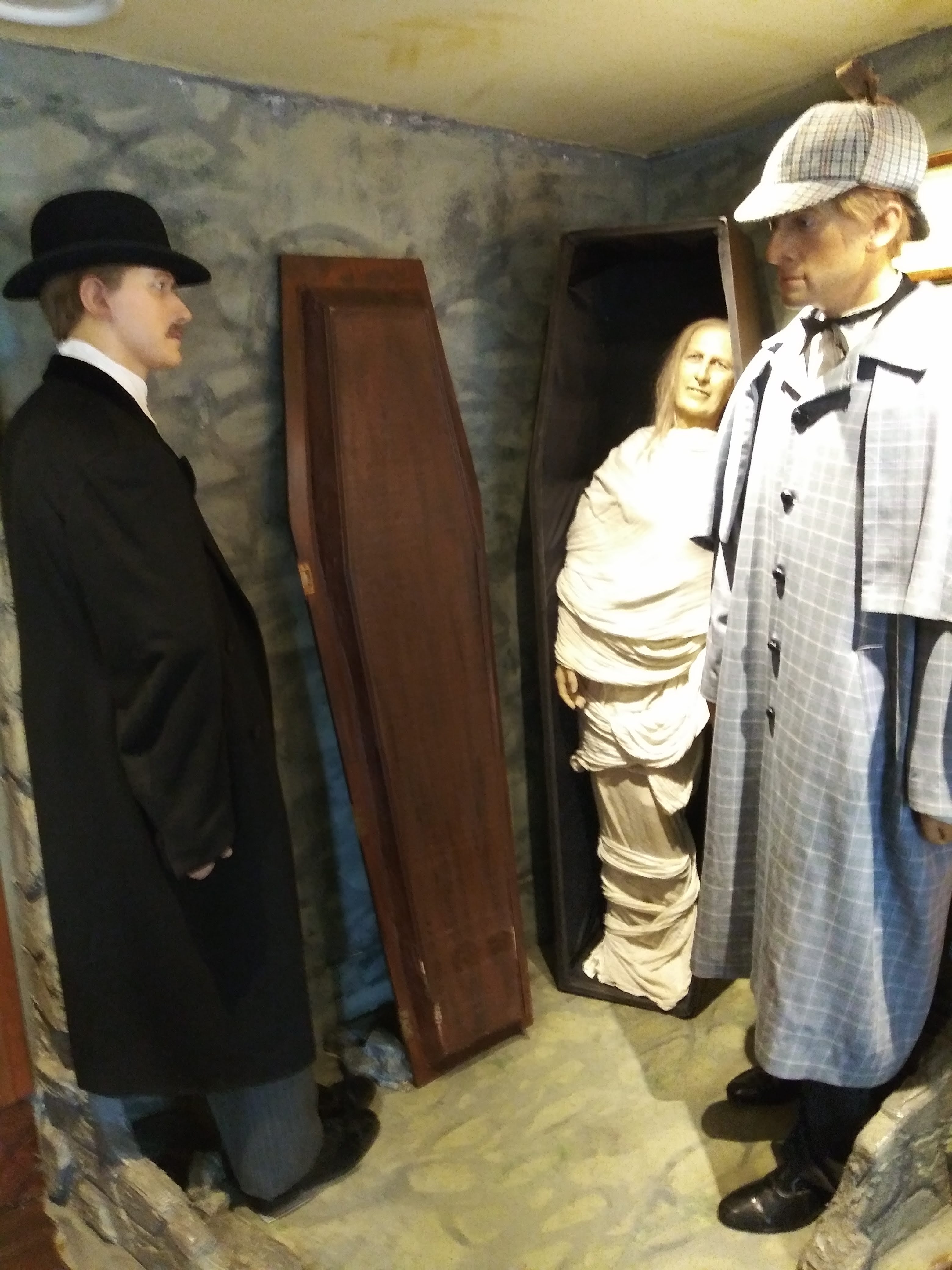
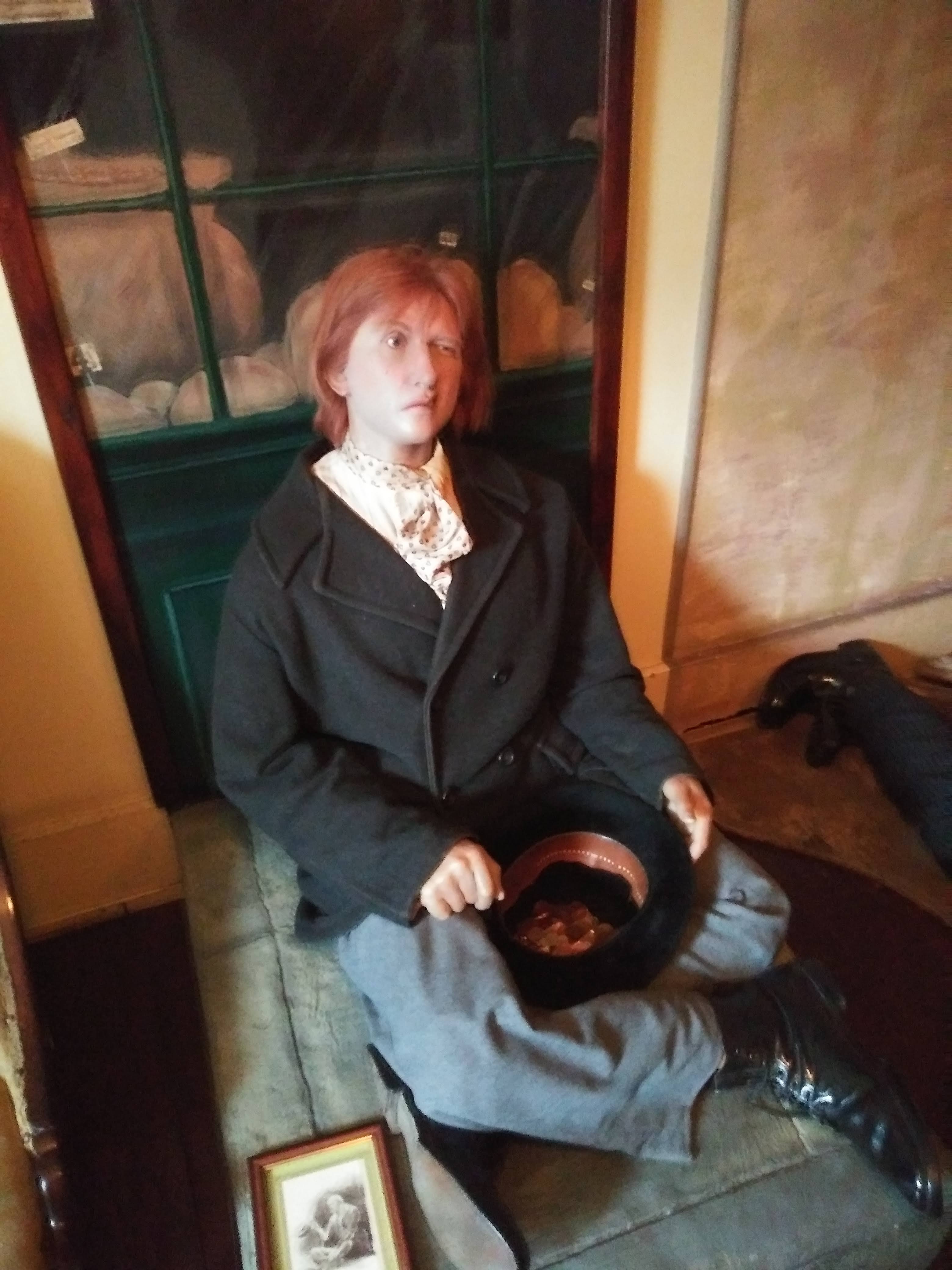
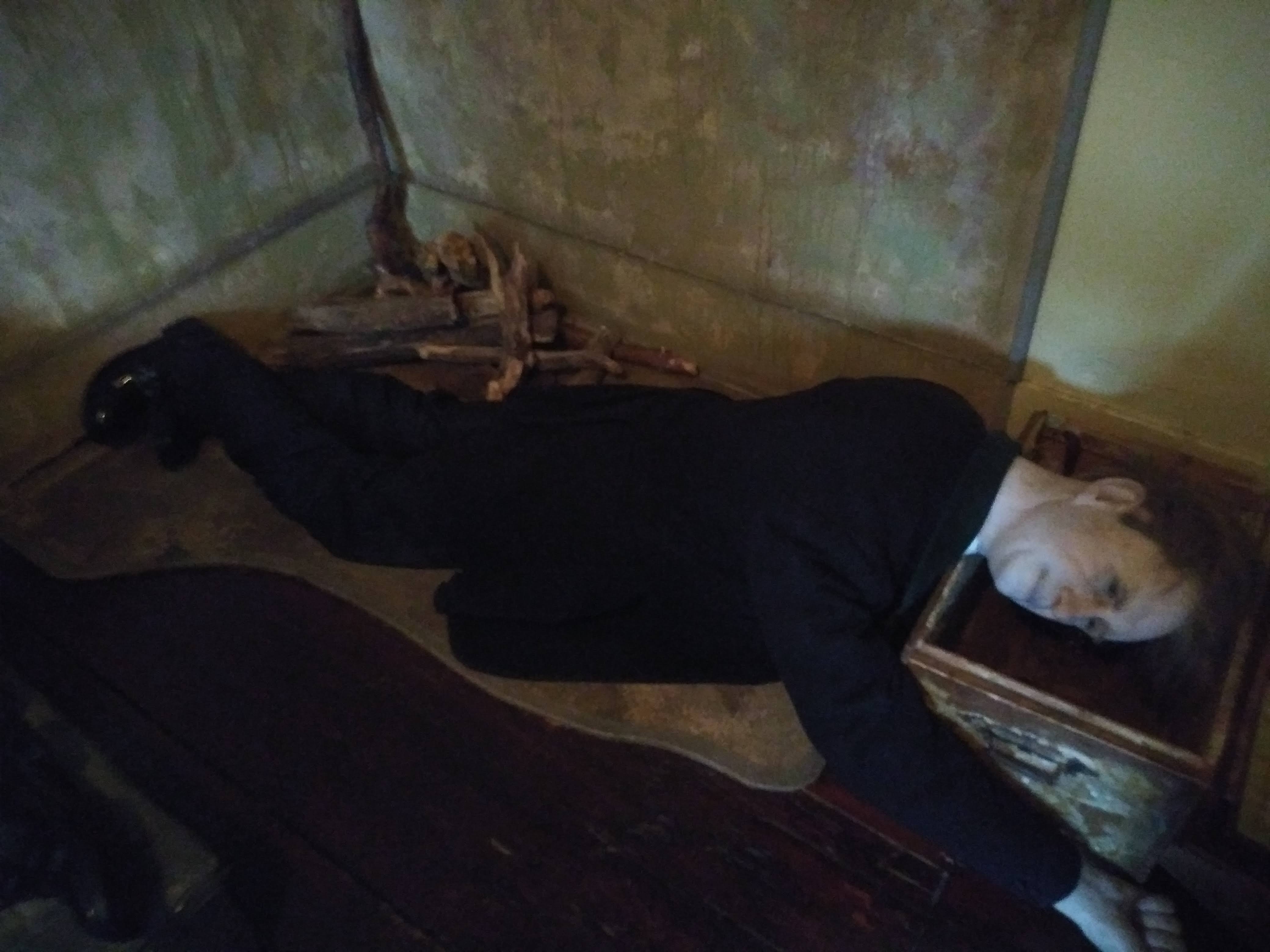
While going through the well-curated museum, visitors get readily transported to the Victorian era, immersing themselves in the gas-lit world of London’s iconic detective. The small and intimate setting of 221b is filled with authentic Victorian furniture and curiosities, and is a treasure trove of items belonging to Sherlock, his friends, and adversaries. Scores of familiar objects and paraphernalia mentioned in different stories are on display. Quite a few characters from his innumerable stories are also featured.

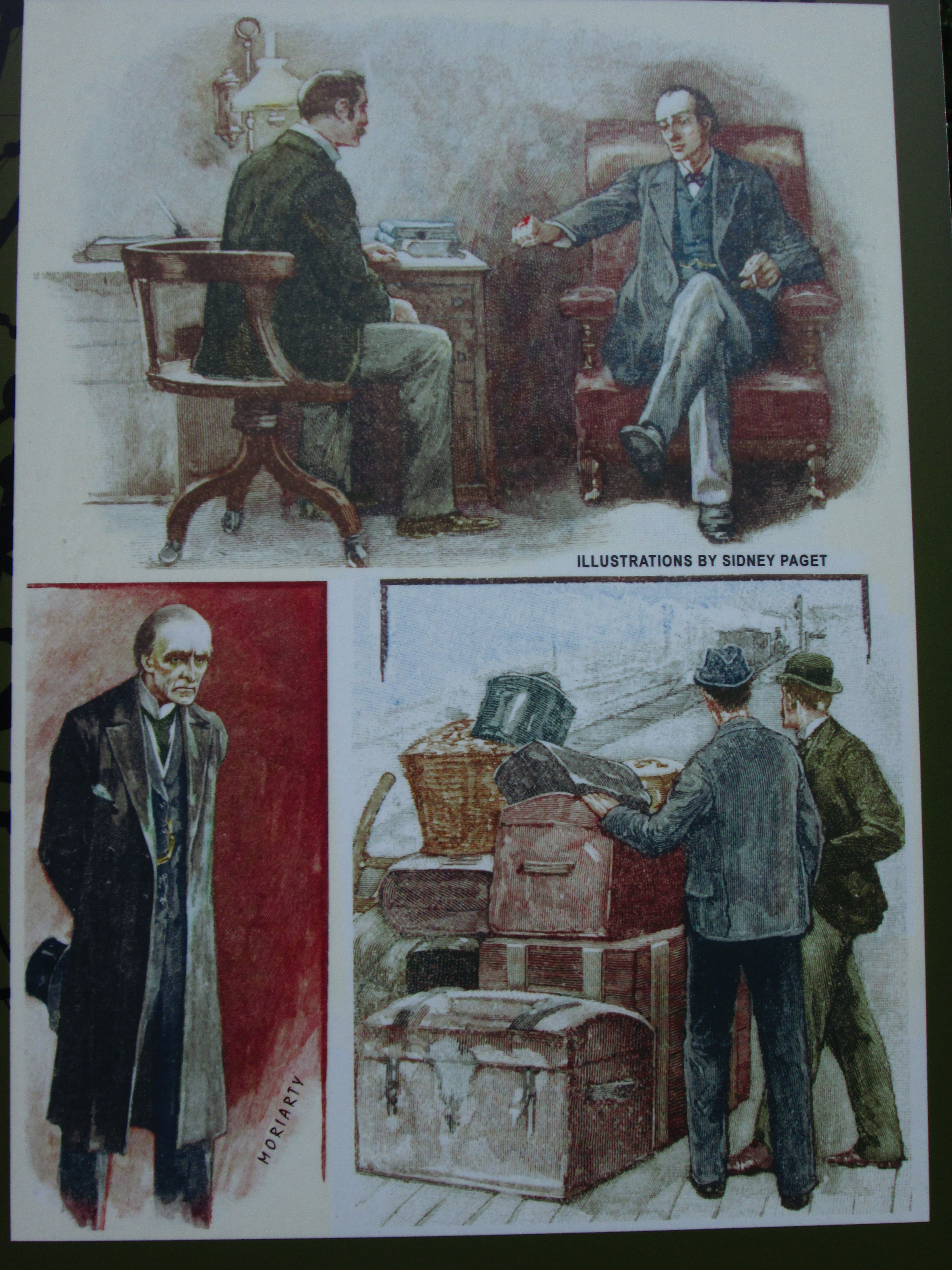
Doctor Watson’s bedroom is said to have been on the second floor, next to Mrs. Hudson’s room, both of which are used now as exhibit rooms. Professor Moriarty, arch enemy of Holmes, peers down menacingly at one from one of the corners.

The pilgrimage soon gets over. As one leaves the museum, one finds oneself wishing that one could simply hail a horse-driven hansom cab to take one to any joint which serves a wide range of tissue restoratives.

The Swiss Connection

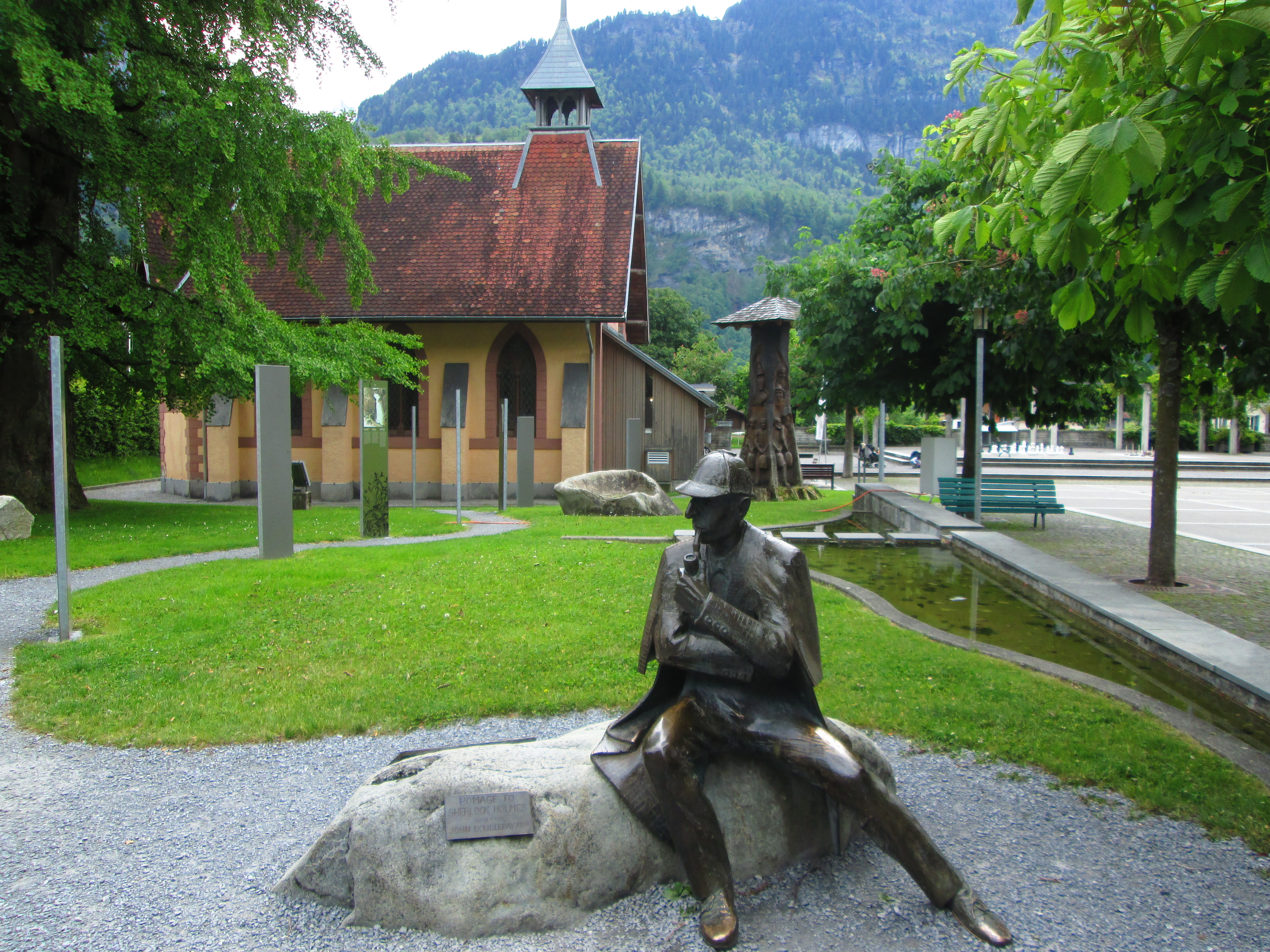
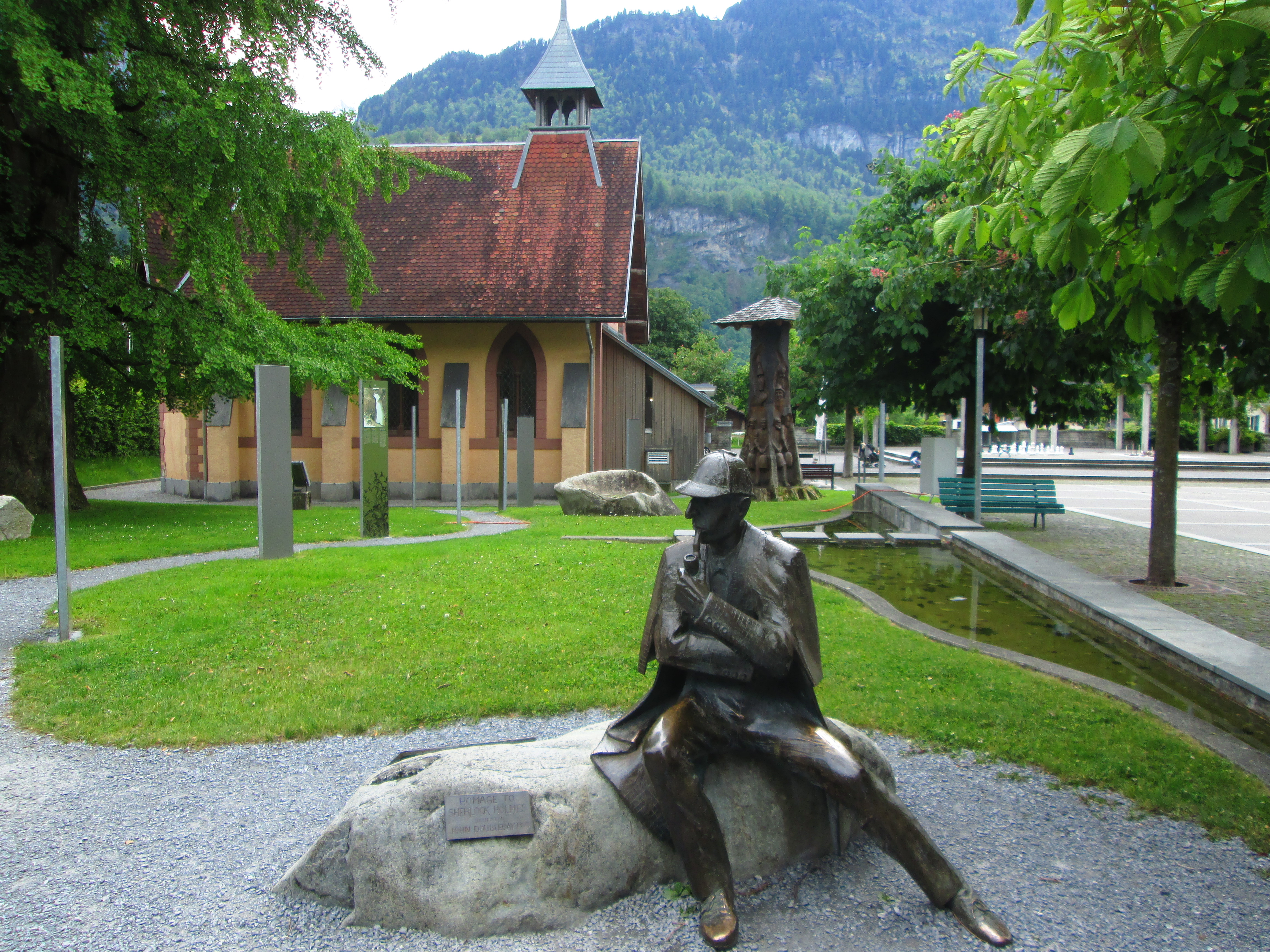
A few years back, I could visit the smaller museum dedicated to the world-famous detective at Meiringen in Switzerland. One marvels at the fact that Sherlock Holmes happens to be an honorary citizen of the township.

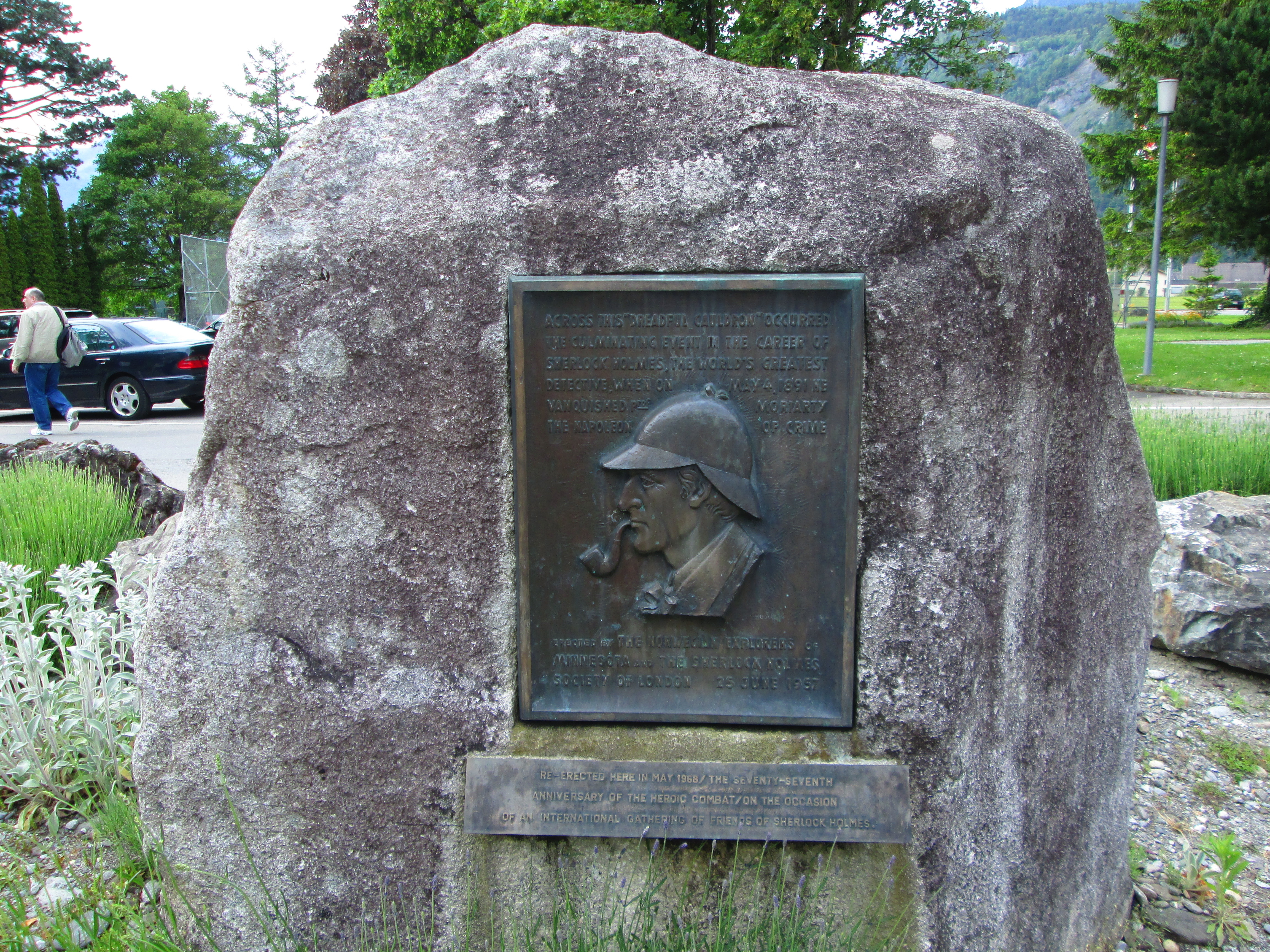
Included in the itinerary then was also a visit to the famous Reichenbach falls. That is where Sherlock Holmes was supposed to have met his end while fighting the criminal mastermind Professor James Moriarty. The Final Problem, a short story set in 1891, suggested the death of the detective. However, popular demand made the author eventually bring him back to life!

Can a fictional character assume a life and will power of its own? Can he scale heights of popularity and importance greater than those of his author and creator? That is precisely what appears to have happened in the case of Sherlock Holmes whose myth lives on. One marvels at the mental capabilities of a person like Sir Arthur Conan Doyle who created a detective who is more real to most of us than any real person we might have ever met.

In a way, Professor Moriarty still lives on even today. He manifests himself in various forms. Political manipulations, criminal deeds, injustice, disparity in opportunities and incomes, and corruption, just to name a few. However, one can derive satisfaction from the fact that characters like Holmes and Watson also continue to live on amongst us, represented by benign forces opposed to the likes of him.

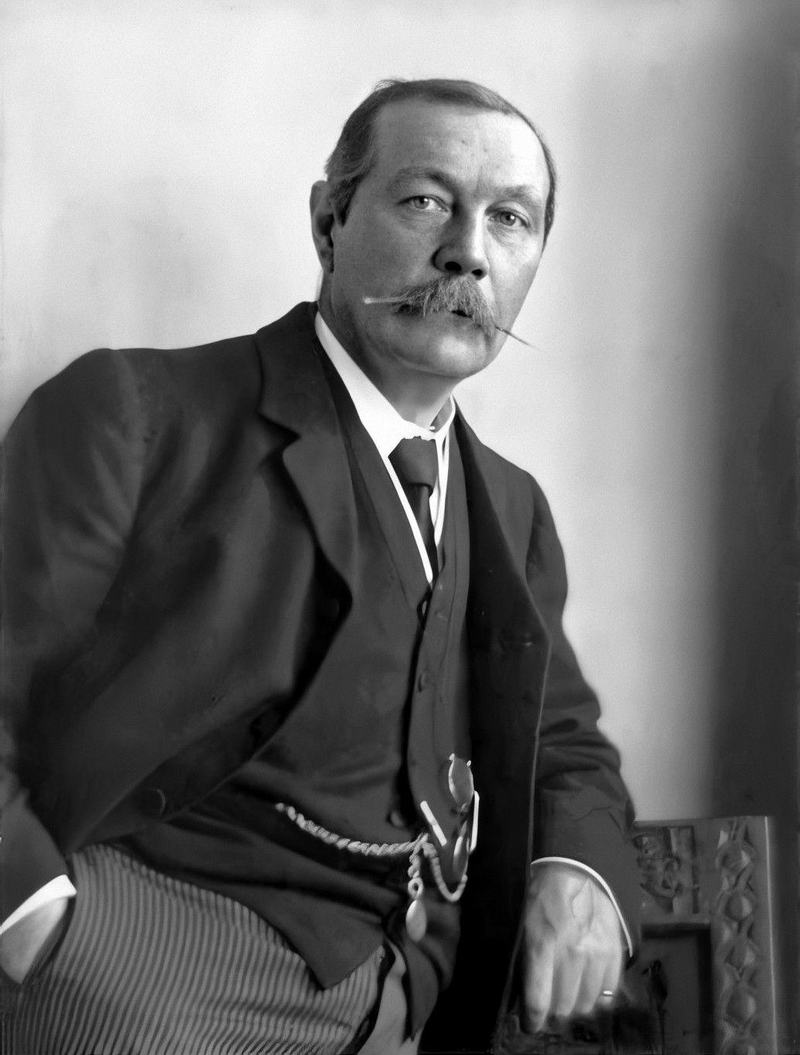
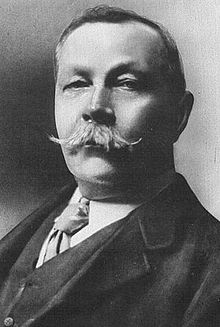
(The picture of the London museum from outside and the one of Sir Arthur Conan Doyle are both courtesy Wikipedia. Most other pictures are courtesy Dominique Conterno. His contribution towards making the London visit happen is gratefully acknowledged).

Related Posts:

Read Full Post »

Branding is a term which originates in the realm of marketing management but is generally applicable to any product, service, entity or person which stands out amongst the crowd and calls out for any Unique Selling Proposition of its. It could be applied to countries, movie directors and even to some fictional characters from literature!

Here are some examples which demonstrate this point better.

Countries


After the Trump era (2016-20), studies have popped up claiming that the USA has slid down significantly on its soft power in the world. Same is said to be the case with many other countries where brutal suppression of dissent has become a way of life and where human rights have been trampled upon.

China keeps expanding its soft power by promoting movies out of Hollywood exposing the world to its culture. India offers spirituality and its own culture to the world.

The movie Eat, Pray, Love (2010) illustrates the point rather well. A heart-broken heroine travels through different countries. She discovers the true pleasures of the table in Italy, the soothing power of payer in India and the inner peace and balance of love in Indonesia!

Movie Directors 

Apart from other celebrities, those who wield the megaphone in the movie industry often exude soft power.

I confess I am a movie buff. Quite early in life, I discovered that a movie should be selected for viewing not based on its cast but based on its director. Each director has a distinctive perspective on life, and the manner in which he/she presents a theme is as unique as, say, one´s finger prints. Admittedly, the core brilliance of a movie is determined by the producer-director duo. But the unmistakable stamp on the narrative is that of the director. The script, the screenplay, the music, the camera work, the background score, the sets, the costumes, the editing, all these transport us to a different realm for a limited time.

To put it simply, if you sit down to watch a movie by either Steven Spielberg or Gulzar saheb, you know what to expect. Seeing a movie which is directed by, say, David Lean, is as much enriching an experience as seeing one directed by either Hrishikesh Mukherji or Basu Chatterji.

Over a period of time, a movie director builds up a brand equity for himself. It comes from the uniqueness of his style, the choice of his scripts, consistency in quality of his directorial ventures and sheer attention to detail in all the departments of movie making. This earns a well-deserved respect from the discerning viewers, crowned by some degree of commercial success.

The CEO of a Dream Merchandise Factory

A director’s role in shaping a movie would perhaps be comparable to that of either the CEO of a company or the conductor of an orchestra. A CEO’s mindset determines the business strategy of a company. His style of functioning and his value system permeates across all levels of the company. Likewise, the conductor of an orchestra blends the notes of stringed, percussion and other instruments, creating a symphony which is unique. Like a CEO guiding a company or a conductor presenting a symphony, the director also balances the strengths and weaknesses of his team members and comes up with a movie which is entertaining – and possibly educative – in the social context.

A director surely knows how to touch our heart-strings in a meaningful way. In the process, he delivers deep messages, whether social, political, economical or the spiritual kind.

Some Literary Brands

Those of us who have admired the exploits of Sherlock Holmes and Reginald Jeeves are occasionally overawed by the kind of popularity these literary figures enjoy. Both may be fictional, but the influence they exert on our consciousness is exemplary. One would not be wrong in perceiving both of them to be brands in their own right.

Sherlock Holmes: An Honorary Citizen of Meiringen

Ever heard of the charming Alpine town of Meiringen in Switzerland? It is a municipality in the Interlaken-Oberhasli administrative district in the canton of Bern in Switzerland. Ringed in by snow-covered peaks, it is located on one of the most important trade routes through the Alps for centuries.

One of Meiringen’s attractions is the Sherlock Holmes Museum which recreates the detective’s abode at 221A, Baker Street in London, besides Victorian era memorabilia. The nearby Reichenbach Falls are where, in The Final Problem, Sir Arthur Conan Doyle made his hero suffer a premature death at the hands of his adversary Dr Moriarty, only to resurrect him later in The Adventure of the Empty House on persistent demands from the detective’s fans. Well, quite some time back, it had granted an honorary citizenship to Sherlock Holmes.

It stands to reason that the town had granted an honorary citizenship to Sherlock Holmes. A certificate to this effect is displayed in the museum. Also, at the base of the falls, there is a rock inscription to this effect!

When one picks up a Sherlock Holmes story, one is assured of good value for one`s time and effort. Backed by hard-nosed judgment, insightful observations and above-par analytical skills, he delivers. Go to him with a mystery and he demystifies it. His methods and skills have provided clues to investigators in many countries. He is utterly reliable. He delivers. These are the very attributes which go on to build up a brand.

Gentlemen’s Personal Gentleman

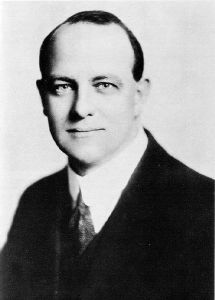
Likewise, Jeeves, created by P G Wodehouse, stands for impeccable service and a capacity to deliver results beyond the expectations of the bosses. The manner in which he helps his boss Bertie Wooster retain his bachelor status is a sterling example of his feudal spirit as also an inner cunning. His methods are often rough, but there is no doubt as to his capacity to deliver satisfactory results. He believes that bosses are like wild horses; they need to be managed with tact and resource.

In the United Kingdom, one is apt to run into laundry and other services which bear his brand name.

Many examples can be quoted from literature, fine arts and other creative fields of human endeavour.

In an earlier post, we had considered the perks of building and sustaining a shimmering brand in the market place. The focus there was on companies and individuals. Examples cited above go on to reveal to us the kind of hard work, consistency of effort and persistence which enable a softer brand to emerge. The essential principles underlying the creation and sustenance of a brand remain the same.


(Related Posts: 

https://ashokbhatia.wordpress.com/2021/03/15/the-perks-of-a-shimmering-brand-equity

https://ashokbhatia.wordpress.com/2017/12/13/a-brand-called-jeeves

https://ashokbhatia.wordpress.com/2014/05/28/sherlock-holmes-the-honorary-citizen-of-meiringen-switzerland

https://ashokbhatia.wordpress.com/2012/08/11/hats-off-to-these-movie-directors)


Read Full Post »

How fortunate we happen to be! If Plum had abandoned dishing out humorous escapades of all sizes and shapes, and instead turned to crime fiction, the universe we live in would have become so very listless and mirthless.

Here is yet another delectable post from Honoria Glossop.

Yet another post you may wish to check out: https://ashokbhatia.wordpress.com/2014/05/28/sherlock-holmes-the-honorary-citizen-of-meiringen-switzerland

Honoria Plum's avatarPlumtopia

Strand pagetPGW quoted this famous character from his third book up to his ninety-third and had a tremendous admiration for Arthur Conan Doyle.

N.T.P. Murphy, A Wodehouse Handbook

On the 15th of October, 1881, P.G. Wodehouse was born in Guildford , England.

Coincidentally, 1881 was also the year in which Dr. John Watson first met Sherlock Holmes. Their meeting was recounted by Arthur Conan Doyle in the first Sherlock Holmes story, A Study in Scarlet (1887).

Some years later, the young Wodehouse became an avid reader of these stories, and his early work is littered with Holmesian references.  In The Adventure of the Split Infinitive , a 1902 short story published in ‘Public School Magazine’, Wodehouse sends Mr. Burdock Rose and his companion Dr. Wotsing to investigate a murder at St. Asterisk’s school.

“Anyone suspected?” I asked.

“I was coming to that. One of the Form, Vanderpoop by name, under…

View original post 770 more words

Read Full Post »

Can a fictional character assume a life and will power of its own? Can he scale heights of popularity and importance greater than those of his author and creator? That is precisely what appears to have happened in the case of Sherlock Holmes, the famous fictional detective.May 2014 379

The Final Problem was intended to be Sir Arthur Conan Doyle´s last work portraying Sherlock Holmes. He entertained a belief that the Sherlock Holmes stories were distracting him from more serious literary efforts. An option available to the author was that of “killing” Holmes and undertake other literary endeavors.May 2014 380

In order to keep the fans of the detective in good humor, the author came up with a plot which involved Holmes saying good-bye with a flourish, ridding the world of a criminal so powerful and dangerous that any further task would be trivial in comparison (Holmes says as much in the story).May 2014 381

All authors walk a thin line between imagination and reality. In 1893, Conan Doyle and his wife toured Switzerland and discovered the village of Meiringen in the Bernese Alps. It was here that the idea of killing Sherlock Holmes at the Reichenbach Falls took shape.May 2014 382

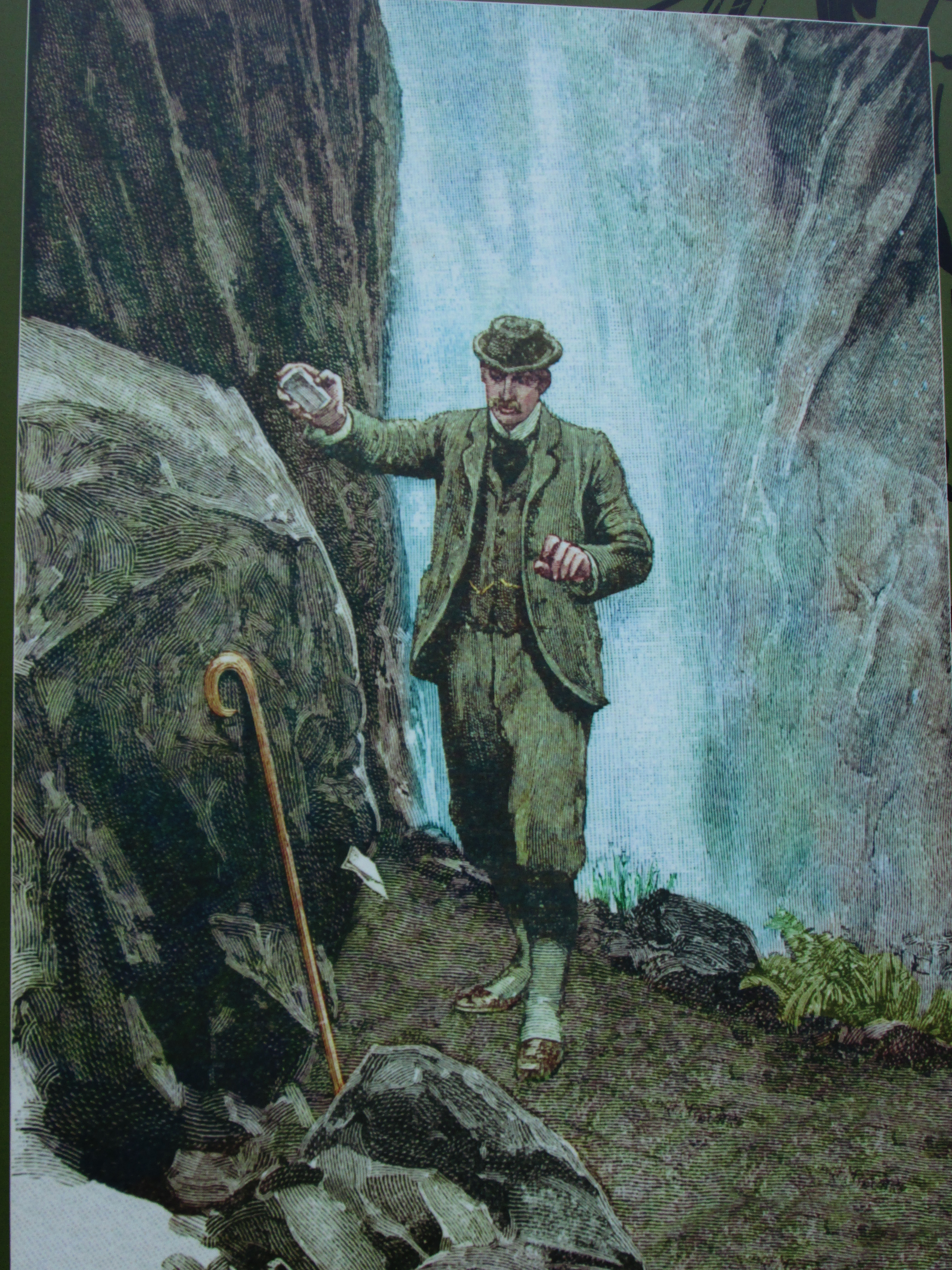
However, Doyle let the detective die in circumstances shrouded in mystery. No revolvers. No air guns. No African powders which emit deadly vapors. No eyewitnesses. No physical remains. No deceptive burials. Simply, a natural setting. Just the footprints in a muddy dead-end path. Signs of a violent struggle which make Dr. Watson come to the conclusion that Holmes is no more.May 2014 383

When one picks up a Sherlock Holmes story, one is assured of good value for one`s time and effort. Backed by hard-nosed judgement, insightful observations and above-par analytical skills, he delivers. He is utterly reliable. These are the very attributes which go on to build up a brand.

Eventually, the brand called Sherlock Holmes proved to be stronger. Pressure from fans persuaded Doyle to bring Holmes back, first writing The Hound of the Baskervilles and then resurrecting him in The Adventure of the Empty House.May 2014 384

Finally, it transpired that Sherlock Holmes had actually won the struggle at Reichenbach Falls and sent Moriarty to his death though nearly meeting his own at the hands of Moriarty’s henchmen. Conan Doyle could plausibly resurrect Holmes, much to the eternal delight and gratitude of the detective`s fans!May 2014 385

Have you come across any other characters in literature which survived their creatorエs attempt to vanquish them?!

For management experts, herein lies a potential case study: How to make a brand assume a higher stature than the corporate entity which creates it!

(Illustrations from the Sherlock Holmes Museum at Meiringen, Switzerland)

(Related post: https://ashokbhatia.wordpress.com/2014/05/28/sherlock-holmes-the-honorary-citizen-of-meiringen-switzerland)

Read Full Post »

May 22 happens to be the birth anniversary of one of the greatest wordsmiths of our times – Sir Arthur Conan Doyle. This year, the family decided to celebrate it by paying a visit to a museum dedicated to him in Switzerland.

Included in the itinerary was a visit to the famous Reichenbach falls. That is where Sherlock Holmes was supposed to have met his end while fighting the criminal mastermind Professor James Moriarty. “The Final Problem”, a short story set in 1891, suggested the death of the greatest detective whose methods have influenced crime investigations all over the world!

The Museum

The small museum dedicated to Sherlock Holmes is located in a quaint little church in the small town of Meiringen. The entrance has a fine sculpture of the detective in deep thought.May 2014 376

A short pathway of gravel leads one to an old building which was originally used as a church. The pathway has stone panels on its sides. These contain beautiful illustrations depicting in brief not only the story of “The Final Problem” but also retirement plans of the detective!

May 2014 374

The basement has several displays which would interest anyone familiar with the life and times of Sir Arthur Conan Doyle and his legendary characters Sherlock Holmes and Dr. Watson. The highlight is a faithful recreation of the room at 221-b, Baker Street, just after the two inhabitants have left it hurriedly, supposedly on a top-secret mission of theirs.May 2014 345

In a corner of the room one can spot a cupboard which is full of the kind of books and records the destruction of which would regale many a criminal hounded by the legendary duo in their times.May 2014 364

For the architecturally inclined, there is a map showing the location of 221-b, Baker Street, as also an elevation of the building which houses it.

The display has, amongst others, sculptures of Holmes, the certificate of honorary citizenship of Meiringen issued to him, a set of binoculars, the famous pipe and the hat. The small note left behind by Holmes at the Reichenbach Falls can also be seen.May 2014 356

Uniform of a Scotland Yard rozzer of 1890s is on display, along with some investigative tools used way back then. Articles touching upon the rugby interests and army career of Dr. Watson also enthrall the visitor.

Reichenbach FallsMay 2014 414

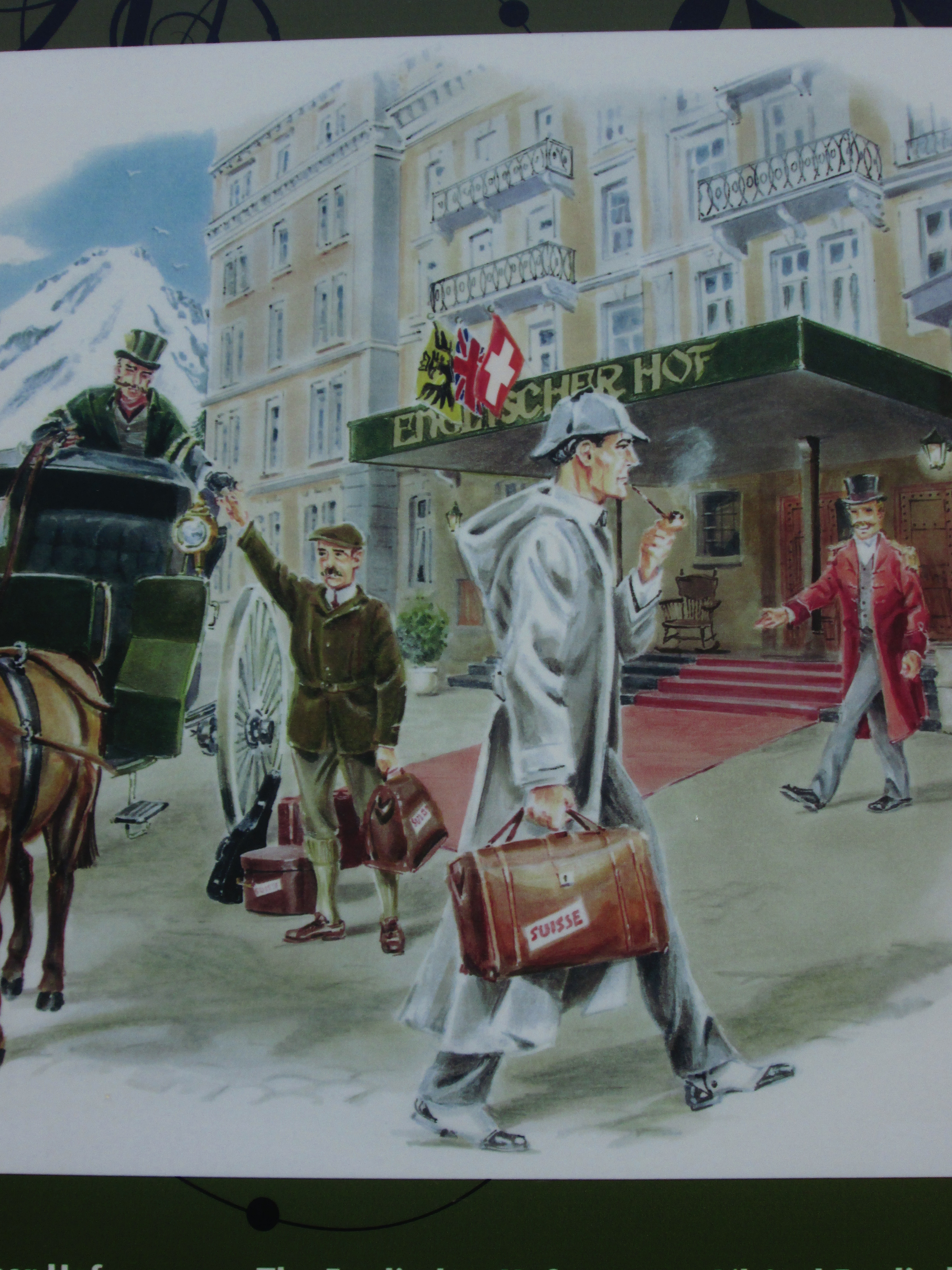
“The Final Problem” tells us that in May 1891, Sherlock Holmes and Dr. Watson had stayed at the Englischer Hof at Meiringen. A walk had led them to the Falls, from where Dr. Watson had been tricked into returning to the inn, leaving Holmes all by himself.

Finally, Dr. Watson returns to Reichenbach Falls, only to find two sets of footprints going out onto the muddy dead-end path with none returning. There is also the note from Holmes, explaining that he is about to fight Moriarty, who has graciously given him enough time to pen this last letter.

Watson sees that towards the end of the path there are signs that a violent struggle has taken place and there are no returning footprints. It is all too clear Holmes and Moriarty have both fallen to their deaths down the gorge while locked in mortal combat. Heartbroken, Dr. Watson returns to England.

In the present, a funicular railway takes the visitor up to a platform from where the falls are clearly visible. The place from where Holmes and his adversary had fallen off is marked with a star. One can trek up to the star and also beyond and enjoy the magnificent scenery around.

A Tribute

While climbing the mountain, one contemplates on the ingenuity of the human mind. When used against humanity, it has the potential to give rise to a Napoleon of criminals like Dr. Moriarty. When deployed to protect the denizens against fraud, crime and cheating, it produces characters like Sherlock Holmes and Dr. Watson.May 2014 424

In a way, Dr. Moriarty still lives on even today. He manifests himself in various forms. Criminal deeds, injustice, disparity in opportunities and incomes and corruption, just to name a few. However, one can derive satisfaction from the fact that characters like Holmes and Watson also continue to live on amongst us, represented by forces opposed to the likes of Dr. Moriarty.

The myth of Sherlock Holmes lives on. One marvels at the mental capabilities of a person like Sir Arthur Conan Doyle who created a detective who is more real to most of us than any real person we might have ever met.Conan_doyle

Such visits are more like pilgrimages. These are but a form of tribute to legendary authors who live on in our collective psyche and imagination through their works.

(Curious?  Check out http://www.sherlockholmes.ch)

Read Full Post »