Archive for November, 2024
P. G. Wodehouse: Laughter guranteed
Posted in What ho!, tagged Humour, Laughter, P G Wodehouse on November 26, 2024| Leave a Comment »
Comfort Zones: Guest Post courtesy Dilip Mohapatra
Posted in Management Lessons, tagged Comfort Zones, Development, Growth, Leaving the Comfort Zone, Life, Management, personal-development, Self Development, self-improvement on November 20, 2024| Leave a Comment »

A comfort zone is a psychological space where a person feels secure, in control, and free from stress. It encompasses habits, routines, and environments that offer familiarity and predictability. While comfort zones provide stability and a sense of safety, they can also hinder growth and limit opportunities if one becomes overly reliant on them.
Management experts of all hues, sizes and shapes keep exhorting us to get out of our bubbles of comfort. Ultimately, growth begins where the comfort zone ends. By stepping into the unknown, individuals not only expand their skill sets but also develop resilience and adaptability. Recognising when to challenge oneself and when to retreat into familiar territory is key to a balanced and fulfilling life. Embracing discomfort as a catalyst for growth can transform how individuals approach challenges, unlocking new possibilities in the process.
Dilip Mohapatra proposes that we keep getting out of comfort zones all through our lives. Most of the times, we may be blissfully unaware of our doing so in an unconscious manner. This is what he has to say:
You cross your first ever
comfort zone when you are
emerging from the womb
your body covered with amniotic fluid
and your umbilical cord
is severed from your mother’s
placenta
and the midwife
picks you up by your legs
and slaps your back for
you to cry out loudly…

Then you are cleaned up
and wrapped up in white linen
into a bundle
and you snuggle upto
your mother’s warmth
and a new comfort zone appears
that soon gets embedded
to your mother’s embrace
assuring you of your security
as you grow up
and finally fly out of your nest
to savour the world outside.

As you taste the uncharted waters
of the boarding schools and colleges
you experience
a new comfort zone
through bonding with your friends
taking care of one another
and creating the safety nets
under you
and a protective circle around
and your membership
guarantees you
comfort and safety
till you venture out
to your hunting ground
for your survival and success.

On your way you meet your mate
and soon you are entrapped
in a new comfort zone
that is built around you
by your partner
its boundaries delineated by
a fence with love as its posts
and possessiveness
born out of insecurities
as its barbed wire…
and you are happy to stay within
its limits
and dare not to move out
to face the consequences
and anxieties outside.

Then in your twilight years
when all fences dissolve away
one after another
you create your own
self made comfort zone
with bricks of experience
and plaster of
accumulated wisdom
and find your recliner
to slowly rock
to the rhythm of
the waves of memory
lulling yourself to
soothing slumber.

Then as you venture into
your spiritual realm
in search of the infinity
the comfort zone
loses its meaning
and you move into
the divine comfort zone
having no boundaries
no limits
and you levitate into
a state of perpetual bliss
that is both ethereal
and eternal.


About the author

A decorated Navy veteran, he wears many hats. Has dabbled in the corporate world. Author. Poet.
(Illustration courtesy the World Wide Web)
A visit to the birthplace of William Shakespeare
Posted in A Vibrant Life!, tagged Birthplace, Blandings Castle, england, English, Jeeves, Literature, P G Wodehouse, Shakespeare, Shakespeare Centre, Stratford-upon-Avon, Travel, UK on November 15, 2024| 4 Comments »
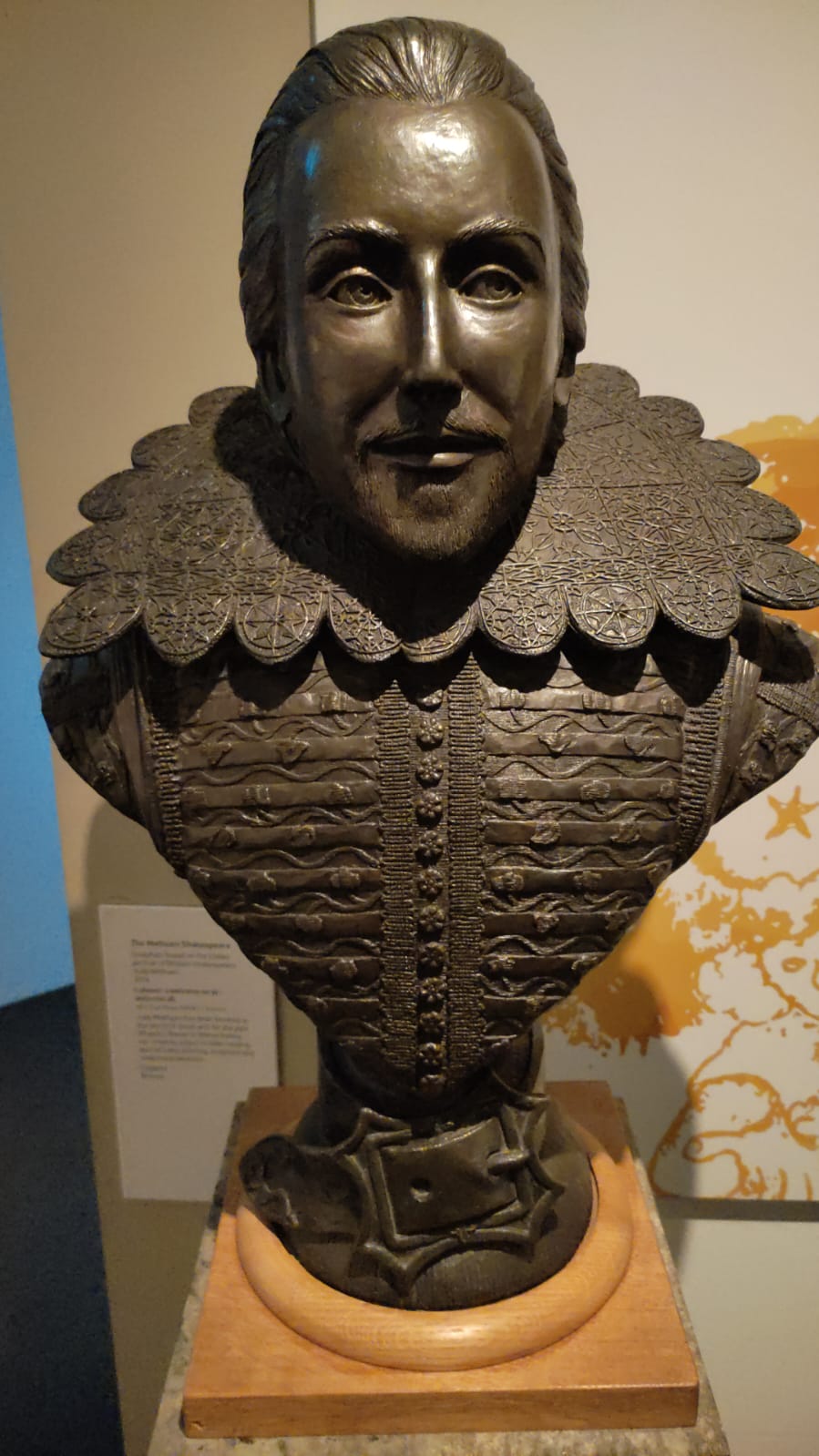
In one of my earlier posts, I had already confessed that I do not suffer from an affliction which could best be alluded to as Shakespearitis. Given the limited supply of grey cells that nature has bequeathed upon me, I can be held to be a person who has a rather high Pumpkin Quotient. William Shakespeare’s literary outpourings need a much higher level of intellect to be understood and enjoyed. Unfortunately, that I simply do not possess. The stuff he has dished out is meant for brainy coves whose eyes shine with keen intelligence and whose heads bulge at the back, much like Jeeves’.
However, all this does not necessarily guarantee peace of mind. On the contrary, it makes life even more of a challenge. The brow is invariably furrowed. The heart is leaden with woe. This is so because he is to be found everywhere and is apt to spring surprises at all times, not a very pleasing prospect for a faint-hearted person like me. Surely, the fault lies in my stars.
My last trip to the United Kingdom proved to be no exception. A few days after I had unpacked the proverbial toothbrush, on a fine morning, my genial host had whipped up a sumptuous breakfast. While tucking into it with much gusto, I was feeling on top of the world. But just when you feel that life is a bed of roses, God is in heaven, and all is well with the world, Fate sneaks up from the back. Your Guardian Angel decides to proceed on a vacation. The blow falls, leaving one shaken and stirred.
I was informed that the birthplace of The Bard was just an hour’s drive from the town I was in at the time. The host, grace personified, thought it was his patriotic duty to drive me down to the place. Hiding my trepidation somehow, I consented. Well, one must be civil, you see.
As you like it
The journey to Stratford-upon-Avon was part of the charm. Surrounded by the serene English countryside, the town turned out to be a beautiful blend of cobbled streets, Tudor-style buildings, and winding pathways that echo centuries of history. The drive had the effect of converting my initial hesitation to a reluctant sense of anticipation.
Visiting William Shakespeare’s birthplace in Stratford-upon-Avon proved to be like stepping into a time machine that transports one to the relatively simpler times of the late 16th century. Nestled in the charming market town in Warwickshire, England, the house on Henley Street is a unique time capsule that offers a glimpse into the life of Shakespeare and his family, set against the backdrop of a picturesque Elizabethan town. It is instructive to see how Henley Street has evolved over time.


Despite being armed with a Google app, we had to repeatedly disturb a few locals to ask for directions to the Shakespeare Centre.
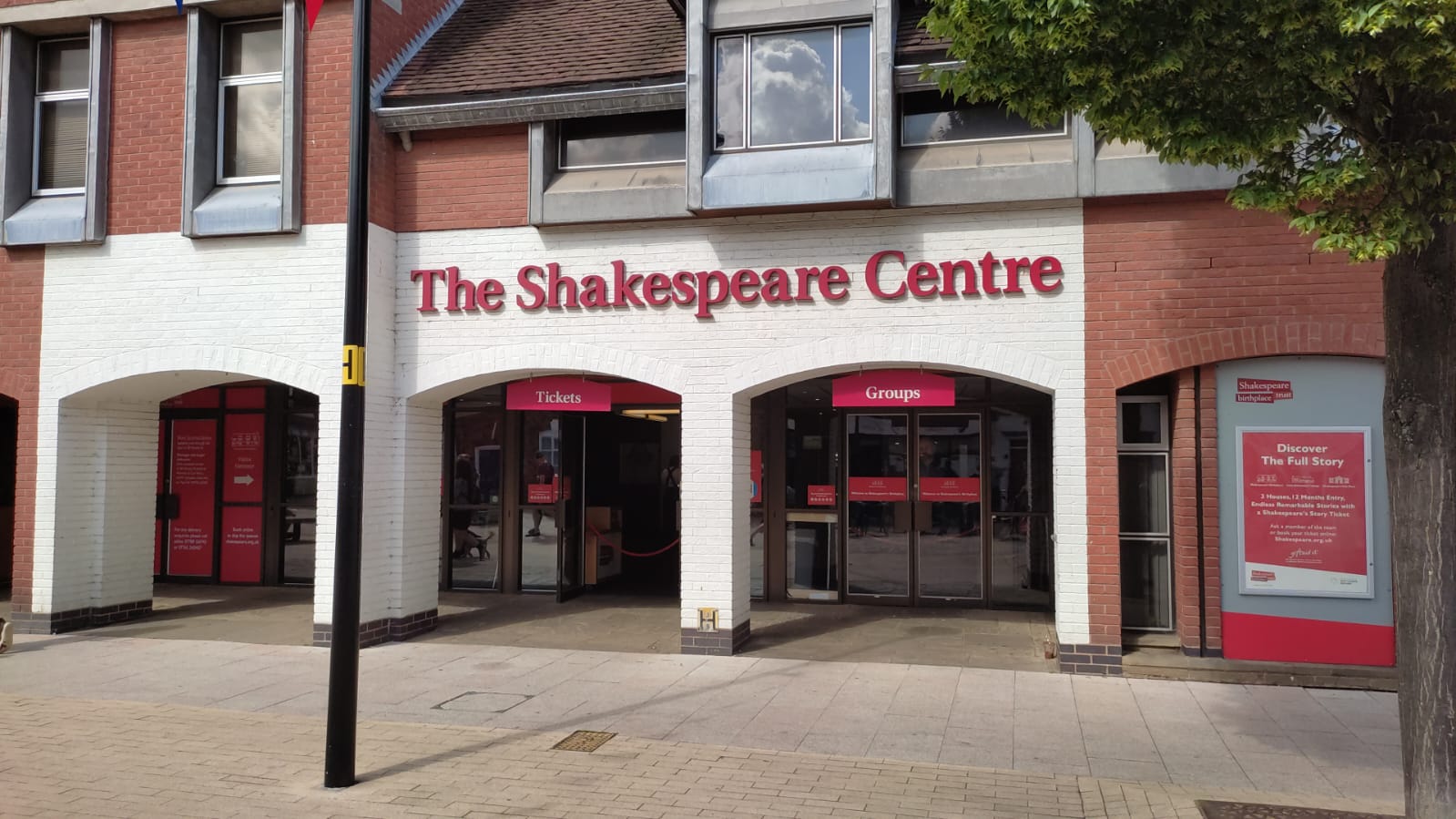
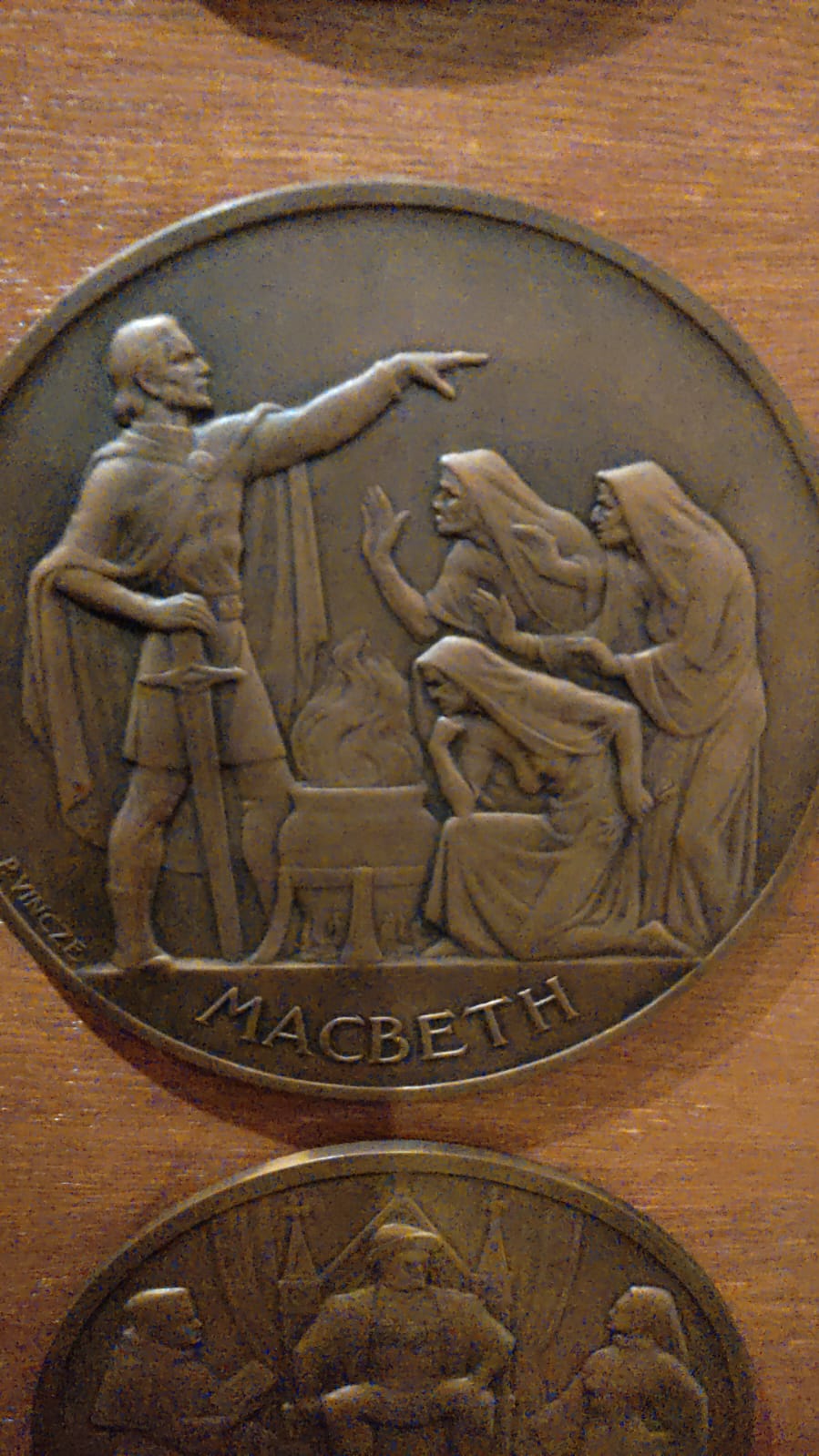
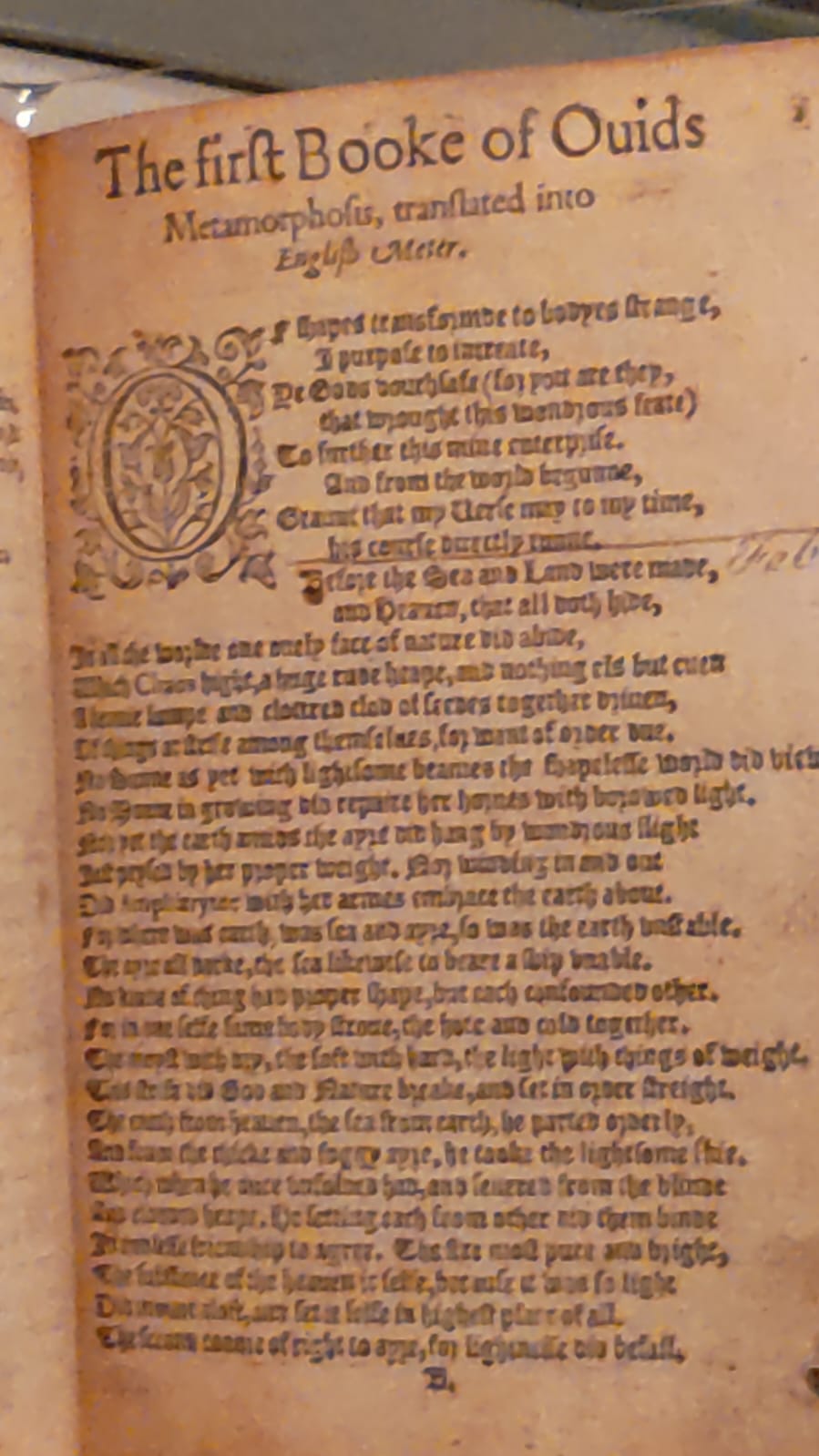
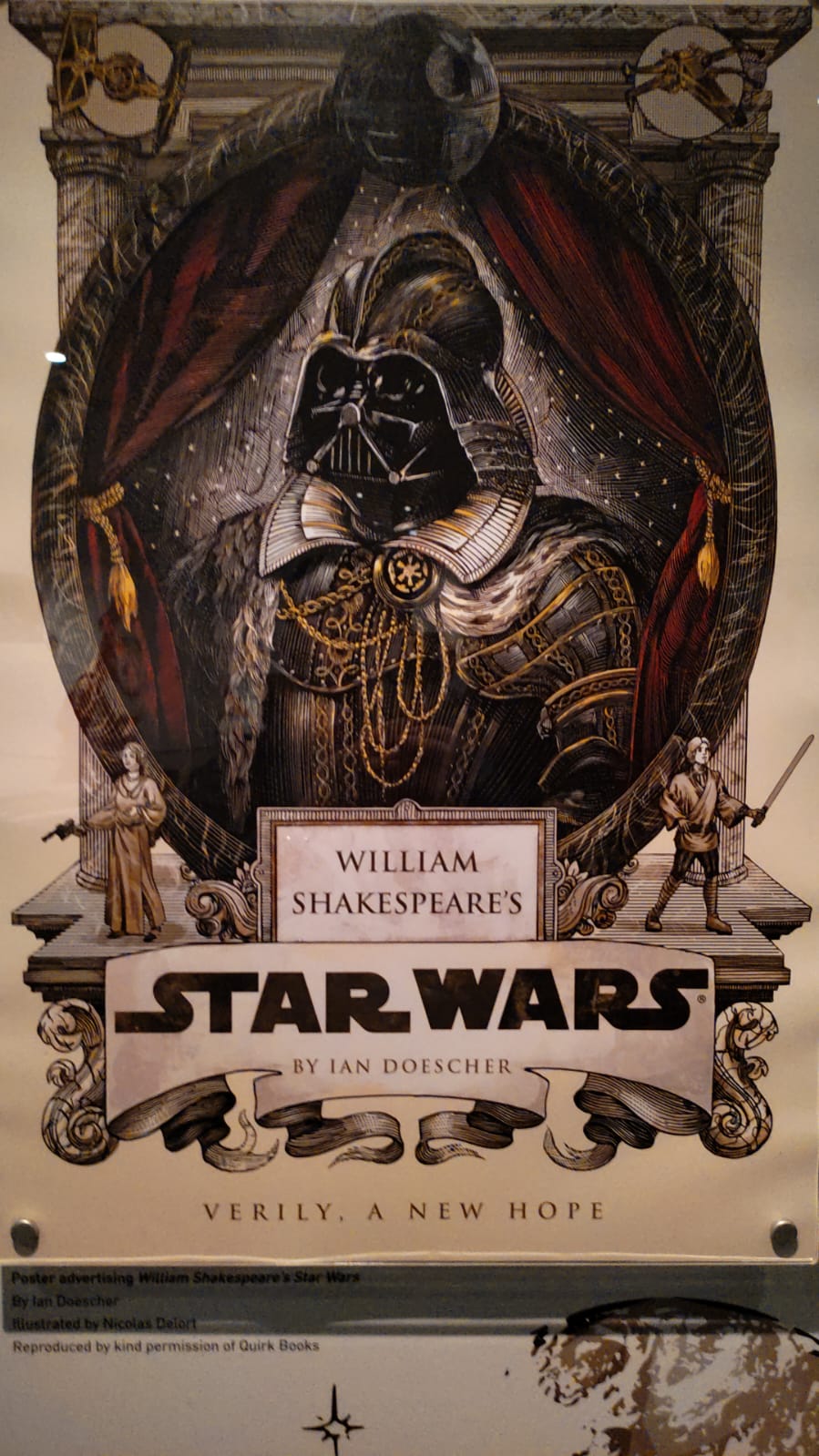
The modern visitor centre serves as an introduction to the playwright’s life, works, and the world in which he lived. It offers exhibits, displays of historical artefacts, and multimedia presentations that set the stage for the main attraction. One can see copper plaques devoted to many of his works, besides creative illustrations that connect him to the contemporary world.
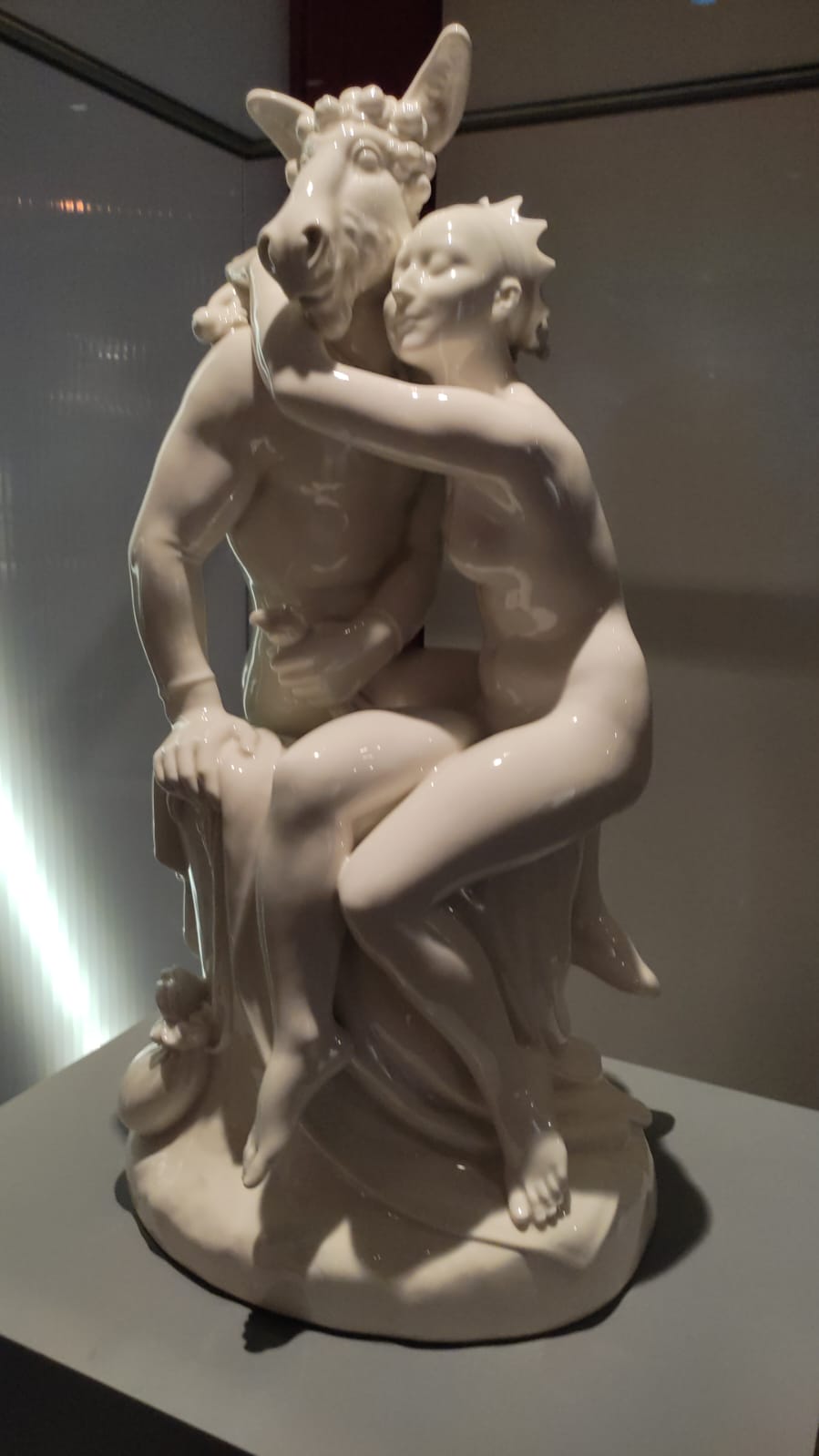


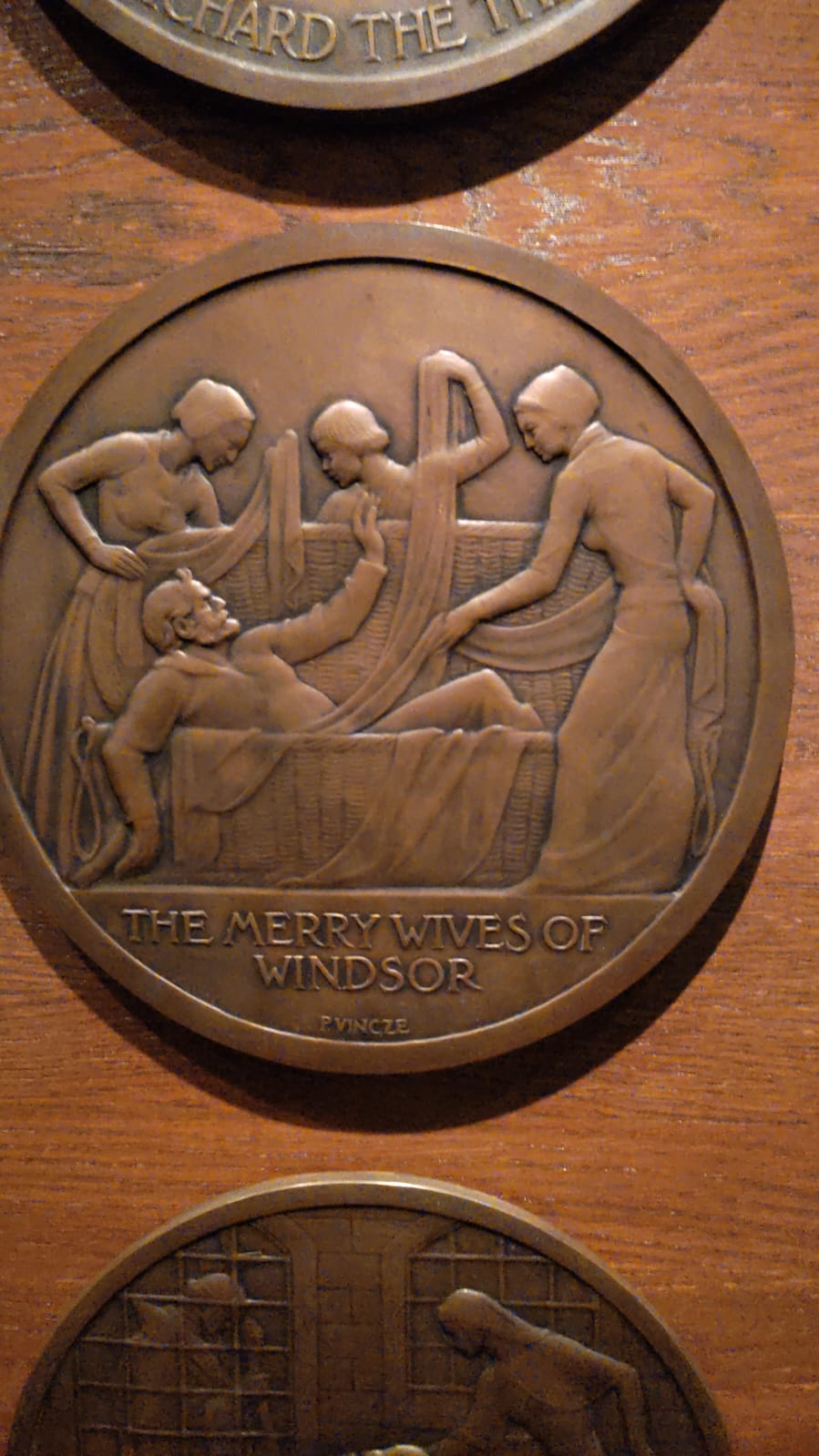



The heaven’s lieutenants
Before we move on to the birthplace itself, a family tree greets us. This is in the fitness of things, because The Bard placed a high premium on families. Some of you may recall this quote of his:
The voice of parents is the voice of gods, for to their children they are heaven’s lieutenants.

I am amazed to find that he was married to a lady by the name of Anne Hathaway; of course, not the Hollywood diva we happen to know since her The Devil wears Prada days!
Home: The place where he could waste his time!
The dwelling is a modest two-story, half-timbered house with a traditional wattle-and-daub construction typical of the Elizabethan era. Its architectural simplicity contrasts with the monumental legacy of the man who was born here in 1564. The house has been carefully preserved and restored to reflect the period as accurately as possible, down to the original furniture styles, wooden floors, and narrow doorways that would have been familiar to Shakespeare. Every corner of the home feels authentic, almost like the Bard himself or his family members might pop up at any moment. (Further details about the place can be found here)

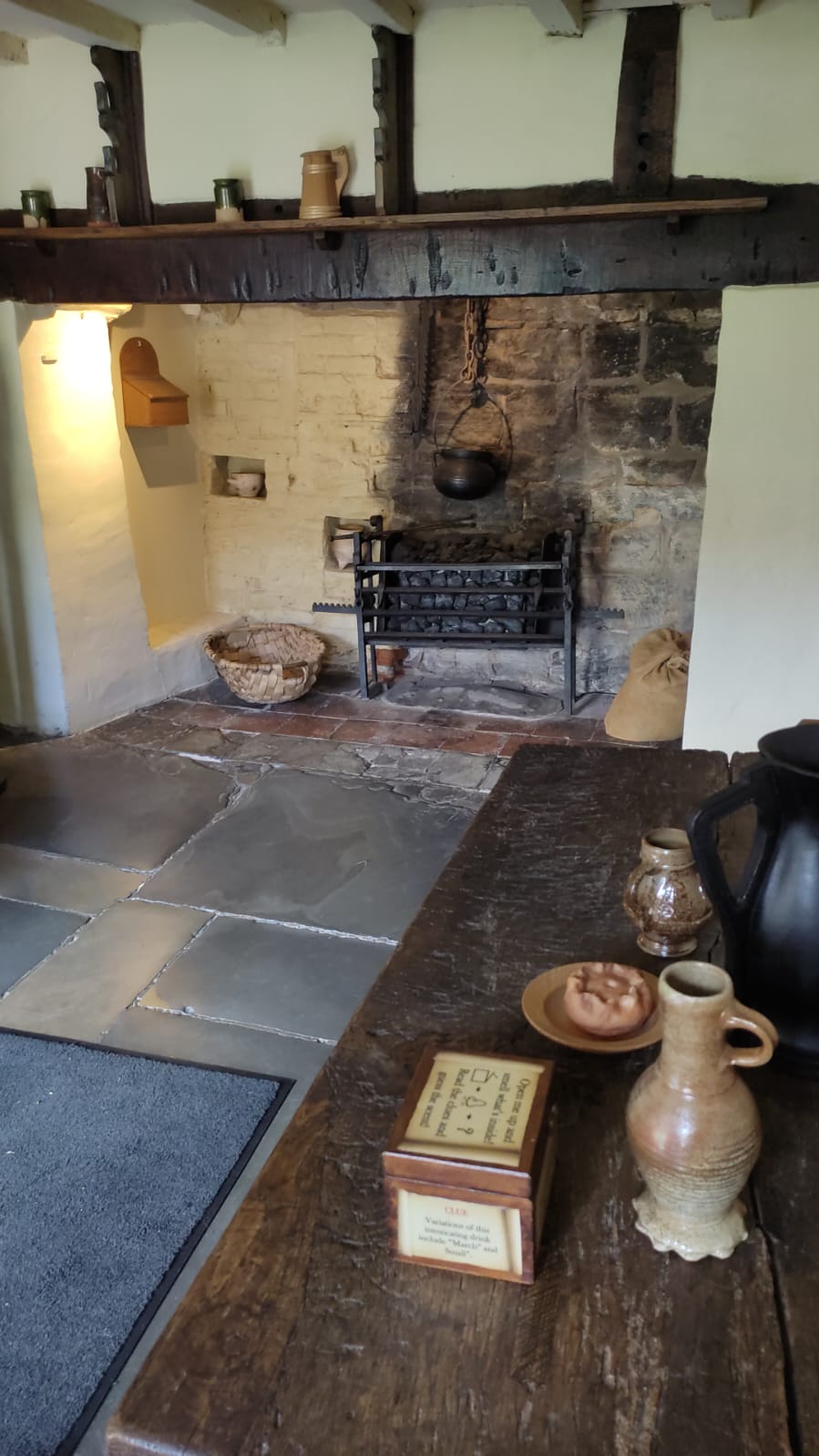
Entering through the main door, visitors walk through the same rooms where young William would have spent his formative years. The ground floor houses a small enclosure where he would have met and entertained visitors. Then comes the main hall where the family would have gathered for meals, with a large hearth and a sturdy wooden table, showcasing how a typical middle-class family of that period lived.

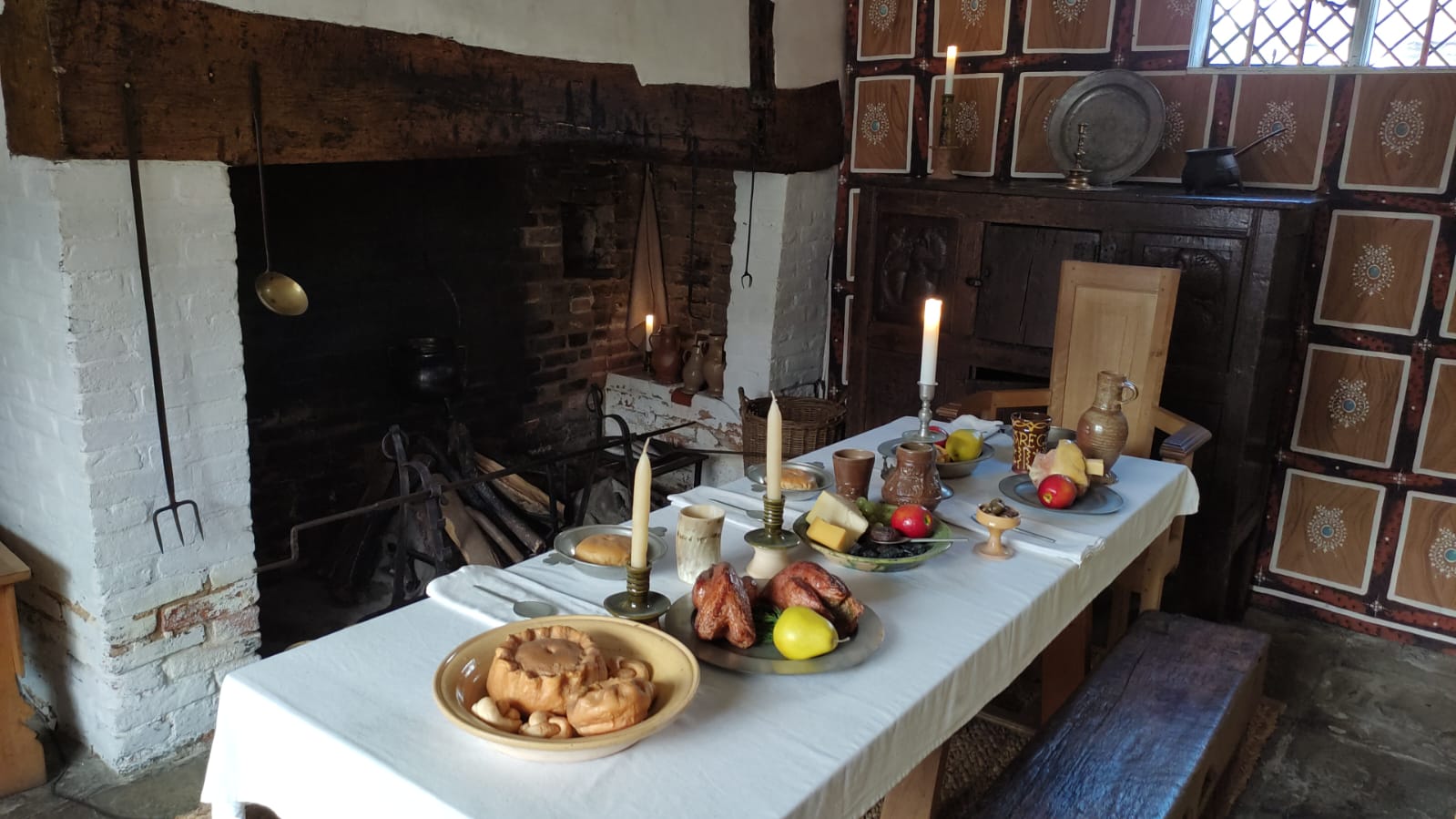
One can readily appreciate how the house served as both a home and a business venue, as Shakespeare’s father, John Shakespeare, was a glove maker and wool dealer. His workspace, along with the tools of his trade, is laid out in one of the rooms, illustrating a connection between commerce and home life in the 16th century.


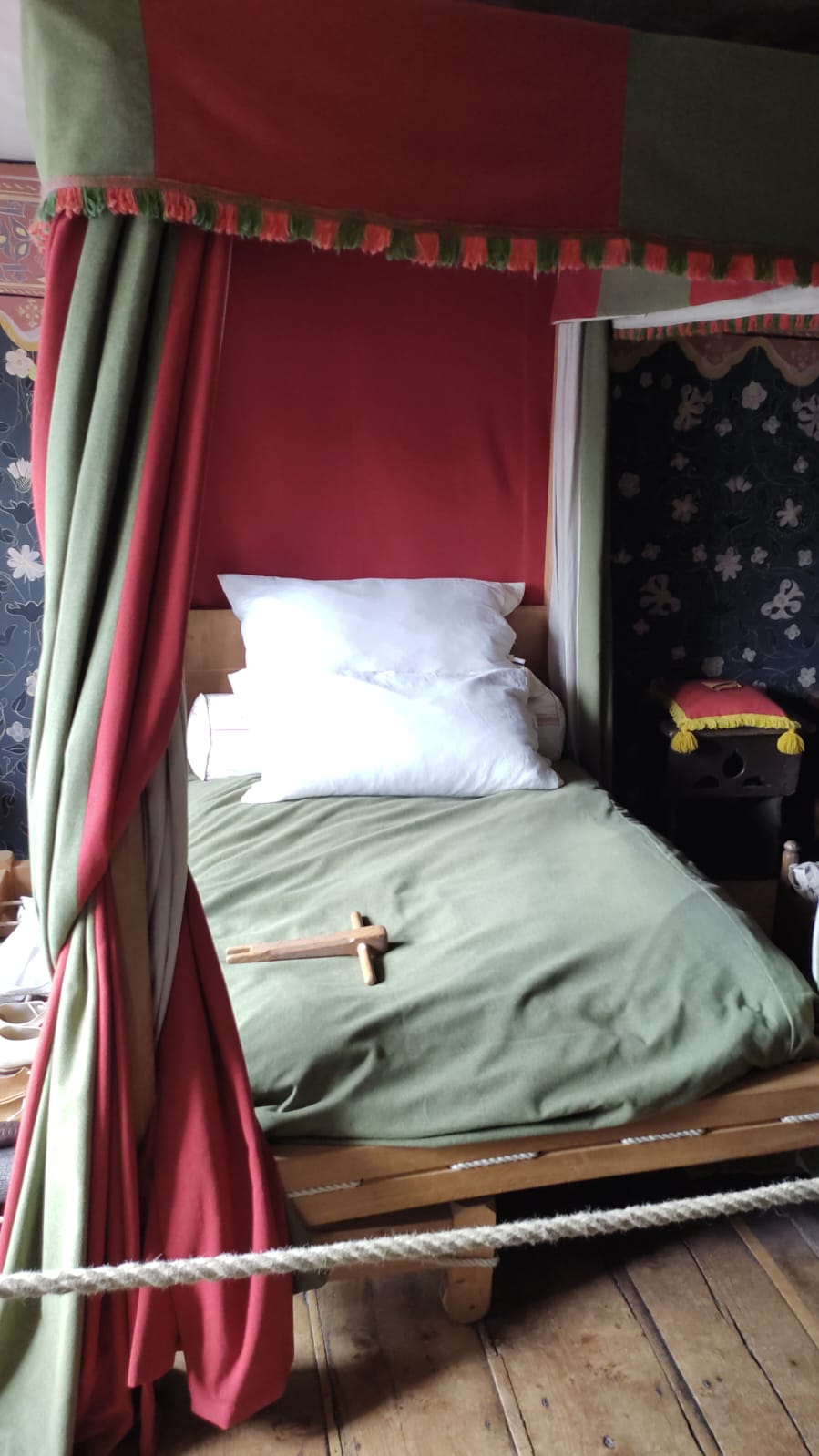
Upstairs, visitors can see the room traditionally thought to be the room where Shakespeare was born. The tiny window lets in a sliver of daylight, highlighting the simplicity of the furnishings and the room’s plain walls. One can see a tiny cradle where the young one might have had his maiden midsummer night’s dream.



A literary genius who was born great
Standing in that room, it’s hard to reconcile the humble surroundings with the profound literary genius that Shakespeare would become. But as a guide explains stories from Shakespeare’s early life, you get a sense of the young boy’s curiosity and imagination—qualities that must have been nurtured in this very place. Surely, he was not someone who became great, or upon whom greatness was thrust by his Guardian Angels. Indeed, he was born great.
The garden outside the house is another lovely feature. To a fan of P G Wodehouse, it sounds like a miniature version of the ones at Blandings Castle. It is filled with plants and flowers that are mentioned in Shakespeare’s plays and sonnets. Walking through, you may recognize some of the herbs and flowers—like rosemary and pansies—from his writings. There is a sense that these natural elements inspired him, giving rise to his poetic descriptions of the natural world.
Understanding the world that shaped him makes it easier to understand how his plays reflected both the universality of human nature and the specific issues of his time.
To be or not to be
As the visit ends, scales have already fallen from one’s eyes. To be or not to be a fan of the Bard is a question which leaves one baffled, bewildered, confounded, confused, disconcerted, flummoxed, mystified, perplexed, and puzzled. In any case, one leaves with a newfound appreciation for the humble origins of William Shakespeare. His birthplace, though small and unpretentious, radiates with the legacy of a man whose works have shaped literature and drama worldwide and who is revered for his unique contributions to the Queen’s language. I am sure that he must have enriched the language in a manner that might be vaster and deeper than those who have either preceded or succeeded him. But lesser mortals like me, surely at the bottom of the English Proficiency Pyramid, are apt to feel very dense while endeavouring to devour any of his works.

However, for literary coves and linguistic purists, Stratford-upon-Avon remains a pilgrimage site, a place that celebrates not just Shakespeare’s legacy but also the power of words and stories to transcend time and space.
P G Wodehouse was one of those who held the Bard in high esteem. He once said: “Shakespeare’s stuff is different from mine, but that is not to say that it is inferior.” His frequent use of Shakespearean phrases in his stories and books merely attests to the same. Those of you who wish to explore this subject further may find this link useful.
All is well that ends well
Visiting the birthplace of William Shakespeare is more than a historical tour; it’s a journey through the formative environment of a literary legend. It provides a tangible sense of where the world’s most celebrated playwright came from and reminds visitors of the timeless influence of Shakespeare’s words, which continue to resonate across the ages.
Note: Thanks are due to Dominique Conterno, my host in the UK, who enabled this visit.
Related Posts
Exploring the Depths of Dostoevsky’s “The Idiot”: Guest Post by Suryamouli Datta
Posted in A Vibrant Life!, tagged Fyodor Dostoevsky, Literature, Movies, Russia, The Idiot on November 11, 2024| Leave a Comment »

Introduction
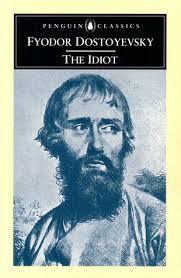
Fyodor Dostoevsky’s The Idiot is a profound journey into the clash between innocence and the disillusionment of a morally complex society. First published in 1869, this novel remains a monument of philosophical inquiry and character depth. Dostoevsky, a visionary in Russian literature, was no stranger to human suffering and societal injustices. His own trials, including facing near-execution, find a voice in The Idiot. Through Prince Myshkin, Dostoevsky ventures into the possibility of purity in a world overcome by cynicism, greed, and moral ambiguity. Can innocence survive in a landscape marred by corruption? Dostoevsky invites us to ponder this question.
Dramatis Personae
- Prince Lev Nikolayevich Myshkin
Known as the “idiot” for his naive, unguarded nature, Myshkin stands as the embodiment of childlike idealism. He is described as a “positively beautiful man,” possessing a purity that starkly contrasts with the self-interest and moral ambiguity of those around him. Myshkin’s nature makes him vulnerable to manipulation, but his unwavering compassion and ability to forgive create an indelible impact on others. His words, “I’m sure you think me incredibly stupid, but I assure you that I understand many things” (Part 1, Chapter 7), resonate as an assertion of his deeper understanding beyond superficial judgments.
- Nastasya Filippovna
A tragic figure, Nastasya Filippovna is tormented by feelings of worthlessness and self-hatred. Her beauty captivates Myshkin and Rogozhin alike, but her traumatic past and self-destructive tendencies create a complex inner conflict. Her declaration, “I’m a nobody, a sick soul, I don’t deserve you” (Part 3, Chapter 3), reveals her deep-seated vulnerability and her struggle with self-acceptance, which drives much of the novel’s drama.
- Parfyon Rogozhin
Rogozhin, passionate and impulsive, serves as a dark counterpoint to Myshkin’s purity. His obsessive love for Nastasya Filippovna leads him down a destructive path, symbolizing love’s potential for ruin when tainted by possessiveness and jealousy. His volatile nature and capacity for violence create a tragic tension that culminates in inevitable disaster. Rogozhin’s intensity and Myshkin’s gentleness interact in a way that illustrates the broader dichotomy between purity and corruption.
- Aglaya Ivanovna
Representing idealism and the potential for happiness, Aglaya is drawn to Myshkin’s goodness but is constrained by societal expectations. Her struggle between her admiration for Myshkin and the weight of social pressure is poignantly expressed in her lament, “Why do they always make me do what I don’t want to do?” (Part 3, Chapter 8). Her character embodies the tension between personal desires and societal demands, further illustrating the novel’s exploration of unattainable ideals.
- Gavril Ardalionovich Ivolgin (Ganya)
An ambitious young man, Ganya seeks social mobility through a marriage to Nastasya Filippovna, driven by his desire for wealth and status. His conflicting feelings for Nastasya and his disdain for Myshkin’s ideals illustrate the personal costs of ambition and moral compromise.
- Ferdyshchenko
A minor character but essential for comic relief, Ferdyshchenko is outspoken and often disrupts social gatherings with his crude humour. He reflects the novel’s theme of hypocrisy by exposing the pretensions of those around him through his blunt honesty.
Plot Summary and Themes
The Idiot traces Myshkin’s return to Russia from a Swiss sanatorium, where his arrival in St. Petersburg sets off a series of events that unveil the moral and spiritual decay of the people around him. His genuine kindness and childlike honesty clash with society’s cynicism, resulting in misunderstandings and conflicts, especially around Nastasya Filippovna and Aglaya Ivanovna. Themes like innocence versus corruption, love’s complexities, and the ongoing struggle between good and evil make The Idiot a timeless masterpiece that critiques societal norms while examining the possibility of redemption. Dostoevsky’s philosophical views on justice and compassion, illustrated by Myshkin’s reflection on capital punishment, reveal his belief in a humane approach to morality—one that transcends the ordinary.
A pivotal moment in the book occurs during Nastasya’s dramatic party, where she throws 100,000 roubles into the fire, daring her suitors to retrieve it. This act symbolises her contempt for wealth and societal values, as she exclaims, “There’s no end to my vileness!” (Part 1, Chapter 15).
Myshkin on Capital Punishment
In The Idiot, Prince Myshkin’s commentary on capital punishment reflects Dostoevsky’s deep moral convictions and individual experiences. Myshkin recounts witnessing a guillotine execution in France, emphasising the psychological torment of the condemned rather than the physical pain. He argues that the preparations for execution—leading a man to the scaffold—are more horrific than the act itself, as they strip away humanity and instil profound fear. Myshkin’s belief that “thou shalt not kill” underscores his view that punishing evil with evil is fundamentally wrong, echoing Dostoevsky’s own traumatic near execution.
Historical and Biographical Context
Dostoevsky wrote The Idiot during a turbulent period in his life. After suffering through the death of his first daughter and facing financial difficulties, he sought to create a narrative that explored the possibility of a genuinely good and beautiful person. The novel was written in the late 1860s, a time of social and political upheaval in Russia, which is reflected in the characters’ struggles and societal critique.
Dostoevsky’s views on capital punishment were profoundly shaped by his firsthand experiences, particularly a mock execution he faced in 1849. Sentenced to death for his involvement in the Petrashevsky Circle, he was blindfolded and prepared for execution, only to be spared at the last moment. This psychological torture left a lasting impact, leading him to explore themes of suffering, compassion, and the moral implications of state-sanctioned death in his works, especially through the character of Prince Myshkin in The Idiot, who articulates the deep anguish of awaiting execution and the inherent cruelty of capital punishment.
Narrative Techniques and Character Relationships
Dostoevsky employs a variety of narrative techniques to bring depth to his characters and their relationships. The novel’s contrapuntal structure allows multiple voices and perspectives to coexist, creating a rich tapestry of conflicting ideologies and emotions. This approach provides insight into the characters’ inner lives and reflects the chaotic and multifaceted nature of human existence.
Prince Myshkin’s relationships with other characters are central to the novel’s exploration of moral integrity versus and corruption. His interactions with Nastasya Filippovna are particularly poignant, as he is drawn to her suffering and seeks to save her despite her self-destructive tendencies. Myshkin’s compassion for Nastasya is evident when he says, “I will follow you wherever you go, even to your grave” (Part 2, Chapter 7). This relationship highlights the tension between Myshkin’s idealism and the harsh realities of the world.
Similarly, Myshkin’s bond with Rogozhin is marked by a blend of friendship and rivalry, underpinned by their mutual obsession with Nastasya. Rogozhin’s passionate nature contrasts sharply with Myshkin’s gentleness, creating a dynamic that leads to tragedy. Rogozhin’s declaration, “You and I cannot live together; the one will destroy the other” (Part 4, Chapter 10), foreshadows the novel’s dramatic conclusion.
Myshkin’s relationship with Aglaya Ivanovna introduces another layer of complexity, as she represents a potential for happiness and normalcy. However, societal pressures and misunderstandings prevent their union, underscoring the novel’s theme of unattainable idealism. Aglaya’s struggle to reconcile her feelings for Myshkin with her family’s expectations is poignantly expressed when she asks, “Why do they always make me do what I don’t want to do?” (Part 3, Chapter 8).
Adaptations and Cultural Impact

Mani Kaul’s Ahamaq (1992) serves as a reinterpretation of Dostoevsky’s The Idiot, adapting its themes to an Indian context. Both works explore the concept of “idiocy” through their protagonists—Prince Myshkin in The Idiot and his counterpart in Ahamaq, who struggles with epilepsy, often misinterpreted as madness.
While Dostoevsky’s narrative culminates in tragedy, reflecting societal cynicism, Kaul’s adaptation emphasises cultural nuances and the complexities of faith and desire within a contemporary Indian setting, offering a unique lens on the original themes of purity and delusion. In the television adaptation, Shah Rukh Khan portrayed the role of Rogozhin, Mita Vashisth the role of Nastasya, and M.K. Raina portrayed the role of Myshkin. Personally, I wish Shah Rukh had instead portrayed the role of Myshkin as he was doing enough negative roles on screen then.
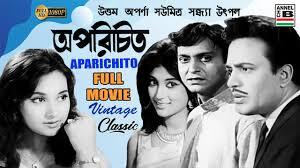
Samaresh Basu’s novel Aparichita draws considerable influence from Fyodor Dostoevsky’s The Idiot. Both works explore themes of innocence, morality, and the complexities of human relationships. In Aparichita, the protagonist’s struggles mirror those of Dostoevsky’s Prince Myshkin, highlighting the tension between idealism and societal corruption. The narrative delves into the psychological landscapes of its characters, reflecting Dostoevsky’s polyphonic style, where multiple voices and perspectives coexist, enriching the emotional depth of the story. The film (1969) portrays Uttam Kumar as Rogozhin, Soumitra Chatterjee as Myshkin, and Aparna Sen as Nastasya. Soumitra Chatterjee’s performance in the movie was power-packed.
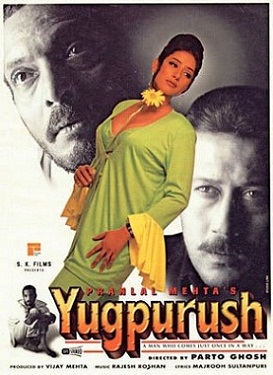
Additionally, the Bollywood film Yugpurush (1998) is based on Samaresh Basu’s novel Aparichita. The film starred Nana Patekar as Myshkin, Jackie Shroff as Rogozhin, and Manisha Koirala as Nastasya. The movie featured songs with music heavily influenced by Rabindra sangeet, composed by Rajesh Roshan. Yugpurush provides a fascinating lens on the themes of The Idiot, set within the Indian cultural milieu, and showcases the adaptability of Dostoevsky’s timeless themes.
Internationally also, The Idiot has inspired quite a few movies from such diverse countries as Russia, Germany, Japan, Estonia, and France.
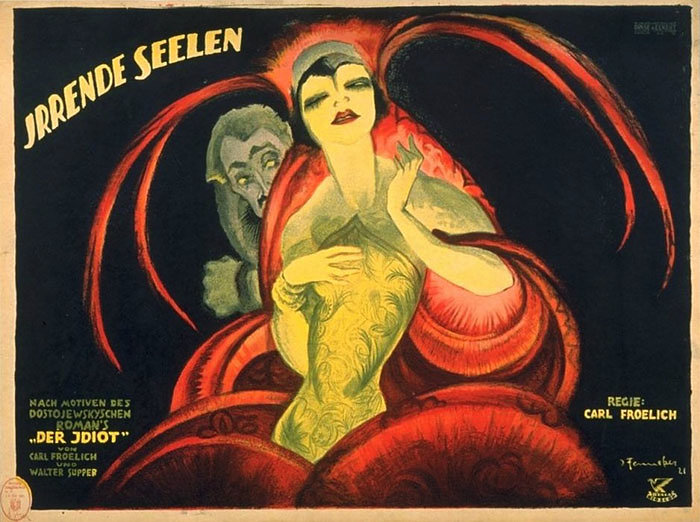
The earliest example is that of Wandering Souls (German: Irrende Seelen), a 1921 German silent drama film directed by Carl Froelich and starring Asta Nielsen, Alfred Abel, and Walter Janssen.
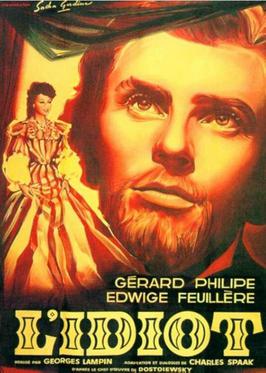
Yet another example is that of L’idiot (1946), a French drama film which was directed by Georges Lampin and starred Edwige Feuillère, Lucien Coëdel and Jean Debucourt.
Conclusion
The Idiot remains a profound exploration of the human condition, examining the fragile balance between integrity and corruption. Dostoevsky’s masterful characterisations and narrative depth invite readers to ponder the true nature of goodness and the possibility of redemption. As we reflect on Myshkin’s journey, we are reminded of the enduring relevance of Dostoevsky’s vision of a world where compassion and integrity can shine, even in the darkest of times.
The Idiot remains as relevant as it was in Dostoevsky’s time. Humanity faces many challenges today. Wars. Poverty. Income disparities. Climate change. Challenges posed by rapid advances in technology. If we were to dig deeper, we are apt to discover that what we face is a crisis of leadership in all realms of human endeavour. The themes of authenticity, integrity, and morality have all been relegated to the background. Few big corporates rule the world. Social media puts blinkers on our eyes, masks the reality, and shapes our opinions. Forget carbon monoxide. Hate, cynicism, and hypocrisy also pollute the air we breathe in.
Myshkin’s journey resonates with contemporary readers facing a world where virtues are often overshadowed by self-interest and superficiality, reminding us of the power of goodness even in the darkest of circumstances. Dostoevsky’s portrayal of Myshkin’s kindness and compassion challenges readers to consider the value of empathy, sincerity, and integrity in our interactions with others.
References
- Fyodor Dostoevsky, The Idiot. Translated by Richard Pevear and Larissa Volokhonsky. Vintage Classics, 2003.
- CliffsNotes on The Idiot
- [Schlemiel Theory] (https://schlemielintheory.com/2014/11/26/what-happens-when-an-idiot-reflects-on-a-beheading-on-dostoevskys-reading-of-the
Related Post
Some Transferred Epithets from P G Wodehouse
Posted in What ho!, tagged English, Humour, Language, P G Wodehouse, Transferred Epithets on November 7, 2024| Leave a Comment »
BOLLY TEA – The Chai Culture in Bollywood Films: Guest Post by Anupam Ganguli
Posted in The Magic of Movies!, tagged Bollywood, Chai, Hindi, Indian, Movies, Tea on November 1, 2024| 2 Comments »

Ah, chai! That comforting, fragrant, and beloved Indian beverage that transcends being just a drink. In Indian cinema, chai holds a special place, often serving as a backdrop for pivotal moments, whether it is humour, romance, or heartfelt connections. Let us take a fun look at how tea has made its way into some of Bollywood’s most iconic moments and why it remains a cultural symbol in films.
The Chaiwala: More than just a vendor
The chaiwala is a character almost as quintessential to Bollywood as the heroes and heroines. Often found on the streets, busy markets, and humble villages, the chaiwalas offer more than just a cup of tea; they provide a setting for conversations, friendships, and life-changing decisions.
Remember the iconic song Pyar Hua Iqrar Hua from Shri 420 (1955)? As Raj Kapoor and Nargis share an umbrella in the rain, they exchange tender glances, unaware of the chaiwala nearby, savouring his own cup of tea and watching the romance unfold.
In Raanjhanaa (2013), for example, Kundan (Dhanush) spends countless hours at the tea stall, not just drinking chai but plotting his next steps. The tea stall is where friendships blossom, secrets are spilled, and life, quite simply, unfolds.
Tea moments that make a mark
An unforgettable scene that brings tea into the spotlight is from the vintage film Kundan (1955). As the characters gather at a lively roadside hotel, a friendly server chimes in with unmatched enthusiasm, Aao hamare hotel mein chai piyo jee garam. Biscuit kha lo naram naram! The scene unfolds playfully as his cheerful call sets the backdrop, making tea and comfort food the quiet heroes of this charming moment that invites everyone to relax and feel at home.
Likewise, in Chennai Express (2013), Rahul (Shah Rukh Khan) stepping off a train for a quick chai leads to an entire adventure. What starts as a simple cup of tea triggers a series of hilarious and chaotic events, reminding us that in Bollywood, even a cup of chai can change everything.
Tea: A symbol of comfort and connection
Tea in Bollywood is not just a prop; it is a symbol of connection and comfort.
In Kabhi Khushi Kabhi Gham (2001), a simple scene where Amitabh Bachchan’s character Yash shares a quiet moment with Nandini (Jaya Bhaduri) over tea exemplifies how chai fosters a warm connection between family members.
Another such instance is from English Vinglish (2012), where Shashi (Sridevi) finds solace in brewing and serving tea. Her love for tea helps her bond with those around her, becoming a tool for her to regain confidence and independence.
Iconic movie scenes featuring chai
Bollywood has immortalised chai in numerous scenes, reflecting its role in everyday life. Here are ten standout moments where chai took centre stage:
Ram aur Shyam (1967): A nervous Ram (Dilip Kumar) fumbles with trembling hands as he serves tea to Anjana (Waheeda Rehman), the moment filled with unspoken emotions and anticipation.
Bawarchi (1972): Rajesh Khanna’s character Raghu gathers a dysfunctional family around cups of chai, uniting them in a ritual that symbolises peace and harmony.
Gol Maal (1979): Bhavani Shankar (Utpal Dutt) unexpectedly visits Ram Prasad (Amol Palekar) to uncover the truth about Kamala Srivastav (Dina Pathak) as his mother. While enjoying a cup of tea, the deception of the twin brother, Lakshman Prasad (also Amol Palekar), continues under the guise of warmth.
Baazigar (1993): The character Babulal’s (Johny Lever) declaration, Khaas maukon par khaas chai (Special tea for special occasions), underscores how chai can make or break important moments, even a marriage proposal.
Andaz Apna Apna (1994): Amar’s (Aamir Khan) landmark line, Do dost ek pyale mein chai piyenge, isse dosti badti hai (Two friends sharing a cup of tea strengthens friendship), is the perfect example of how tea fosters relationships in Bollywood.
Parineeta (2005): Tea serves as a bridge for important conversations, as a simple chai scene between Shekhar (Saif Ali Khan) and his mother Rajeshwari Roy (Surinder Kaur) shows how chai facilitates pivotal discussions.
Sarkar (2005): Subhash Nagre (Amitabh Bachchan) sipping tea while holding a saucer, backed by the intense Govinda Govinda soundtrack, shows the power and confidence associated with something as simple as tea.
Wake Up Sid (2009): Ranbir Kapoor’s character Sid takes Konkona Sen Sharma’s character Aisha to Marine Drive, where they share chai by the sea, building an intimate bond over the beverage.
Barfi (2012): A reunion over chai between Murphy (Ranbir Kapoor) and Shruti (Ileana D’Cruz) beautifully highlights how even unresolved love can find rekindling over a cup of tea.
Khoobsurat (2014): The simplicity of chai in a roadside stall helps break down the royal façade of a prince, Yuvraj Vikram (Fawad Khan), allowing a deep connection with a commoner, Mili (Sonam Kapoor).
Chai, a symbol of everyday life in Indian cinema
From budding romances to familial reconciliations, tea has long played a role in some of Bollywood’s most cherished moments. Here, chai isn’t just a drink. It is a symbol of warmth, love, and bonding.
The next time you sip your cup of chai, remember, you are part of a cultural phenomenon that has graced the silver screen for decades, bringing characters together in ways only Bollywood can.
About the author
With decades in the mad, mad world of advertising, Anupam Ganguli is synonymous with creativity, strategy, and storytelling. A true adman, author, and design buff, he’s the wizard behind landmark campaigns and 360-degree solutions that have shaped and birthed countless Indian brands. His flair does not stop at ads, though. He has named iconic structures across Gurugram, Faridabad, Kaushambi, and Noida, leaving his mark on more than just billboards. When it comes to storytelling and design, Anupam brings brands to life, setting the benchmarks for advertising excellence, often with wit and style.
Notes
- The collage used here has only been made for representational purposes. All the images therein are owned by their respective copyright holders.
- A version of this article had first been posted by Anupam Ganguly in The Reviewer Collective group on Facebook. His permission to publish it here is gratefully acknowledged.
-
Recent Posts
Buy the Book

buy the book
Categories
-
cc
Tags
Art Bertie Wooster Bhagavad Gita Bingo Little Birthday Blake Mouton Grid Blogging Bollywood Book Campus Life CEO Chivalry Consciousness Coronavirus Corruption Edwin Empress of Blandings English Ethics Feminism Happiness Health Hindi Hollywood Human Values Humour India Jeeves Kalidasa KIds Leadership linkedin Literature Lord Emsworth Love Lyrics Mahabharata Mahatma Gandhi Management Movies Music Norway Paintings Panjab University People P G Wodehouse Politics Pondicherry Portugal Psmith Puducherry Rabindranath Tagore Ramayana Ritusamhara R K Laxman Romance Rosie M Banks Rupert Psmith Seasons Shakespeare Social Media Something Fresh Songs SPANDAN Spirituality SQ Sri Aurobindo Stephen Covey Switzerland Tatas Thos UBS Values Wodehousitis WomenArchives
- March 2026 (1)
- February 2026 (5)
- January 2026 (2)
- December 2025 (1)
- November 2025 (2)
- October 2025 (2)
- September 2025 (3)
- August 2025 (3)
- July 2025 (2)
- June 2025 (2)
- May 2025 (4)
- April 2025 (5)
- March 2025 (5)
- February 2025 (4)
- January 2025 (4)
- December 2024 (6)
- November 2024 (6)
- October 2024 (6)
- September 2024 (5)
- August 2024 (5)
- July 2024 (4)
- June 2024 (4)
- May 2024 (5)
- April 2024 (5)
- March 2024 (3)
- February 2024 (1)
- January 2024 (4)
- December 2023 (2)
- November 2023 (3)
- October 2023 (3)
- September 2023 (3)
- August 2023 (5)
- July 2023 (5)
- June 2023 (7)
- May 2023 (6)
- April 2023 (6)
- March 2023 (8)
- February 2023 (8)
- January 2023 (7)
- December 2022 (6)
- November 2022 (5)
- October 2022 (8)
- September 2022 (5)
- August 2022 (6)
- July 2022 (6)
- June 2022 (8)
- May 2022 (7)
- April 2022 (8)
- March 2022 (7)
- February 2022 (3)
- January 2022 (7)
- December 2021 (4)
- November 2021 (8)
- October 2021 (7)
- September 2021 (6)
- August 2021 (7)
- July 2021 (7)
- June 2021 (9)
- May 2021 (8)
- April 2021 (9)
- March 2021 (10)
- February 2021 (8)
- January 2021 (8)
- December 2020 (7)
- November 2020 (6)
- October 2020 (5)
- September 2020 (9)
- August 2020 (9)
- July 2020 (8)
- June 2020 (8)
- May 2020 (6)
- April 2020 (5)
- March 2020 (7)
- February 2020 (4)
- January 2020 (7)
- December 2019 (12)
- November 2019 (10)
- October 2019 (5)
- September 2019 (9)
- August 2019 (10)
- July 2019 (9)
- June 2019 (14)
- May 2019 (13)
- April 2019 (14)
- March 2019 (11)
- February 2019 (11)
- January 2019 (14)
- December 2018 (12)
- November 2018 (12)
- October 2018 (14)
- September 2018 (9)
- August 2018 (10)
- July 2018 (10)
- June 2018 (8)
- May 2018 (11)
- April 2018 (11)
- March 2018 (6)
- February 2018 (9)
- January 2018 (10)
- December 2017 (10)
- November 2017 (9)
- October 2017 (8)
- September 2017 (11)
- August 2017 (10)
- July 2017 (10)
- June 2017 (11)
- May 2017 (9)
- April 2017 (7)
- March 2017 (7)
- February 2017 (8)
- January 2017 (10)
- December 2016 (9)
- November 2016 (11)
- October 2016 (10)
- September 2016 (10)
- August 2016 (9)
- July 2016 (6)
- June 2016 (10)
- May 2016 (10)
- April 2016 (10)
- March 2016 (10)
- February 2016 (12)
- January 2016 (10)
- December 2015 (11)
- November 2015 (11)
- October 2015 (10)
- September 2015 (10)
- August 2015 (10)
- July 2015 (10)
- June 2015 (10)
- May 2015 (10)
- April 2015 (10)
- March 2015 (9)
- February 2015 (10)
- January 2015 (8)
- December 2014 (9)
- November 2014 (8)
- October 2014 (8)
- September 2014 (7)
- August 2014 (7)
- July 2014 (7)
- June 2014 (7)
- May 2014 (7)
- April 2014 (7)
- March 2014 (7)
- February 2014 (6)
- January 2014 (7)
- December 2013 (6)
- November 2013 (6)
- October 2013 (6)
- September 2013 (6)
- August 2013 (6)
- July 2013 (6)
- June 2013 (6)
- May 2013 (6)
- April 2013 (6)
- March 2013 (6)
- February 2013 (6)
- January 2013 (6)
- December 2012 (4)
- November 2012 (4)
- October 2012 (3)
- September 2012 (2)
- August 2012 (4)
- July 2012 (2)
- June 2012 (2)
- May 2012 (2)
- April 2012 (2)
- March 2012 (2)
- February 2012 (3)
- December 2011 (3)
- November 2011 (1)
- October 2011 (2)
- September 2011 (2)
- August 2011 (2)
- July 2011 (2)
- June 2011 (3)

 ashokbhatia