A CEO can use a composite lens to analyse challenges from multiple perspectives. The physical lens highlights organisational customs, the intellectual lens weighs outcomes and costs and benefits, the emotional lens considers ethics and humanity, and the spiritual lens focuses on the greater good for society and the environment. When these lenses align, they guide the CEO towards the best possible response to a business challenge.
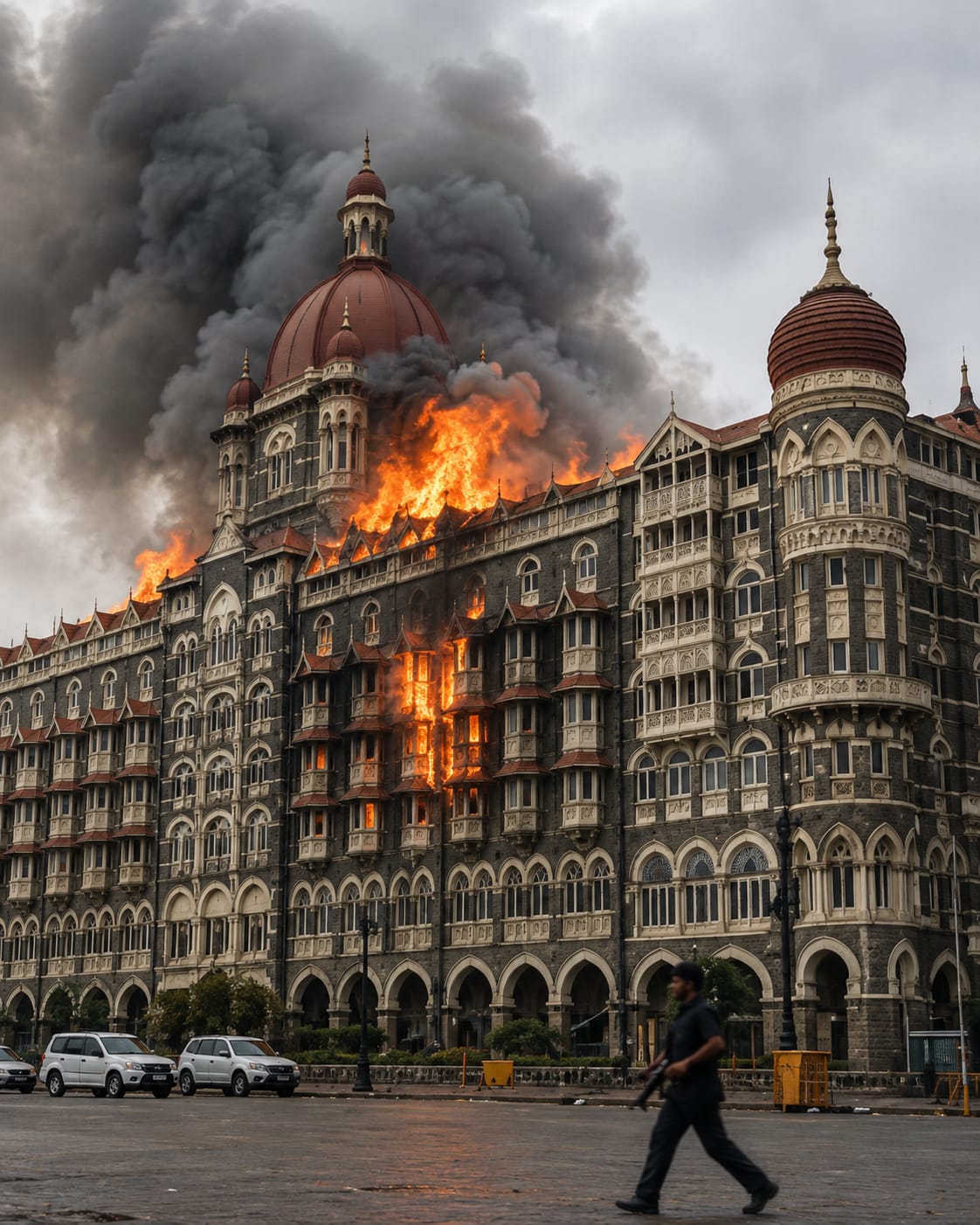
A powerful example is the 2008 terrorist attack on Mumbai’s Taj Mahal Palace Hotel, where employees’ quick, empathetic, and well-trained responses reflected harmony across all four lenses—physical, intellectual, emotional and spiritual. This inner balance, or Spiritual Quotient, rooted in resilience, is essential for managers to navigate complex situations effectively and with grace.
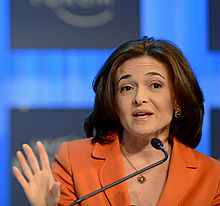
Sheryl Sandberg, the ex-chief operating officer of Facebook, has this to say about resilience:
‘The main thing I learned when I lost my husband was that resilience is not something you’re born with; you build it. We build it ourselves by knowing we can get through things, and by helping each other get through things, we build it in each other. We build it in our companies by having a basic loop where we talk openly about what went wrong. That’s one of the things I’m most proud of at Facebook, because for all the challenges we still face, what you don’t see is people pointing fingers saying it is someone’s fault, and ducking. Instead, we say: ‘Ok, how are we going to get better? Why didn’t we see [it] coming, and what are we not seeing coming now?’
The good news is that it is in our hands to build our resilience. Meditative practices help. The ability and openness to appreciate a deemed adversary’s viewpoint also helps. Transcending desires and ego facilitates. Forgiveness assists.
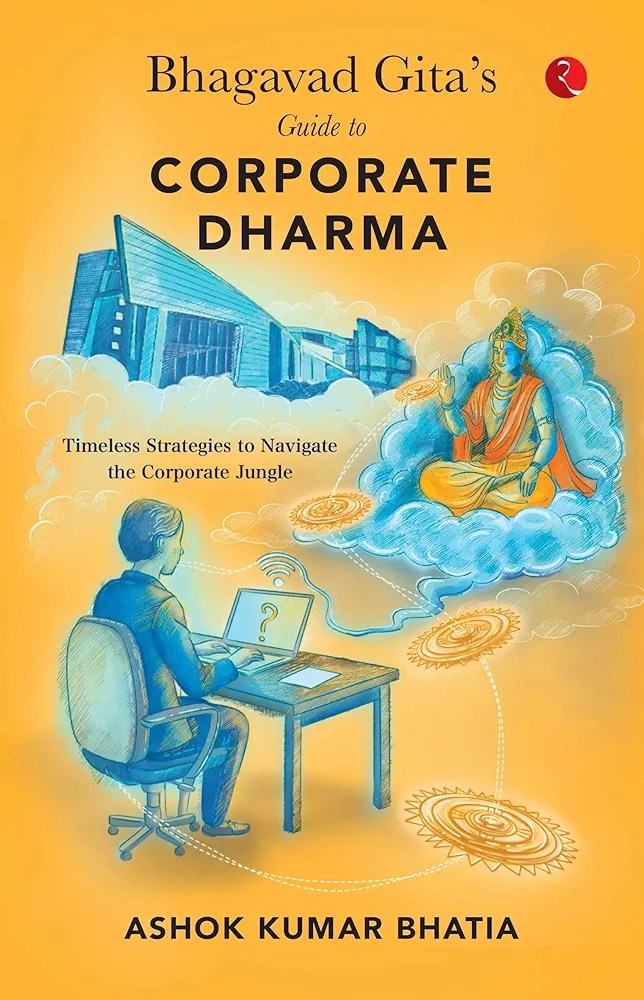
(The text is an edited excerpt from my latest book ‘Bhagavad Gita and Corporate Dharma’.)
Related Posts



Leave a comment