Feeds:
Posts
Comments

The management issues R K Laxman touches upon in his witty cartoons are wide-ranging. The messages are hard-hitting. For any manager who is trying to beat the blues, here is an effective anti-dote.

Driving the Boss Nuts

Cartoon Admitting Mistakes

The perils of over-committing oneself

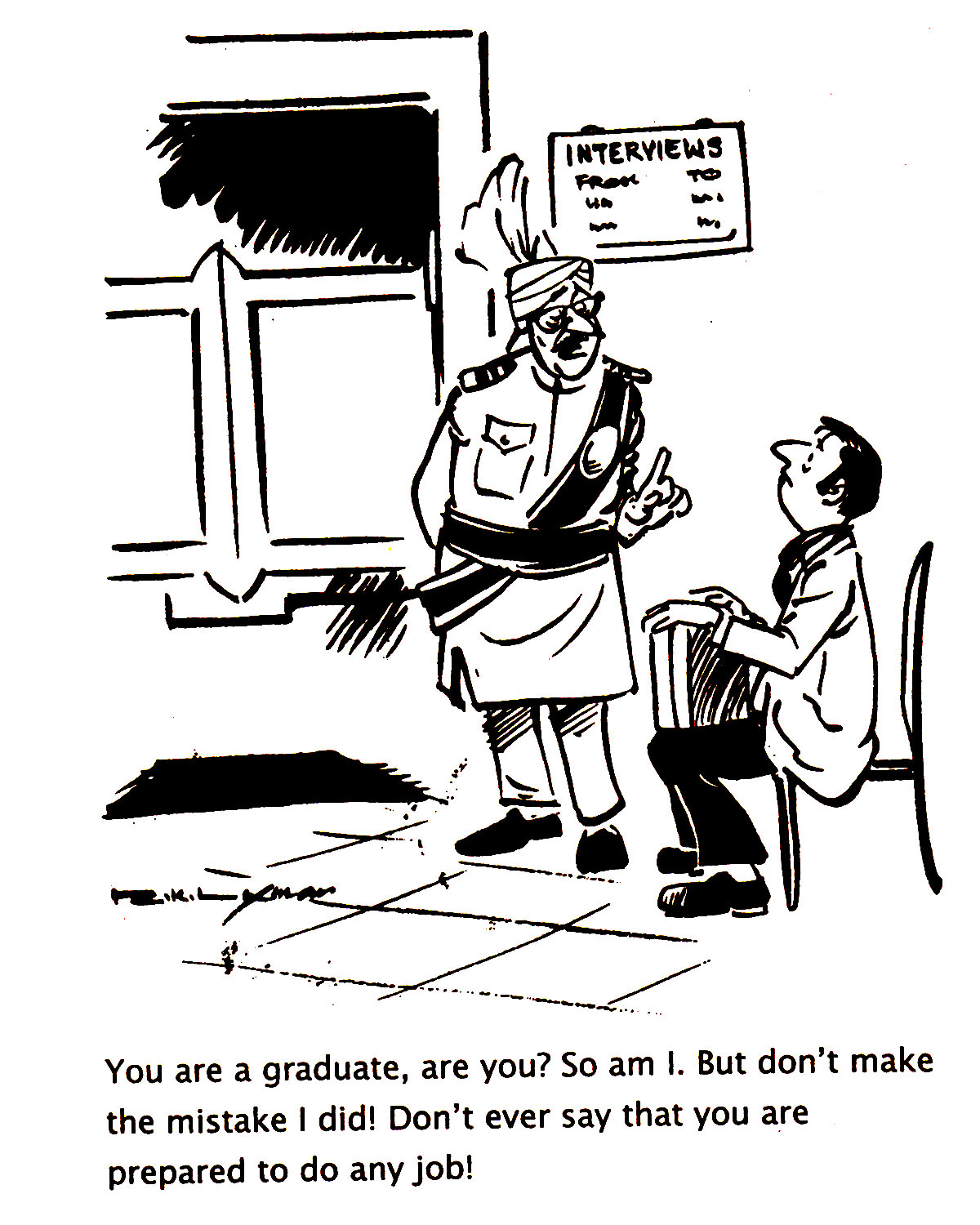
Cartoon Flexibility in Jobs

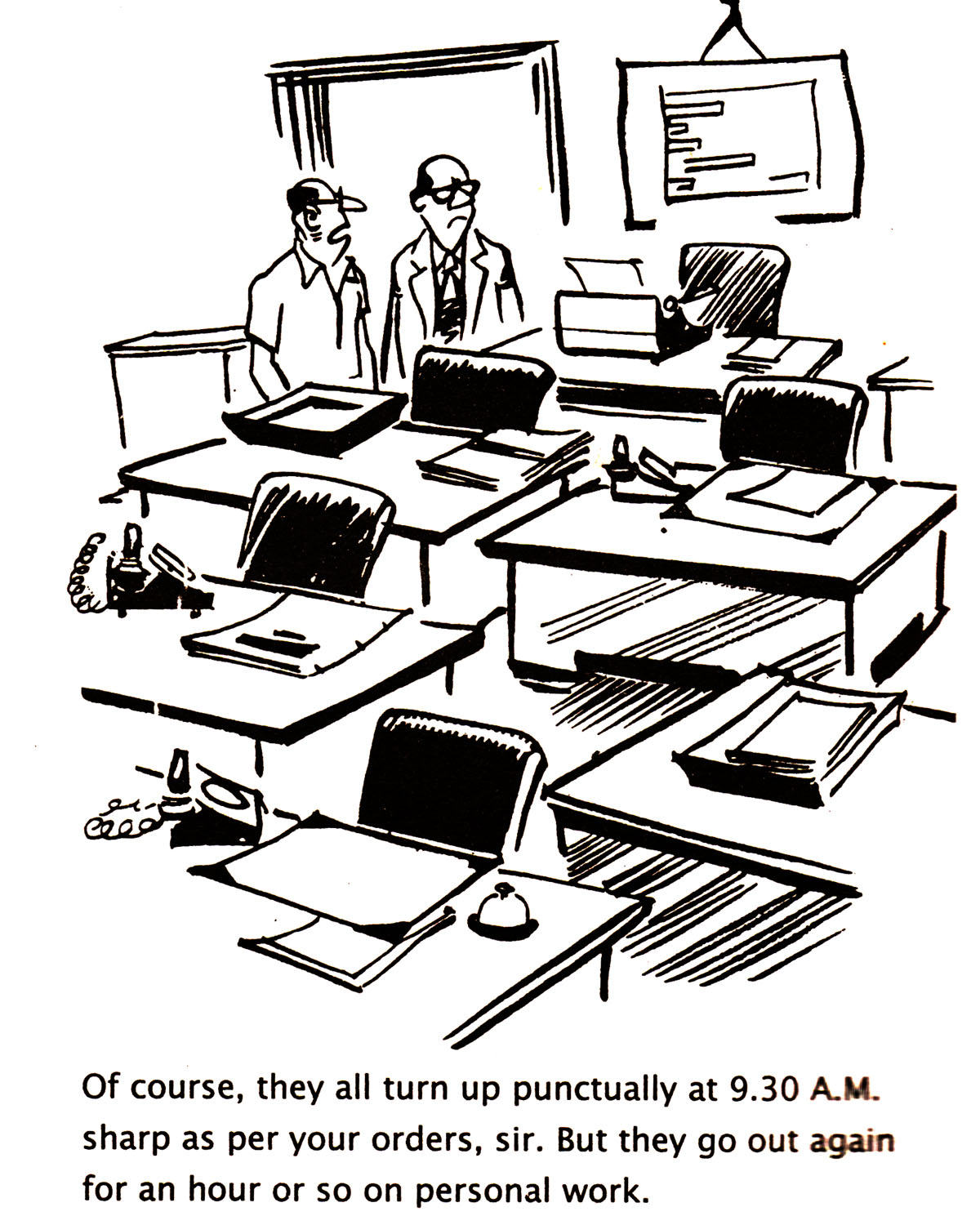
Punctuality

Cartoon Punctuality

Caught reading naughty magazines in office?

Cartoon Taking Work Home

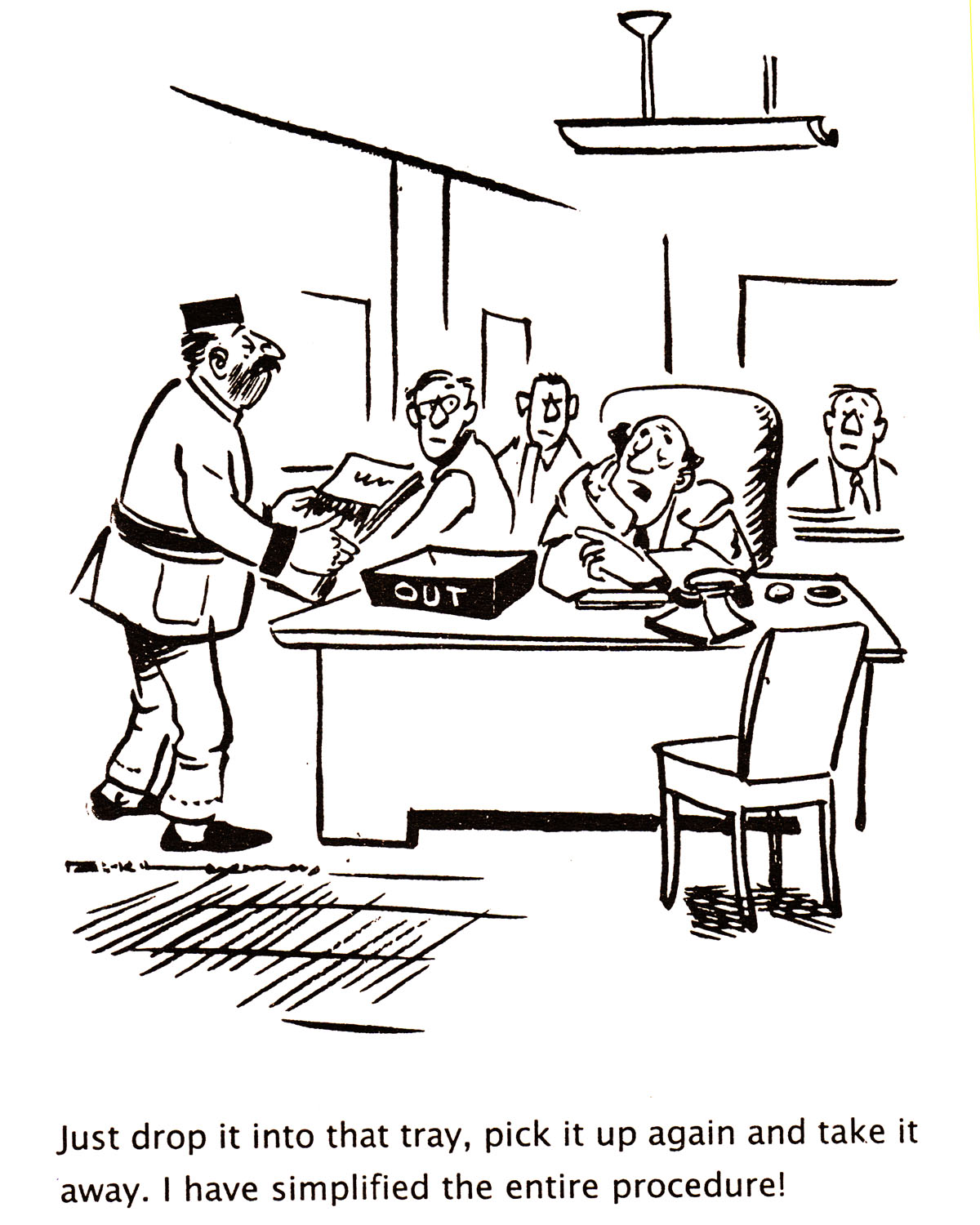
Simplifying systems and procedures

Cartoon Simplifying Procedures

A manager’s life never has a dull moment. His/her career is like driving a crazy car which is always going either too fast or too slow. From the time a manager enters the n-dimensional space of his/her career space, till the time the boots/sandals are hung right and proper, a roller-coaster ride with uncertain twists and turns is the only certainty.

To maintain one’s sanity, it helps to revisit the works of literary geniuses who have created an eternal world full of blooming flowers bathed in the soft glow of  humor. For those amongst us who are fond of books, P G Wodehouse and Terry Pratchett are there to help us. If we happen to like cartoons, Dilbert, Mario Miranda and R K Laxman are there to becalm our agitated minds!


(Illustrations from: ‘The Management of Management’ by R K Laxman, ISBN 81-7094-497-X)

Related Post: https://ashokbhatia.wordpress.com/2013/10/15/the-inimitable-r-k-laxman

Music has great power. It touches the innermost recesses of our being. It invigorates. When we attend a concert and soak in music which is uplifting and rich, there are moments when we can hardly bear the sheer bliss. Mellifluous notes surround us. We float in an ocean of musical waves, enjoying its depth and grandeur. We just wish for the time to stop its relentless onward march. We wish to forever live in that frozen moment of inward happiness. We crave to be left alone in space and time.

We live in exciting times. We have geniuses who enthrall us with music of diverse genres. Scintillating dance performances, mesmerizing concerts and rapturous vocals keep us spellbound. Right from the snow-clad Swiss Alps to the lush green plains of India, one is fortunate to have heard and seen maestros who have perfected the art of touching our souls and made us appreciate the nobler aspects of our lives.   

By way of a humble salute to some such maestros, one recalls some encounters of a musical kind.

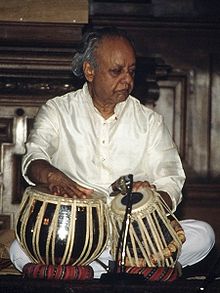
Rythmic repartee on tabla, Ustaad Alla Rakha, Hyderabad, India, 1960

Alla_Rakha

Ram Leela of Sri Ram Bharatiya Kala Kendra, Mathura, India, 1967

Ramlila

Soulful notes of the strings, Ustad Amjad Ali Khan, Chandigarh, India, 1975

Ustad Amjad Ali Khan

Soft mellifluous rendering of Hindustani Classical music, Pandit Kumar Gandharva, Dewas, India, 1978

Pandit_Kumar_Gandharva

A unique voice with a classical touch, Manna Dey, Chandigarh, India, 1983

manna-dey

A captivating ballet, Swan Lake, Moscow, Russia, 1989Swan lake balletOne of the great voices of India, Shubha Mudgal, Chennai, India, 1996

Shubha_Mudgal

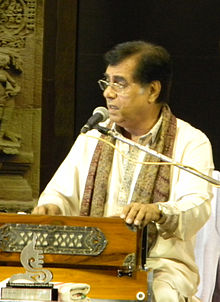
A velvet-like voice and some exquisite Urdu ghazals, Jagjit Singh, Chennai, India, 1998
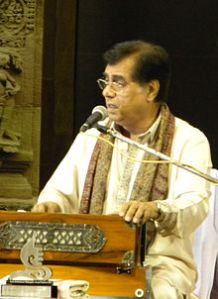
Jagjit_Singh_(Ghazal_Maestro)

Fluid notes of the flute, Shashank, Tiruvannamalai, India, 2000
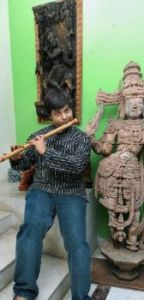
shashank 1

Swaying with the beats, Ustad Zakir Hussain, Chennai, India, 2001
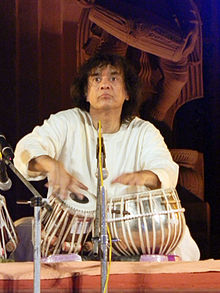
Ustad_Zakir_Hussain

Enchanting Bharatnatyam, Mallika Sarabhai, Auroville, India, 2004

mallika_sarabhai

Captivating and graceful Kathak, Uma Sharma, Auroville, India, 2006

uma sharma

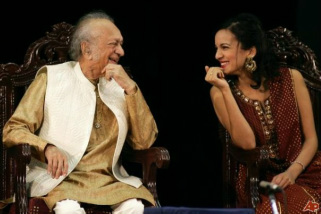
Rapturous notes on the sitar, Pandit Ravi Shankar and Anoushka Shankar, Chennai, India, 2008

ravi and anoushka shankar

Flowing with the tide of Sufi music, Abida Parveen, Chennai, India, 2009

Abida Parveen Nov 09

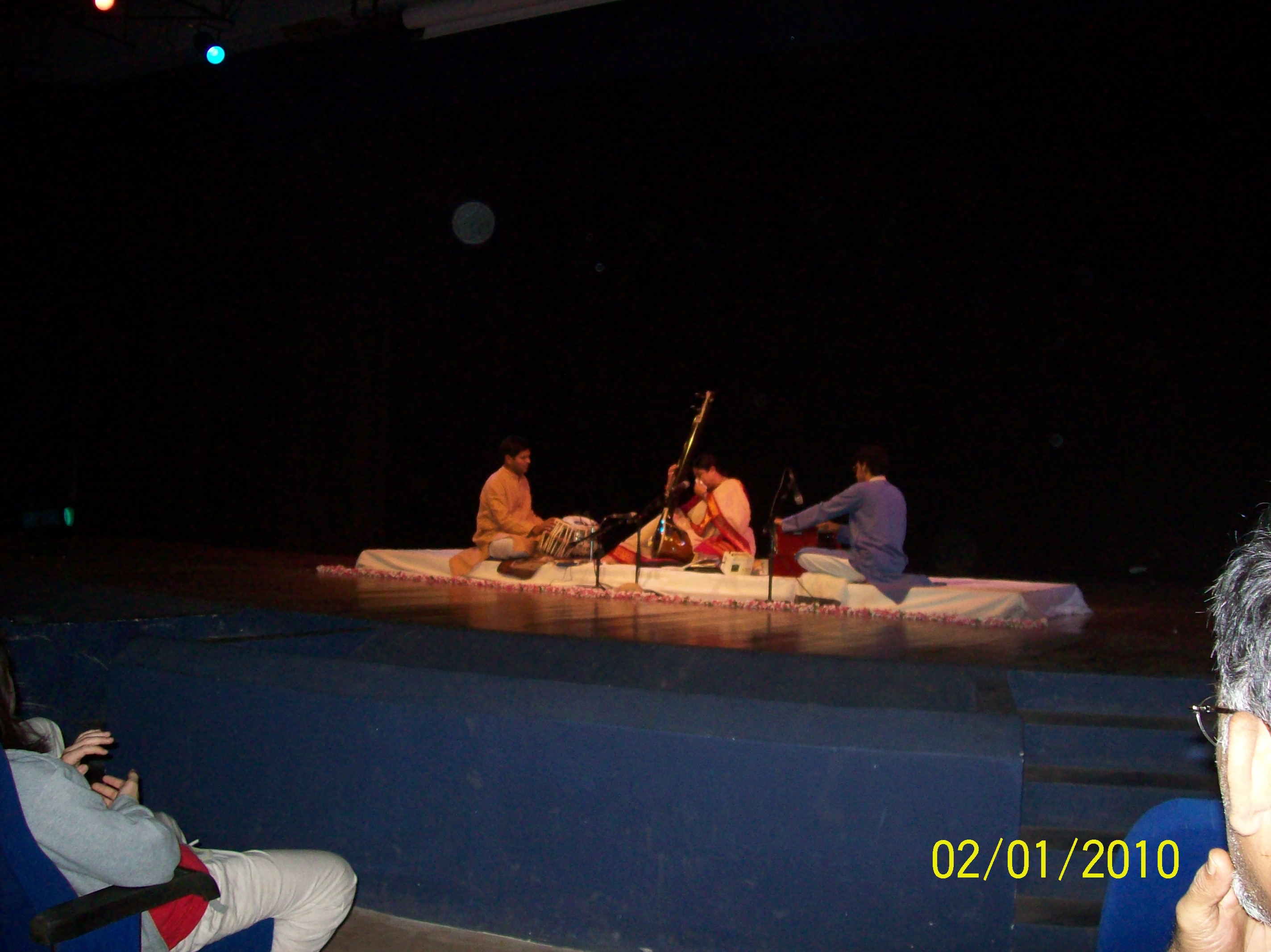
Rich tapestry of melody, Kalapini Komalini, Auroville, India, 2010

Kalapini Komalini Jan 2010 1

Haunting sounds of the flute, Pandit Hariprasad Chaurasia, Pondicherry, India, 2010

220px-Hariprasad_Chaurasia_at_Bhubaneswar,_Odisha

Experiencing devotional ecstasy, Parvathy Baul, Pondicherry, India, 2011

parvathy_baul

Casting a spell with local folk music, Obwald Bhutan Appenzell, Sarnen, Switzerland, 2012
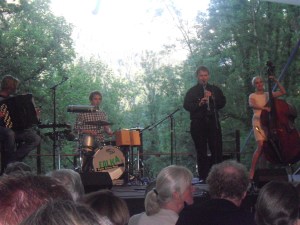
Obwald quartet July 2012

Sonorous chants of the monks from Bhutan, Sarnen, Switzerland, 2012

obwald 2012

Mesmerizing harmony of St. Louis Symphony, David Robertson, Lucerne, Switzerland, 2012

robertson-david

Captivating notes of the violin, Christian Tetzlaff, Lucerne, Switzerland, 2012

christian tetzlaff

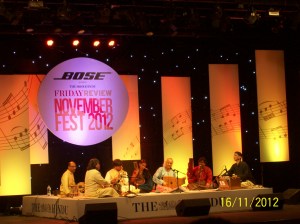
Sheer bliss of virtuosity in Hindustani classical music, Pandit Jasraj, Chennai, India, 2012
Pt Jasraj

Mesmerizing steps of Kathak, Mahua Shankar, Pondicherry, India, 2014

Mahua Shankar

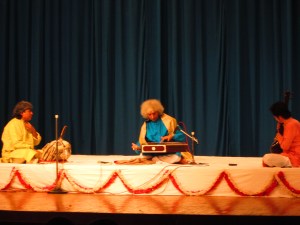
Improvisations on the santoor, Pandit Shiv Kumar Sharma, Pondicherry, India, 2014
Pt Shiv Kumar Sharma Mar 2014

The spirit of perfection such artists imbibe is worth emulating for those who truly wish to excel in any field of life. They could be first-generation enthusiasts. Or, they could be from illustrious families with true blue artistic blood coursing through their veins. Invariably, their humility is praiseworthy. The magic latent in their fingers, vocal chords and lissome bodies leaves us spellbound. What they offer somehow resonates with our inner being.

Music is indeed food for the soul. The genre does not really matter. Our choices and preferences may differ widely. But what matters is the way it touches our hearts. We just need to feel it. We merely need to go with the flow. If we bring in our minds and try to analyze it, we just end up losing the charm and the essence of it.

Music makes us experience a glowing harmony between our inner and outer selves. It helps us to dig beneath the veneer of several masks that we wear in our mundane life. It also acts as a catalyst in our quest for our true inner selves. Indeed, it is a true friend of our souls!

Does this post remind you of the kind of musical encounters you have experienced? Would you like to share these with some of us in the blogosphere?!

(Some of the photographs appearing in this post are from the personal collection of yours faithfully. Others are courtesy the world-wide-web. These may not correspond to the specific live performance covered here.)

 

Words of Wisdom

Stressed about stress management? Read this one!

Interested in the intricate connection between driving and the sense of detachment? Read on…!

Auroville, an international township near Pondicherry in the southern part of India, celebrates its birthday on the last day of February each year. A bonfire is lit in the amphitheatre next to the Matrimandir. Much before the sun has made its appearance on the horizon and the first bird has sung its mellifluous note, a bluish darkness envelopes the exquisite structure. The leaping flames of the bonfire spread a golden hue all around, as if fighting off the dark forces of nature. Soothing notes play in the background. Soon, all is quiet and a collective concentration starts. Gradually, as the sky starts revealing its azure shade, some wispy clouds float across in a leisurely fashion. Finally, the sun appears on the horizon. The Matrimandir presents itself in all its majestic charm and  ethereal beauty.

IMG_0439

IMG_0441

IMG_0443

IMG_0444

IMG_0445

IMG_0446

A truly invigorating experience for the senses as well as for the soul.

On the occasion of Women’s Day, here is some food for thought.

Gretchen Kelly's avatarDrifting Through

This morning I logged on to FaceBook to do some mindless meandering before reading some real stuff. I was numbly perusing postings about the weather (rain, again?) and someone’s cute kid doing something amazingly cute, when I saw an article from NME magazine that made me almost spit my coffee all over my computer. It was an interview with Lily Allen (British pop singer) titled “Lily Allen: Feminism shouldn’t even be a thing anymore”.  What the….??? Now, Allen likes to fan the flames, push the buttons and stir the pot. She’s into the shameless hype schtick and that’s all fine and well, but I think that Allen needs a crash course in pulling one’s head out of one’s arse and maybe a little Feminism 101.

Lily Allen Lily Allen

In the interview she states that everyone is “equal” in the modern world. Whew. That’s really good news. I am actually relieved…

View original post 1,217 more words

In quite a few memoirs of Bertie Wooster and Jeeves, we are treated to an exquisite insight into the way the long arm of the law works.

One is not referring here to the stern looking beaks who sit in a Court of Law, eyeing Bertie Wooster or any of his friends censoriously over their well-polished pince-nez while dishing out sentences without the option.

Instead, one alludes here to the humble constabulary which ensures that the laws in force are rigorously implemented without a flaw on their personal reputation and character. While tracking down criminals, they spare no effort. It is their upright and proper conduct which upholds the might of the Law. They are invariably meticulous in their approach. They show due respect to the gentler sex, unless they have direct evidence to the contrary. Even defaulters of the canine kind do not escape their fury.

When it comes to Plumsville, they play pivotal roles in many a narrative. Here are some which readily spring to one’s mind.

  •          Laying off the Vitamins

In The Mating Season, we get introduced to constable Ernest Dobbs who is a sleepless guardian of the peace ofPGW MatingSeason King’s Deverill. His face looks as if it has been carved out of some hard kind of wood by a sculptor who had studied at a correspondence school and had never progressed beyond lesson three.

In the discharge of his duties he does not hesitate to arrest dogs like Sam Goldwyn who lose no opportunity of sniping at him and are a menace to society in general. Just before he can catch Gussie Fink-Nottle who has set Sam free from custody, Jeeves coshes him, making him feel as if he has been struck by a thunderbolt. This somehow changes his spiritual outlook on life.

When he comes calling later at Deverill Hall on an unpleasant errand – to arrest Gussie who is impersonating as Bertie – he first asks Rev. Sidney Pirbright if he can start singing in the village choir. In turn this leads to the romantic rift between him and the maid Queenie getting healed. A kissing scene follows, and the cop is quick to apologize for his naked display of emotion. He then proceeds to decline a sandwich or two, because he believes that when a policeman is on an unpleasant errand, he is expected to lay off the vitamins.

Jeeves gives Gussie an alibi, making Catsmeat take the rap instead in the crime of having abstracted a property of the Crown – to wit, a dog. As luck would have it, Catsmeat happens to be the would-be brother-in-law of Esmond Haddock, the local Justice of Peace. Haddock loses no time in telling Dobbs how slender the evidence against Catsmeat happens to be.

A country policeman surely knows what happens when you get in wrong with Justices of Peace. Also, being in love himself, he is gently persuaded not to throw a spanner in the happiness works of Catsmeat and Gertrude. He allows himself to be dismissed without a stain on his character. Once off duty, he promptly proceeds to the kitchen, so as to resume his romantic parley with Queenie.

  •          No Listening to the Derby

Ring for Jeeves brings in an elderly Colonel Aubrey Wyvern, Chief Constable of the County of Southmoltonshire.PGW RingForJeeves His daughter Jill is affianced to Bill, the ninth Earl of Rowcester. He is short and stout and is none too happy about the quality of butlers and cooks these days. He is called upon to solve the mystery of the missing pendant of Mrs Spottsworth, a guest at Rowcester.

While conducting his investigation, he declines to listen to the Derby on the radio, lest it interfere with his work. The main suspect happens to be Captain Biggar who happens to have merely ‘borrowed’ it for a day, as security for a gamble but then  eventually decided not to do so. The pendant gets duly ‘discovered’, thereby rendering his investigation null and void.

Once Jill is heart-broken, having found Lord Rowcester (Bill) coming out of Mrs Spottsworth’s room at two o’ clock in the morning in mauve pyjamas. The Chief Constable decides to whip Bill for his misdemeanors. Upon finding his own horse whip missing, he decides to walk over to Rowcester Abbey and borrow Bill’s own whip so as to complete his mission! Luckily for Bill, by the time he arrives, Jill realizes her mistake and the lovers have already reunited.

  •          Prowling in the Rain

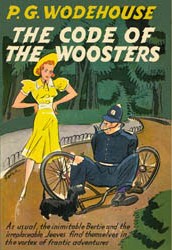
In The Code of the Woosters,  we get to meet Eustace Oates. He has his own methods when it comes to solvingCodeOfTheWoosters crimes. First thing, he tries to unravel the motive. He then finds out who had the opportunity of committing the crime under investigation. Once he has a list of suspects, he starts looking for clues.

When it comes to his own helmet getting pinched, suspect number one happens to be Stephanie Byng who believes her dog Bartholomew has been teased by the constable. The helmet eventually gets traced in a flower bed below Bertie Wooster’s window. In order to ensure that he does not escape the premises, the constable is made to keep patrolling below the window.

Eventually, thanks to the magic of the word ‘Eulalie’, Jeeves persuades Roderick Spode to take the rap instead. Even though Bertie is off the hook, Sir Watkyn Bassett forgets to ask Oates to stop his vigil. Thus, the poor constable continues to prowl in the rain, providing Bertie with a curiously mellowing sense of happiness.

  •          Resigning in the Face of Fraud

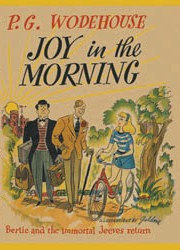
Joy in the Morning has Stilton Cheesewright playing the vigilant guardian of the peace. He is not one of ourJoyInTheMorning eight-hour slumberers. He is always up and doing, working while others sleep. He believes that Bertie is out to outmaneuver him when it comes to winning the affections of the star male-reformer Florence Craye.

Bertie is accused of pinching his uniform so as to be able to participate in a fancy dress ball. Uncle Percy, the Justice of Peace, needs Bertie’s support in standing up to his formidable spouse (Aunt Agatha, who else!) to provide an alibi for him to have spent a night away from his living quarters at Steeple Bumpleigh. Jeeves lays the blame instead at the doorstep of Master Edwin who has a motive in Bertie in taking the rap.

Uncle Percy refuses to sign the warrant against Bertie. In fact, he goes a step further in ticking off the cop. He laments a deplorable spirit creeping into the Force – that of forgetting their sacred obligations and bringing up wild and irresponsible accusations in a selfish desire to secure promotion.

This revolting exhibition of fraud and skullduggery makes Stilton decide to resign from the Force, thereby restoring the romantic relations between him and Florence. As a result, Bertie yet again escapes the prospect of a saunter down the aisle and returns to the metropolis a free bird.

  •          The Hell-hound of the Law

Jeeves and the Kid Clementina (Very Good, Jeeves) introduces us to a cop who creeps behind Bertie WoosterVeryGoodJeeves just when he is perched on a tree and is planning to drop a flower plot through the roof of the green-house of a convent presided over by Miss Mapleton, the female lion-tamer. Roberta Wickham had suggested this diversionary tactic so that her cousin Clementina, who was A.W.O.L. from her school, could ooze back unnoticed into the premises. 

Thanks to Jeeves, the constable is ticked off by Miss Mapleton for having bungled the courageous attempts of Bertie to ward off some imaginary miscreants by climbing onto the  tree. When the flower-pot does fall through, he is promptly dismissed and packed off on his errand of duty so he has another opportunity to justify his existence. This way, the rates and taxes paid by the common public do not get squandered.

In Plumsville, the cops are not expected to resolve the kind of crimes which might make the Scotland Yard interested in their investigative skills. When pitted against the inimitable Jeeves, the hapless rozzers have a slim chance of cracking a case. Even if they happen to do so, their paths are strewn with Justices of Peace who have ideas of their own.

Nevertheless, they continue to regale us with their exploits. Their integrity is indeed praiseworthy. Come rain or sunshine, they perform their duties with utmost dedication. Romance might sway them somewhat at times but never does it detract them from their duties. Nor do ham sandwiches. Derby is not of much interest to them. Even if an offence has been committed by a canine of an unfavorable disposition towards the men of the Force, they do not hesitate to work with exemplary diligence.  

Generally, what they lack in height is more than compensated by their rotundity. A stern gaze and an authoritative demeanor is their hallmark. Their ‘Ho!’s, ‘Ha!’s and snorts often carry a sinister ring, making an ordinary citizen shuffle his feet and feel diffident. To the bold and the beautiful amongst the citizenry, their shining helmets provide an allure which is often irresistible.

The thoroughness with which the gendarme get portrayed is typical of the manner in which P G Wodehouse etches out his characters from diverse fields of life. Through the conduct of the Justices of Peace, he brings out the eccentricities of the upper echelons of the social order of his times.  

We, the Miracle

Abstract

The human race has come a long way in attaining its present state of evolution. From a single cell amoeba to the complex mechanism of our present-day physical bodies, one can look back at the journey so far with some reverence and pride.

But what does the future portend? What would be the salient features of the next level of our species? This article is an attempt at answering this query through the haze of our present-day myopic vision and limited capabilities.


As you read this, possibly with a steaming cup of coffee by your side and soothing music playing in the background, little do you realize the kind of miracle you and I represent.

One, we are both uniquely configured. As a physical body, we stand alone. As mental beings, we carry a unique set of beliefs and value systems which define our thoughts, actions and words. Our nature carries the baggage of all our habits and prejudices acquired during all our previous births, as also the ones freshly added from this one. Unknown to us, these determine the frame of reference we have in this lifetime. This in turn determines the perspective we have on whatever we encounter in life.  04

Two, we have been singularly lucky.  All our ancestors were successful in finding a soul mate and ended up furthering the process of procreation. Whether it was a random outcome of Cupid’s arrows or a decision which was governed by social norms prevailing then, we may not know. We ourselves are the veritable proof that we have appeared after a long drawn out series of successful reproductive endeavors of our ancestors.

Three, a million years back, even the most prescient of magicians could not have forecast that we would eventually evolve into a species known as Homo Sapiens. When it came to evolution, we have repeatedly enjoyed biological benevolence and good fortune. In the process, what an amazing transformation we have gone through! We were possibly the first organism to have been bombarded on earth by a meteoric shower originating from Mars. From a single cell structure, we have today become a highly sophisticated machinery which willy-nilly is aware of its own existence.

In the interim, we have undergone repeated transformations. We have never been attached to a particular type, shape, color or size for too long. We first developed a liking for oxygen. We then frolicked about in the deep oceans, before trying to rule land in various forms. We bore our way underground and climbed on trees. We took wings and enjoyed the freedom of mobility, often backed by a highly effective GPS. a1 1 (8)

We became as big as a zebra or an elephant and as small as a lizard or a rat. We attempted several hissing and slithering forms and showed exemplary flexibility in adapting to newer challenges from the environment. From bonobos and apes to Homo Sapiens has been a logical jump for us, and we know that we have indeed arrived.  

We now roam about all corners of the solar system. We keep messing up the fragile environment we have been gifted with. We have possibly come to believe that the journey of evolution is over. We think we can now rest on our laurels and remain content with inventing newer and better means to destroy ourselves.

Well, past experience does not support this line of thought. We are apparently on a journey the destination of which is still far away. The forces of nature are inexorably leading us towards further evolution, possibly into a kind of species which would be far more sophisticated and intelligent than we can presently imagine.

Sure enough, the seeds of our appearance and growth had been present amongst bonobos and other primates. Likewise, the seeds of the species to come must already be within us. More significantly, we do not have a choice but to ascend to higher planes of consciousness and physical perfection. The life force which has propelled us so far shall continue to do so in the times to come.a1 1 (13)

Let us consider this hypothesis further. What would be the salient characteristics of the next level of our species?

We might take a leap beyond logic. Intuitive powers may dominate our day-to-day living. We might become more aware of our souls and simply enjoy the bliss of pure and benign thoughts, leading to that elusive glow of inner happiness and an all-pervading joy. Our dependence on outer sources and gadgets for our happiness may see a gradual reduction, thereby freeing us from the incessant flow of our desires, as at present.

Our capacity to absorb knowledge may multiply manifold. The physical body might become much stronger and also capable of healing itself. A specialist may be able to ‘treat’ us in a distance mode and maintain our well-being. Visits to health centers may become less frequent, except in cases where organ replacements become essential.

Changes in our biological systems may come about. Our psychic powers may get more refined. May be, we shall become so evolved as to be less dependent on our sensory perceptions. We might be able to converse with each other without having to speak. We might be able to intuitively know how the other person is feeling and tailor our response and behavior accordingly. In other words, languages may start becoming extinct. a1 1 (11)

In evolving further, we are bound to face challenges. But the incessant process of evolution itself might present the solutions we shall need – not only to survive but to do even better. The struggle of the good ones amongst us to out-survive the bad ones shall continue forever. As we evolve further, the need for a spiritual outlook shall only grow. 

As the miracle unfolds in the centuries to follow, our heads shall bow in reverence to the mighty and inexorable forces of nature and nurture which continue propelling us on the highway of evolution. On our part, a focus on spiritual practices might hasten the process.

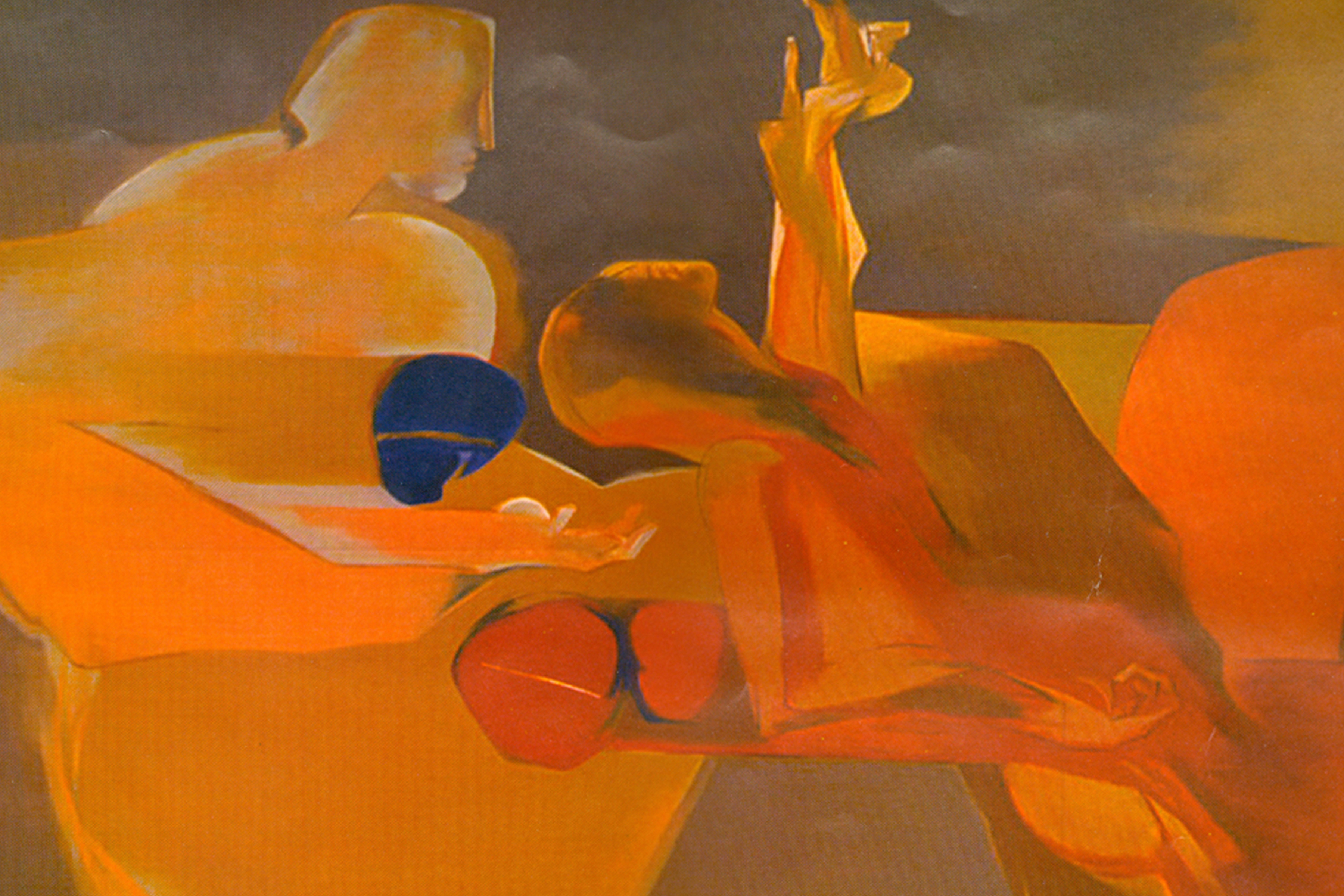
(Grateful acknowledgements are due to a spiritually evolved guide, friend and philosopher; paintings courtesy M F Hussain and Huta.)

(Published in NAMAH, the Journal of Integral Health, Vol 22, Issue 1 dated the 24th of April, 2014)


If you are a Plum fan and wish to delve deeper into the psychology of the individual, Plumtopia is the site to head to!

Honoria Plum's avatarPlumtopia

Psmith and Eve Halliday in ‘Leave it to Psmith’

Rupert (or Ronald) Psmith was one of P. G. Wodehouse’s earliest heroes. He made his memorable first appearance in 1908 in a school story serialised in The Captain as ‘The Lost Lambs’, better known to many readers under the 1953 title ‘Mike and Psmith’.  Alongside his bosom school chum Mike Jackson, Psmith (the P is silent as in pshrimp) made a successful transition from school stories to adult fiction in two further novels – ‘Psmith in the City’ (1910) and ‘Psmith Journalist’ (1915), before his final appearance in ‘Leave it to Psmith’ (1923).

It is clear from comments in the growing Wodehouse Facebook community that my own love for this character is shared by many others, so it seems apt that when Wodehouse cast him as a romantic lead, he created Eve.

‘She was a girl of medium height, very straight…

View original post 778 more words