Posts Tagged ‘Soul’
Values – the real ‘Soul’ of organisations
Posted in Management Lessons, tagged Bhagavad Gita, Book, Nikos Mourkiaginnis, Organization, Purpose, Ratan Tata, Soul, Tata Group, Values on April 6, 2026| Leave a Comment »
Music: Food for the Soul
Posted in A Vibrant Life!, tagged Abida Parveen, Anoushka Shankar, Bhutan Monks Chanting, Christian Tetzlaff, David Robertson, Giswil, Harmony, India, Jagjit Singh, Kalapini Komalini, Kavita Krishnamurthy, Lucerne Music Festival, Mahua Shankar, Mallika Sarabhai, Manna Dey, Music, Obwald Bhutan Appenzell, Pandit Hariprasad Chaurasia, Pandit Jasraj, Pandit Kumar Gandharva, Pandit Ravi Shankar, Pandit Shiv Kumar Sharma, Parvathy Baul, Sarnen, SBKK, Shashank, Shubha Mudgal, Soul, St. Louis Symphony, Swan Lake, Switzerland, Uma Sharma, Ustad Alla Rakha, Ustad Amjad Ali Khan, Ustad Zakir Hussain on December 14, 2020| 1 Comment »

Music has great power. It touches the innermost recesses of our being. It invigorates. When we attend a concert and soak in music which is uplifting and rich, there are moments when we can hardly bear the sheer bliss. Mellifluous notes surround us. We float in an ocean of musical waves, enjoying its depth and grandeur. We just wish for the time to stop its relentless onward march. We wish to forever live in that frozen moment of inward happiness. We crave to be left alone in space and time.
We live in exciting times. We have geniuses who enthrall us with music of diverse genres. Scintillating dance performances, mesmerizing concerts and rapturous vocals keep us spellbound. Right from the snow-clad Swiss Alps to the lush green plains of India, one is fortunate to have heard and seen maestros who have perfected the art of touching our souls and made…
View original post 536 more words
Have you rediscovered your ‘Soul Family’ in these pandemic driven times?
Posted in A Vibrant Life!, tagged Coronavirus, Family, Soul, Spirituality, Support, underground cable connections on November 11, 2020| Leave a Comment »
(One of the many perks which the Coronavirus has conferred upon Homo sapiens is that of making us realize the criticality of being part of a ‘Soul Family’ and also rediscovering the one we happen to blessed with in this life. In my own terms, these are a bunch of buddies who happen to have an underground cable connection with us, to be reactivated as and when the situation demands so.
Here is an insightful message which I received from a friend of mine recently. The author is unknown. But the intention to share it here is merely to spread its wisdom and the positive vibes, not to plagiarize!)

Your soul family is slightly different to your spirit guides and guardian angels as they are usually a collective group of beings to whom you are on similar frequency levels and energetically connected, related and in tune. However, there are variations to this as occasionally a soul family member may be of angelic or seraphim origin or if in physical form they may even be incarnated as your pet who watches over you.
Some of your soul family members travel with you and incarnate at the same time as you do, while others remain in higher frequency worlds. These relationships are often powerful and have a notion of a mission that is shared by the various family members. Your soul family members who have incarnated here with you at the same time don’t always have to be part of your bloodline family but can be anyone who you strongly connect and resonate with and often share similar interests.
Connecting and working with your soul family may help you feel protected and nurtured as they do their best to assist and support you.
Your soul family brings with them great wisdom that may not have been previously fully accessible to you. This wisdom and knowledge may be able to assist you in remembering your life purpose and feeling like you have a mission in life. Your soul families wisdom may be very useful in healing deep wounds and assist in clearing things from your life that no longer serve you. Better life balance may be established also.
Your soul family may have worked spiritually on planet Earth in previous lifetimes may be part of the collective of etheric elders, shamans and protectors of planet Earth. If any of your lifetimes included spiritual shamanic work, then you may be able to establish a connection to this shared knowledge and wisdom.
Ten Extraordinary Things That Happen Once You Connect With Your Soul Family
For any individual, there are very few people with whom they actually connect at a deeper level. These few people hold enough power to overhaul a person’s worldview and force them to face the realities of life, making them much stronger and wiser. They share a strong system of mutual love and support.
If you already have such people in life, keep them close, for this is your soul family. If not, be on the lookout for them!
Soul groups comprise of people who knowingly and unknowingly uphold the mission of waking each other up and helping break illusions of life. They work together to serve each other.
Given below are the ten important signs that occur when you are with your soul family:
1. THEY HELP STRENGTHEN YOUR INTUITIONS
Being a part of a soul group will activate a harmonious energy exchange inside you which will activate your heart chakras. All their words will emerge from the heart, and you will feel the same. Your conversations will be on an intuitive level, exchanging thoughts and energies.
2. YOU FORM AN IMMEDIATE CONNECTION WITH THEM
There will always be a member of your soul group with whom you feel most comfortable with. You will always feel secure with them as your energy signatures will match.
3. IT’S EASIER TO FORGIVE
To forgive and forget is easier said than done for most of us. As much as we would like to do it, we struggle with the idea of forgiving others for the hurt they caused us.
However, when it comes to the people in our soul group, we find it easier to forgive them. We understand their intentions and motives, and thus don’t misconstrue their actions or words.
4. THERE ARE NO OFF-LIMITS TOPICS AROUND THEM
You are able to be yourself around them and be free with what you say and how you express yourself. You don’t shy away from showing them your goofy side. Same goes for your vulnerable feelings and thoughts too. You are completely authentic around them.
5. THEY ARE YOUR MIRROR
The members of your soul group will share certain aspects of yours. Some of these friends will help bring out positive traits and habits which you might have forgotten over the years. Others might help shine a light on the darker aspects which will help you in understanding yourself and healing your cracks.
6. YOU JUST CAN’T GET ENOUGH OF EACH OTHER’S COMPANY
When you spend time with your soul group, it fills you up with energy. This happens because of a mutual exchange of energy between its members which fills you up with positivity.
7. THERE ARE PROGRAMMED SIMILARITIES
Close members of a soul group will generally share similar upbringings. It may be a similar religion, profession, or ethnicity. This shared base promotes a growth in the group which benefits everyone.
8. THERE ARE NO MANIPULATIONS HERE
There is no sense of destructive competitiveness among the members of such a soul group. No one drags another down in order to pull themselves up. There is no manipulation done to achieve the upper hand and everyone takes pleasure in watching their friends succeed.
9. PERFECT TIMING
A soul group will have a shared innate sense of timing within them. They will be there to pick you up when you’ve given up hope and are questioning your abilities. Their sense of timing will bring to you a support system which is there for you in the depths of your despair and one which brings along the best of surprises when you are least expecting it.
10. THEY SERVE AS YOUR CATALYSTS
Spiritual awakening of any kind occurs after a period of pain and suffering. Your soul group acts as the catalyst which sets this in motion and stand alongside you through thick and thin. When they leave, the pain will be excruciating, but important to lead you forward on the way of spiritual awakening.
Once people find their soul group, their lives go through radical changes. It transforms them, serving their higher good. So hold on tight to them if you already have them, or else always observe the energies you get from people. The right kind will always fill you with elation.
(Illustration courtesy www)
(Related Posts:
Values – the real ‘Soul’ of organizations
Posted in Management Lessons, tagged Bhagavad Gita, Nikos Mourkiaginnis, Organization, Purpose, Ratan Tata, Soul, Tata Group, Values on November 27, 2018| Leave a Comment »

Vision and Mission Statements of corporates adorn their walls and can be readily copied. However, the value system of an organization is not something which can be copied very easily. It permeates the entire organization – its hierarchy, its various divisions or departments. It rubs off on most of its employees. Even service providers and supporting manufacturers get tuned to the same frequency. It would perhaps not be wrong to surmise that values are to an organization what the soul is to a physical body. Organizations which thrive over a long period of time and achieve sustainable commercial success would invariably be found to have sound values at the core of their operations.
Manifestation of values
Small things reflect the values being followed – whether nephews and nieces of the top person are getting freely hired to do jobs they are not competent at, whether spaces in the car parking lot are allotted hierarchy wise or are based on a first-come-first-served basis, whether the corner office has high sound-proof walls all around or is open to all to signify transparency, whether the boss is entitled to charge the company for her spouse accompanying her on a business trip, whether office stationery items get whisked off to executives’ households for use by their kids, or whether use of cell phones or social media platforms is viewed with a sense of benign resignation by a hapless human resources honcho.
One striking feature of values is that even if these remain spoken of in hushed tones and get communicated more effectively through grapevines which are embedded deep in any organization, it is leadership which sets the tone. Those down the ladder fall in line. Those who shape up, and have a reasonably good performance on the job, survive and do well. Those who do not, get eventually shipped out. The latter then try to look for other organizations where the values – theirs and those of the organization – happen to be in harmony.
When head-hunting for a CFO, Human Resources honchos know pretty well that even though the final three short-listed aspirants happen to have near-identical qualifications and experience, their personal value systems would set them apart. One would not mind being used to extensive window dressing to please diverse stakeholders, thereby raising the concern for a disaster lurking round the corner in not so distant a future. Another might admit to being open to transactions in hard cash, thereby consolidating his own power and pelf in the company, if appointed. Yet another one might take a dim view of any underhand dealings and project the image of someone who believes in transparency with the internal as well as the statutory auditors, thereby leaving the CEO and the board of directors breathing easier. If the management cares about maintaining high standards of corporate governance, the last one would land the assignment.
At the macro level, values of an organization manifest in the wisdom which underlies its actions. When it comes to achieving the heights of corporate excellence, organizations which have sound long-term values are invariably found to enjoy strong brand equity. Scratch beneath the surface and one is apt to discover the wiser ways in which it conducts its operations. Its initiatives lead to a sustainable growth of the business, giving back to society in ways which are imaginative as well as pragmatic.
Take the case of Tatas, a salt-to-software business conglomerate which has more than one hundred companies in its fold, spread over more than one hundred countries. Their businesses might be as diverse as chalk and cheese but much like beads strung together by a string, what holds all these outfits together is a common set of values which the group stands for. The name stands for dependability and better value for money. Around two-thirds of the profits of the group flow into Tata trusts which channelize these back to the society in myriad ways.
Speaking to the conglomerate’s leadership recently, Ratan Tata, Chairman Emeritus, said that the group has been under “fire” for the past few months due to allegations of mismanagement and “being in business for reasons other than good corporate governance”. “The spirit that we had that made us grow to $100-billion revenues has not been through mismanagement and unethical procedures,” he said, adding that it has grown by being a visionary, having a spirit of integrity, unity and doing philanthropy.
Products and organizations have life cycles of their own. Just like the human body is prone to many changes – birth, existence, growth, decay, disease and death. But values outlive these perils of life; somewhat akin to the Self which Gita holds to be eternal and deathless. Values pervade all arms of any organization.
अविनाशि तु तद्विद्धि येन सर्वमिदं ततम् |
विनाशमव्ययस्यास्य न कश्चित्कर्तुमर्हति || 2.17 ||
avināśhi tu tadviddhi yena sarvam idaṁ tatam
vināśham avyayasyāsya na kaśhchit kartum arhati
That which pervades the entire body, know it to be indestructible. No one can cause the destruction of the imperishable soul.
The Purpose of an organization
Why does an organization exist? What is its purpose? Can an organization be run in such a manner as to be long-lived? Can an organization strike a judicial balance between owner enrichment and societal good?
Nikos Mourkiaginnis, in his famous book ‘Purpose – the Starting Point of Great Companies’, demonstrates that the choice between values and success is no choice at all. He argues that companies must satisfy the need for purpose – a set of values that defines an organization and inspires and motivates its employees. Rather than organization and structure, ideas are what cause companies to go from good to great. Drawing on examples from across multiple industries, Mourkogiannis demonstrates how a strong purpose is the essential first step toward lasting success.
This is a great insight. An organization’s purpose is merely not to deliver goods and services to its customers. What really matter are the values which determine the choice of these products and services. Looked at from this perspective, one would not be wrong in concluding that values, which determine the purpose of an organization, indeed constitute its soul.
An inner connection to handle myriad challenges with aplomb
Hapless CEOs face myriad challenges. There are pinpricks from customers, employees, suppliers and many other stakeholders. The directors and the shareholders have to be kept in a positive frame of mind. Regulatory agencies and government departments have to be kept in good humour. Concerns for upholding norms of corporate governance keep snapping at their heels. Only nerves of chilled steel and deep reserves of inner resilience can help them to keep performing on all the twelve cylinders. An inner connection surely helps.
In an indirect manner, Gita touches upon the importance of an inner connection for business leaders. It holds that wise are those who enjoy a tranquility and calmness within themselves. Their inner being is in harmony with their outer being. Their decision-making is based on balanced, well-considered and a holistic view of the facts of the case. They do not manage crises in business with knee-jerk reactions. They deal with people according to their nature and with occurrences in the business environment according to their force and the truth or hard reality they represent. Impartial they are. Detached they are. Compassionate they happen to be, but never at the cost of their innate wisdom and truth. And never do they compromise on their core values.
(An edited version of this post appears in a just-released book authored by yours truly which connects Bhagavad Gita to Management)
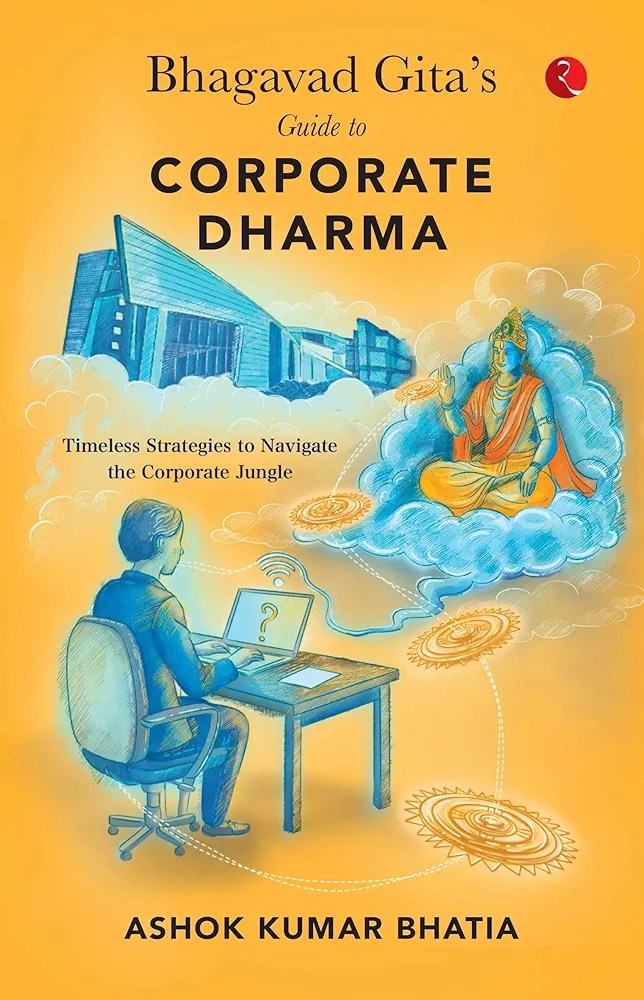
Links to the book:
Values – the real ‘Soul’ of organizations
Posted in Management Lessons, tagged Bhagavad Gita, Equanimity, Leadership, Management, Soul, Tata Group, Values on August 7, 2018| 2 Comments »
Vision and Mission Statements of corporates adorn their walls and can be readily copied. However, the value system of an organization is not something which can be copied very easily. It permeates the entire organization – its hierarchy, its various divisions or departments. It rubs off on most of its employees. Even service providers and supporting manufacturers get tuned to the same frequency. It would perhaps not be wrong to surmise that values are to an organization what the soul is to a physical body. Organizations which thrive over a long period of time and achieve sustainable commercial success would invariably be found to have sound values at the core of their operations.
Manifestation of values
Small things reflect the values being followed – whether spaces in the car parking lot are allotted hierarchy wise or are based on a first-come-first-served basis, whether the corner office has high sound-proof walls all around or is open to all to signify transparency, whether the boss is entitled to charge the company for her spouse accompanying her on a business trip, whether office stationery items get whisked off to executives’ households for use by their kids, or whether use of cell phones or social media platforms is viewed with a sense of benign resignation by a hapless human resources honcho.
One striking feature of values is that even if these remain spoken of in hushed tones and get communicated more effectively through grapevines which are embedded deep in any organization, it is leadership which sets the tone. Those down the ladder fall in line. Those who shape up, and have a reasonably good performance on the job, survive and do well. Those who do not, get eventually shipped out. The latter then try to look for other organizations where the values – theirs and those of the organization – happen to be in harmony.
When head-hunting for a CFO, Human Resources honchos know pretty well that even though the final three short-listed aspirants happen to have near-identical qualifications and experience, their personal value systems would set them apart. One would not mind being used to extensive window dressing to please diverse stakeholders, thereby raising the concern for a disaster lurking round the corner in not so distant a future. Another might admit to being open to transactions in hard cash, thereby consolidating his own power and pelf in the company, if appointed. Yet another one might take a dim view of any underhand dealings and project the image of someone who believes in transparency with the internal as well as the statutory auditors, thereby leaving the CEO and the board of directors breathing easier. If the management cares about maintaining high standards of corporate governance, the last one would land the assignment.
At the macro level, values of an organization manifest in the wisdom which underlies their actions. When it comes to achieving the heights of corporate excellence, organizations which have sound long-term values are invariably found to enjoy strong brand equity. Scratch beneath the surface and one is apt to discover the wiser ways in which it conducts its operations. Its initiatives lead to a sustainable growth of the business, giving back to society in ways which are imaginative as well as pragmatic.
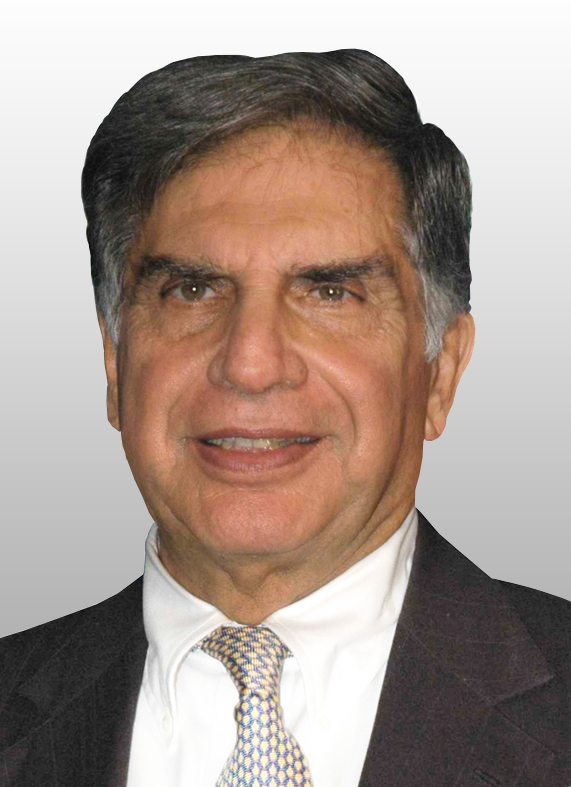
Take the case of Tatas, a salt-to-software business conglomerate which has more than one hundred companies in its fold, spread over more than one hundred countries. Their businesses might be as diverse as chalk and cheese but much like beads strung together by a string, what holds all these outfits together is a common set of values which the group stands for. The name stands for dependability and better value for money. Around two-thirds of the profits of the group flow into Tata trusts which channelize these back to the society in myriad ways.
Speaking to the conglomerate’s leadership recently, Ratan Tata, Chairman Emeritus, said that the group has been under “fire” for the past few months due to allegations of mismanagement and “being in business for reasons other than good corporate governance”. “The spirit that we had that made us grow to $100-billion revenues has not been through mismanagement and unethical procedures,” he said, adding that it has grown by being a visionary, having a spirit of integrity, unity and doing philanthropy.
Products and organizations have life cycles of their own. Just like the human body is prone to many changes – birth, existence, growth, decay, disease and death. But values outlive these perils of life; somewhat akin to the Self which Gita holds to be eternal and deathless. Values pervade all arms of any organization.
अविनाशि तु तद्विद्धि येन सर्वमिदं ततम् |
विनाशमव्ययस्यास्य न कश्चित्कर्तुमर्हति || 17||
avināśhi tu tadviddhi yena sarvam idaṁ tatam
vināśham avyayasyāsya na kaśhchit kartum arhati
That which pervades the entire body, know it to be indestructible. No one can cause the destruction of the imperishable soul.
An inner connection to handle myriad challenges with aplomb
Hapless CEOs face myriad challenges. There are pinpricks from customers, employees, suppliers and many other stakeholders. The directors and the shareholders have to be kept in a positive frame of mind. Regulatory agencies and government departments have to be kept in good humour. Concerns for upholding norms of corporate governance keep snapping at their heels. Only nerves of chilled steel and deep reserves of inner resilience can help them to keep performing on all the twelve cylinders. An inner connection surely helps.

In an indirect manner, Gita touches upon the importance of an inner connection for business leaders. It holds that wise are those who enjoy a tranquility and calmness within themselves. Their inner being is in harmony with their outer being. Their decision-making is based on balanced, well-considered and a holistic view of the facts of the case. They do not manage crises in business with knee-jerk reactions. They deal with people according to their nature and with occurrences in the business environment according to their force and the truth or hard reality they represent. Impartial they are. Detached they are. Compassionate they happen to be, but never at the cost of their innate wisdom and truth. And never do they compromise on their core values.
Music: Food for the Soul
Posted in Spiritual Musings, tagged Abida Parveen, Anoushka Shankar, Bhutan Monks Chanting, Christian Tetzlaff, David Robertson, Giswil, Harmony, India, Jagjit Singh, Kalapini Komalini, Kavita Krishnamurthy, Lucerne Music Festival, Mahua Shankar, Mallika Sarabhai, Manna Dey, Music, Obwald Bhutan Appenzell, Pandit Hariprasad Chaurasia, Pandit Jasraj, Pandit Kumar Gandharva, Pandit Ravi Shankar, Pandit Shiv Kumar Sharma, Parvathy Baul, Sarnen, SBKK, Shashank, Shubha Mudgal, Soul, St. Louis Symphony, Swan Lake, Switzerland, Uma Sharma, Ustad Alla Rakha, Ustad Amjad Ali Khan, Ustad Zakir Hussain on March 24, 2014| 23 Comments »
Music has great power. It touches the innermost recesses of our being. It invigorates. When we attend a concert and soak in music which is uplifting and rich, there are moments when we can hardly bear the sheer bliss. Mellifluous notes surround us. We float in an ocean of musical waves, enjoying its depth and grandeur. We just wish for the time to stop its relentless onward march. We wish to forever live in that frozen moment of inward happiness. We crave to be left alone in space and time.
We live in exciting times. We have geniuses who enthrall us with music of diverse genres. Scintillating dance performances, mesmerizing concerts and rapturous vocals keep us spellbound. Right from the snow-clad Swiss Alps to the lush green plains of India, one is fortunate to have heard and seen maestros who have perfected the art of touching our souls and made us appreciate the nobler aspects of our lives.
By way of a humble salute to some such maestros, one recalls some encounters of a musical kind.
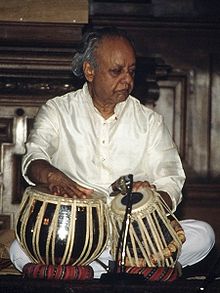
Rythmic repartee on tabla, Ustaad Alla Rakha, Hyderabad, India, 1960
Ram Leela of Sri Ram Bharatiya Kala Kendra, Mathura, India, 1967

Soulful notes of the strings, Ustad Amjad Ali Khan, Chandigarh, India, 1975

Soft mellifluous rendering of Hindustani Classical music, Pandit Kumar Gandharva, Dewas, India, 1978

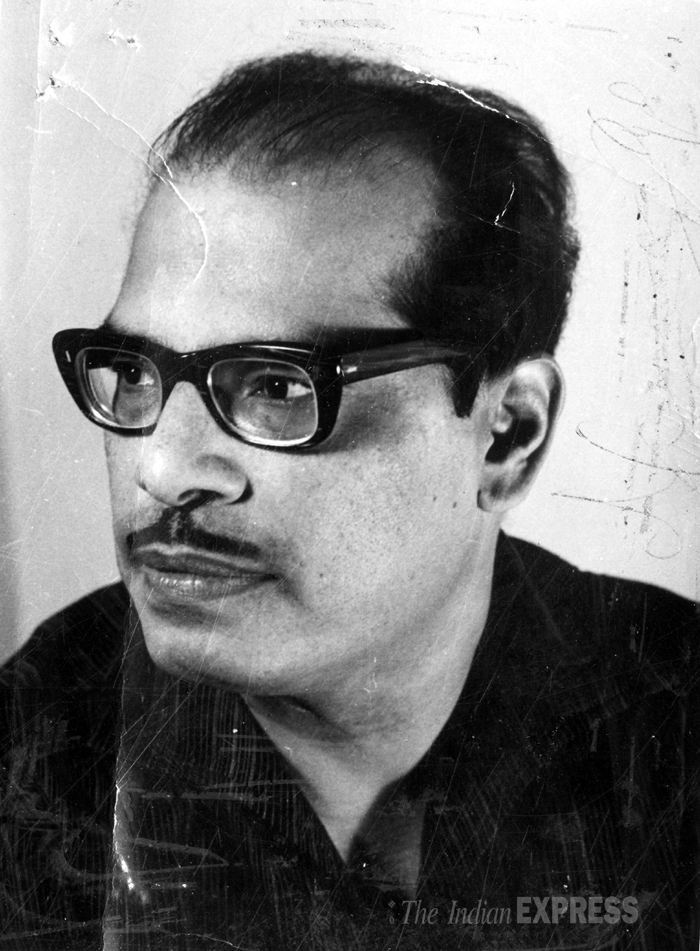
A unique voice with a classical touch, Manna Dey, Chandigarh, India, 1983
A captivating ballet, Swan Lake, Moscow, Russia, 1989 One of the great voices of India, Shubha Mudgal, Chennai, India, 1996

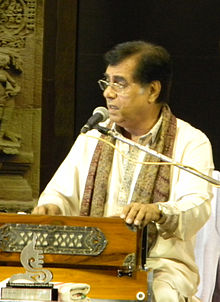
A velvet-like voice and some exquisite Urdu ghazals, Jagjit Singh, Chennai, India, 1998
Fluid notes of the flute, Shashank, Tiruvannamalai, India, 2000

Swaying with the beats, Ustad Zakir Hussain, Chennai, India, 2001

Enchanting Bharatnatyam, Mallika Sarabhai, Auroville, India, 2004

Captivating and graceful Kathak, Uma Sharma, Auroville, India, 2006

Rapturous notes on the sitar, Pandit Ravi Shankar and Anoushka Shankar, Chennai, India, 2008
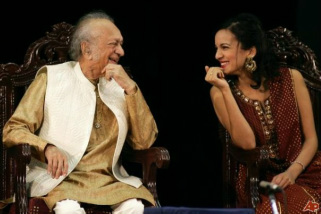
Flowing with the tide of Sufi music, Abida Parveen, Chennai, India, 2009

Rich tapestry of melody, Kalapini Komalini, Auroville, India, 2010
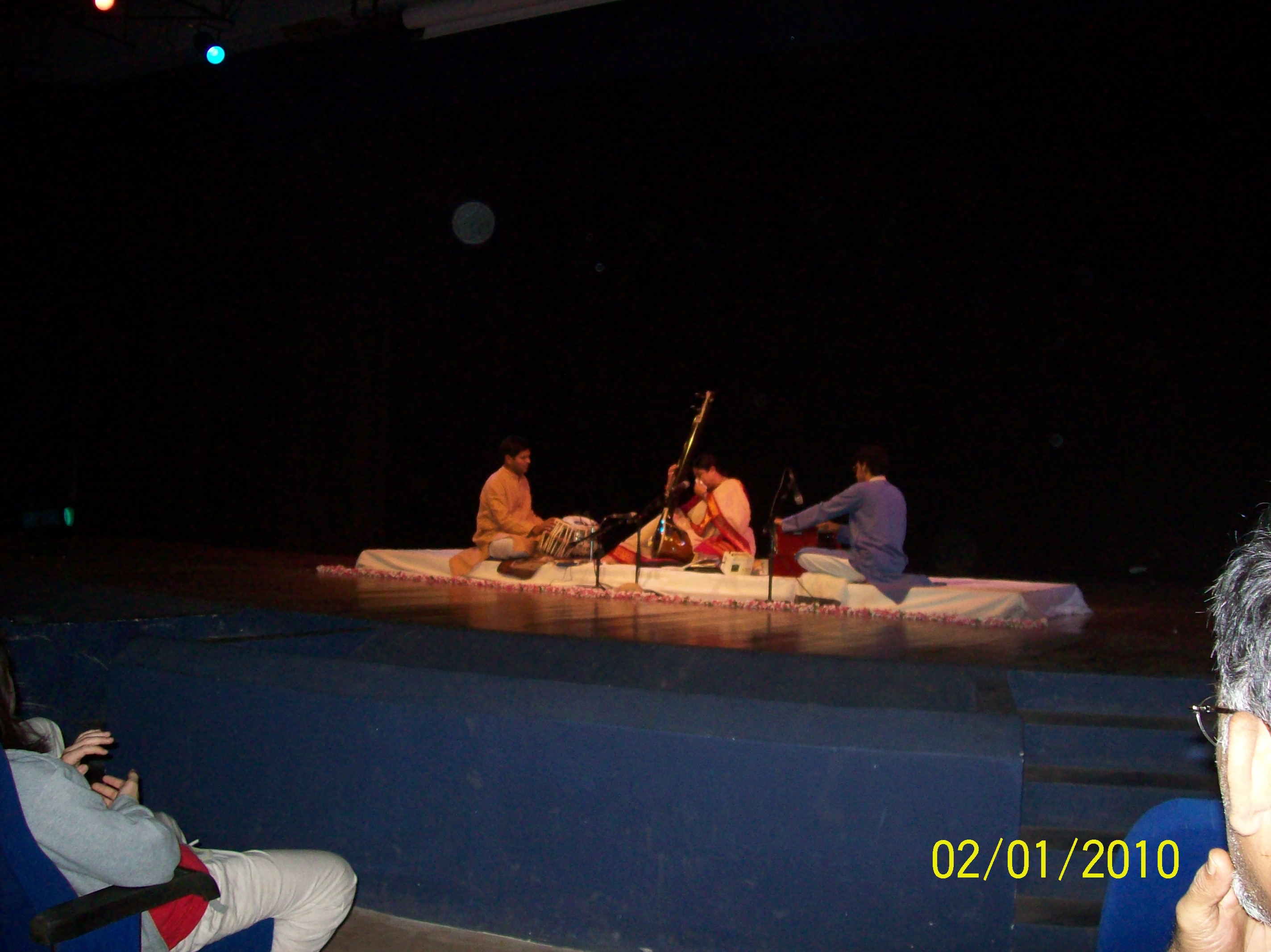
Haunting sounds of the flute, Pandit Hariprasad Chaurasia, Pondicherry, India, 2010

Experiencing devotional ecstasy, Parvathy Baul, Pondicherry, India, 2011

Casting a spell with local folk music, Obwald Bhutan Appenzell, Sarnen, Switzerland, 2012

Sonorous chants of the monks from Bhutan, Sarnen, Switzerland, 2012

Mesmerizing harmony of St. Louis Symphony, David Robertson, Lucerne, Switzerland, 2012
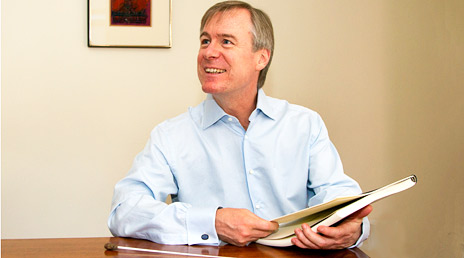
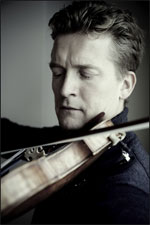
Captivating notes of the violin, Christian Tetzlaff, Lucerne, Switzerland, 2012
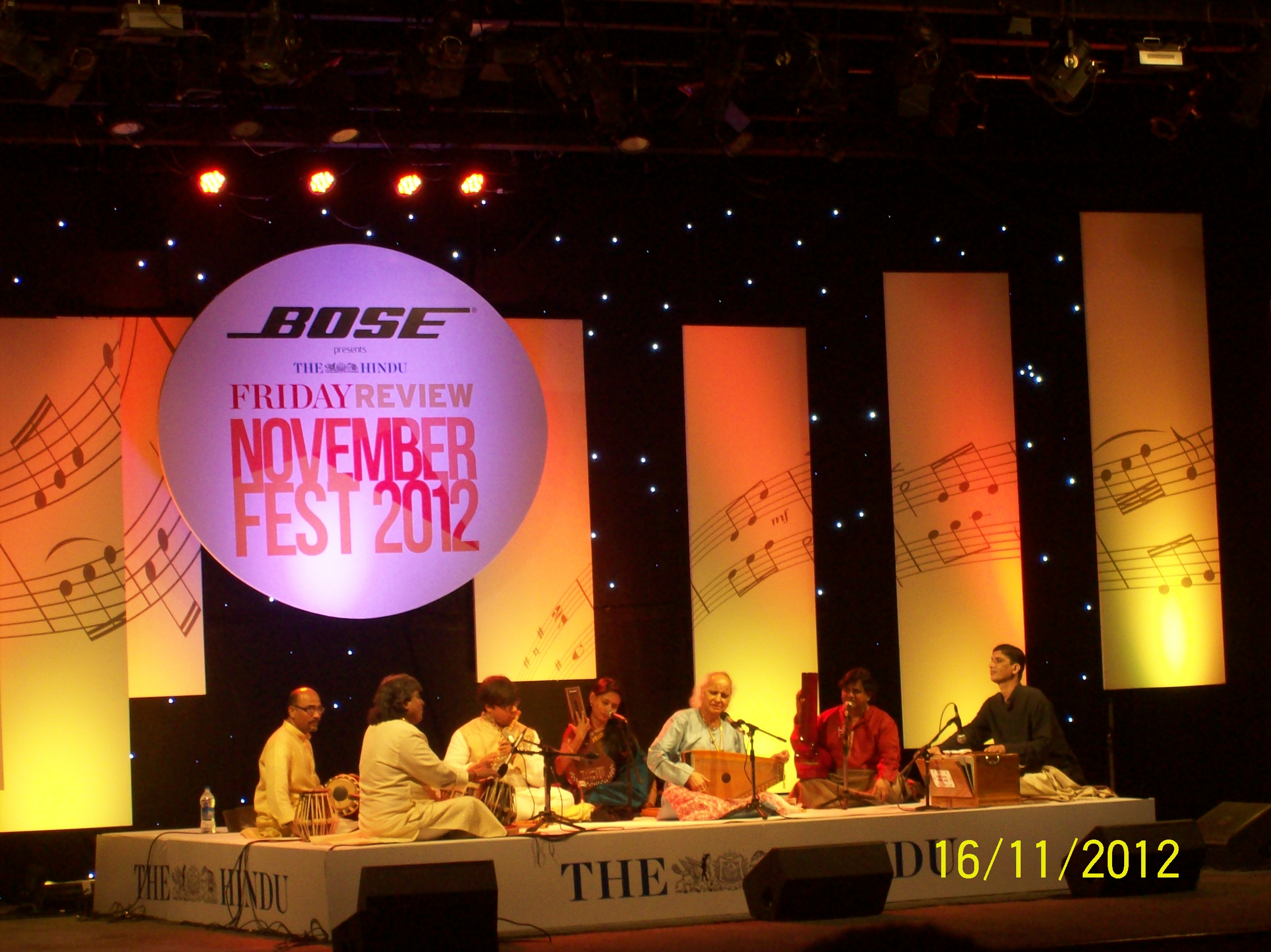
Sheer bliss of virtuosity in Hindustani classical music, Pandit Jasraj, Chennai, India, 2012
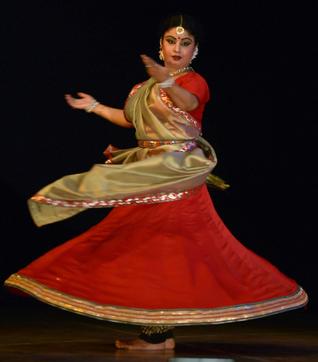
Mesmerizing steps of Kathak, Mahua Shankar, Pondicherry, India, 2014
Improvisations on the santoor, Pandit Shiv Kumar Sharma, Pondicherry, India, 2014

The spirit of perfection such artists imbibe is worth emulating for those who truly wish to excel in any field of life. They could be first-generation enthusiasts. Or, they could be from illustrious families with true blue artistic blood coursing through their veins. Invariably, their humility is praiseworthy. The magic latent in their fingers, vocal chords and lissome bodies leaves us spellbound. What they offer somehow resonates with our inner being.
Music is indeed food for the soul. The genre does not really matter. Our choices and preferences may differ widely. But what matters is the way it touches our hearts. We just need to feel it. We merely need to go with the flow. If we bring in our minds and try to analyze it, we just end up losing the charm and the essence of it.
Music makes us experience a glowing harmony between our inner and outer selves. It helps us to dig beneath the veneer of several masks that we wear in our mundane life. It also acts as a catalyst in our quest for our true inner selves. Indeed, it is a true friend of our souls!
Does this post remind you of the kind of musical encounters you have experienced? Would you like to share these with some of us in the blogosphere?!
(Some of the photographs appearing in this post are from the personal collection of yours faithfully. Others are courtesy the world-wide-web. These may not correspond to the specific live performance covered here.)
-
Recent Posts
Buy the Book
Buy the Book

buy the book

Categories
-
cc
Tags
Art Bertie Wooster Bhagavad Gita Bingo Little Birthday Blake Mouton Grid Blogging Bollywood Book Campus Life CEO Chivalry Consciousness Coronavirus Corporate Dharma Corruption Empress of Blandings English Ethics Feminism Happiness Health Hindi Hollywood Human Values Humour India Jeeves Kalidasa KIds Leadership linkedin Literature Lord Emsworth Love Lyrics Mahabharata Mahatma Gandhi Management Movies Music Norway Paintings Panjab University People P G Wodehouse Politics Pondicherry Portugal Psmith Puducherry Rabindranath Tagore Ramayana Ritusamhara R K Laxman Romance Rosie M Banks Rupert Psmith Shakespeare Social Media Something Fresh Songs SPANDAN Spirituality SQ Sri Aurobindo Stephen Covey Switzerland Tatas Thos UBS Values Wodehousitis Women Work Life BalanceArchives
- September 2026 (5)
- August 2026 (7)
- July 2026 (8)
- June 2026 (6)
- May 2026 (5)
- April 2026 (3)
- March 2026 (2)
- February 2026 (5)
- January 2026 (2)
- December 2025 (1)
- November 2025 (2)
- October 2025 (2)
- September 2025 (3)
- August 2025 (3)
- July 2025 (2)
- June 2025 (2)
- May 2025 (4)
- April 2025 (5)
- March 2025 (5)
- February 2025 (4)
- January 2025 (4)
- December 2024 (6)
- November 2024 (6)
- October 2024 (6)
- September 2024 (5)
- August 2024 (5)
- July 2024 (4)
- June 2024 (4)
- May 2024 (5)
- April 2024 (5)
- March 2024 (3)
- February 2024 (1)
- January 2024 (4)
- December 2023 (2)
- November 2023 (3)
- October 2023 (3)
- September 2023 (3)
- August 2023 (5)
- July 2023 (5)
- June 2023 (7)
- May 2023 (6)
- April 2023 (6)
- March 2023 (8)
- February 2023 (8)
- January 2023 (7)
- December 2022 (6)
- November 2022 (5)
- October 2022 (8)
- September 2022 (5)
- August 2022 (6)
- July 2022 (6)
- June 2022 (8)
- May 2022 (7)
- April 2022 (8)
- March 2022 (7)
- February 2022 (3)
- January 2022 (7)
- December 2021 (4)
- November 2021 (8)
- October 2021 (7)
- September 2021 (6)
- August 2021 (7)
- July 2021 (7)
- June 2021 (9)
- May 2021 (8)
- April 2021 (9)
- March 2021 (10)
- February 2021 (8)
- January 2021 (8)
- December 2020 (7)
- November 2020 (6)
- October 2020 (5)
- September 2020 (9)
- August 2020 (9)
- July 2020 (8)
- June 2020 (8)
- May 2020 (6)
- April 2020 (5)
- March 2020 (7)
- February 2020 (4)
- January 2020 (7)
- December 2019 (12)
- November 2019 (10)
- October 2019 (5)
- September 2019 (9)
- August 2019 (10)
- July 2019 (9)
- June 2019 (14)
- May 2019 (13)
- April 2019 (14)
- March 2019 (11)
- February 2019 (11)
- January 2019 (14)
- December 2018 (12)
- November 2018 (12)
- October 2018 (14)
- September 2018 (9)
- August 2018 (10)
- July 2018 (10)
- June 2018 (8)
- May 2018 (11)
- April 2018 (11)
- March 2018 (6)
- February 2018 (9)
- January 2018 (10)
- December 2017 (10)
- November 2017 (9)
- October 2017 (8)
- September 2017 (11)
- August 2017 (10)
- July 2017 (10)
- June 2017 (11)
- May 2017 (9)
- April 2017 (7)
- March 2017 (7)
- February 2017 (8)
- January 2017 (10)
- December 2016 (9)
- November 2016 (11)
- October 2016 (10)
- September 2016 (10)
- August 2016 (9)
- July 2016 (6)
- June 2016 (10)
- May 2016 (10)
- April 2016 (10)
- March 2016 (10)
- February 2016 (12)
- January 2016 (10)
- December 2015 (11)
- November 2015 (11)
- October 2015 (10)
- September 2015 (10)
- August 2015 (10)
- July 2015 (10)
- June 2015 (10)
- May 2015 (10)
- April 2015 (10)
- March 2015 (9)
- February 2015 (10)
- January 2015 (8)
- December 2014 (9)
- November 2014 (8)
- October 2014 (8)
- September 2014 (7)
- August 2014 (7)
- July 2014 (7)
- June 2014 (7)
- May 2014 (7)
- April 2014 (7)
- March 2014 (7)
- February 2014 (6)
- January 2014 (7)
- December 2013 (6)
- November 2013 (6)
- October 2013 (6)
- September 2013 (6)
- August 2013 (6)
- July 2013 (6)
- June 2013 (6)
- May 2013 (6)
- April 2013 (6)
- March 2013 (6)
- February 2013 (6)
- January 2013 (6)
- December 2012 (4)
- November 2012 (4)
- October 2012 (3)
- September 2012 (2)
- August 2012 (4)
- July 2012 (2)
- June 2012 (2)
- May 2012 (2)
- April 2012 (2)
- March 2012 (2)
- February 2012 (3)
- December 2011 (3)
- November 2011 (1)
- October 2011 (2)
- September 2011 (2)
- August 2011 (2)
- July 2011 (2)
- June 2011 (3)

 ashokbhatia