Feeds:
Posts
Comments

Posts Tagged ‘Amul’

Those who aspire to occupy a C-suite keep an ear to the ground. But the real fun begins when they end up occupying one. Soon, they realise the perils of trying to swim in the Zambezi River on the Dark Continent. To their utter horror, they discover that mixed-bathing practices are in vogue and that their dip is being shared by a couple of young crocodiles. What leaves them literally cold in the feet are the penetrating and unfriendly eyes of some of the crocodiles swimming alongside, who take a jaundiced view of their habitat being infested with a juicy specimen of the tribe of Homo sapiens. Quite a few others are gleeful, drooling over a good source of their daily vitamins.

These crocodiles might as well be representing the kind of challenges C-suite occupants typically face—business goals, quarterly guidelines, macroeconomic shocks, dark clouds of wars and geopolitical tensions, pandemics, investor pressure, ethical dilemmas, redesigning business processes given newer frontiers of technology opening up, the advent of retaining high octane performers, compliances of all kinds, burnouts, employee morale, to cite only a few.

Business Leaders of the Future and Compassionate Capitalism

Enlightened businesses have invariably used a judicious mix of commercial and spiritual tenets to run their operations. Many of our Indian business leaders— J.R.D. Tata, Ardeshir Godrej, Verghese Kurien and R.K. Talwar, to name only a few—have guided their businesses thus. The last two, famous for the ‘milk revolution’ and the growth of the State Bank of India, respectively, have spoken of the influence of the Bhagavad Gita on their actions.

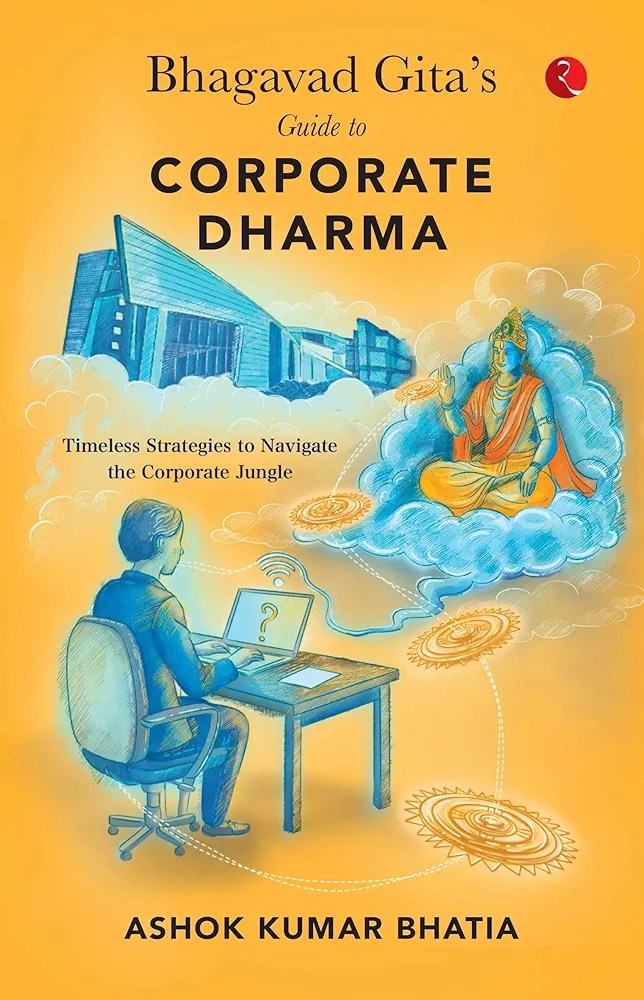
(An excerpt from my latest book, ‘Bhagavad Gita’s Guide to Corporate Dharma.’)

For orders from within India

For orders from outside India
Read Full Post »

The Bhagavad Gita touches upon this facet of our professional and personal lives as follows:

कर्मणैव हि संसिद्धिमास्थिता जनकादय: |
लोकसंग्रहमेवापि सम्पश्यन्कर्तुमर्हसि || 3.20||

By action only, indeed, Janaka and others gained perfection. Moreover, even looking to the welfare of the world, you should perform action.

We could interpret the term ‘welfare of the world’ in different ways. Sustainability and care for the environment and for local communities is one way. Running operations without being prejudiced about caste, colour, sex, or creed could be another way. Ensuring that the package disparity between different levels in the organisation is kept in check is yet another way. Living by setting good examples for others is one more way.

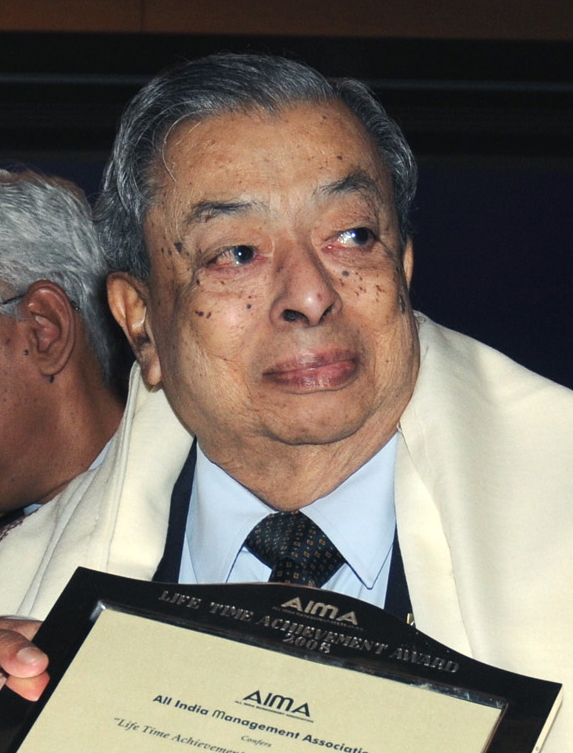
Dr Verghese Kurien, the person responsible for the White Revolution of India, lived a life which did not involve giving up worldly pleasures; yet, he practised a philosophy of ‘living for others.’ In his biography, he states that:

…but if you work for others, there is a deeper sense of fulfilment, and if things are handled well, the money too is more than adequate.

As stated by Dr Kurien, actions which benefit others lead to happiness within.

(An excerpt from my latest book, ‘Bhagavad Gita’s Guide to Corporate Dharma.’)

Related Posts

For orders from within India

For orders from outside India

Read Full Post »

Here is an inspiring narrative covering the Milk Revolution of India. When innovation meets conviction and guts, the society benefits.

In case you wish to read a brief on Amul, here is yet another utterly butterly delicious post that you may like:

http://life11.org/2015/05/08/amul-indias-beloved-brand.

Enjoy!

Wordsmith's avatarA Writer's Notebook.

Amul has instant recall in our minds – images of the cute Amul moppet girl, their priceless topical ads, Amul butter, Amul milk, Taste of India, all come instantly to our notice. We don’t quite realize the story within which would have images of – Dr. Verghese Kurien, White Revolution, Operation Flood, NDDB, GCMMF, milk co-operative movement, milk movie Manthan, etc.

The book (I too had a dream) is less of an autobiography – fleeting personal details are mentioned – but it is a great narrative of India’s milk revolution. From a country struggling with milk production and per capita consumption, a great journey has been covered wherein we are now the second largest milk producers in the world and have significantly improved on consumption per capita as well.

Dr. Kurien has set the narrative but it has been scribed by Ms. Gouri Salvi. It provides great insight into India’s…

View original post 752 more words

Read Full Post »