Feeds:
Posts
Comments

Posts Tagged ‘India’

The Indian Republic is awash with fresh winds of change these days. New policies and programs are getting rolled out. Animal spirits of the economy are attempting to come out of a period of relative hibernation. Start-ups of all sizes and shapes are mushrooming by leaps and bounds. World leaders appear to be courting India in the hope that their own countries become an integral part of the growth story of India.happy-republic-day
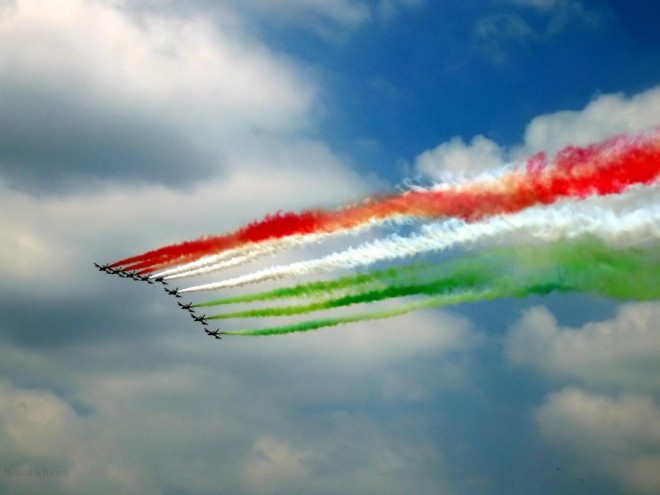
Our science historians are busy digging up the glory of our ancient knowledge. Flying contraptions, genetic feats and precision surgical achievements of yore dominate the public discourse. Educationists are busy twiddling their thumbs trying to figure out ways of revamping the entire education system.

Some of our religious and political leaders are busy exhorting young women to reproduce at a higher rate, so the future of the country is brighter. Reversing the inverted triangle in red which denoted the family control program a few decades back, they are telling the delicately nurtured that having only two children will no longer work. Some advocate having five, some ten.

In these testosterone-driven times, those who have entrepreneurial inclinations could perhaps consider the following start-up ideas in the year to come:

1. KamaSutra.com
Taking advantage of the profound wisdom enshrined in ancient Indian texts, such start-ups would fire up the romantic fervor of those in the reproductive age group. Nothing vulgar and illegal would appear here. The content would merely offer simplified lessons in social and dating etiquette, personal hygiene, and reproductive pursuits of all kinds. Guidance would be available on the comparative merits and efficacy of all kinds of libido-enhancing supplements.

2. DesignerBabies.com
Some of the delicately nurtured might take a leaf out of our ancient scriptures like the Ramayana and Mahabharata. Estrogen-enriched sweets and savouries would be on offer here. For securing designer babies, the high standards set by some of the women in our epics would be followed. Demand for high quality sperms of illustrious figures from our armed forces, sports, entertainment and business arenas would be met by these start-ups, albeit at a premium. Sperm banks would be created and aggressively marketed.

3. Priest.com
For the religiously inclined, wanting to invoke Gods and Goddesses representing diverse virtues, these start-ups would provide wide-ranging ceremonial and IVF services. Invocating, propitiating and bidding farewell to entities from higher realms would get covered. Special designer packages would also be on offer.

4. GrandMom.com
This one would address all the neo-natal and post-natal services required by young women who wish to contribute towards the endeavor of nation building. For couples who have to overcome fertility issues, these start-ups would offer free advice and a listing of all fertility clinics in each district of the country. The government could announce special awards and incentives to honor those who deliver quadruplets and higher multiples of young babies in a single shot.

5. BackToTheFuture.com
Since our health infrastructure would be left gasping to handle the sudden surge in demand, start-ups in this category would promote the practice of home deliveries. It would provide on-call services of midwives who are adept at handling deliveries in the comfort of one’s own house. With internet accessibility improving, deliveries would be guided over Skype and Viber, thereby making life easier for wannabe mothers in the hinterland.

6. Lakshmi.com
Herein lies a unique opportunity to correct the adverse gender ratio in most parts of the country. Start-ups in this category would facilitate the proliferation of female babies as opposed to male ones. Over a period of time, when the country has a marginal excess of the delicately nurtured, their harassment would become a thing of the past. Female power would rule the roost.

7. TinyTots.com
To handle the rush of baby boomers, a string of preparatory schools would be on offer here. Teachers wanting to get trained to higher levels of proficiency would get directed to educational outfits specializing in this area. The need for additional educational facilities would be addressed in a mission mode.

8. ToysAndLiterature.com
The new wave of babies would need to be entertained, amused and kept busy. Toys, accessories and all related items would need to be made in India. Comic strip producers will need to scale up their capacities. Games and apps based on our epics would need to be developed and made available, so the hassled parents can upload these onto their latest kid-friendly tablets and enable the young ones to learn India’s ancient values and social mores.

9. Nanny.com
The demand for well-behaved nannies would undergo a quantum jump. Start-ups in this category would identify, train and place highly proficient nannies. Couples desirous of having such services without any interruption would get a nanny within a few hours of the earlier distraught one having left the household.

The possibilities are limitless. The mind boggles. Different sectors in manufacturing as well as in services would witness a boom. Mop up of direct as well as indirect taxes would exceed all targets.

Here is a call to all the young and patriotic citizens of India to gird up those loins, oil those wombs and get down to some serious work. There could be no better way of celebrating our 66th Republic Day.

Read Full Post »

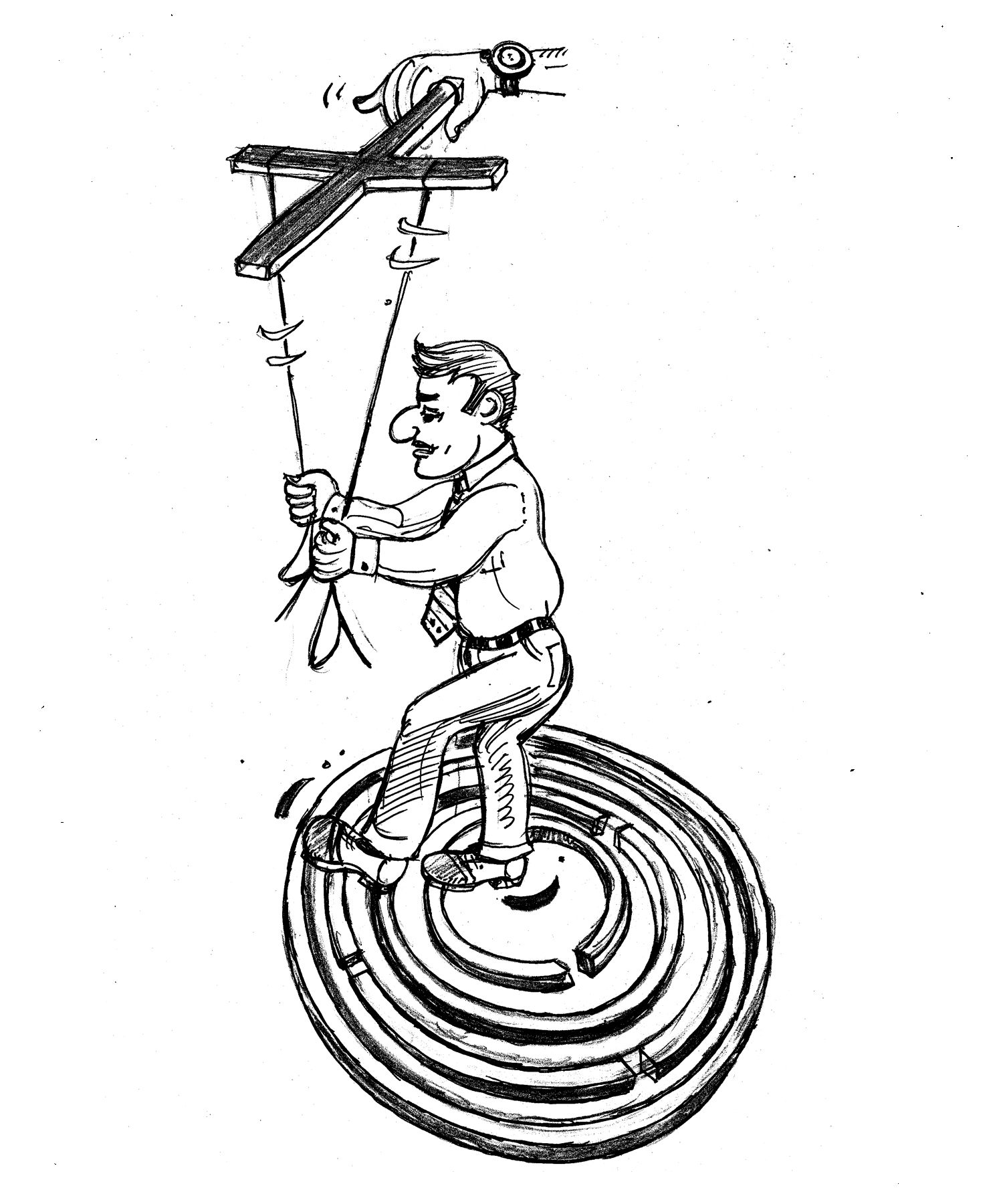
The new government in India has promised to cut red tape and substitute it with a red carpet. This is a great promise, but one has to wait and see how it actually unfolds. India has a federal structure in place. So, unless states come on board, wannabe entrepreneurs might still be found running from pillar to post negotiating their way through the dense maze of policies, procedures and rules at all levels. A major MNC recently stated that as many as 167 approvals were required before its project could see the light of the day.

The Doing Business 2013 report of the World Bank ranks India at 134 out of 189 countries in ease of doing business. India has questioned the methodology of the World Bank. This could satisfy the ego of some patriots amongst us. But the stark reality is that the costs of setting up and running a business in India are unreasonably high.

One also needs to consider the fact that India’s infrastructure is anything but world-class. There is a mismatch between the skill set available in the labor market and the needs of the industry. Policy framework is inconsistent, giving rise to a sense of uncertainty in the mind of investors. Add to this India’s poor record in enforcing contracts due to legal delays and the tendency to slap taxes on a retrospective basis, and the high level of discomfort experienced by investors can be readily explained.

One of the most serious stumbling blocks to India’s growth story is the widespread corruption. Businesses which are driven by pure greed find this rather handy. But those which stand by business ethics and operate within the paradigm of a value system detest this scenario. The latter surely deserve all the encouragement they can get.

The new government in India would do a great service to the nation by seriously cracking down on corruption. Some baby steps do appear to have been taken, but these do not attack the root cause of the problem. It is good to chase black money stashed abroad. But steps need to be taken to stem the rot at the root level itself.

Here are some steps which could possibly help to curb the growth of the cancer of corruption:

  • Political funding needs to be brought on a transparent plane. This can only be done if there is a clear message that witch-hunting of businesses, especially in case of a change of regime, would not take place. Suitable changes in India’s taxation laws would also help. Till the time political expenditure remains obscure, red tape would continue to hinder the country’s growth.
  • Bureaucracy performs a critical function. Safeguards can be improved. A well thought-out stick-and-carrot policy can be introduced and then ruthlessly implemented. This would ensure that the tendency of some to seek rent for grant of mandatory approvals is curbed.
  • A strategic policy for use of natural resources needs to be announced and implemented. It is not only about mineral resources but also about India’s rivers, airwaves and other bounties of nature.
  • Real estate sector needs structural reforms. A stronger MIS system is the need of the hour. Uniform rates of stamp duties attracted by property transactions across the country would go a long way in creating a level-playing field. Administering collections and detecting frauds would also become easier.
  • Pushing through DTC and GST would result in better revenues. This would give the government better leeway to reduce taxes across the board. In turn, this would improve Indians’ collective honesty levels.

On their part, businesses also need to do some soul-searching. By raising the bar higher on the compliance front, they could improve their market valuation. Their brand image is bound to get a makeover for the good. In turn, this helps them to attract more business as also more skilled employees.

Once a demonstration effect sets in, the government machinery would also develop confidence and stop viewing them through a jaundiced lens of suspicion. Instead, this would enable the government to go ahead with self-certification in several areas, thereby utilizing its own human resources better.

All of these are bitter pills to swallow. But unless this pain and suffering of chemotherapy and surgery is undergone, the cancer of corruption would continue to thrive. A strong political will alone can achieve this cure of the Indian system.

[Related posts:

https://ashokbhatia.wordpress.com/2014/05/03/a-16-point-agenda-for-the-16th-lok-sabha-of-india

https://ashokbhatia.wordpress.com/2013/04/14/combating-the-cancer-of-corruption%5D

Read Full Post »

For those of us Indians who just love berating themselves, here is a great morale booster. We get ruled more by our hearts, rather than by our minds. I believe this a major trait which supplements the ones listed in this interesting blog post!

Read Full Post »

Having settled back in the shadow of the Alps yet again, I am filled with a sense of exhilaration and awe. The heat of India has got replaced by the chill of melting snow. TheSwiss Zermatt dust has given way to fresh air which is invigorating. In the cobbled streets, litter is missing. The greenery and the snow-capped mountains are a relief for the eyes. The ears are just about getting used to the soothing silence which has replaced the relentless honking on Indian roads. Courtesy in public spaces is once again leaving me dumbstruck.

But the stark contrasts do not end at the physical level. There are differences in the mental make up. The value systems which govern our behavior appear to be differently configured. The forces of nature and nurture which have shaped our personalities are quite different.

East and West can both learn quite a few things from each other.

What Indians can learn from the West

  • Respecting the Public Good

In the West, we find better respect for the public good. For instance, public spaces are cleaner and drivers on roads are courteous. On the contrary, in India, we keep our houses values cartoon corruptionclean and water our gardens everyday – but, when we go to the beach front, we litter the place with gay abandon.

In an office setting, a friendly colleague could get chastised for being careless on a project. In India, a criticism would either not be made – so it may not hurt the feelings of a friend – or taken personally by the recipient.

Corruption is another manifestation of the same lack of concern for the common good. Society is relatively corruption free in the West. In India, corruption, tax evasion, cheating and bribery have become a part of daily routine.

Apathy towards solving problems which affect the ordinary citizen is another dimension. In the West, people form groups to solve common problems in a proactive manner. In India, we see serious problems around us but do not try to solve them. We either believe that the problems do not impact us directly, or it is for someone else to resolve the issues.

  • Openness to Learning

If we have to progress, we have to change this attitude, listen to people who have performed better than us, learn from them and perform better than them. In India, we appear to have perfected the art of rationalizing our failures and explaining them off by misquoting our scriptures. We are good at finding excuses to justify our incompetence, corruption, and apathy. This attitude will not do.

  • Accountability based on the RoleAccessibility

Another interesting attribute that we Indians need to learn from the West is that of accountability. Irrespective of your position, in the West, you are held accountable for what you do. However, in India, the more ‘important’ you are, the less answerable you are.

Organizations whose top honchos indulge in illicit relations with their team members need to be pulled up and acted against as firmly as a junior cashier who siphons off money from the till.

  • Dignity of Labor

Dignity of labor is an integral part of the Western value system. In the West, each person is proud about his or her labor that raises honest sweat. On the other hand, in India, we have a mindset that respects only supposedly intellectual work.

A peon deserves as much respect as a Head of the Department. CEOs whose fragile egos are shaken by someone else parking his/her car in the normal slot needs to do some introspection.

  • Discriminating between Intimacy and Friendliness

Indians tend to become intimate even without being friendly. They ask favors of strangers without any hesitation. Rudyard Kipling once said: A westerner can be friendly without being intimate while an easterner tends to be intimate without being friendly.

Those who have worked as expatriates in another cultural setting would readily attest to this.

  • A Professional ApproachWORK-LIFE BALANCE

In India, more than 70% of the time of senior managers is spent on follow-ups; just ensuring that what is committed is indeed delivered. Delays are easily explained, and so are cost over-runs. Keeping a person unduly waiting is a sure sign of seniority in an Indian organization.

Here is yet another lesson to be learnt from the West – that of professionalism in dealings. Managements in the West ensure better work-life balance for their employees.

What the West can learn from India

  • Loyalty towards FamilyZOMBIES

Indians are part of a culture which has deep-rooted family values. We have tremendous loyalty to the family. For instance, parents make enormous sacrifices for their children. They support them until they can stand on their own feet. On the other side, children consider it their duty to take care of aged parents.

In organizations, we often find executives who are competent as well as extremely loyal. Also, respect for seniors is deeply ingrained in the system. There are times when juniors find it tough to take independent decisions. Very few are adept at registering a dissent with their seniors. Successful organizations have a culture which is designed to overcome such handicaps.

  • Family: A Critical Support Mechanism

One of the key strengths of Indian values is the presence of so much love and affection in the family life. In India, families act as a critical support mechanism for employees. Thus, resilience is better.

In the West, it is common to have break-ups when the career prospects of a manager nosedive. This adds to the stress experienced by a manager. Mental disorders present a much greater challenge. Predominantly, life has a materialistic approach, leading to a vacuum within.

  • Managing Chaos

Indians have improved upon the art of managing chaos and disorder. Even in high entropy situations, Indians tend to keep their nerve. Perhaps, this leads to better levels of perseverance as well.

Successful management of a human congregation like the Kumbh Mela is but one example of this trait.

  • Facing Adversity with EquanimityFeatured Image -- 1211

Upbringing steeped in religion and spirituality enables an average Indian to face adversity and failures with equanimity.

Learning from Different Value Systems

Values are like mountains. They have survived for centuries and shall continue to do so much after we have kicked the bucket. Universal common denominator is that of, say, love and affection. Over and above that, value systems differ across continents and cultures. When it comes to values, every culture has its own Unique Selling Proposition.

In this age of globalization and connectivity, mingling of diverse cultures is bound to happen. Learning from other value systems and adapting their good features is the only way to enable humanity to realize its full potential faster and better.

Read Full Post »

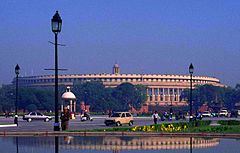
The heat, the dust and the vitriol thrown up by the campaign for general elections in India has already started fading away from public memory. Media has had a field day, what with rival claims being made by the contestants in the fray. Quite a few voters have been at a receiving end of a different kind; of freebies, money and liquor. In some pockets, sheer muscle power has been on overt display. Some armchair revolutionaries are disappointed; when it comes to real issues, whether in the realm of economy, diplomatic relations or delivery of public services, very little light has been generated in the past few months.SansadBhavan

The denizens desperately hope to collectively bring in a stable and strong government at the centre. They also realize that it is the right time to set the agenda for the 16th Lok Sabha.

Here are a few things which our new representatives need to consider:

1. Boosting infrastructure across the board, especially in the farm sector.
2. Containing inflation.
3. Giving an impetus to manufacturing, especially to check projected imports of IT products and selected white goods in the years to come.
4. Simplifying investment processes with clear goal posts.
5. Boosting revenue and simplifying indirect taxation by introducing GST in a time-bound manner. Bringing in DTC so as to reform direct taxation.
6. Revamping our definition of growth which should include not only economic growth but also social indicators like the Millenium Development Goals. Eventually, like one of our neighbours, a Gross Happiness Index should become the cornerstone of public policies.
7. Upgrading skill development mission and related programs so as to reap the benefits of the demographic dividend.
8. Instituting Power and Coal sector reforms.
9. Redefining basic principles of natural resource allocation.
10. Judicial reforms.
11. Law and order reforms.
12. Political reforms, especially in the areas of poll funding and decriminalization.
13. Curbing the parallel economy; building sector reforms and rationalization of stamp duties.
14. Implementing women’s reservation in all legislative bodies, public services and institutions. Enabling women’s education, empowerment and safety.
15. Focusing on IT-based enablement of citizens. Building on Aadhar card to improve the delivery of services to citizens. Replacing ‘narrow band’ by broadband. Special focus on the greying population.
16. Restoring the dignity of our legislative bodies.

A heartening feature of the 2014 election campaign has been the higher voter turnout. The aggregate turnout so far in the first 7 phases for 438 parliamentary seats has been 66.20%, significantly more than 57.41% figure in 2009 general elections. It appears that the silent majority wants to register its aspirations more effectively. This is a clear indication that our politicos need to sink their differences and work together for improving the quality of life of all its citizens.

Concerned citizens eagerly await the future contours of their ‘tryst with destiny’ to emerge on the 16th of May, 2014. Irrespective of the shape and composition of the new government which takes charge, a vigorous thrust in the areas mentioned above alone can ensure that India performs better and improves upon its image and stature in the comity of nations.

Read Full Post »

Music has great power. It touches the innermost recesses of our being. It invigorates. When we attend a concert and soak in music which is uplifting and rich, there are moments when we can hardly bear the sheer bliss. Mellifluous notes surround us. We float in an ocean of musical waves, enjoying its depth and grandeur. We just wish for the time to stop its relentless onward march. We wish to forever live in that frozen moment of inward happiness. We crave to be left alone in space and time.

We live in exciting times. We have geniuses who enthrall us with music of diverse genres. Scintillating dance performances, mesmerizing concerts and rapturous vocals keep us spellbound. Right from the snow-clad Swiss Alps to the lush green plains of India, one is fortunate to have heard and seen maestros who have perfected the art of touching our souls and made us appreciate the nobler aspects of our lives.   

By way of a humble salute to some such maestros, one recalls some encounters of a musical kind.

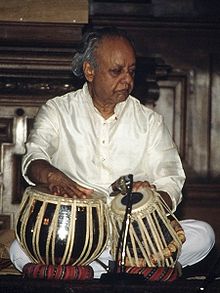
Rythmic repartee on tabla, Ustaad Alla Rakha, Hyderabad, India, 1960

Alla_Rakha

Ram Leela of Sri Ram Bharatiya Kala Kendra, Mathura, India, 1967

Ramlila

Soulful notes of the strings, Ustad Amjad Ali Khan, Chandigarh, India, 1975

Ustad Amjad Ali Khan

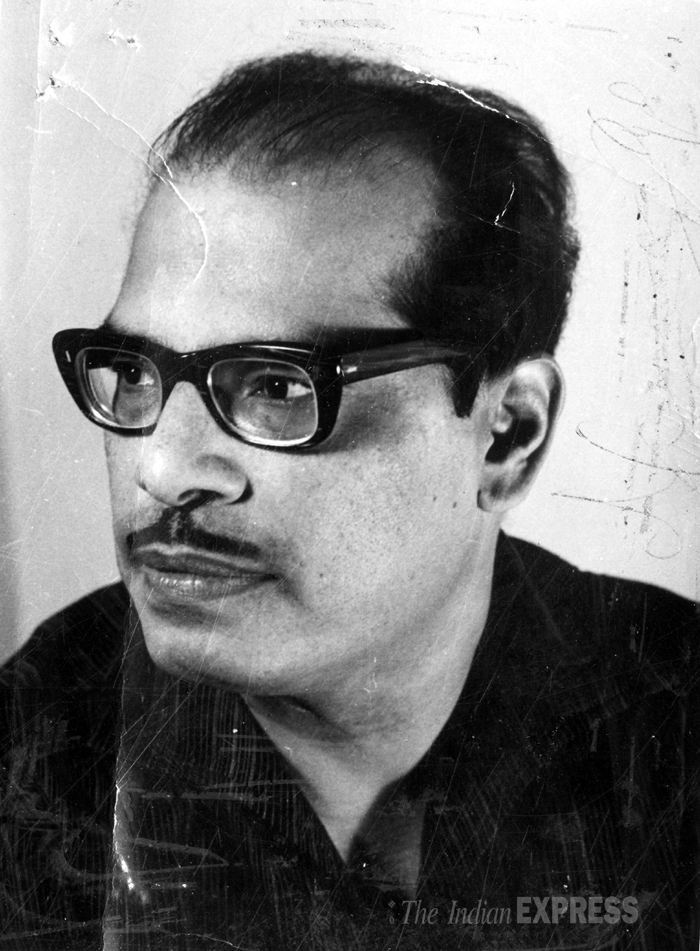
Soft mellifluous rendering of Hindustani Classical music, Pandit Kumar Gandharva, Dewas, India, 1978

Pandit_Kumar_Gandharva

A unique voice with a classical touch, Manna Dey, Chandigarh, India, 1983

manna-dey

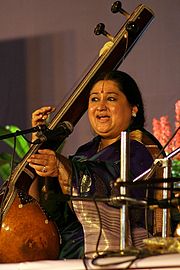
A captivating ballet, Swan Lake, Moscow, Russia, 1989Swan lake balletOne of the great voices of India, Shubha Mudgal, Chennai, India, 1996

Shubha_Mudgal

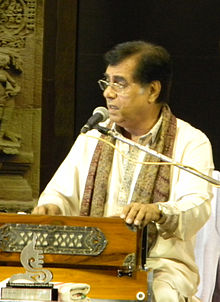
A velvet-like voice and some exquisite Urdu ghazals, Jagjit Singh, Chennai, India, 1998

Jagjit_Singh_(Ghazal_Maestro)

Fluid notes of the flute, Shashank, Tiruvannamalai, India, 2000

shashank 1

Swaying with the beats, Ustad Zakir Hussain, Chennai, India, 2001

Ustad_Zakir_Hussain

Enchanting Bharatnatyam, Mallika Sarabhai, Auroville, India, 2004

mallika_sarabhai

Captivating and graceful Kathak, Uma Sharma, Auroville, India, 2006

uma sharma

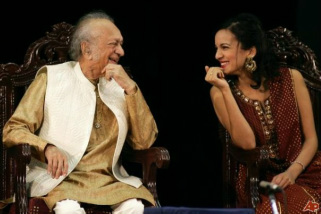
Rapturous notes on the sitar, Pandit Ravi Shankar and Anoushka Shankar, Chennai, India, 2008

ravi and anoushka shankar

Flowing with the tide of Sufi music, Abida Parveen, Chennai, India, 2009

Abida Parveen Nov 09

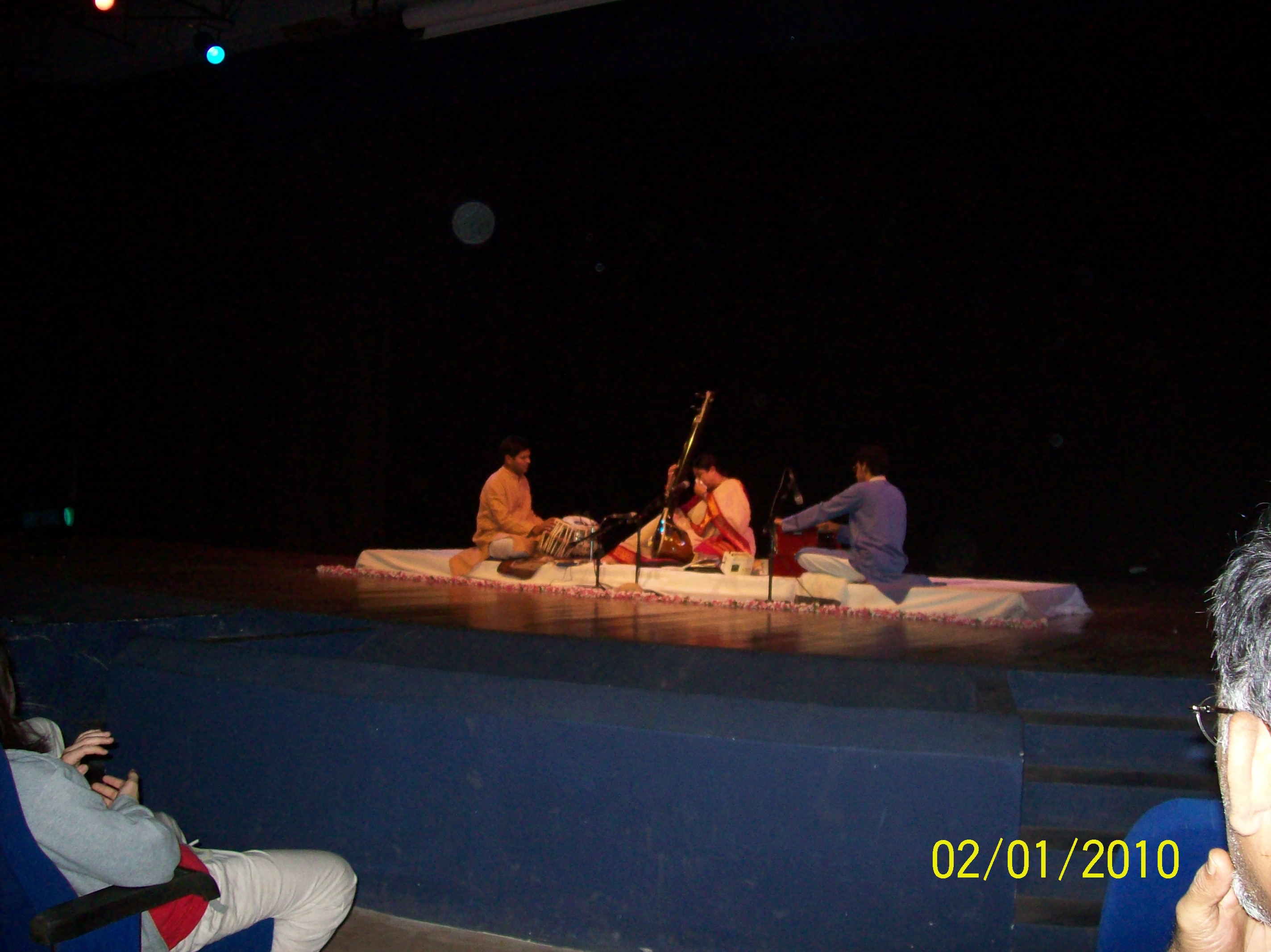
Rich tapestry of melody, Kalapini Komalini, Auroville, India, 2010

Kalapini Komalini Jan 2010 1

Haunting sounds of the flute, Pandit Hariprasad Chaurasia, Pondicherry, India, 2010

220px-Hariprasad_Chaurasia_at_Bhubaneswar,_Odisha

Experiencing devotional ecstasy, Parvathy Baul, Pondicherry, India, 2011

parvathy_baul

Casting a spell with local folk music, Obwald Bhutan Appenzell, Sarnen, Switzerland, 2012

Obwald quartet July 2012

Sonorous chants of the monks from Bhutan, Sarnen, Switzerland, 2012

obwald 2012

Mesmerizing harmony of St. Louis Symphony, David Robertson, Lucerne, Switzerland, 2012

robertson-david

Captivating notes of the violin, Christian Tetzlaff, Lucerne, Switzerland, 2012

christian tetzlaff

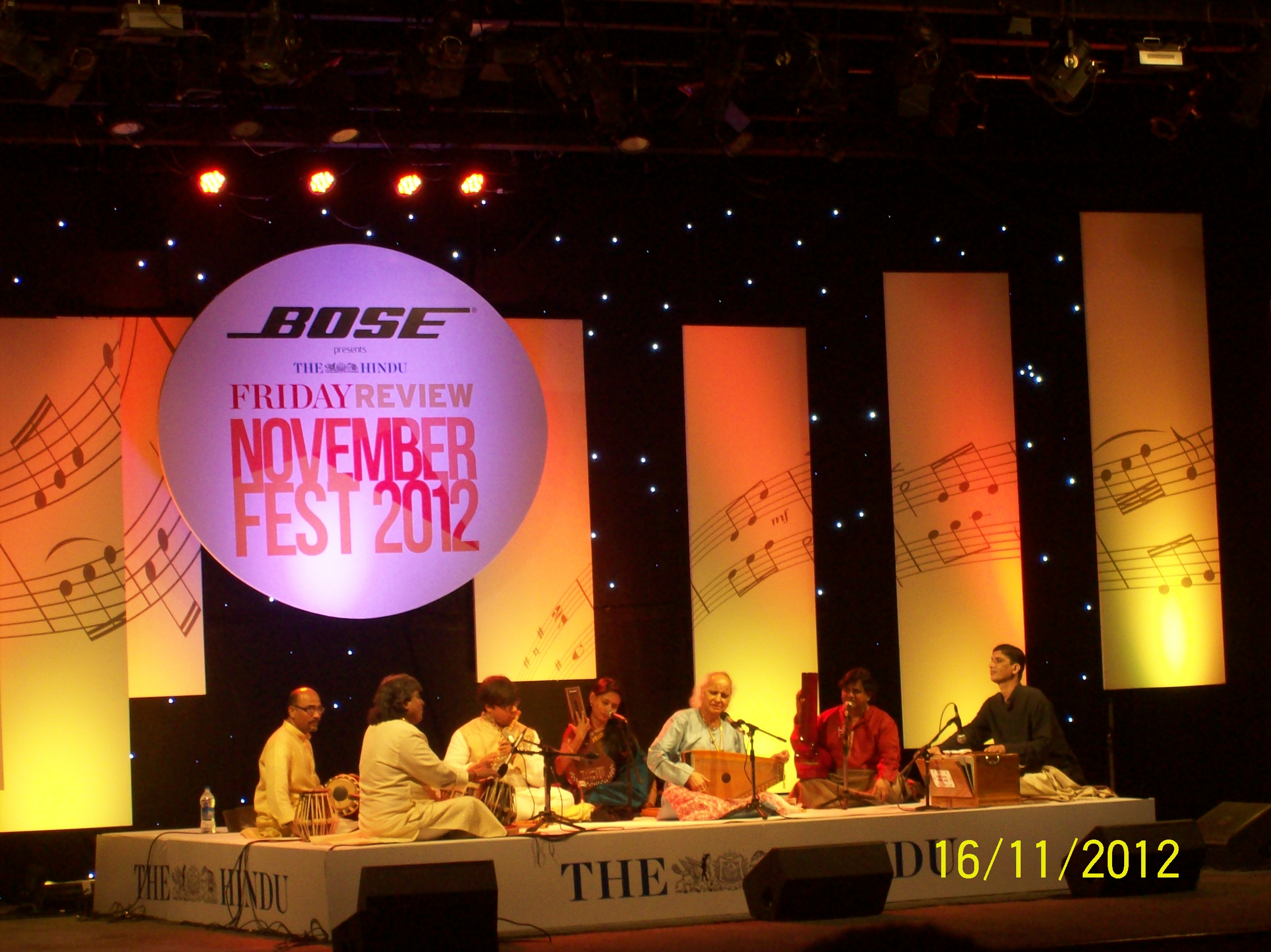
Sheer bliss of virtuosity in Hindustani classical music, Pandit Jasraj, Chennai, India, 2012

Pt Jasraj

Mesmerizing steps of Kathak, Mahua Shankar, Pondicherry, India, 2014

Mahua Shankar

Improvisations on the santoor, Pandit Shiv Kumar Sharma, Pondicherry, India, 2014

Pt Shiv Kumar Sharma Mar 2014

The spirit of perfection such artists imbibe is worth emulating for those who truly wish to excel in any field of life. They could be first-generation enthusiasts. Or, they could be from illustrious families with true blue artistic blood coursing through their veins. Invariably, their humility is praiseworthy. The magic latent in their fingers, vocal chords and lissome bodies leaves us spellbound. What they offer somehow resonates with our inner being.

Music is indeed food for the soul. The genre does not really matter. Our choices and preferences may differ widely. But what matters is the way it touches our hearts. We just need to feel it. We merely need to go with the flow. If we bring in our minds and try to analyze it, we just end up losing the charm and the essence of it.

Music makes us experience a glowing harmony between our inner and outer selves. It helps us to dig beneath the veneer of several masks that we wear in our mundane life. It also acts as a catalyst in our quest for our true inner selves. Indeed, it is a true friend of our souls!

Does this post remind you of the kind of musical encounters you have experienced? Would you like to share these with some of us in the blogosphere?!

(Some of the photographs appearing in this post are from the personal collection of yours faithfully. Others are courtesy the world-wide-web. These may not correspond to the specific live performance covered here.)


Read Full Post »

When one speaks of an Indian-Italian courtship these days, one’s imagination invariably veers around to the recent diplomatic row between the two countries on a matter involving the highest ‘court’ of India and the unfortunate death of two Indian fishermen at the hands of two marines of an Italian ‘ship’. But the ‘courtship’ between the two countries is much broader and deeper than this!

Italy and India are so similar, yet so different. One is a developed country; the other is striving to meet its Ajanta_Padmapanidevelopmental goals. One has a population of 62 million; the other is struggling to cope with its 1.2 billion! Italy is placed 10th in overall GDP terms globally, whereas India is placed at 3rd. In per capita terms though, Italy (USD 30,116) is 29th in the world, whereas India (USD 3,851) is placed 129th!

Yet, the two countries are very similar to each other! Both Italians and Indians tend to be warm-hearted, open and talkative. Both share a common disdain for their politicians and judiciary. Whether it is art and culture, variety of cuisine and language, history and geography, heritage and movies, both share several common characteristics. Both are famous for their movies, motor scooters, cars and gossip magazines.

The Italian Charms!

Indians have fallen for Italian charms since quite some time. During the 1970s, the preferred choice of a scooter in India was Vespa, an Italian brand. Espresso coffee soon followed and quickly became a household name. Pizza was the next to captivate the taste buds of Indians of all age groups. Gucci, Prada, Armani and Versace are already the favourite brands of the well-heeled. Several other major brands – like Alberta Ferreti, Fendi, Byblos and Scorpion Bay, to name only a few – have already firmed up plans to woo the Indian customer in the days to come.Colosseum_in_Rome,_Italy

Each state in India has its own delectable cuisine. Likewise, all the 20 regions of Italy boast of their own cuisines. If India has its paranthas, chhole-kulche and dosas, Italy has pizzas, risotto, lasagne and pasta. In each category, both offer a mind-boggling variety to choose from.

Mamma Mia!

Both countries place a high emphasis on family values, especially the affection their own brand of tiger moms bestow on their respective precious cubs! Culturally, within a family, the male adult comes first, is served first at the table and is fussed over better. It is never in doubt as to who wears the pants in the family. Females in both countries play an important role in the kitchen and like to focus on displaying their culinary skills better.

Both Italians and Indians tend to be passionate and express their feelings loud and clear when upset! In both countries, weddings are increasingly based on love, as opposed to being ‘arranged’ in the past.

A Soulful Connection

For Indians who have perfected the art of living with filth and squalor all around them, visiting Italy is like a sophisticated and upgraded home-coming of sorts. Despite being a European country, Italy has a unique Indian touch which captivates and enamours the Indian soul quite effectively.IMGP9042

Taking a leisurely stroll near the Rome Termini Train Station, one is gently reminded of similar surroundings of the railway stations in India. Running into few homeless vagabonds sleeping in a corner is quite likely. The stench of stale urine emanating from a boundary wall makes one feel quite at home. However, one still misses the graphic art masterpieces in various hues of maroon so lovingly created by our paan-chewing brethren on all kinds of walls back home.

One will find laundry drying and ladies squatting and chatting away merrily on roads and streets. Driving on roads is the same, that is, on the left side. Also, there is no difference in driving habits; in India as well as in Italy, the values of Freedom, Fraternity and Democracy are upheld with remarkable zeal on the roads, holding all rules in sheer contempt!

How We Hate Our Courts and Politicians

There is a shared contempt of courts. Emblem_of_Italy.svg was sentenced to a year in prison but does not appear to be going to jail anytime soon. The Indian legislative bodies can justifiably claim to have a liberal sprinkling of criminals. If Italy has a strong presence of the mafia, India has its own share of the underworld dons.

People in both countries are perhaps tired of the ruling dispensation as well as the opposition camps of all hues. Recent elections in Italy have thrown up a hung parliament. India has been experimenting with the coalition model of governance for more than two decades now and can offer rich expertise to Italy on managing Emblem_of_India.svg‘coalition compulsions’!

The Begging Bowl Syndrome

Italy and India share the same level of income disparities amongst their populace. If one were to go by the UN Gini index, Italy was assessed at 32 in 2006, whereas India was assessed at 33.4 in 2005. (Nil disparity would mean the Gini index would be ‘zero’; maximum disparity would mean the Gini index would be ‘100’). India has a middle class which keeps suffering in the space of public delivery of services in dignified silence.

It comes as no surprise that begging is an invariable part of life and is an art practised in both the countries. However, it is far more sophisticated in Italy. Boarding a train, one could find a pretty young lady claiming to be deserted by her boy-friend openly seeking money to raise her kids. On the streets of Florence, one could encounter statuesque artists dressed up in plaster-of-paris-like costumes, seeking alms.

History and GeographyVitruvianMan

Historically, India had been mostly ruled by the Mughals and the British. Italy had been under the influence of Austria, France and Germany. Both were cobbled together by several princely states, distinct kingdoms or regions coming together.

Geographically, both countries have similar profiles. Italy has the Alps on its Northern side, just like India has the Himalayas. Sea beaches are in abundance in both the countries. Italy shares its borders with France, Switzerland, Austria and Slovenia. India does so with China, Pakistan, Bangladesh, Myanmar, Bhutan and Nepal. In fact, Andaman and Nicobar share a maritime boundary with Thailand and Indonesia.Luciano_Pavarotti

Fine Arts and Science

Both Italy and India have had truly illustrious people in the realm of fine arts, literature, sculpture and science. If Italy can boast of Leonardo da Vinci, Galileo Galilei, Enrico Fermi and Dante, India can talk of Aryabhatt, C V Raman, J C Bose and Rabindranath Tagore. If Italy has Pavarotti, India has Pandit Jasraj and M S Subbalakshmi. If Italy stakes claim to as many as 47 UNESCO World Heritage sites, India does it for 29.

Language, Religion and Regional InitiativesPandit_Jasraj

Italian language has several dialects. Indians cope with as many as 26 scheduled languages, many of which have several dialects.

More than 91% of Italians are Christians. India has Hindus, Sikhs, Muslims, Christians and Jains as major groups of a diverse religious landscape.

Italy is a founding member of NATO and EU. India had espoused the cause of Panchsheel and is a founding member of BRICS. Italy is home to the Vatican. India is home to diverse ethnic groups and religions. Both are held to be important regional powers.

Architectural and Artistic Elegance

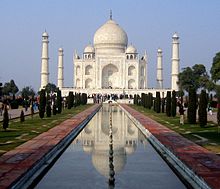
India boasts of the Taj Mahal which took 16 years to build. Italy boasts of St. Peter’s Basilica which took 120 years to get compTajleted. India has the Qutab Minar; Italy has the Leaning Tower of Pisa.

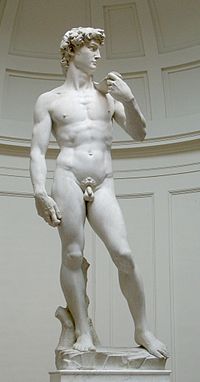
The difference surely lies in the attention paid towards maintenance of museums, heritage buildings and the exquisite paintings and sculptures Italy possesses. Visiting ‘The Last Supper’ by Leonardo da Vinci in Milan, one would notice the exquisite care with which the humidity and temperature are controlled in the hall containing the famous fresco. The care with which Michelangelo’s original masterpiece of ‘David’ is maintained in a Florence museum is something to be learnt from.

In India, tourists keep defacing the Ajanta and Ellora murals as well as all historical monuments with utter disregard and impDavid_von_Michelangelounity, slowly destroying a very rich heritage that the country possesses.

Lessons in Governance

When it comes to governing the ungovernable, there is a lot that Italy can learn from India. The latter has unique expertise in managing a complex country which can justifiably boast of flourishing black markets, mobsters, super-slow courts, crooked politicians, warring business families, hosting mega religious gatherings like the Kumbh Mela, cities which think they are states, states which believe they are independent countries and regions which believe they are continents.

Coming back to the marines imbroglio, diplomacy has won the day. Both Italy and India have managed to avoid embarrassing each other in international forums.The_Last_Supper

One has no doubt that despite occasional friction which is the hallmark of a deeper engagement, the two countries will continue with their courtship for a long time to come!

Read Full Post »

« Newer Posts