
In one of my earlier posts, I had already confessed that I do not suffer from an affliction which could best be alluded to as Shakespearitis. Given the limited supply of grey cells that nature has bequeathed upon me, I can be held to be a person who has a rather high Pumpkin Quotient. William Shakespeare’s literary outpourings need a much higher level of intellect to be understood and enjoyed. Unfortunately, that I simply do not possess. The stuff he has dished out is meant for brainy coves whose eyes shine with keen intelligence and whose heads bulge at the back, much like Jeeves’.
However, all this does not necessarily guarantee peace of mind. On the contrary, it makes life even more of a challenge. The brow is invariably furrowed. The heart is leaden with woe. This is so because he is to be found everywhere and is apt to spring surprises at all times, not a very pleasing prospect for a faint-hearted person like me. Surely, the fault lies in my stars.
My last trip to the United Kingdom proved to be no exception. A few days after I had unpacked the proverbial toothbrush, on a fine morning, my genial host had whipped up a sumptuous breakfast. While tucking into it with much gusto, I was feeling on top of the world. But just when you feel that life is a bed of roses, God is in heaven, and all is well with the world, Fate sneaks up from the back. Your Guardian Angel decides to proceed on a vacation. The blow falls, leaving one shaken and stirred.
I was informed that the birthplace of The Bard was just an hour’s drive from the town I was in at the time. The host, grace personified, thought it was his patriotic duty to drive me down to the place. Hiding my trepidation somehow, I consented. Well, one must be civil, you see.
As you like it
The journey to Stratford-upon-Avon was part of the charm. Surrounded by the serene English countryside, the town turned out to be a beautiful blend of cobbled streets, Tudor-style buildings, and winding pathways that echo centuries of history. The drive had the effect of converting my initial hesitation to a reluctant sense of anticipation.
Visiting William Shakespeare’s birthplace in Stratford-upon-Avon proved to be like stepping into a time machine that transports one to the relatively simpler times of the late 16th century. Nestled in the charming market town in Warwickshire, England, the house on Henley Street is a unique time capsule that offers a glimpse into the life of Shakespeare and his family, set against the backdrop of a picturesque Elizabethan town. It is instructive to see how Henley Street has evolved over time.


Despite being armed with a Google app, we had to repeatedly disturb a few locals to ask for directions to the Shakespeare Centre.
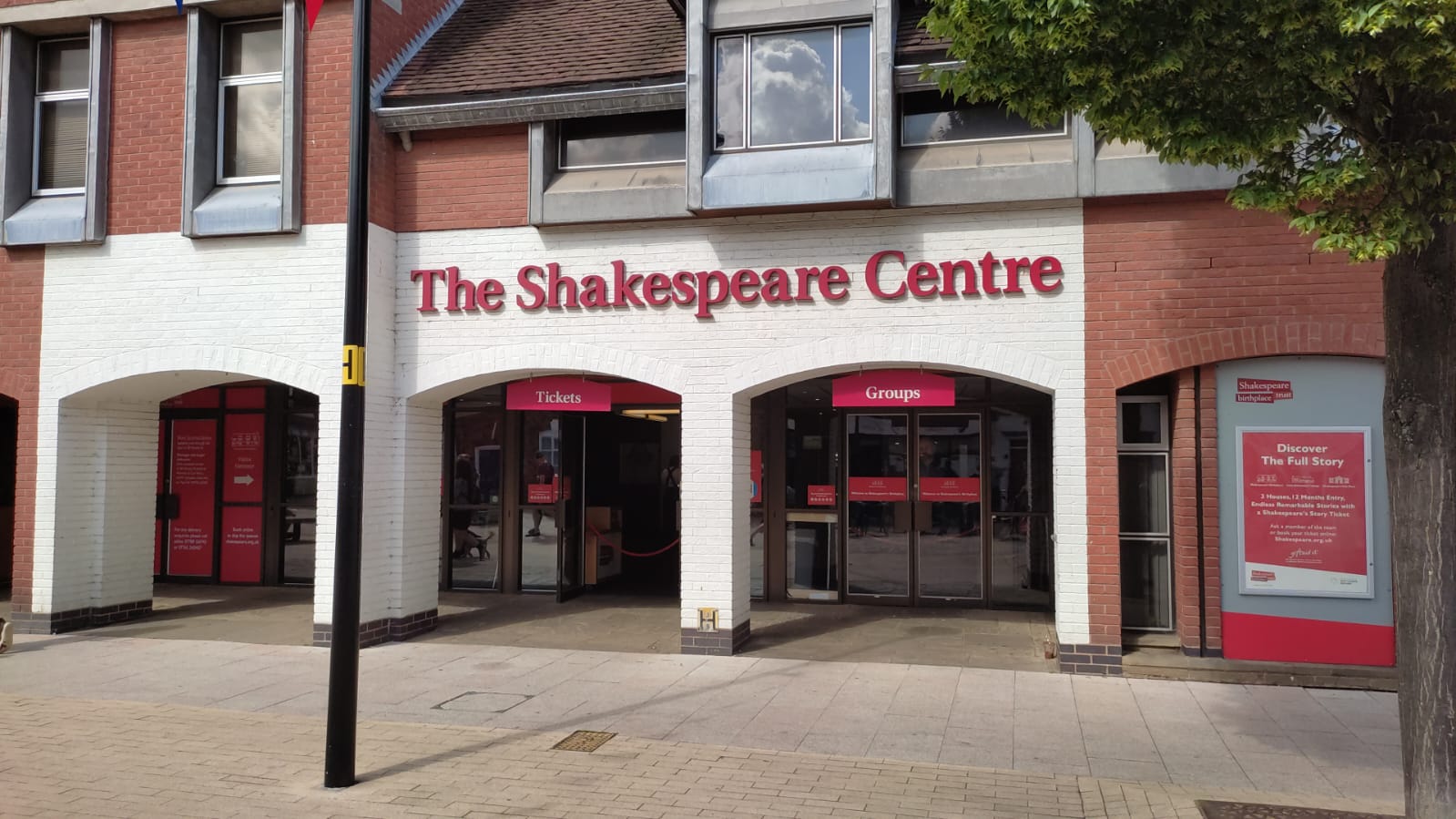
The modern visitor centre serves as an introduction to the playwright’s life, works, and the world in which he lived. It offers exhibits, displays of historical artefacts, and multimedia presentations that set the stage for the main attraction. One can see copper plaques devoted to many of his works, besides creative illustrations that connect him to the contemporary world.



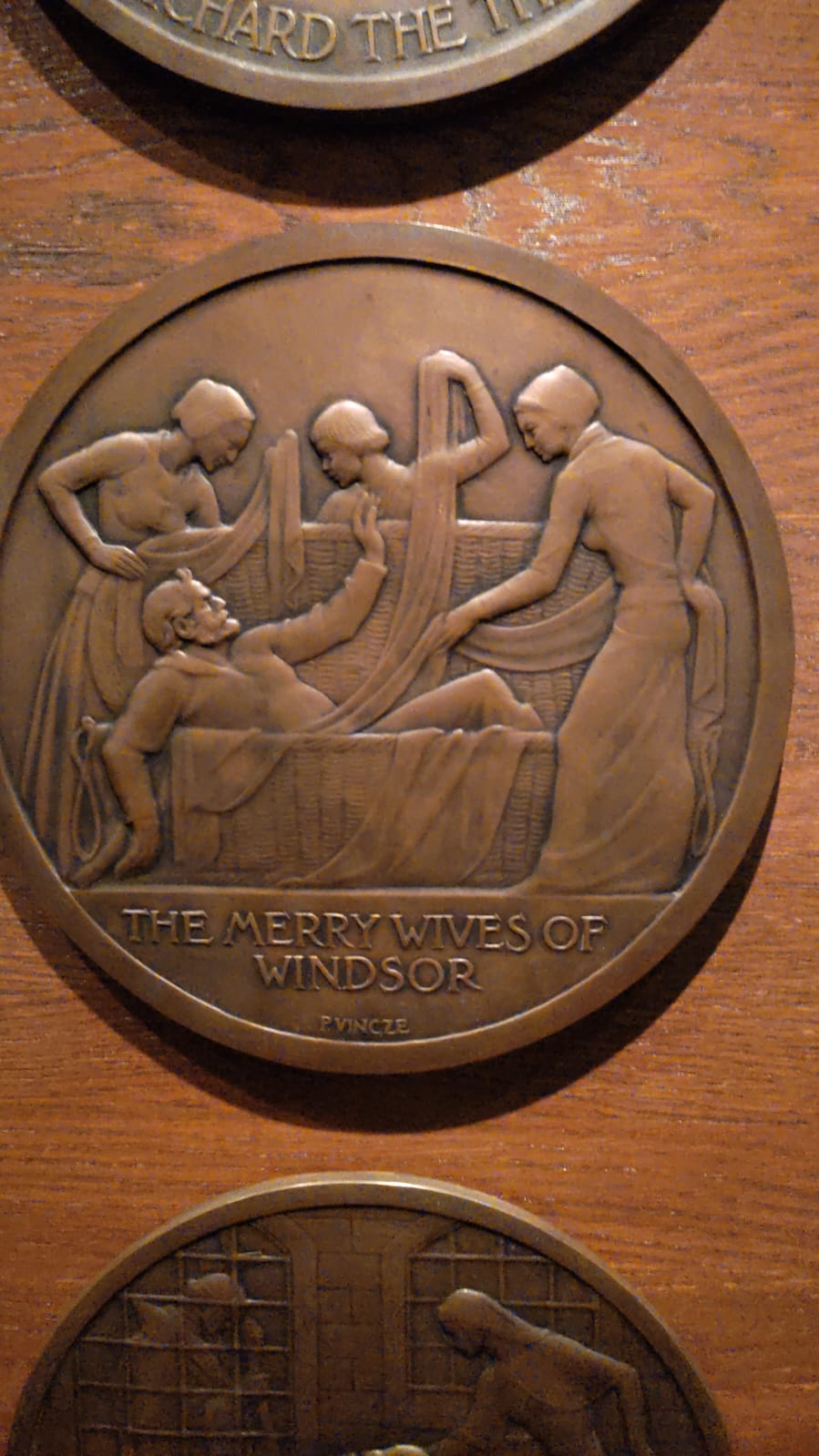


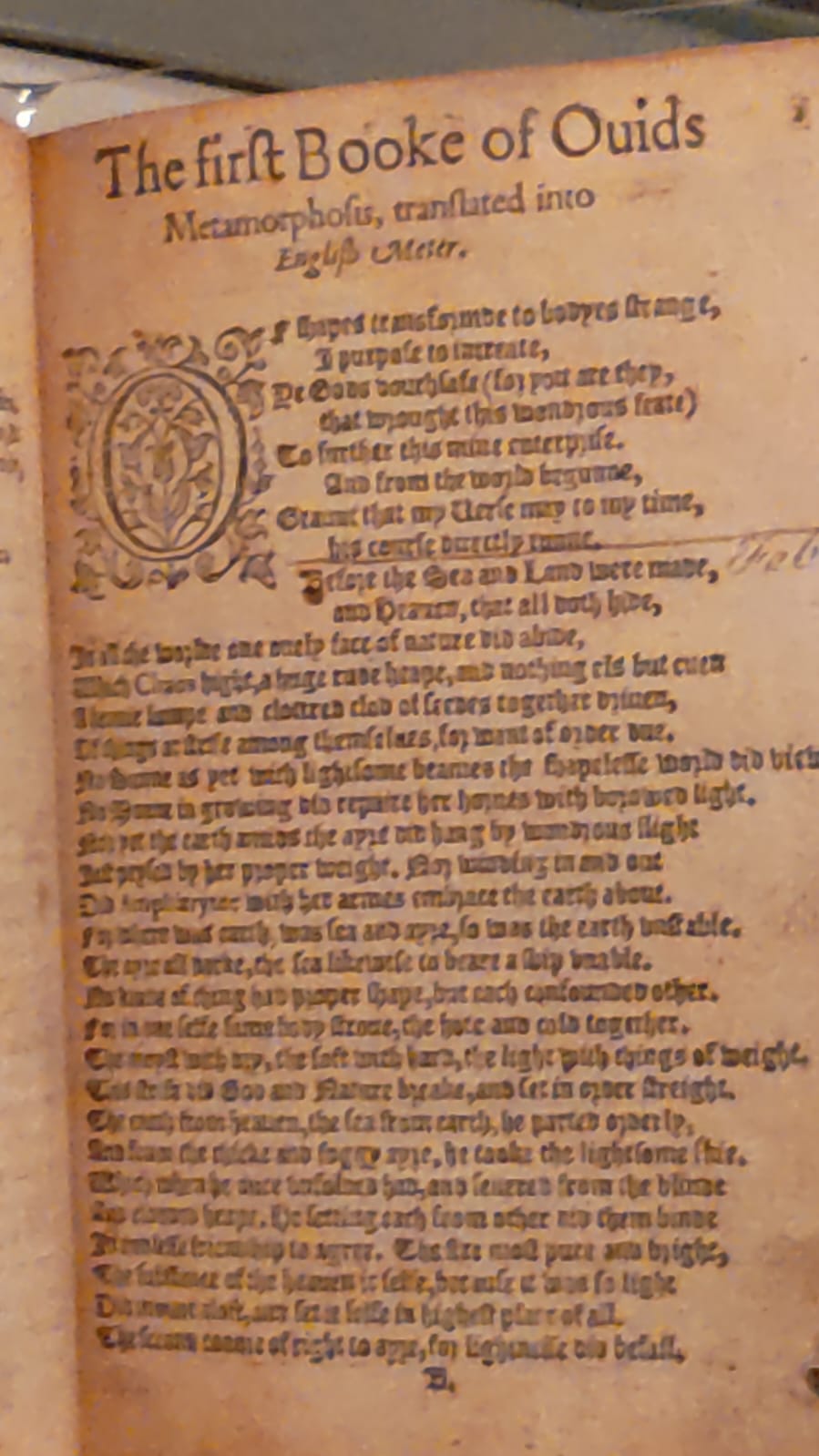



The heaven’s lieutenants
Before we move on to the birthplace itself, a family tree greets us. This is in the fitness of things, because The Bard placed a high premium on families. Some of you may recall this quote of his:
The voice of parents is the voice of gods, for to their children they are heaven’s lieutenants.

I am amazed to find that he was married to a lady by the name of Anne Hathaway; of course, not the Hollywood diva we happen to know since her The Devil wears Prada days!
Home: The place where he could waste his time!
The dwelling is a modest two-story, half-timbered house with a traditional wattle-and-daub construction typical of the Elizabethan era. Its architectural simplicity contrasts with the monumental legacy of the man who was born here in 1564. The house has been carefully preserved and restored to reflect the period as accurately as possible, down to the original furniture styles, wooden floors, and narrow doorways that would have been familiar to Shakespeare. Every corner of the home feels authentic, almost like the Bard himself or his family members might pop up at any moment. (Further details about the place can be found here)

Entering through the main door, visitors walk through the same rooms where young William would have spent his formative years. The ground floor houses a small enclosure where he would have met and entertained visitors. Then comes the main hall where the family would have gathered for meals, with a large hearth and a sturdy wooden table, showcasing how a typical middle-class family of that period lived.

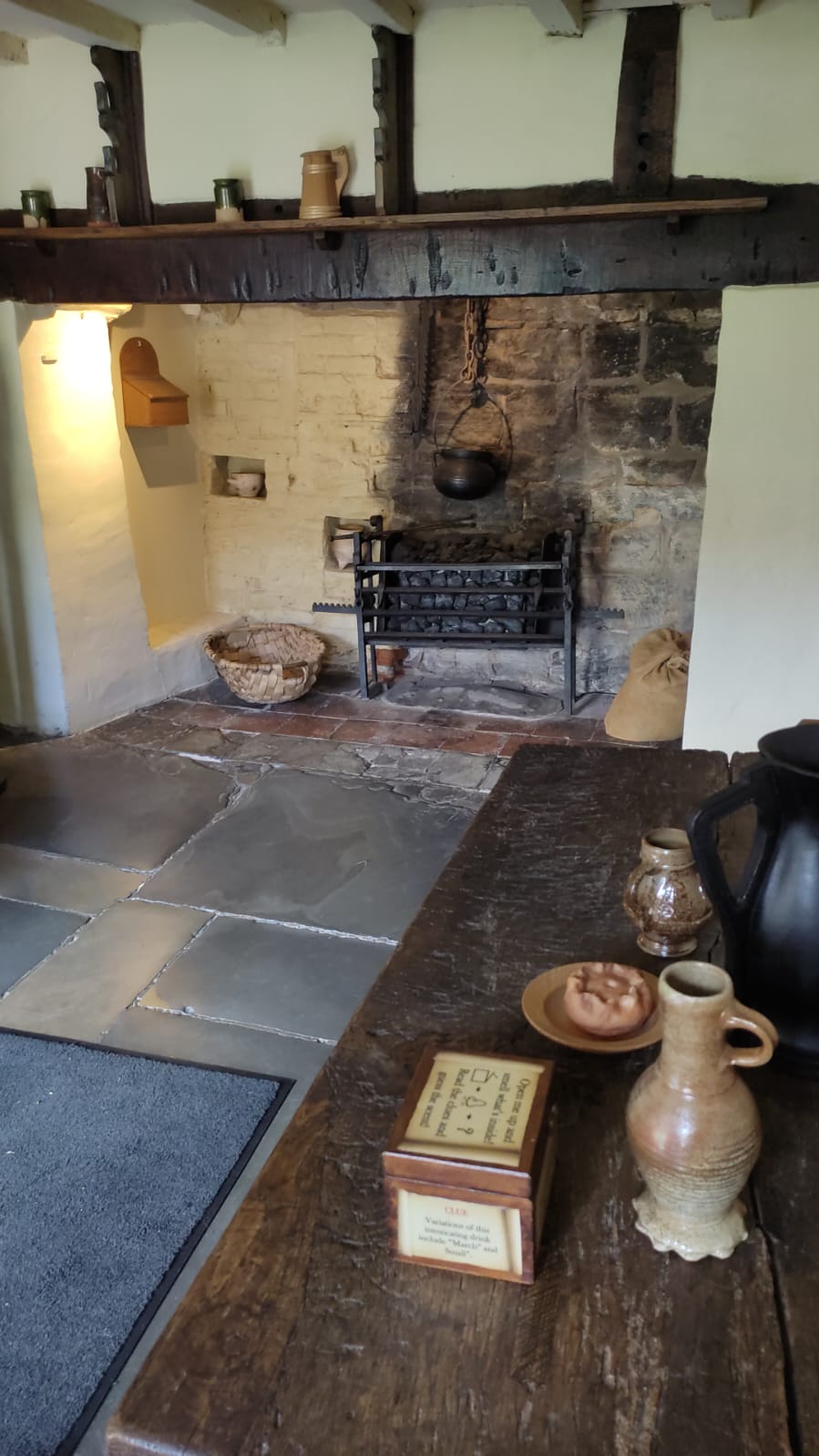
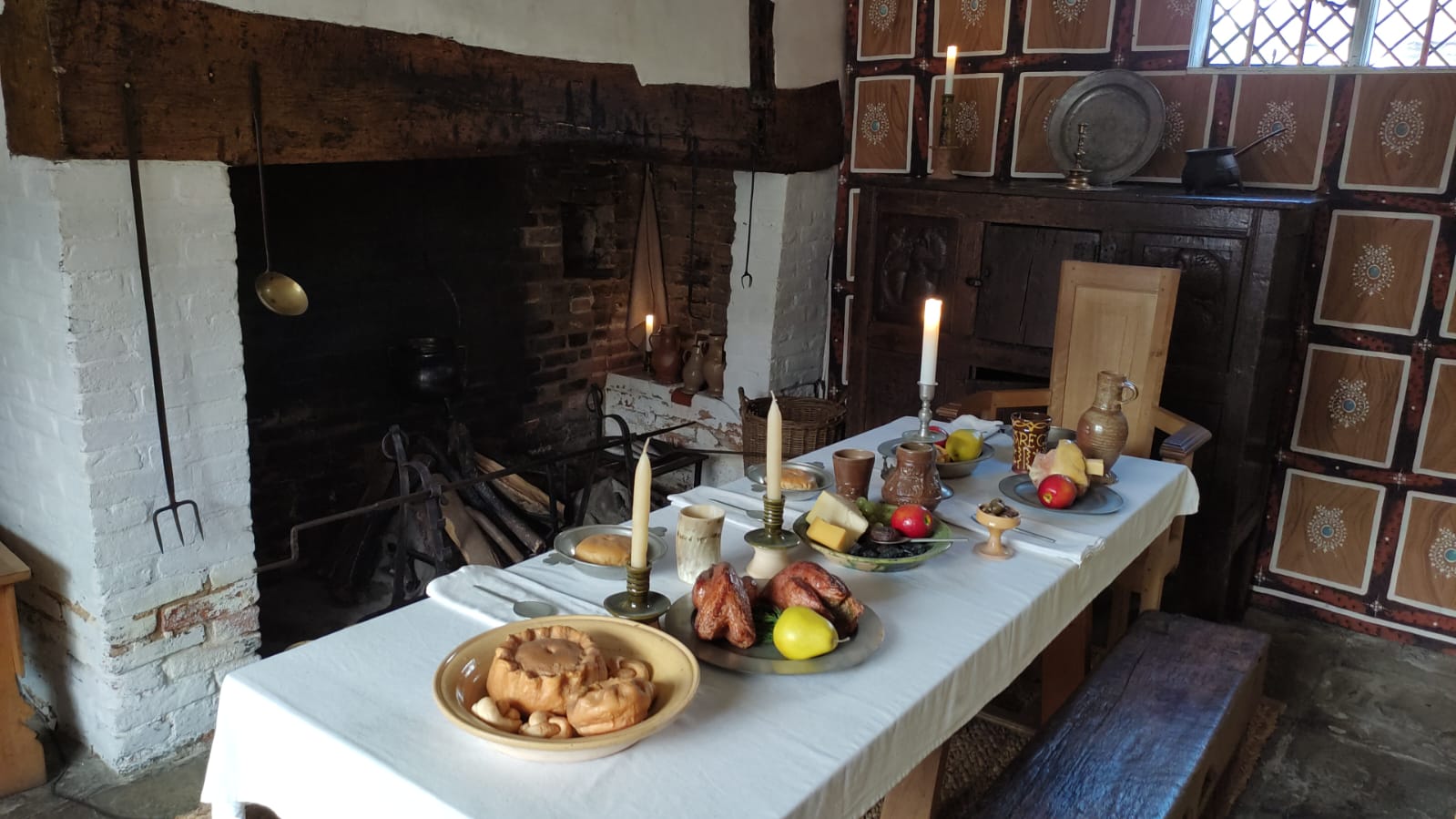
One can readily appreciate how the house served as both a home and a business venue, as Shakespeare’s father, John Shakespeare, was a glove maker and wool dealer. His workspace, along with the tools of his trade, is laid out in one of the rooms, illustrating a connection between commerce and home life in the 16th century.


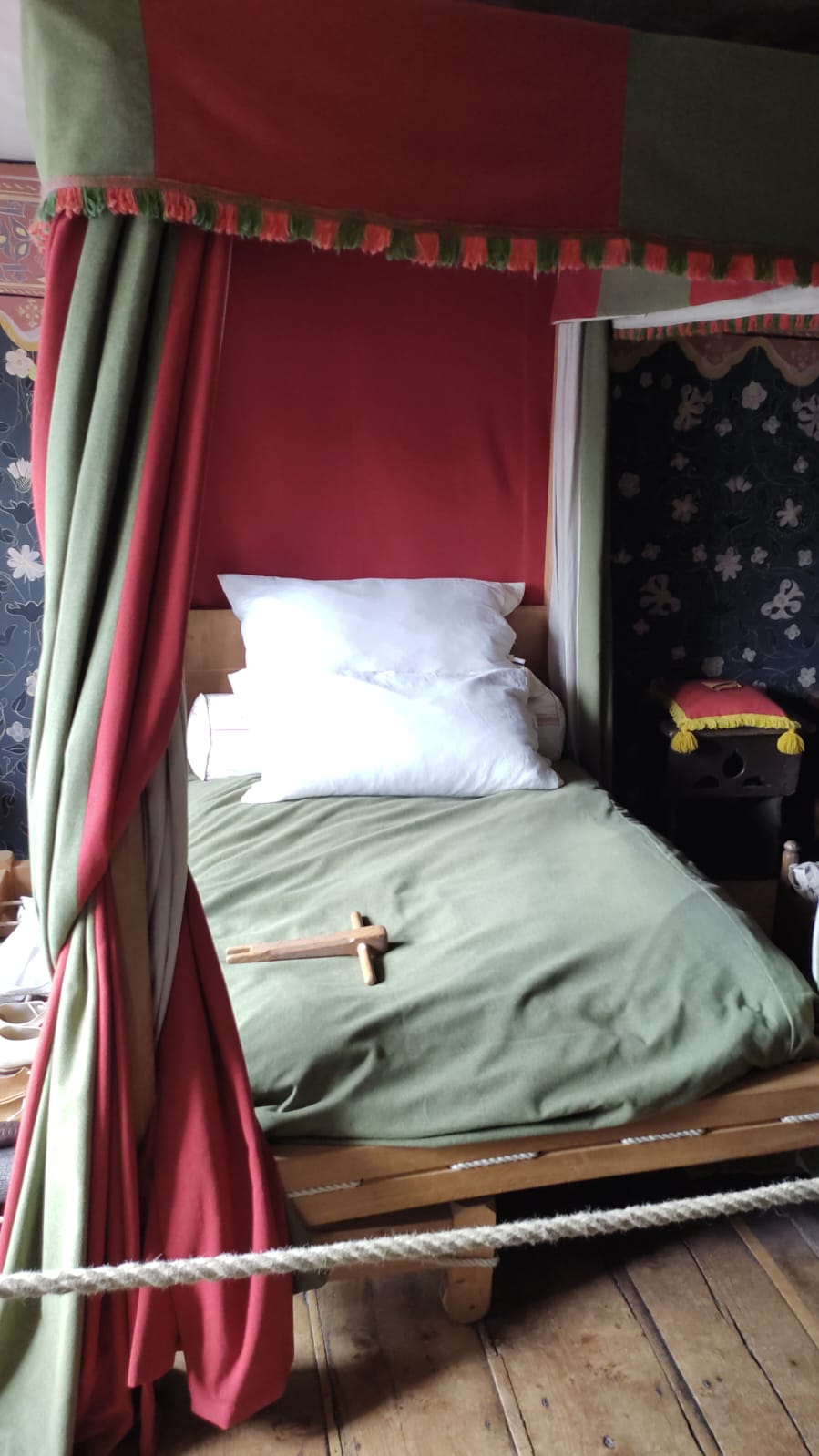
Upstairs, visitors can see the room traditionally thought to be the room where Shakespeare was born. The tiny window lets in a sliver of daylight, highlighting the simplicity of the furnishings and the room’s plain walls. One can see a tiny cradle where the young one might have had his maiden midsummer night’s dream.



A literary genius who was born great
Standing in that room, it’s hard to reconcile the humble surroundings with the profound literary genius that Shakespeare would become. But as a guide explains stories from Shakespeare’s early life, you get a sense of the young boy’s curiosity and imagination—qualities that must have been nurtured in this very place. Surely, he was not someone who became great, or upon whom greatness was thrust by his Guardian Angels. Indeed, he was born great.
The garden outside the house is another lovely feature. To a fan of P G Wodehouse, it sounds like a miniature version of the ones at Blandings Castle. It is filled with plants and flowers that are mentioned in Shakespeare’s plays and sonnets. Walking through, you may recognize some of the herbs and flowers—like rosemary and pansies—from his writings. There is a sense that these natural elements inspired him, giving rise to his poetic descriptions of the natural world.
Understanding the world that shaped him makes it easier to understand how his plays reflected both the universality of human nature and the specific issues of his time.
To be or not to be
As the visit ends, scales have already fallen from one’s eyes. To be or not to be a fan of the Bard is a question which leaves one baffled, bewildered, confounded, confused, disconcerted, flummoxed, mystified, perplexed, and puzzled. In any case, one leaves with a newfound appreciation for the humble origins of William Shakespeare. His birthplace, though small and unpretentious, radiates with the legacy of a man whose works have shaped literature and drama worldwide and who is revered for his unique contributions to the Queen’s language. I am sure that he must have enriched the language in a manner that might be vaster and deeper than those who have either preceded or succeeded him. But lesser mortals like me, surely at the bottom of the English Proficiency Pyramid, are apt to feel very dense while endeavouring to devour any of his works.

However, for literary coves and linguistic purists, Stratford-upon-Avon remains a pilgrimage site, a place that celebrates not just Shakespeare’s legacy but also the power of words and stories to transcend time and space.
P G Wodehouse was one of those who held the Bard in high esteem. He once said: “Shakespeare’s stuff is different from mine, but that is not to say that it is inferior.” His frequent use of Shakespearean phrases in his stories and books merely attests to the same. Those of you who wish to explore this subject further may find this link useful.
All is well that ends well
Visiting the birthplace of William Shakespeare is more than a historical tour; it’s a journey through the formative environment of a literary legend. It provides a tangible sense of where the world’s most celebrated playwright came from and reminds visitors of the timeless influence of Shakespeare’s words, which continue to resonate across the ages.
Note: Thanks are due to Dominique Conterno, my host in the UK, who enabled this visit.
Related Posts



 ashokbhatia