Feeds:
Posts
Comments

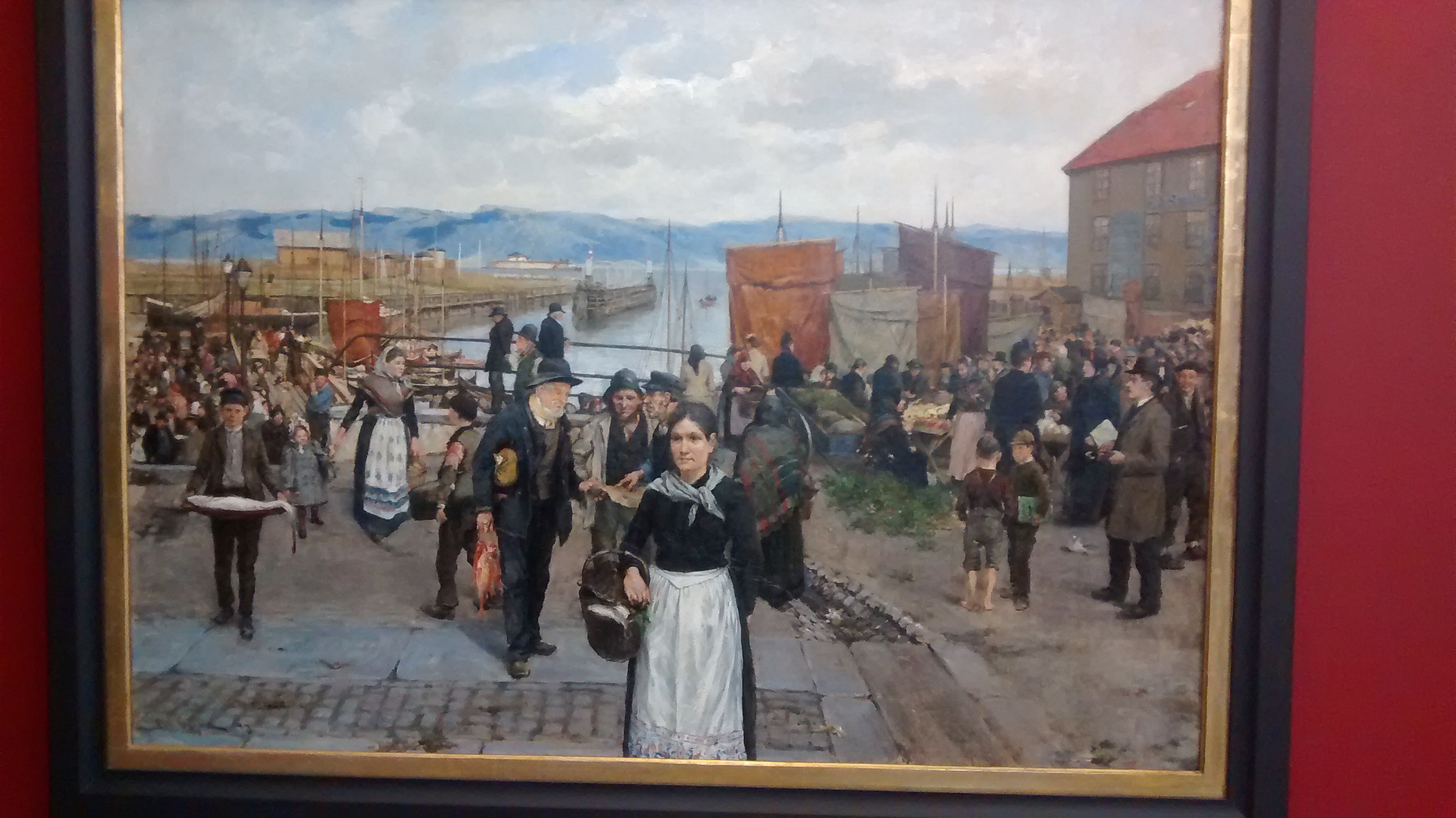
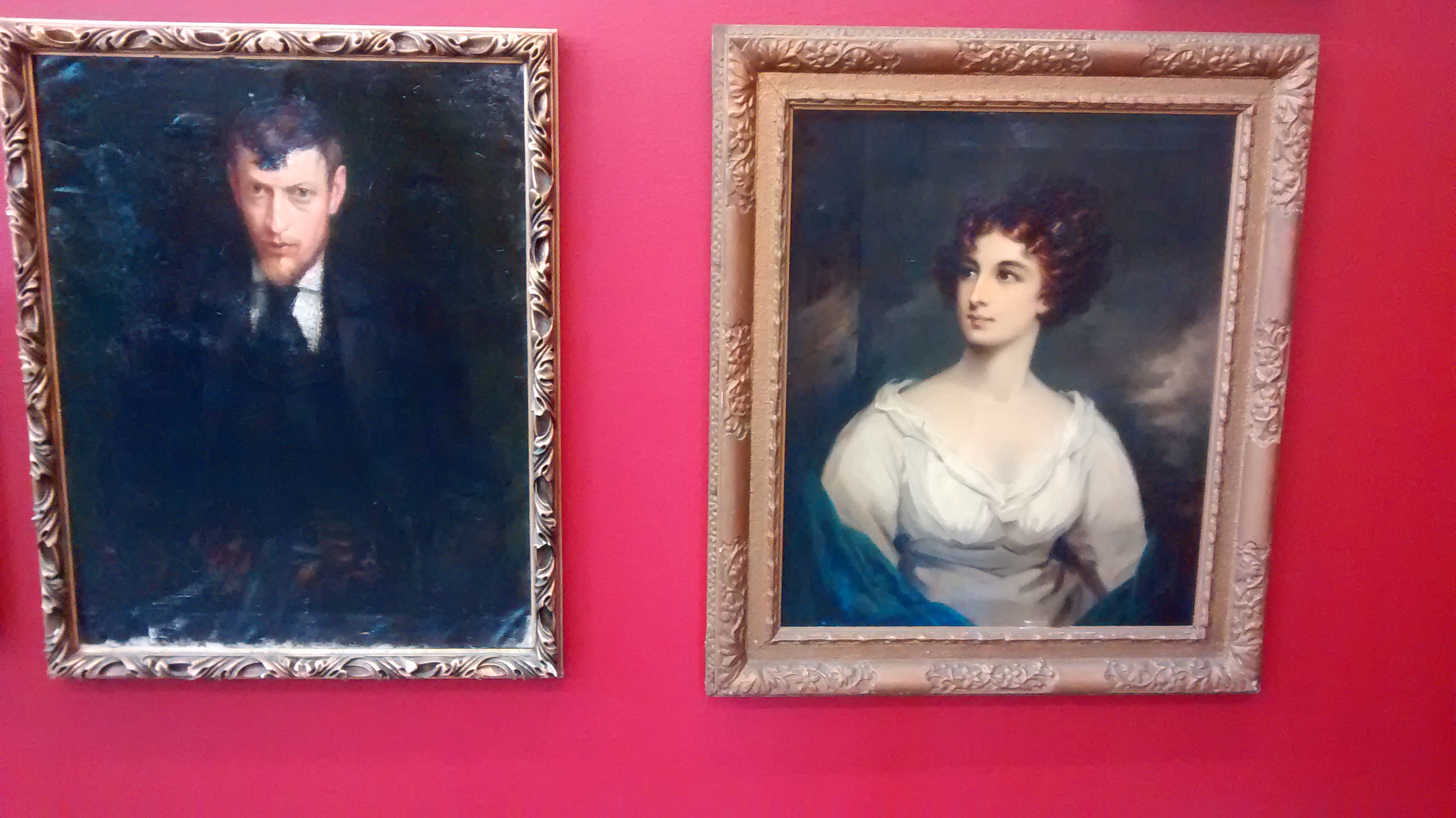
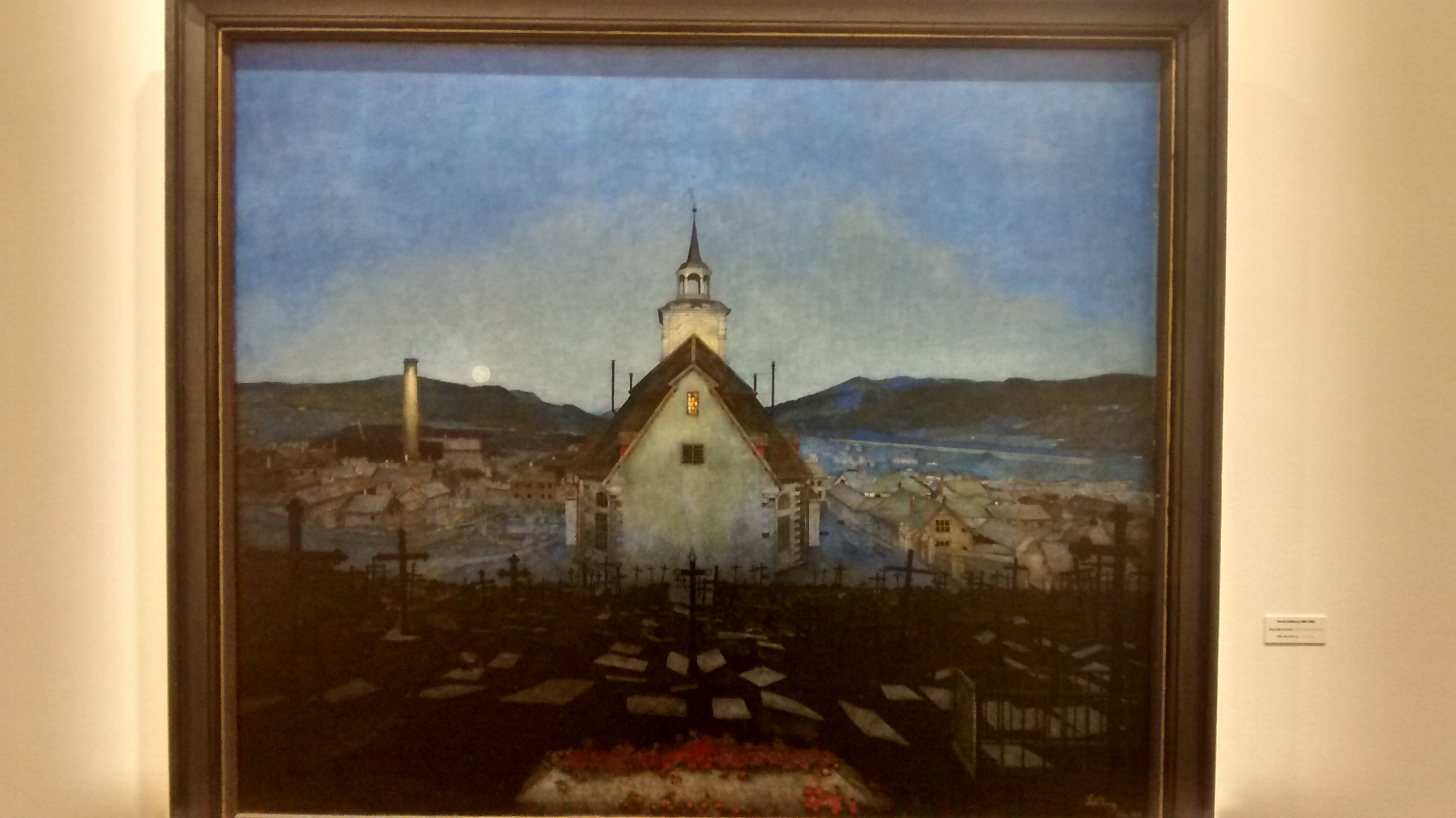
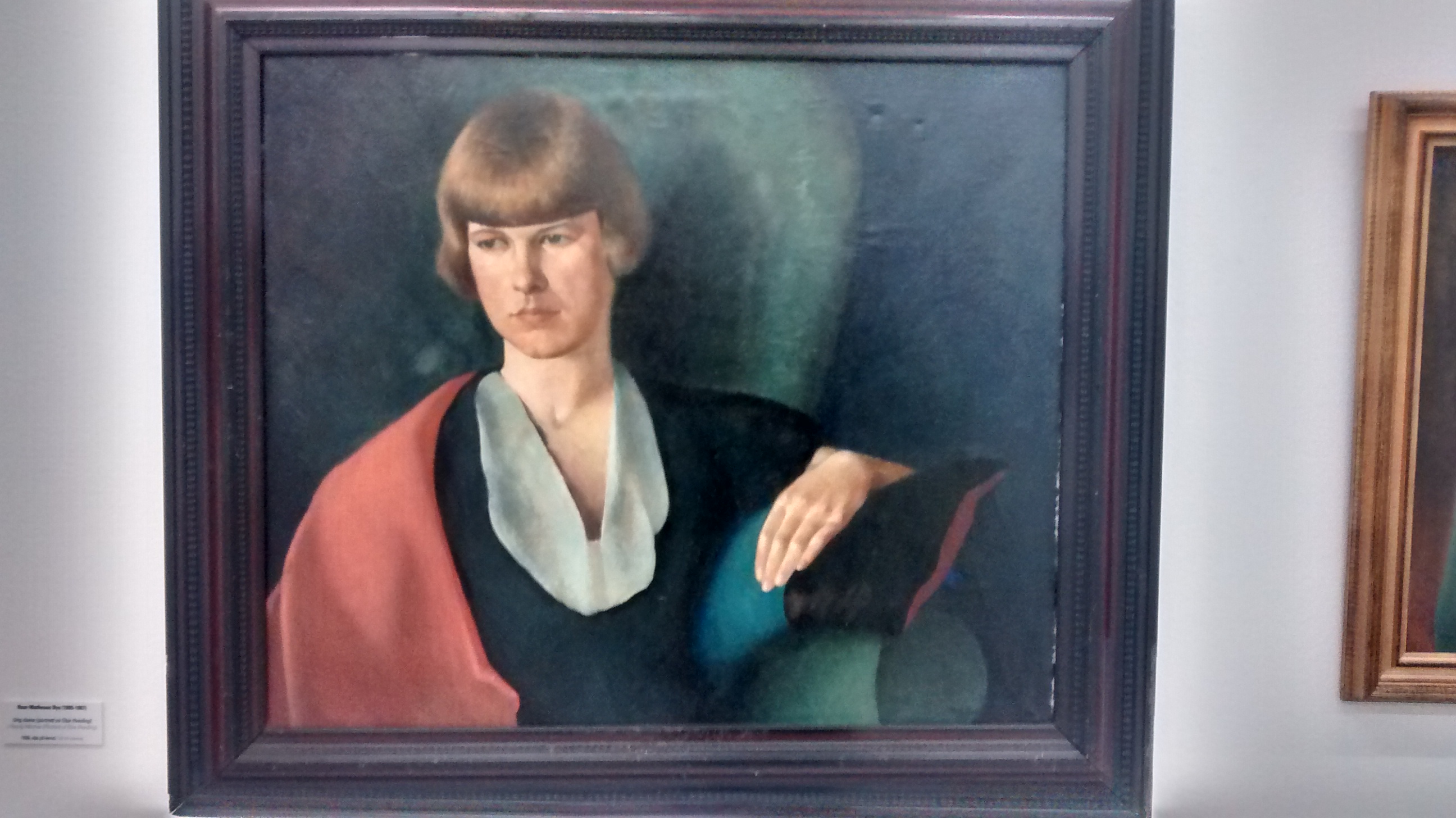
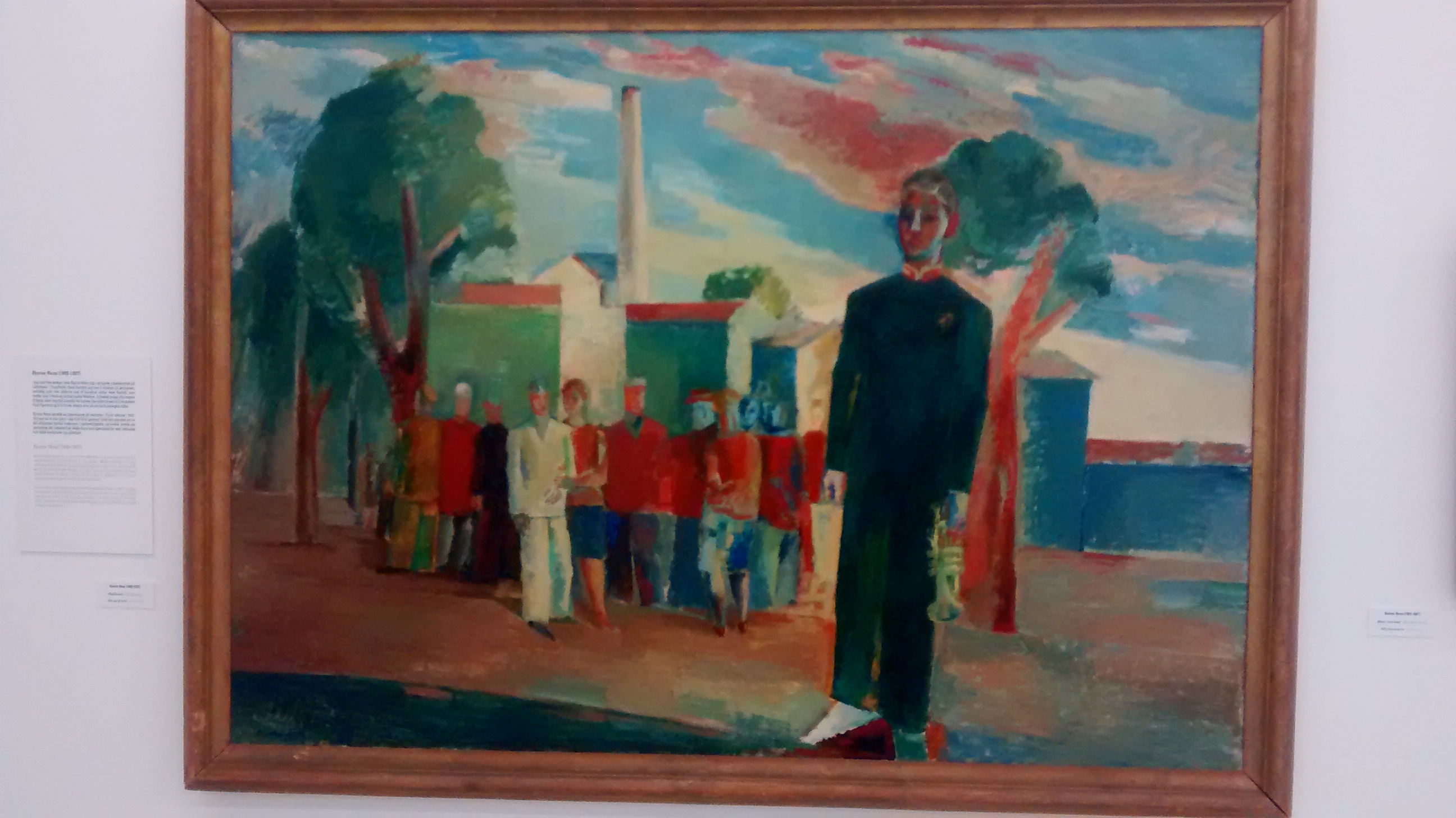
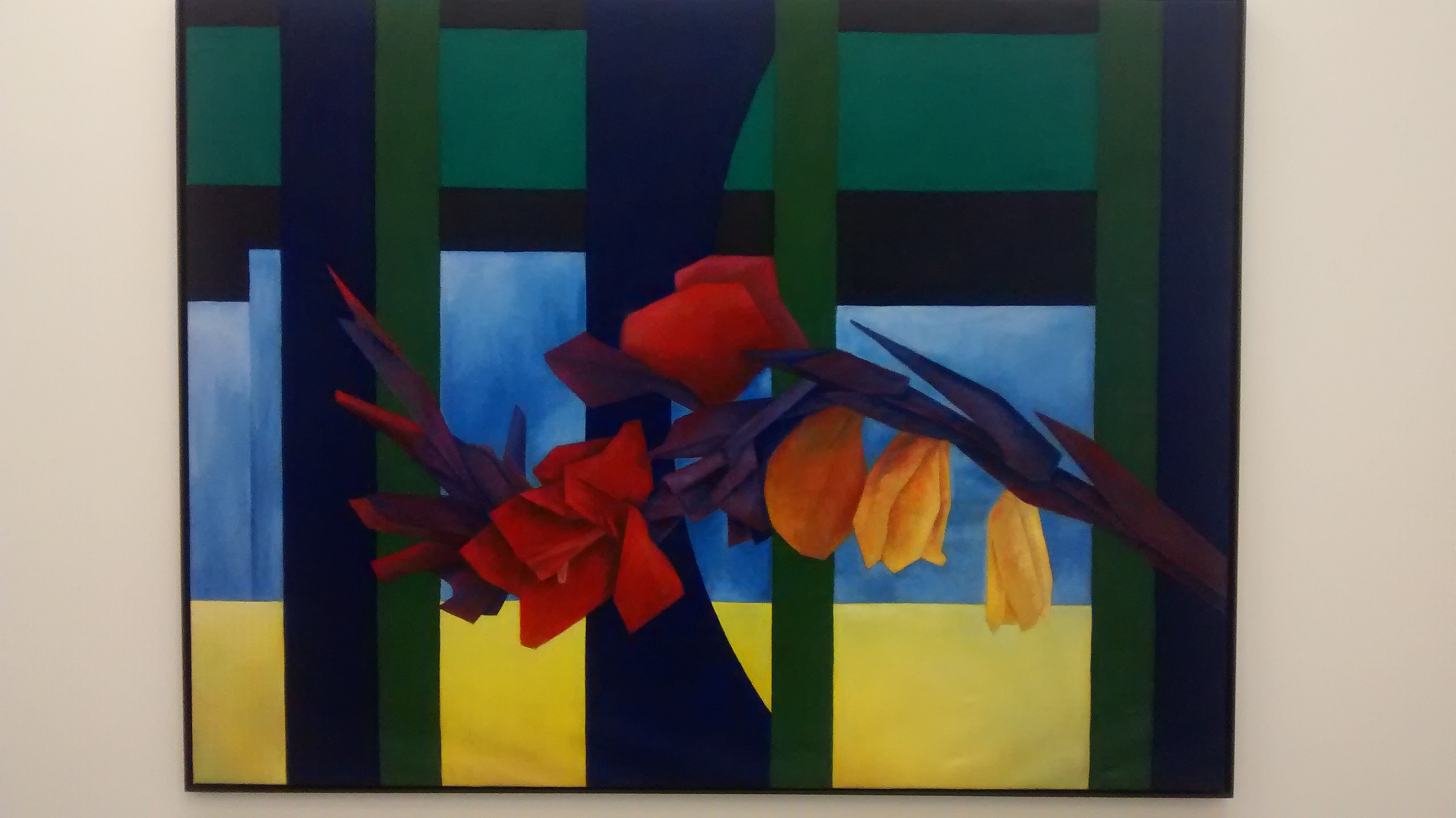
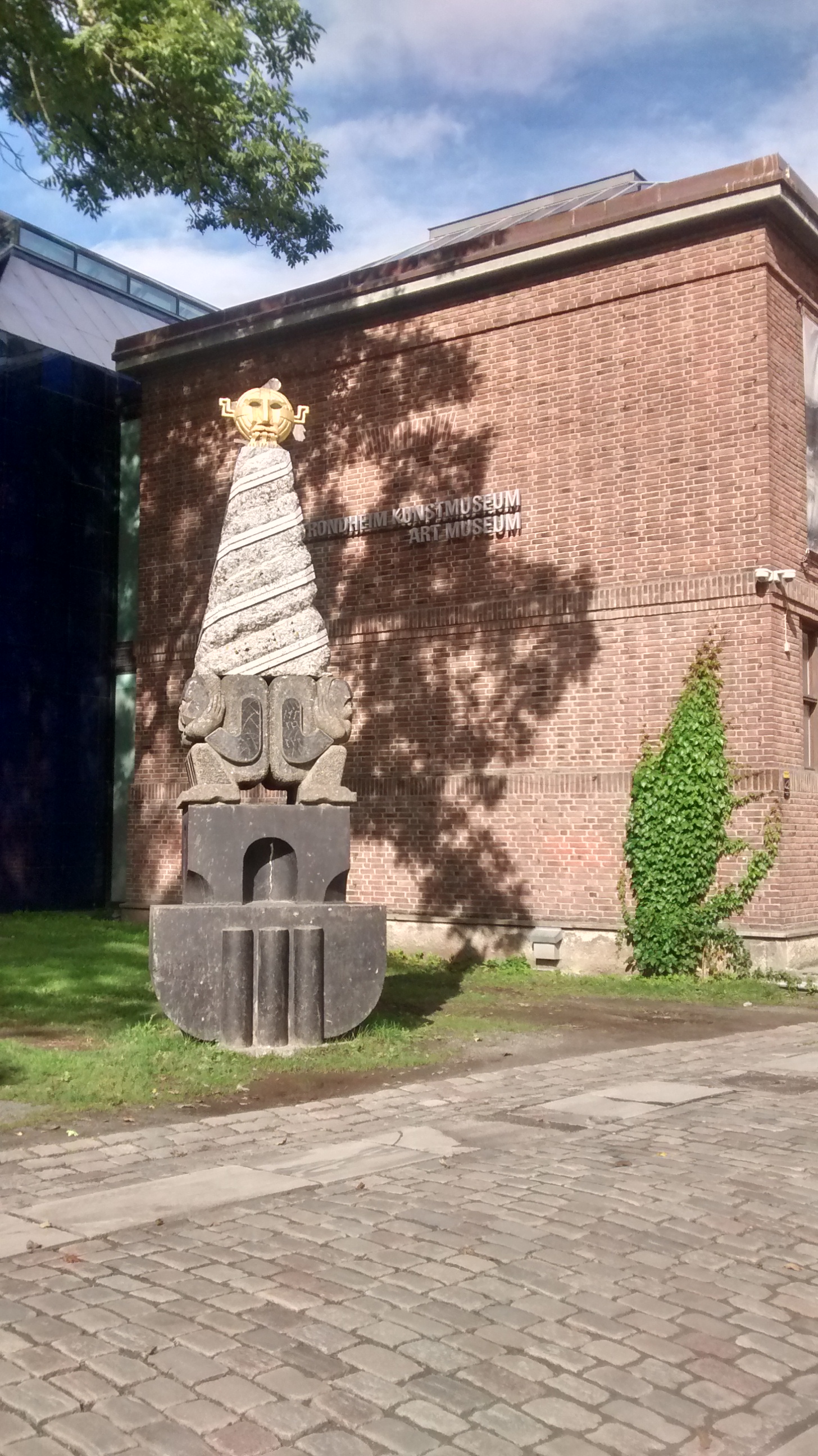
The Art Gallery at Trondheim has a large collection of Norwegian art from around 1850 up to the present. It also has an impressive collection of Danish art and a significant representation of other renowned international artists.

Savour some of these at leisure:


To see artworks of a different culture is quite instructive. The kind of natural forces the people deal with. The kind of life they led. Such mundane happenings as calling a physician, visiting the town square, listening to a street musician or even depicting the means of livelihood of people – all these get captured in exquisite detail. Portraits of some persons – famous or otherwise – invariably form an integral part of the art collection. Even abstract art conveys the inner state of the artist at the time the work was getting done, possibly with a benevolent muse by his side!

(Related Post: https://ashokbhatia.wordpress.com/2018/09/01/a-walk-around-the-city-of-trondheim-in-norway-part-1-of-2)


Just like human beings who boast of a life cycle, many of our cities also undergo cyclical changes. These gain importance over a period of time and then end up losing it at times, based on their economic and political fortunes at a given point in time.

But a ready supply of natural resources and the indomitable spirit of those who inhabit our cities ensure that these continue to thrive and do well. Over time, their character might change from that of a major trading centre to a well-known hub of education and scientific research.

Some may suffer repeatedly at the hands of Logi, the Nordic Fire God, and experience devastating fires, only to rise again from the ashes, much like a Phoenix would. Others may witness riots because of a proposal to change the name of the city, leaving The Bard squirming in his grave. Through all these challenges, the city continues to thrive. The resilience of the human spirit reigns supreme.

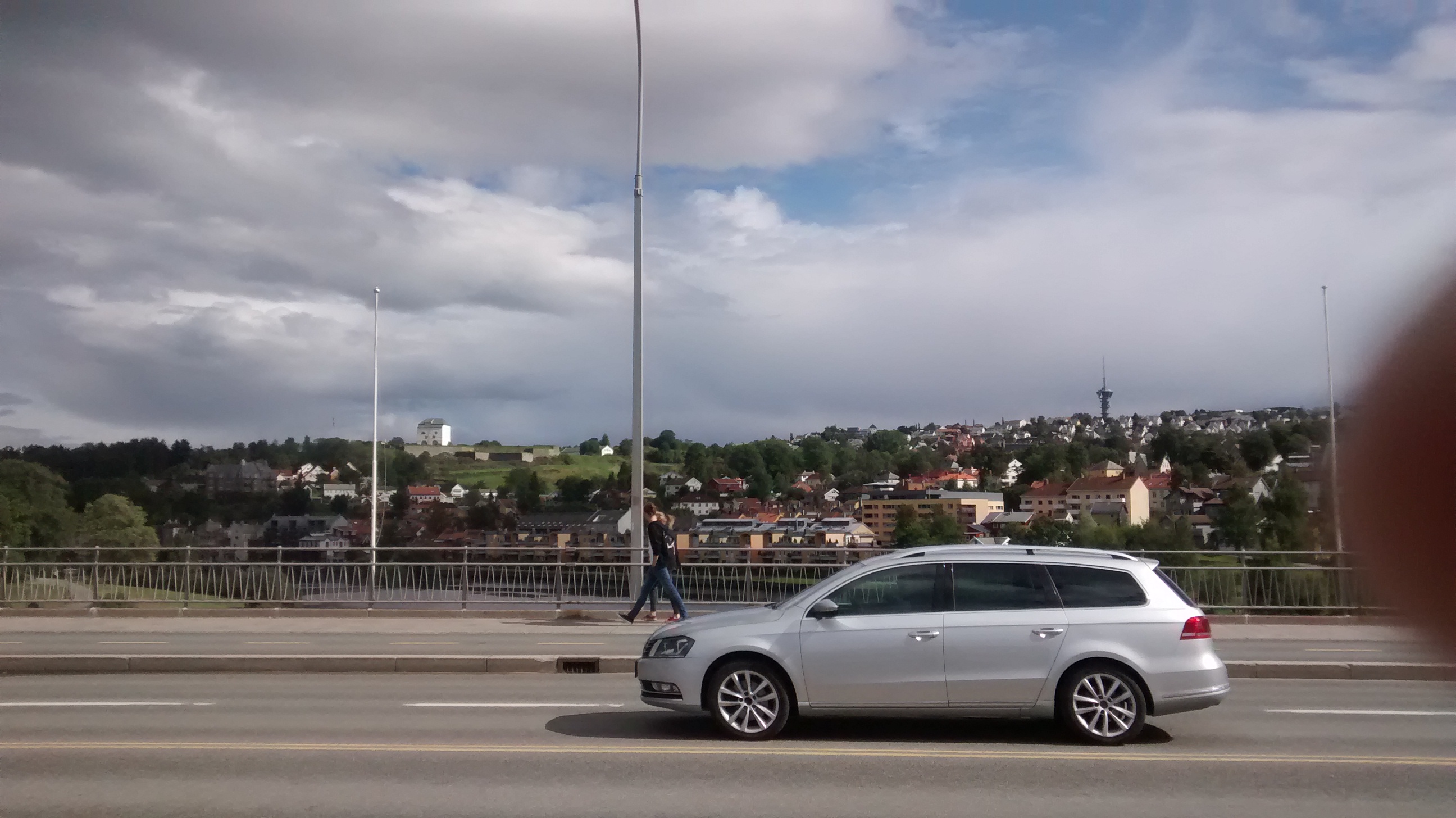
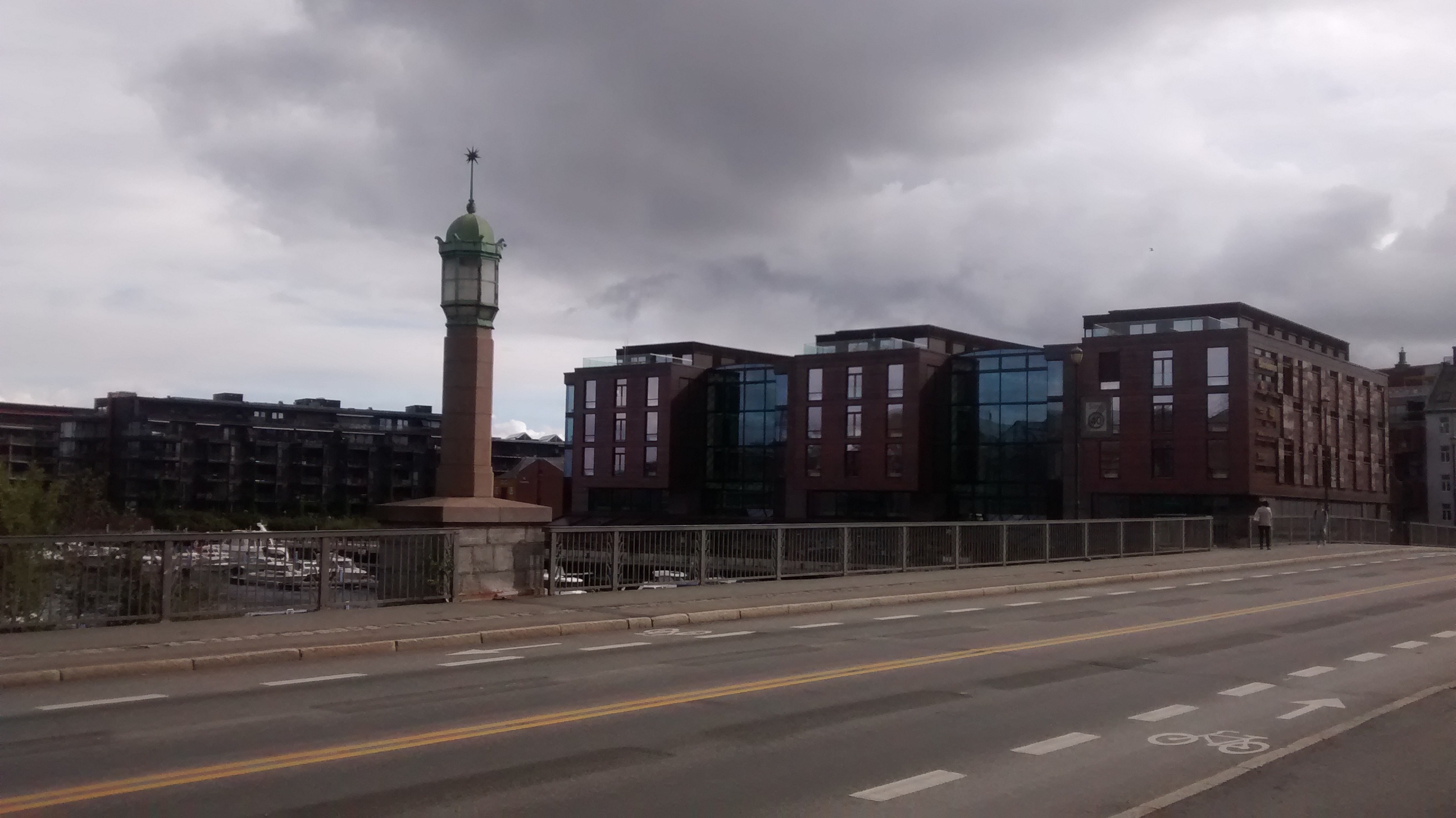
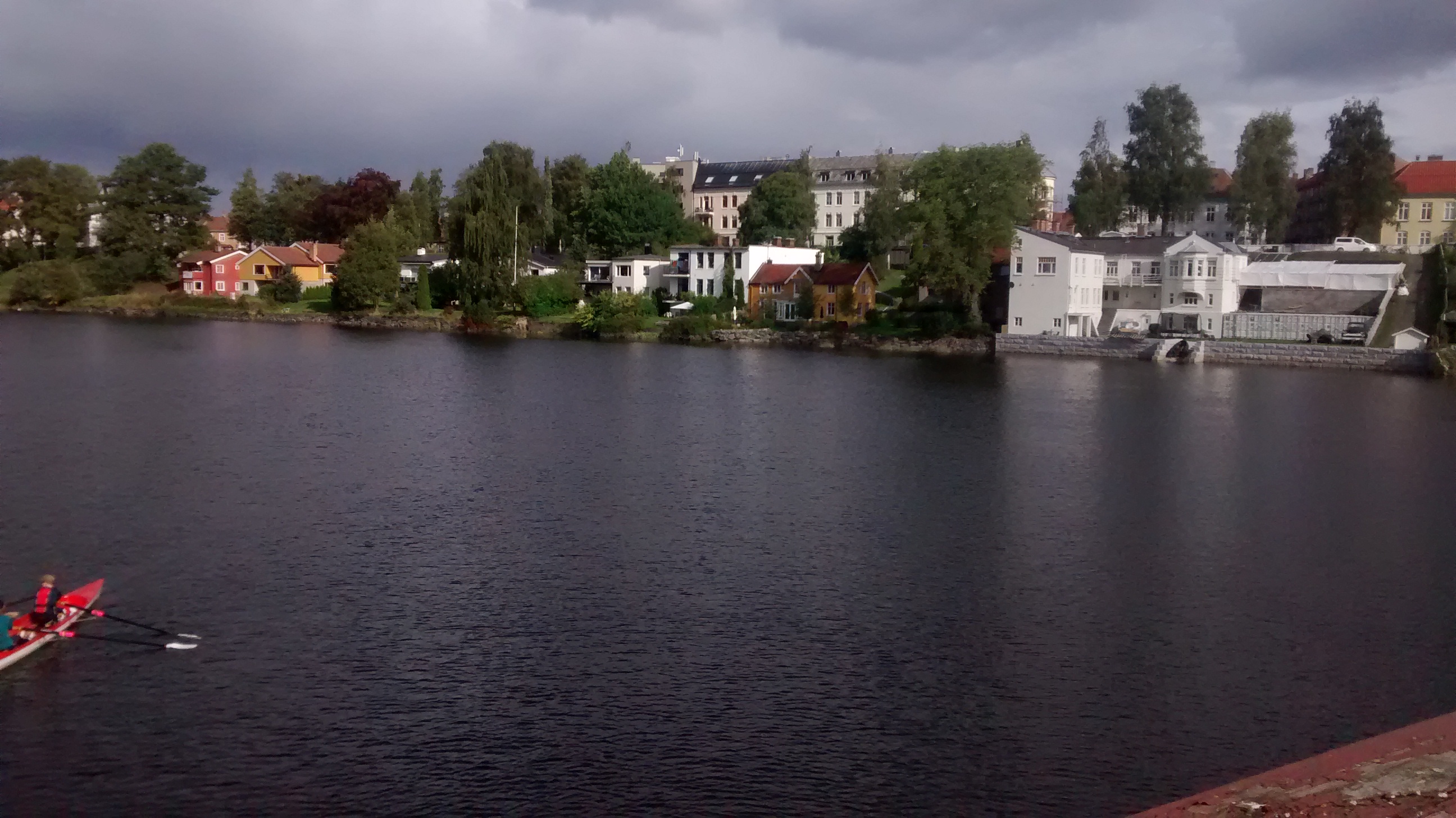
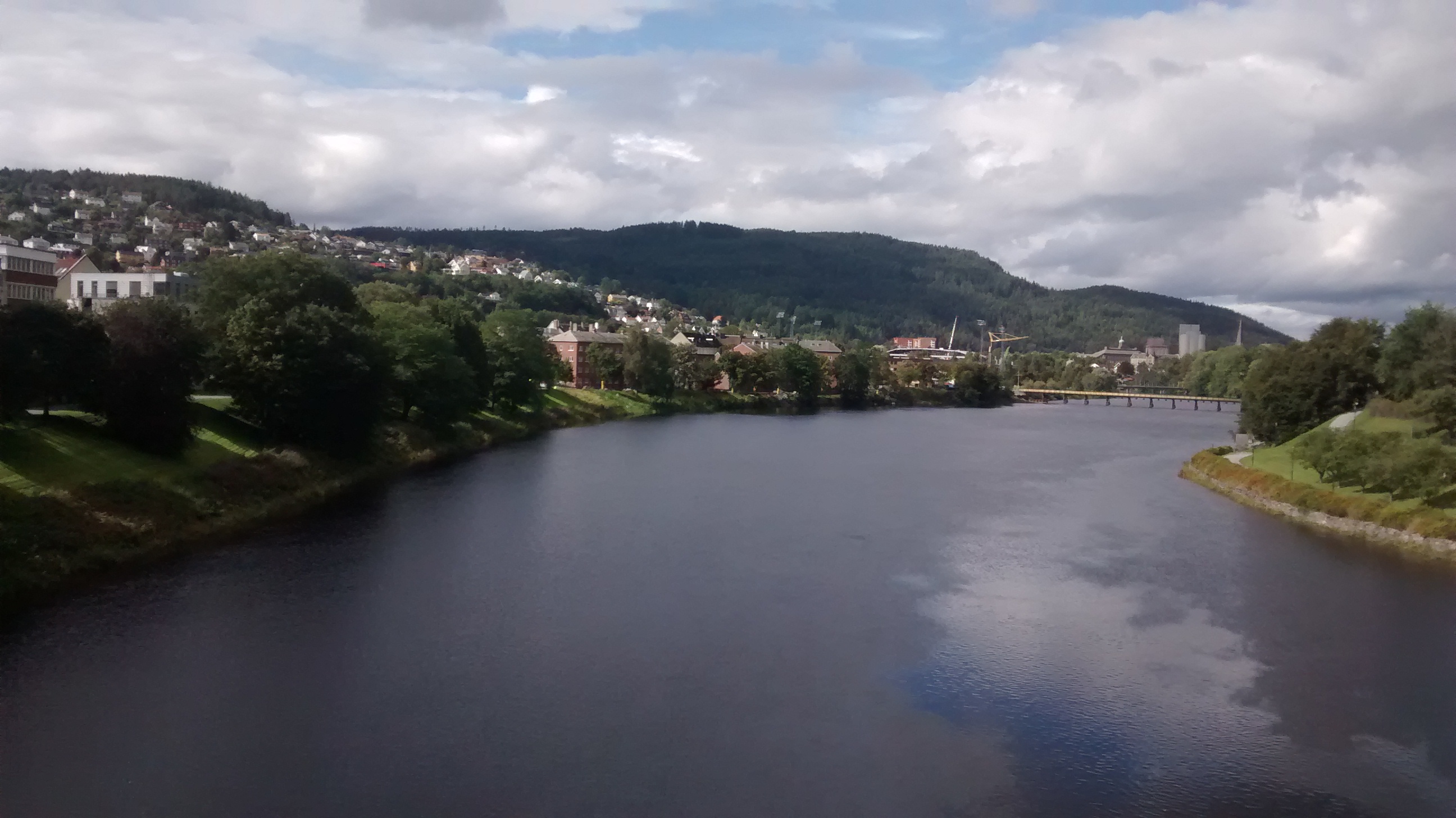
Recently, yours truly had the opportunity of a leisurely stroll or two through the streets of Trondheim in Norway. One can trace its origins back to the Viking Age circa 997 AD. It served as the capital of Norway until 1217. In the olden days, it appears to have handled the kind of challenges described above with much aplomb.

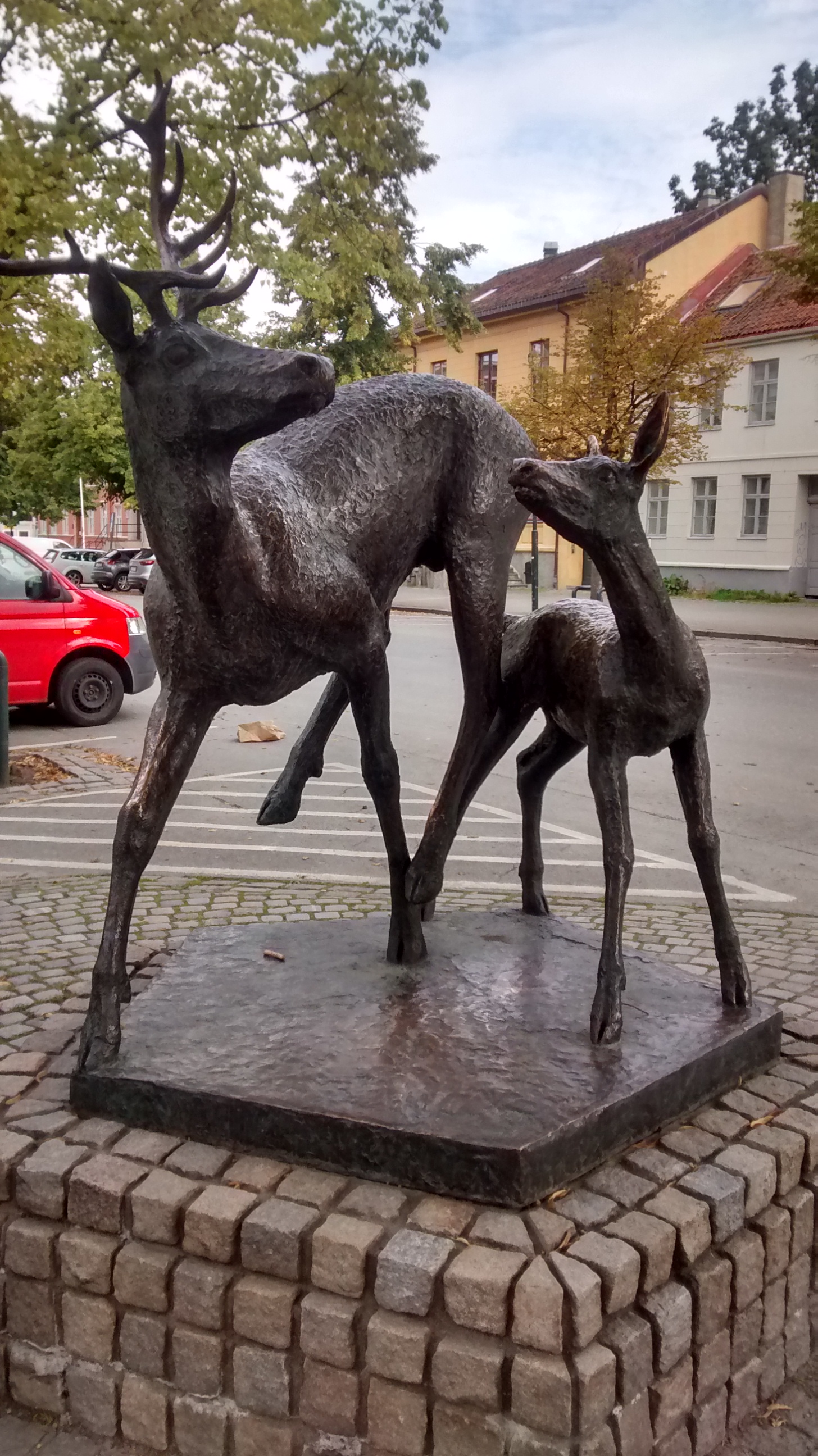
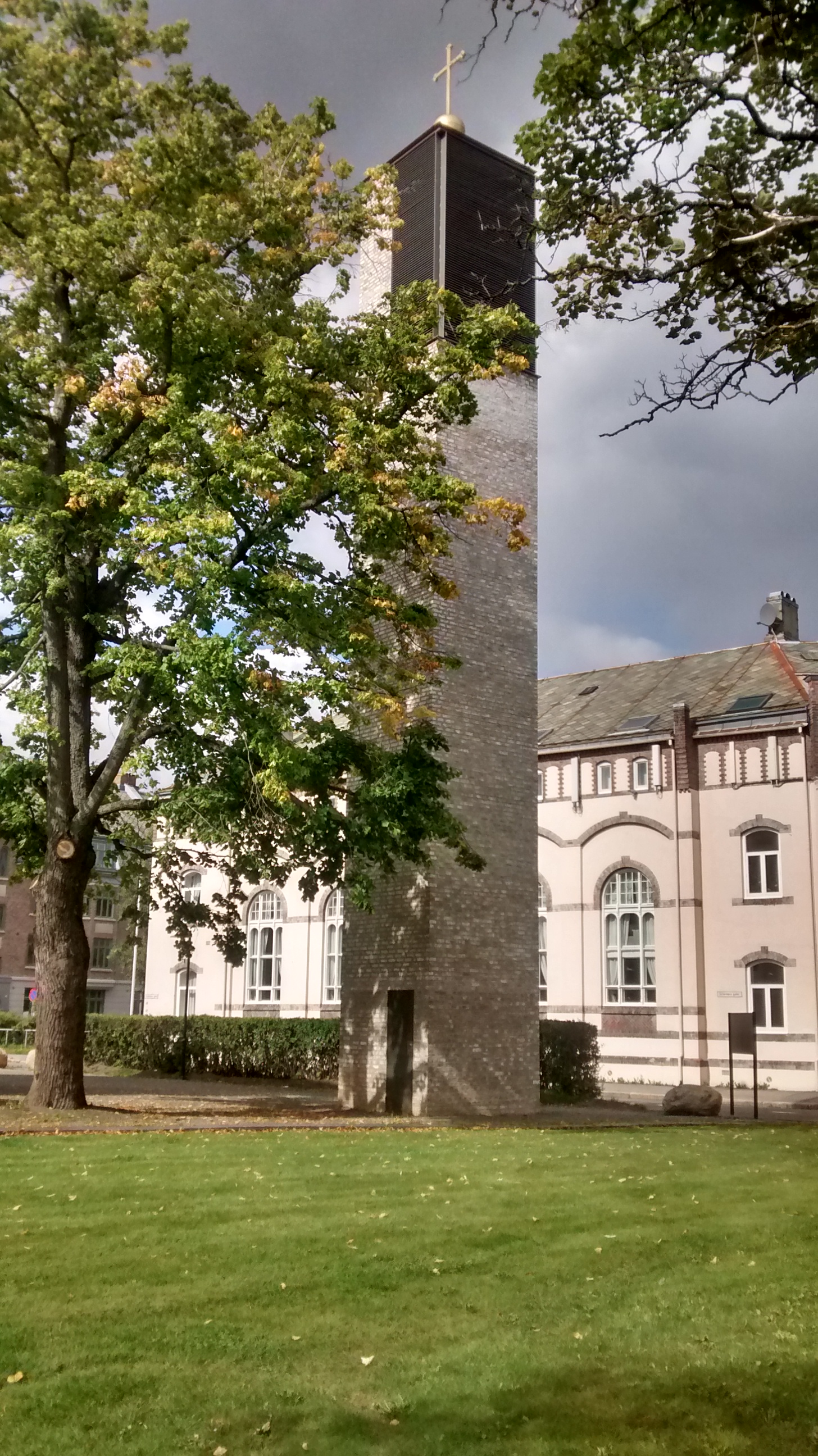
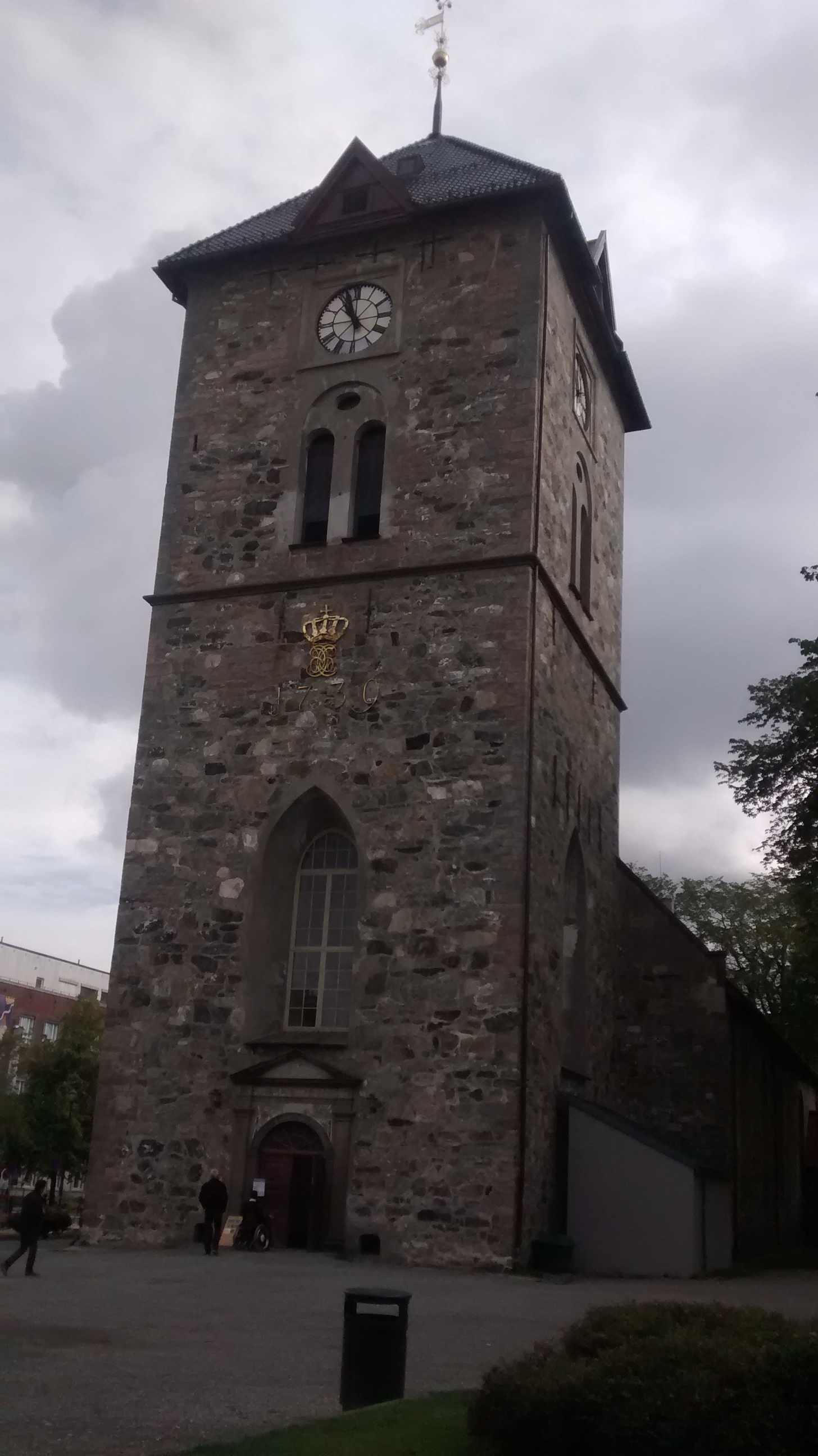
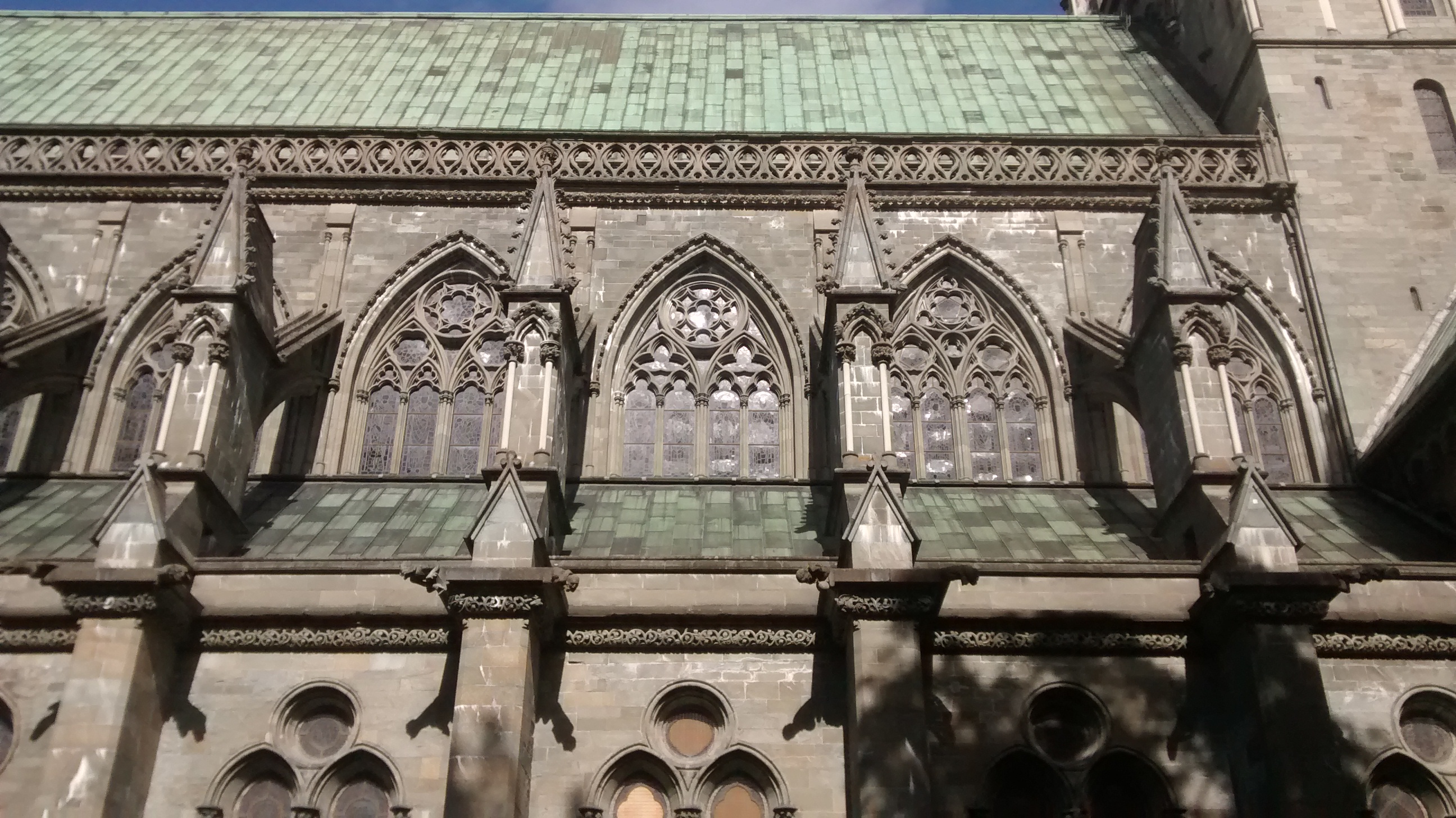
Here are some visuals which might appeal to some of you.

The Nidelva River


Street Art and Buildings


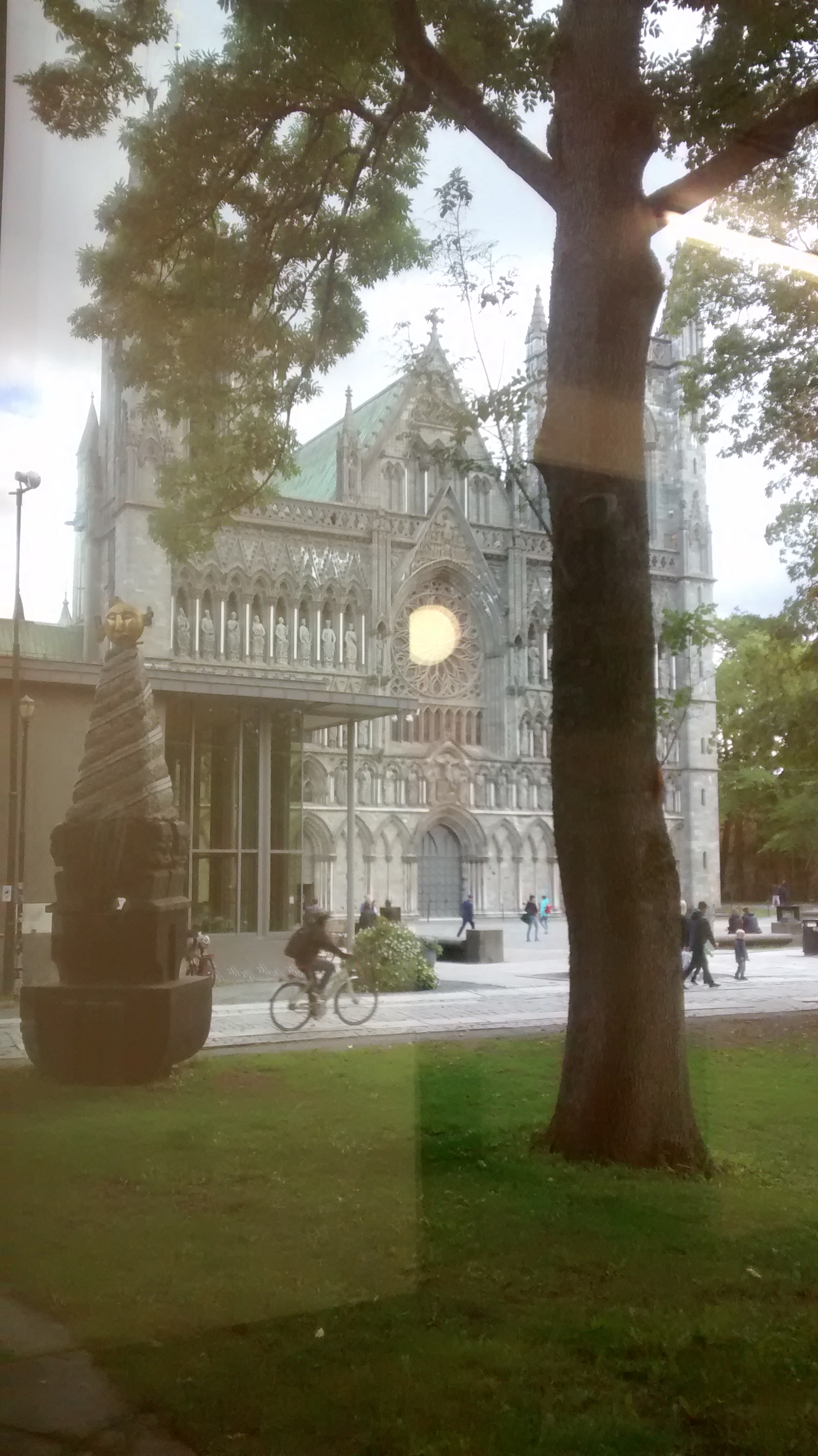
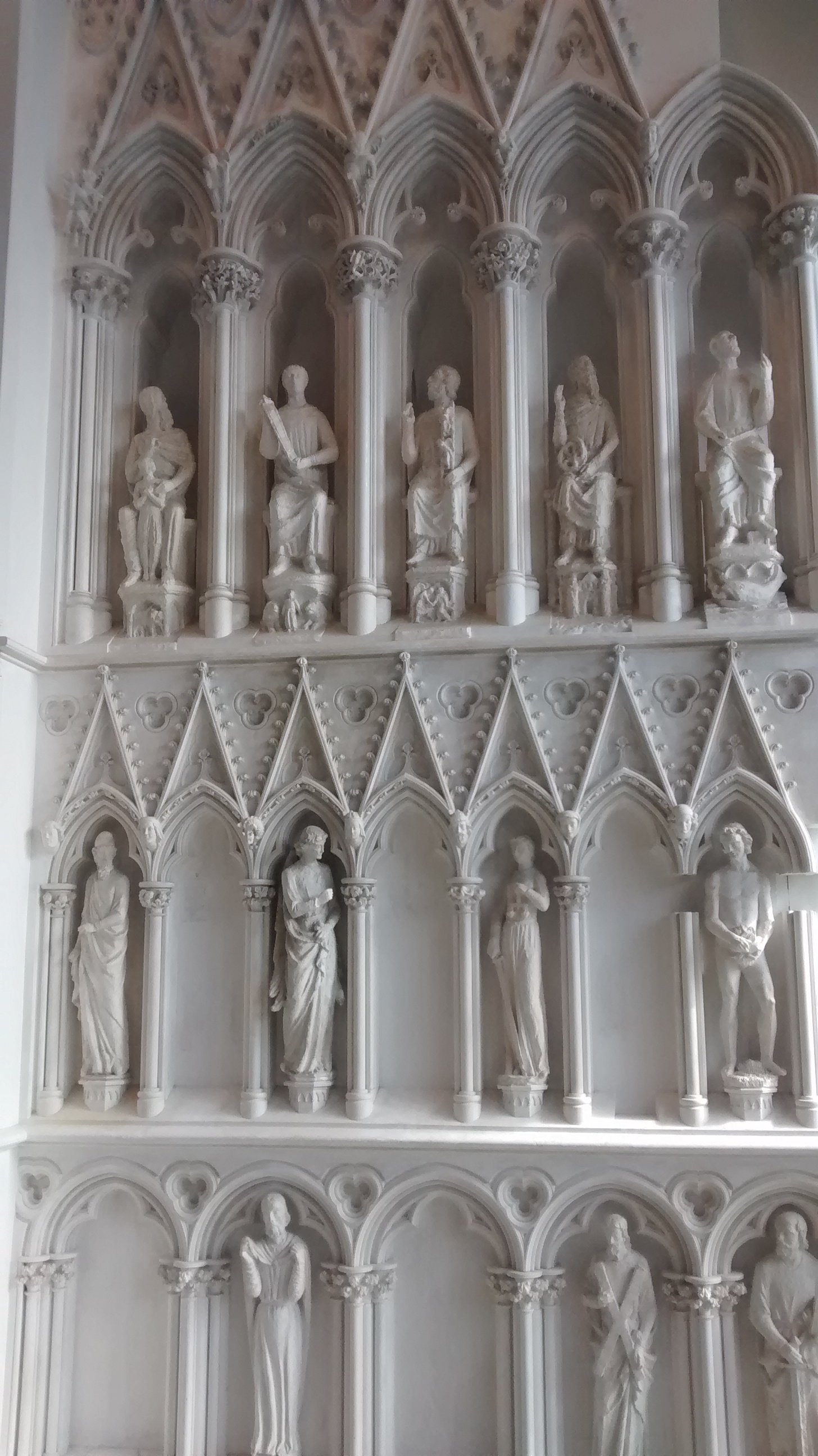
Nidaros Cathedral


The last one, located within the premises of the Cathedral, is a monument commemorating those who lost their lives during the World War II.

Night view from the Egon revolving restaurant


As with most historic cities of the day, Trondheim also appears to be striking a fine balance between preserving its heritage and absorbing contemporary building designs. One merely hopes that forces of crass commercialism are kept on a tight leash by those who matter.

Stay tuned for a saunter down the Trondheim Museum of Arts!

It is fashionable these days to speak of our beloved city metamorphosing into what is euphemistically referred to as a Smart City. Here is a contrary view which may find resonance with some of its residents.

These nameless denizens may instead like to lead a leisurely life in a city where:

  1. The need to jump out-of-the-way of a speeding vehicle gets minimized – in other words, hapless pedestrians and bicycle riders have the right of way; the use of horns and loudspeakers attract a hefty fine, leaving the offender crying all the way to his bank.
  2. Warehouses and hotels are not permitted within the boulevard limits, leaving the narrow streets peaceful and resident-friendly. Elderly and ailing residents need no longer complain of being startled at times – either by the incessant growling of commercial vehicles during days or by the sound pollution generated by tourist vehicles during nights.
  3. More parks, where citizens could stretch their limbs and try to fight off such lifestyle diseases as diabetes and hypertension, thereby warding off cardiac blues. Likewise, a denser coverage of main streets by trees with thick foliage, with water dispensing kiosks, toilets and garbage bins dotting the landscape liberally. What Pondicherry needs are more Ashe Marsons (of ‘Something Fresh’ fame) who are fond of brisk walks and Larsen Exercises in open spaces.
  4. All crossings within the boulevard area have convex mirrors at corners, thereby avoiding speeding-bike-enthusiasts routinely crashing into other vehicles, thereby putting life and limb to grave risks.
  5. All crossings across the canal are made obstruction free, avoiding blind spots and congestion on Gingee Salai and Ambour Salai. (As of now, the Vysial Street crossing is the only good example of a blind-spot free crossing across the canal.) Mandatory mini parks could be planned at all these corners. Shops peddling terracotta articles near the Ashram can be relocated to other suitable places, so the road on that stretch becomes clearer for traffic.
  6. The dependence on tourism alone to prop up the local economy is given a lower priority; where the powers that are exercise their grey cells better, hold consultations with business leaders so innovative ways to augment the territory’s revenues get planned and implemented. A concerted drive towards industrialization by using SEZ-earmarked and other parcels of land available could help. So could a hefty increase in registration charges for petroleum-driven vehicles, with substantial rebates for those who go in for greener vehicles.
  7. A multi-modal public transport system gets implemented in a mission mode, with battery operated vehicles alone being permitted within the boulevard area.
  8. Water channels and aquifers get revitalized, with the single aim of making Pondicherry a model in reversing the trend of increasing ground water salinity. A long-term plan to ward off the ill effects of rising sea levels and to tackle incessant rains also needs to be put in place.
  9. Strict ban on plastic bags of all kinds; a scientifically designed garbage collection and disposal system, duly backed by latest technology.
  10. Cooperation and collaboration at the top, leading to a visionary development of Pondicherry.

Call it a ‘smart’ one or a ‘dumb’ one, but the above features, if worked upon by those in charge of making things happen, would surely make the denizens of Pondicherry a healthier and a happier lot in the long term.

These would retain the essential character of the territory. What the planners would do well to avoid would be adopting a soulless materialistic ‘smart’ plan which would leave the residents gasping for clean air, yearning for sparkling water and ardently wishing for a sound of silence which would enable a person standing on Ambour Salai to hear the unmistakable melody of ocean waves on the main beach road.

(Notes:

  1. A version of this article can also be found at https://www.pondylive.com/2018/08/smart-city-pondicherry-why-some-of-us-prefer-a-dumb-city;
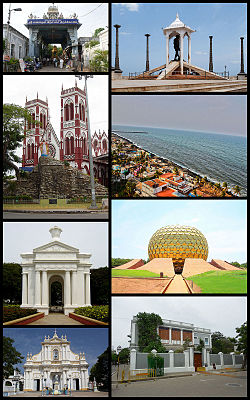
  2. Pondicherry montage courtesy www;
  3. Pondicherry street scene illustration by Emanuel Scanziani for Le Club, Pondicherry)


(Related posts:

https://ashokbhatia.wordpress.com/2015/04/13/reinventing-pondicherry

https://ashokbhatia.wordpress.com/2015/01/05/the-soul-of-mairie-speaks

https://ashokbhatia.wordpress.com/2011/07/26/puducherry-2025-a-traveller%E2%80%99s-memoirs)

ashokbhatia's avatarashokbhatia

You know the kind of disasters which strike you once in a while. JustBertie image when you feel that life is a bed of roses, God is in heaven, and all is well with the world, Fate sneaks up from the back. Your Guardian Angel decides to proceed on a vacation. The blow falls.

Two weeks earlier, Aunt Agatha had set in motion yet another of her mould-the-wastrel-Bertie programs. Having been forced to be affianced to Honoria Glossop for this period had been a trying experience.

With each day came the challenge of having to read at least fifty odd pages of serious literature, often followed by a visit to some frightful art gallery or the other. Being made to attend quite a few classical concerts proved to be a traumatic experience. I was left convinced that blokes like Beethoven, if I get one of the names right, should have been banished…

View original post 3,148 more words

Here is a country where the mind is without fear

And the head is held high

Where knowledge to children and youth is virtually free

And those distressed by the world are welcomed with open arms;


Where the definition of nationalism implies inclusivity

Fine arts of all countries and cultures are welcome

If narrow domestic walls exist, these are only to protect national interests

Where respect for the law of the land reigns supreme;


Where gender equity and diversity is not a mere slogan

The care offered to the elderly is exemplary

Some wish the taxes to be lower but realize the money is well spent

In many ways does it serve and comfort the citizens; 


Where human endeavour aims to attain perfection

Words come out from an inner conviction

Gentle, helpful, physically active and resilient

Following a work culture which deserves to be aped;


Where one can encounter the true gifts of nature

Clean air, pristine water, lakes and streams

One amongst which is the clear stream of reason 

Leading to ever-widening thought and action;


Into this heaven of freedom, I wish this country to remain.


(Inspired by the famous poem ‘Where the mind is without fear…’ by Gurudev Rabindranath Tagore)

Bertie Wooster, as you know,
Is not really a true Lothario.
Sure, he’s admired a girl or two,
As lively young Drones are apt to do.


There was Bobby, of the fiery tresses,

Who got Bertram into tangled messes.

And haughty Lady Florence Craye,

A lovely profile, seen sideway.


Pauline Stoker gave him quite a scare,
Lolling about in his gents’ sleepwear.
Honoria Glossop was a strong maybe,
‘Til her father gave the nolle prosequi.


The menace of Madeleine Bassett was there,
Like Damocles’ Sword, hung above Bertie’s hair.
Only Gussie Fink-Nottle, her prospective mate,
Stood between Bertram and a most hideous fate.


An English gentleman’s honour code,
Pointed Bertie down the matrimonial road.
Only an iron hand in a velvet glove,
Could loose the tightening fetters of love.


Fresh off a fish-containing snack,
Head visibly bulging at the back,
Jeeves glides in and finds a way,
To free poor Bertie and save the day.


Even in Bingo Little’s sad case,
When he falls for every pretty face,
Jeeves manages to pull off a stunning coup,
And pull young Bingo out of the soup.


We doff our hats to this wonder man,
Marvel at each Machiavellian plan.
If ever we stray on the primrose path,
We hope Jeeves can fix up the aftermath.

ashokbhatia's avatarashokbhatia

rainbow

O Divine,
I often dream of you,
I wrap these dreams in a soft illumined air,
Which lies in between the violet and the red colours.

Help me to make a colourful highway,
Connecting the Earth and the Heavens above,
Help me to plant seeds of the Infinite,
On this finite lump of dancing mass we call the Earth.

Over time these seeds would grow into powerful creepers,
Gently opening the new life’s doors of bright white hue,
Giving us a peek into a magnificent palace,
Of an ornamental roof and gleaming floors.

These dreams of a new race I do believe in,
With Your grace, these would surely manifest on Earth,
Eventually, these would become the living truth,
Making humanity experience unalloyed joy and infinite bliss.

(Contributed by Usha)

View original post

A Prayer to the Lord

ashokbhatia's avatarashokbhatia

04

The dark blue color of your skin matches the deep hue of the late evening sky,
You are the light in the cosmos, you are the force which makes heavenly bodies fly;

You are the atom, you the nucleus, you the particle which goes around,
You are the invisible force which keeps the entire universe bound;

You reside in the sweet fragrance of the flowers, in the sap of plants,
You flow in the rapids, leap up in flames, you are in insects and in ants;

You hide in the melody of music, in the ether, in the tiny grains of sand,
You are behind all joys and sorrows of nature, in the rainbow, in the fertile land;

O supreme Bliss, who and where are you, we wish to know,
Words can’t describe you, thoughts can’t fathom your flute and bow;

We bow down to you but are fed up…

View original post 22 more words

Leigh Turner's avatarRobert Pimm: novels, short stories and more

I have written several times in these chronicles of my slow-burn devotion to the works of P G Wodehouse, including my induction (How to read P G Wodehouse: a practical guide), drawing on the excellent advice of fellow WordPress blogger and Wodehouse specialist Plumtopia – strongly recommended for all things Jeeves and Wooster and beyond.

Hence my concern, bordering on panic, at my initial perception that “Jeeves and the Feudal Spirit” was not quite such a pearl of the Wodehouse canon as, say, the wondrous Thank you, Jeeves.  Bertie Wooster’s early decision to grow a moustache, to the disapproval of Jeeves, felt a little familiar as a plot device.  The plot of the first half of the book meandered – well, I am reminded of Bertie’s description of Daphne Dolores Morehead on her first appearance in the novel as having “a figure as full of curves…

View original post 1,143 more words

ashokbhatia's avatarashokbhatia

KalidasaKalidasa, said to be born in the 4th century AD, is widely regarded as the greatest poet and dramatist in the Sanskrit language.  Had he been alive today, he would have been a very busy man, possibly assisted by a huge team of research assistants, dishing out scripts, dialogues and lyrics for a vast majority of our dream merchants in Bollywood.

His emphasis on capturing the innate beauty of nature might not have enthused many of our present day producers and directors. However, his evocative portrayal of female beauty and the passionate depiction of the affairs of the heart would have surely had the Bollywood movie makers in enthrall.

In his ‘Ritusamhara’ (Medley of Seasons), Kalidasa describes six seasons in his inimitable style: Summer (Greeshma), Monsoon (Varsha), Autumn (Sharad/Patjhad), Pre-winter (Hemant), Winter (Shishir) and Spring (Vasanta). Each one is dealt with evocative descriptions of the elements of…

View original post 586 more words