Feeds:
Posts
Comments

Vision and Mission Statements of corporates adorn their walls and can be readily copied. However, the value system of an organization is not something which can be copied very easily. It permeates the entire organization – its hierarchy, its various divisions or departments. It rubs off on most of its employees. Even service providers and supporting manufacturers get tuned to the same frequency. It would perhaps not be wrong to surmise that values are to an organization what the soul is to a physical body. Organizations which thrive over a long period of time and achieve sustainable commercial success would invariably be found to have sound values at the core of their operations.

Manifestation of values

Small things reflect the values being followed – whether spaces in the car parking lot are allotted hierarchy wise or are based on a first-come-first-served basis, whether the corner office has high sound-proof walls all around or is open to all to signify transparency, whether the boss is entitled to charge the company for her spouse accompanying her on a business trip, whether office stationery items get whisked off to executives’ households for use by their kids, or whether use of cell phones or social media platforms is viewed with a sense of benign resignation by a hapless human resources honcho.

One striking feature of values is that even if these remain spoken of in hushed tones and get communicated more effectively through grapevines which are embedded deep in any organization, it is leadership which sets the tone. Those down the ladder fall in line. Those who shape up, and have a reasonably good performance on the job, survive and do well. Those who do not, get eventually shipped out. The latter then try to look for other organizations where the values – theirs and those of the organization – happen to be in harmony.

When head-hunting for a CFO, Human Resources honchos know pretty well that even though the final three short-listed aspirants happen to have near-identical qualifications and experience, their personal value systems would set them apart. One would not mind being used to extensive window dressing to please diverse stakeholders, thereby raising the concern for a disaster lurking round the corner in not so distant a future. Another might admit to being open to transactions in hard cash, thereby consolidating his own power and pelf in the company, if appointed. Yet another one might take a dim view of any underhand dealings and project the image of someone who believes in transparency with the internal as well as the statutory auditors, thereby leaving the CEO and the board of directors breathing easier. If the management cares about maintaining high standards of corporate governance, the last one would land the assignment.

At the macro level, values of an organization manifest in the wisdom which underlies their actions. When it comes to achieving the heights of corporate excellence, organizations which have sound long-term values are invariably found to enjoy strong brand equity. Scratch beneath the surface and one is apt to discover the wiser ways in which it conducts its operations. Its initiatives lead to a sustainable growth of the business, giving back to society in ways which are imaginative as well as pragmatic.
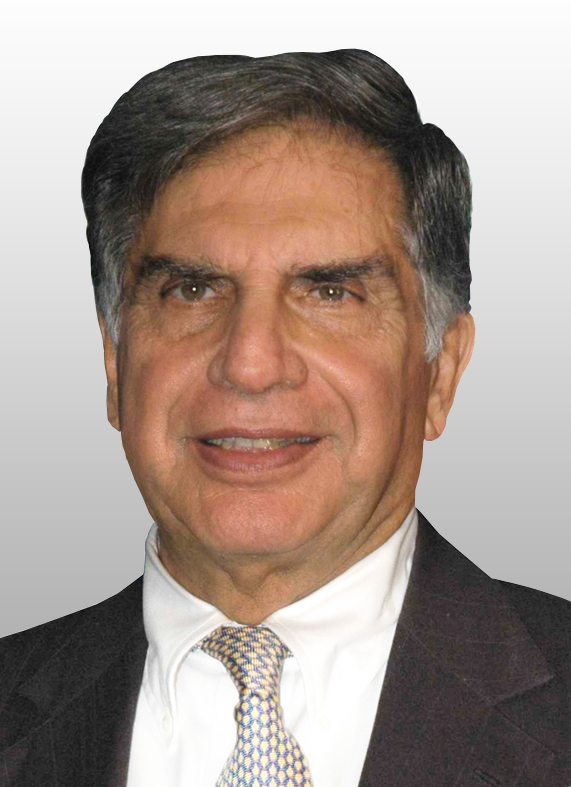
Take the case of Tatas, a salt-to-software business conglomerate which has more than one hundred companies in its fold, spread over more than one hundred countries. Their businesses might be as diverse as chalk and cheese but much like beads strung together by a string, what holds all these outfits together is a common set of values which the group stands for. The name stands for dependability and better value for money. Around two-thirds of the profits of the group flow into Tata trusts which channelize these back to the society in myriad ways.

Speaking to the conglomerate’s leadership recently, Ratan Tata, Chairman Emeritus, said that the group has been under “fire” for the past few months due to allegations of mismanagement and “being in business for reasons other than good corporate governance”. “The spirit that we had that made us grow to $100-billion revenues has not been through mismanagement and unethical procedures,” he said, adding that it has grown by being a visionary, having a spirit of integrity, unity and doing philanthropy.

Products and organizations have life cycles of their own. Just like the human body is prone to many changes – birth, existence, growth, decay, disease and death. But values outlive these perils of life; somewhat akin to the Self which Gita holds to be eternal and deathless. Values pervade all arms of any organization.

अविनाशि तु तद्विद्धि येन सर्वमिदं ततम् |
विनाशमव्ययस्यास्य न कश्चित्कर्तुमर्हति || 17||

avināśhi tu tadviddhi yena sarvam ida tatam
vināśham avyayasyāsya na k
aśhchit kartum arhati

That which pervades the entire body, know it to be indestructible. No one can cause the destruction of the imperishable soul.

An inner connection to handle myriad challenges with aplomb

Hapless CEOs face myriad challenges. There are pinpricks from customers, employees, suppliers and many other stakeholders. The directors and the shareholders have to be kept in a positive frame of mind. Regulatory agencies and government departments have to be kept in good humour. Concerns for upholding norms of corporate governance keep snapping at their heels. Only nerves of chilled steel and deep reserves of inner resilience can help them to keep performing on all the twelve cylinders. An inner connection surely helps.

In an indirect manner, Gita touches upon the importance of an inner connection for business leaders. It holds that wise are those who enjoy a tranquility and calmness within themselves. Their inner being is in harmony with their outer being. Their decision-making is based on balanced, well-considered and a holistic view of the facts of the case. They do not manage crises in business with knee-jerk reactions. They deal with people according to their nature and with occurrences in the business environment according to their force and the truth or hard reality they represent. Impartial they are. Detached they are. Compassionate they happen to be, but never at the cost of their innate wisdom and truth. And never do they compromise on their core values.


ashokbhatia's avatarashokbhatia

With its scenic promenade, picturesque locations, an old world French ambience, Sri Aurobindo Ashram and Auroville, Puducherry offers the lay visitor a curious combination of hedonistic as well as spiritual opportunities. One could go on a spirited binge and simply freak out. Otherwise, one could soak in its spiritual glow and get mentally uplifted.

True to the innate character of Puducherry, most of the films shot in the town also reflect a somewhat similar bipolar tendency. Amorous endeavors get captured on celluloid. Themes with a spiritual strain also find Puducherry attractive. Occasionally, one would find the town getting mentioned in a block buster!

Here is a quick recap of the Hindi and English movies which have had a Puducherry connection.pondy movie Jism

Jism (2003, Amit Saxena) was an erotic thriller. Obsession with the pleasures of the flesh and greed for wealth eventually drive the main protagonists towards a tragic end.

pondy movie black 1

Black (2005…

View original post 393 more words

ashokbhatia's avatarashokbhatia

In quite a few memoirs of Bertie Wooster and Jeeves, we are treated to an exquisite insight into the way the long arm of the law works.

One is not referring here to the stern looking beaks who sit in a Court of Law, eyeing Bertie Wooster or any of his friends censoriously over their well-polished pince-nez while dishing out sentences without the option.

Instead, one alludes here to the humble constabulary which ensures that the laws in force are rigorously implemented without a flaw on their personal reputation and character. While tracking down criminals, they spare no effort. It is their upright and proper conduct which upholds the might of the Law. They are invariably meticulous in their approach. They show due respect to the gentler sex, unless they have direct evidence to the contrary. Even defaulters of the canine kind do not escape their fury.

When it comes…

View original post 1,426 more words

P G Wodehouse and the little town of Pondicherry in India could both boast of a French connection.

The former began his stint in France in 1934 at Le Touquet, but was detained and interned by the advancing German army in 1940. When he was released in 1941, he went on to live in Paris from where he left for USA in 1947.

As to Pondicherry, it was in 1674 that the French East India Company set up a trading centre there. This outpost eventually became the chief French settlement in India. With some intermittent breaks, Pondicherry remained one of France’s colonies in India till 1954.


Policemen surely play an important role in many of Plum’s narratives. A majority of them happen to be in the service of the Queen. Some are also of French origin. Thus, to a lesser mortal like yours truly who happens to be a fan of his and is normally found polluting the Pondicherry landscape, a museum showcasing the history of our gallant policemen there does hold some attraction. Add to this the allure of looking up policemen’s helmets of various kinds at closer quarters, and the gig becomes a must-do.

The challenges

The police force in Pondicherry comprises not only the higher rungs of officers in Central or State government services but also the humble constabulary which ensures that the laws in force are rigorously implemented without a flaw on their personal reputation and character.


While tracking down criminals, they spare no effort. It is their upright and proper conduct which upholds the might of the Law. Their career pursuits may not be of much interest to either the Scotland Yard or the DGSE, but they happen to be meticulous in their approach. The force believes in gender parity and has exclusive outposts (wo)manned by the delicately nurtured.

Much like their counterparts elsewhere in the world, often they face the challenge of walking the thin line between performing the duties assigned to them and kowtowing to the wishes of their political masters, much like a cop in Plum’s narratives who has no recourse but to yield to the wishes of his Justice of Peace.

Yet another serious challenge the constabulary in Pondicherry has always faced is that of keeping a strict eye on its multi-ethnic society. In order to be able to understand the psychology of the denizens under their watch, its members need to be fluent in several languages. In a write-up dating back to 1943, Monsieur Le Chef d’escadron Petignot, the then Commandant les Forces Publiques de I’Inde Francaise, speaks of the Indigenous police constabulary being entrusted with ensuring administrative police and judicial police in most parts of the territory where all the castes and almost all races exist, having to make enquiries in as many as eight different languages – French, English, Tamil, Hindustani, Malayalam, Telugu, Bengali and Oriya – indicating the extraordinary situation which this police force was required to function in.

Of French policemen and weapons

Fans of P G Wodehouse fondly recall the pursuits of Pierre Alexandre Boissonade, Commissaire of Police, in French Leave, as also those of Monsieur Punez, one of his underlings. They would be disappointed to learn that the former never made it to the coveted post of a Directeur de la Police at Pondicherry. Had he done so, he would have found himself on familiar ground, what with the place being akin to the fictitious French resort of Roville, duly infested with troubled lovers, impoverished aristocrats, millionaires and servants. To his surprise, he would have also found expatriates of all hues, sizes and shapes, spiritual aspirants, retired French army personnel, the annual July shoppers which descended on the town with sackfuls of the green stuff, the weekend youth who popped up merely to soak in the spirited ambience of the place, heritage enthusiasts, environmental activists, busy physicians, egoistic academicians, robbers, swindlers and argumentative fishermen.

The deftness with which Psmith handles a situation which involves the use of a revolver in Leave it to Psmith does make one wonder as to the kind of weapons which the police force in Pondicherry used to rely upon to keep the ambitions of its criminals under check.

The enticing proposal of a pinching technique

A saunter down the Police Museum at Pondicherry does clarify some such doubts, as the photographs accompanying this write-up amply demonstrate.

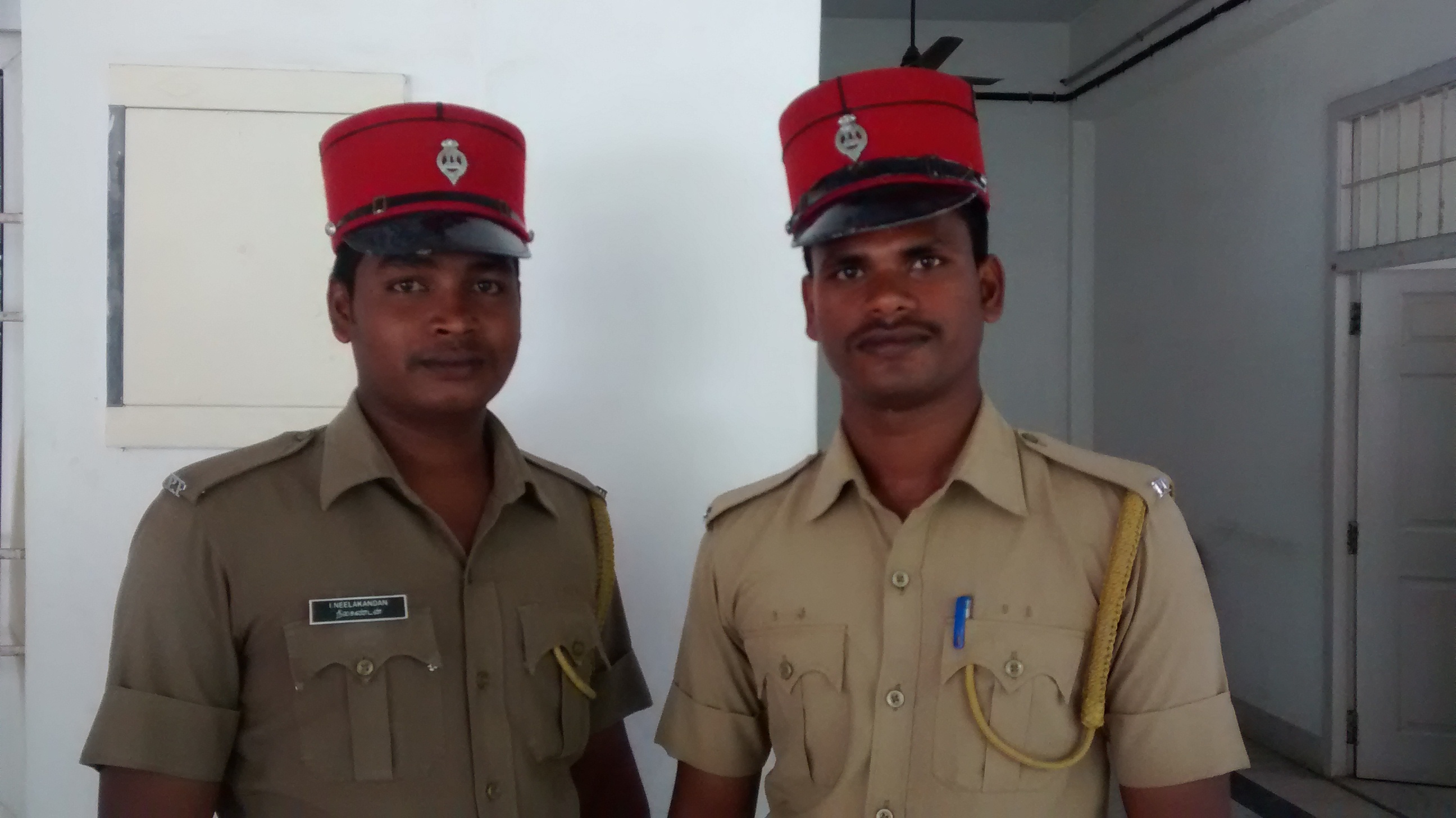
Of particular interest to yours truly was the display of various kinds of ‘kepis’ in use by the police force in Pondicherry. One could not pinch any, of course. But a soft glow of inner satisfaction was surely experienced at being allowed to fondle one for a few minutes.

A close examination revealed what could perhaps be a better technique of pinching one of this kind, if ever one’s Guardian Angels offered an opportunity to do so – the backward shove, followed by a vertical anti-gravity push, while using one’s non-twiddling thumbs to hold the desired object from the front side.

Bertie Wooster would surely approve.


(Note: For a history of the Pondicherry police force, please refer to http://police.puducherry.gov.in)

(Related Post: https://ashokbhatia.wordpress.com/2018/07/22/of-a-mom-bassett-and-the-allure-of-policemens-helmets)

Honoria Glossop celebrates the Aunt and Uncle Day in a Plummy style!

Honoria Plum's avatarPlumtopia

“That was Pongo Twistleton. He’s all broken up about his Uncle Fred.”

“Dead?”

“No such luck. Coming up to London again tomorrow. Pongo had a wire this morning.”

P.G. Wodehouse – Uncle Fred Flits By

aunts gentlemen26 July is Aunt and Uncle Day apparently.
The nub of the thing, I gather, is to commemorate the wonderful aunts and uncles in our lives. A nice idea, but it’s not an occasion I’m familiar with and I have no idea how it’s celebrated. A family dinner might be fitting. You could write or call them to say hello — or even send flowers.

Or you could try the P.G. Wodehouse method. Wodehouse created a memorable cast of aunts and uncles in his works, and it’s generally believed that he drew his inspiration from life. One can only imagine how his relations felt about being immortalised in this way.

My friends at the Fans…

View original post 543 more words

There are indeed times when one is feeling rather chuffed and believing that God is in heaven and all is right with the world, and it is precisely at times such as these that life plays a cruel joke on one. Residents of Plumsville would agree that it quietly sneaks up behind one and strikes at the not-at-all-bulging-at-the-back head of one with a hollow lead pipe, duly stuffed with cast iron pellets.

A straight forward person like yours truly would never aspire to walk in the footsteps of someone like Soapy Molloy or Sid Marks. But life recently played a prank and made me come very close to such an experience.

I had just returned to my home and hearth in Pondicherry, India, from a lovely trip to Europe, full of sweet memories of the time spent with my children and grandchildren who inhabit that part of the world. The door bell rang and, to my utter surprise and horror, I found a stern looking policeman eyeing my humble abode with a suspicious gaze. I mustered some courage and peeped out of the main gate.

‘Ashok Kumar Bhatia?’, he asked, giving me a supercilious look which would have met with hearty approval of someone like Bartholomew.

Having had a great deal of experience with dominating bosses, I did what I know best – I nodded in quiet affirmation.

‘There is a warrant for you’, said the policeman.

Even at the best of times, the long arms of law leave me twiddling my thumbs. The declaration that there was a warrant for me left me shuddering from the top to the base of my frail frame.

‘Warrant?’, I bleated.

Ignoring my nervousness, the policeman proceeded to clarify that I was wanted in the court on the given date, though not as a criminal but merely as a witness. Given that the local language is as alien to me as is Latin and Greek, and that the party of the other part had never progressed beyond the first lesson of a correspondence course in Queen’s English, the dialogue between us was sporadic.

Eventually, it transpired that I was expected to appear in a court in connection with a crime which had been perpetrated by four criminals in respect of some property of a company I had worked for more than a decade back. The wheels of justice do move rather slowly. Sixteen years after the crime took place, I was supposed to pop up and testify that the crime indeed took place.

Well, as a duty-bound citizen, I had no other option but to receive the warrant. The soul was left all of a twitter. There were sleepless nights till the date of appearance. Dark circles formed below the eyes are yet to disappear.

An encounter with Ma Bassett

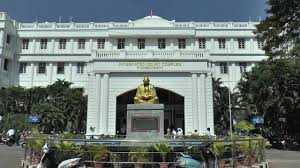
When the day dawned, a hurried breakfast was put down the hatch. A rush was made to the court complex. After parking blues were faced with a chin-up attitude, the challenge of locating the court room specified had to be braved. A climb of three floors left one’s heart thumping even more than the agitated state in which the poor thing already found itself on that fateful day. Once the court room concerned had been identified, the long wait for the honourable judge began. The gang of four criminals, standing in a corner with a furtive look on their not-so-pretty faces, kept giving me dirty looks at frequent intervals.

A stern looking lady judge shaped along the lines of Mom Bassett finally arrived. I confess I have no information as to the physical features of the lady who had brought into this world a unique specimen of the tribe of the delicately nurtured, namely Madeline Bassett. Unlike her daughter, she was neither soupy nor blonde. Nor was she a breath-taker that takes one’s breath away. If her daughter was mushy and fanciful, the lady beak in question was surely not. She had a perpetual frown on her visage, leaving me wondering if she suffered from dyspepsia.

The court was called to order. Several other witnesses got called, with each one getting cross-examined by a lawyer bloke who looked at witnesses as if they were the dust beneath his chariot wheels. The local language was in use, and yours truly could hardly understand precisely what was transpiring.

When called to the witness box, the soul was in torment. I confess I felt weak in the knees. An oath of truthfulness was administered. The lady beak had to be requested to accept my use of English, to which she very graciously consented, but not before eyeing me with unmasked contempt. The typist assisting her with the help of a vintage typewriter was duly instructed.

The lawyer concerned then pounced upon me with all ferocity, desperately trying to establish that I was not present on the scene of the crime. I meekly assented, because that was indeed the case. After each of my answers, the lady beak turned to the typist clerk and repeated what I said at a very slow pace, thereby enabling the typist to do justice to the transcription. After what sounded like a few hours, but might have merely been a span of twenty minutes, the questioning ended and I was asked to get off the stand.

The allure of policemen’s helmets

The ordeal over, I heaved a sigh of relief. I was asked to wait, so I could sign my statement typed out by the court clerk. While waiting outside the court room, I ran into two friendly cops who kept me engaged with their small cross-talk in the overcrowded corridor. Unlike Sergeant Edward Voules, they were rather slim and trim and were surely not built on the lines of the Albert Hall. Possibly, they could have made a cut as his nephews, Dobson 1 and Dobson 2, in search of their respective heartthrobs.

I was sorely tempted to request them to allow me to try out their toupees, but the sinister ambience of the court complex thwarted my ambitions. Pinching was out of the realm of feasibility, simply because it entailed the risk of their apparent friendliness getting quickly transformed into a disastrous viciousness.

This was not the first time, though, that I had missed an opportunity to lay my hands on a copper’s helmet. Even earlier, while at the Amsterdam airport, I had once spotted a pair of young policewomen who sported gleaming headgear. Their smartness merely added to the gravitational forces of allure which fans of P G Wodehouse generally experience when in the vicinity of policemen’s helmets. But the steely look in their opaque eyes and the manner in which they were wielding their batons had then stopped me in my tracks.

When it comes to making court appearances and pinching helmets, I guess I need to work further on my nerves and try to pour some chilled steel into them. I wonder if there are surgeons out there who wield a scalpel and are good at such transplants.

Or, my Guardian Angels need to send in a Stephanie Byng who would keep prodding me in the ribs at frequent intervals, exhorting me to pinch a policeman’s helmet as and when the next opportunity presents itself.

ashokbhatia's avatarashokbhatia

Napoleon, had he been around in our times, would have been amused upon discovering the high level of influence he exerts over the residents of Plumsville. Much like a spiritual sun which shines with equal benevolence on all, his leadership traits and planning skills provide inspiration to almost all the characters we come across in the narratives dished out by Plum. Even in defeat and disorderly retreat, he does not fail to provide succour to a tormented soul. His soft power extends to a wide variety of situations and continues to enthuse many amongst us.

When it comes to handling a difficult task, Napoleon provides the inspiration. With him around, failure is not an option. When irate nerve specialists have to be confronted, his skills in planning wars come in handy.

Members of the so-called sterner sex shudder at the prospect of being expected to carve out a Napoleonic career…

View original post 2,861 more words

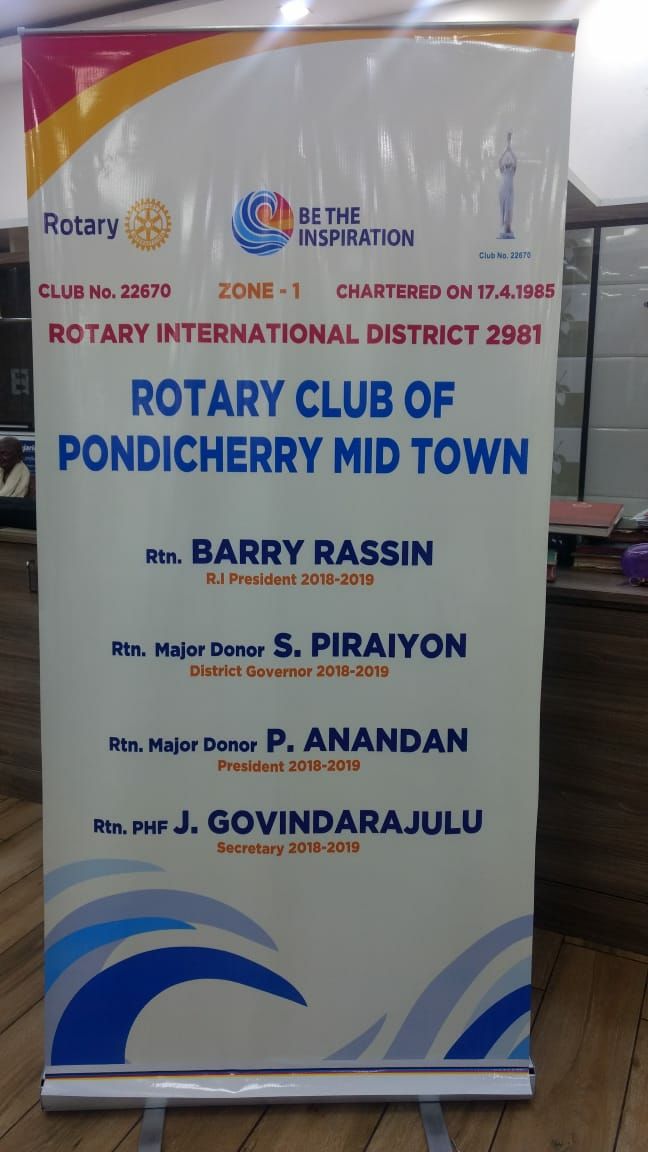
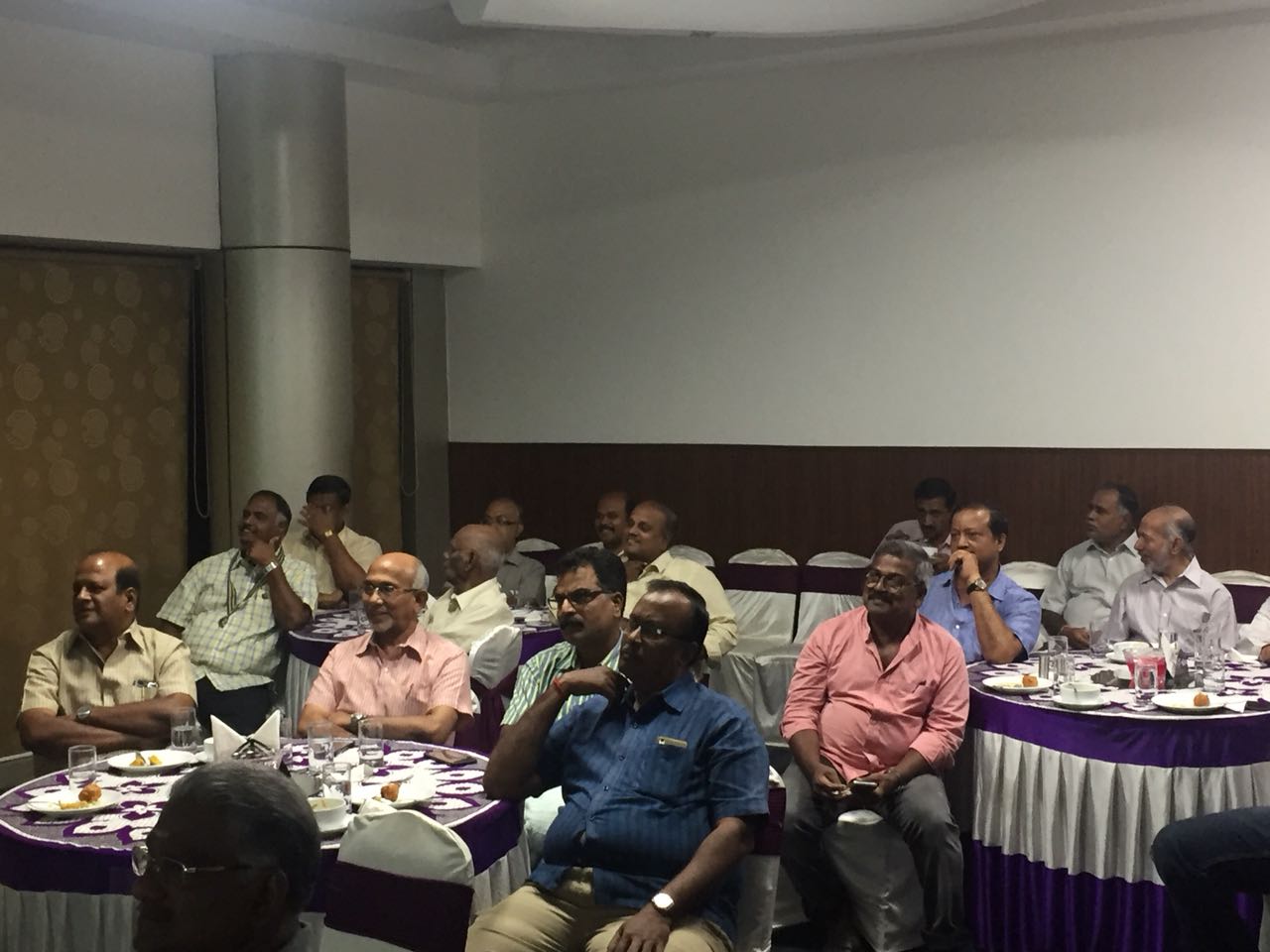
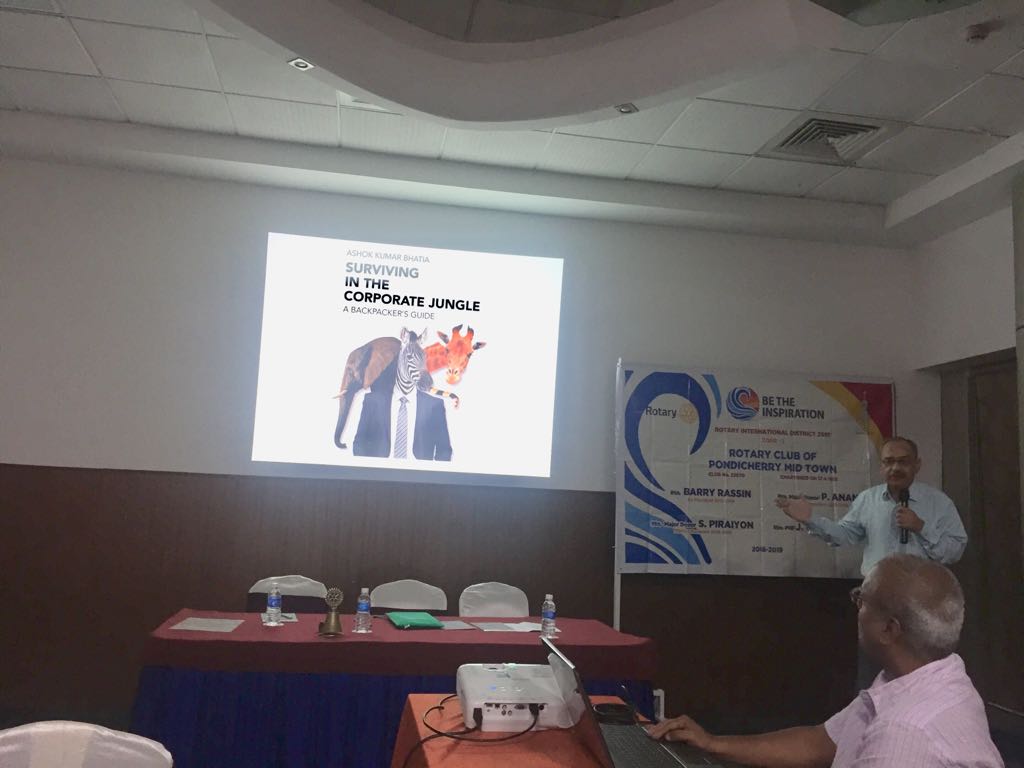
Recently, your truly had the privilege of addressing members of the Rotary Club of Pondicherry Mid Town. Business lessons from some of the cartoons created by the inimitable R K Laxman and Mario Miranda were presented.

Since the orange juice served before the talk was not laced with an appropriate tissue restorative, yours truly was all of a twitter. At such occasions, one tends to get tongue-tied, much like a Gussie Fink Nottle when he runs into a Madeline Bassett. Nevertheless, the Wooster policy of a chin-up attitude comes to one’s rescue. Services of one’s nerves of chilled steel have to be called upon. It also helps not to have any giggling girls in the audience.

This is how yours truly was introduced to the audience.

“Mr Bhatia is a management guy by profession and a romantic at heart. He did his MBA in what he labels as the pre-Jurassic period of management education in India.

In the 42 years he has spent unlearning management theories in the private sector, he spent quite a lot of time with Tatas, Hidesign and HCL. Whenever he left these companies, the managements there were absolutely relieved and delighted. He has been a promoter director of several companies, all of which you will never hear of.

As a speaker, he has already been hooted out at several IIMs and other leading management institutes. Whichever city he speaks in, he makes the vendors there very happy, because the audience buys rotten tomatoes and eggs in bulk, so the same may be thrown at him. Organizers of his talks are invariably on the lookout for body scanners which can be used to screen the audience before they enter the auditorium.

He still has some grey cells left. These keep the flow of creative juices going on. He creates movies on topics of family interest. He has a regular blogger on various subjects – management, movies, P G Wodehouse, etc.

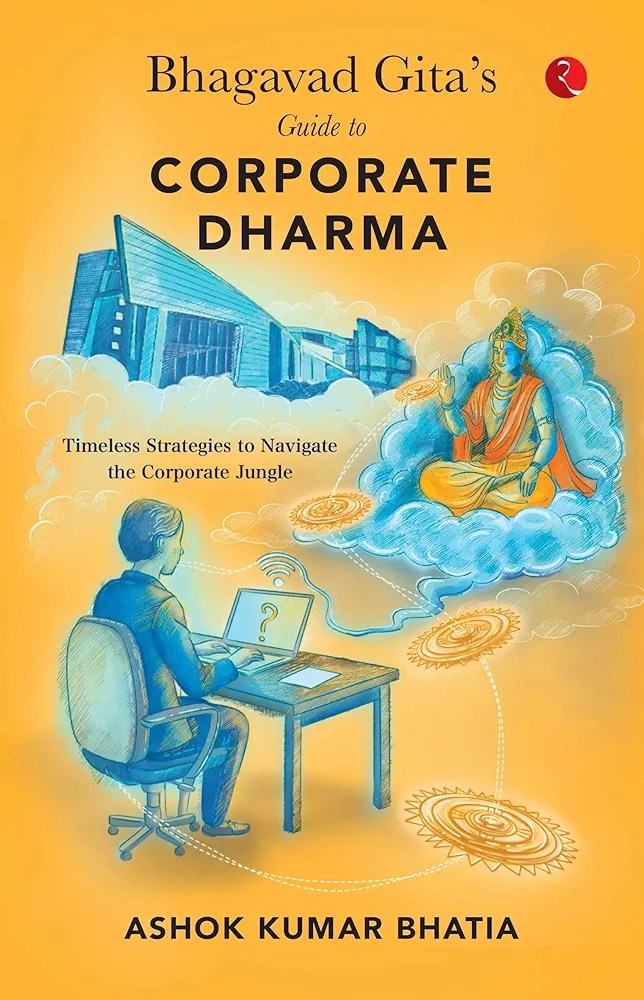
We may call him a wordsmith and a management thinker. He has even published a book entitled “Surviving in the Corporate Jungle’ – first in Portugal, then in India. He claims he is not a descendant of Vasco da Gama.

He claims to suffer from two maladies – Professor-itis and Wodehous-itis. He is not wanting to be cured of these.

He is a non-resident Puducherryite. He is a harmless creature otherwise.”

The talk ended with some brilliant questions posed by the attentive audience getting handled by a jittery speaker.

A Drones club atmosphere prevailed thereafter, what with a lavish dinner getting served and some bread-crumb-throwing getting practised by those present on the occasion.

(Related Post: https://ashokbhatia.wordpress.com/2016/04/01/about-me)

ashokbhatia's avatarashokbhatia

Those of you who are fond of cats would perhaps be able to draw a parallel between the behavioral traits of the bosses they deal with at their place of work and the feline creatures whose company they cherish at home.

Here are some of the roles which appear to be common between the two species.cat 4

Actors

Both expect to be treated like royalty. The way they conduct themselves is nothing short of regal. They lord over whatever they survey. They can show off annoyance at being interrupted – while devouring a slice of fish as well as while delivering a sermon on office manners.

Never would they show appreciation for what you do. The only time you find them cuddling up close and purring is when they need a tacit assurance of your support towards an assured delivery against a juicy target set by the top dog.

Try and…

View original post 731 more words

(Here is the final part of a story whipped up by Shalini, an eight year old who has an abundance of creative juices sloshing about within her. Yours truly was merely assigned the task of putting it to pen and paper, so to say.)

A chance meeting in Switzerland

Suraj was part of the school orchestra. The school orchestra had become popular. It was invited to play at the Lucerne Music Festival.

Rakesh and Kala were worried about the high expense involved. The school music teacher explained to them the importance of taking part in an international festival. Seeing the enthusiasm Suraj had for playing as part of the school orchestra, they decided to send him to Lucerne.

At the Mumbai international airport, whole family came to see off Suraj. Kala had packed some of Suraj’s favourite sweets. She had tears in her eyes but was happy that her son had got this opportunity.

At Lucerne, the orchestra team was taken on a sight- seeing tour of the city. Suraj looked wide eyed at the lake, by the side of which was the Culture and Convention Centre where the team was to perform in a few days.

On the other hand, Leo was practicing hard on the piano. He was one of the students chosen by his school to take part in the orchestra which was coming from India. He had heard about India from his parents. He looked forward to making friends with some Indian students.

Three days before the performance, a practice session was held. When he entered the venue, a teacher stopped Leo from going inside.

‘You had already gone inside’, she said. ‘Where are you again coming from?’, she asked.

‘Maam, but I just came in. My mother just dropped me outside,’ said a surprised Leo.

‘OK, show me your school card.’

Leo showed her his school card. She took him inside and then identified Suraj. She called him over and checked his identity card also.

‘I am sorry. I must have made a mistake. But both of you look so much like each other’, she said and withdrew.

Suraj and Leo shook hands. Both were surprised to see each other. They looked like mirror images of each other.

The practice session began and went off well. When it was over, Leo ran into the arms of his mother who was waiting outside. He told her excitedly what had happened. Leila could not believe her ears. She went into the building, with Leo following her. She first met the teacher who had stopped Leo at the auditorium door. She was directed to where Suraj was standing with his school mates.

One look at Suraj, and Leila was happy and sad at the same time. Happy, because she thought she had met one of her missing children. Sad, because she did not know how to check if Suraj could indeed be her own lost child. She went ahead and shook hands with Suraj.

‘So, you come from India?’, she asked politely. She felt like hugging him.

‘Yes, maam,’ said Suraj respectfully. He somehow felt drawn towards Leila.

‘Where are your parents? Who are they?’

‘Maam, my father’s name is Rakesh. My mother’s name is Kala. We live in Mumbai.’

‘Do you have any brothers and sisters?’

‘Yes. We are four – two brothers and two sisters.’

Leila could not control her tears of joy. She gave Suraj and tight embrace and kissed him on his forehead.

‘My dear…..what is your name?’

‘Suraj, maam.’

‘Are you parents here with you?’

‘Only my father has accompanied. He is waiting outside.’

‘Let us go and meet him, then!’, said an excited Leila.

Outside the hall, Leila and Rakesh met. Rakesh was surprised to see Leo, who looked just like Suraj. After a brief introduction, Leila took Rakesh and Suraj to her home. There, Rakesh met Joseph, Livio, Sara and Anisa.

Joseph explained to Rakesh what happened when they went to India more than ten years back. Rakesh could not believe this could be happening. Late night, after dinner, Joseph dropped Rakesh and Suraj at the hotel where they were staying.

A family reunion 

The concert got over well. The Ambassador from India was the chief guest. Rakesh and Joseph met him together and explained what had happened. The ambassador suggested Joseph and the family visit India soon. A meeting between Leila and Kala would help, he thought.

Rakesh and Suraj returned to India. The day came when Joseph, Leila, Leo, Livio, Sara and Anisa came to Mumbai and met Rakesh, Kala, Madesh, Suraj, Sita and Yashoda. Leila was very happy to meet Kala and her other children.

Rakesh and Joseph went to the orphanage and met an elderly Sister Alicia. They told her about discovering each other by chance. They wondered if the orphanage had any record of how Madesh, Suraj, Sita and Yashoda had reached there. After searching old records, Sister Alicia gave them John’s address in Goa.

All of them travelled together from Mumbai to Goa. They sang songs together and were very happy. Leila was happy that all her lost children had been brought up so very well, with good family values. Several times, she expressed her gratitude to Kala for having taken so very good care of the children.

Upon reaching Goa, they located John, who confirmed that he had rescued four children when the boat accident took place. He was happy that the family had got reunited.

All is well that ends well

After some time, they all decided to be together at Lucerne in Switzerland. Jospeh helped Rakesh and Kala to start a catering service for Indian dishes. They stayed on two floors in the same apartment complex. They shared meals, ideas and things between themselves.

Madesh is now training for lawn tennis. Suraj has joined a violin academy and become part of a local music group. Sita has started studying to become a doctor. Yashoda has taken up a course in hotel management. She also helps her parents in their business.

Leo continues his practice on the piano. Livio has become a ski instructor. Sara is studying engineering. Anisa has started offering ballet classes. Often, she can be seen performing on stage in various parts of Europe and Asia.

Lake of Lucerne and Bristenstock

Leila and Joseph are happy that all of them are finally together. All the children are honest, truthful and good at heart. They have a strong character. They are talented. They speak politely and respect their elders.

The whole family has faith in a super power which keeps all the people in this world happy, joyful and satisfied.

(Related Post: https://ashokbhatia.wordpress.com/2018/07/05/an-eight-year-old-whips-up-a-story-part-1-of-2)