Raj Yoga is not a term that the scripture uses explicitly. But throughout the narrative, one finds this to be the underlying current of thought. It elaborates upon the way business leaders and CEOs need to conduct themselves. It nudges them towards the overall goal of doing the right things the right way, keeping the overall good in mind. It highlights the need for a person to strive for spiritual progress and indulge in such practices as meditation and the study of scriptures to realise the ultimate reality of the self within each one of us. It helps one attain a state of perfect harmony where all distinctions and contradictions disappear.
In Chapter 9, Gita cautions us to abhor blind faith, thereby telling us to avoid sycophancy at all costs. Moreover, in real life, we see that religion, particularly the ritualistic version of it, often tends to divide humanity and leads to conflicts. Spirituality, on the other hand, has the potential to unite us.
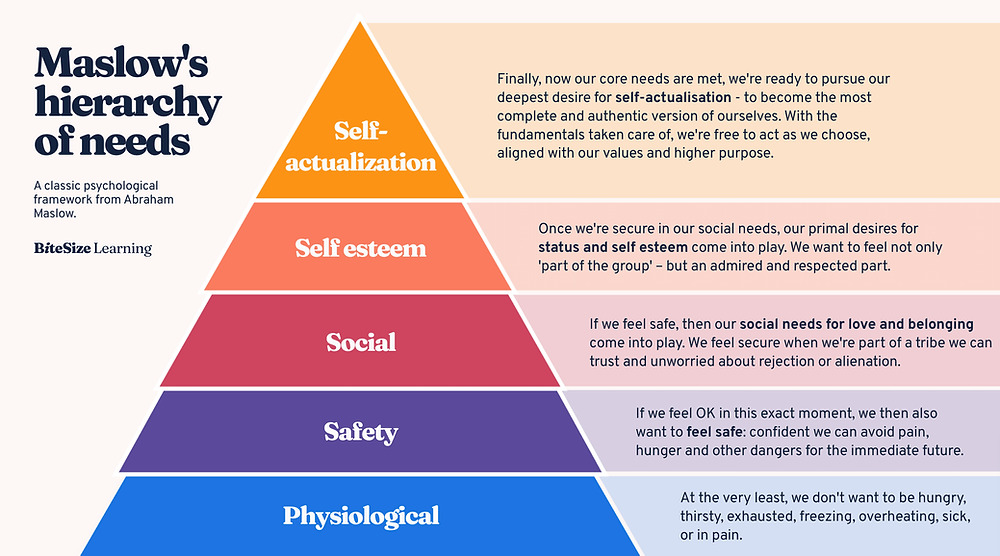
CEOs who take this path and evolve to ‘a state of self-actualisation’, to borrow a term from Maslow’s ‘Hierarchy of Needs’, would tend to take a holistic view of the operations and people under their control, thereby working for the good of all stakeholders. We may call them ‘leaders steeped in a higher state of consciousness,’ worried as much about the results of the next quarter as about the ESG impact of their businesses.
Gita presents the concept of Raj Yoga as an approach to self-perfection and extolls it as a royal secret!
राजविद्या राजगुह्यं पवित्रमिदमुत्तमम् ।
प्रत्यक्षावगमं धर्म्यं सुसुखं कर्तुमव्ययम् ॥ 9.2॥
This is the king of knowledge, the king of secrets, supremely holy, the best, directly experienced, righteous, easy to practise and imperishable.
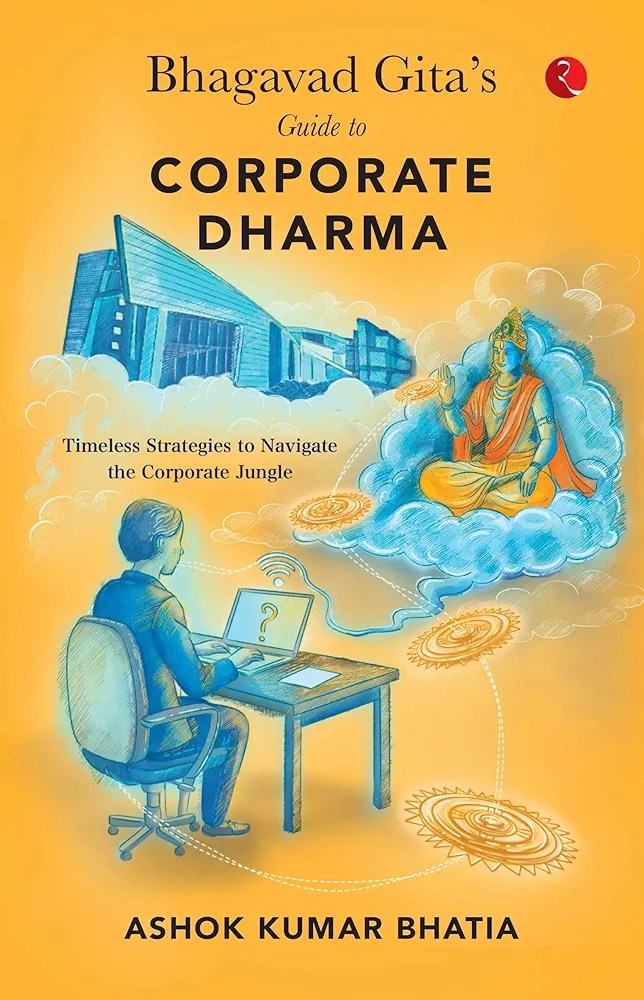
(An excerpt from my latest book, ‘Bhagavad Gita’s Guide to Corporate Dharma’)
Related Posts