
There is a widespread perception that the larger the business, the broader and deeper its adherence to values and ethics. In other words, enterprises which happen to be either in the small scale or in the tiny sector could ill afford a luxury of this kind!
Many CEOs believe values and ethics can wait until a business is financially strong. In other words, the weaker ones, which are in a struggling phase, can’t afford the luxury. This approach risks embedding bad habits deeply into the company’s culture, making change difficult. Like a tiger’s stripes, these habits are hard to shake off.
True values stem from the inner conviction of leaders, not from a company’s size or profits—and often, strong values lead to better success.
Let us relook at the case of Infosys. Since its inception, the founders are known to have resisted the temptation of paying ‘speed money’ to get things moving faster on the bureaucratic front. Its annual revenue reached US$100 million in 1999, US$1 billion in 2004, US$10 billion in 2017 and US$ 19.3 billion in 2024. The company was formed in 1981, but even as late as 2011, T.V. Mohandas Pai had alleged that his company was asked to pay bribes by government officials to clear projects, which it refused to do.
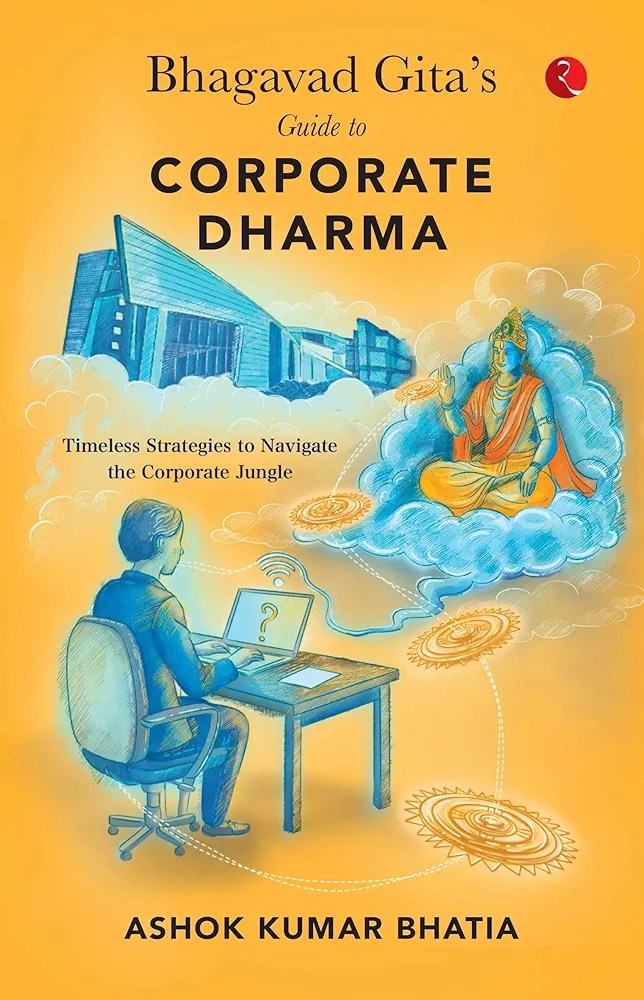
(The text is an edited excerpt from my latest book ‘Bhagavad Gita and Corporate Dharma’.)
Related Posts




Leave a Reply