Western experts had originally recommended a Command-and-Control model to generate wealth and had gone on to imply that stark materialism is the way to seek peace and happiness. However, the Eastern approach is based on an inward blossoming, an inner growth and development which holds an inner glow of success superior to sensual gratification of an external nature.
By proactively adopting a Conscious-and-Compassionate approach, several businesses have already recognised the truth that they have a greater purpose, much beyond merely delivering value to their shareholders.
Conscious businesses have trusting, authentic, innovative and caring cultures that make working there a source of both personal growth and professional fulfilment. They endeavour to create financial, intellectual, social, cultural, emotional, spiritual, physical and ecological wealth for all their stakeholders.
Of Gallant Knights
Knights in shining armour play an important role not only in our fairy tales but also in the business world!
Dr Ian Marshall and Danah Zohar, in their 2001 book SQ: Connecting With Our Spiritual Intelligence, speak of knights, the leaders who choose to embark on a spiritual path. Having sensed something fundamentally sacred underlying human life, they embed this reality in their actions and their life’s work.

An Inward Blossoming
The Bhagavad Gita gives us a clue to be happy and to create happier workplaces. Consider this verse:
यदा संहरते चायं कूर्मोऽङ्गानीव सर्वश: ।
इन्द्रियाणीन्द्रियार्थेभ्यस्तस्य प्रज्ञा प्रतिष्ठिता ॥ 2.58॥
And when he withdraws his senses from their objects, as a tortoise draws in his limbs from all sides, his intellect is established.
The senses, like a tortoise’s limbs, are necessary for mundane activities of life but are vulnerable. They must be protected from danger at times, and for this, they must be fully under the control of the mind/intellect and must withdraw at its command.
Thirukkural, a poetic composition of great antiquity in Tamil literature, quotes the same example. One of its verses can be interpreted as follows:
If a man lives a life of self-control and withdraws the five senses from tempting pleasures as a tortoise, when it senses danger, draws its head and limbs into its shell, he shall have insured himself against evil in seven births thereafter.
(verse 126)
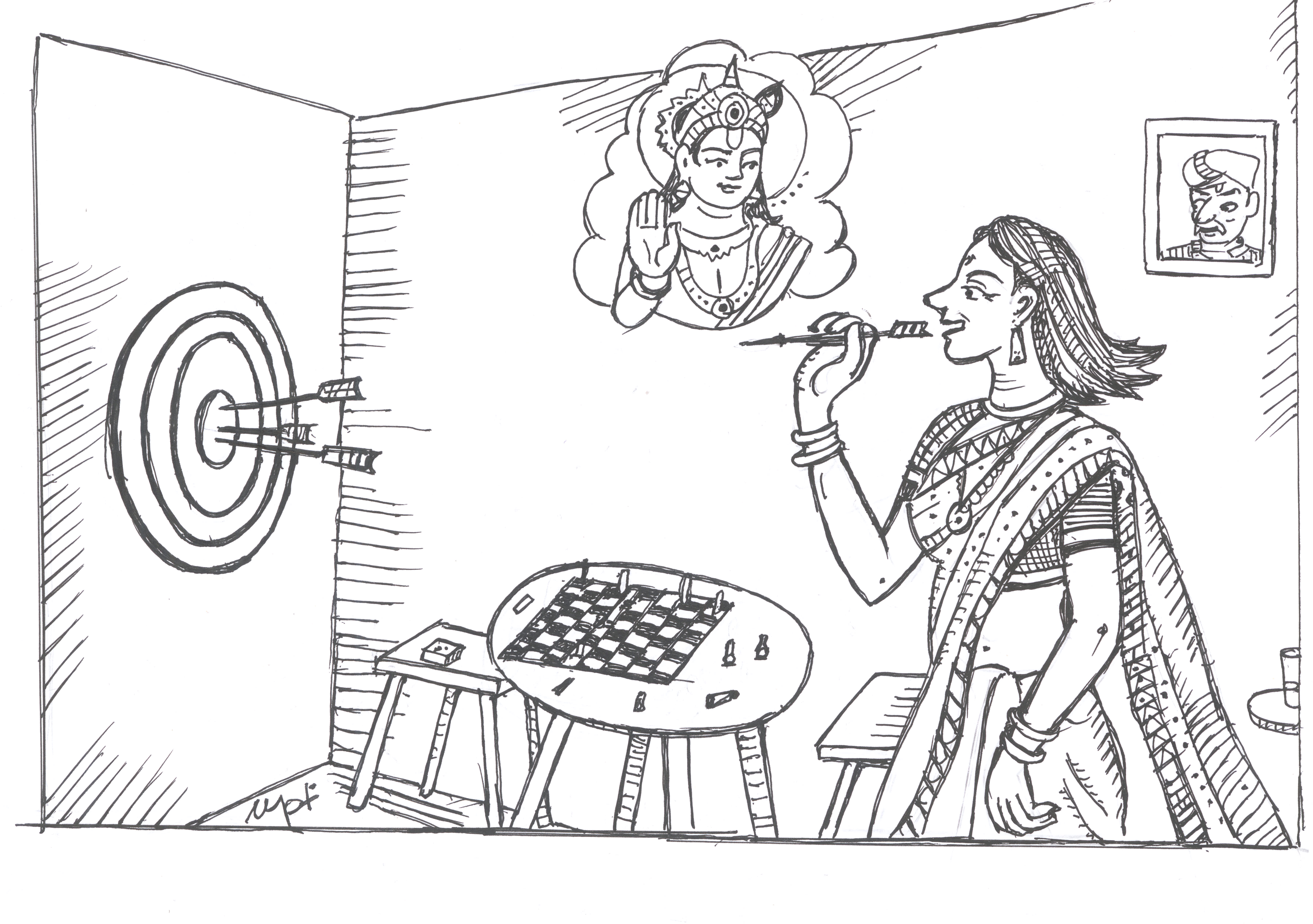
What is being recommended here is not a suppression of desires but a voluntary renunciation of those desires which take us on a path of sensuous gratification, sans a higher purpose in our life and career.
(This is an edited excerpt from my latest book, ‘Bhagavad Gita’s Guide to Corporate Dharma.’)
Related Posts