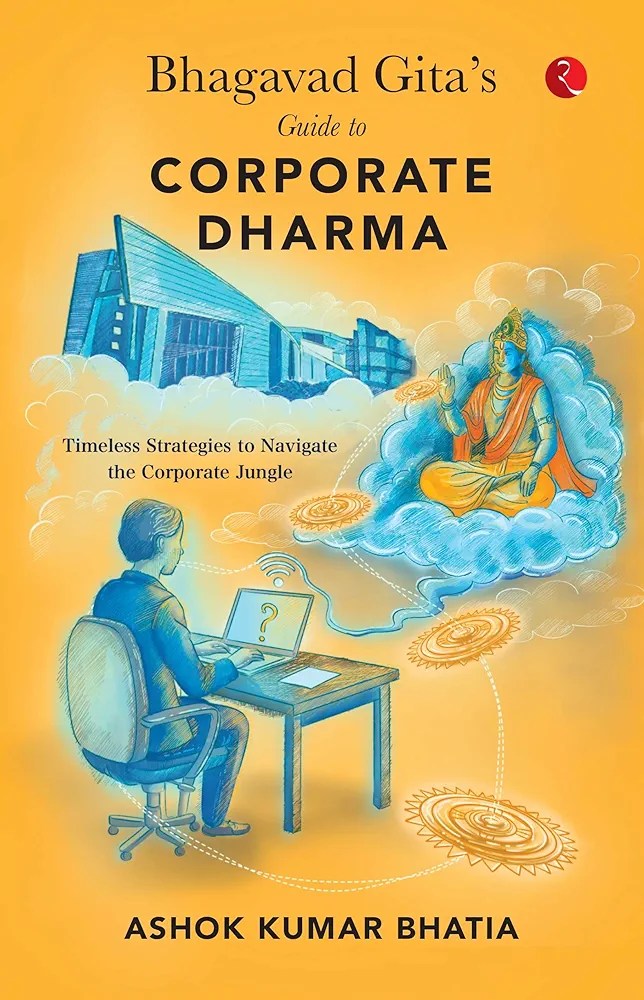
All books represent the innermost thoughts of their respective authors, who toil day and night to share their innermost thoughts and insights with the world. They not only provide the soul of the book but also give it an initial shape, much like a sculptor would carve out a masterpiece from an uncut rock. A team of editors then moves in to refine the same. Much thought goes into deciding the title and the subtitle. Many options are considered before a cover, as well as the blurb on the back cover, is frozen. The formatting team and the printers give the book the finishing touches it needs. The book is eventually born!
Once born, the book acquires a life of its own, waiting to be discovered by its target audience. It charts out a journey for itself, travelling far and wide, carrying the key message that its author wishes to convey. However, in the initial phase, it must be introduced to a select audience, with the basic message underlying the composition explained.
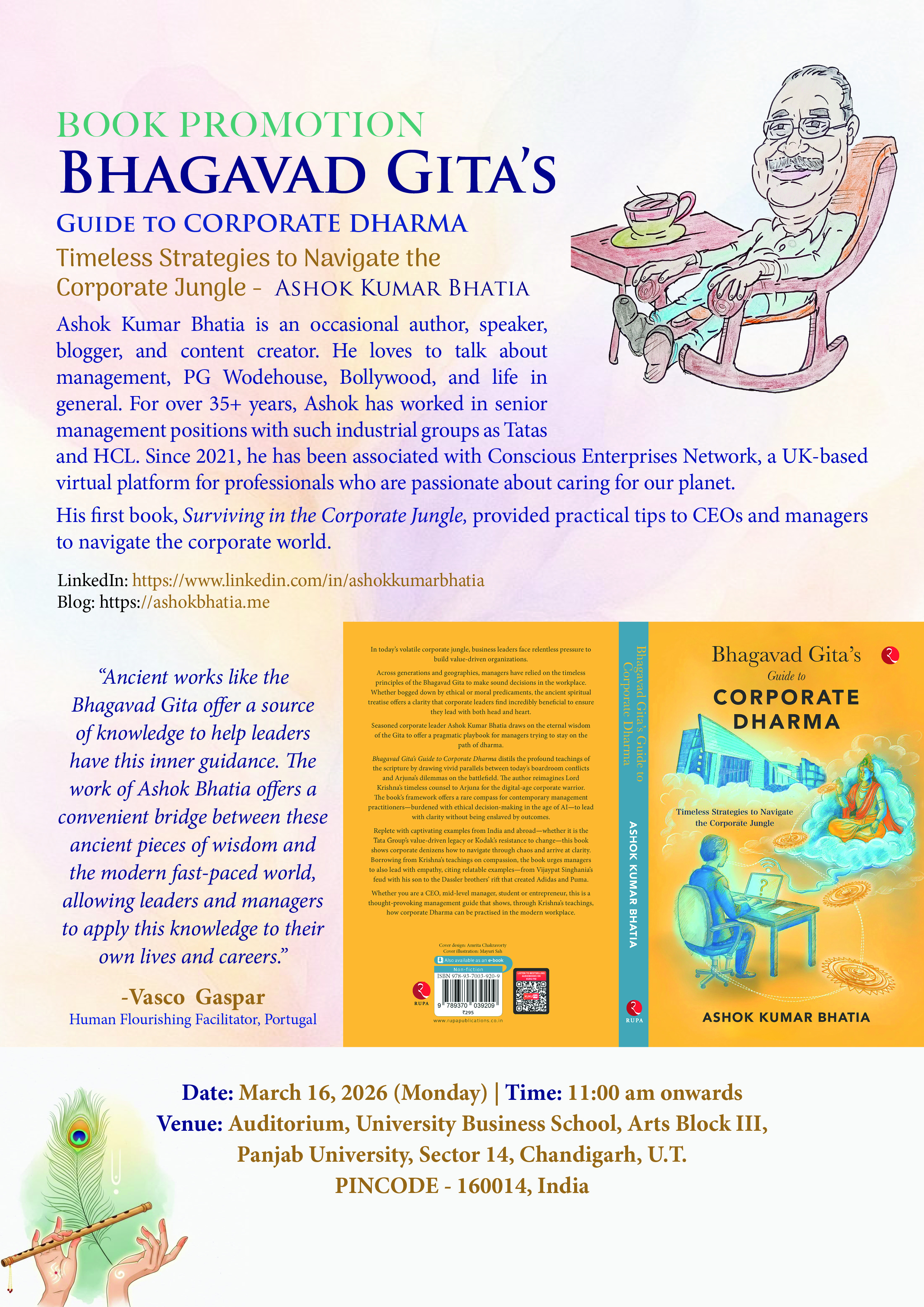
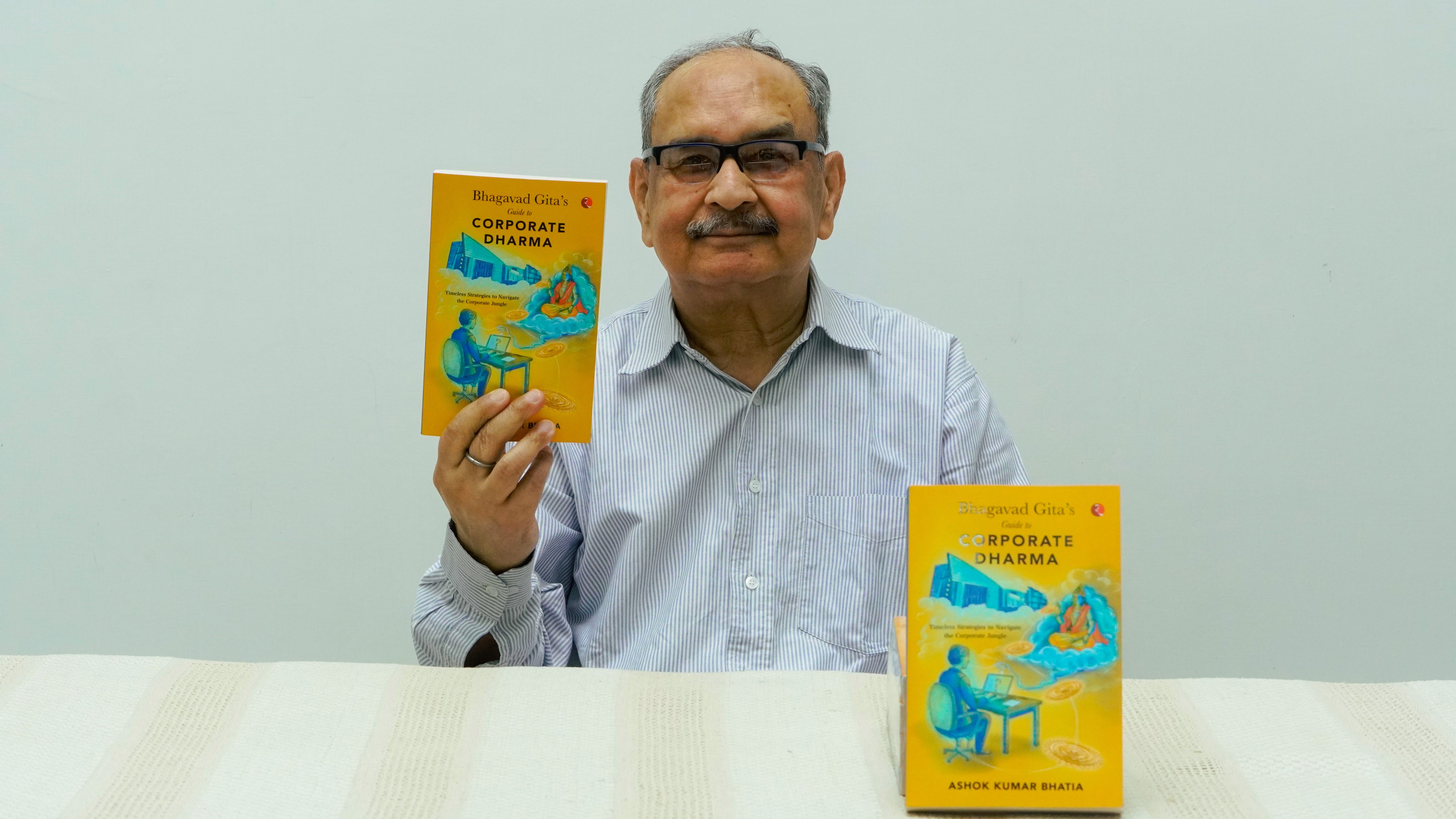
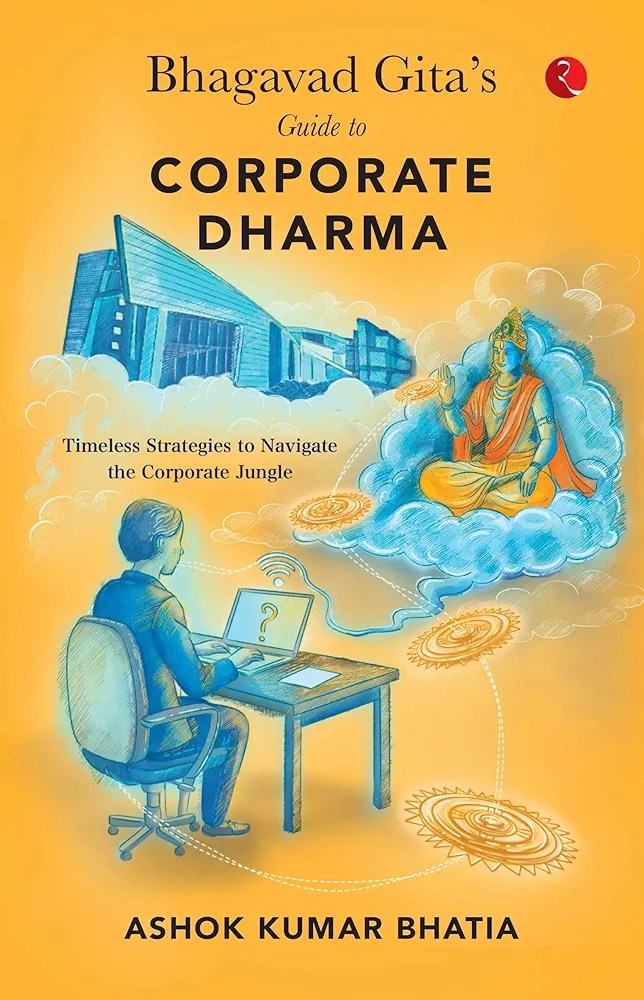
Over the last few months, my latest book, ‘Bhagavad Gita’s Guide to Corporate Dharma,’ has been fortunate enough to have travelled to four cities in India. Here are some key details which capture these events.
Pondicherry
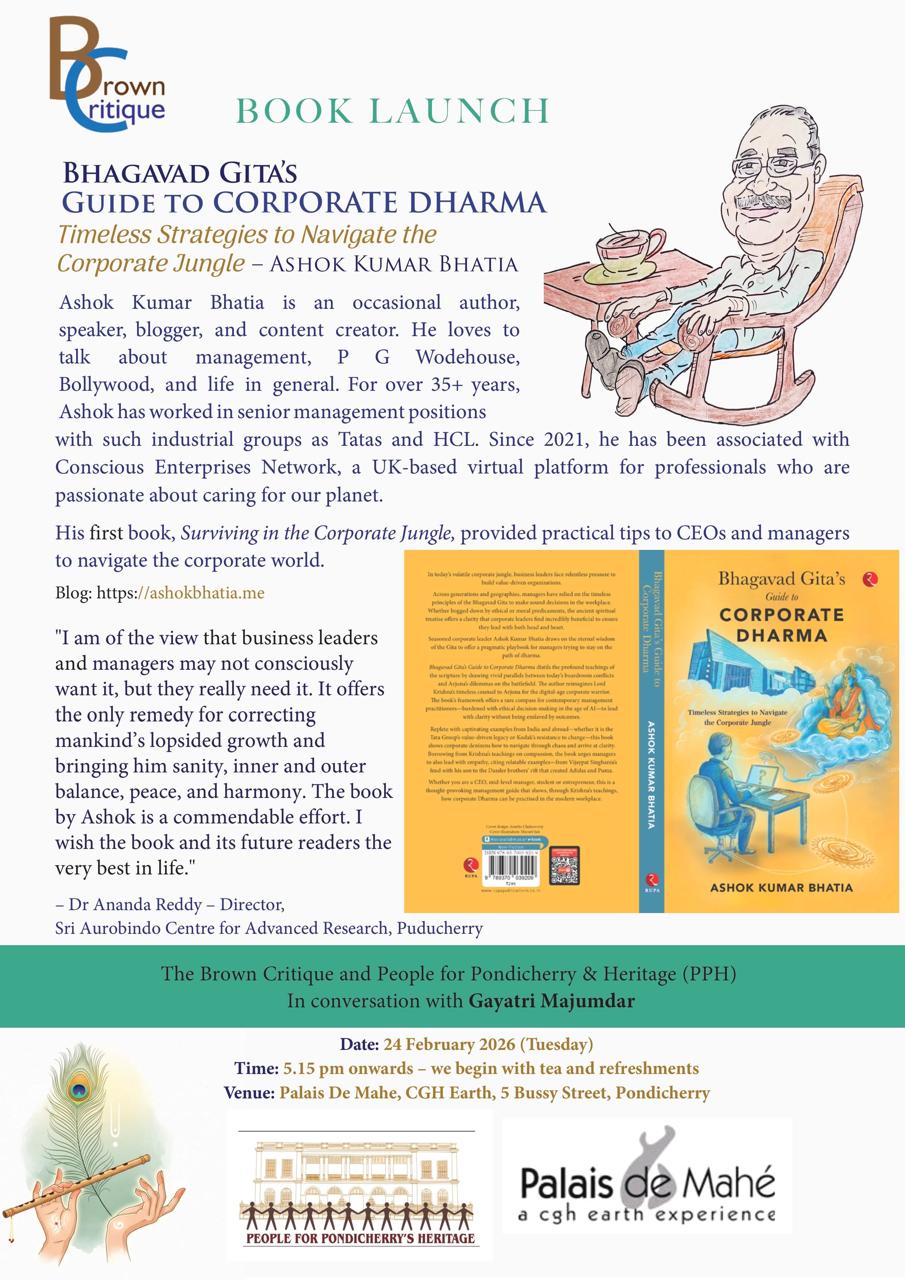
A modest launch function was held at the Palais de Mahe. Prominent industrialists, businesspeople, senior managers, management scholars, spiritual gurus, journalists, and members of the public attended the event.
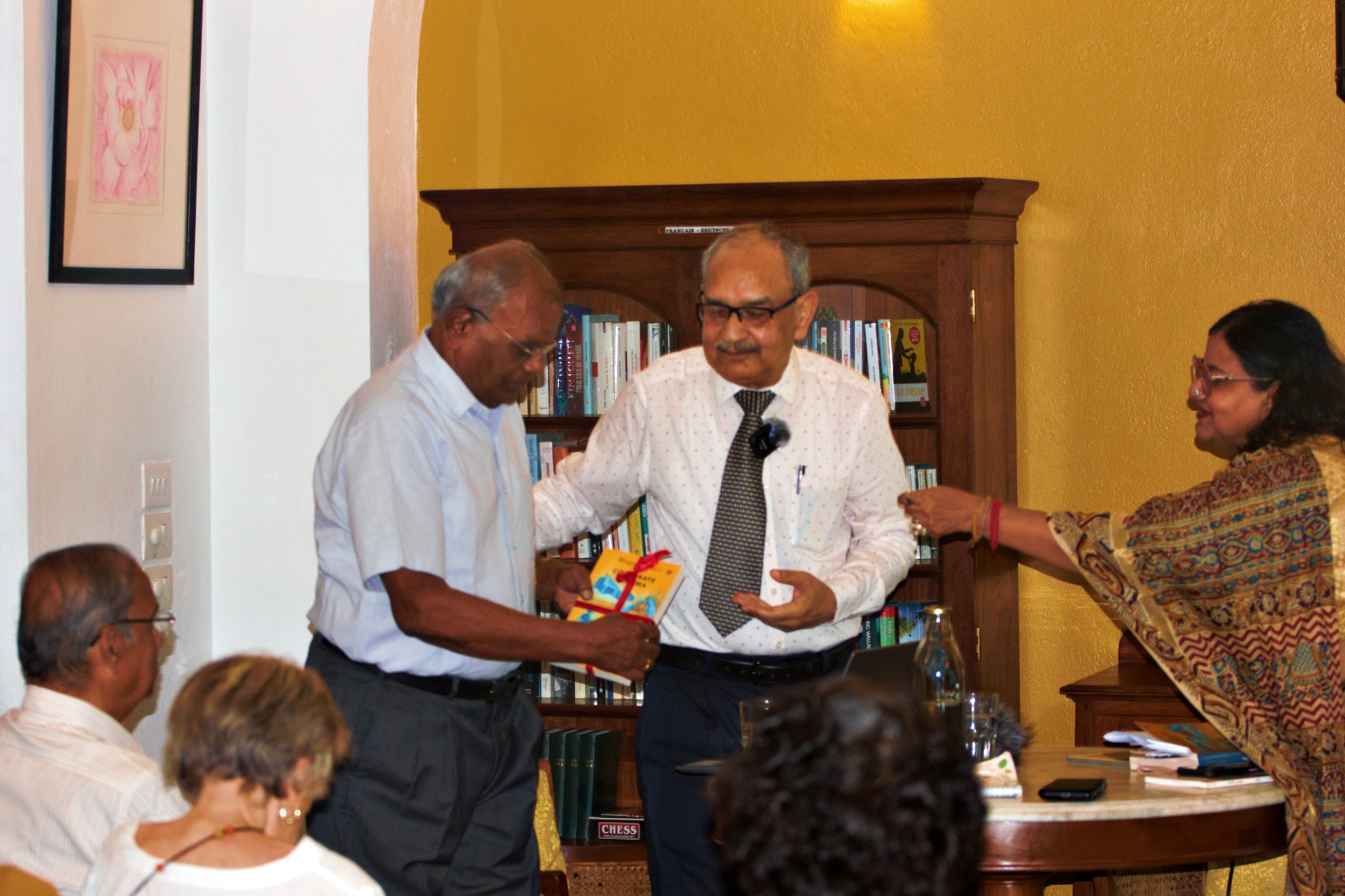
Mr R. Mananathan, Chairman of the Manatec Group of Companies, was the Chief Guest on the occasion Ms. Gayatri Majumdar, a poetess in her own right and the Founder-Editor of The Brown Critique Literary Journal, conducted the session. Her scholarly acumen can be gauged by the fact that it took her only about 10 days to read the book and formulate the questions she wanted to ask me about its contents.
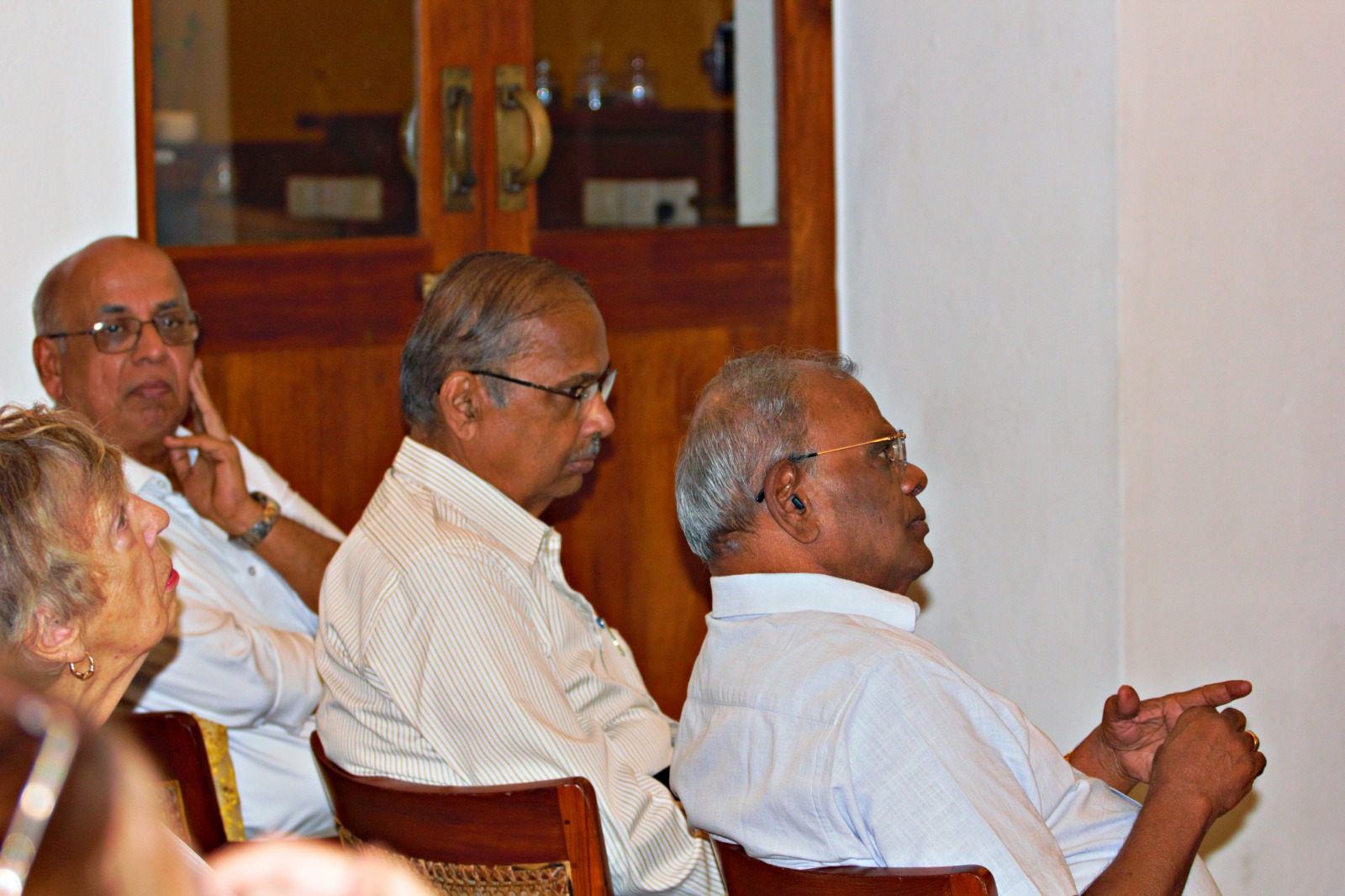
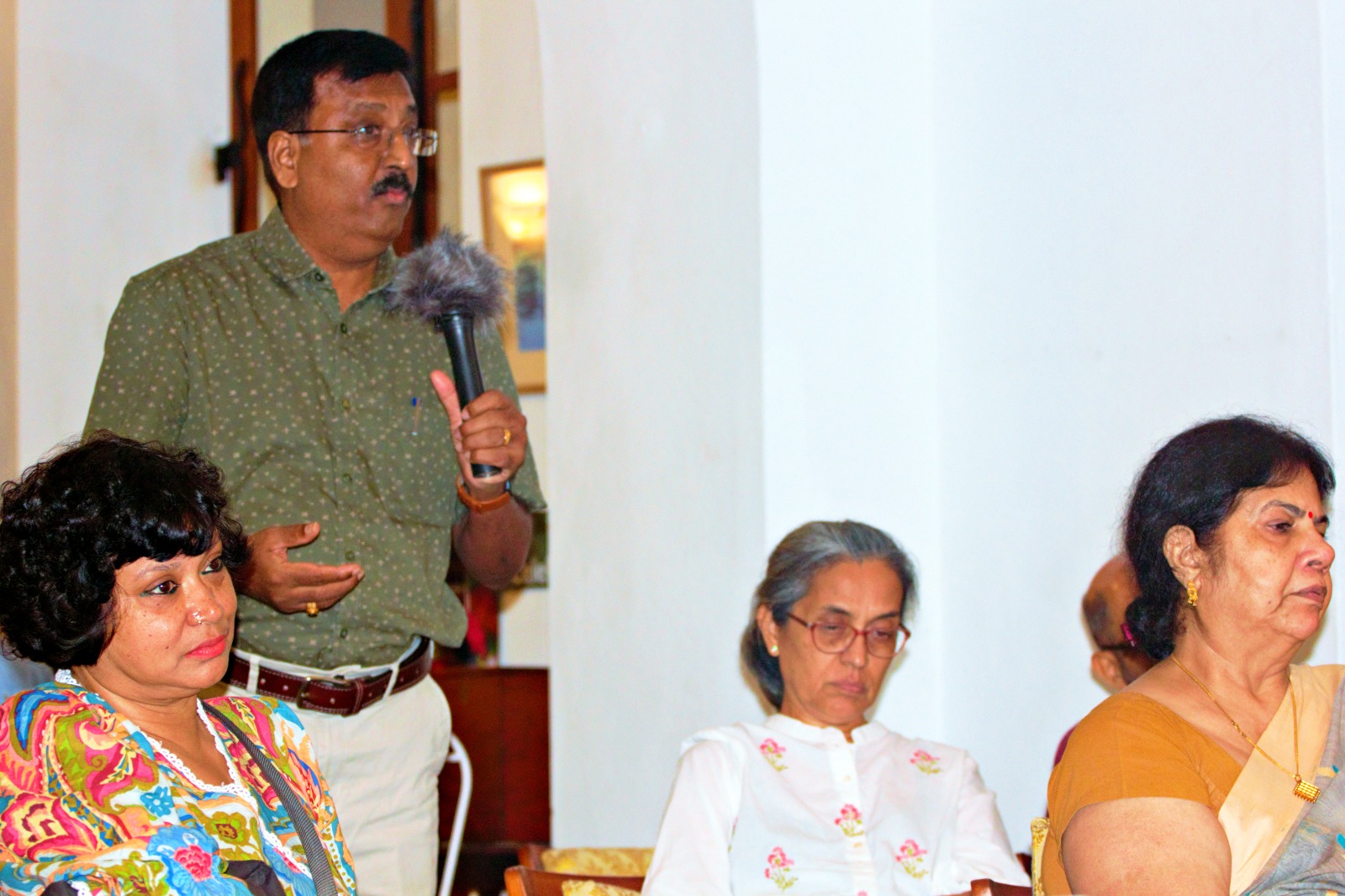
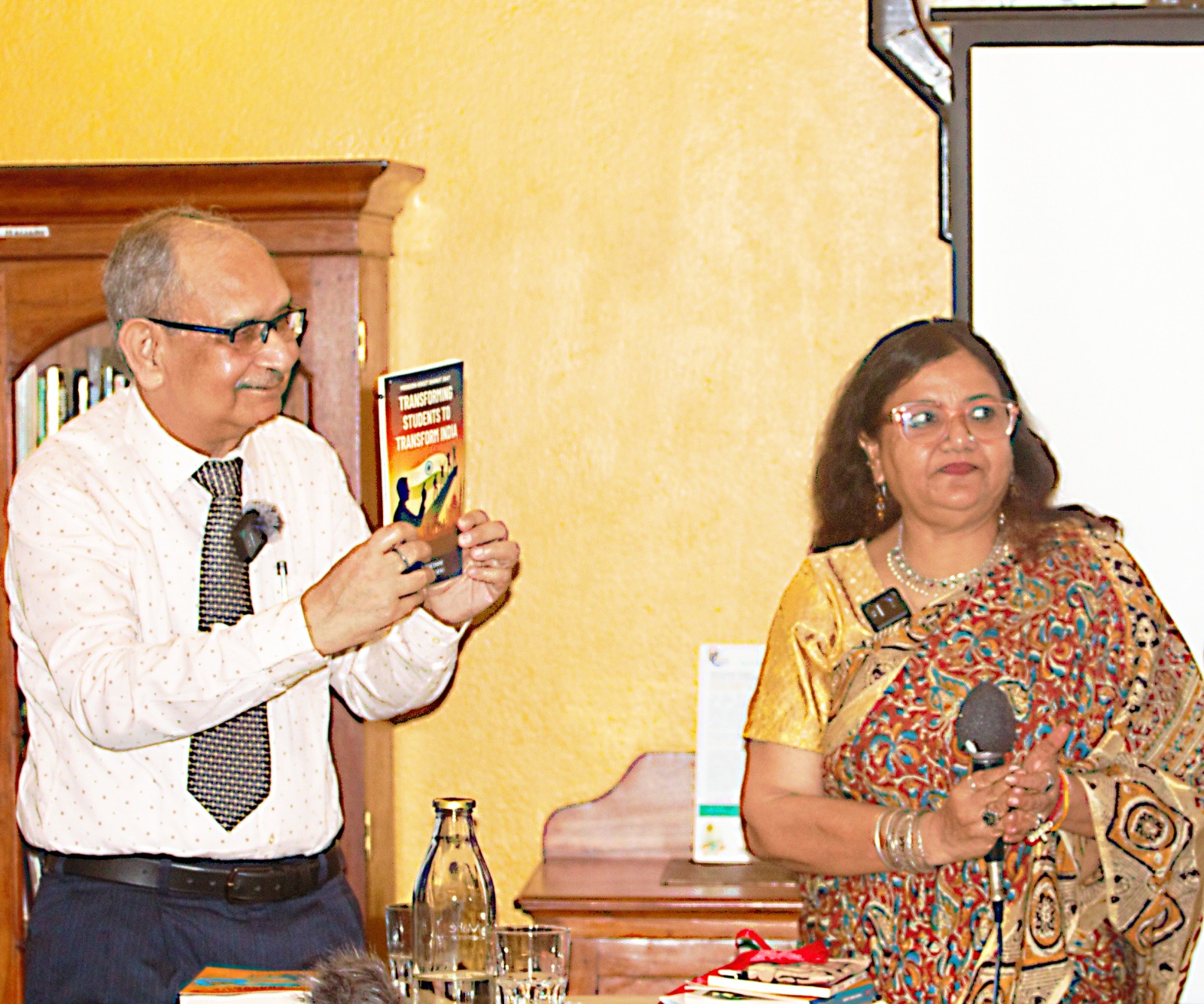
Wide-ranging discussions took place, covering topics such as detachment, stress management, managing day-to-day corporate challenges, and different hues of happiness. The necessity of using humour to facilitate communication was mentioned.
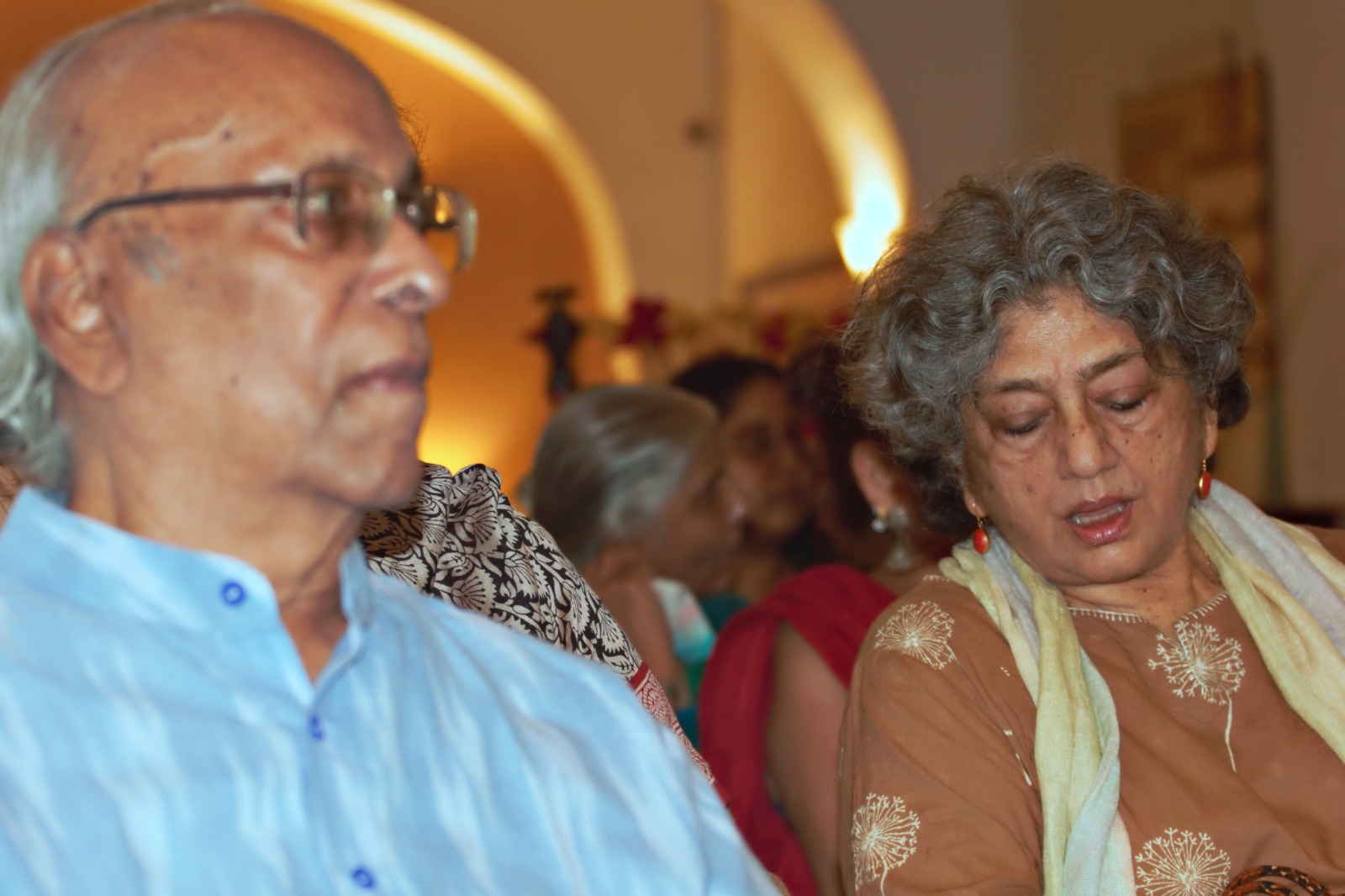
Dr. Ananda Reddy, Director, Sri Aurobindo Centre for Advanced Research, concluded the session with insightful remarks based on Sri Aurobindo’s Essays on the Gita.
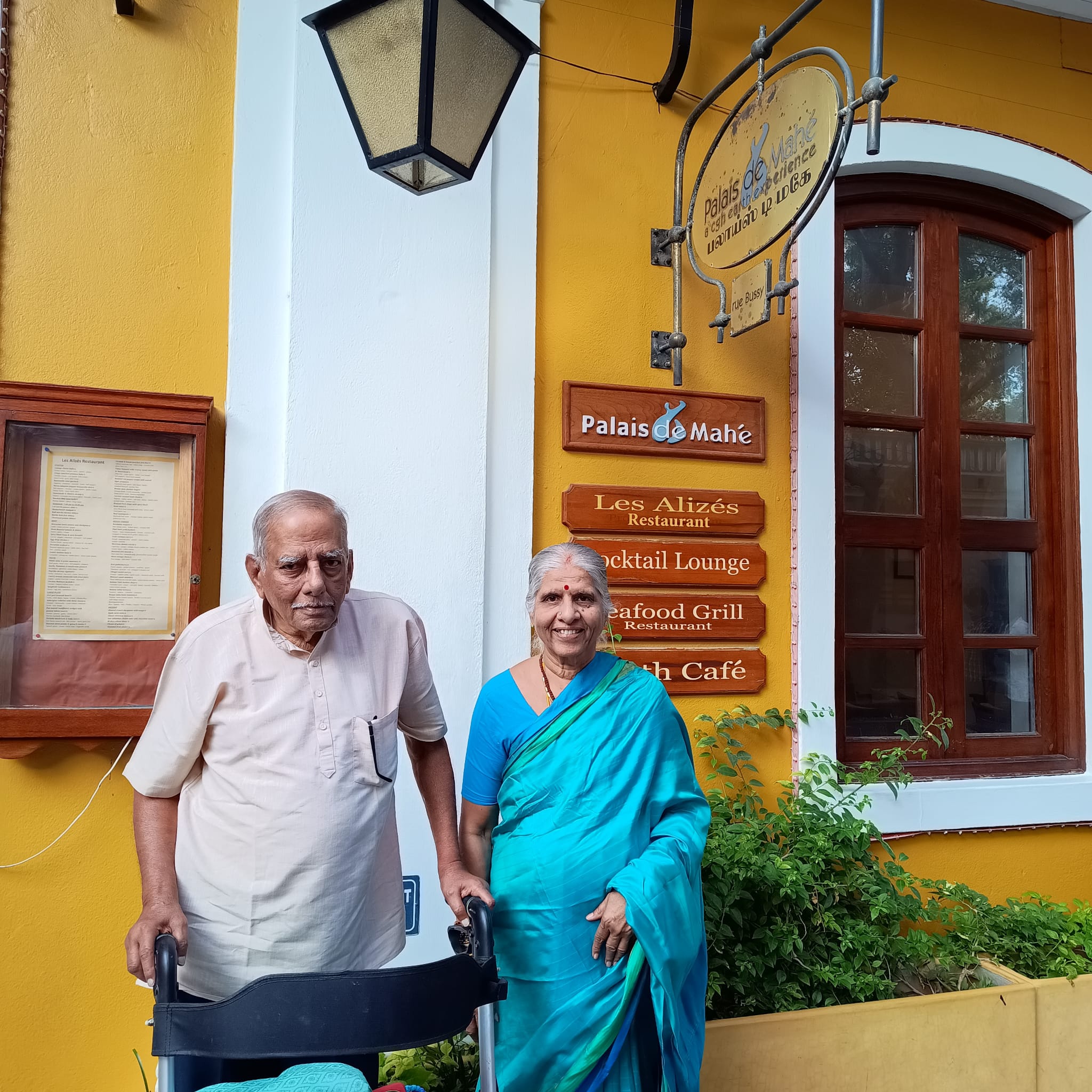
Amongst those present were Mrs. and Mr. S. P. Krishnamurthy, who drove all the way from Bangalore to grace the occasion. Mr Krishnamurthy was a colleague of mine at Tata International many decades back.
Delhi
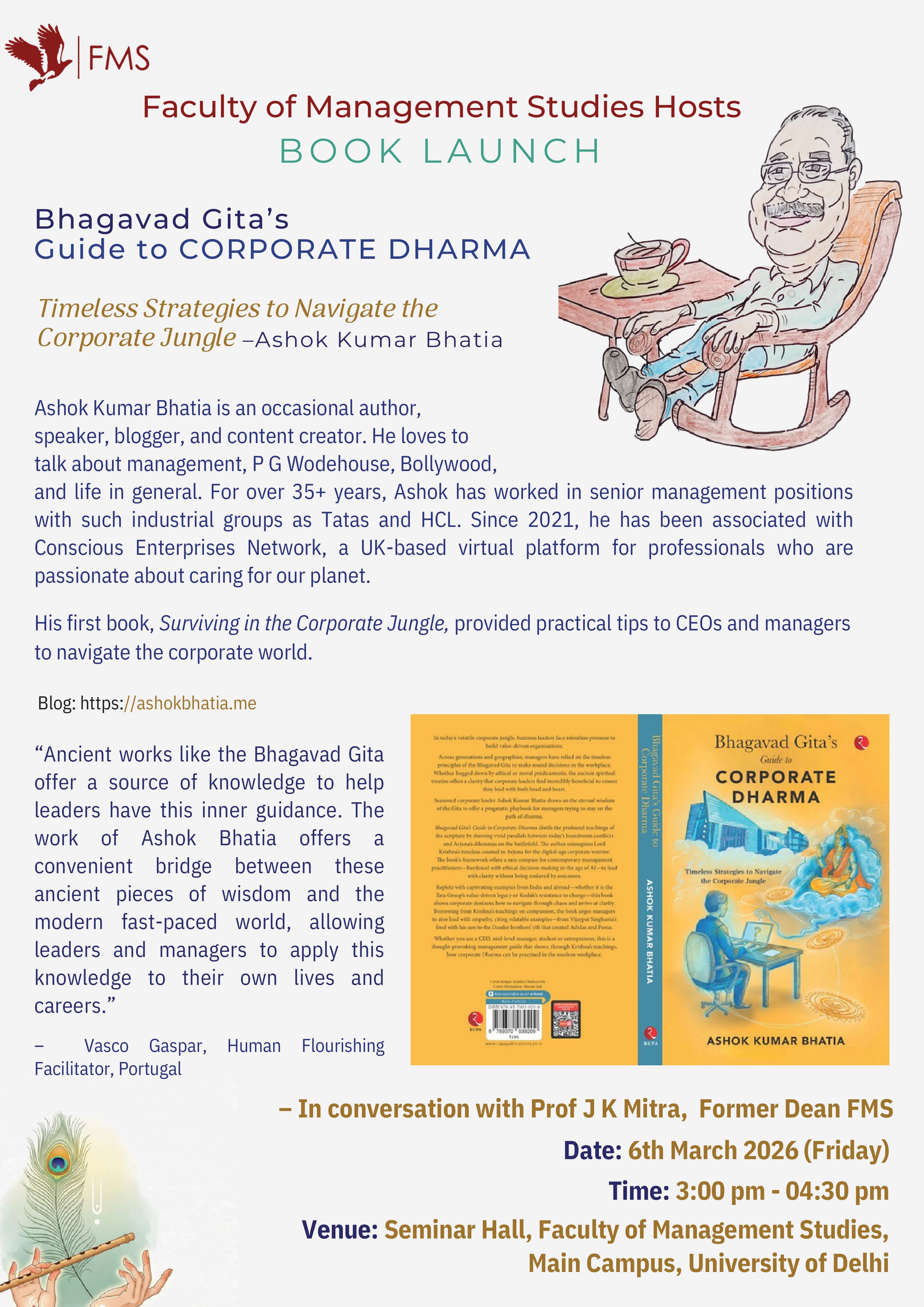
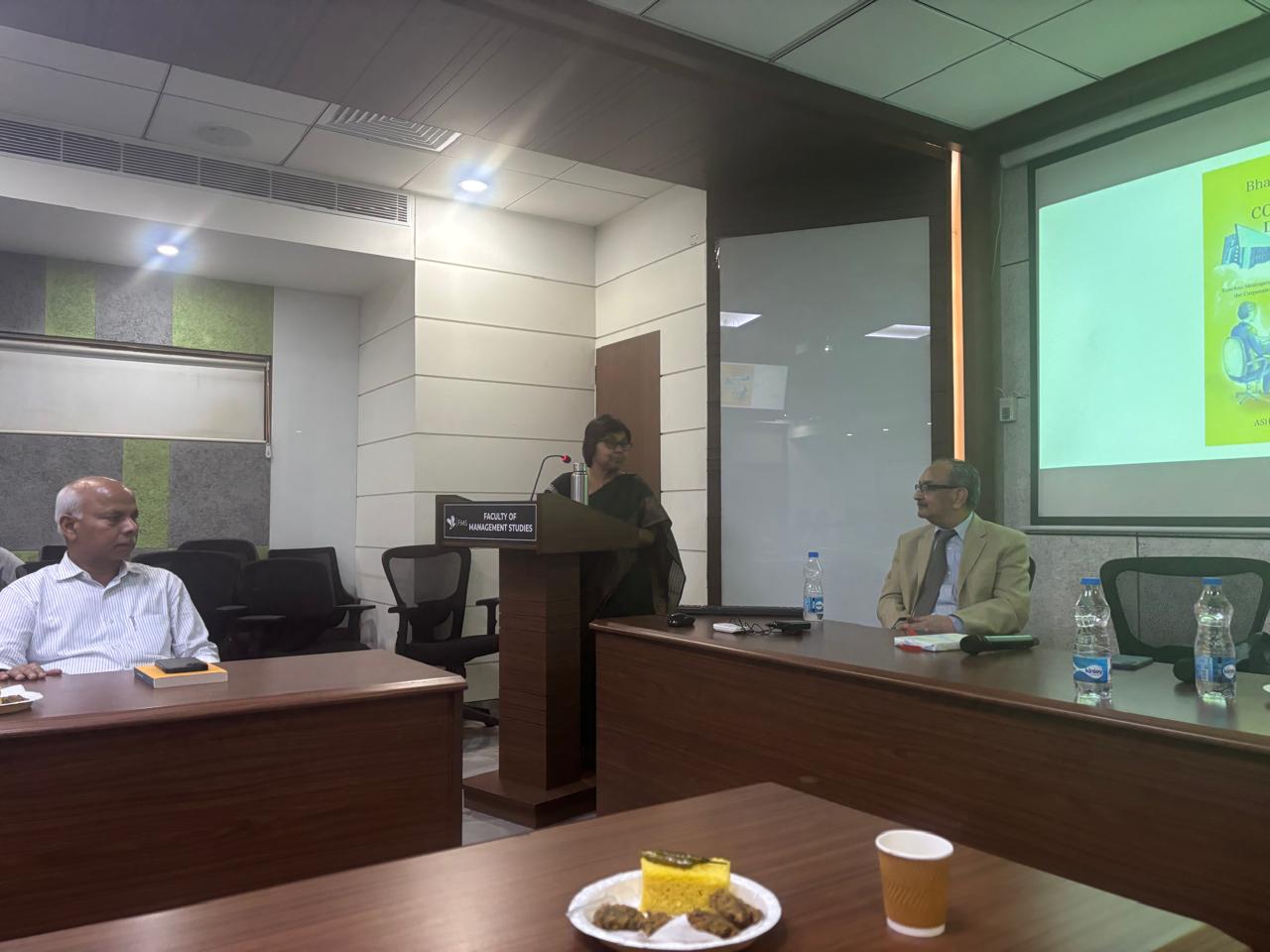
Thanks to the unqualified support of Prof. A. Venkat Raman, Head and Dean of the Faculty of Management Studies, Delhi University, the event went off well. The presentation was attended by a few seniors from the industry, faculty members, research scholars, and management students.
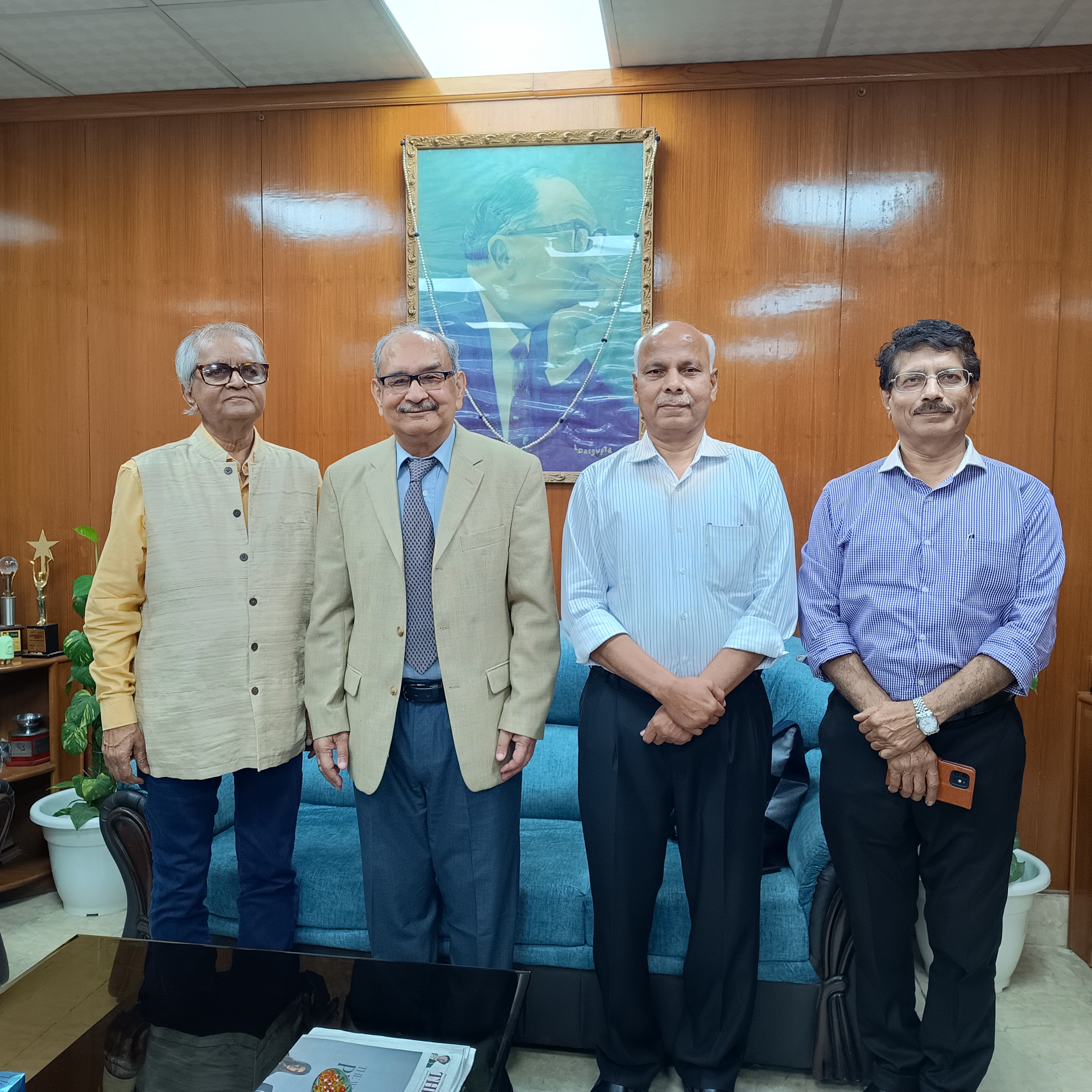
Prof. J. K. Mitra, Former Dean, FMS, and an expert in the Bhagavad Gita, was the Chief Guest on the occasion. Like a true mentor, he brought in a fresh perspective to the teachings of this unique scripture on quite a few occasions and supplemented my arguments by quoting real-life anecdotes.
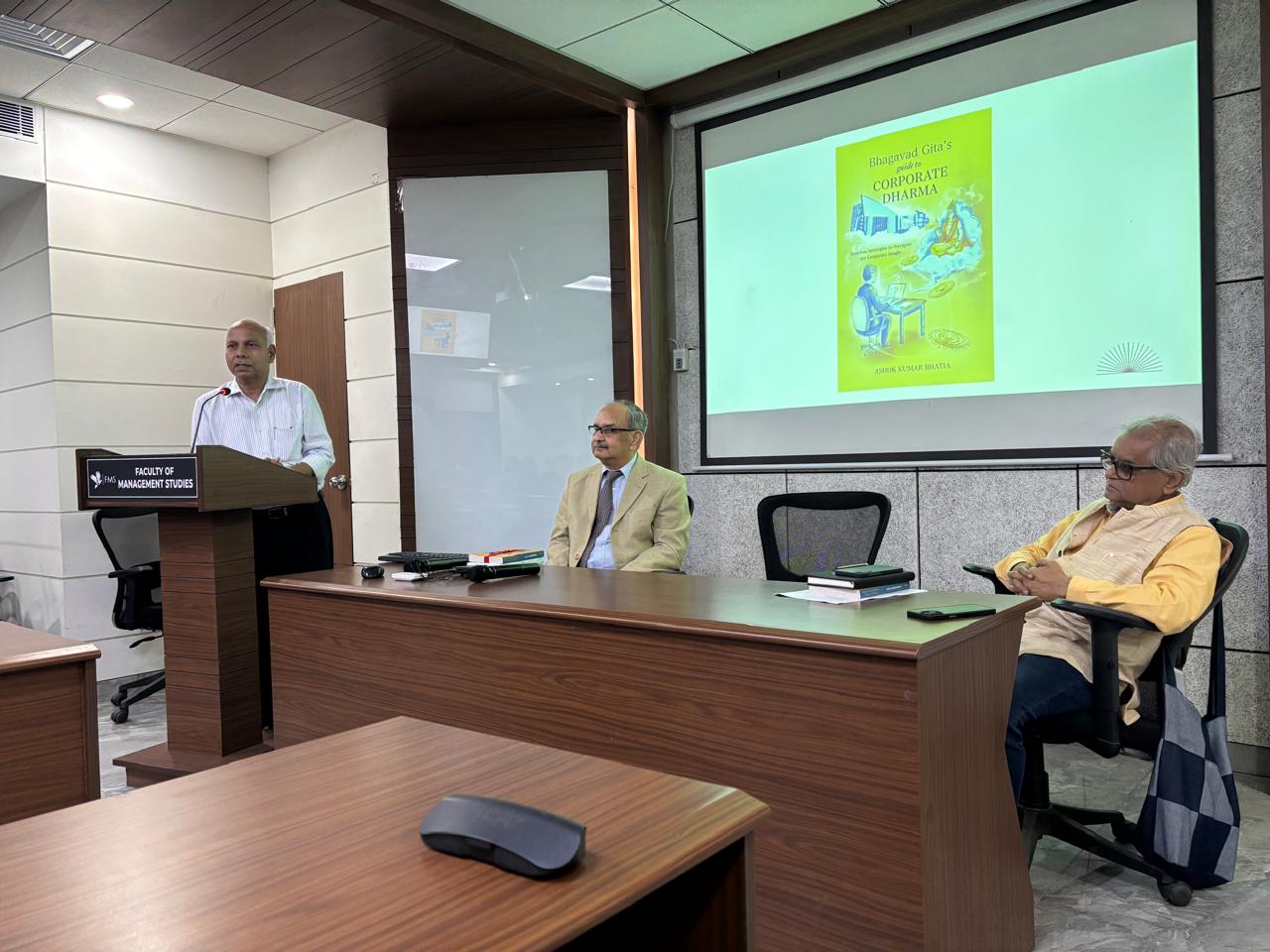
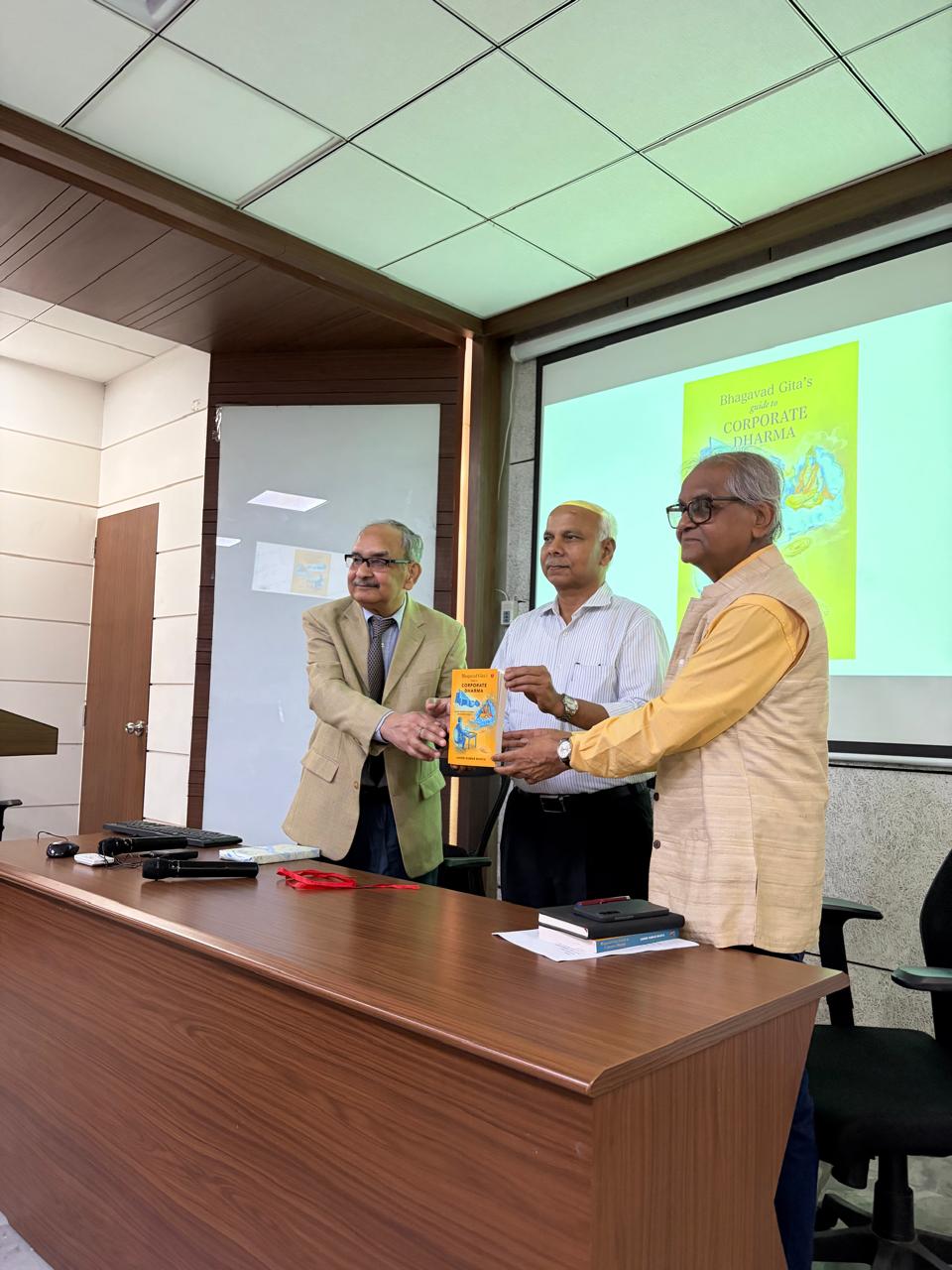
After the presentation, a sombre discussion came about, followed by a lively interaction with those present. A senior faculty member proposed a vote of thanks.
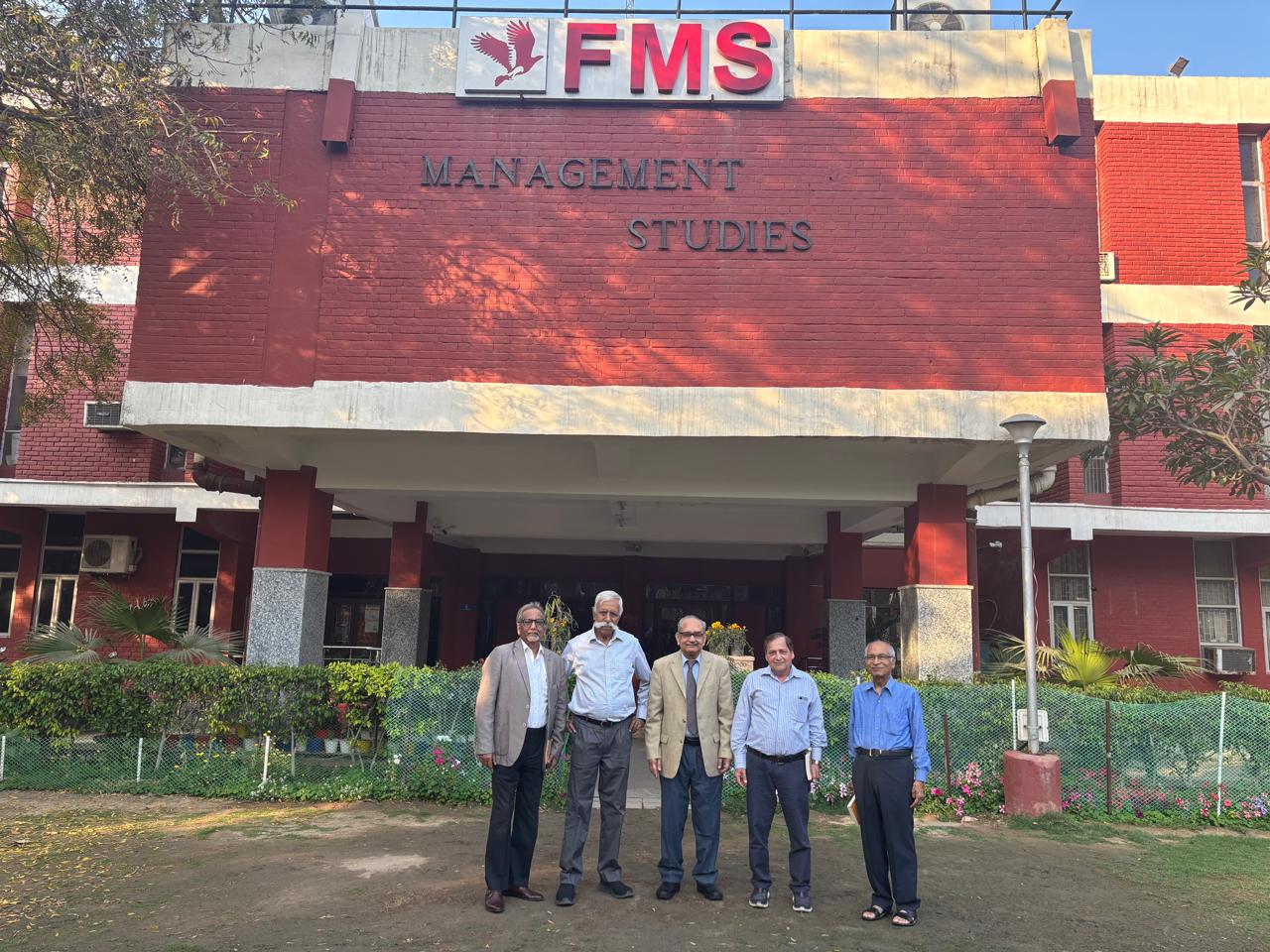
Those who braved the traffic blues in NCR and spared the time to grace the occasion with their presence included such long-time friends and well-wishers as Arvind Dang, Ashok Kalra, Bakul Bhatia, Hukam Chand Verma, and Rajeev Varma.
Chandigarh
Just like it happened in Delhi, the exaltation one feels upon returning to one’s Alma Mater cannot be captured in words. A whiff of nostalgia comes one’s way. The familiar buildings whisk one back into a comfort zone. Gandhi Bhavan nearby stands as gracefully as ever. The Students’ Centre nearby beckons one.
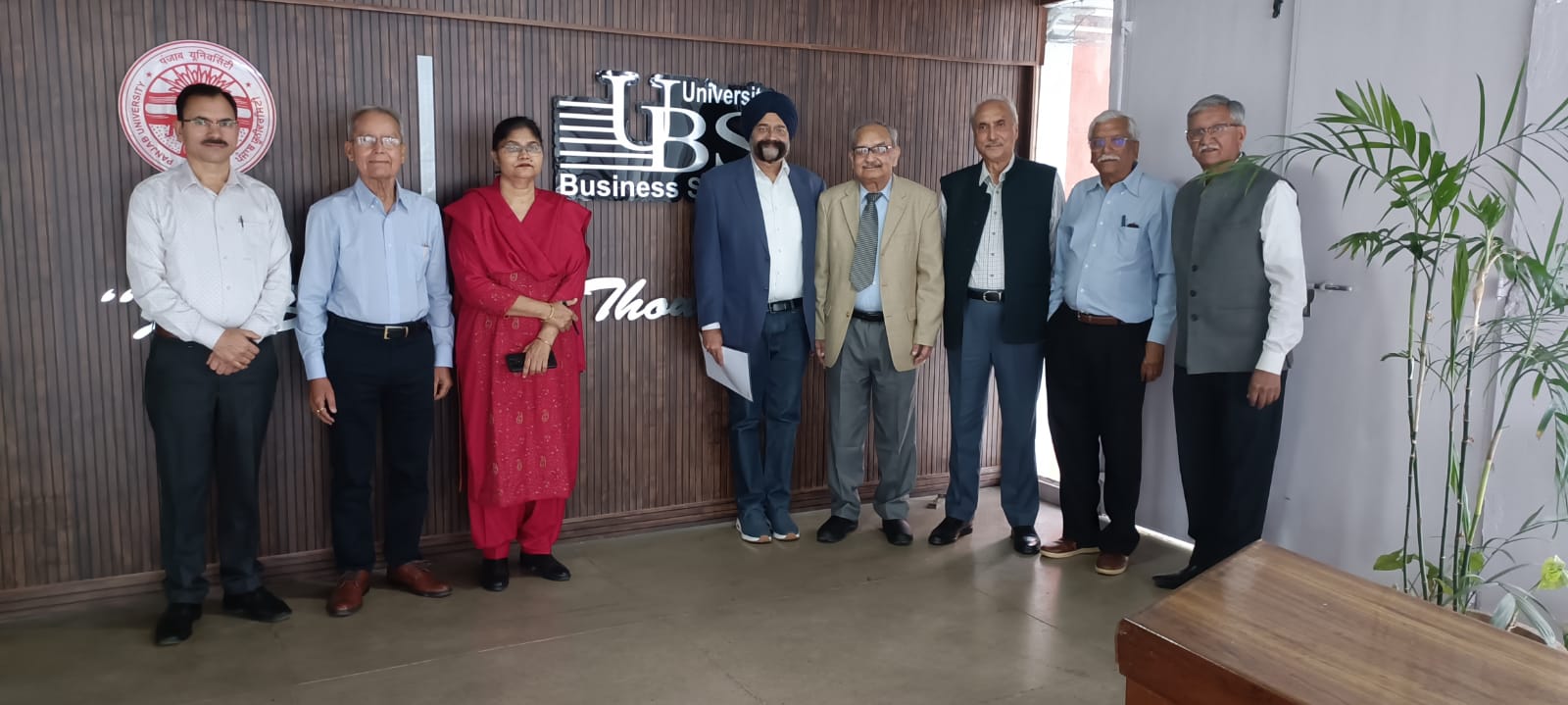
Thanks to the support of Prof. Parmjit Kaur, the present Chairperson of the University Business School at Panjab University, Chandigarh, and Mr. Kuldeep Kaul, Director, Metro Exporters Private Limited (and a batchmate of mine), the event rolled by smoothly. Industry seniors, faculty members, research scholars, and management students attended it.
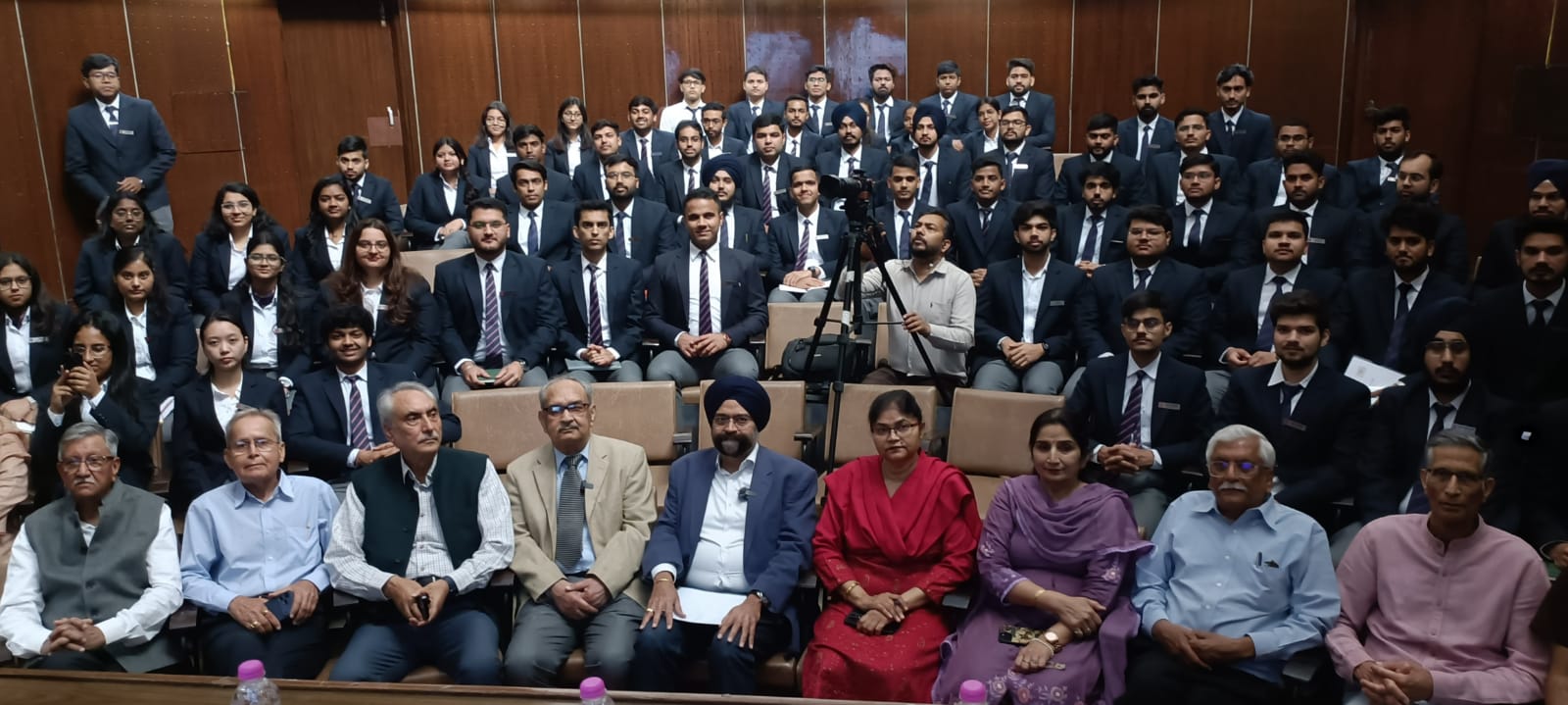
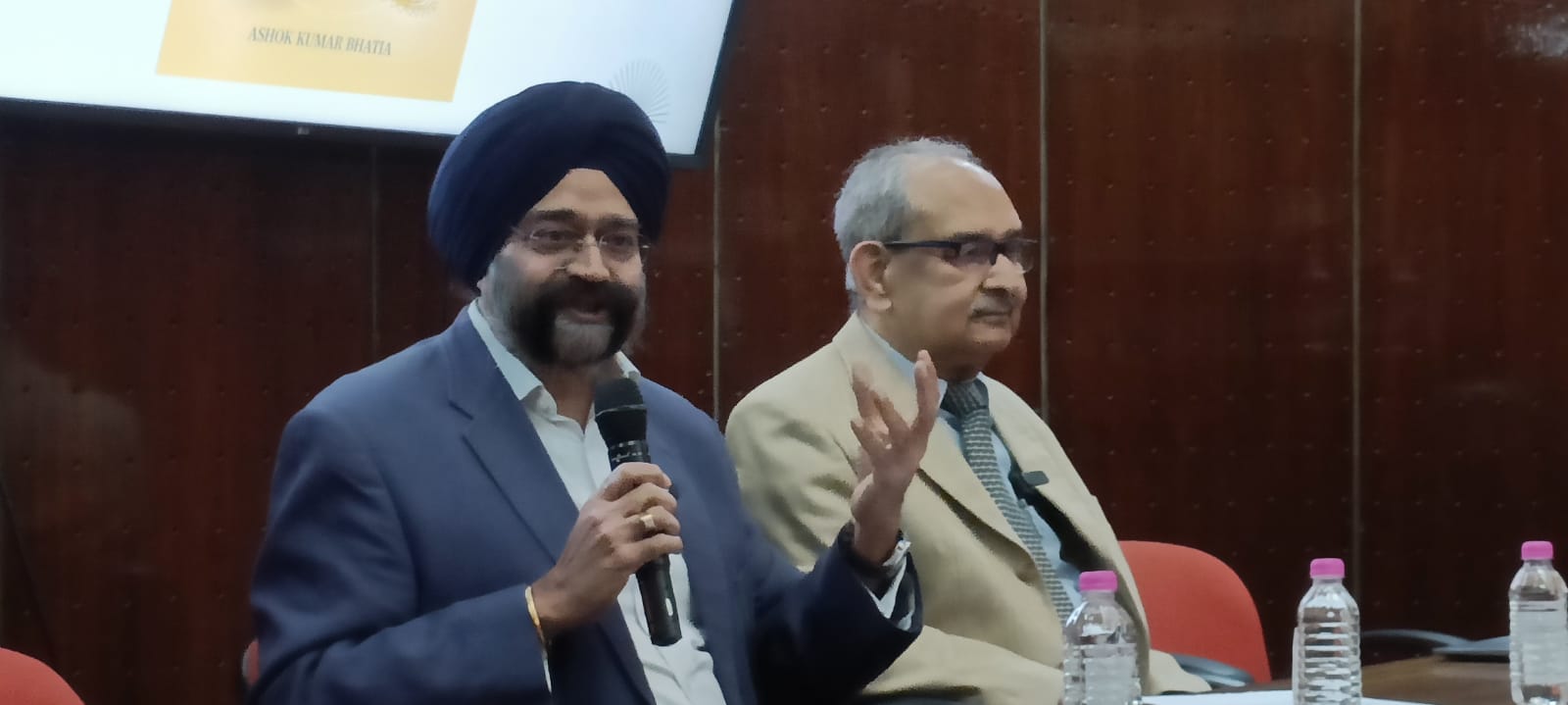
Mr. D. P. Singh, the Head of Skills to Jobs with Amazon Web Services (India), had kindly consented to be the Chief Guest on the occasion. Having had a long stint with IBM and many other business houses as an HR professional, he brought in a cheery and light-hearted tone to the proceedings. Once the formal introductions were made, he asked me several searching questions, like the book’s origin, the intended target audience, my own favourite chapter/s from the book, and the like.
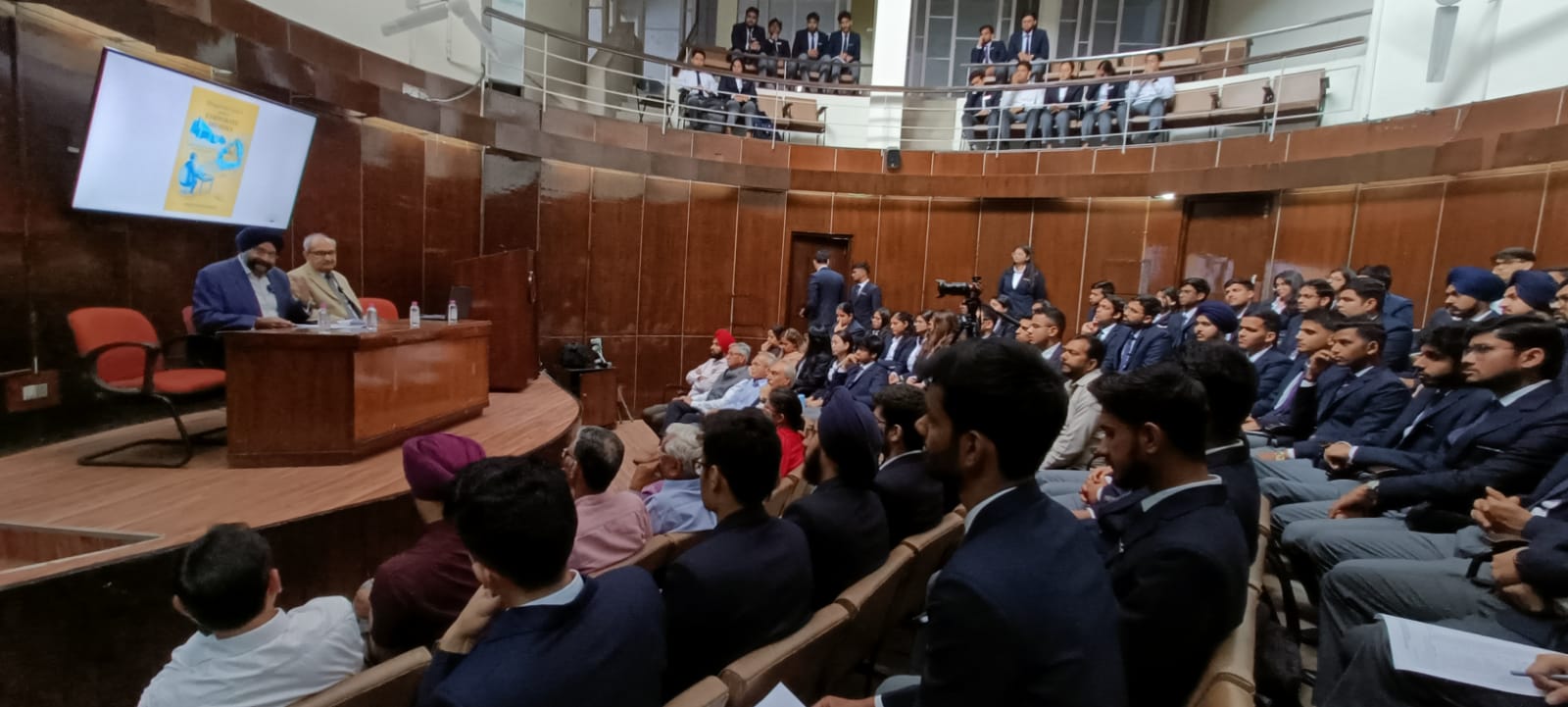
Followed by the presentation, a lively interaction took place. As Sir P. G. Wodehouse would have put it, the occasion turned out to be a feast of Reason and flow of Soul.
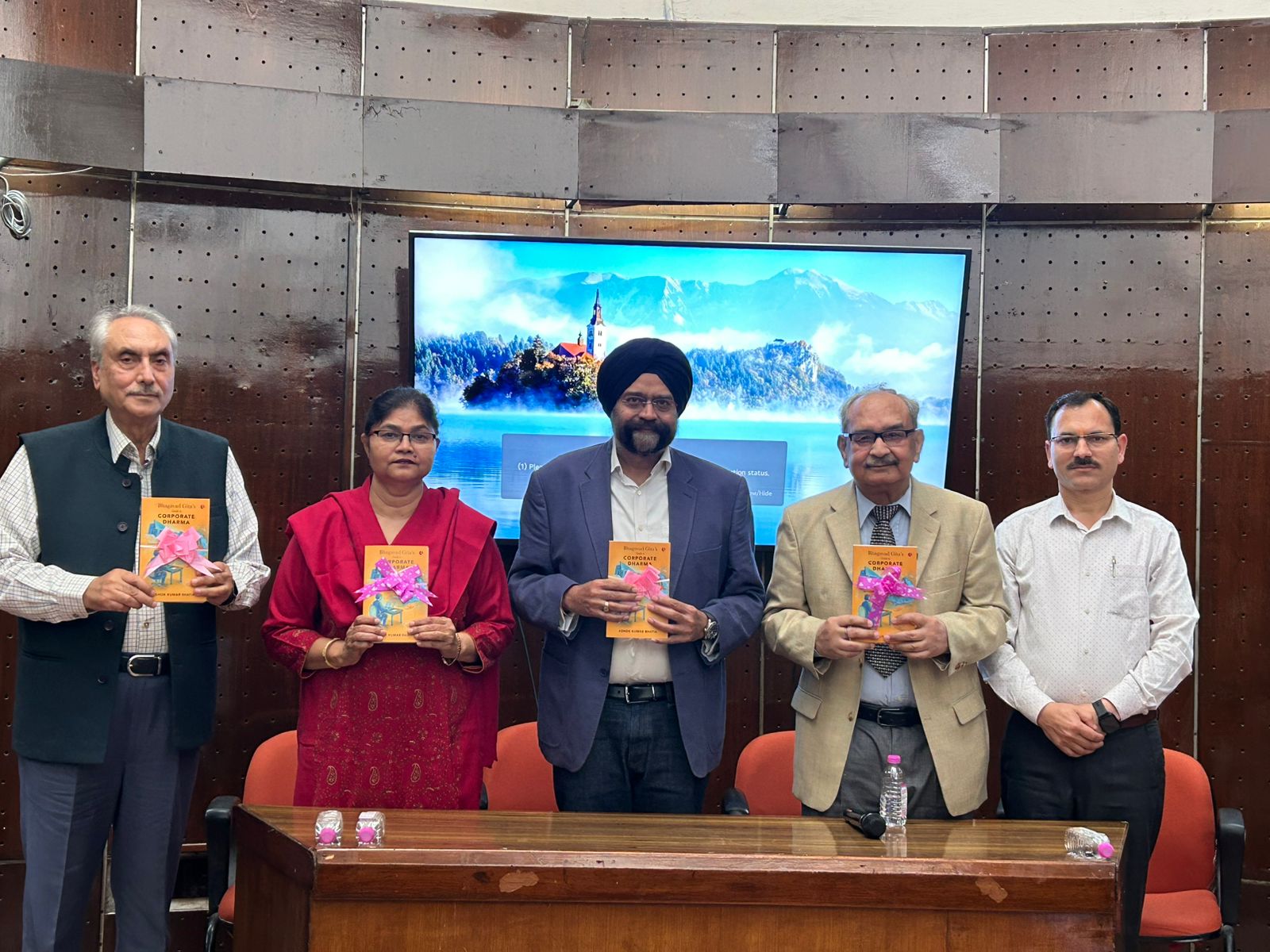
Mr. Kulbhushan Khullar, Mr. Kuldeep Kaul, Mr. Lalit Kapur, Mr. Praveen Malik, and Mr. Sunil Jain spared their valuable time and graced the occasion. So did Prof. Ashvini Agrawal, another friend, who made it a point to attend the event.
Hyderabad
Kanha Shanti Vanam is like an oasis in a desert. It is located around sixty kms from Hyderabad airport, off the Hyderabad-Bangalore highway. It is the global headquarters of Heartfulness Meditation Institute. (https://heartfulness.org).
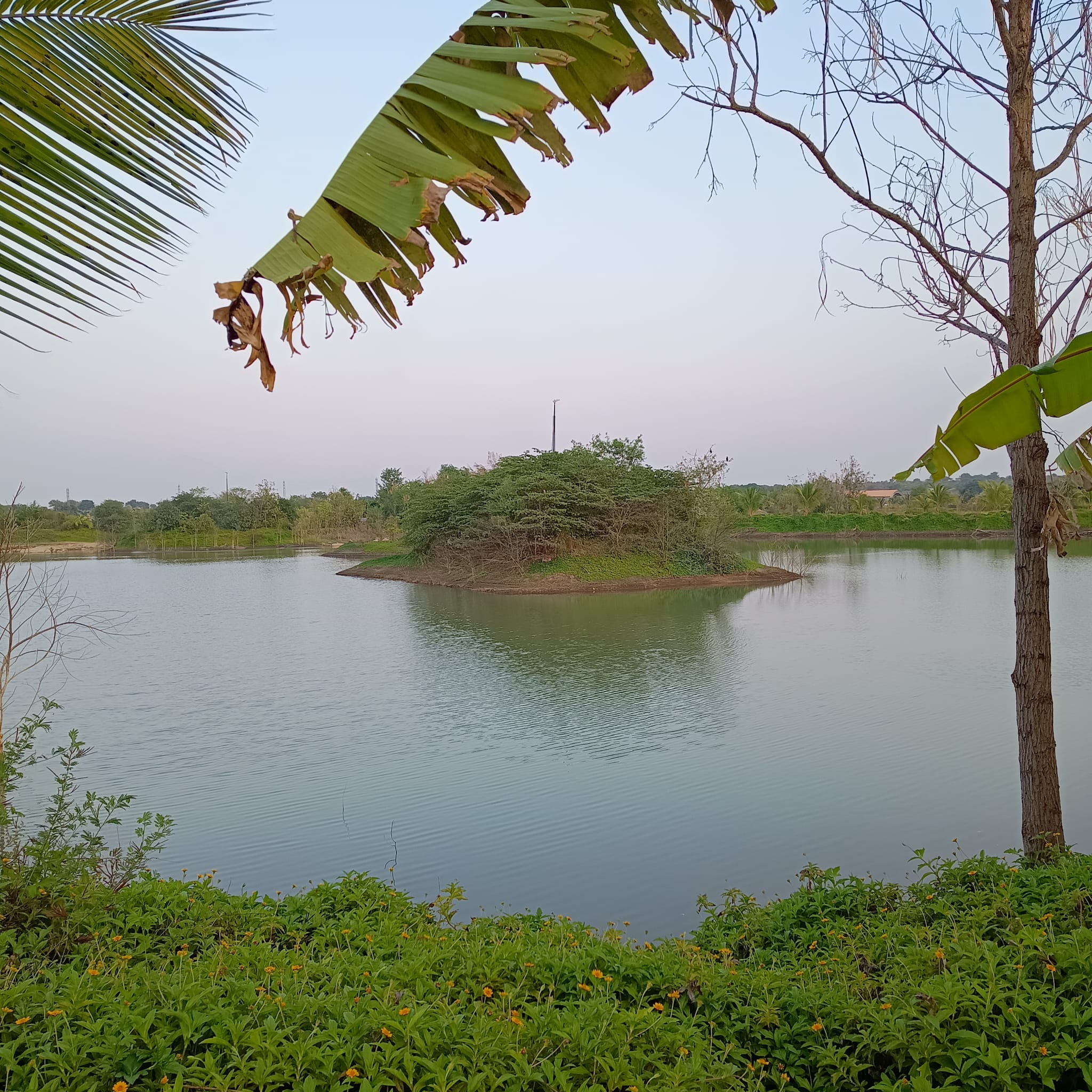
Part of the 1,400-acre complex is a lake, known as Kanha Sarovar. The head, Mr Kamlesh Patel (Daaji), was on a walk around the lake when I could see him briefly to present a copy of my latest book.
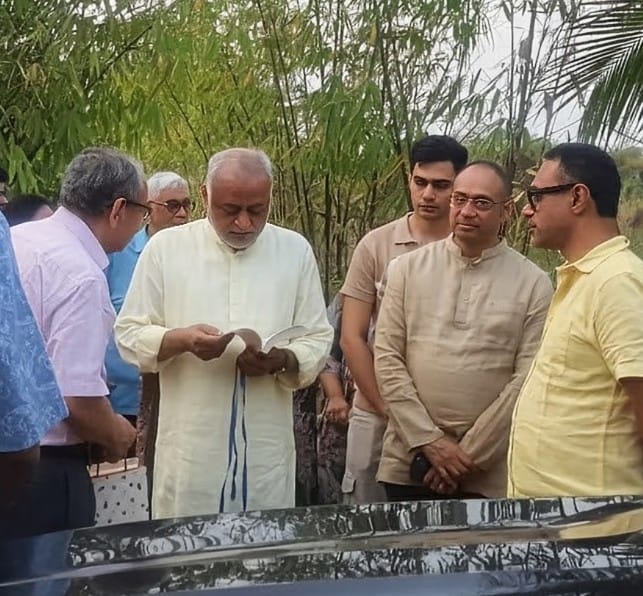
I reminded Daaji that he was kind enough to provide a Foreword to this book a few years back. Somehow, it got delayed in getting published. His remark: “Chalega. Good books take time to get published.”
One is reminded of these lines from Robert Frost:
The woods are lovely, dark and deep.
But I have promises to keep,
And miles to go before I sleep,
And miles to go before I sleep.
The book’s journey continues, aided and abetted by many insightful and glowing remarks from those who have had the occasion to go through it.
Related Posts
For orders from within India
For orders from outside India



 ashokbhatia